

Who's to Blame for the Pittsburgh Penguins Underachieving in 2014-15?
The Pittsburgh Penguins are done for 2014-15. They were eliminated from the first round of the playoffs by the New York Rangers, who won 2-1 in overtime Friday night to finish off the series 4-1.
No question about it, Pittsburgh underachieved this season. Feeling the organization had gone stale after winning the Stanley Cup in 2009, owners Mario Lemieux and Ron Burkle dismissed coach Dan Bylsma and general manager Ray Shero last offseason, replacing them with Mike Johnston and Jim Rutherford, respectively.
Rutherford was a terrible hire, and that is ultimately on Lemieux and Burkle. Rutherford seemed to have no idea how to manage a salary cap, leaving the Pens to compete with a short-handed roster at the end of the season.
Instead of looking in the mirror, Rutherford tried to blame the media in Pittsburgh for the problems. That's always the last resort of a failing coach or GM, and it never works.
Let's take a closer look at what went wrong with the Penguins. Most of the following slides will have a Rutherford theme to them. But he wasn't alone in Pittsburgh's failed season.
Injuries
1 of 6
He was having a potential Norris Trophy season—just a year after overcoming a stroke that sidelined him—and then Kris Letang suffered a concussion with just two weeks left in the regular season.
Letang's loss was major. He was a leader on and off the ice. Pittsburgh couldn't score in the first round, and not having Letang was a huge reason for that.
Still, let's not blame everything on injuries. According to ManGamesLost.com, Pittsburgh's 343 man-games lost to injury ranked fifth in the NHL. Yet last season, the total number was 529. Injuries were a factor, no doubt. But every team has to go through injury problems and find a way past them.
The Pens couldn't do that.
Mike Johnston's "System"
2 of 6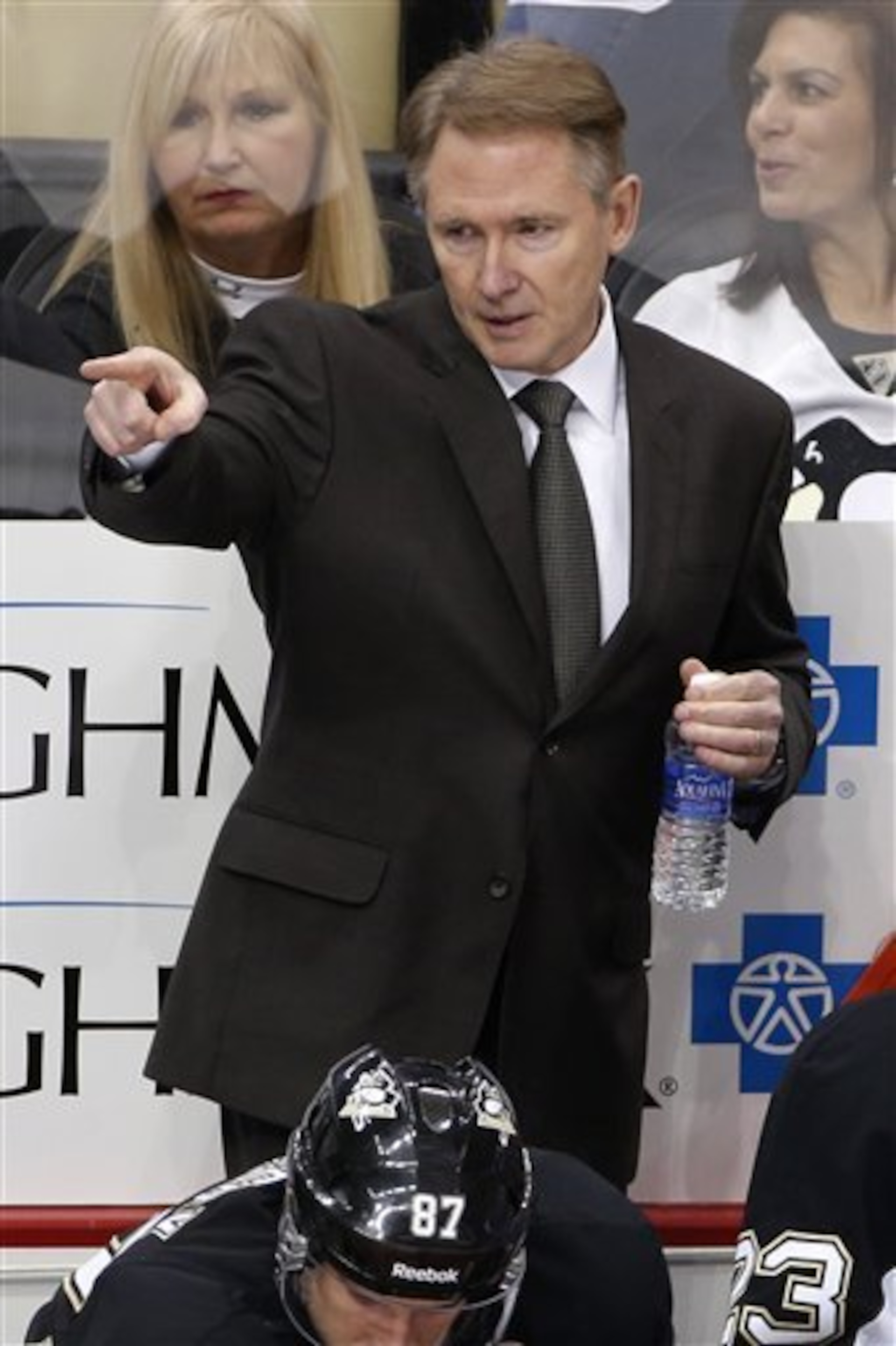
Under Bylsma, the Pens scored 249 goals last season. In their first year under Johnston, the total was 221. With Sidney Crosby and Evgeni Malkin on the roster, scoring shouldn't be as big a problem as it was.
Pittsburgh Tribune-Review columnist Rob Rossi wrote that the Penguins under Johnston turned into a "chip-and-chase group of muckers."
"It's like he doesn't know he works for the most gifted player in the history of hockey," Ross added of Johnson.
(Uh, well, maybe Wayne Gretzky was more gifted, but…)
Johnston, a longtime junior coach in Portland, Oregon, didn't seem to give his best offensive players the freedom they need. Under Johnston, Crosby averaged better than a point a game. But, with 84 points in 77 games, it marked the lowest point-per game average of his career.
Malkin Too Average
3 of 6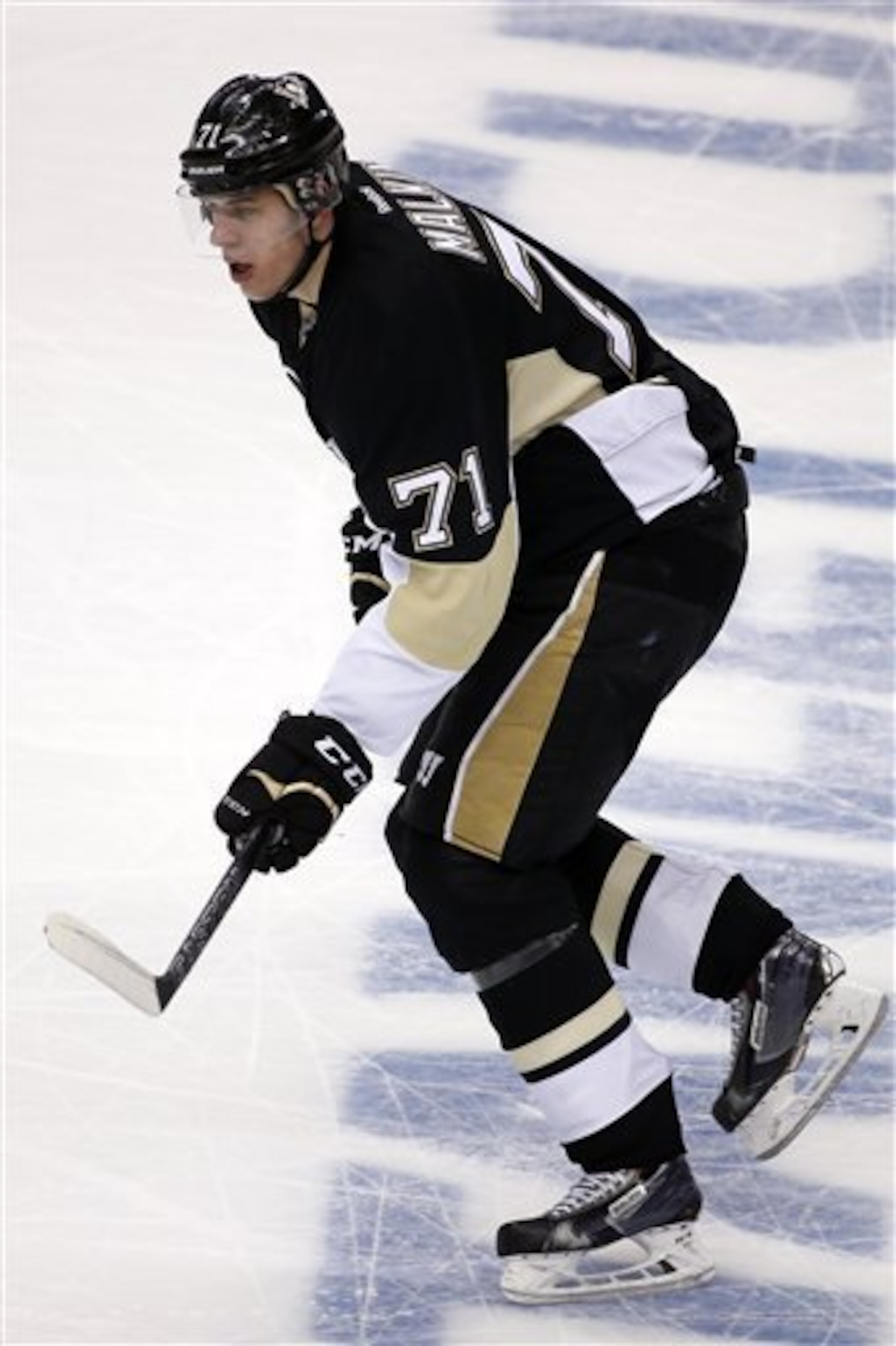
Twenty-eight goals, 42 assists, 70 points in 69 games. For most any NHL player, that's an excellent season. For Evgeni Malkin, that's not good enough.
Then came the first round against the Rangers, and Malkin was—no other way to put it—awful.
He did not record a point in the five games. He had 111 points in 96 career previous playoff games prior to this year. He did post six shots on net in Game 5 against the Rangers, but he only had four combined in the previous four games. He didn't come to work every single night.


Bad Moves at the Trade Deadline
4 of 6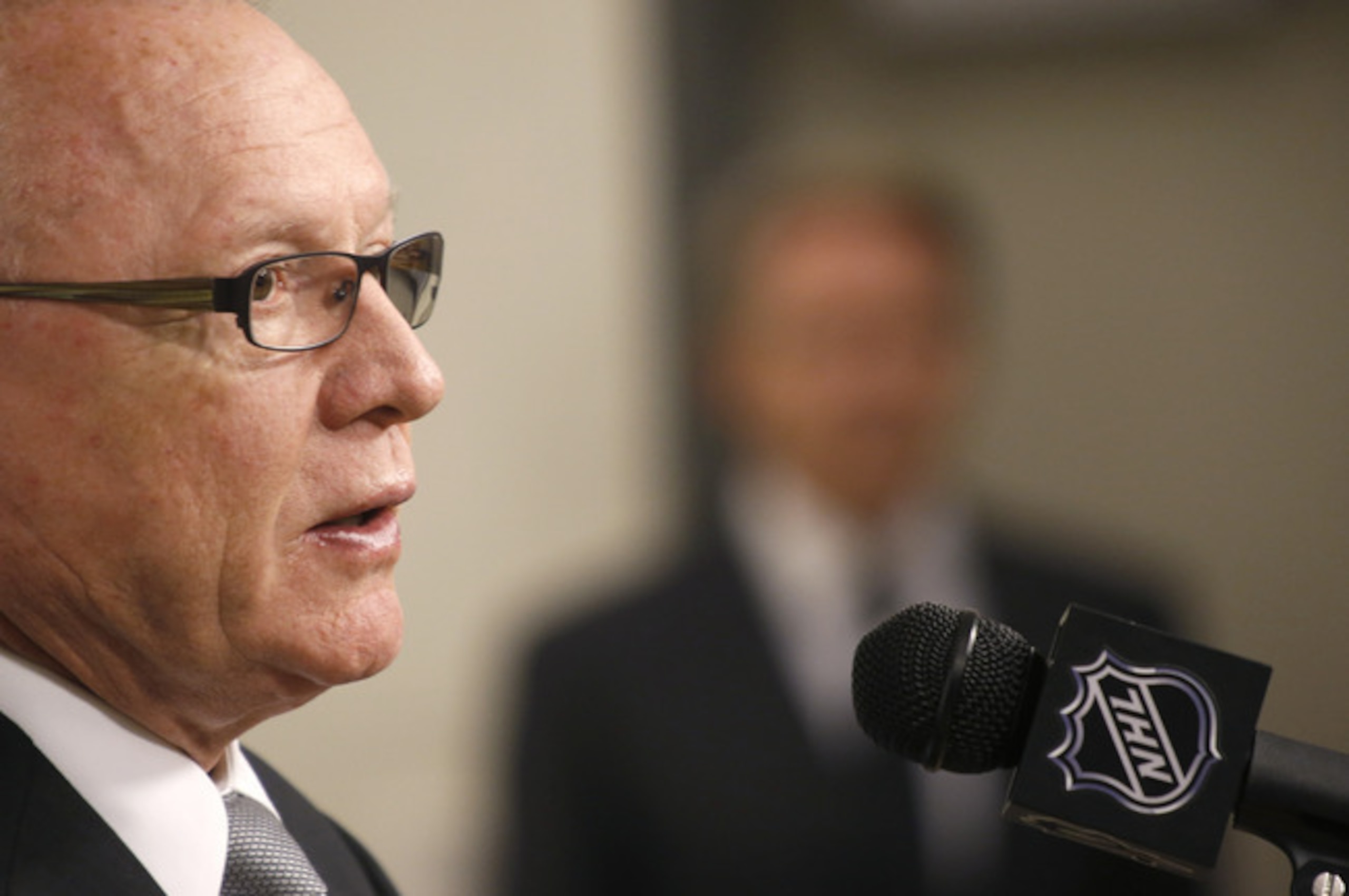
Daniel Winnik, Ben Lovejoy and Ian Cole were the big acquisitions at the trade deadline by Rutherford. Nothing against those three players—they are all gamers who can fill a depth role on good teams. But none of the three was ever going to be a major difference-maker in the playoffs.
Winnik played with Crosby at times in the playoffs, which is too much of a mismatch in talent to work. In Rutherford's defense, it's harder to make splashy deadline deals in the cap era. You're usually stuck with the team you had to that point in March, and if injuries are a problem, there's little you can do to buy your way out of the problem.
Still, Rutherford didn't assess the problem areas of his team well enough at the deadline.
Loss of Cool at the Top
5 of 6
Coaches and general managers yell at media people at times. Goodness knows I got yelled at my share in the 19 years I covered the Colorado Avalanche.
There was one thing I knew was going to be true in life for many of those years: if the phone rang before 6 a.m., it would be Pierre Lacroix on the other line, ready to let me have it. The former Avs GM was never shy at voicing displeasure at anything I or my colleagues wrote.
The good thing about Lacroix: it would almost all be forgotten by lunch time. As long as you let him have his say and didn't try to argue too much (no matter if your argument was the right one), he'd move on quickly. And that was always just fine with me. Nobody said I had to be liked to do my job.
Reading the account of a one-way shouting match between Pens GM Jim Rutherford and Pittsburgh Tribune-Review columnist Rob Rossi, however, you have to wonder just how fit Rutherford is for the job.
Rutherford was the longtime GM of the Carolina Hurricanes and, before that, their previous incarnation, the Hartford Whalers. He had some good success in Carolina, winning the Stanley Cup in 2006 and getting to the Cup Final in 2002. The final five seasons of his time in Carolina, though, the Hurricanes missed the playoffs.
No disrespect intended to the North Carolina hockey press corps, but Rutherford never had to face the kind of intense media scrutiny there that he does in an old Eastern city like Pittsburgh. After a Game 3 loss at home to the Rangers, Rutherford blew up at Rossi after exiting the arena elevator down from the press box.
One thing Rutherford, according to Rossi, kept repeating in sarcastic fashion was, "Thanks for your support."
Here's a tip to Rutherford: it's not the local media's job to "support" the home team. That's for your fans and your ticket sellers and everyone else tied to the organization with a vested interest. It's the media's job to report in an honest manner and provide opinion. You don't have to like it, and that's fine. But don't go whining about the press not giving enough "support."
After this many years in pro sports, you'd think Rutherford would know that by now.
Salary Cap Mismanagement
6 of 6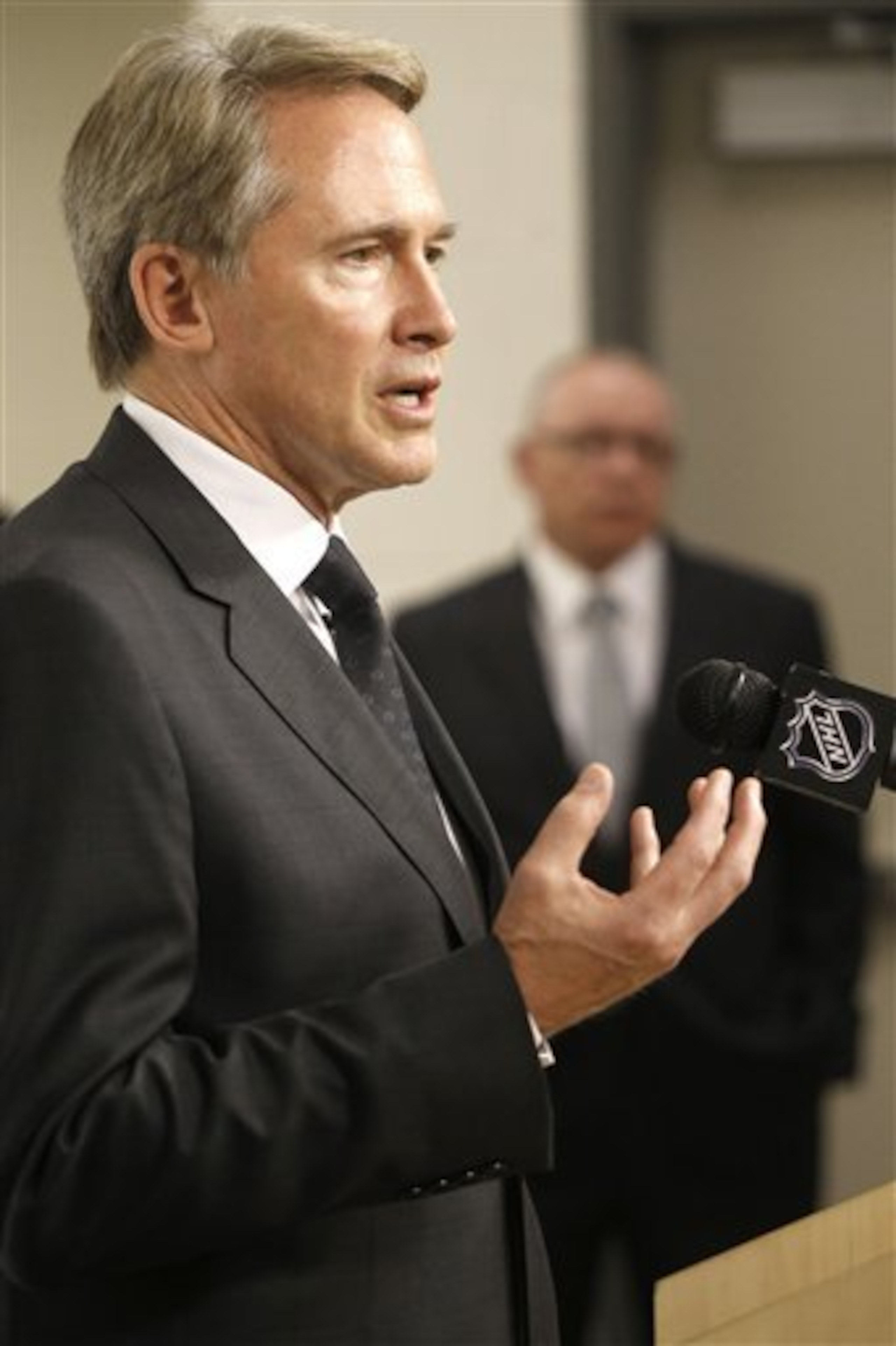
As Rob Rossi and other Pittsburgh media pointed out, the Penguins had to play five of their final seven regular-season games with only five active defensemen. Why? Because late-season injuries to Kris Letang ($7.25 million cap hit) and Christian Ehrhoff ($4 million) could not be transferred to long-term cap relief status, and the Pens couldn't even fit anyone in from their minor league system to play.
It's not like people in Pittsburgh failed to see any of this coming. Right after Rutherford was hired last June, Ron Cook of the Pittsburgh Post-Gazette wrote this:
"Five weeks ago, Rutherford decided to leave the game. You know what Chuck Noll used to say about retirement, right? When a man is considering it, he should do it because his heart won’t be in his work.
"
Not all of the bad salary-cap moves were Rutherford's fault. The Penguins probably had to do many of them, but when you give most of your team's cap room over to four or five players, you're asking for trouble. Pittsburgh's top stars all demanded max salaries, and they got them. That means too many other guys have to be signed on the cheap, and if any get hurt, tough luck.
As we know hockey, it's more than just a four- or five-game team. It's a team game, and budgets have to be made accordingly.
_1.png?w=2560 "B/R")


.jpg?w=2560 "🚨 LIONS GIVE GIBBS RECORD DEAL")

.png?w=2560 "CJGJ Fired Up to Face Texans😤")
.png?w=2560 "JB Threw Phone After Trade 😳")
