Liverpool's Dilemma: Has Brendan Rodgers' 3-4-2-1 Had Its Day?
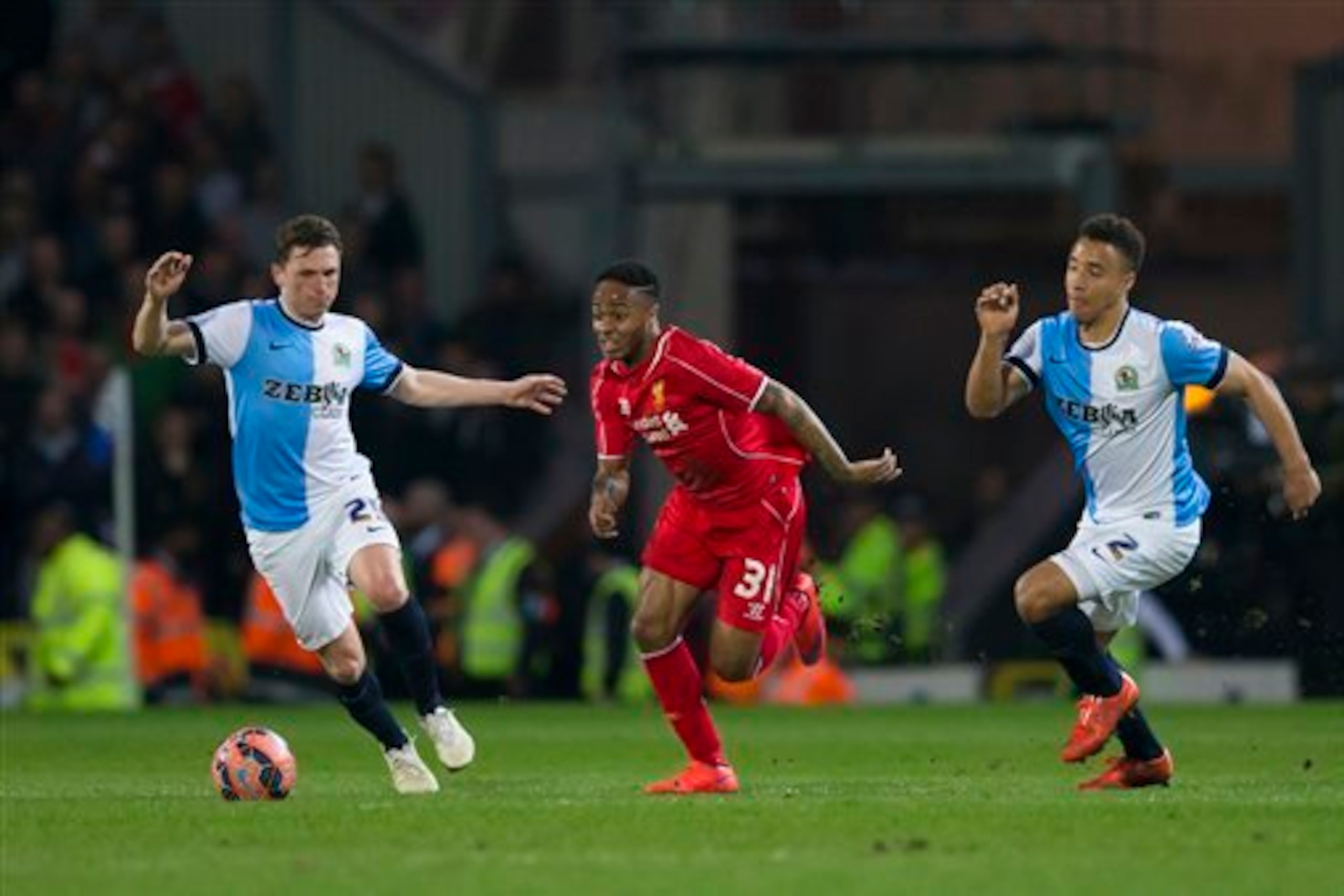
Against Blackburn Rovers on Wednesday, Liverpool played a back four. Five months after it made its first appearance, the 3-4-2-1 that sustained Brendan Rodgers’ side through their thrilling but perhaps vain pursuit of Champions League qualification was abandoned.
Some, perhaps, will assume that it is it, that the tactic has been “worked out” and now must be discarded, never to be seen again, but the issue is more complex than that.
Tactical systems don’t just become obsolete overnight. When a new way of playing emerges—which is a rare event—it can take opponents time to get used to it, and the novelty can be part of its strength, but that always wears off eventually.

.jpg?w=2560 "Canada Carney Infantino")
The process is speeding up. In 1961-62, Alf Ramsey led Ipswich Town to an unexpected league title because nobody got to grips with his use of Jimmy Leadbetter as a withdrawn left-winger.
Television coverage was limited, video analysis didn’t exist and scouting was haphazard. There was a vague awareness that Ramsey was doing something different but other sides in the First Division couldn’t really understand what until they played against Ipswich.
In the Charity Shield the following season, Ipswich lost 5-1 to Tottenham Hotspur, who had the benefit of having played against them twice the previous year.
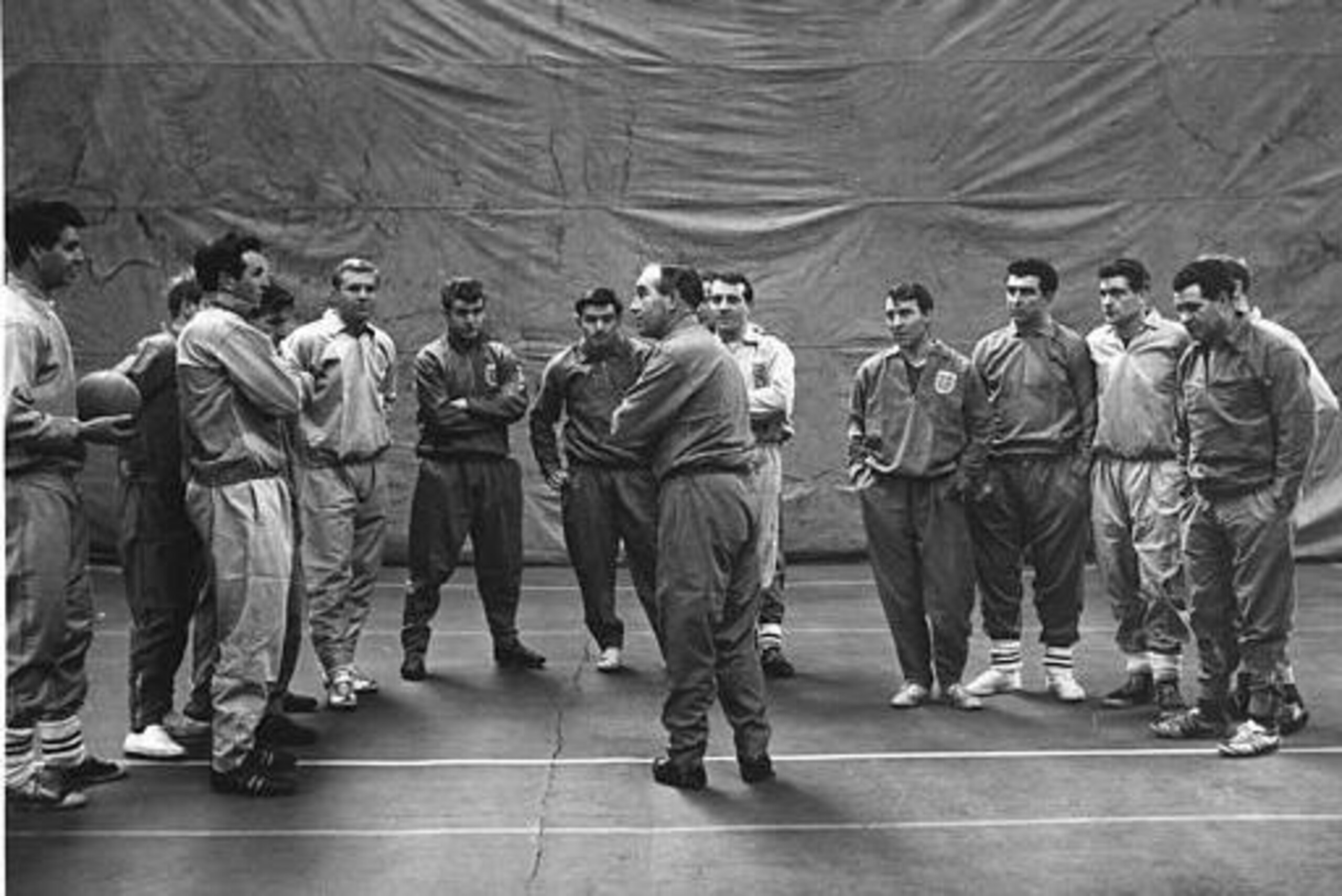
Ramsey soon left to become England manager and Ipswich, the advantage of their uniqueness gone, ended up finishing 17th. But that didn’t mean that the withdrawn winger was no longer an effective tactic.
By the end of the decade, England had won the World Cup with two withdrawn wingers and almost everybody in the First Division was playing with at least one.
One of the reasons for Liverpool’s 13-game unbeaten run in the league following defeat at Old Trafford in December was that opponents were struggling to adjust to their 3-4-2-1.
The use of two creative players in what were effectively inside-forward roles meant they often existed in empty pockets between the opposing full-backs, centre-backs and holding midfielders. Philippe Coutinho, in particular, has found space again and again in the three-quarter position.
If sides tried to adjust, they often found it disrupted their marking structure elsewhere.
The defeats to Manchester United and Arsenal and, more particularly, the first halves of each game, suggested opponents beginning to come to terms with the 3-4-2-1. There had been signs even in the games before, particularly away at Swansea City, that teams were beginning to work out how to attack Liverpool.
Push two forwards wide, behind Liverpool’s wing-backs and that creates a problem: who picks them up? The wide centre-backs or the wing-backs? If it’s the centre-backs, does that create spaces in the middle? If it’s the wing-backs, it means Liverpool are left trying to hold the midfield with potentially only two players and so can be outnumbered.
That doesn’t solve the problem of how to deal with the two creators, but it does shift the emphasis back on Liverpool.
After weeks of asking the questions, they have suddenly had to answer some—just at a point at which fatigue, perhaps, was beginning to set in and the issue of Raheem Sterling’s contract had begun to deflate morale. United and Arsenal both pressed notably hard in the early stages, as though determined to get the game played in Liverpool’s half, away from danger.
So the advantage of novelty has gone, but that doesn’t mean 3-4-2-1 is suddenly useless. United and Arsenal are good teams in form; others will not be able to match their levels of performance. Every other formation used in the Premier League was “worked out” years ago: People know how to deal with a 4-4-2 or a 4-2-3-1 or a 4-3-3, and people have worked out how to deal with the working out.
The 3-4-2-1 may have lost the advantage of surprise, but that is inevitable. The two creators are still in awkward positions. Liverpool will still use it effectively. It’s just that they now have to deal with opponents who push forwards wide—which is always the problem in a back three.
Rodgers’ system isn’t radical anymore; it’s just one formation among the many.

.jpg?w=2560 "Ja'Marr Chase Eyeing NFL Record")
.jpg?w=2560 "Watson Leads Browns QB Battle")
.jpg?w=2560 "Bridgewater Stepping Away")
.jpg?w=2560 "Panthers Sign Ex-CFB Star QB")
.jpg?w=2560 "Richardson Unsure of Future With Colts")
.jpg?w=2560 "NFL HCs on Hot Seat ♨️")