Jose Mourinho Teaches Spurs a Lesson as Chelsea Build Victory from the Back
WEMBLEY STADIUM, LONDON — He had the prolific Diego Costa on the pitch and Didier Drogba—with his prodigious knack for final-winning goals—on the substitute’s bench, but it was the defence that once again proved the basis for victory as Jose Mourinho added yet another trophy to his managerial haul.
At this point, Mourinho’s approach to the biggest games and the biggest teams is no secret, even for those with only a passing interest in the tactical side of the game. The Portuguese is perhaps unique among his world-class contemporaries—Pep Guardiola, Sir Alex Ferguson, Arsene Wenger—in his willingness, even preference, to cede possession and territory to opponents on the big stage, so confident is he that a well-organised defence and precision-engineered counter-attack can and will win through in the end.

On Sunday, yet again, he was vindicated in such beliefs. Chelsea's opponent, Tottenham Hotspur, enjoyed two-thirds of the possession and spent much of the Capital One Cup in the opposition half. Yet at the final whistle, Spurs found themselves on the end of a convincing 2-0 defeat after goals either side of half-time from John Terry and the aforementioned Costa.
It was Mourinho’s third League Cup victory and his sixth trophy in total at the west London club. But it was his first since returning to Chelsea last summer—a three-year trophy wait (when including his Real Madrid tenure) that the 52-year-old admitted was beginning to feel like “20.”
“It is a good problem, to have that feeling that two years [without a trophy] is a long time,” Mourinho noted afterwards. “For the club it is one more cup, but it is the first one of a new team. You have Petr Cech, John Terry, Didier Drogba—but after that, everyone belongs to a new generation of players.”
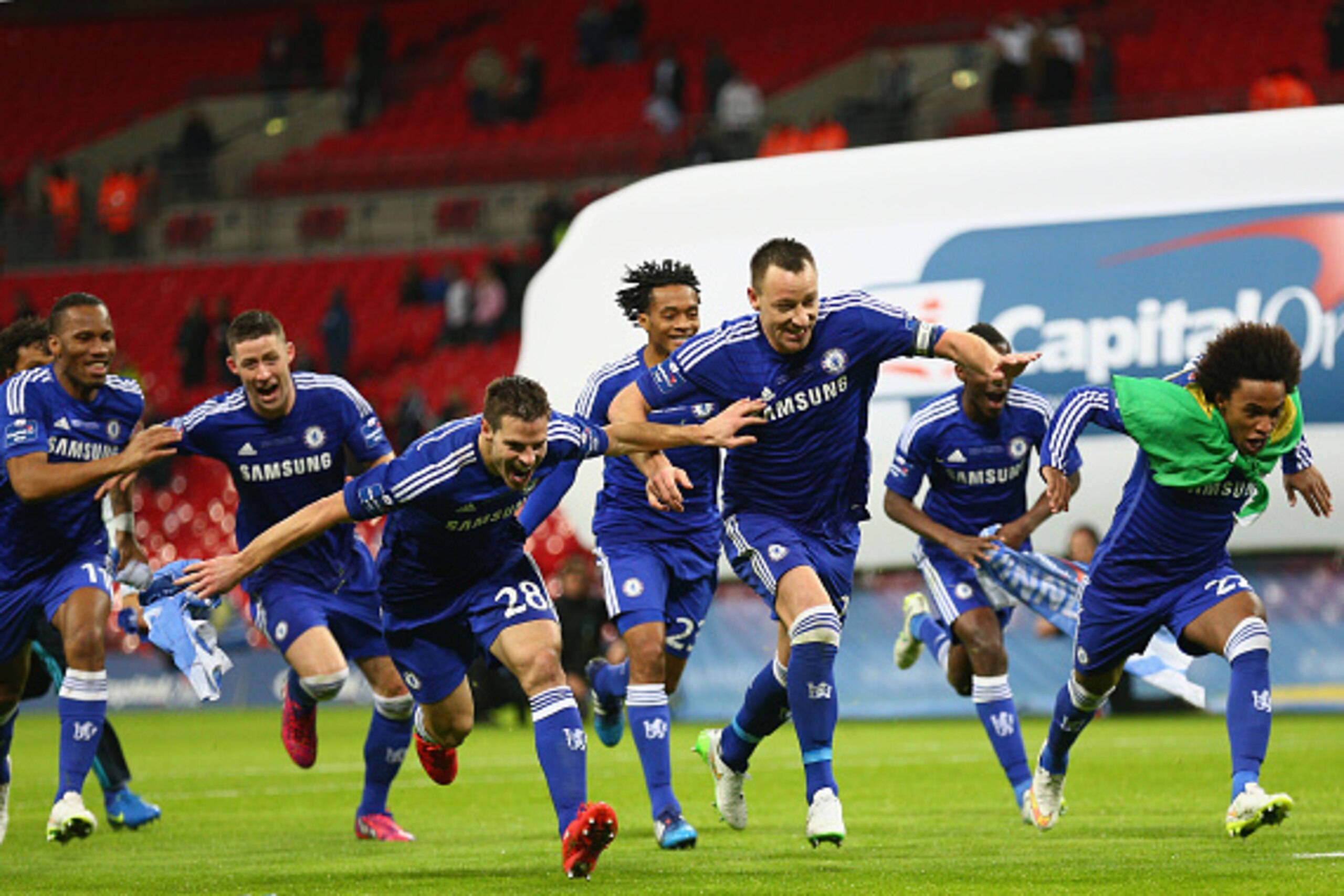
Mourinho hopes this trophy, the first of his second Chelsea reign, is the start of a bright and successful future for his squad. That may be the case, but this specific triumph was undoubtedly born out of lessons of the past.
Mourinho always prefers defence as the best form of attack on such occasion, but perhaps the specific nature of this match was decided at the start of 2015, when Spurs—driven on by the White Hart Lane crowd—demolished Chelsea 5-3 in the Premier League.
It was about the only time this season the Blues have been embarrassed, let alone made to look ordinary. So perhaps it was no surprise that Spurs boss Mauricio Pochettino named essentially the same side at Wembley as he did in that landmark win.
Eric Dier continued in central defence (having supplanted Federico Fazio in recent weeks), but beyond that, it was the same XI—with Andros Townsend and Nacer Chadli supporting the attack despite the fact Erik Lamela and Moussa Dembele have been ahead of them in Pochettino’s pecking order over the last few months.
At White Hart Lane, Chelsea struggled with the pace, directness and physicality of Spurs’ attack. Pochettino clearly felt that faced with the same test again on Sunday the Blues would struggle similarly.
“We should be proud,” the Argentinian said afterwards. “We stuck to our philosophy.”
Mourinho anticipated such a move, however, and it seemed Pochettino inadvertently walked straight into the trap laid out for him. Limited by the controversial suspension of Nemanja Matic and injury to John Obi Mikel, Chelsea named Kurt Zouma—“our Marcel Desailly,” Mourinho claimed—in a holding midfield role, with Ramires and Cesc Fabregas at the centre of a four-man midfield that looked flatter than usual.
Eden Hazard and Willian pushed forward to support Costa (his usual aggressive, antagonistic self) frequently, but off the ball, they dropped into narrow positions and seemed to focus their pressing to specific areas and personnel.
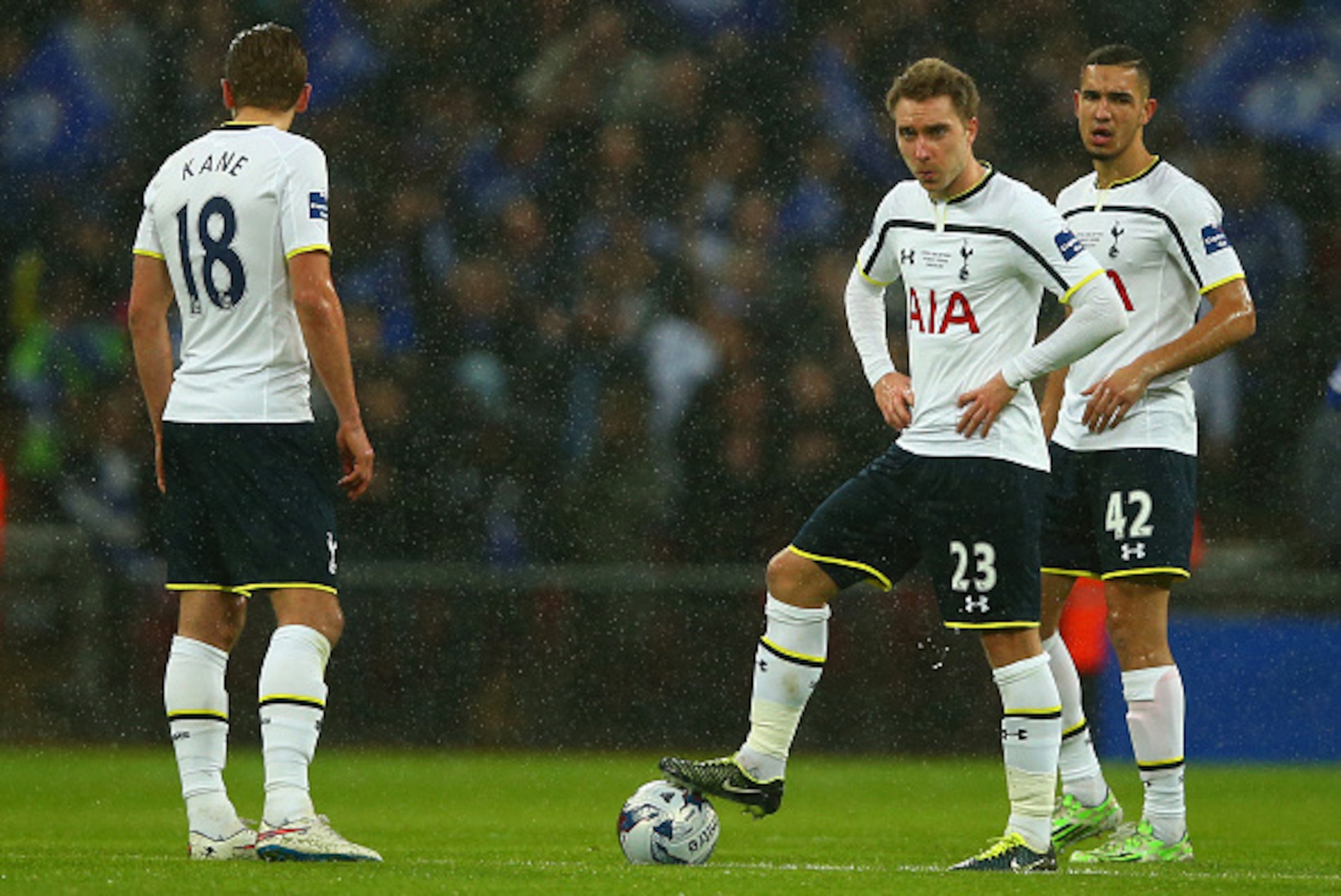
Pochettino had anticipated Chadli and Townsend, along with Harry Kane, running amok once again, but Mourinho’s adjustments cut off the supply lines. Nabil Bentaleb and Ryan Mason struggled to move the ball around as Fabregas, Ramires or another member of the opposition pressed them constantly.
Pochettino stuck to his principles, but Mourinho adapted his game plan perfectly to outflank Tottenham. When Terry scored—the 16th goal this season from one of the five Chelsea defenders on the pitch—it already felt like Spurs would struggle to get back on terms.
Once Costa saw his errant shot deflected past the wrong-footed Hugo Lloris, the conclusion was inevitable.
“We played to win,” Mourinho said. “I think [Spurs] were the team they are, and we were a strategic team, a team that came to win, that was comfortable, a team that found a solution to keep the stability after the criminal tackle that Matic did that suspended him.
“I am very happy. We change the shape of the triangle in midfield, we identify the angles to press them well, and the game we played was the performance of a very mature team—which we are not.”
Pochettino insisted he had not been caught out—“we know they have the possibility to play Cahill in midfield, or Zouma”—but Mourinho's tactics certainly seemed to upset the Tottenham players. Spurs dominated the ball for much of the first half but only infrequently looked like scoring, a problem that only grew as Chelsea took the lead and focused even more diligently on their defensive duties.
“It’s not cautious,” Mourinho said. “It’s not cautious for the ones who know the game. When you are reaching Bentaleb and Mason in their own half, it is not cautious.”
“From the first minute we started pressing them high, don’t let them build," he added. "Instead, they were building long rather than building short. We did not give them the game they were expecting.”
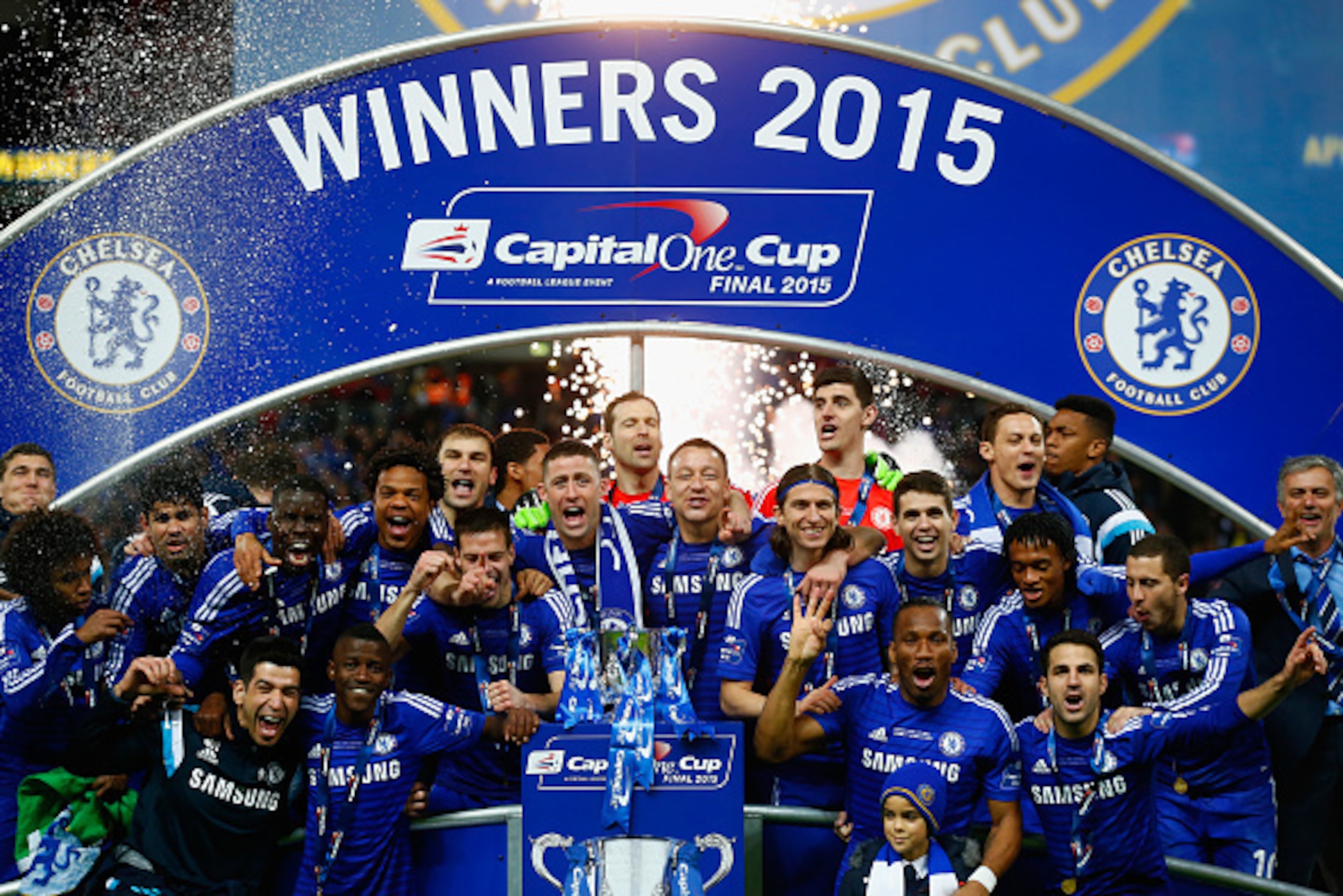
Spurs, thrown off by that different shape and approach, never really recovered. Kane is arguably the in-form player in the country right now, but he was barely a factor on Sunday, while Eriksen drifted out of the game after a bright start that saw him hit the bar with a free-kick.
But when Dembele and Lamela were added in the second half, it felt like Pochettino was finally admitting his initial selection had been off, that the guile of Dembele and creativity of Lamela might turn all that possession into something more tangible.
Pochettino admired the efforts of his players, and they certainly pushed forward to the final whistle. But in doing so, he perhaps unintentionally acknowledged that inexperience—the team's and his own—played a part in how the game panned out.
This was rope-a-dope stuff. Chelsea soaked up the pressure with a practised ease before unleashing a couple of well-timed blows that were enough to secure victory.
“I think in the first half, we were better than Chelsea, and unlucky that we conceded the goal we did,” Pochettino said. “[After that] it was hard for us. We take some risks and give some possibilities on the counter-attack, and we concede the second goal. Bad luck.
“For us, we need to take a lot of positive things. We are a very young squad, 23.5-year average on the pitch, for many players their first final. It shows that we can play a lot of finals over the next few years.”
Mourinho agreed, although it was hard to tell if that was just the obligatory congratulatory message of the victor in a final.
“He is building a fantastic team,” the Portuguese manager said. “They brought a fantastic team to the final and gave us a fantastic final. They made us be humble and think strategically to win this final. Many congratulations to him and his staff.”
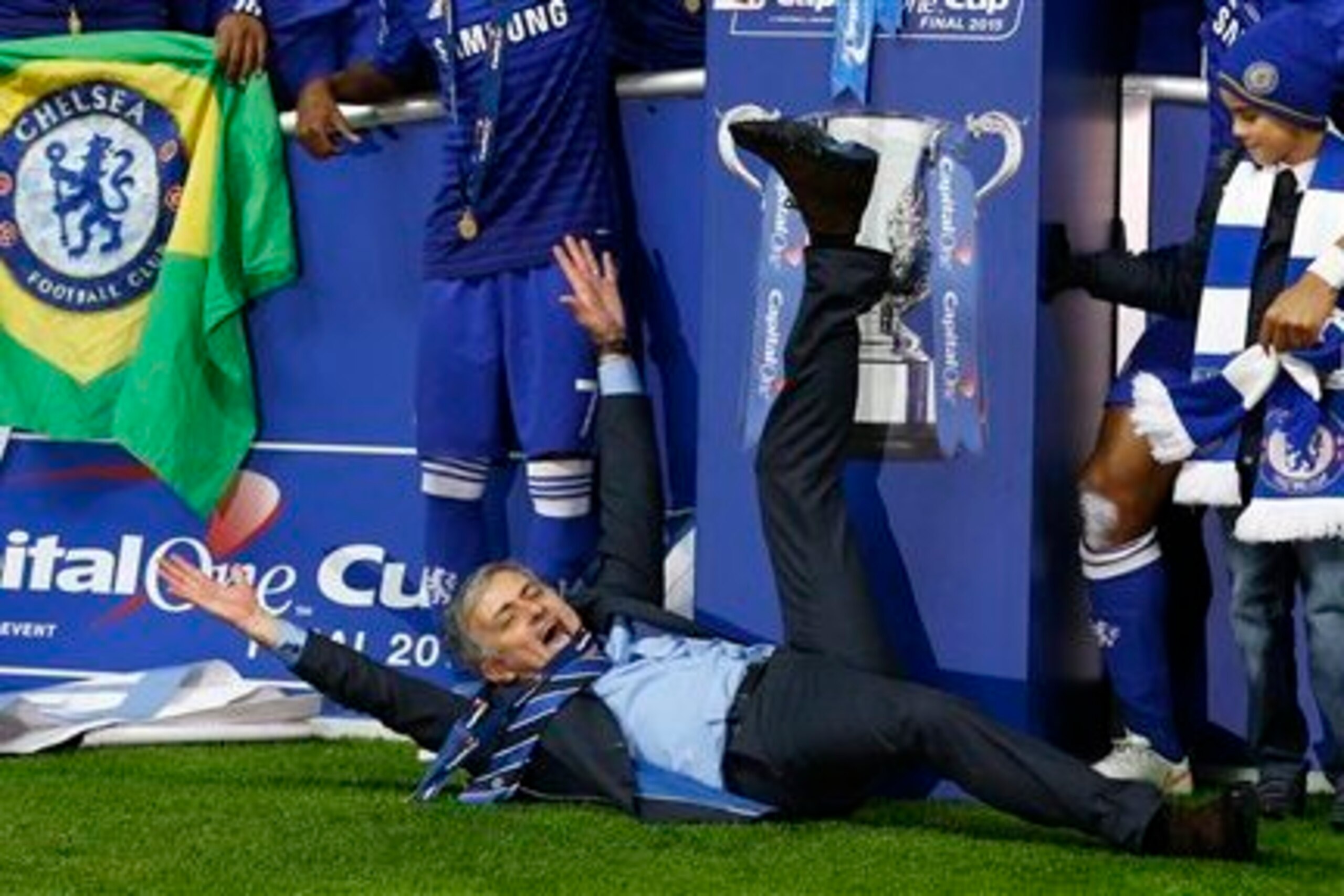
For all the praise, however, it felt like a lesson or two had been imparted. Chelsea showed Tottenham the particular qualities—mental as much as physical—needed to succeed in finals, and Mourinho showed Pochettino about how to handle the biggest games of all.
“I’m really happy, even with myself,” Mourinho concluded to the amusement of the journalists. “It’s true! Sometimes you are not, but I am really happy with myself because I knew that this is a decision that, if I lose the final, the experts, the ones that know more than me, will kill me.”
There was never any danger of that.
All quotes obtained firsthand.
.jpg?w=2560 "49ers York Arrested")

.jpg?w=2560 "WWE NXT Results, Winners, Live Grades, Reaction, Highlights Before Heatwave 2026")
.jpg?w=2560 "Players with Shocking Career Earnings 😳")