Overreactions You Should Avoid in Spring Training
Winter is a long, soggy slog for everyone, but it's especially brutal for Major League Baseball fans.
Not only do we endure the ice and chill, but we also do it without a flicker of MLB action. And the suffering really sets in once the hot stove goes cold.
So huzzah for spring training and the return of actual honest-to-goodness baseball. Gloves, bats and fresh-cut grass are back—the whole nine.
Here's the thing, though: It's only spring. The games, which kick off on March 1, are mostly meaningless—or at least the outcomes are.
Even individual performances can be deceiving, with scalding starts or extended slumps vanishing like a desert mirage when the regular season begins.
The point isn't to throw a wet blanket on your budding baseball-related joy. But overreactions abound this time of year, and the discerning fan would do well to avoid them.
What sorts of overreactions? It's funny you should ask.
Getting Too Excited About a Hot Bat or Discouraged by a Cold One
1 of 5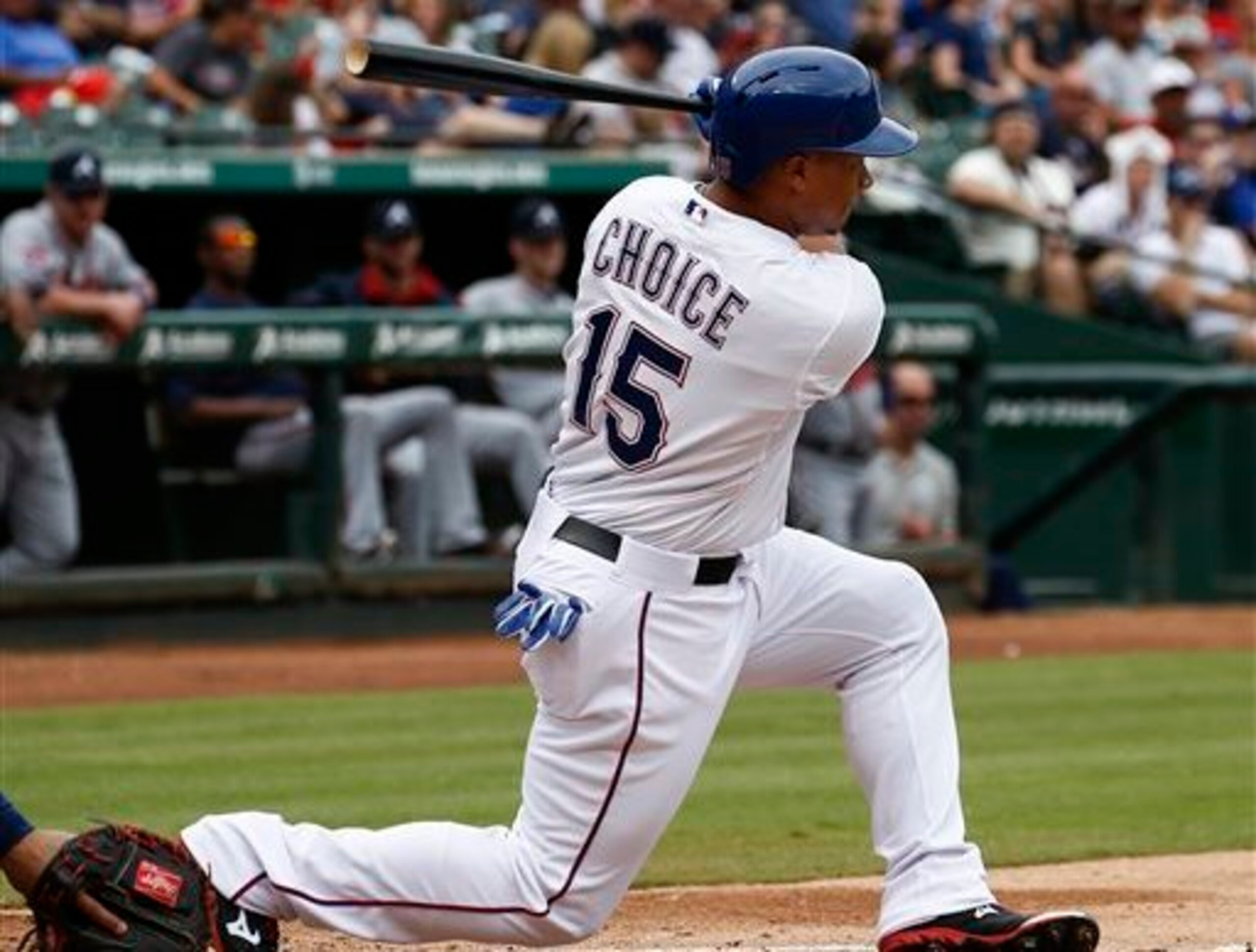
If spring stats were harbingers of summer success, Michael Choice would have been in the thick of the American League Rookie of the Year race last season.
Choice hit .369 with five home runs and 17 RBI in 65 Cactus League at-bats and made the Texas Rangers' Opening Day roster. He then proceeded to hit .182 in 253 at-bats for the big club.
Choice isn't necessarily a bust; the 25-year-old former first-round pick is again in the mix for a starting gig in left field, per Jeff Wilson of the Star-Telegram.
But he's a cautionary tale: Don't get too amped up about a hot-swinging rookie (or veteran, for that matter) before the calendar flips to April.
The inverse, of course, is also true. Jonathan Lucroy of the Milwaukee Brewers hit an anemic .217 last spring—before finishing fourth in National League MVP balloting.
Obsessing on Velocity
2 of 5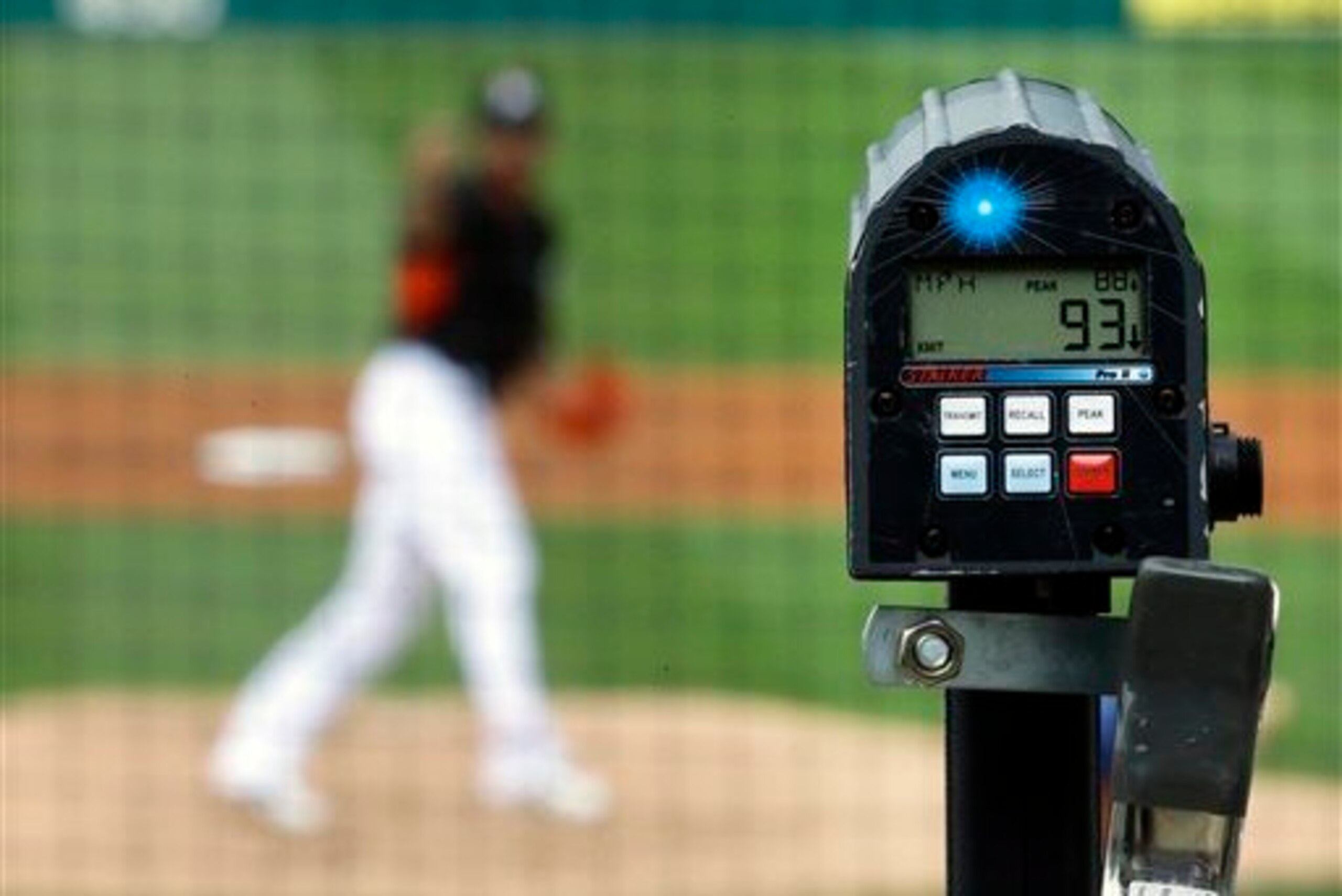
There's something so seductive about the radar gun, so instantly gratifying. In spring, though, resist the urge to focus too hard on miles per hour.
Yes, a sudden, precipitous drop in pitch speed can indicate trouble—and possibly a lurking ailment. And there is some correlation between spring and regular-season velocity, as Mike Fast meticulously detailed for Baseball Prospectus in 2011.
But, especially in the early going, pitchers are still rounding into form and shedding the offseason cobwebs. Absent other warning signs—skipped starts, a reduced workload—there's no reason to freak out and assume your favorite fireballer is fizzling just because he's not immediately lighting up the gun.
Automatically Buying the 'Best Shape of His Life' Hype
3 of 5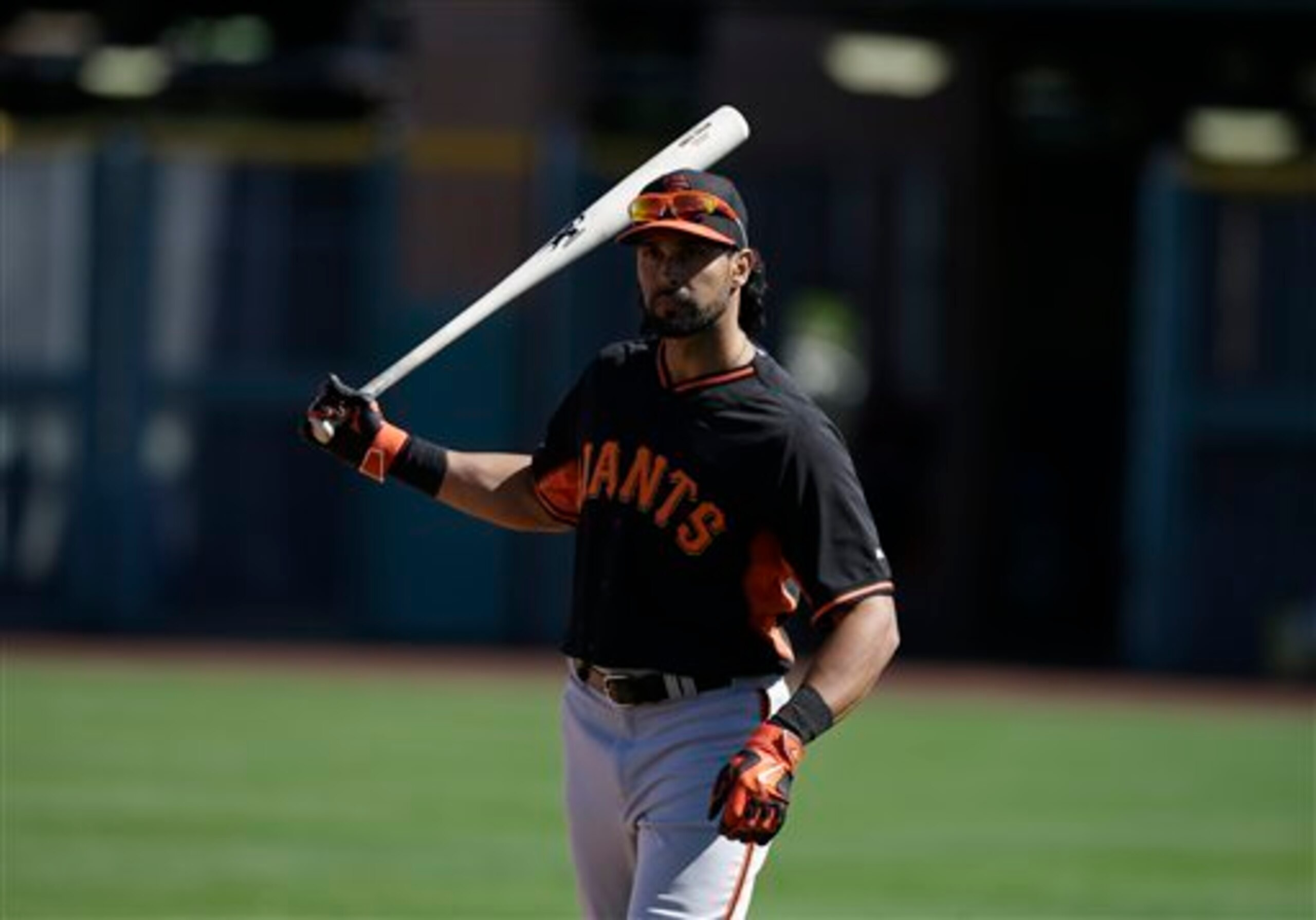
Recently, yours truly wrote a column arguing, essentially, that a healthy Angel Pagan would be as good as a big free-agent acquisition for the San Francisco Giants.
Pagan sat out the end of San Francisco's most recent championship run with a balky back and had offseason surgery to repair a bulging disc.
Now, the Giants center fielder is in camp and claiming, per Carl Steward of the San Jose Mercury News, that he feels "like never before."
This is the part when you're supposed to raise an eyebrow. Yes, Pagan could come back and play 150 games (he hasn't cracked 100 games since 2012) and look like the picture of health doing it.
But what he says now—and what beat reporters write—isn't a reliable indicator. Everybody's in the best shape of his life in spring, especially players battling back from injuries. It's a cliche at this point.
Hold out hope, by all means. That's what this time of year is all about. At the same time, start limbering up your skepticism muscles; you'll need them in the months ahead.
Freaking Out When Your Ace Gets Shelled
4 of 5
Picture it: Max Scherzer, the Washington Nationals' new $210 million man, takes the hill for the first time as a Nat—and gets rocked. It's panic time in D.C., right?
Wrong.
Oh, sure, it'd be nice if Scherzer dominates. But he doesn't have to; his rotation spot is guaranteed.
So instead of laboring to impress, he'll be working on things. Maybe he's tinkering with his mechanics or throwing only a couple of his pitches that day.
Spring, for the game's elite arms, isn't about blowing away the competition—it's about preparing to blow them away later.
Need proof? Last spring, the Cleveland Indians' Corey Kluber posted a 5.60 ERA and .303 BAA. That's bad—but not as bad as Los Angeles Dodgers left-hander Clayton Kershaw, who lugged a 9.20 ERA and .317 BAA out of the Cactus League.
If memory serves, things turned out OK for those two.
Paying Attention to the Standings
5 of 5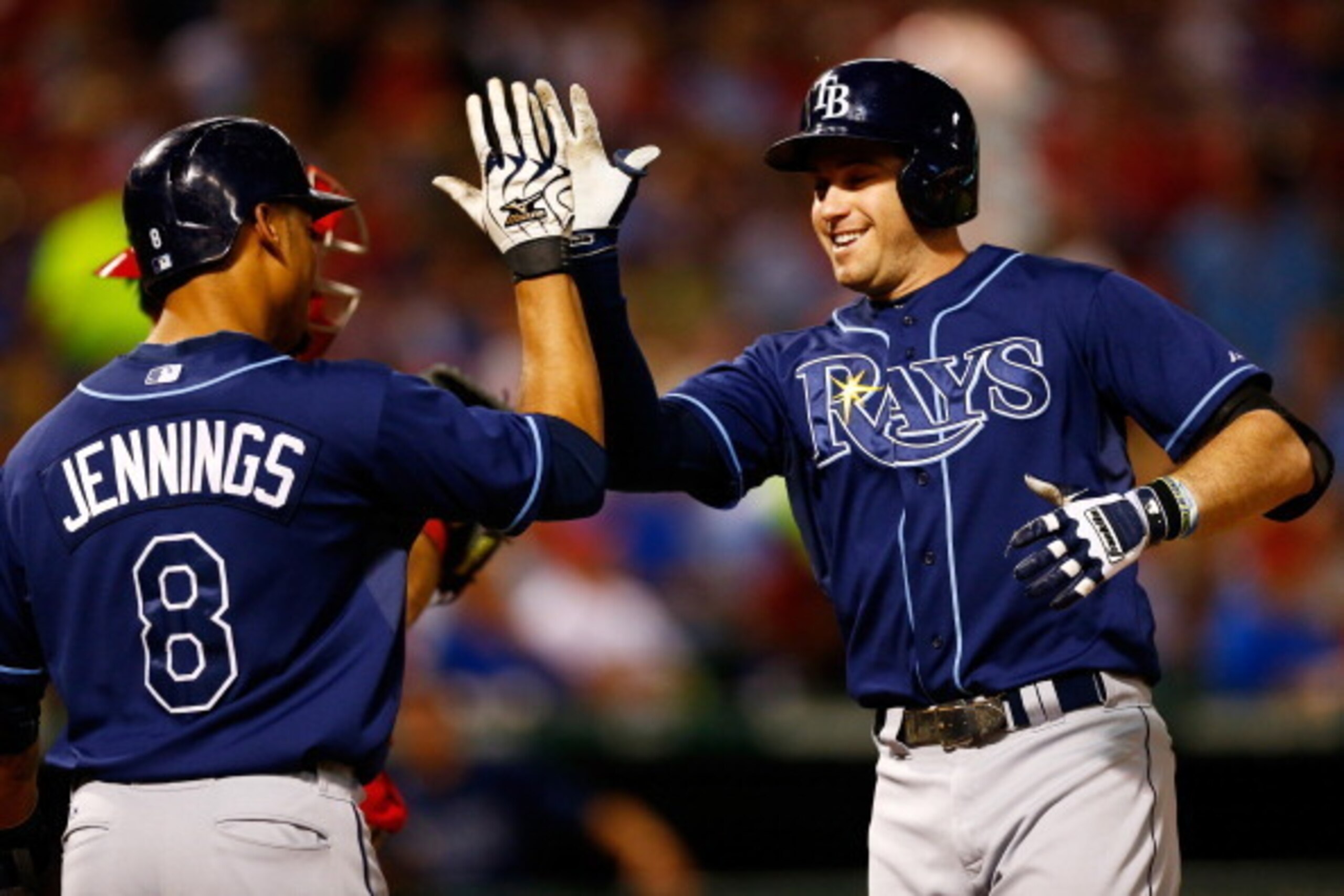
All together now: Spring training records don't matter. Spring training records don't matter. Spring training records don't matter.
Case study: The Tampa Bay Rays, who in 2013 finished their spring slate with a 15-17 mark, fifth worst in the Grapefruit League. They then went on to win 92 games and advance to the American League Division Series.
Last year, Tampa Bay enjoyed a better spring, going an MLB-best 16-7, but ultimately finished 19 games out in the AL East.
There are countless other examples, but let this one suffice. Again, spring training records don't matter, and the reason is simple: Victory is rarely priority No. 1.
Yes, it's important to lock in a winning mindset early. And every player is an instinctual competitor—in March and October.
But many spring games are decided long after the regulars have hit the showers, replaced by minor leaguers and non-roster invitees with little or no shot at cracking a 25-man roster.
That's not to say that teams never do well in both the spring and the regular season—or poorly in both. It's just that using a spring record to predict regular-season performance is like guessing how well a pitcher's going to throw based on his pregame stretching regimen.

.jpg?w=2560 "Picks for Irish, Every Week 1 Game 🔮")

.jpg?w=2560 "Projecting NFL Win Totals")
.jpg?w=2560 "Maye Reacts Viral A.J. Pic 😂")

.jpg?w=2560 "Best Fits for Mike Tomlin 📍")
.jpg?w=2560 "Biggest Scandals in Sports History 😱")