

Penguins Fall to Canucks: Worrying Trends from Pittsburgh's Loss
For the Pittsburgh Penguins, losing by a score of 5-0 is unfamiliar territory. The Metropolitan Division leaders have been poised for home-ice advantage in the upcoming Stanley Cup playoffs, but Saturday's blowout at the hands of the Vancouver Canucks highlighted out some familiar and worrying concerns.
The 5-0 defeat for Pittsburgh hands it its first regulation loss of the season against a Canadian opponent and exposed many issues related to the Penguins’ style of play. While still a lock for the Stanley Cup playoffs, their play raises questions as to how far the Penguins will go.
This Canucks matchup unveiled a great deal of takeaways for the Penguins to mull over as they wait for a Wednesday grudge match with the rival Detroit Red Wings.
1. High-Risk Offense Burns Defense
1 of 4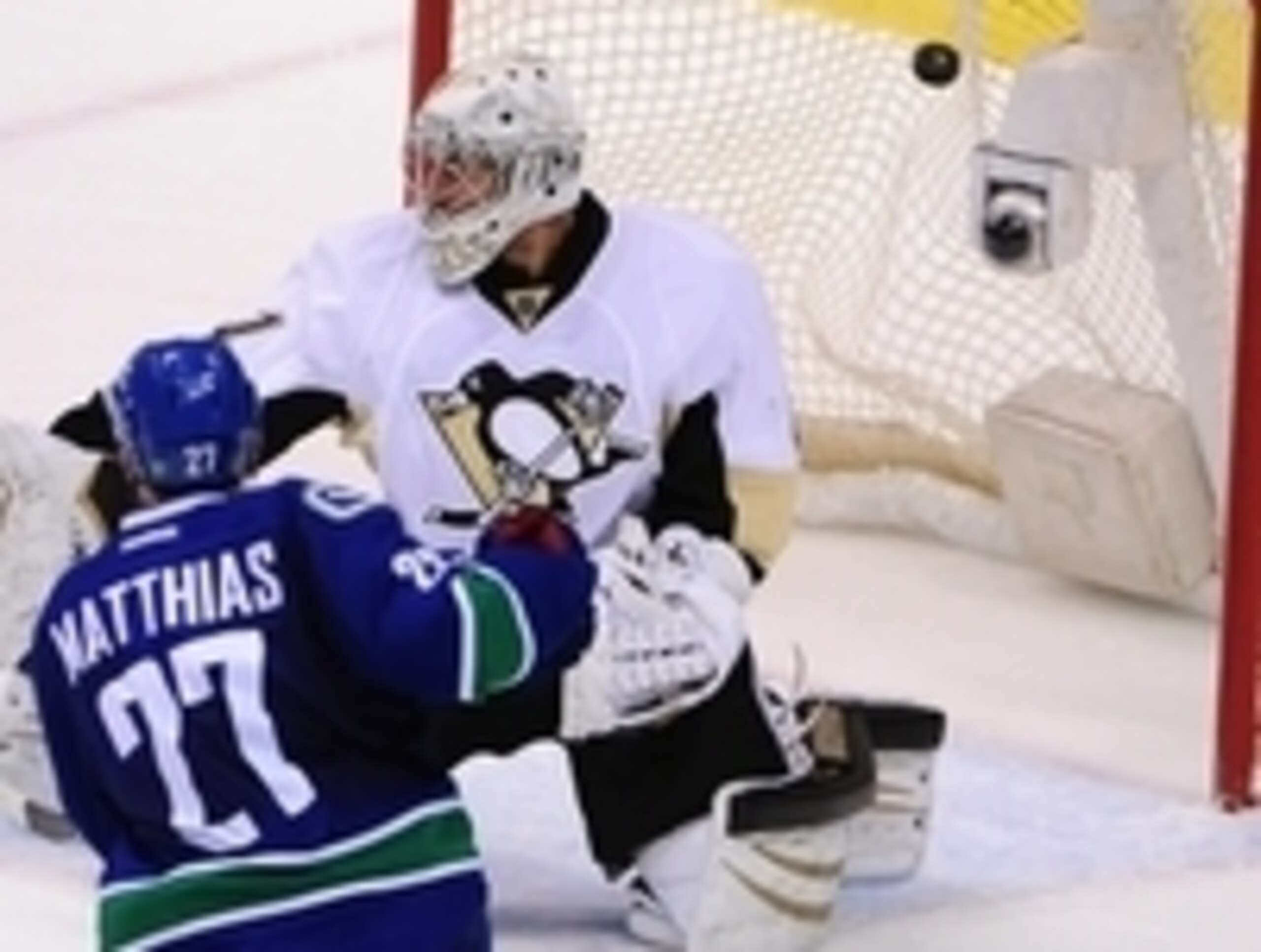
The game got off to a rocky start when a Canuck breaking in on Pens starter Thomas Greiss forced Kris Letang to take a hooking penalty. The odd-man rush was a product of all three Penguins forwards prowling below the hash marks in the offensive zone.
In previous years, the Penguins have lost playoff games for this exact same reason, and it seems this bad habit—or bad game plan—has not left the Pens’ repertoire.
In last year’s Game 7 against the New York Rangers, the Pens gave up a goal that helped send them to an early summertime. The three Pens forwards were caught deep in the offensive zone, leading to an odd-man rush and a Rangers goal.
That goal would go a long way to help eliminate the Penguins from the 2014 playoff campaign.
It’s plays like this that lead to bad news on the scoreboard. History has shown it, and Saturday night it had the Pens starting on the wrong foot. A subsequent penalty from Sidney Crosby led to the game-winning goal just 7:18 into the first period.
2. Lapierre Is in the Wrong Role
2 of 4
When the Penguins acquired Maxim Lapierre from the St. Louis Blues in exchange for Marcel Goc, general manager Jim Rutherford said in a media scrum that Lapierre would play in an agitator’s role.
“He’s a big guy,” Rutherford told Pittsburgh media after the Jan. 27 trade. “He plays with energy, he plays with an edge at times and averages nine or 10 goals a year, so he’s capable of scoring.”
Lapierre was held to 11:25 of ice time, according to ESPN.com, but was still given a good chunk of that ice time in unfavorable situations for a “big guy.”
The 29-year-old centreman was allowed to quarterback the Penguins' breakout, and an errant pass into the skates of Evgeni Malkin put the Pens into a deeper hole. The Canucks translated an eventual turnover into a goal.
While Goc was having an off-year in points, an invisible player is better than one who is detrimental to your team’s chances of winning.
Lapierre is being given too much ice time; his pass into Malkin’s skates led to the first goal.
3. Old, Worrying Mental-Toughness Questions
3 of 4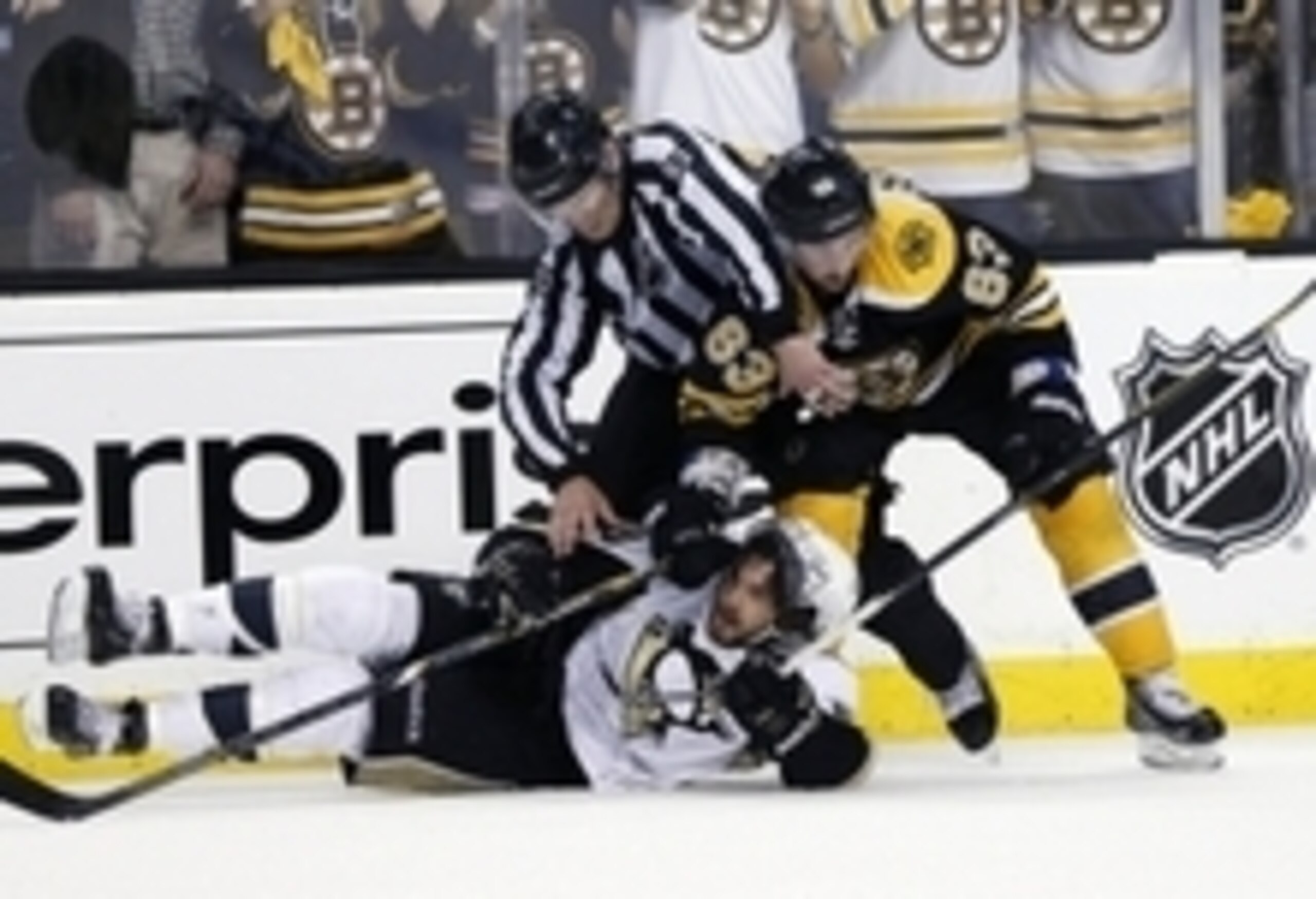
Kris Letang’s penalty in the first minutes of the hockey game was not only significant for the result of the game. On his way to the penalty box, Letang unleashed his frustrations on the referee.
A similar situation reoccurred later in the game, when Letang received an unsportsmanlike-conduct penalty after Vancouver’s Linden Vey scored near the end of the second period.
This allowed Hockey Night in Canada commentator Craig Simpson to question the Pens’ attitude on the ice, observing that the referees “have had enough of the Penguins.”
These concerns have been lingering since the days of Dan Bylsma. Letang, an alternate captain, is frequently seen letting referees know what he thinks of their game.
While this is not unique, he is one of the few who lets it affect the way he plays.

4. Team Defense Draws Familiar Parallels
4 of 4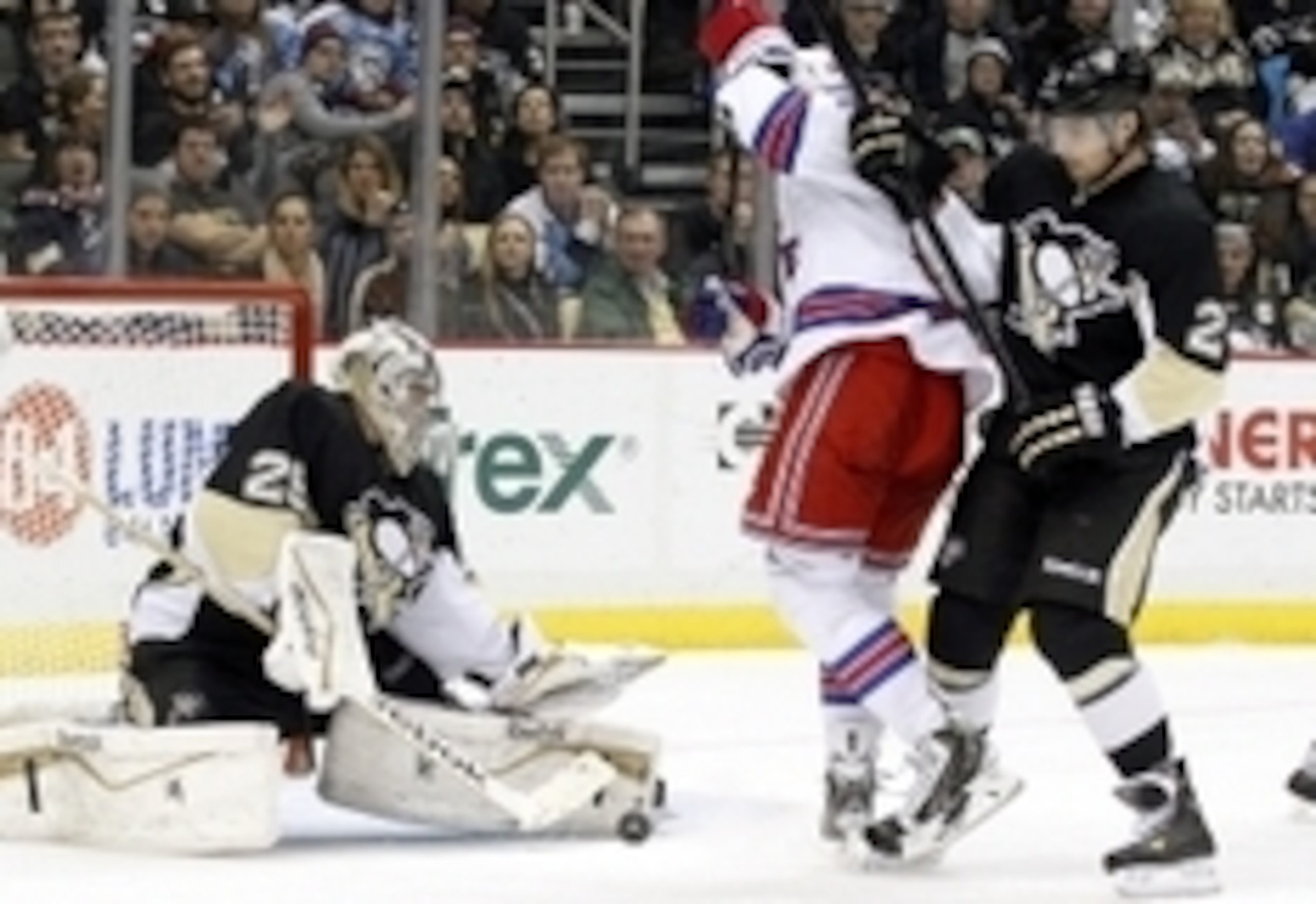
Letang’s previous playoff blunders have been highlighted in the past. Two years ago during the Eastern Conference Final, The Score’s Ryan Lambert launched an offensive against Letang.
"Of the nine goals Boston has scored in this series, he’s been on the ice for six of them. And yeah, plus-minus is a bad way to judge a guy but look at how the goals have been scored. He was on the ice for the David Krejci goal in the first game, conspicuous as the guy who lazily waved at a puck that popped up over his goaltender’s head, apparently oblivious that handpassing is allowed in the defensive zone. He was also on the ice for Nathan Horton’s goal a little less than four minutes later, and he sure wasn’t anywhere near the guy who scored or picked up the primary assist, because no one on the Penguins was (to be fair, he almost looked like he wanted to move toward Gregory Campbell, who fed across from below the left circle, so that’s something).
"
Lambert didn’t stop there, continuing to critique Letang’s defensive coverage over the course of the series, where the Pens eventually fell to the rival Boston Bruins. It’s the familiar, inconsistent effort that plagues the Pens in some winnable games.
Sidney Crosby also cited consistency issues when asked about the Vancouver loss in his postgame media scrum. “We still have to make sure we find our consistency,” the Pens captain stressed. “We weren’t good, especially early on, and we paid the price for it.”
Considering the defensive miscues that have plagued the Penguins since their Stanley Cup win in 2009, Saturday's defensive lapses from Letang and the rest of the group do not bode well for a deep playoff run.
.jpg?w=2560 "NHL Trade Grades Connor Hellebuyck")


.jpg?w=2560 "Latest Peyton-Colts Rumors")



.jpg?w=2560 "Landing Spots for Trade Candidates 📍")
.jpg?w=2560 "Ugly Jets Scoring Stat 😳")