Today's Young Drivers Face a More Difficult Road to F1 Than Past Generations
Currently, there are 18 race seats on the 2015 Formula One grid. Maybe Marussia or Caterham will make a last-minute comeback, but for now, just 18 drivers will make the start at the Australian Grand Prix in March.
F1 is an exclusive sport—it always has been. With few exceptions, drivers have always required both talent and money (either their own or a sponsor's) to make it to the top of the motor-racing pyramid.
As it stands right now, though, it has never been more difficult for a driver to make it to F1.

.png?w=2560)

The first barrier standing in the way of young drivers is the dearth of seats on the grid. In 2005, for example, 26 drivers started at least one race. Going back a further 10 years, 35 drivers started a grand prix in 1995. In 1985, there were 36—you get the picture.
There just aren't the same number of opportunities today for a new driver to get into a race.
Not only that, but with the demise of Marussia and Caterham, F1 has lost two potential proving grounds. Traditionally, back-markers have sold race seats either to drivers with cash or to the bigger teams trying to give their young prospects some F1 experience.
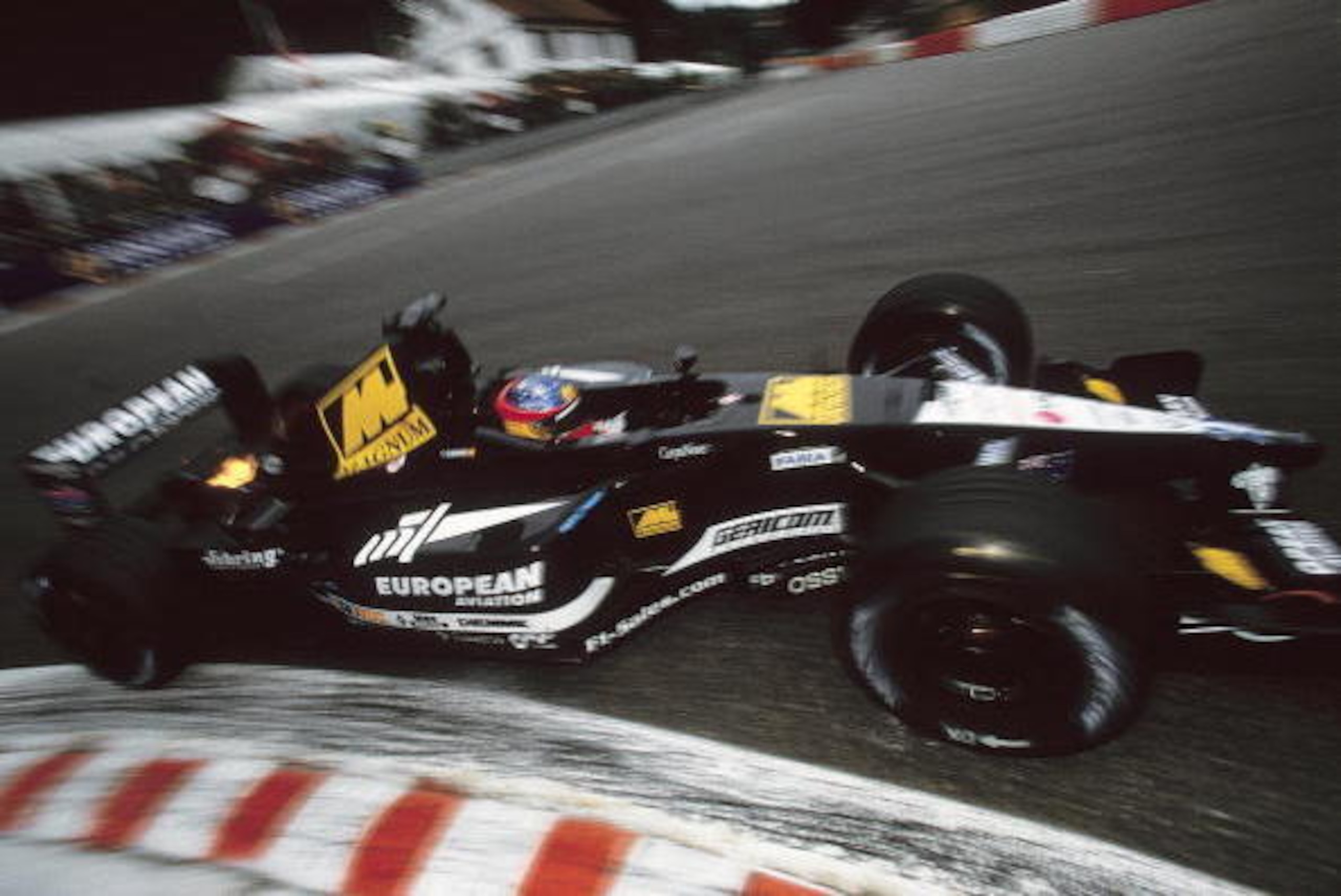
Fernando Alonso spent his first year in F1 at the back of the grid with Minardi before moving on to Renault. Likewise, Daniel Ricciardo started with HRT before his promotions to Toro Rosso and then Red Bull. Even more recently, Jules Bianchi, a Ferrari protege, was being groomed at Marussia before his terrible crash at last year's Japanese Grand Prix.
Those opportunities are disappearing as lower-budget teams are forced out of the sport.
The next big barrier confronting prospective F1 drivers is the high cost of motorsport. This applies at both at the junior levels and for drivers breaking into F1, who are often expected to bring significant amounts of sponsorship money with them.
Take GP2, for example. It is intended to be the last rung on the ladder before a driver reaches F1 (although that status has been slipping). In 2013, ESPN F1's Kate Walker reported that the average budget for one season of GP2 was €1.8 million—of course, many top teams and drivers spend more.
And that is just the last step. By the time a driver reaches GP2, he may have already spent five or 10 years climbing the ladder from karting through the junior formulas.
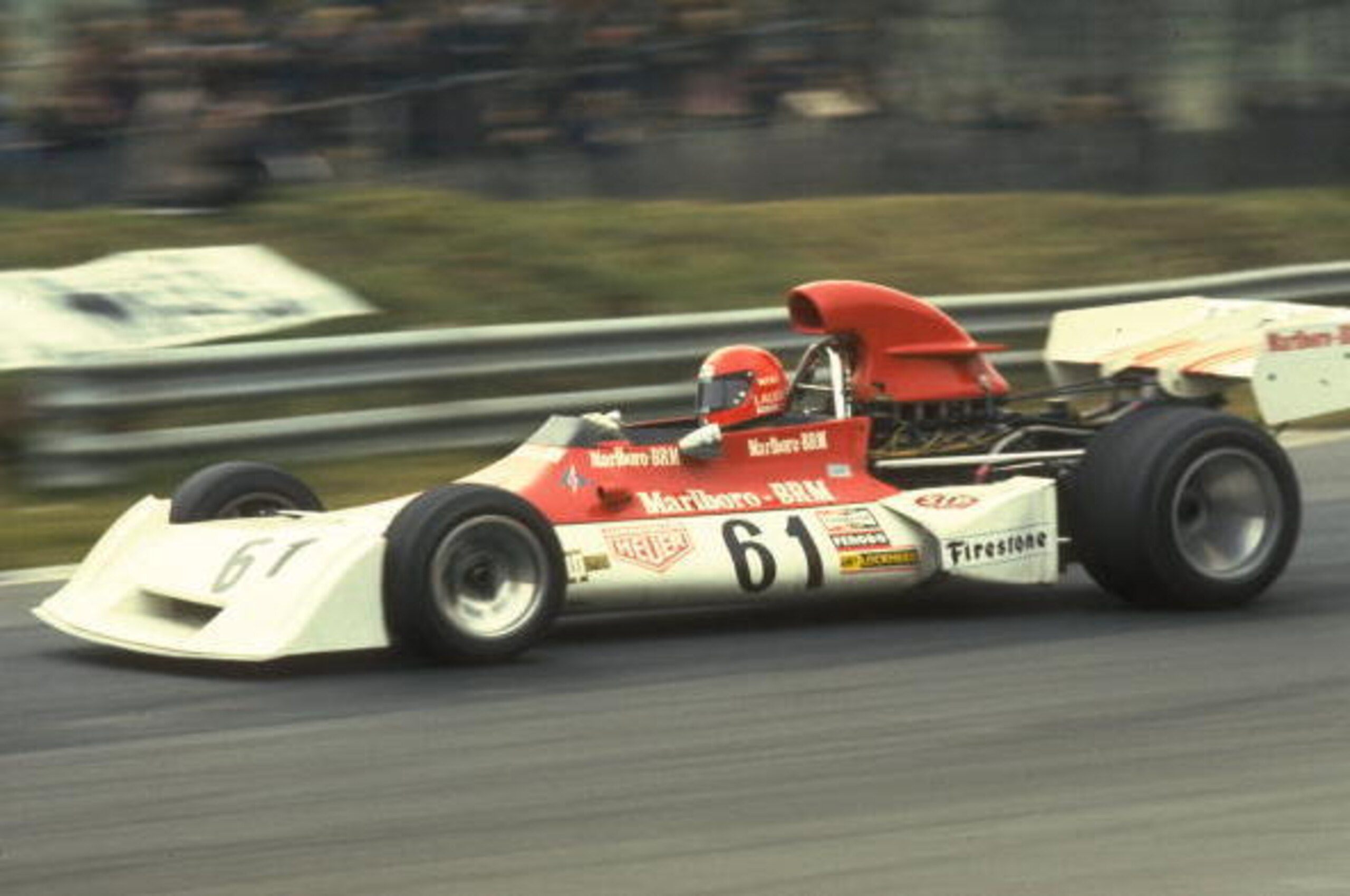
For a quick comparison, consider the case of Niki Lauda. He bought his first F1 seat in 1972 with a $30,000 loan, according to his bio on the McLaren website. Even adjusting for inflation, that comes to just $170,000 today, per usinflationcalculator.com.
In 2013, Kamui Kobayashi could not find a seat in F1 despite raising almost €8 million (approximately $10.8 million at the time) in sponsorship, according to Autosport's Jonathan Noble.
It is not hyperbole to say that the cost of entry into F1 has skyrocketed.
And even if you do have €2 million to spend on a GP2 season, there is no guarantee that success there will earn you a seat in F1. Which brings us to another barrier for young drivers: the confusing junior formulas.
GP2 is supposed to be the last stop before F1, but the last three GP2 champions have (so far) failed to find an F1 race seat. Of the six F1 rookies from 2014 and 2015, only Felipe Nasr and Marcus Ericsson raced in GP2.
So where are the young drivers coming from? Well, the World Series by Renault—and, in particular, its top level, Formula Renault 3.5—has become a popular proving ground in recent years, particularly for Red Bull-backed drivers. It was the last stop for Sebastian Vettel, Daniel Ricciardo and Carlos Sainz Jr. before F1.
And then there are drivers who jumped right over those top levels, such as Daniil Kvyat, Valtteri Bottas and Max Verstappen.
In 2012, former F1 driver Gerhard Berger became president of the FIA's Single-Seater Commission. The following year, he told the FIA's in-house magazine:
"The Commission looks at everything between karting and Formula One and I find that the pyramid at the moment is very loose: there are too many championships out there and attention between them is split too much. ... The system no longer does what it is supposed to do, which is to give a highly talented driver a CV he can use to progress to Formula One.
"
Berger stepped down at the end of 2014, but he did make progress.

"Berger was given the role by [FIA president] Jean Todt of sorting out the utter mess in which single-seater racing found itself, and he's certainly streamlined it," wrote Autosport's Marcus Simmons. "After all, we now have a super-strong FIA F3 European Championship, while his Formula 4 concept has blown a gale-force wind of fresh air around the lowest rung of the ladder."
It also appears there is a new Formula Two series on the way, although whether that will streamline or cause further confusion at the top of the ladder remains to be seen.
Either way, when the FIA published its new Super Licence points system, the series given the most weight was a future F2 championship.
And that brings us to the final barrier young drivers face on the road to F1: the new restrictions on the granting of Super Licences, which are required to race in F1.
It seems that 17-year-old Max Verstappen's signing by Toro Rosso to race in 2015 was too much for the FIA. Without even waiting to see whether he is talented enough to race with the best drivers in the world, F1's governing body put in place new regulations restricting the granting of Super Licences to drivers who are at least 18 and who have accrued a certain number of points in the lower formulas.
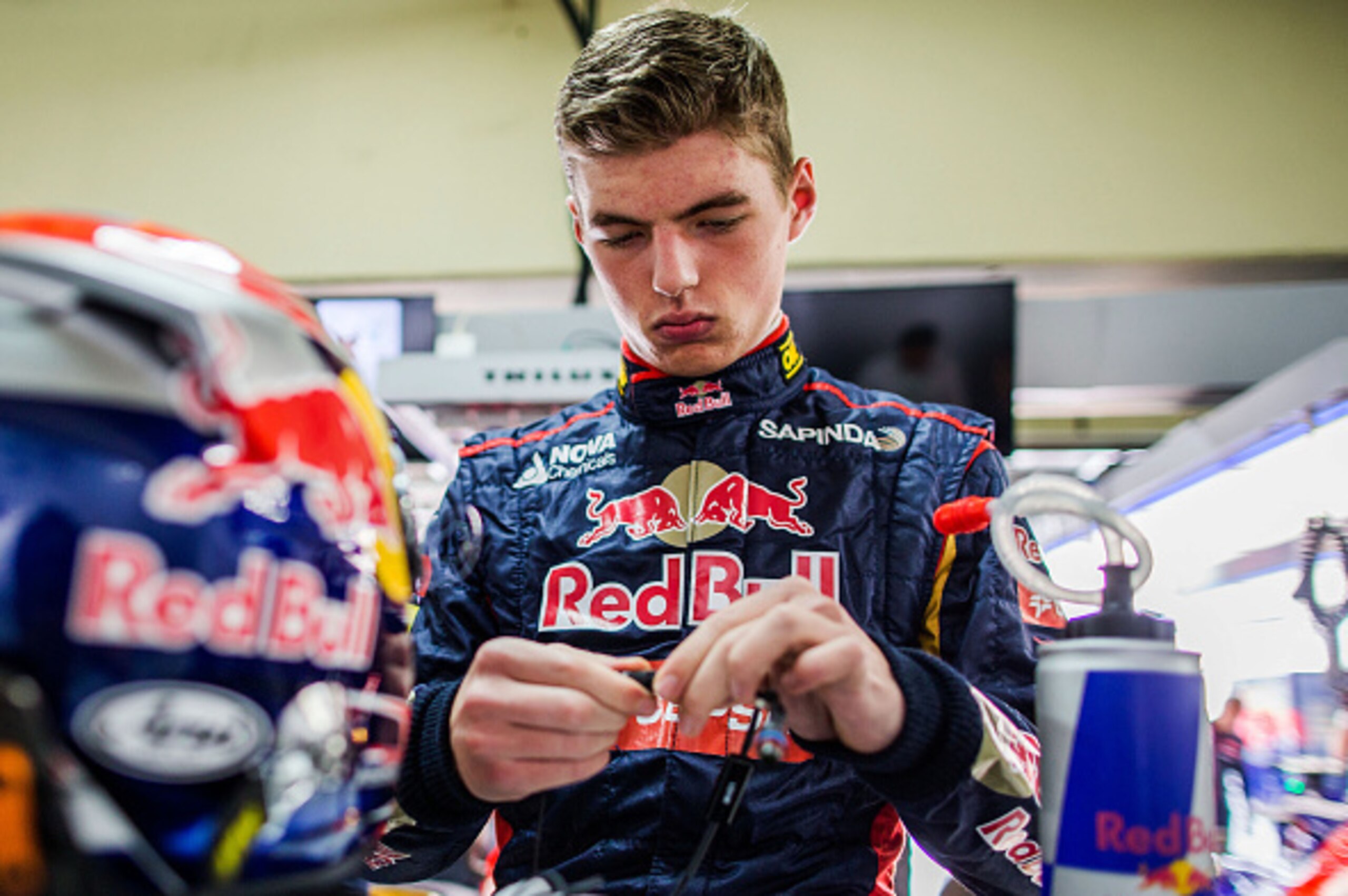
It is not necessarily a bad idea to ensure drivers have some experience before they are put behind the wheel of the fastest race cars in the world, but it is certainly another barrier for young drivers to overcome.
As NBC's Will Buxton pointed out on his personal blog, many world champions past and present—including Jim Clark, Ayrton Senna, Michael Schumacher and Sebastian Vettel—would not have qualified for a licence under the new system.
In the end, young, skilled drivers will still find a way into F1, whether through personal sponsorship, a driver development programme or through sheer talent and force of will.
No sport can survive without bringing in new talent on a regular basis. Rather than throwing up more and more barriers to drivers looking to break into the highest level of motorsport, maybe F1 and the FIA should be doing more to encourage and assist drivers at a younger age.
Follow me on Twitter for updates when I publish new articles and for other (mostly) F1-related news and banter: Follow @MatthewWalthert


.jpg?w=2560 "Donald's Wife Shares Meme About Return Saga")