Angel Di Maria Says Manchester United Have a New Style, but What Is It?
Angel Di Maria has told MUTV that Manchester United have "got a new style" (h/t the Guardian) but it is not yet entirely clear what that style is intended to be.
Di Maria said:
"From the start of the season to now, you can see that we’ve grown. We weren’t so great at the beginning but we’ve started getting a few victories under our belts. There are some people saying that we’re not playing in a particularly good style or that it’s not the old Manchester United—but it’s not.
We’re beginning something new here. We’ve got a new style, we’ve got a new manager and we’re all working hard to make sure we’re putting Manchester United back where it belongs.
"


The Guardian article from which the quotes are taken suggests that "United have drawn criticism in recent weeks for employing a long-ball game that has brought indifferent results." While United's style of play has certainly been lacking fluency and cutting edge in recent weeks, the idea that they have switched to a "long-ball" game is perhaps somewhat overstated, although there is some truth in it.
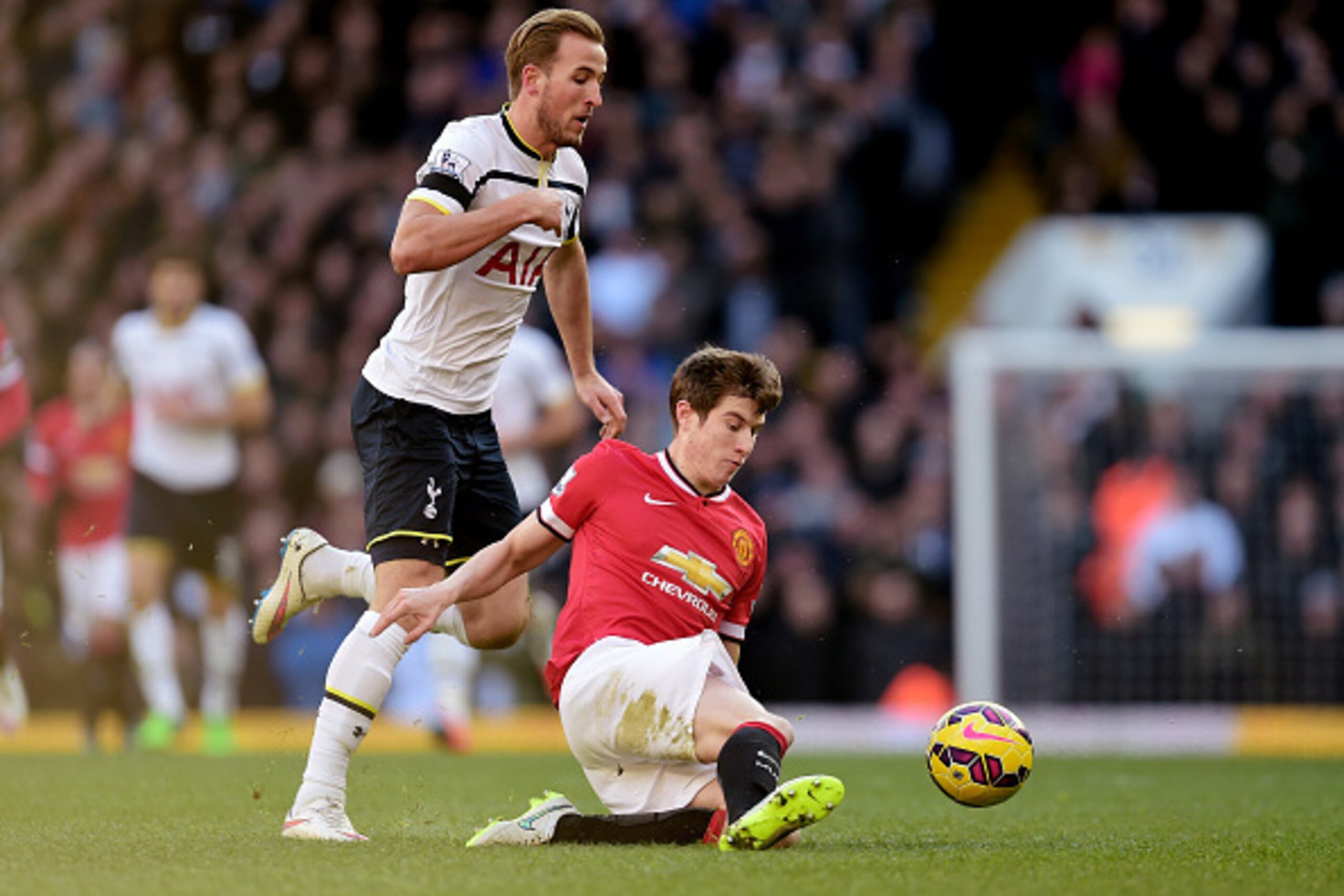
In the past five league fixtures, United's long-pass percentage has been 13, 12, 24, 13 and 13. The outlying 24 percent was against Tottenham Hotspur, away, at the end of December. Otherwise, United have kept a very consistent, and reasonably moderate, percentage of long passes, albeit higher than when they have been at their best this season.
As a comparison, Arsenal—a side famously built around short passing—have used the following percentages of long passes in their past five league games; 15, 8, 18, 6, 7. The two games with unusually high numbers for them came away to Liverpool and West Ham United, although it is worth noting that the six percent long-pass game was also on the road, away to Southampton.
Another interesting point of comparison for United's recent poor run—six points acquired in the last five games is not a favourable return, given the nature of the opposition during that time—is against United's percentage of long passes during their six match winning run at the end of 2014.
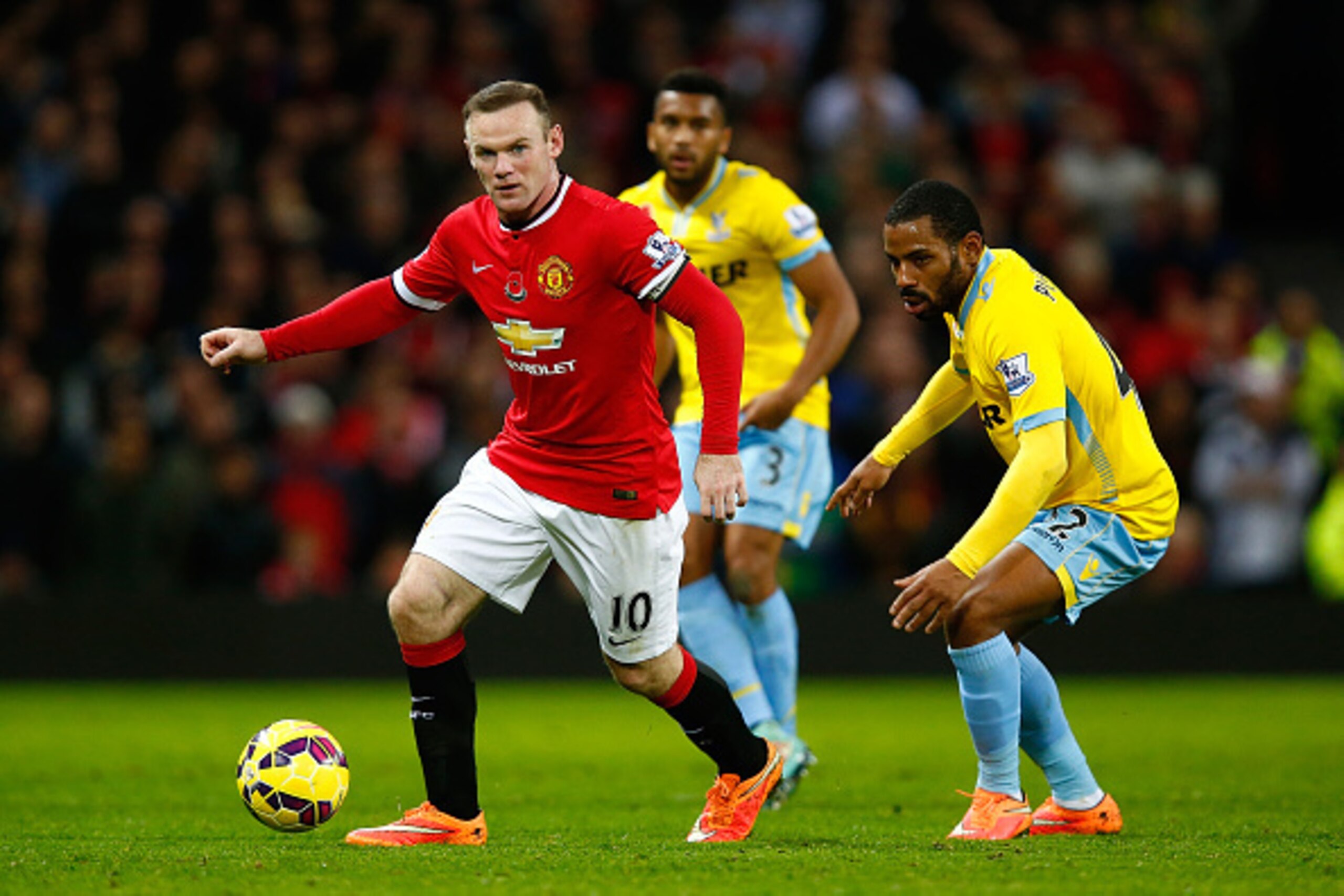
Starting with the game against Crystal Palace, and going through to the 3-0 win over Liverpool in the middle of December, United's long-pass percentages were 8, 25, 8, 9, 17 and 16.
It is interesting to note that the sub-10 percent long-pass games all came in matches where United played with a back four.
The 25 percent outlier can almost be discounted from consideration as it was away at Arsenal. United were clearly set up to play on the break, something which has brought plenty of success in recent years, and is not particularly new.
However, the 17 and 16 percent games, and the recent run which has seen over 10 percent in every game, have all been played with a back three, and it would seem clear from the data (and, indeed, the experience of watching the games) that United are looking for longer passes when the back three is in place.
Pass style percentages are, of course, only one aspect of style. However, it is one worthy of attention. It is not that United can only win by playing a shorter passing game, but it is the case that playing a back-three is forcing United into lengthening their passes, presumably because players are spread further apart.
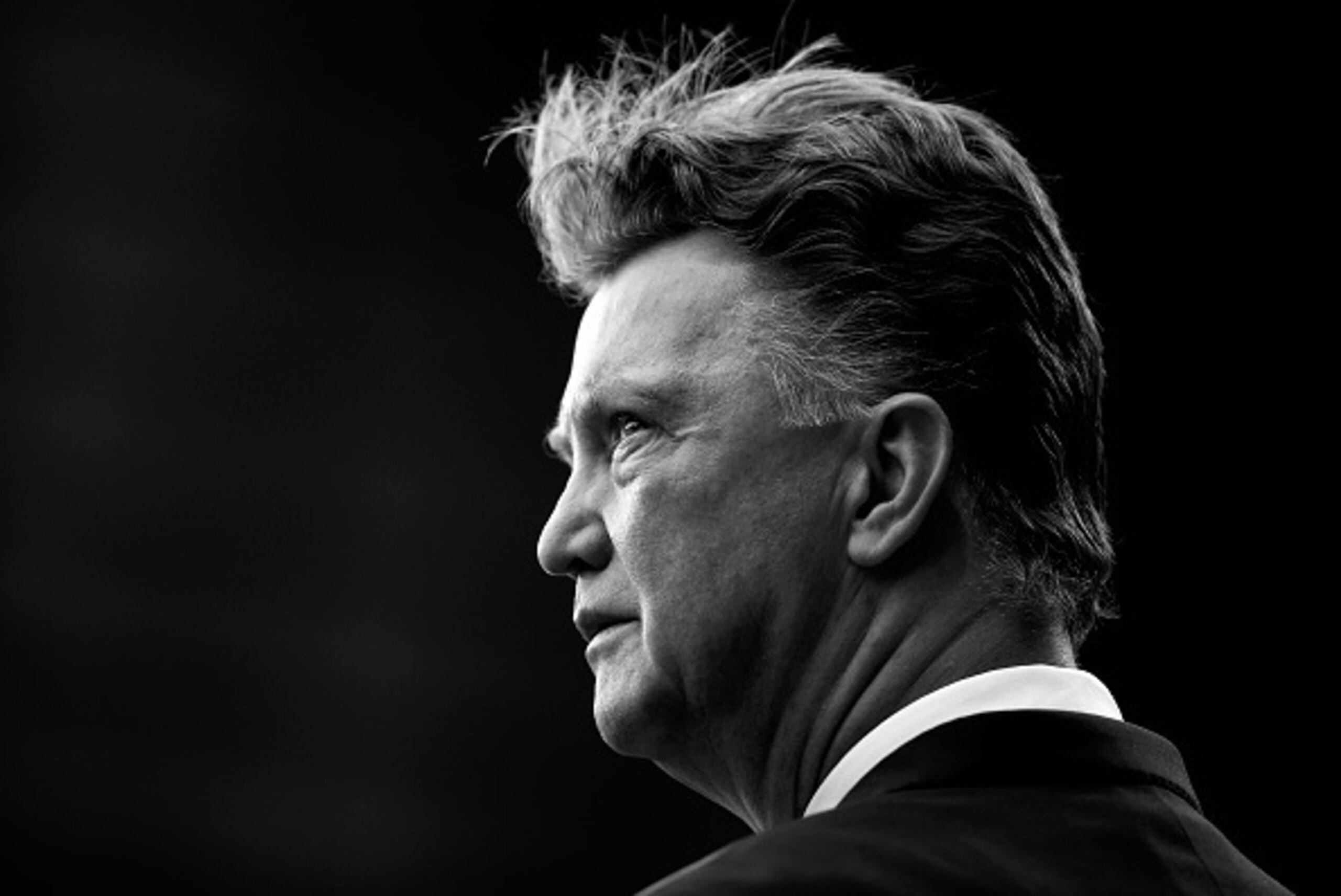
So, is Di Maria saying that United's recent performance are indicative of Louis van Gaal's overall approach? It seems unlikely, after all, United's style has varied wildly this season and Van Gaal has a reputation for possession football.
From the possession oriented 4-3-3 against Crystal Palace at home to the counter-attacking 5-3-2 at the Emirates, Van Gaal's much vaunted "philosophy" has been hard to pin down during his time at Old Trafford.
If the timing of Di Maria claiming there is a new style means that United are to favour three at the back in the long run, then United fans will have to get used to seeing long-pass percentages in the mid-teens on a regular basis. It might not be the prettiest football on show, but neither is it Wimbledon in the 1980s.
In the end, it is probably worth hoping that the "new style" is closer to Van Gaal's more traditionally preferred style and United become more fluent again.
All statistics per WhoScored.com

.jpg?w=2560 "Report: Darnold Could Miss 3-6 Weeks")

.jpg?w=2560 "Grading WWE NXT 🔠")