5 Dangerous Trends for the Pittsburgh Penguins
As 2014 gives way to 2015, the Pittsburgh Penguins and the rest of the NHL have reached the halfway point of the season and begin the stretch run toward the postseason.
While seemingly almost everything surrounding this organization has changed since it was ousted from the playoffs by the New York Rangers on home ice last summer, its position atop the Metropolitan Division has not.
However, as in any season, warning signs have appeared, and the Pens must address these issues if they are to avoid yet another early postseason exit.
As they continue to fight for the division title and the top seed in the Eastern Conference, let's take a look at five dangerous trends for the Pittsburgh Penguins.
Low Shot Differential
1 of 6
Having been outshot by embarrassing margins at times during their last two playoff runs, the Penguins figured to put more of an emphasis on getting pucks to the net under new head coach Mike Johnston's puck-possession system.
Unfortunately, the stats don't reflect that new focus, as the Pens' plus-0.6 shot differential this season is actually down from the plus-1.1 shot differential from last season.
While the Pens are shooting more this season when compared to last season (31.0, up from 29.9), they are also allowing more pucks to get to their net (30.4, up from 28.8) which makes goaltender Marc-Andre Fleury's league-leading six shutouts all the more impressive.
Although some of the blame for these numbers undoubtedly lies with the injuries and illnesses that key players for the Pens have had to contend with recently, they must find a way to increase their shot differential or else they will likely suffer another early postseason exit.
Too Much Time in the Penalty Box
2 of 6
While the Penguins have made a concerted effort to get tougher and play with more of an edge, that edge can cut both ways, especially in the playoffs, where ill-advised penalties have plagued this team in recent years.
In contrast to their finesse persona, the Pens lead the NHL with 587 penalty minutes, and their emphasis on playing physical and getting to their opponent's net has resulted in a league-leading 37 roughing penalties and six goaltender-interference penalties.
Although the Pens are second only to the Chicago Blackhawks in penalty-killing at 87.8 percent, they are also second only to the Winnipeg Jets in power-play opportunities against with 147, and at some point, the Pens' proclivity to take penalties will impact their ability to kill them off.
With Simon Despres on pace for 100 penalty minutes this season and newcomer Steve Downie leading the league with 141 penalty minutes, the Pens certainly have become a tougher team, but the question remains as to whether that toughness will interfere with their talent.
Not Enough Power-Play Opportunities
3 of 6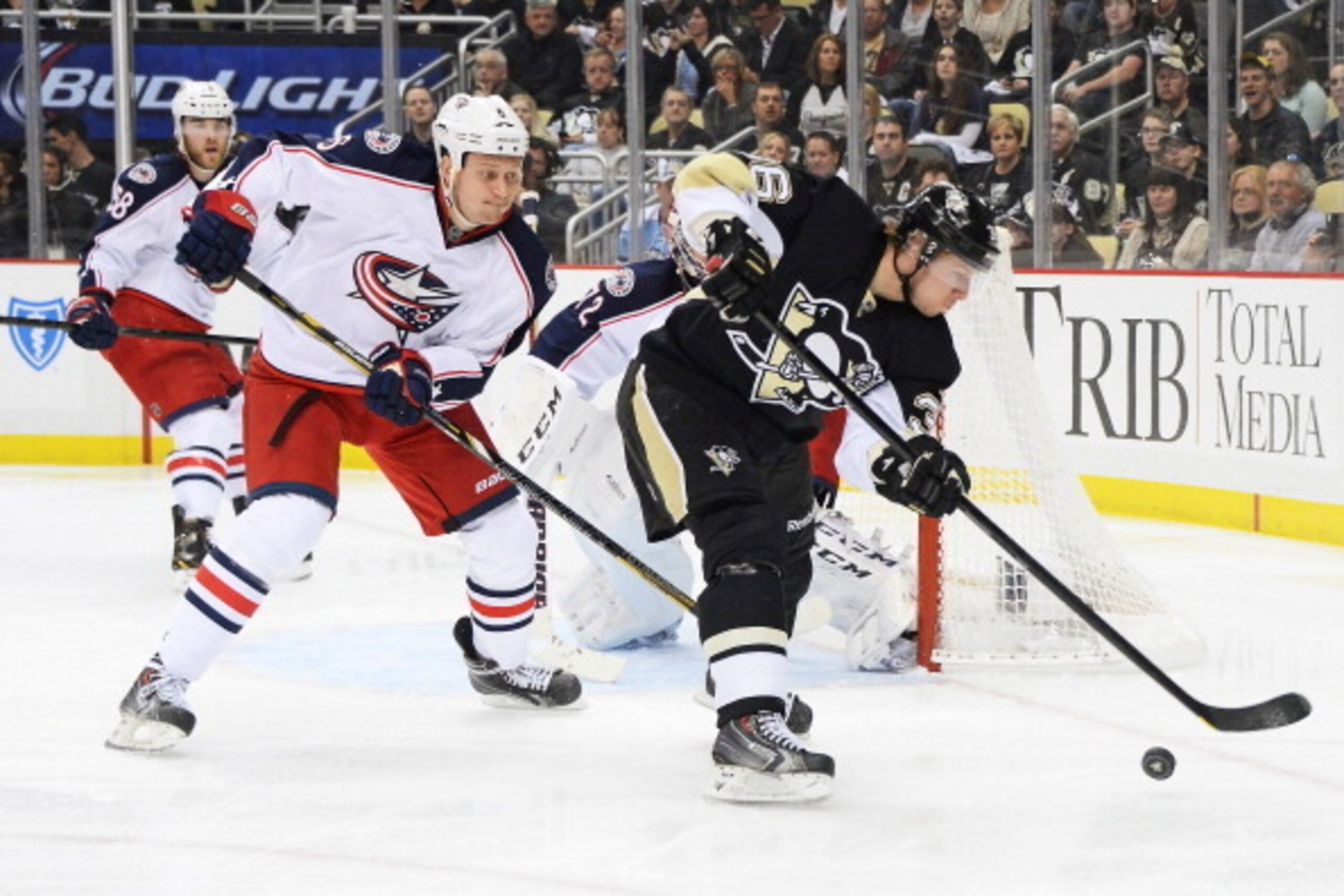
While the Penguins have been spending too much time in their own penalty box, their opponents haven't been spending enough time in theirs, which, for a team that relies so heavily on the power play, is a big reason for concern.
Against the Boston Bruins in the 2013 playoffs and the New York Rangers in the 2014 playoffs, the Pens did not do a good enough job chasing down loose pucks or getting to the net, both of which usually result in drawn penalties.
Having added grit and speed to their lineup in the offseason, the Pens were supposed to be better at drawing penalties, but they are still averaging a little more than five minutes of power-play time per game, which is even less than less than the five-and-a-half minutes they averaged last season.
With the loss of heart-and-soul players like Pascal Dupuis perhaps for the season as well as Chris Kunitz and Patric Hornqvist for recent stretches, the Pens must find a way to create and sustain pressure in the offensive zone, which should lead to more power-play opportunities.


Faceoff Failures
4 of 6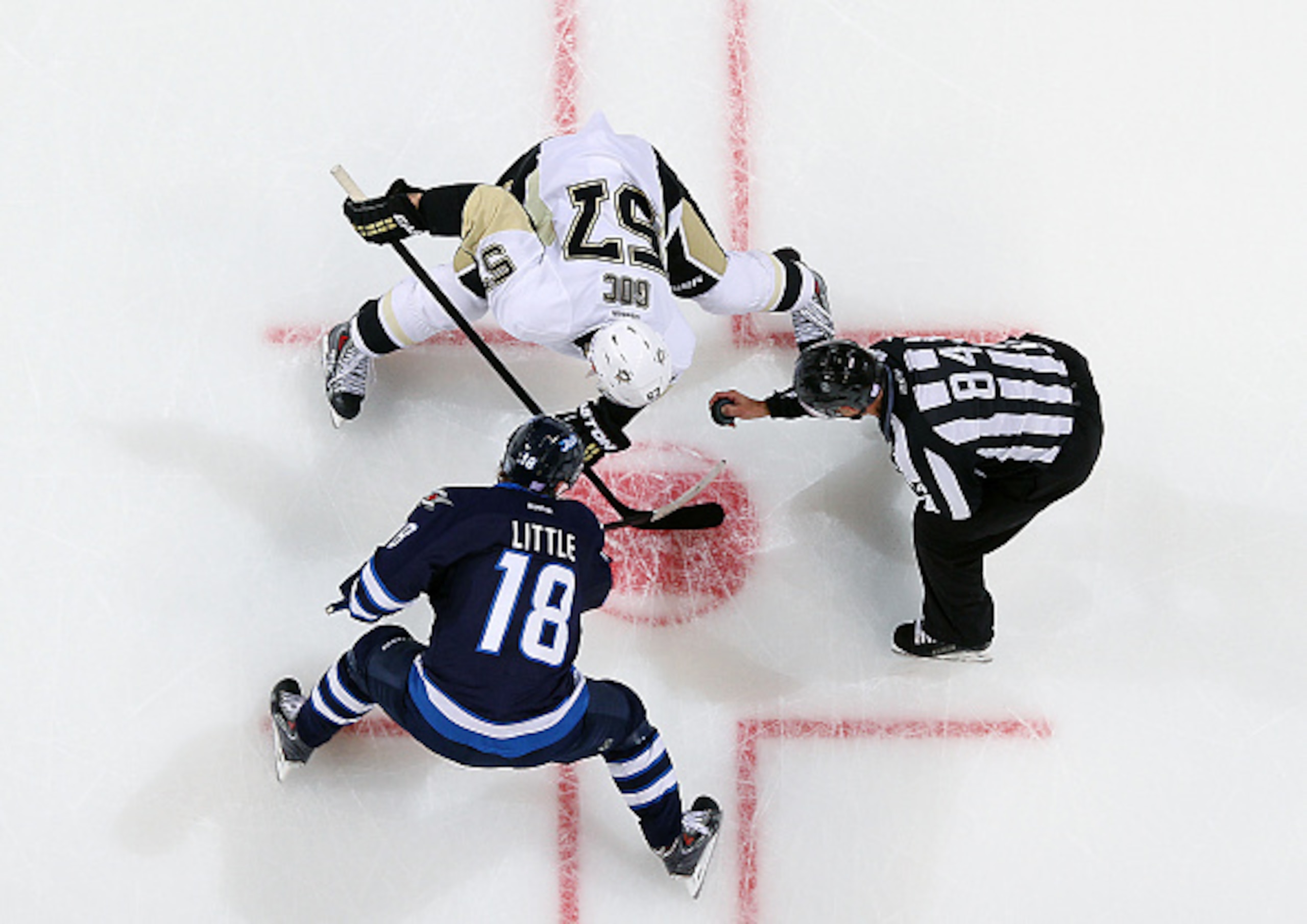
As important as winning faceoffs is, it takes on even more importance in the puck-possession system that the Penguins now employ.
Despite winning more than 50 percent of faceoffs each season since the 2010-11 campaign and despite the additions of centers Marcel Goc and Nick Spaling, the Pens are currently sitting in the bottom half of the league with a winning percentage of 49.3 percent.
While the Pens have been good at maintaining possession of the puck and are in the top 10 in the NHL with just 271 giveaways, their difficulty in winning faceoffs coupled with their lack of takeaways with just 204 doesn't bode well as the season progresses.
With injuries and rookies on the blue line, the Pens simply can't rely on carrying the puck out of danger and into the offensive zone as much as they have in the past, so they must do a better job winning faceoffs, especially against bigger and more rugged teams.
Poor Finishes
5 of 6
While the Penguins have been fast starters this season and lead the league with 47 first-period goals, they haven't been able to sustain that same offensive output over the latter part of games.
With just 32 third-period goals, the Pens rank in the bottom third of the league, while their top rivals in the standings, the New York Islanders, are in the middle of the pack and have taken two out of three meetings so far this season.
In addition, the Montreal Canadiens and Tampa Bay Lightning, each of whom have had impressive wins against the Pens recently and are potential top seeds in the Eastern Conference, are the top two teams in the league in third-period scoring with 50 goals each.
While the Pens have shown consistency on the defensive side by only allowing 29, 30 and 30 goals in the first, second and third periods, respectively, they have struggled to come from behind and are just 5-6-1 in games where they surrender the first goal.
Conclusion
6 of 6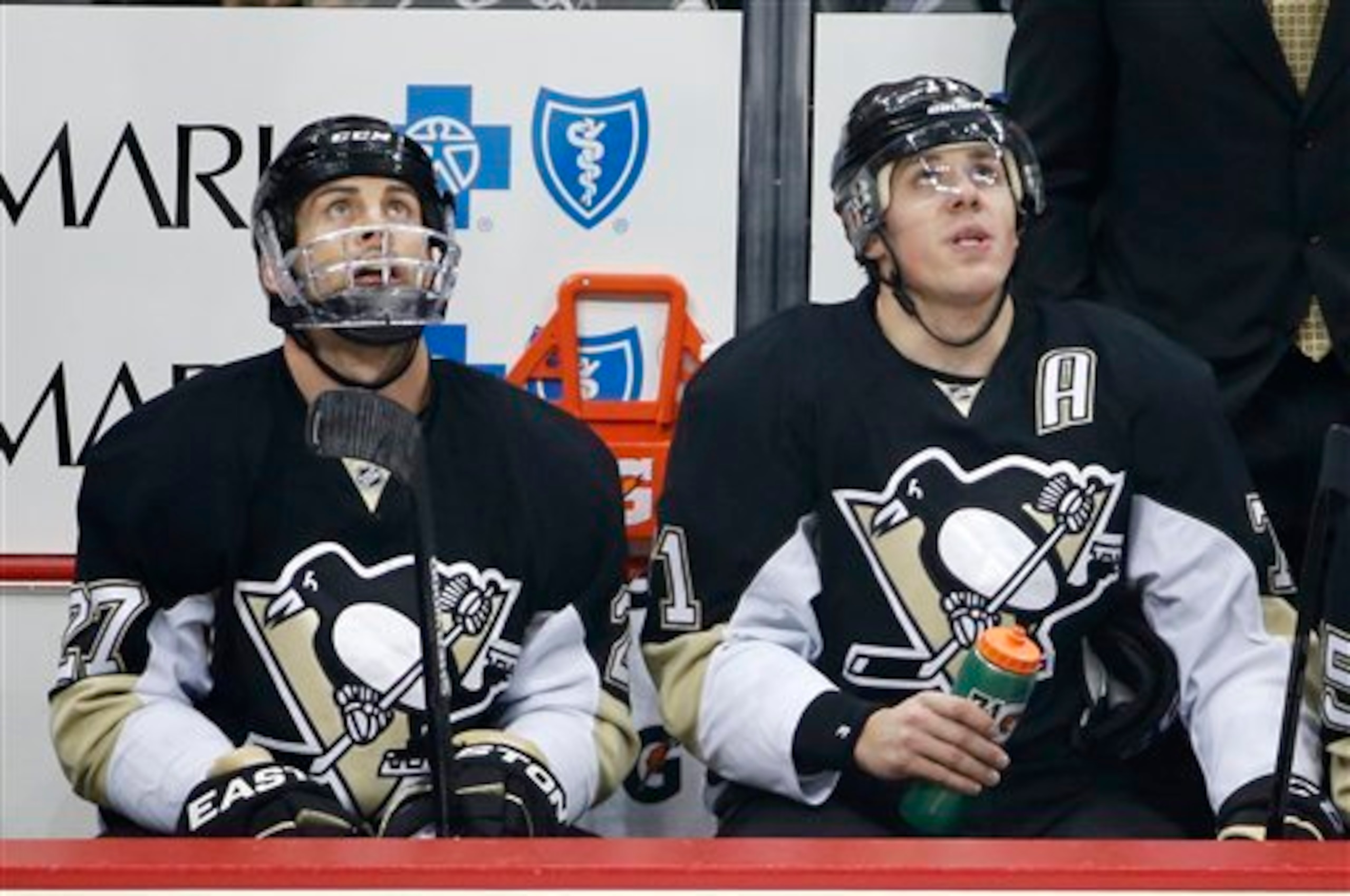
While the Penguins must address these negative trends, there is every reason to believe they will do so and be a better team by the time the postseason begins.
With the return of Paul Martin and Patric Hornqvist and the acquisition of David Perron from the Edmonton Oilers, the Pens will be better both offensively and defensively, and splitting up Evgeni Malkin and Sidney Crosby should improve their faceoff numbers.
However, as evidenced by the recent fight during practice between Malkin and Craig Adams, the Pens have had issues keeping their emotions in check, and while they won't get pushed around this postseason like they have in previous ones, they must be careful to play with an edge without falling off that edge yet again.
.png?w=2560 "Dillon Brooks Wants to Box Jimmy 🥊")
.jpg?w=2560 "Grading SmackDown Before SummerSlam")
.jpg?w=2560 "Ranking Every Team's Path to Playoffs 🗺️")


.jpg?w=2560 "McVay Hints at Donald Return")