How Is David Blatt Adjusting? Assessing the Early Work of LeBron's New Coach
NEW YORK — After accepting his first head-coaching job with the Golden State Warriors this summer, Steve Kerr sought a top assistant to help with the transition. Oddly enough, he looked abroad to someone who had never played or coached in a single NBA game and hadn't even lived regularly in the United States since 1981.
"The NBA game has morphed into more of an international style, with ball movement and bigs who can shoot," Kerr explained.
So Kerr took a shot at hiring Maccabi Tel Aviv's David Blatt, but Blatt passed, because an even better opportunity arose: the top job with the Cleveland Cavaliers, an opportunity later enhanced by the return of LeBron James and the acquisition of Kevin Love. But then, while Kerr's Warriors were scorching the league, Blatt stumbled to a 5-7 start, his team slipping into a "very dark place" in Washington D.C. on Nov. 21.
TOP NEWS
Report: Celtics Sign 2024 Lottery Pick
Kawhi to Raptors Trade Officially Done
Paolo-to-Warriors Trade Idea💡
At the time, Kerr preached patience. He recalled the public and press questioning Erik Spoelstra in 2010-11, when James started 9-8 with the Heat. "I mean, you're kidding me, right?" Kerr said. "Erik's a hell of a coach. But the narrative follows the results, rather than vice versa. As soon as Cleveland gets on a roll, everyone's gonna say what a great coach David Blatt is."
Now, two weeks later, they are rolling, winners of seven straight after Monday's 110-88 victory against the undermanned Brooklyn Nets. Still, the scrutiny isn't likely to stop now that the Cavaliers have found some footing, not with James attracting more media flies than anyone in North American sports, and not with some still skeptical about how Blatt's overseas pedigree and principles will translate, though he's Massachusetts-born and Princeton-schooled.
ESPN analyst George Karl, contacted recently to outline Blatt's challenges, captured this sentiment by calling the NBA "the Broadway of basketball," with "the best players, the best referees, the best coaches, the biggest money" and "the most polished product in the world."
It's tough preparing for that stage even if you come up as an assistant (such as Utah's Quin Snyder) or have some NBA playing background (Kerr and New York's Derek Fisher combining to win 10 championships in 33 seasons). It's even tougher when you must, in ESPN/ABC analyst Jeff Van Gundy's words, "learn how the NBA works." That means learning the intricacies of the game ("faster, a lot of timeouts, a lot of adjustments," according to Karl) and the idiosyncrasies of the personalities.
"His basketball IQ is probably off the charts," Karl said. "He's got to package it with his team, with his comfort zone, with his coaching staff, with his preparation, and it just doesn't happen in 10 games. I mean, for a rookie coach, it might take a season. He might not feel comfortable until the 75th game of the season."
Before coaching his 17th, last Thursday at Madison Square Garden, Blatt acknowledged "there's a lot to learn" about the "particular characteristics and nuances," from the rules to the length of the game, as well as "the severity of the season."
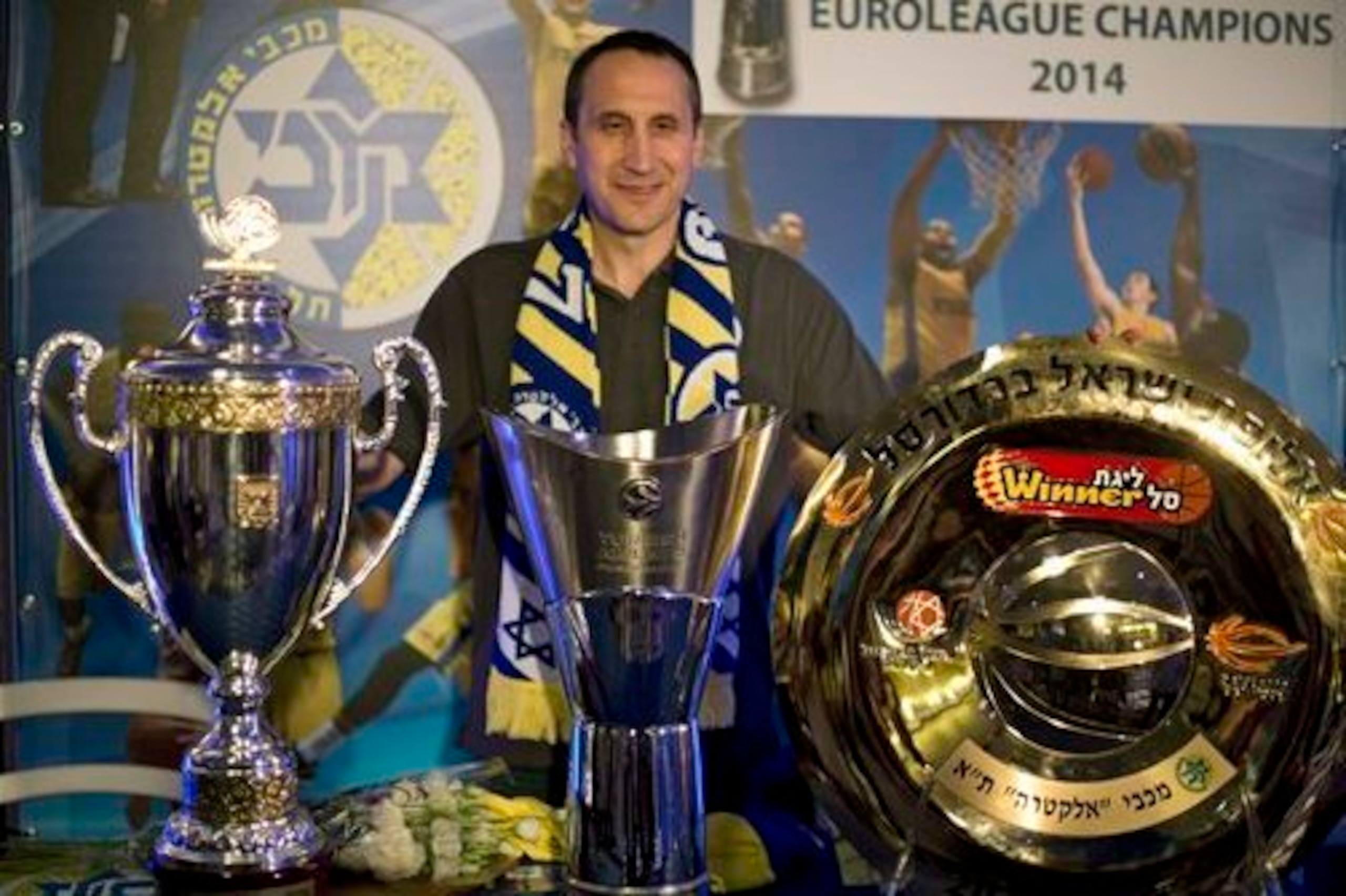
"It's a compacted season of 82 games," Blatt said. "Over there, we would play close to 80 games, but not in such a short period of time. You have to learn to manage that, and make that part of your process and part of your planning. There are a lot of things. And obviously, I'm very much in it, but I feel like we're getting around to where we need to be, and so am I."
Still, it's an ongoing education. For further insight, Bleacher Report turned to Van Gundy, Karl and Mike Fratello, three former NBA head coaches who combined to post a 2,228-1,622 record, even as Van Gundy warned of the need to "resist the temptation of making premature evaluations." They spoke, during different stages of the Cavaliers' current win streak, of the challenges that new NBA head coaches typically encounter, and identified those most relevant for someone of Blatt's atypical background.
It wasn't hard to find common ground among the three coaches in identifying Blatt's most pressing assignment. They all believe that he needs to resolve this question:
"Who is going to be in my rotation?" Van Gundy said.
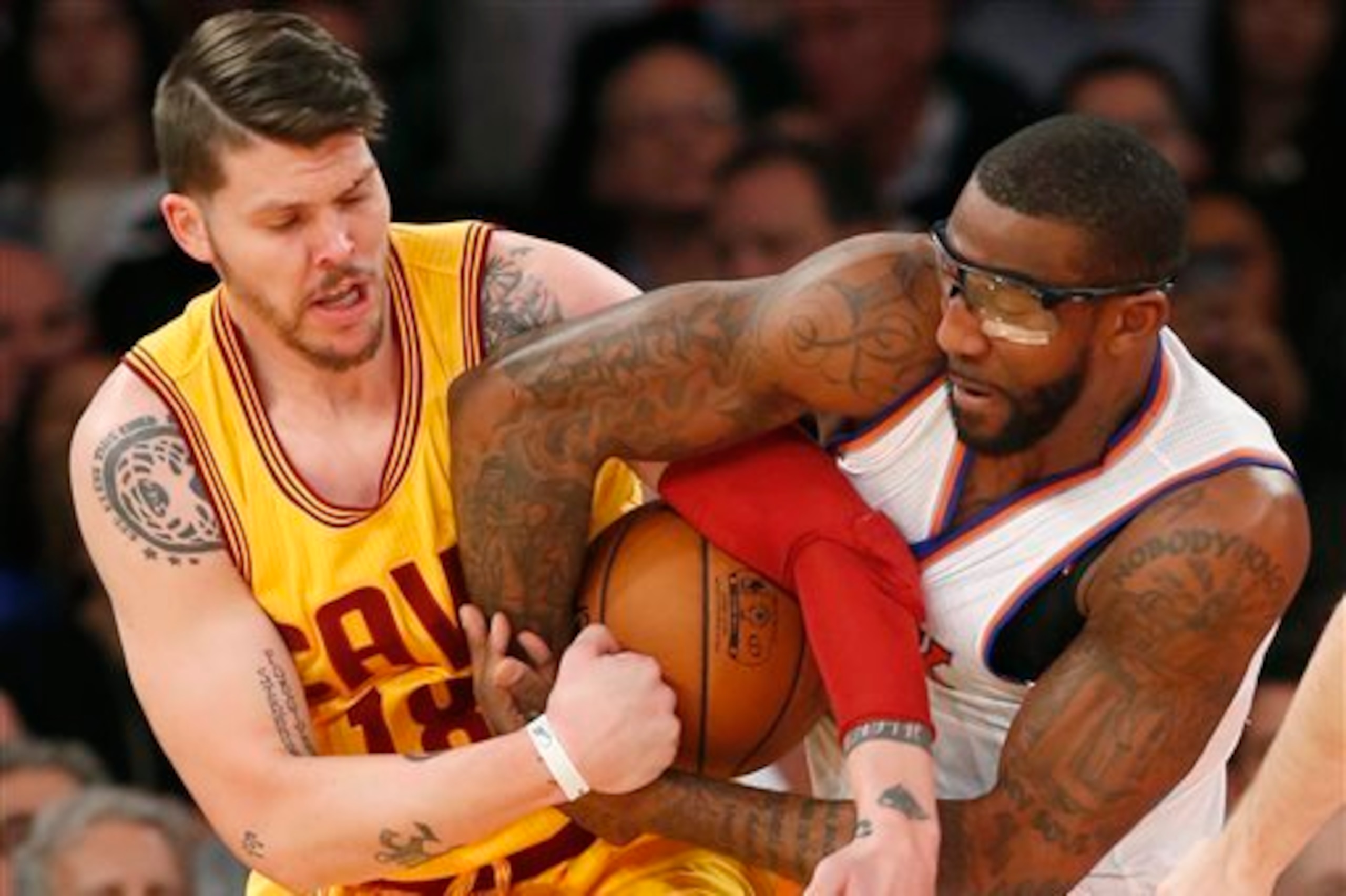
Blatt has kept his "starters" reasonably consistent, even if he prefers not to use that term, bristling at any notion that Anderson Varejao and Tristan Thompson are anything but interchangeable at center. But you'd have better luck with the Pick-Six than picking the identities, order and usage of the Cavaliers' seventh through ninth men. Certainly, circumstances have played some part, such as Matthew Dellavedova's month-long absence and Dion Waiters' extreme inconsistency. Still, there's been little rhyme, reason or rhythm—such as when rookie Joe Harris played the final 19:28 in a loss to San Antonio or when Mike Miller and then James Jones were suddenly pulled out of mothballs to play crucial minutes in wins over Milwaukee, Toronto and Brooklyn.
"I think players like to know when they're gonna play, how you want them to play, and who they are going to play with," Karl said. "Some coaches just say, 'Well, that's my hammer. Minutes are mine, and that's how I can control things.' But I think he's got to find a more of a comfort zone with his rotations, and how he likes to play and why, and they've got to feel that, too."
Fratello called NBA players an especially "funny breed" in that sense, craving routine. "So when you are coaching an NBA player, if he knows what to expect, he knows when he's going in, he gets himself mentally into it," Fratello said. "But when you're jerking him in, jerking him out, the majority of them don't take that as well." It's better, Fratello believes, to "eliminate an excuse" by offering a steady plan.
"But it's tough to do that if you don't know what it is that you're trying to get to," he said.
Or who you can go to. The Cavaliers haven't proved exceptionally deep, their reserves getting regularly routed, which caused Blatt to joke that the bench's 59 points in Monday's win were higher than the previous season total. Both Van Gundy and Fratello said it's normal for a coach to formulate ideas in the offseason—to, as Fratello put it, do oodles of doodling about who, and how, to play. Then, suddenly, as Fratello said, "the bodies show up," and "maybe some of the stuff you thought could work, you try, you put it in, then you start eliminating and changing and adding. Because the painting is not perfect, and you're trying to make it perfect."
"Constant tinkering," Van Gundy said.
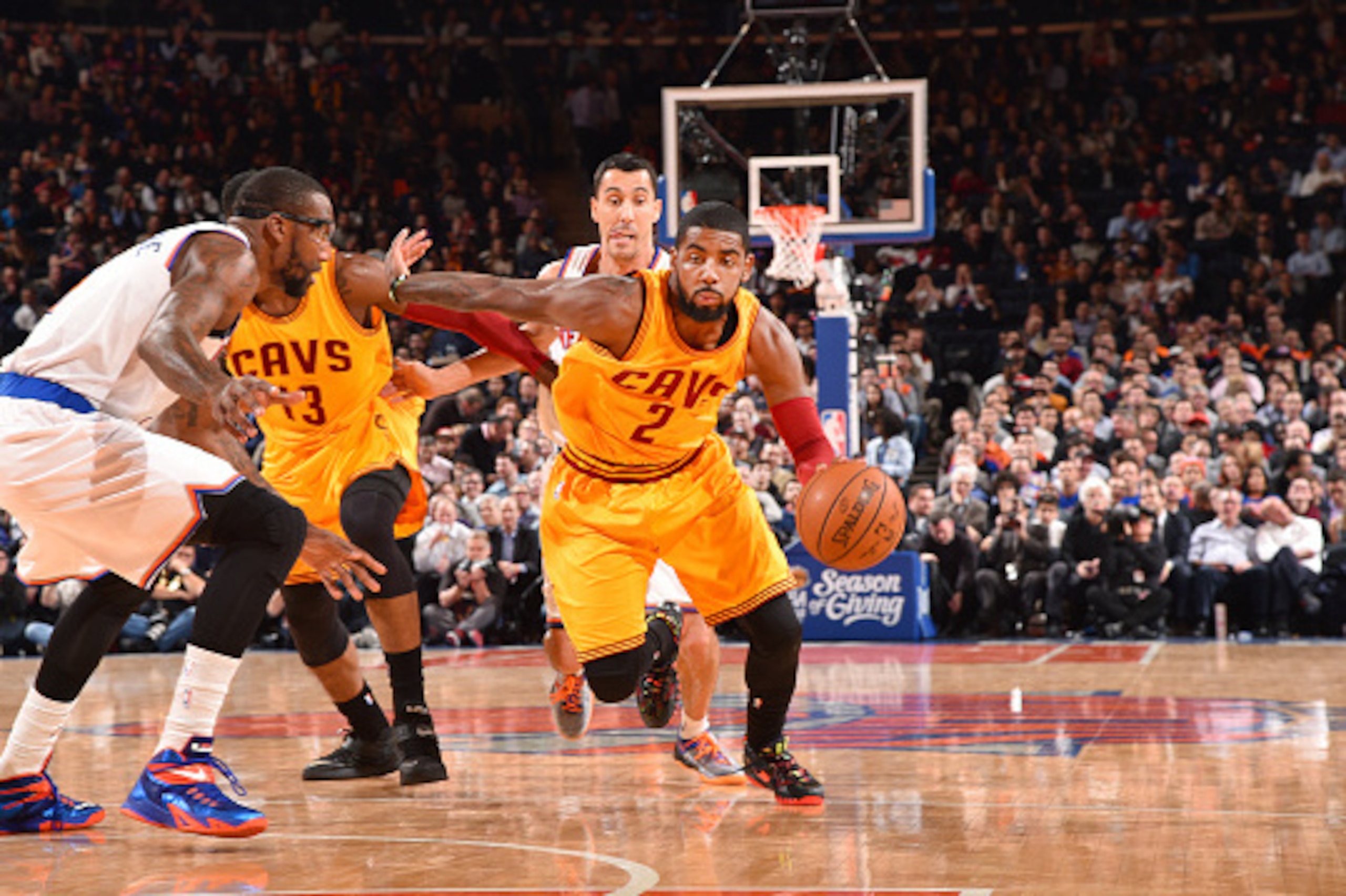
But what about riding the stars, the way Blatt has at times? "He's got X number of people saying 'Can this guy coach? What is this guy all about?'" Fratello said. "And he's trying to say, hell, yeah, I can coach, I've won everywhere I've been. So now he comes in, he's trying to feel his way through the NBA, so you're sticking guys in that you're, like, 'I know these guys are gonna win the game for me.' Now you stick with them a little too long, and all of a sudden, the minutes are building up."
Blatt has trimmed James' minutes by nearly two per game since James took the unusual step of publicly endorsing a reduction for the better of himself and the team. But entering Monday's romp, which allowed all three stars to sit early, James, Kyrie Irving and Kevin Love still ranked third, fourth and 11th in the league in minutes, respectively. Fratello thinks more players could earn trust over time, since it generally takes 20 regular-season games for some veterans to get into "NBA game-type shape."
Monday, Blatt also spoke of now recognizing the need to distribute minutes more widely due to the compacted schedule. "You have to think going forward," Blatt said, "in terms of the load and the minutes that you can play guys, considering what's coming down the line."
George Karl, for the record, isn't among those buying into the European revolution in NBA offense, whether in Cleveland or anywhere else.
"You know, the European style is draw-and-kick basketball, open space up, let the ball attack the defense and find the mistake," Karl said. "And [the Cavaliers] have a lot of that in their offense. But I'm not into this European thing. You know, I steal from everybody. And I guarantee the NBA has 90 percent of the best stuff, and Europe might have some. But I think they've stolen from us more than we've stolen from them."
Similar to the West Coast offense in the NFL, so widely incorporated and adjusted to that it ceased being a separate strategy, the Cavaliers' approach has been hard to distinguish from that of their opponents'. Their approach is evolving. Fisher, the Knicks coach, noted prior to last Thursday's game against Cleveland that, compared to their first meeting five weeks earlier, the Cavaliers "were really emphasizing their ability to get out in transition and score in the early part of the shot clock...and not relying as much on the half-court execution on the different sets and things that coach Blatt and the staff have put in."
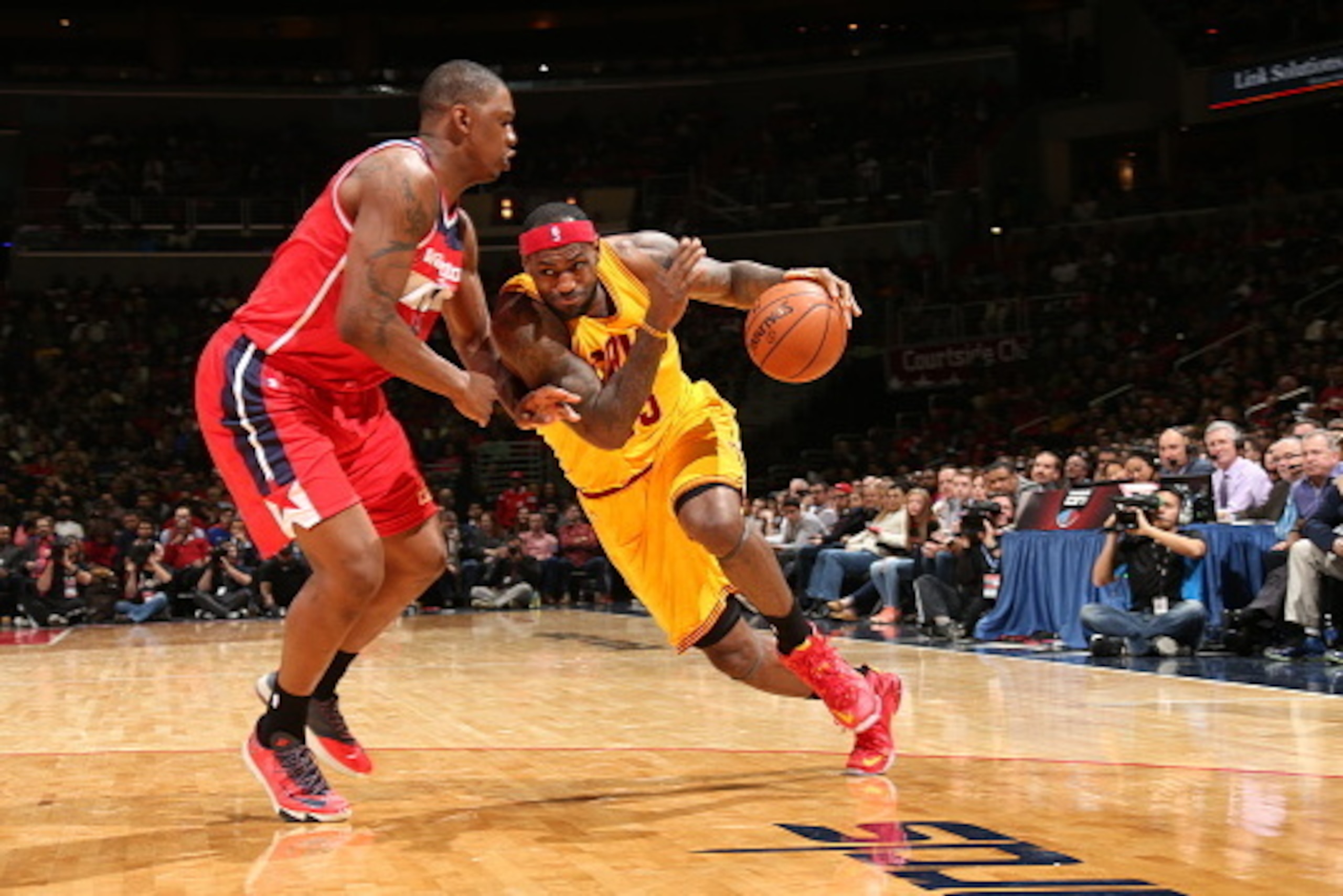
Sometimes, according to a Western Conference scout, the Cavaliers appear to be running a set, only for James or Irving to break it off after the initial denial or after one spots the slightest opening. Either way, the results have been sufficiently strong, with the Cavaliers ranking fourth in offensive efficiency through Monday.
"It doesn't matter what they run, they're going to score, because they have really good offensive players and he can really coach," Van Gundy said.
Defense is another matter, however. Consider that even Spurs coach Gregg Popovich—renowned for his integration of so-called European offensive principles—said last month that when he took over in 1996, he emphasized defense, "knowing that nobody's the last team standing without being a good defensive club."
Early on, the Cavaliers weren't close to that.
"They were pretty bad," Karl said.
So bad that Karl said the coaches needed to "demand a better performance." Lately, the Cavaliers have climbed from near the cellar in opponents' field goal percentage to 20th, as many of their other metrics have improved incrementally. They're up to 14th in defensive rating. Still, they slip at times, as they did in Monday's first half against Brooklyn, when Blatt said "[we had to] catch ourselves" after "having very little defensive intensity."
Karl said the Cavaliers have "no chance of being good" if in the bottom third defensively and "might have a chance" in the middle. Can they get there, when they are short on plus defenders, even while including James (variations in effort), Shawn Marion (36 years old) and Anderson Varejao (often overpowered down low)? Karl advised building the defense "with concepts that fit with what they do" and expanding a month or so later. Fratello recommended coaching around those who haven't traditionally taken pride in that side, tweaking team concepts to hide or protect those you can't simply sit. If you don't have a Tony Allen-type to get over the screen, it might mean harder shows or quicker traps in support.

"So you make adjustments," Fratello said. "But what you're asking for ultimately is, 'Buy in. Buy into the team defense. Buy into the concept. And we'll be OK.' You understand you have to cover for them."
Van Gundy went further. While he does believe Blatt must continue working on getting more defensive commitment, he says that ultimately, an organization must "get the right guys," those who aren't simply playing the media, knowing "exactly what to say, knowing that they are going to be held to a higher standard for what they say than actually what they do."
The Cavaliers all know to say that defense is important, which placates the press. Van Gundy says it's more instructive to "look at what they're doing." He sees nothing wrong with Cleveland's scheme, so it often comes down to effort, "guys who know that it's important, that are willing to do the hard part. James had a quote earlier in the year that we have to do the drills that we don't want to do, to build the habits defensively. Now, I would take it a step further. They should want to do them. They should demand that [Blatt] coach them hard and point out mistakes and drive them and keep at them, because that's what they want."
It's that mindset that will prove crucial in getting Blatt on the same page with his locker room.
"No one's saying, 'Hey, listen, on those pick-and-rolls, no matter how we guard them, I want you to die on the screen, and when the roller rolls down the lane, I don't want physical contact," Van Gundy said. "I want you to f-----g let him go to the rim, throw it up, let him dunk it over the top, OK.' This is the simplest s--t in the world. It is."
To Van Gundy's way of thinking, no scheme can be evaluated fully without maximum effort, and if that's not coming, it's because there are too many "master politicians" and not enough of those "right guys."
"Only the people involved, the players, the coaches, only they know," Van Gundy said. "We can guess, but we don't know."
People will guess, though. They will poke and prod, too.
That's the burden of being in David Blatt's position.
Though European basketball observers insist that Blatt faced plenty of pressure in Israel, Karl doesn't believe that Blatt could have been prepared for the amount of time NBA head coaches spend with the media ("too much," Karl said) or the "onslaught of intense questioning" he is encountering. Blatt has been generally accommodating with the scrums and often quick with a quip. Monday, he even expressed gratitude for the media's interest, since they're "a big part of this business that we're in," even as he added that he didn't listen to everything said about him and didn't necessarily like all he'd heard.
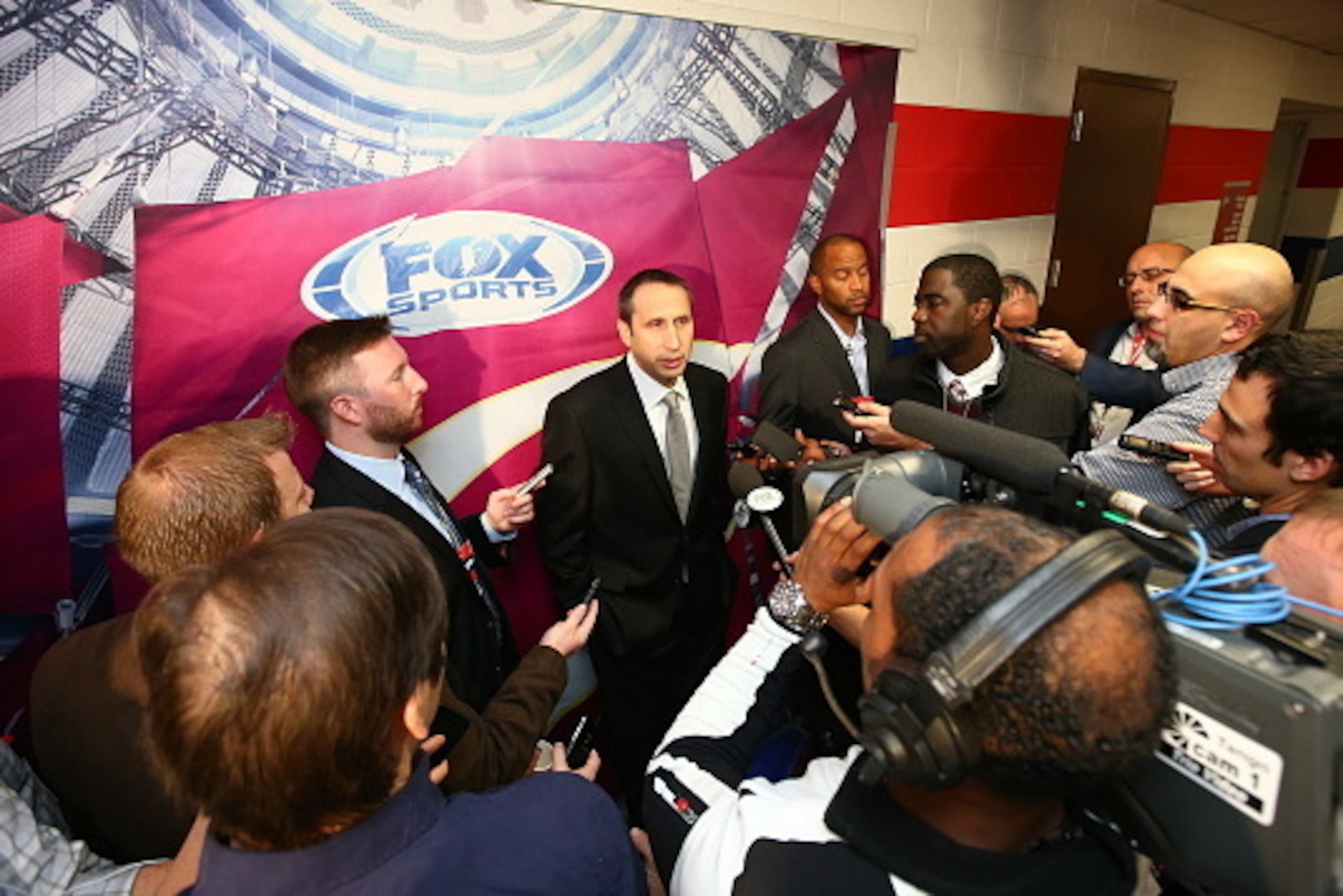
At times, he's shown a defensive edge, referencing reporters by name before responding to their carefully worded criticisms, scolding them for focusing on starting assignments and even touting his European record. This combativeness, even with a smile, isn't usually effective for anyone in the NBA other than Popovich, and that pass came after multiple NBA titles. And while Blatt has shielded James from even from the mildest critique—something many NBA coaches do for superstars—he's sometimes left Kevin Love and others exposed.
"There's a psychology, when you're in chaos, or you're in a little bit of a persevere mode, to be careful with what you say," Karl said. "Because a mistake can be magnified, can be blown up. And I thought earlier in the season, everybody—coach, players, management, everybody [on the Cavaliers]—was talking too much. It seems like they've gotten that under control now."
Fratello alluded to the need for Blatt to "hang in there," amid the "tremendous pressure" from the time James signed, since "one of his biggest jobs is to keep everybody pulling together, instead of pulling apart."
"It's really how do the people above him deal with the scrutiny," Van Gundy said. "Because if they're steady and even-keeled, then it's going to give him a sense of we truly are all in this together. ... Really good organizations don't make haphazard changes. They don't ebb and flow with every news cycle or every result. They have a plan that makes sense, that is very competent, and they stay the course. And I think for coaches it's easier to stay the course, because you've been through ups and downs with the season. But oftentimes, the people above the coaching level want this instant gratification."
Van Gundy, like Kerr, used the Miami example.

"People were trying to make it out that Spoelstra was in trouble when they started out," Van Gundy said. "But anyone who really knew and understood how Miami functions knew that there was no trouble. Zero. Right? That was people trying to drive trouble into Miami, but that was never going to happen. They were never going to turn their organization over to the players. Never. But every organization has to learn what works. Some learn the lessons of the most successful organizations of pro sports. Others don't."
Will Cleveland? Will the Cavaliers allow him to acclimate to the different NBA environment, which Van Gundy called more of a "cooperative" between coach and star player than in Europe, where coaches wield a heavier hammer. It becomes more of a cooperative every day, as evidenced by James' call to play fewer minutes, a request that Van Gundy says he's "never heard before."
"That whole notion that players are going to come out and say, 'This is what I think should happen,' I'm sure that's different (from Europe)," Van Gundy said.
The reality is, coaching someone with James' profile is different from coaching anyone else, anywhere. Karl doesn't think it's as critical that Blatt and James project complete harmony in public as in front of the team, from locker room to plane.
"The players have got to see that you all are together," Karl said. "That's more a fundamental foundation than worrying about the perception of what somebody wants to write."
As a coach, Karl wanted plenty of interaction with players, but "I also wanted them to know this is not a democracy, it's a dictatorship. It's a benevolent dictatorship. But sometimes, you call a player in and you sit down and have a 30-40 minute talk with them, and they think you're their best friend, and then you don't take their suggestions, and they're pissed off. You know, I'm listening to you, but that doesn't mean I'm going to buy your product."
Van Gundy said that Blatt, over time, will better learn about how to handle all of his players. Winning will help, at least in terms of perception. When James took over a huddle in a loss to the Spurs, and Blatt looked peeved, it fanned a social media fire; but after a win against the Raptors, Blatt called it "super valuable" that James had talked directly to the team near the end. In New York on Thursday, Irving appeared irritated that Blatt called a late timeout. But after Irving converted a layup on the subsequent set play, everyone was all smiles, Irving announcing that he was "riding with coach Blatt," and Blatt joking that Irving was a better player than coach.
The early-season struggles? Van Gundy calls those "great," because "I'm sure [Blatt] learned more about the team and the personalities, who's trustworthy, who's reliable, who's mentally strong, who behind the scenes is a finger-pointer."
Blatt's position has the potential to be precarious, certainly more so than Spoelstra's in 2010. The Cavaliers' owner, Dan Gilbert, has authorized three coach firings, including two of the same person—Mike Brown—in four years. The Cavaliers' general manager, David Griffin, is feeling his way after Danny Ferry and Chris Grant failed. Nor does Blatt have any longtime allies on his bench. Two assistants (Larry Drew, Jim Boylan) have more NBA head-coaching experience and another (Tyronn Lue) was handsomely paid to finish as Blatt's first runner-up.
Fratello acknowledged that while some head coaches want "yes men" and some want straight shooters, "there is something to having people that you trust" and that "getting used to" a new set of assistants is "another obstacle he's got to overcome."
Even so, Blatt continues to come off as confident. If any obstacles start to overwhelm him, he can take solace in Popovich's simple strategy when he started in 1996.
"You either know what you're doing, or you don't," Popovich said. "You can either garner respect from players or know how to deal with a group and lead it or not. ... I just tried to concentrate on what I thought I needed to do. And if it was good enough, fine. And if it doesn't, that was fine, too."
As long as you find some way to win, as Blatt has done lately, there's little cause for worry.
"Because even if you are doing a s----y job, winning brings credibility and confidence to players, and that's the only thing that gets in the way of you not becoming good, is not having enough time," Van Gundy said. "No one's good right away. You either have enough good players to cover up for your mistakes, which I had in New York, or you don't. And as you're learning how to coach, and how you are going to schedule, and how you are going to practice, or just however you go about doing the job, if you get enough time, you'll be good. It's just, can you get enough time?"
With James, and seven straight wins, Blatt is guaranteed to get more—at least for now.
Ethan Skolnick covers the NBA for Bleacher Report. Follow him on Twitter, @EthanJSkolnick

.jpg?w=2560 "Grading WWE Raw 🔠")

.jpg?w=2560 "Landon Dickerson Placed on IR")
.jpg?w=2560 "Follow WWE Raw 🇲🇽")
.jpg?w=2560 "Nabers' Recent IG Post 👀")