Does Experience Really Rule over Youth in the World Series?
The two teams in the World Series, the Kansas City Royals and San Francisco Giants, are similar in a number of ways, not least of which is that neither was expected to make it this far when the postseason began.
The one major disparity between this pair of clubs, of course, is World Series experience. Heading into this Fall Classic, the Giants have a ton of it after winning titles in 2010 and 2012, while the Royals have just about none, considering this is their first trip to the postseason since 1985.
On one hand, there's the Giants, who more or less define championship pedigree these days. On the other, we have the upstart Royals, who are young and athletic and may not even recognize the magnitude of being on baseball's biggest stage.
_1.png?w=2560)
.png?w=2560)
In fact, the only two Kansas City players who have been to the World Series before are right-hander James Shields (with the Tampa Bay Rays in 2008) and second baseman Omar Infante (with the Detroit Tigers in 2006 and 2012). That duo had exactly six games in the final series of the season entering this matchup.
As for San Francisco? A whopping 16 of the 25 players on their roster had played in the Fall Classic prior to this October, and they have a total of 62 games worth of experience.

Conventional wisdom—not to mention, any number of baseball announcers, writers and fans—says that experience holds the edge because of the value of having been there before and knowing what to expect. But does that idea actually hold up, or is it merely a narrative spewed in an attempt to make a point?
To try to find out, we studied the 25-man rosters for each of the past 10 World Series participants—20 teams in total—and tracked the players' average ages (based on Baseball-Reference's baseball age), as well as their previous World Series experience (based on total number of games played).
Admittedly, this isn't the most scientific approach, but it just might provide a window into whether experience actually has any kind of advantage when a title is on the line and the lights are brightest.
2004 World Series
| Red Sox | 31.6 | 26 |
| Cardinals | 30.3 | 32 |
Outcome: Red Sox over Cardinals in four
2005 World Series
| White Sox | 29.5 | 18 |
| Astros | 30.3 | 27 |
Outcome: White Sox over Astros in four
| Cardinals | 29.0 | 43 |
| Tigers | 28.9 | 7 |
2006 World Series
| Red Sox | 29.8 | 46 |
| Rockies | 27.8 | 4 |
Outcome: Cardinals over Tigers in five
2007 World Series

Outcome: Red Sox over Rockies in four
| Phillies | 31.0 | 11 |
| Rays | 27.0 | 7 |
2008 World Series
| Yankees | 30.2 | 103 |
| Phillies | 31.1 | 67 |
Outcome: Phillies over Rays in five
2009 World Series
| Giants | 28.8 | 29 |
| Rangers | 28.1 | 9 |
Outcome: Yankees over Phillies in six
2010 World Series
| Cardinals | 30.0 | 27 |
| Rangers | 29.4 | 49 |
Outcome: Giants over Rangers in five
2011 World Series
| Giants | 28.6 | 28 |
| Tigers | 28.3 | 21 |
Outcome: Cardinals over Rangers in seven
2012 World Series
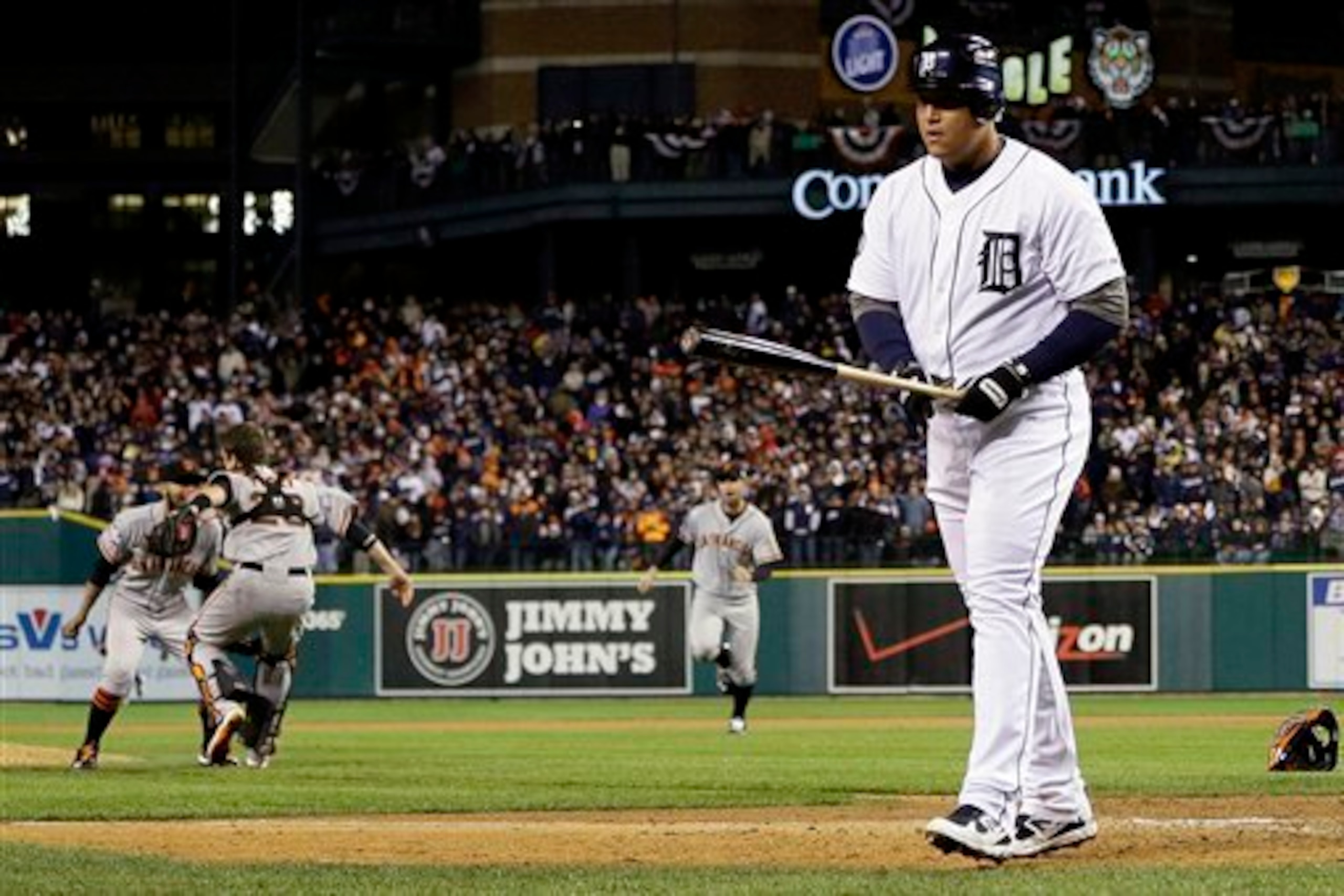
Outcome: Giants over Tigers in four
| Red Sox | 29.9 | 42 |
| Cardinals | 27.2 | 61 |
2013 World Series
| 2004 | Red Sox | 31.6 |
| 2006 | Cardinals | 29.0 |
| 2007 | Red Sox | 29.8 |
| 2008 | Phillies | 31.0 |
| 2010 | Giants | 28.8 |
| 2011 | Cardinals | 30.0 |
| 2012 | Giants | 28.6 |
| 2013 | Red Sox | 29.9 |
| TOTAL | 8 out of past 10 World Series winners | 29.8 |
Outcome: Red Sox over Cardinals in six
Experience Vs. Youth in the Fall Classic
After dissecting the rosters of the past 10 World Series, there actually might be something to the age-and-experience-matters camp.
Within this time frame, the older team (based on average age) won eight of the 10 Fall Classics played, as this table shows:
| 2006 | Cardinals | 43 |
| 2007 | Red Sox | 46 |
| 2008 | Phillies | 11 |
| 2009 | Yankees | 103 |
| 2010 | Giants | 29 |
| 2012 | Giants | 28 |
| TOTAL | 6 out of past 10 World Series winners | 43.3 |
And while actual World Series experience (based on number of previous games) doesn't present as strong a case, the clubs with more total games coming into the matchup won six of the 10 times.
As noted above, this is far from a perfect measure, and there are plenty of other variables at play. For instance, a World Series-winning team might have had two or three very old players who skewed the age-related data but who were merely pinch-hitters or middle relievers who didn't have much of an impact on the actual series itself.
Does this mean that a team has to be the older one or the side with more Fall Classic game history in order to win? Obviously not.
Just look at the 2005 Chicago White Sox, who were younger than the Houston Astros or the 2009 New York Yankees who (gasp) were younger than the Philadelphia Phillies, yet both took the title.
And the 2004 Boston Red Sox, the 2005 White Sox, 2011 St. Louis Cardinals and 2013 Red Sox each had rosters with fewer total prior World Series games than their opponents.
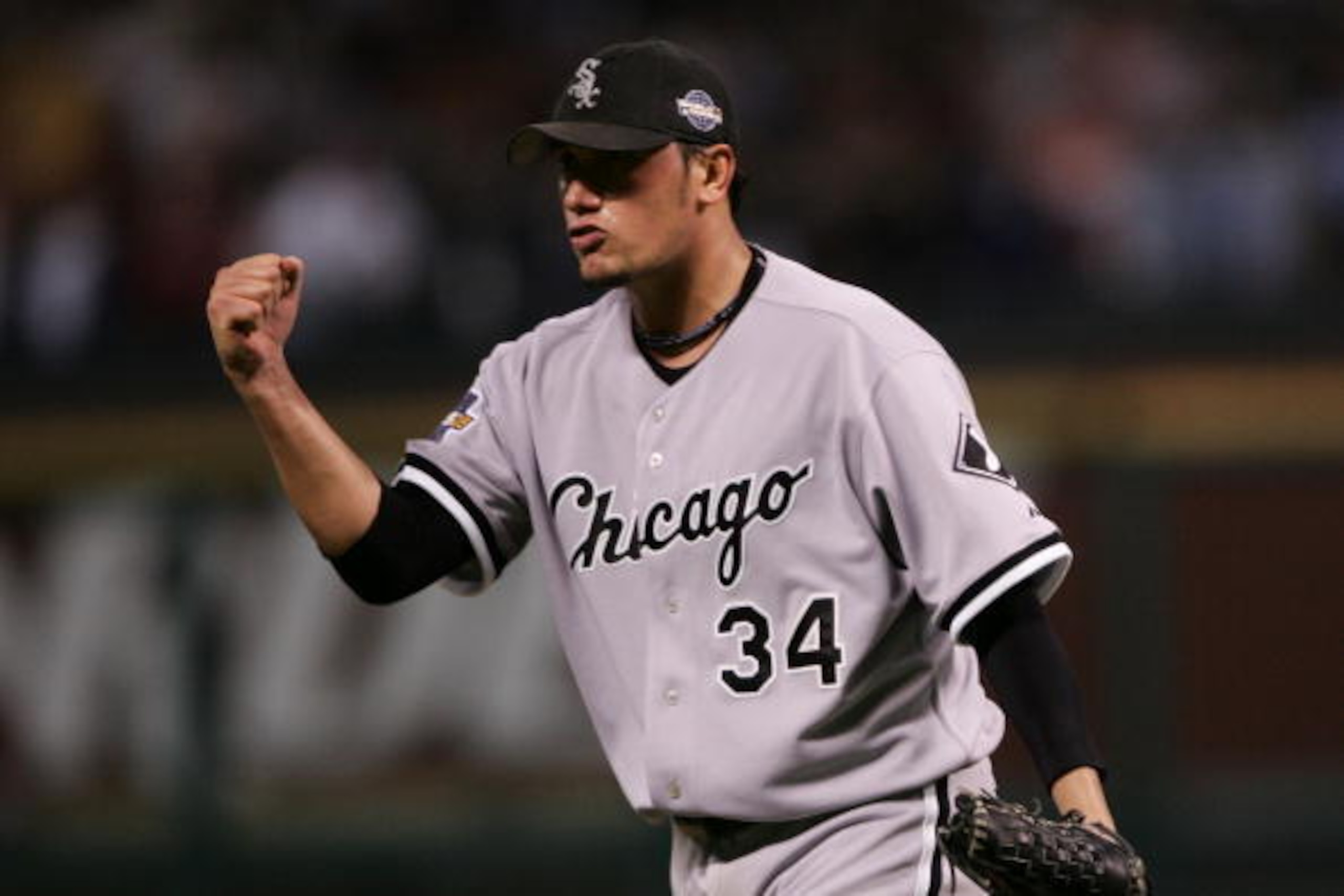
The club that provides the most hope for the Royals' youth and inexperience? Those '05 White Sox, who not only were the youngest team to beat an older squad (29.5 years on average), but who also had fewer previous World Series games (18) than the Astros, who had 27 total games on their roster and were an average of 30.3 years old.
While this isn't necessarily enough evidence to say that age and experience provide a distinct advantage in the World Series, it is something that can—and, of course, will—be pointed out if the Giants wind up winning it all for the third time in five years.
Statistics are accurate through Oct. 23 and courtesy of MLB.com, Baseball-Reference.com and FanGraphs, unless otherwise noted.
To talk baseball or fantasy baseball, check in with me on Twitter: @JayCat11.

.jpg?w=2560 "Grading WWE Raw 🔠")
.jpg?w=2560 "Source: Freedom, White Not Eligible for WNBA Draft (AP)")

.jpg?w=2560 "Shedeur's Reaction to Browns' QB Decision")