

How O.J. Mayo Went from Top Prospect to the NBA's Biggest Reclamation Project
A slow but steady decline turned into a free fall last season. O.J. Mayo, taken third overall in the 2008 NBA draft out of USC after his freshman year, is now more of a punchline than an NBA asset.
You knew the Twitter comedians would get him. Even opposing announcers last year were cracking jokes.
It didn't help that Mayo gained weight during his worst season as a pro because for athletes we associate gaining weight with not caring. And considering he hadn't lived up to the hype through his first five years, you'd expect the motivation to be there.
What's worse, stinking right out of college—in which case we can place some blame on the scouts—or proving you've got the talent by averaging 18.5 points per game as a rookie and then failing to do what's necessary?
In Mayo's case, the expectations were wild for him each time he reached a new level. An elite recruit who averaged 20.7 points per game at USC, Mayo would ultimately be traded as part of a package for Kevin Love on draft night.
He even produced immediately once making the jump to the pros.
The problem for Mayo early on was that while he was getting his points in Memphis, the team was losing. He got up 15.6 and 14.4 shots per game in each of his first two years, respectively, and the Grizzlies finished below .500 both seasons.
But Mayo's value took the biggest hit his third year in the league. That's when Memphis' coaching staff changed his role, moved him to the bench and cut his minutes from 38 per game to 26.3. The result: The team reach the Western Conference semifinals, falling in seven games to the Oklahoma City Thunder after knocking off the San Antonio Spurs in the first round.
Maybe it was just a coincidence. Or maybe less of Mayo was more.
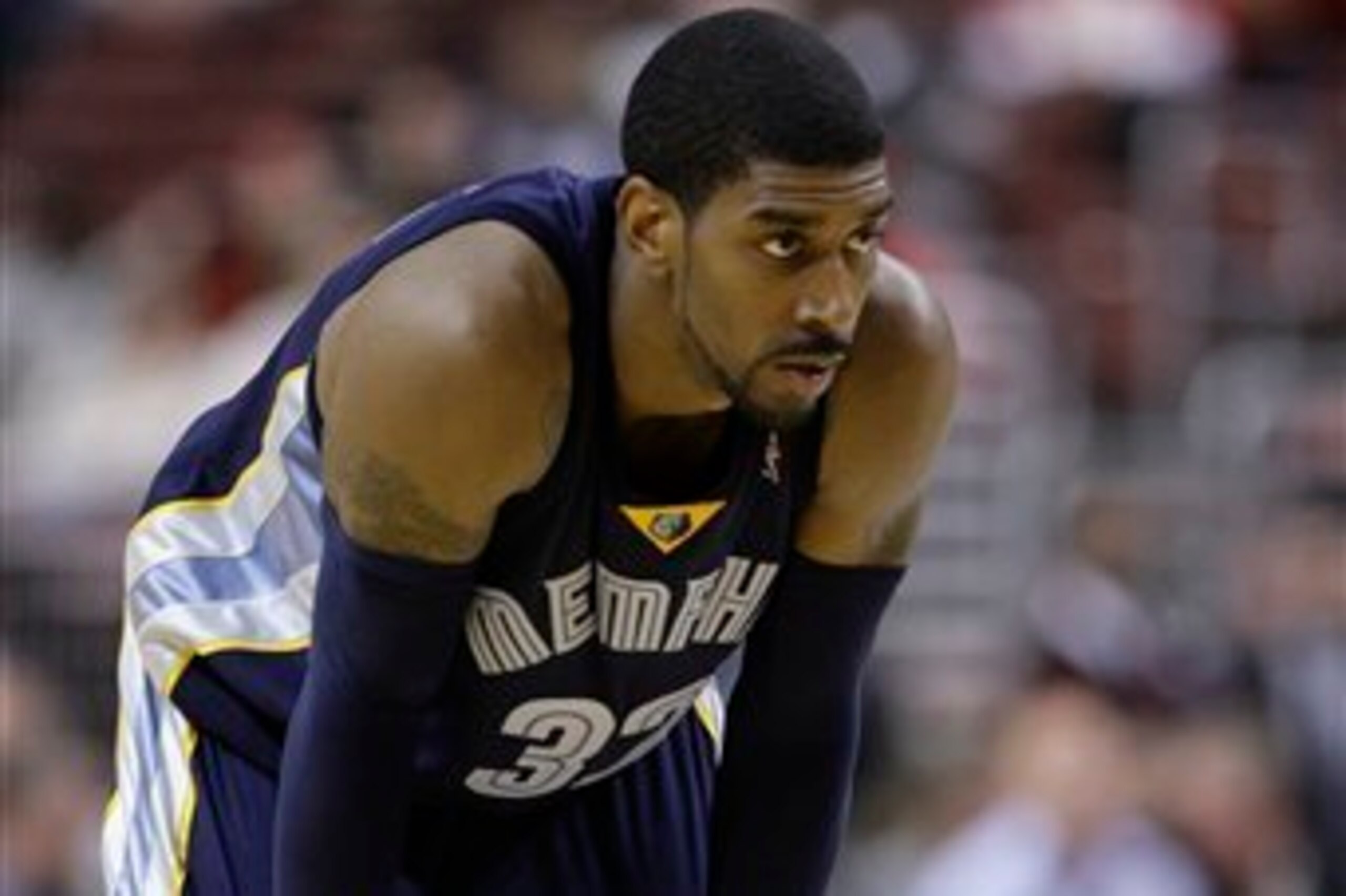
After a fourth year in Memphis and a second off the bench in which he shot below 41 percent, a change of scenery was needed. Only Mayo wasn't needed, at least not by many teams scouring the free-agent market the summer of 2012.
The Dallas Mavericks got him on just $4 million per year (two-year deal, second-year player option). Before crapping out the last two months, Mayo was effective with the Mavs in 2012-13, having averaged 15.3 points per game and career highs of 4.4 assists and 40.7 percent shooting from downtown.
For a good portion of the year, he at least reminded us why there'd been so much hype surrounding him as a prospect. Mayo could handle the ball, score and shoot while offering legitimate backcourt versatility.
That's what the Milwaukee Bucks were hoping for when they signed him to a three-year, $24 million deal. But in his first season, he never earned the trust of coach Larry Drew, who played him a career-low 25.9 minutes a game. Mayo, 26 years old, was even receiving DNPs like a washed-up veteran.
He'd soon find himself backing up rookies and minimum-wage players on a 15-win squad, moving closer and closer to rock bottom.
"His full name is O. J. D. N. P. C. D. Mayo. O. J. for short
— Ben Golliver (@BenGolliver) March 19, 2014"
It wasn't long before Mayo expressed his frustrations with his role last January, via Charles F. Gardner of the Milwaukee Journal Sentinel:
"It's the same thing it's been night in and night out. It's been the same result, whatever the game plan has been.
It's hard to get a rhythm when you don't know what's going to happen for you night in and night out. You may get 6 minutes, 30 minutes. There's no staple to what we're doing. You can hang in there, compete and keep it close.
"
Work ethic, conditioning and coaching had something to do with last year's disaster. But in terms of his career on-the-court play, there are some compelling patterns of evidence that explain Mayo's inconsistent impact from 2009 to 2014.
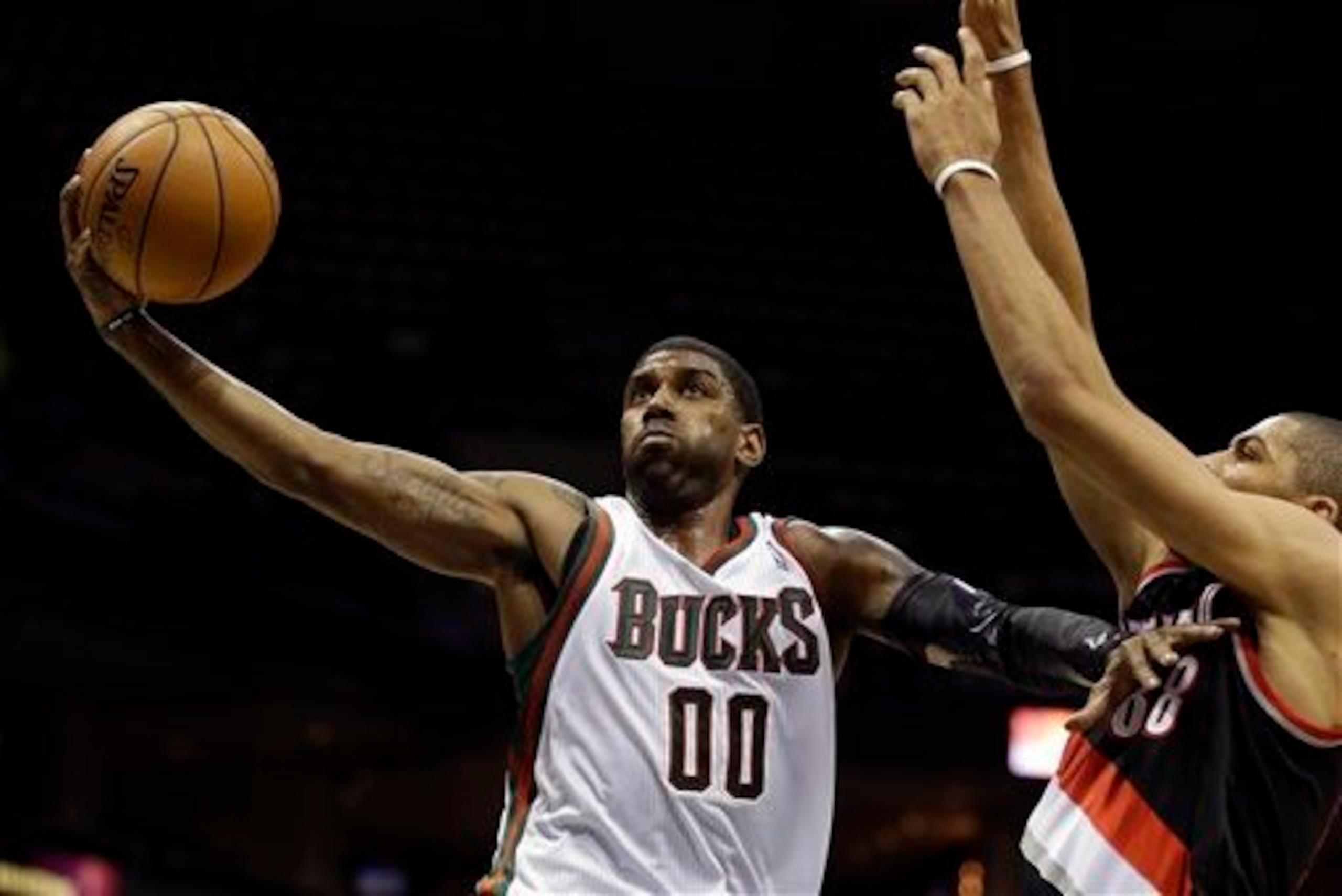
One of the issues with his game is that he's become overly reliant on his jumper. Go ahead and credit some of that to a lack of turn-the-corner burst or the inability to score in traffic. But here's a fact: This past season in Milwaukee, his 38.8 percent field-goal conversion rate on drives ranked No. 134 in the league among those who played at least 40 games and averaged 1.5 drives in each.
Through six seasons, he's never averaged more than 3.5 free-throw attempts per game, an astoundingly low number for a scorer with Mayo's particular one-on-one skills. His lack of comfort finishing in the paint explain why we've also seen the average distance of his field-goal attempts increase over the years from 15.4 feet out his rookie season to 17.3 feet this past one in Milwaukee.
To no surprise, the percentage of his field-goal attempts that come from behind the arc has gradually increased as well. Last season, 41.3 percent of his shots came from downtown (227 threes, 323 two-pointers), a big difference from the 29.5 percent that came from three in 2008-09.
Right now, the balance isn't there—too many outside shots and not enough attacking, rebounding, defending or playmaking. His ability to create off the dribble is something that originally played to his upside as a combo guard out of USC.
| Year | Average Distance of FGA | Percentage of FGA That Are Three-Pointers |
| 2008-09 | 15.4 feet | .295 |
| 2009-10 | 14.5 feet | .300 |
| 2010-11 | 16.6 feet | .353 |
| 2011-12 | 16.1 feet | .374 |
| 2012-13 | 15.8 feet | .340 |
| 2013-14 | 17.3 feet | .410 |
Looking through the glass half-full, Mayo has maintained a somewhat consistent outside stroke. He's shot at least 40 percent in the mid-range in five of his six seasons and at least 36 percent from deep in all of them.
There's also been good news out of Bucks camp, claiming Mayo weighed in around 208 pounds last month. That would be "at least 15 to 20 pounds from his weight at one stage last season," according to Gardner, who also had this from Mayo:
"Last year is dead and buried. You all can dig it up if you want. I'm ready for this new year. I think we're all motivated to have a positive season. So that's where my mind is. I can't think both ways or I'll feel a little weird.
"
Though it will be on Mayo to earn his spot back in Milwaukee's rotation, new coach Jason Kidd should be looking to reignite his ball skills and ability to generate offense.
We're not going to see Mayo revive his career on just 39.9 touches per game. In fact, 199 players averaged more than him last year. Granted, he might not have deserved them, but assuming he's in better physical condition and engaged in 2014-15, Coach Kidd will want to get his $8 million-per-year weapon more involved.
The path that Mayo had been trying to carve out for himself has changed over the past six seasons. He essentially got lost on the first one toward his perceived All-Star ceiling. That path is closed off at this point. Now, he's just hoping to find the one that takes him back to NBA relevance.
It should exist. When healthy and in shape, Mayo's offensive skills hold value in this league. That's especially the case for the Bucks, who finished No. 26 last year in offensive efficiency and No. 28 in points per game.
Things will have to change, from his diet and shot selection to the Bucks' coaching decisions. And between his individual talent and opportunity for minutes in Milwaukee, there's no reason why his career has to continue spiraling downward.
If it doesn't work out with the Bucks, however, it's hard to envision another team paying much to take on a reclamation project.
Stats courtesy of NBA.com and Basketball-Reference.com.
.png?w=2560)

.jpg?w=2560 "Report: Saints Trade For 49ers RB")
.jpg?w=2560 "Jeanty Avoids Major Injury")
.png?w=2560 "MLB Playoff Picture Shaping Up")