Jules Bianchi Dies at 25 from Injuries Suffered at 2014 Japanese Grand Prix
Formula One driver Jules Bianchi died following head injuries sustained during the Japanese Grand Prix on Oct. 5, 2014.
His family confirmed the death on the "Jules Bianchi Fan Club" Facebook page:
.jpg?w=2560 "F1 Ecclestone Auto Racing")
-(1).jpg?w=2560)

At the grand prix in Suzuka, the Marussia star crashed into a recovery vehicle, which was attending the scene where Adrian Sutil had spun during the previous lap. The tractor was removing Sutil's car from the track as Bianchi lost control in slick conditions.
The 25-year-old underwent emergency surgery after suffering severe head trauma and spent time in intensive care. Earlier in July, Bianchi's father, Philippe, told France Info (h/t Sky Sports) that he was "less optimistic" about the prospect of a recovery, admitting there had been "no significant progress" since the incident.
Marussia put just one car on the track during the Russian Grand Prix on Oct. 12, 2014, as a sign of respect, according to the team's Twitter account:
Former Ferrari chairman Luca di Montezemolo revealed Bianchi was being eyed to replace Kimi Raikkonen, per Sky Sport Italia (h/t Jonathan Noble of motorsport.com):
"Jules Bianchi was one of us.
He was a member of the Ferrari family and was the driver we had picked for the future – once the collaboration with Raikkonen was over.
"
Bianchi's talent was apparent from an early age. The Frenchman's racing pedigree was instilled by his grandfather, Mauro (three-time GT world champion) and uncle Lucien (1968 Le Mans winner).
He began karting, like so many professional racers, before heading to the Formula Renault 2.0 series in 2007. Bianchi was named champion with five wins and then moved on to the Formula 3 Euro series.
The emerging talent finished third during the 2008 season. Bianchi won the title with one race to go the following season, when he operated for ART and alongside current F1 drivers Valtteri Bottas and Esteban Gutierrez.
He competed avidly during the 2010 GP2 series but suffered his first high-profile injury after spinning and colliding head-on with Ho-Pin Tung in Budapest. Signed to Ferrari's racing academy in 2010, Bianchi suffered a fracture to his second lumbar vertebra.
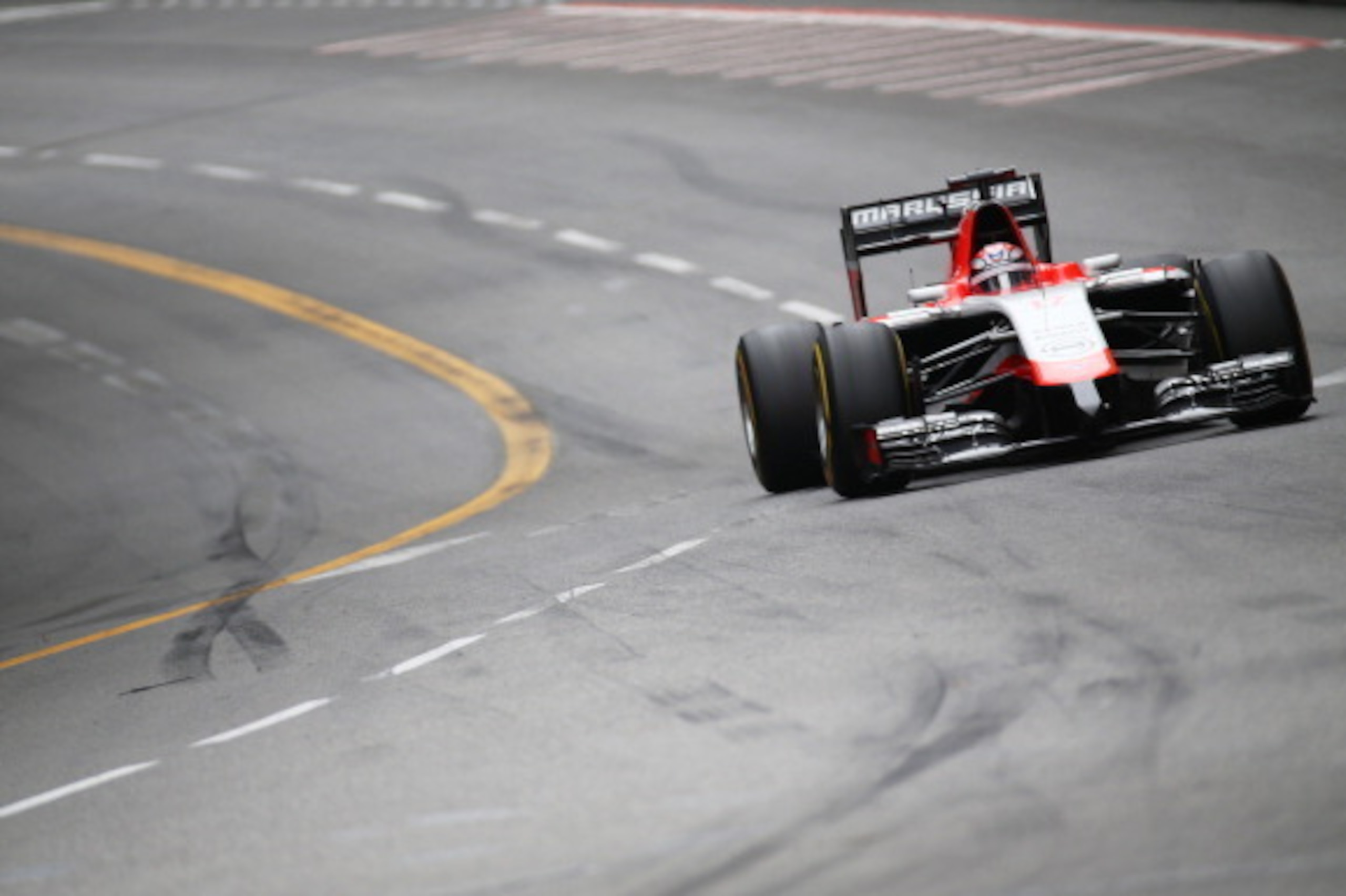
Upon his return, Bianchi finished second to Romain Grosjean in the 2011 GP2 Asia Series, sitting behind both Grosjean and Luca Filippi in the overall championship. After a quick stint in Formula Renault 3.5, Bianchi turned his attention to the F1 scene.
Bianchi was unable to land a permanent seat at Force India after Ferrari allowed him to test for the team during the 2012 season. Sutil was instead confirmed, leaving Bianchi to replace Luiz Razia at Marussia. He posted a steady first year in the limited car before scoring both his and the team's first-ever points with a ninth-place finish during 2014's Monte Carlo race.
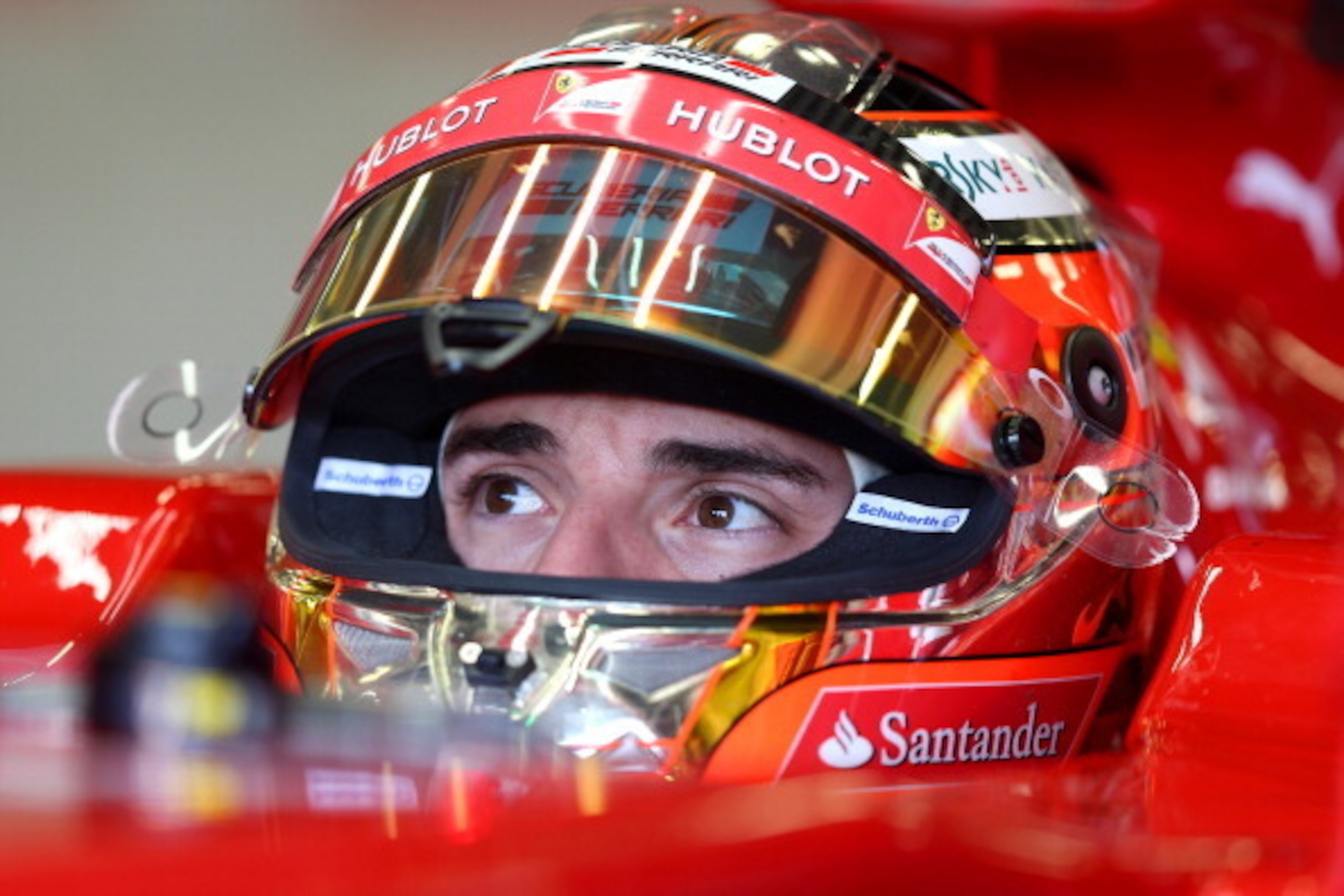
The Japanese Grand Prix arrived nine races later and will now be remembered for the tragic moment that resulted in Bianchi's death. Incidents like this bring the sporting world to a standstill, and major changes are likely to be afoot in F1 as a result.
Felipe Massa called the incident the "worst day" of his life—even after the Brazilian's horrific 2009 accident left him in a coma—and has considered quitting the sport since Bianchi's crash took place, reported Byron Young of the Mirror.
Drivers such as Fernando Alonso have called for the introduction of closed cockpits, reported Jonathan Noble and Matt Beer of Autosport. Whatever the solution, the FIA has important work to complete to ensure the total safety of its drivers in light of Bianchi's death.


.jpg?w=2560 "Waiver-Wire Pickups 👀")
.jpg?w=2560 "Best Fantasy Team Names")
.jpg?w=2560 "Week 1 Rankings 📊")