Football Writers' Week: Duncan Castles on Transfer Window Reporting
It's 'Football Writers' Week' at Bleacher Report, and to kick things off, we asked Sunday Times and Sports Illustrated journalist Duncan Castles to provide his insight on what it's like to cover the transfer window.
As the summer transfer window moved toward its conclusion, Gary Lineker decided to take aim at more or less everyone reporting on it.
TOP NEWS

Ronaldo Hints at Retirement 😯
Live Community Shield LIVE Blog 🏆

How CR7's Wedding Venue Compares 💸
A slightly more scientific survey of the accuracy of UK national newspaper transfer reporting has the hit rate of various titles ranging between Metro's 13.7 per cent and The Guardian's 35.6 per cent since the summer of 2006. Cue more commentary about guesswork and charlatanry from some of the same people who desperately scour the media for information on exactly whom their club are trying to sign before the next window closes.
In Lineker's world, a report is only accurate if the deal ends up being completed—and even then it's a random dart. The Football Transfer League website percentages mentioned above "are based on all rumours we have that have been resolved (player has transferred or signed a new contract)."
And there's the rub. Take, for example, an April report that Liverpool had enquired about Loic Remy as a potential replacement for Luis Suarez, should the striker choose to leave them at the end of a season he never wanted to play in the first place. Liverpool's enquiry developed into full-blown interest. By July, an outline contract had been agreed and Remy had joined up with the club on their pre-season tour to undergo a medical.

Liverpool, however, attempted to negotiate the terms of Remy's deal downward, the transfer fell through and the striker ultimately joined Chelsea. Was the April report another of Lineker's random darts? Clearly not, yet it still ends up in the FTL website ratings as an "inaccurate rumour."
Reporting Not Rumour Mongering
Ultimately, transfer reporting is an information game, and a journalist's information is dependent on his sources. It's not sufficient to have the phone numbers of the managers, directors of football, chief executives, scouts, players' agents or players themselves, you have to a) get them to answer your calls or reply to your text messages, and b) convince them you can be trusted with sensitive material.
A common refrain from the sceptical reader is that a news report is worthless unless it contains a direct quote substantiating its content. In truth, the articles that are the furthest ahead of the pack rarely contain them.
Suarez is a good example. When Liverpool's American owners forced the club's best player to remain at Anfield in the 2013 summer window, reneging on a verbal and contractual promise that he could leave, Suarez's anger was such that he resolved that the season forced upon him would definitely be his last in their employ.
Not the sort of individual to force an exit by intentionally playing below his own elite standards, it was impossible for Suarez to state his intentions publicly, but trusted journalists were informed of and allowed to write about them. No quotes, just an accurate story alerting suitors to his intentions. One record-breaking season later, Suarez was at Barcelona, the club of his dreams.
Developing the trust to be one of the journalists in the loop can take years. It might be based on hitting it off during an interview—asking intelligent questions, listening carefully to the answers, then presenting them accurately in a well-written article can impress the interviewee and those close to him.
It could be the result of a chance meeting en route to a football ground or a cold-call phone contact to gather information for a piece. How a journalist maintains the relationship is far more important than how it begins. Misrepresent an individual in print, or expose him as a source and the trust—and information flow—is over.
Once a journalist has a contact talking to him, the next step is to work out how reliable his words are. It can often be to an agent's advantage to have his client linked with a club where he knows the player will never end up or, worse still, never had an interest in signing him. Similarly, it can be to a club's advantage to have their supporters believe they are attempting to sign a footballer they know is not for sale or have "ended their interest" in a player who refused to join them.
As a reporter, you don't want to have your name on either story. The challenge is to assess who always tells you the truth, who sometimes tells the truth and who isn't privy to what's going on in the first place. The last category of contact can cost you an exclusive if used to check on a transfer that they haven't been let into the loop on.
Deadline Day
Reporting the end of the window presents its own unique problems. You know that if any given deal is to be done (and many have been in gestation for months) it will happen that day, which increases the pressure to release new information as soon as you have it, while making you more susceptible to falsehoods.
Your contacts are working against a deadline and have less time to pass on information, let alone discuss the details of it. And the fluidity of final-day deal-making requires language to be framed carefully.
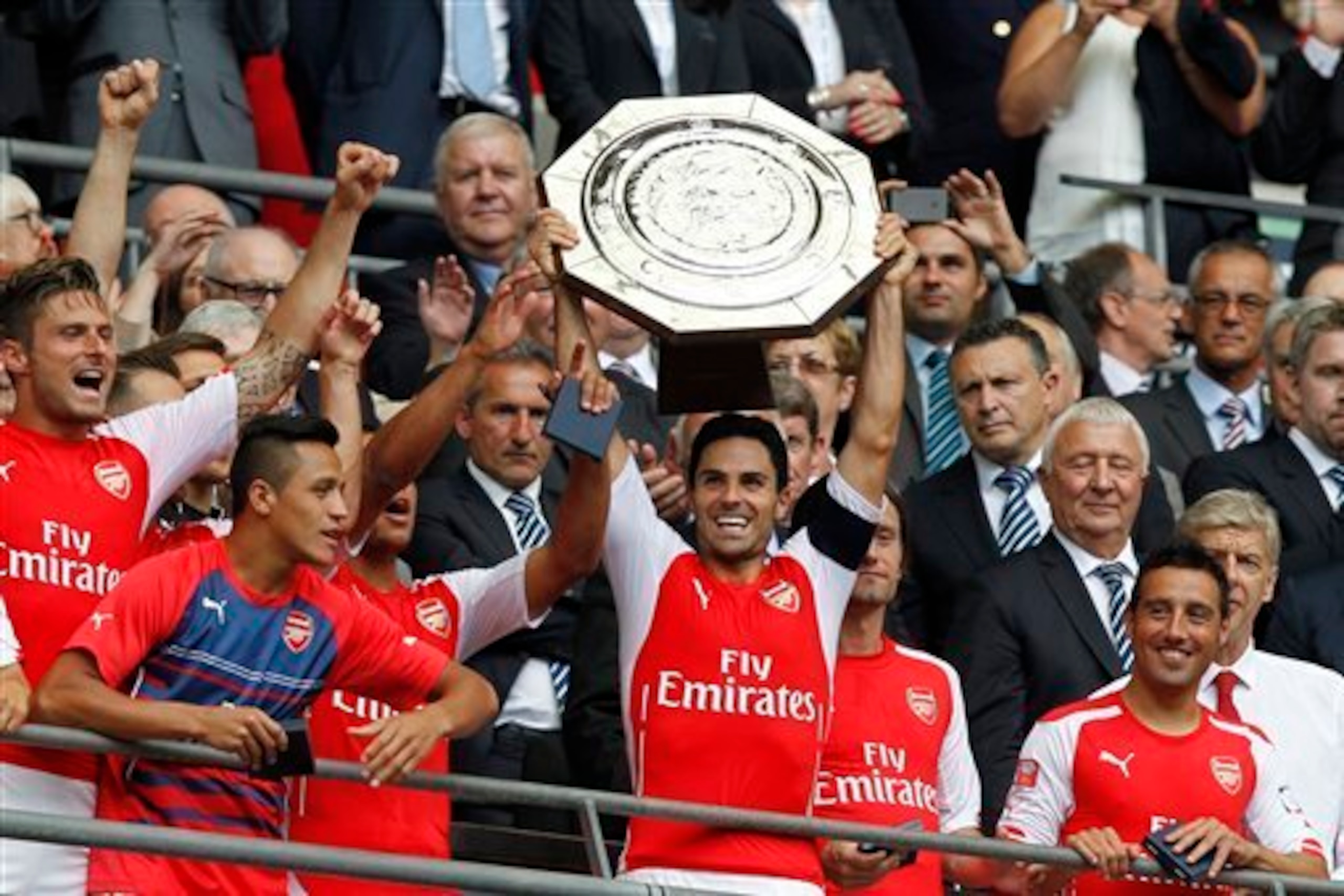
When Arsenal were scrambling to bring Mikel Arteta from Everton three summers ago, a highly reliable source at the London club was sure that the deal had fallen through over the transfer fee, only for it to be resurrected by the Spaniard taking a cut in his personal terms. Passing on the Arsenal contact's info that the deal was off drew a slew of abusive messages that continued for months.
Sometimes, though, a one-line report can have the largest impact. As rumours ran that Radamel Falcao had failed an Old Trafford medical and missed the deadline to sign for Manchester United, checking, then stating on Twitter first, that “Radamel Falcao has passed his medical at Manchester United” and then that “Manchester United have completed the transfer of Radamel Falcao from AS Monaco” was enough to lead the news. Not bad for a haphazard dart.


.jpg?w=2560 "NFL Preseason Week 1 Winners/Losers 📊")
.png?w=2560 "Cowboys Rookie's Bold Quote 😤")
.jpg?w=2560 "Gonzo Not Happy with Kraft 😬")
.jpg?w=2560 "NFL legend calls plays during preseason")