Formula 1 Team Radio Clampdown Is Good for the Sport and for Fans
Last week, the FIA—Formula One's governing body—sent a letter to the teams indicating they are no longer allowed to provide advice to their drivers via radio during the race. According to the BBC, the letter said, "no radio conversation from pit to driver may include any information that is related to the performance of the car or driver."
While there are some wrinkles that will have to be ironed out, overall the clampdown is good for the sport. Generally, any change that makes it more difficult for the drivers makes F1 more exciting for the fans.
For example, the new technical regulations this year reduced the aerodynamic downforce produced by the cars, while also allowing for engines that provide more power and torque. This makes cornering trickier, but we have also seen some of the best racing in years. Drivers are more prone to mistakes—Nico Rosberg's error in Italy last week is a perfect example—making the races more unpredictable and more exciting.
.jpg?w=2560)
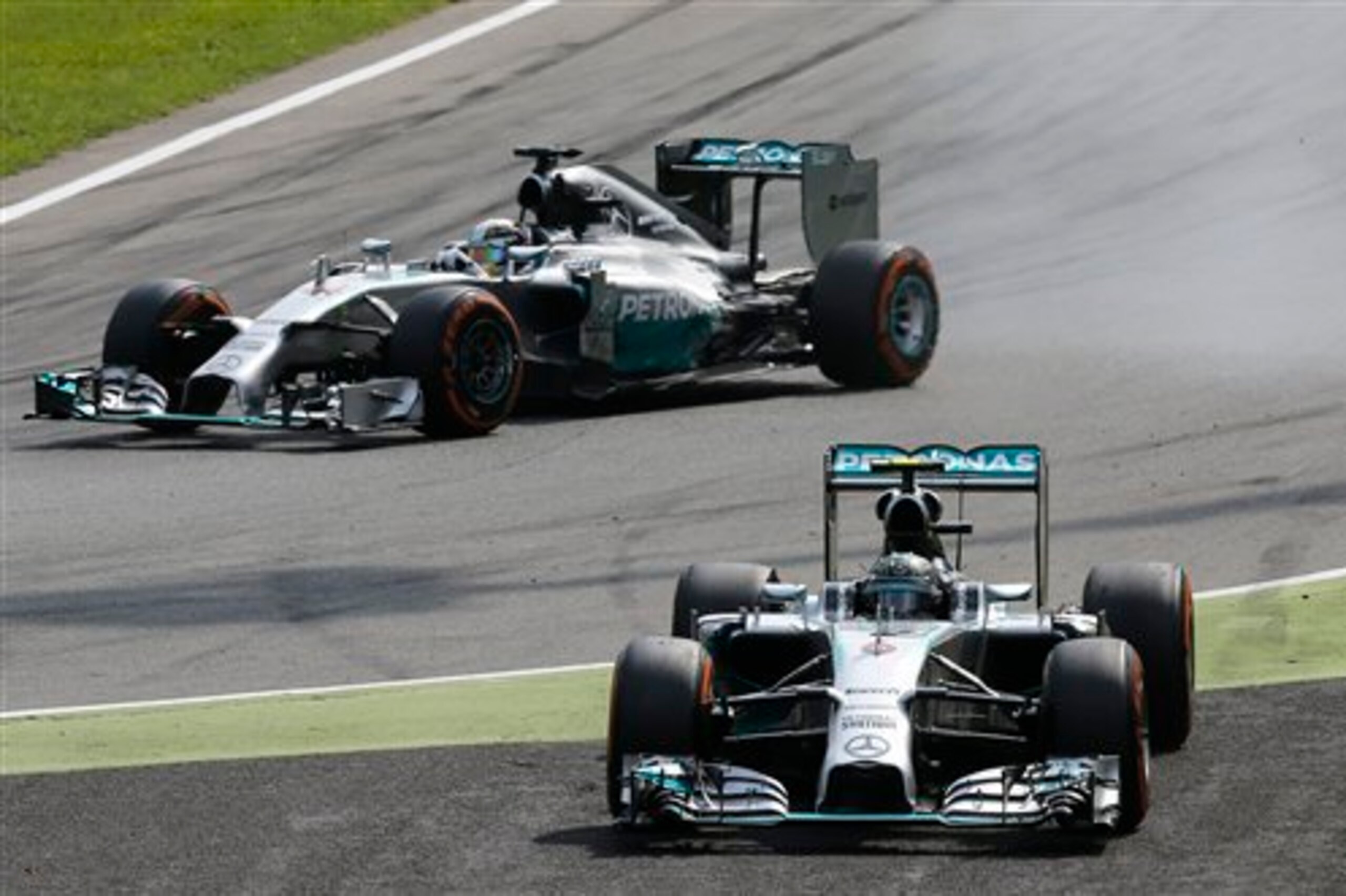
On the 13th lap of the Italian Grand Prix, while Rosberg was still leading the race, his engineer came on the radio to tell him to "try an earlier apex in turn 11, Parabolica. Try and open the steering on exit for scrubbing," per F1 Fanatic.
Those types of messages have became quite common, along with advice on how to save tyres, manage fuel and a host of other tidbits to (the engineers hope) shave a few 10ths off their drivers' lap times.
When these messages are broadcast for the fans watching on TV, though, they are left with the impression that professional drivers are unable to get around the circuit without a backseat driver yammering in their ears.
Still, some of those radio messages are important. Without the advice, we could, for example, see drivers running out of fuel before the end of the race. And while that would add another layer of unpredictability to the grands prix, would having cars stranded on the side of the track really be a better image for the sport than a few extra radio messages about fuel levels?
Although fans will no longer be treated to such classic radio messages as Kimi Raikkonen's "Leave me alone. I know what I'm doing," there should still be room for some fun (for the fans at least) on the team radio. Driving advice may be banned, but the new directive says nothing about teams trying to control their drivers' emotions.
At last year's Korean Grand Prix, Raikkonen's then-team-mate, Romain Grosjean, pleaded with Lotus to have the Finn move aside near the end of the race. The team refused and, as the drivers were making their way back to the pit lane for the podium ceremony, the team told Grosjean, per F1 Fanatic, "We'll talk about this in the office after the race, of course, but for now, big f****** smile on the podium, please; big f****** smile."
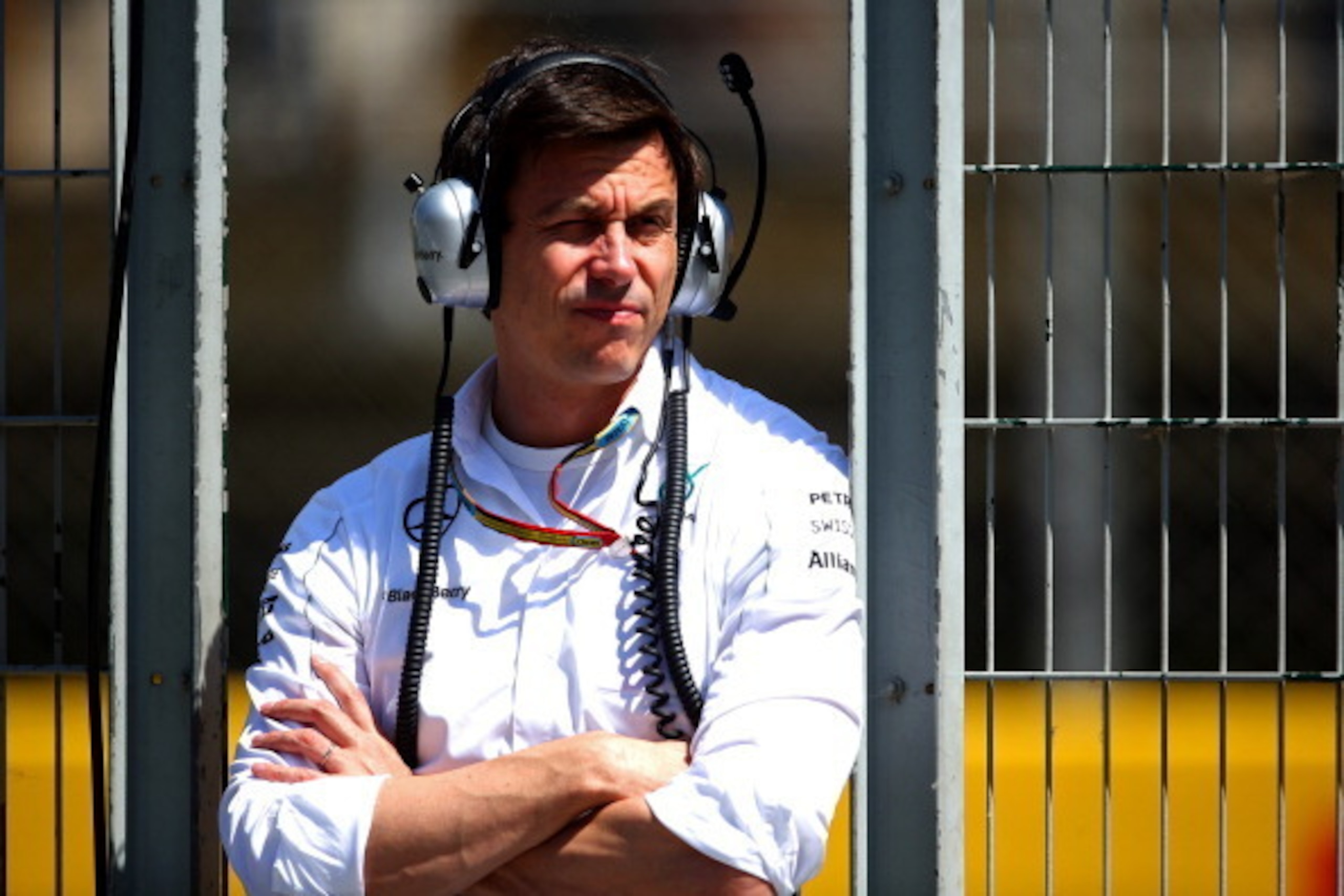
Not everyone is convinced that the radio ban is a great idea, though. Mercedes executive director Toto Wolff said, according to ESPN F1:
"This is a complex and controversial decision which will require a significant effort from the teams to understand how best we can work around it.
The directive is not yet fully clear and there will inevitably be some controversy, so it will need further clarification as to how much the essential on-track procedures will be affected—particularly before the start of the race.
"
His concerns are well-founded, as this is the second time a major change to the regulations has been dropped on the teams in the middle of this season. As with the ban on FRIC suspension systems, some teams may be able to adapt to the radio clampdown more quickly than others, giving them an advantage in the remaining races.
As Wolff alluded to, there are also concerns over how the radio ban will be applied, as teams already use coded messages for some communications and could presumably do so to issue driving advice, as well. GPUpdate.net conducted a Q&A with an FIA official, which clears up some of the remaining questions, but we will not have a full understanding until the teams meet with the FIA next week in Singapore, and until we see the clampdown in action over a grand prix weekend.
Red Bull team principal Christian Horner is not worried, though. According to Motorsport.com, he told The Times, "The driver should be on his own when he gets into the cockpit. They all need to be told about pitstops and safety and so on, but none of this picking up advice on where other people are a 10th of a second faster and what gear to choose. That is nonsense.
"It is time for the drivers to drive."
Follow me on Twitter for updates when I publish a new article and for other (mostly) F1-related news and banter, along with a bunch of photos of my kids:



.jpg?w=2560 "Nabers' Recent IG Post 👀")