
Big Ten Football: APR Rates Show Healthy Conference in the Classroom
The NCAA recently released the annual APR ratings for the 2010-2011 academic year. It's a measure of academic achievement and retention of student-athletes, and it can affect whether a team is eligible for the postseason.
First things first: Everyone in the Big Ten is safe in terms of postseason eligibility. Even though the baseline for eligibility won't be 930 for another few years (it's 925 right now), everyone's above 930 right now, and probably will be for the foreseeable future. Here's the full list, courtesy of the NCAA's official APR database:
1. Northwestern: 995
TOP NEWS

Biggest CFB Surprises After Week 2 👀

B/R's 2026 Heisman Trophy Rankings 🔢
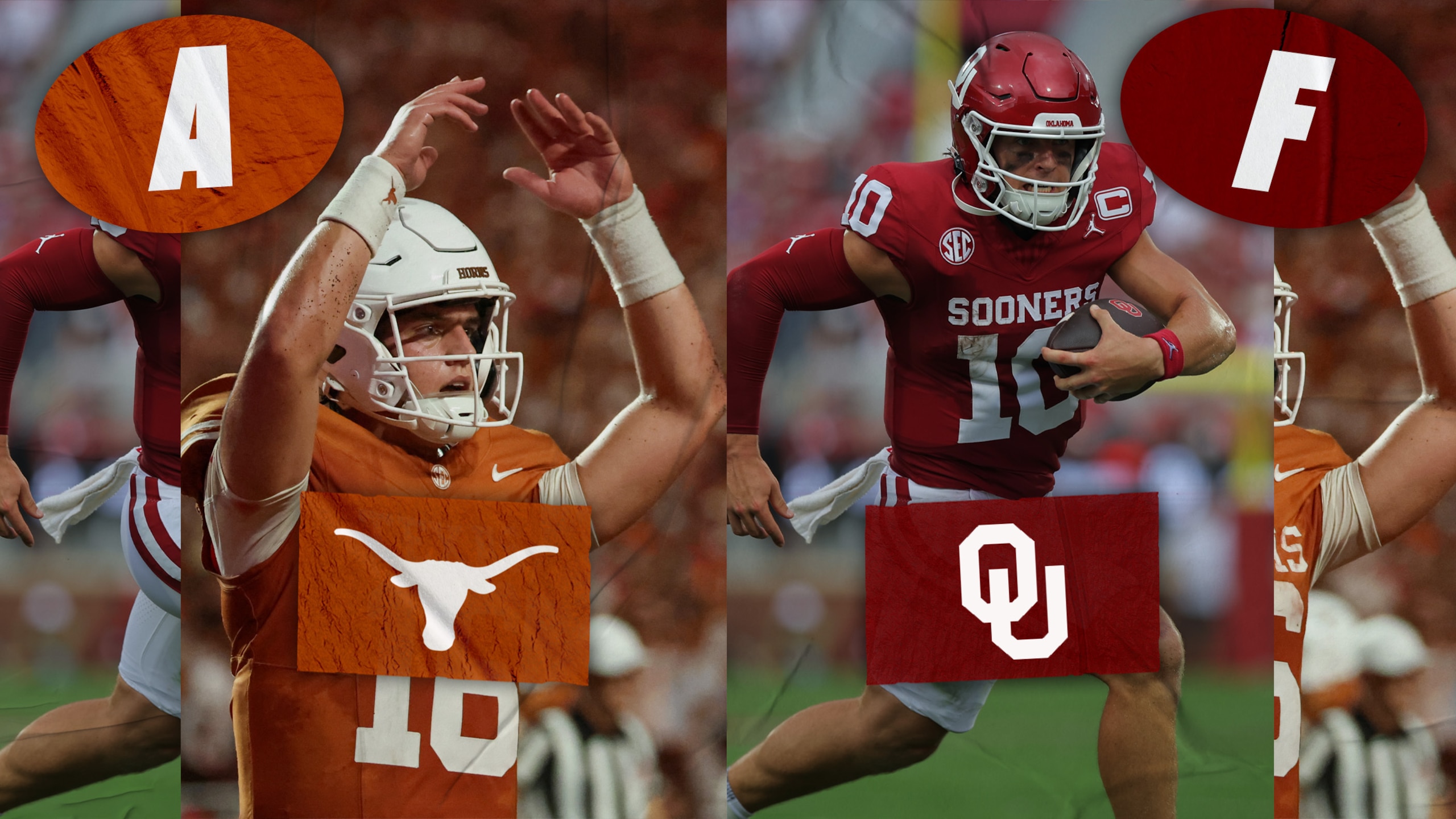
Top QB Report Card Grades after Week 2 📝
2. Ohio State: 988
3. Wisconsin: 975
4. Penn State: 971
5. Indiana: 964
6. Illinois: 953
7. Purdue: 950
8. Iowa: 949
9 (tie). Michigan: 943
9 (tie). Michigan State: 943
11. Minnesota: 932
Nebraska is not listed here by the NCAA since it was part of the Big 12 in 2010-2011. Its score was 966, however. That's a good fit in the conference.
If Northwestern's score looks impressive, it absolutely is; it's actually the best in the entire nation. Meanwhile, Ohio State is third among BCS schools, according to Eleven Warriors, and one can reasonably expect Urban Meyer to make maintaining this high level of academic performance a high priority in his competition-heavy system of coaching.
Of course, it's not all milk and honey in the Big Ten, and we see some dangerously low scores near the bottom of the list. Still, though, everyone's safely eligible, and for Michigan and Minnesota, it's absolutely worth pointing out that both schools went through a recent coaching change; with those, increased transfers out of the program are commonplace. Expect more stability from both programs in the coming years.
As for Michigan State, 943 isn't very good, but it'll never cost the Spartans anything as far as the postseason is concerned, so we're not exactly looking at a crisis here.
All in all, with Nebraska in the fold, the Big Ten is tops among all conferences with an average APR of 960.75; considering only the 11 programs that were in the conference during the measured timeframe, it dips ever so slightly below the ACC's 959.64. Still, all in all, the Big Ten is in sound shape academically, and anyone familiar with the conference shouldn't be surprised by this. We do take academics seriously up here, after all.

-(1).png?w=2560)



.jpg?w=2560 "Grading WWE Raw 🔠")





.jpg?w=2560 "Week 2 Start 'Em, Sit 'Em")