In 1997, Shawn Michaels and Paul Levesque met with Vince McMahon and discussed the need for the World Wrestling Federation (so called at that time) to move in a new direction.
Gone were the days of highly-gimmicked characters, including plumbers and trash collectors. Gone were the wholesome, family entertainment days where Hulk Hogan urged children to say their prayers, take their vitamins, work out and live the Hulkamania way.
Instead, the rapidly-aging fanbase was aching for something fresh, something edgy. They wanted shades of grey rather than the age-old 'good guys' and 'bad guys' they had been forced to endure since the boom of the 1980s. In that one meeting, Michaels and Levesque convinced McMahon it was time for his company to receive an injection of Attitude.
TOP NEWS
Changes WWE Needs for WrestleMania 43 🛠️

Latest Rumors Around Wrestling Universe 👊
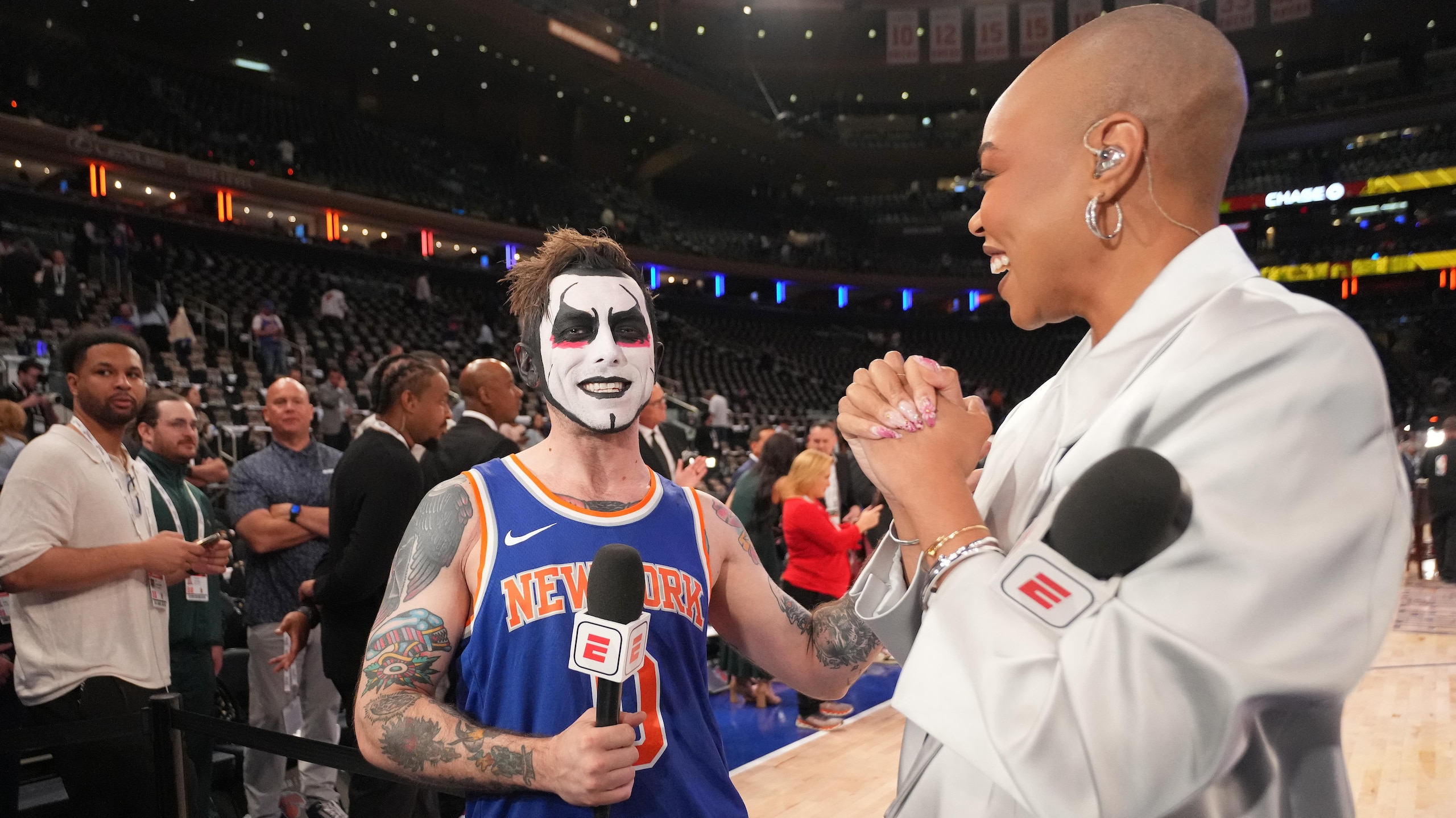
Danhausen Has Ring Jokes
Or so locker room mythology goes.
Regardless of what really happened to change McMahon's business philosophies, the World Wrestling Federation began producing a far more racy product. Parents and censors lashed out at the company, while fans, mostly male and in the 18-35 age range, flocked to shows and watched every episode of Raw on a Monday night.
The business experienced growth on a financial and viewership level unlike it ever had before—professional wrestling became cool again. Fans cheered alongside the beer-swigging Texan 'Stone Cold' Steve Austin, played 'sing-a-long' with The Rock, crotch-chopped with D-Generation X and directed their cat-calls at Sable. It was a magical time to be a wrestling fan, and a period that so many of us that had the opportunity to live through look back on fondly to this day.
By the time June 27 2011 approached (ironically, the same show guest starring Shawn Michaels), the product Vince McMahon and company rolled out every Monday and Friday night no longer resembled the exciting, cutting-edge show they had been known for in the late-nineties.
John Cena had been the top-drawing star for six years. Triple H and The Undertaker both saw their full-time, in-ring careers winding down. Young stars, like The Miz and Kofi Kingston, had been recipients of major pushes, but still had yet to completely click with the WWE fans. Ratings were down, attendance was down and the attitude of the 'WWE Universe' was lackadaisical.
Then the CM Punk "shoot" promo shook the wrestling world to its core. On a very unforgettable edition of Raw, Punk took a seat at the top of the entrance ramp and exploded. Microphone in hand, he lashed out at Vince McMahon, John Laurinaitis, John Cena, The Rock and the WWE fans. He was clearly frustrated and had reached a breaking point.
A funny thing happened—the rant, at the time a way to allow Punk to vent his frustrations with the audience, the company, the product and his co-workers, created a buzz about the sport that had not been seen in nearly a decade. Fans cared about professional wrestling again. They were legitimately excited to see what would happen next week.
Punk's promo popped up on mainstream sports shows, and the talented performer was mentioned on, ESPN personality, Jim Rome's radio show, SportsNation hostess Michelle Beadle's podcast as well as Bill Simmons' podcast.
As the angle involving CM Punk, Vince McMahon and John Cena played out, it became obvious that the wrestling fans were experiencing something special. Anticipation was at a level unseen in recent years. The match between Cena and Punk at Money in the Bank was the Match of the Year. People wanted to know what new WWE Champion CM Punk would do with the belt. What would happen to John Cena? What would happen to the WWE?
The follow-up to the exciting angle has been less-than-perfect, but the intrigue still remains. WWE has created and crafted a storyline that has captured the fans attention again. More importantly, it has given its most talented star the opportunity to appear on Raw and SmackDown to voice, not only his, but the frustrations of every long-time fan who has watched the entertainment form they love spiral downward over the last few years.
When CM Punk is handed a microphone and given the opportunity to say what he wants and what he feels, the fans react, as can be heard in the form of "CM Punk" chants that echo throughout the arena during his on-air segments.
It finally appears as though Vince McMahon and his support system has been awakened to, and informed of, the staleness and blandness their product has been victim to over the last three or four years. Fans have had their fill of the "incredibly-scripted, vanilla Superman" that takes bad guys, conquers the WWE and sends boys and girls home happy.
Smiling babyfaces and generic heels from developmental do not cut it, they want someone, or something, that shakes the foundation. In the words of The Joker from the 2008 film The Dark Knight, they want someone that will "introduce a little anarchy," and "upset the establishment."
CM Punk has done that. He has fans above the age of twelve excited again. With the Wrestling Observer Newsletter reporting that Punk now has Vince McMahon's ear, and that the boss will listen to, and take into consideration Punk's ideas in the same manner in which he listened to Shawn Michaels and Triple H fifteen years earlier, one has to wonder if the current angle involving Punk, 'The Game' and Kevin Nash is the only change the product will be making.
In 1997, two World Wrestling Federation stars met with their employer and told him change was necessary for survival. That changed launched the most profitable era in wrestling history. Fourteen years later, a shoot by another star launched an angle that rescued the sport from what could best be called a creative recession.
CM Punk preaches for the same change in the business that the future DX teammates demanded nearly two decades earlier. Only time will tell, however, if Vince McMahon is as quick to act.