San Francisco Giants Bird-Song: The Ballad of Ryan Vogelsong
Ryan Vogelsong. “Vogel,” in German, means “Bird.” Ryan Bird-song. It has a nice ring to it.
In 2000, the song of this bird was that of a sparrow: A simple tweet that would have otherwise gone unnoticed by all but the most devout San Francisco Giants fans. Ryan Vogelsong, then only 22 years old, made his debut for the Giants on September 22 , 2000. It was an afternoon game—a 1:05 start time on a Saturday afternoon.
Vogelsong, recently added to the roster, pitched in a game started by “No. 55,” Shawn Estes. The Giants built a commanding lead, and led 13-2 by the end of the seventh inning thanks in large part to big days by Barry Bonds, Jeff Kent and Rich Aurilia.
In the eighth inning, manager Dusty Baker summoned Ryan Vogelsong into the game. The first hitter the youngster faced was Joe Girardi—the current manager of the New York Yankees. After giving up back-to-back singles to Girardi and Sammy Sosa, Vogelsong settled down and retired the next three hitters. He retired the side in order in the ninth inning, and the Giants won the game 13-2. Vogelsong would appear in four games that season.


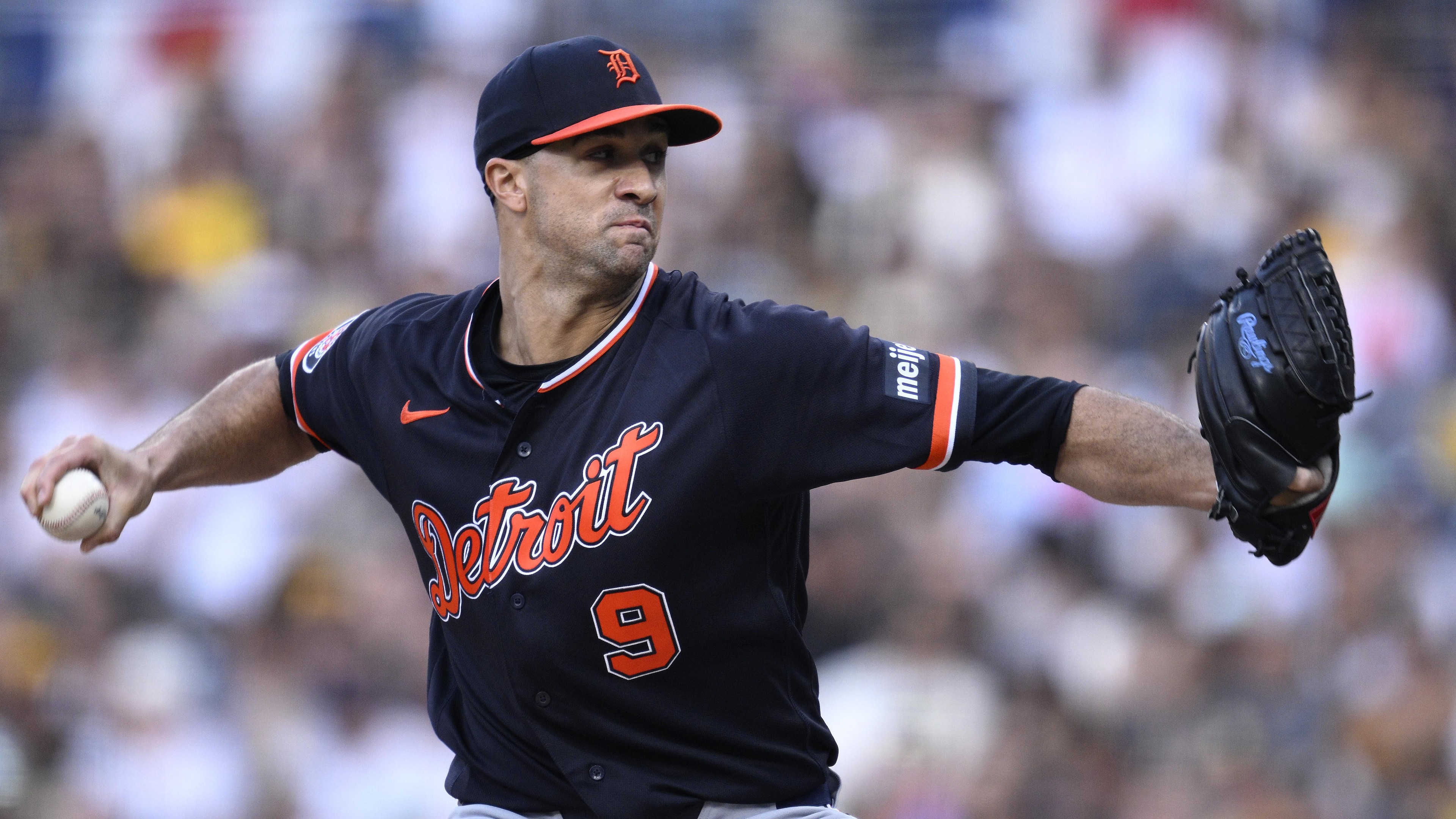
The 2001 season echoed the caw of a crow. Despite great “stuff,” Vogelsong never managed to harness his command. After Vogelsong went 0-3 and posted a 5.65 ERA with San Francisco, Brian Sabean traded the struggling young prospect along with Armando Rios to the Pittsburgh Pirates for John Vander Wal and Jason Schmidt. Schmidt became the anchor of the Giants rotation.
Vogelsong’s struggles were even more pronounced in Pittsburgh. Tommy John surgery caused him to miss the 2002 season. He returned with the Pirates the following year, but his performance only continued to plummet. By 2004, his statistics were at an all time low: a 6-13 record with a 6.50 ERA – among the worst in the National League among starting pitchers.
By 2005, the bird song was relegated to the gurgling of a decapitated chicken. Vogelsong had lost his starting job, but not even a trip to the bullpen could help him fine tune his control. The pitcher struggled yet again, and after a 2006 campaign that saw him post a 6.39 ERA as a reliever, Vogelsong was “granted free agency” at the age of 29.
Whereas thousands of Major League Baseball players before him would have called it a career, Vogelsong summoned the call of the Japanese crane and traveled to Japan. While pitching for the Hanshin Tigers and Orix Buffaloes, Vogelsong learned that American-born pitchers were given less leniency regarding the strike zone than their Japanese-born counterparts. Vogelsong was faced with no other option than to learn how to control his pitches.
“Bird-song” toiled hard through the Japanese night tirelessly, like the incessant hooting of an owl. His command sharpened, but his results in the Nippon Baseball League were unspectacular. Yet his numbers were solid enough for the pitcher—now 32 years old—to return to the United States in the hopes of once again standing on a Major League pitcher’s mound.
Vogelsong’s unheralded return to the United States resembled the meek and helpless cry of a newly hatched fledgling. Shortly after signing a contract with the Philadelphia Phillies, the pitcher found that his luck had all but evaporated when the club released him on July 15, 2010. While he managed to secure another Minor League contract with the Los Angeles Angels of Anaheim, his fortunes did not improve as that team “granted him free agency” after the season.
On January 11, 2011, Ryan Vogelsong signed with the San Francisco Giants. As a non-roster invite to spring training, the 33-year-old right-hander sought to contribute to a pitching staff that was already considered by many to be among the strongest and deepest in baseball. Giants manager Bruce Bochy admitted saying that Vogelsong had “no chance” of making the starting rotation of the club.
Undaunted, Vogelsong performed admirably in spring training. He went 3-2 with a 3.27 ERA to go along with an impressive 20 strikeouts in 22 innings. As Bochy predicted, however, it was all for naught, and Ryan Vogelsong did not make the the team.
Then, on April 17, the Giants were dealt a blow. Starting pitcher Barry Zito sprained his foot and was placed on the disabled list. Vogelsong was immediately called up to replace him. The next day in Colorado, Ryan Vogelsong threw his first Major League pitch since 2006.
He entered the game in relief of the current “No. 55,” Tim Lincecum, in a game led by the Giants 8-1 against the Colorado Rockies. With runners on first and second base, Vogelsong coaxed Dexter Fowler into hitting an inning-ending groundout. He then came back for the bottom of the ninth and finished the game.
Ten days later, Vogelsong got his first Major League start since 2004 against the team to which he was once dealt, the Pittsburgh Pirates. The rest, as you know, is history.
The cry of the phoenix sounded as Vogelsong rose from the ashes of his once-lost career to become not only the best story in baseball, but also one of the best pitchers in baseball, culminating with his selection to the 2011 National League All-Star Team. While he did not pitch in the game, his selection to the team was warranted. Presently, Vogelsong is 6-1 with a 2.17 ERA.
It has been a long, miraculous ride for Ryan Vogelsong from college in Pennsylvania, to California, back to Pennsylvania, to Japan, back to Pennsylvania and finally back to California.
“Bird-song’s” command is sharper than ever and his demeanor seems unflappable. Whether or not this is the call of a rooster signifying the dawning of a new career or the melancholy gesture of a swan’s final song remains to be seen.


.jpg?w=3840 "Biggest FA Mistakes of the Century 💸")