Examining Football's Best: Why Lionel Messi Is Not Yet Greater Than Maradona
Still only 23, Lionel Messi has already established the sort of legacy most footballers can only dream of. Even if his Barcelona are unable to secure a fourth Champions League against Manchester United later this month, Messi's salvaging moment of beauty as nearly all around him descended into ugliness in the semifinal first leg versus Real Madrid will still deserve a significant mention in his story.
Both his goals in that match told something of the player. If the second was a demonstration of his ability to embrace the sublime, his first spoke of more pragmatic qualities. The fine judgment in picking the run that met Ibrahim Affelay's well-worked cross was inspired by the determination to want to get in such positions. The knockout blow of that breathtaking second goal may not have been possible but for the first hit delivered here.
TOP NEWS
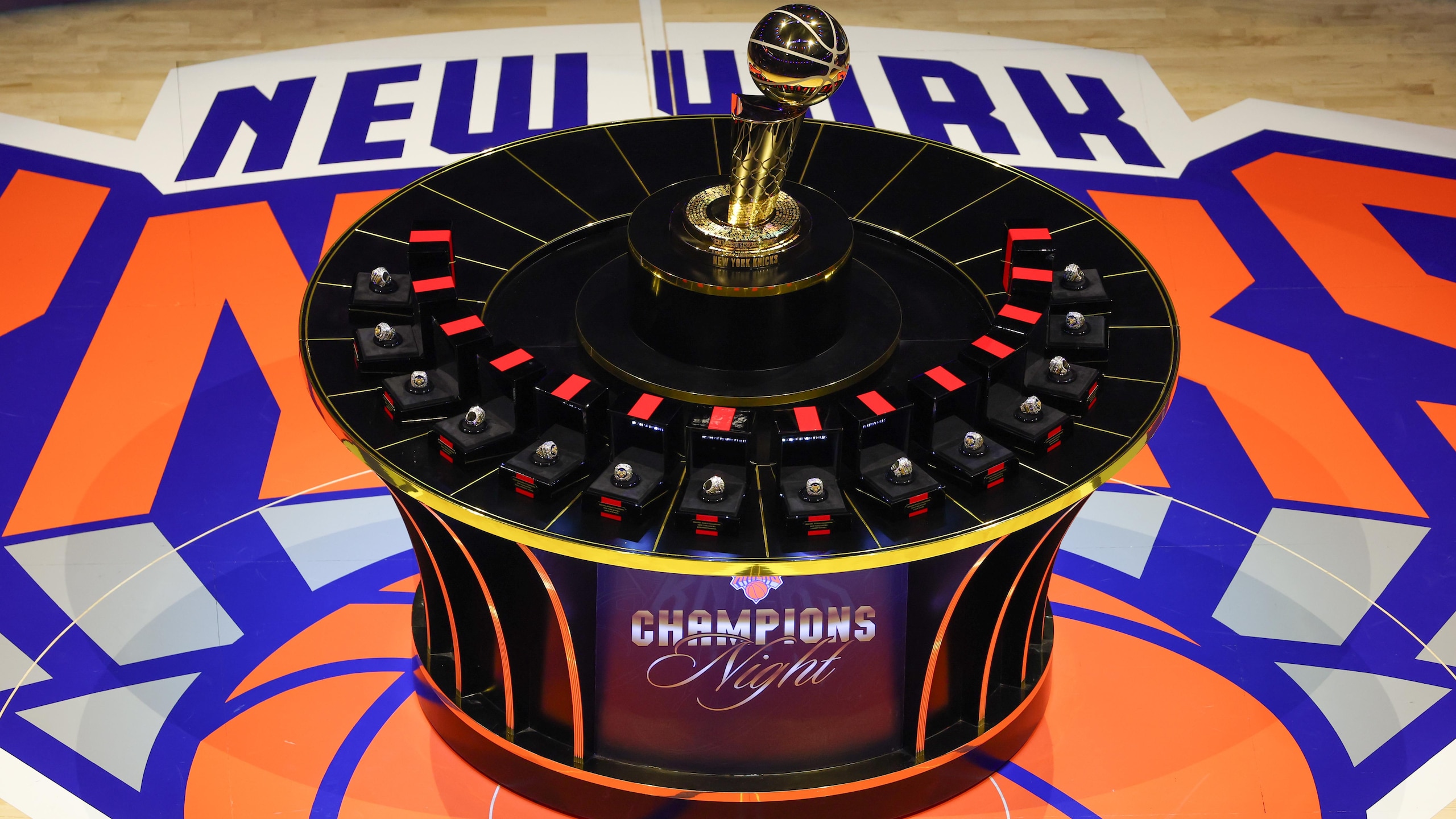
Knicks Staff Didn't Get Rings 👀
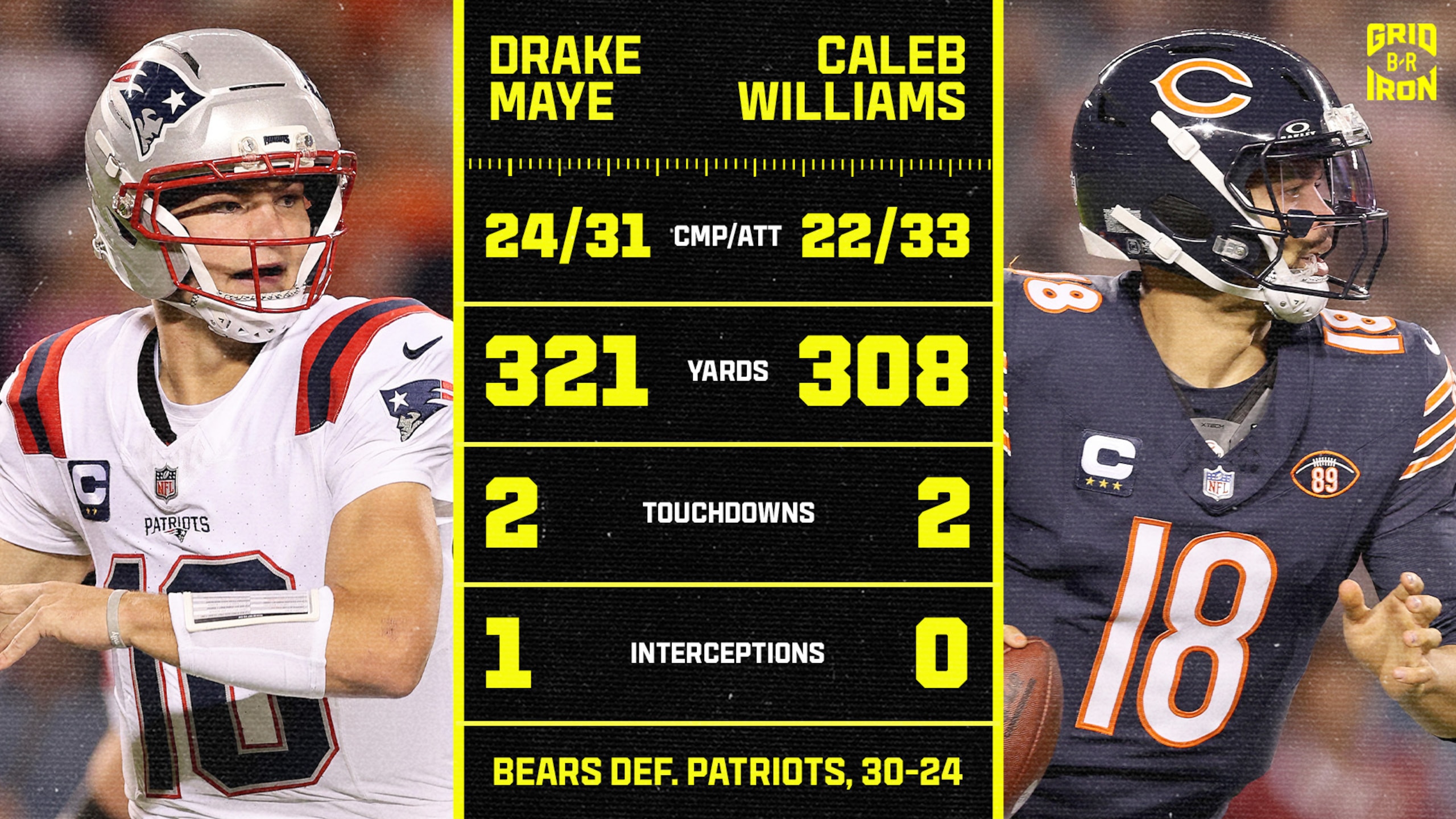
Caleb, Maye Put on Show ⚔️
SGA's Streak Ends In Win vs. Nuggets
Genius and workmanlike, Messi's way of combining these attributes with such effectiveness and how he has used them to help deliver results and trophies for Barcelona on a consistent basis is sufficient evidence for those who claim him the world's most talented footballer.
A footballer should be of course judged on his own merits. But in analysing what Messi has done, and predicting what he still might, it is difficult not to compare him with a player who he has been linked with his whole career, specifically in their nationality and remarkably similar playing style.
It is also an appropriate comparison at this point as Diego Maradona is one of those players some have been claiming his heir apparent has already surpassed.
At the same age Messi is now, there is a strong argument that in terms of success already achieved, he has the advantage over his former national team boss. More difficult to support is the claim he has already usurped Maradona in the pantheon of football greats.
At this point it should be said this is not an attempt at analysing who was the more talented footballer. As already noted, the similarities in their skill, technique and overall influence is quite stunning (who would have thought that the "Next Maradona" would actually be so similar!) and difficult to separate with the results they have yielded in their respective careers.
But in terms of greatness, Messi has not yet matched the impact of his predecessor.
The first reason is Messi has yet to win a World Cup. In age when many view the Champions League as a more difficult and prestigious competition to win, in some people's eyes international football is a diminished stage. If, when it is all said and done, Messi has failed to win a World Cup it would not diminish his own legacy. But that very success does enhance Maradona's.
To win a World Cup requires not only nerve and talent needed to beat teams of the world's best players, but also the ability to withstand concentrated pressure (without a break for over a month) from both within a squad and an expectant nation watching. Maradona did this in 1986 and so nearly again four years later, in the former doing so with the kind of inspirational, individual brilliance that has probably never been matched.
At the point in his career he is now, Messi's international experiences are not altogether different to Maradona's. Both burst onto scene with strong performances in the world youth tournaments of their respective eras. The two also experienced indifferent World Cup performances. Maradona's World Cup came aged 26 too, so hopefully Messi should still have time to play in the tournament again.
The second reason why he has not yet matched Maradona's greatness, and perhaps won't, is a little more controversial. That is, what Maradona did for Napoli is greater than the role Messi has played in the current success of Barcelona.
This is not to undermine Messi's and Barcelona's achievements. If they secure what seems an inevitable third consecutive La Liga and a second Champions League in three years, it will cap a season in which they have played some of the most beautifully effective football the game has ever seen. But for Messi this has come for one of the world's great clubs in a team that also consists of Andrés Iniesta, Xavi, David Villa, Carles Puyol, etc. While he is undoubtedly the lead star, he has an impeccable supporting cast.
Maradona joined Napoli in 1984 when the club had previously never won a championship. This was in an era when Serie A was unquestionably the best league in the world. Juventus had Platini and Laudrup, Milan had Gullit and Van Basten, Inter had Matthäus, the competition was tough and Maradona inspired Napoli to their first two Scudettos (not to mention a UEFA Cup when it was held in far greater regard than it is now).
The man the Neapolitans called El Pibe de Oro (the Golden Boy) was not without help of course. To claim he moved there with the sole intention of bringing trophies to a success starved city was not totally true either. He was paid handsomely and certainly indulged off the pitch.
However, Maradona was undoubtedly the catalyst for Napoli's rise to the top in that era. Without him this club was not a contender, the majority of that squad was after all built around him.
Does Messi need to star in an underdog story of his own to be recognised as greater than Maradona? Probably not. Continued success with Barca and a World Cup of his own would more than match Maradona's own achievements, and placed in their own context could likely surpass them. He has just not done it quite yet.
If we're lucky, we can look forward to watch him doing it.