Liverpool: The City and Its Club
After seeing a post about keeping “Wooly-backs” away from supporting the Reds, I got a bit bothered. I’ve seen a few things from supposed Liverpudlians now that’s left me feeling weird, and made me wonder if some younger fans might be forgetting what Liverpool is—not so much the club, but the city that the club represents.
I think it’s important for people from Liverpool, and fans from other places too, to understand the history of the city and the identity it made.
Liverpool’s main football club is a symbol of what made the city, simply because of the fans that represent it. As you all know, one of the major ideals of Liverpool fans is that they should be different from fans of other clubs.
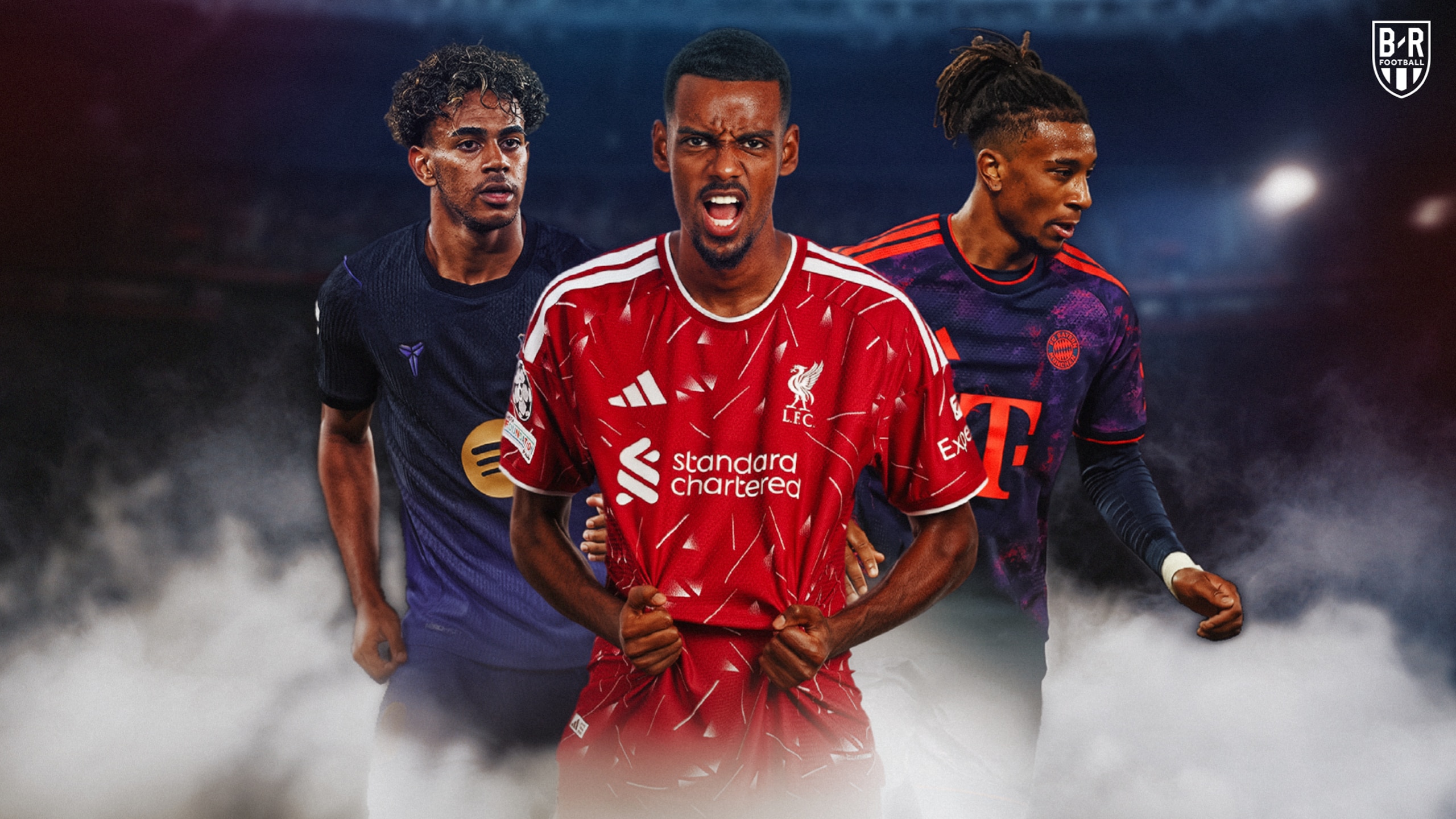


We have our own songs that no one else sings, including an anthem no one else can match, and we don’t just adapt the same clichéd, boring old terrace chants like other fans do (“cam on Chewsea, etc”).
I think that’s because of the kind of city the fans came from. Liverpool is regarded as being different to everywhere else in Britain, and the old saying goes that it’s always looked out to the sea rather than in to the land. Even now that’s still true, but I’m afraid that some young people might be forgetting what it means.
Liverpool was the main port during the days of the Empire. People from all over the world ended up there for one reason or another, and, like the British version of New York, Liverpool grew up on a foundation of being a “world city”, unlike the closed off factory towns like Manchester and Birmingham.
The city had the first Chinese and black communities, and the largest Irish community in Britain.
I grew up on the Wirral and, like everyone else on the peninsula, don’t have to go back very far to find Scouse family (my dad—so not far at all).
As a kid, I used to sit on the front and look out across the Mersey at the Liverpool skyline. Sandwiched between Wales and Liverpool, the Wirral became as non-English as anywhere could be, absorbing the disgust towards London from Welsh miners and Scouse dockers alike.
When I was still a boy, I didn’t notice anything insular about Scousers at all. After all, most of my friends were Scousers, and most people on the Wirral worked in Liverpool and suffered the same during the 80s and 90s.
Liverpool’s downfall in the Thatcher years led directly to poverty in the Wirral that turned a lot of it into ghost towns, and people from the Wirral were stood beside Scousers in the strikes.
But as I grew up, I noticed that there is a labelling of non-Scousers that I didn’t appreciate. It’s not nastiness, not at all, but Liverpool seemed to close ranks during the Tory years (for obvious reasons), and suddenly the Liverpudlian province of the Wirral found itself on the outside of the divide.
Liverpool isn’t Manchester, and it didn’t grow up isolated and insular. Liverpool was Liverpool because it was the only place outside London that WAS everyone, and everything. Unlike being a Manc, or a Geordie, anyone could be a Scouser as long as they stood by the city in solidarity, like the authority-suspicious slaves, merchants, and refugees from across the globe did over a hundred years ago.
I think that Liverpool’s identity is amazing, better than anywhere else in the country. This is reflected in the identity of its football fans, and the fact that, by and large, we’re not as suspicious of fans hailing from across the island, or even the world, as fans of other clubs. Now that Merseyside has repaired itself, often alone, I think its now opening the gates, and Liverpool’s becoming the New York of England again.
I just hope that leads to what happened in the Victorian era, when Liverpool kept expanding and growing as it adapted to new ideas and new peoples. I believe that the history of Liverpool stands as a symbol that anyone who believes in the place, and the football club that is its heart, is a Scouser—in the same way that people from across Europe who stood by the Roman Empire were called Romans.
.jpg?w=2560)


.jpg?w=2560 "Landon Dickerson Placed on IR")
.jpg?w=2560 "Follow WWE Raw 🇲🇽")
.jpg?w=2560 "Nabers' Recent IG Post 👀")