
UFC Buys Strikeforce: What It Means for Strikeforce, Fedor, Showtime and More
With the UFC's announcement still only a few days old, information about the details are still rolling in.
It might be quite some time before we have all the facts.
That said, there's already plenty of things that we DO know, and plenty of questions to think about as we move forward.
Here's my breakdown of the Strikeforce purchase by the UFC.
The Basic Facts
1 of 14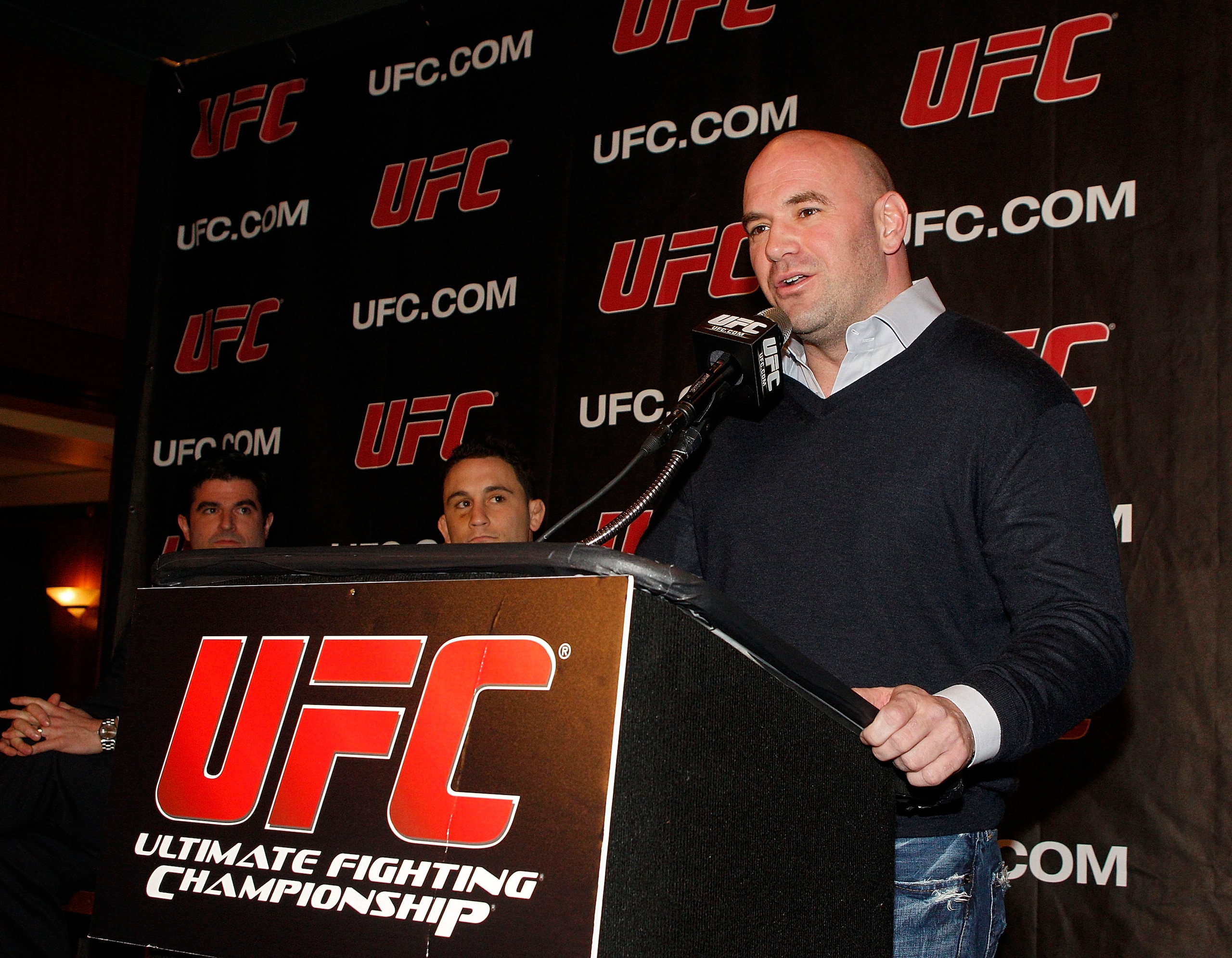
While the exact details of the purchase aren't clear, the basics are that Zuffa LLC, the UFC parent company, now owns the Strikeforce brand, fighter contracts, and video library.
In addition to that, Dana White has stated that operations within Strikeforce will continue "business as usual."
That in itself means relatively little, but it seems like Scott Coker will stay on as the chief operator of Strikeforce.
Zuffa also inherits Strikeforce's contract with Showtime, which means that at least in the immediate future, there will still be some things in the Strikeforce product that are outside of UFC control.
Fighter Contracts Are the Most Important Acquisition
2 of 14
As already stated, the brand, video library and fighter contracts are the real concrete things that the UFC gains.
Of those three things, control of Strikeforce's fighting talent is by far the most important acquisition.
While Dana White has said that there will be no superfights, expect that to change soon enough.
There are about a half-dozen fighters under the Strikeforce banner who could help the UFC sell Pay-Per-Views almost instantly.
Aside from these fighters, there are many more who could potentially be big draws for the UFC in the future, but in the meantime simply add depth to the UFC's roster.
The biggest hopes for the UFC in this purchase are probably riding on Alistair Overeem.
Should Overeem run through Strikeforce's Heavyweight Grand Prix, he could help headline huge UFC pay-per-views opposite the likes of Cain Velasquez or Brock Lesnar.
His acquisition alone by itself may end up paying for a large chunk of the estimated $40 million Strikeforce price tag reported by Loretta Hunt.
The Showtime Deal Is a Burden, NOT an Asset
3 of 14
Some writers have already pounced on the idea that this deal could lead to the UFC eventually appearing on the premium cable network.
Others have gone on to say that the real underlying narrative is that Viacom, through Spike, MTV2, and Showtime.
For the present time, it's best to dismiss those ideas.
UFC President Dana White has been outspoken in his criticism of Showtime, specifically in regards to Ken Hershman.
While grudges can be ironed over, there are still far too many sticking points for me to think that a deal can be worked out.
Dana White likes to have total control over how the UFC product is presented, and up to this point, that has been a fundamental stumbling block in negotiations.
Additionally, it's not like Showtime couldn't have worked out a deal with the UFC before. They had plenty of opportunity, but decided to work with Strikeforce instead.
By purchasing Strikeforce. Zuffa has strengthened its negotiating power, since Showtime has few other viable MMA options, but the key hurdles remain in place.
If the UFC can't come to some agreement with Showtime, their current deal with Strikeforce is a burden more than anything else.
While we don't know all of the legal details, there's speculation that Showtime's current contract with Strikeforce could prevent the UFC from plucking off key fighters and moving them to the UFC.
The UFC is actually in a pretty good place right now as far as title contenders are concerned, but should any injuries crop up, it would be nice to be able to throw a Nick Diaz, Ronaldo Souza, or Overeem into the mix.
Showtime's agreement may prevent that, which is why many in the media have said that the UFC is now simply waiting for that contract to expire before dissolving Strikeforce entirely.


Strikeforce Will Get Bigger, and Then It Will Get Smaller
4 of 14
While some fans cling to hope that the UFC will finally decide to keep its conquered rival around, these hopes are in vain.
While Strikeforce remains in its current state, they will now have the backing of the Zuffa promotional machine, which will be a big boost to ratings.
But eventually the UFC will either start picking off Strikeforce's top talent or otherwise fold the promotion entirely.
If it's only the top talent that gets plucked off, then Strikeforce may continue on in some form, but it can't keep getting bigger if it keeps losing its top stars.
More than that, much of the appeal of Strikeforce was in its opposition to the UFC. Many MMA fans who were unhappy with the UFC saw Strikeforce as one of the last great challenges to UFC dominance.
Now that Strikeforce has become a Zuffa product, Strikeforce may actually end up losing some of its anti-UFC fanbase.
What About Scott Coker?
5 of 14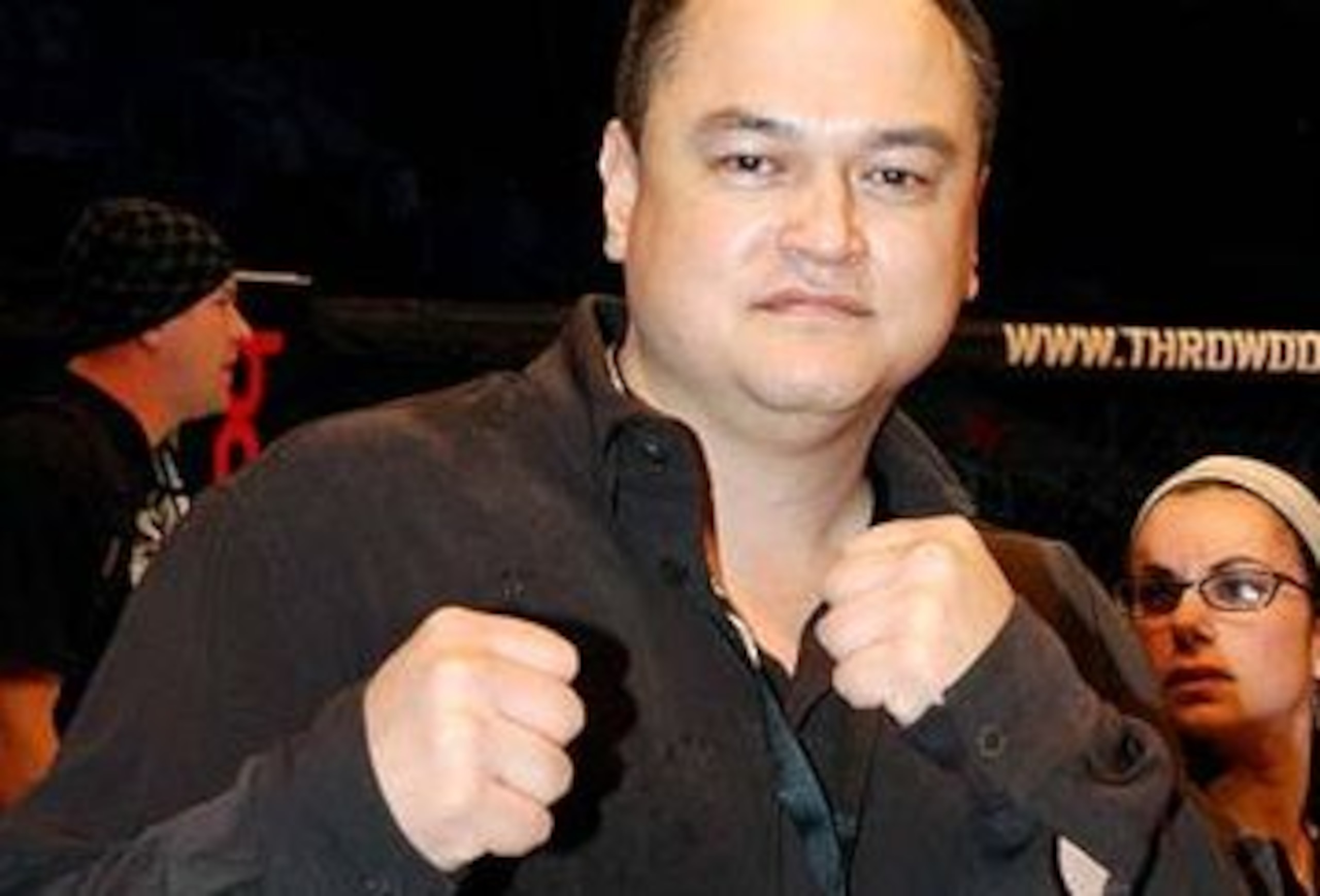
There's a lot yet that we don't know about Scott Coker's role in all of this.
According to some rumors, Coker didn't even want to sell, but as only partial owner had little to say in the matter.
On the opposite side of the spectrum, some see this sale as Coker cashing out for a cool eight figures.
Whatever the exact details, he's a good pick up by the UFC.
Coker has proven himself to be an extremely capable promoter and manager.
Few other fight promoters have been as successful, as most MMA promotions have lost money, Strikeforce has managed somehow to promote big fights, develop talent and actually make a small profit.
Coker deserves much of the credit, and he'll be an asset in whatever rule he plays in the UFC.
What About Paul Daley and Josh Barnett?
6 of 14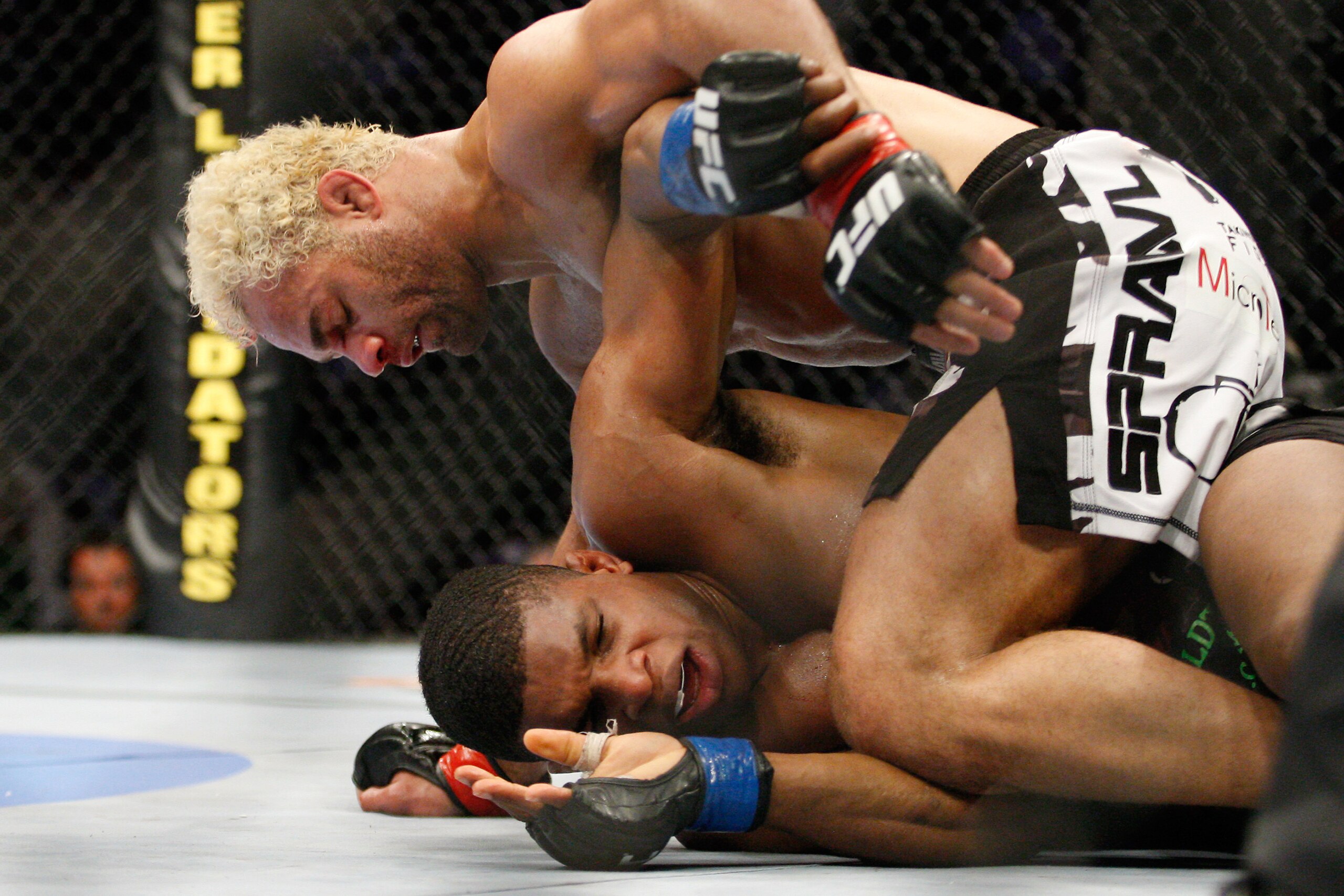
Dana White has reiterated his stance that Paul Daley won't fight in the UFC ever again, and his opinion of Josh Barnett isn't much better than that.
For these two, the Strikeforce purchase will eventually limit their fighting options and possible paydays.
That said, the road to the UFC isn't as closed as one might imagine.
Daley isn't the first fighter who White said would never fight in the UFC again.
White said the same thing about Karo Parisyan, but gave him another shot anyway last year, basically because he felt sorry for him and thought he deserved another shot.
Sucker punches are cowardly, disgraceful, and are possible grounds for an assault charge. That said, they are forgivable over time, if White feels that Daley has learned his lesson.
Steroid use is also something that White has a history of forgiving, as in the cases of Stephan Bonnar, Tim Sylvia and Chris Leben.
Ultimately, Dana White cares more about business than he does about any possible grudges. If he thinks he can make a lot of money by bringing back Daley or Barnett, he will.
In order for that to happen, Daley and Barnett need to look impressive. For Daley, that means knocking out Nick Diaz. Barnett probably needs to win the Strikeforce Grand Prix, or look really good in a loss.
And they should probably start sucking up to Dana White now, rather than complaining on Twitter.
What About Women's MMA?
7 of 14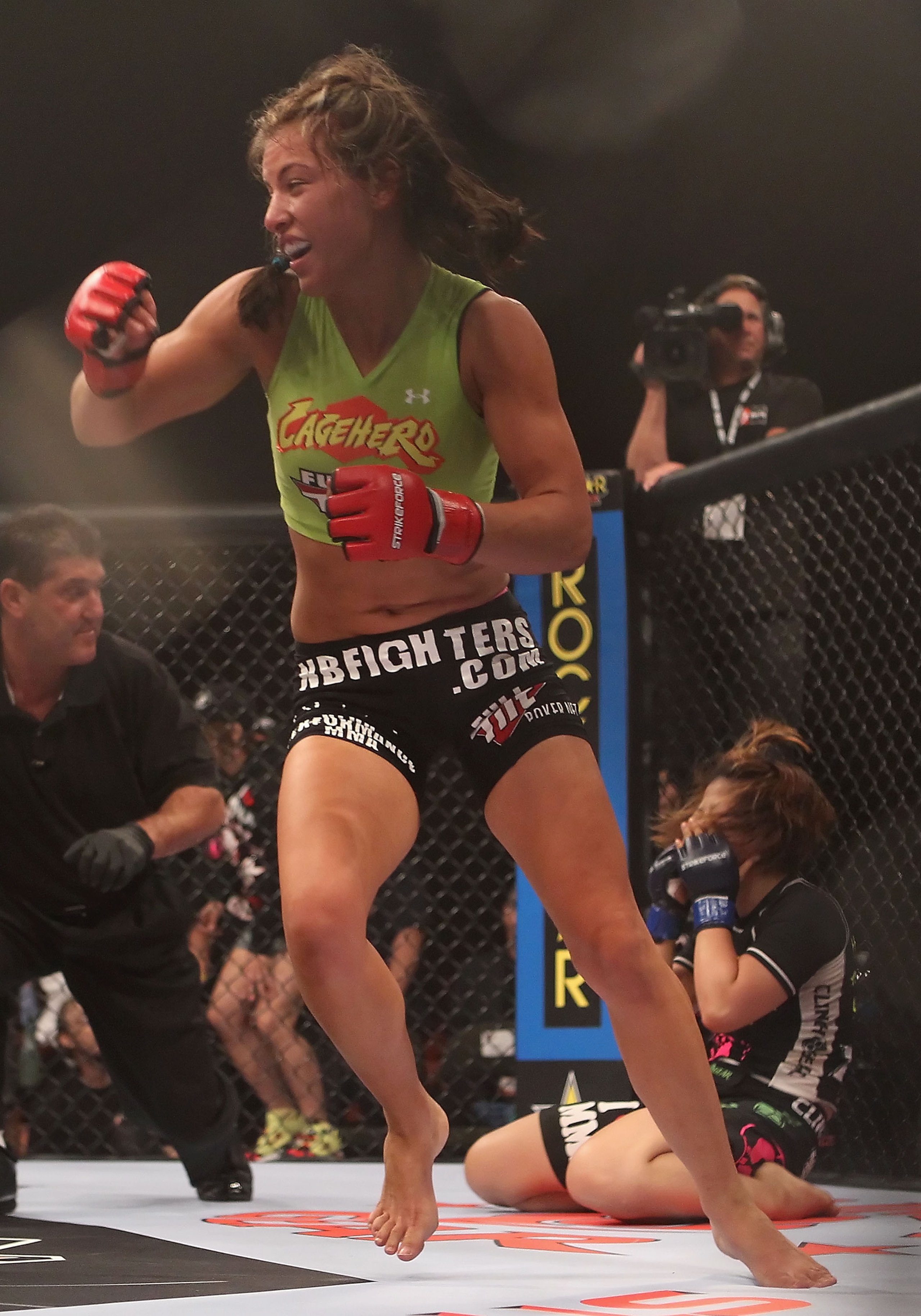
Dana White has said before that he's not interested in WMMA due to the current lack of depth.
I'm inclined to agree with him, but female fighters deserve their shot, and it's a shame that they're probably going to lose some exposure should the UFC fold the promotion.
My hope is that instead of folding Strikeforce, the UFC keeps Strikeforce around to serve the same purpose that the WEC served for the lighter weight classes.
Let WMMA keep some exposure until the depth and overall skill levels of the female divisions improves to the point where they are putting on high-level fights on a consistent basis.
It's that kind of promotional push that could really help WMMA take the next step forward, and is more important than just pushing any one female MMA star.
What About the Strikeforce Broadcast Team?
8 of 14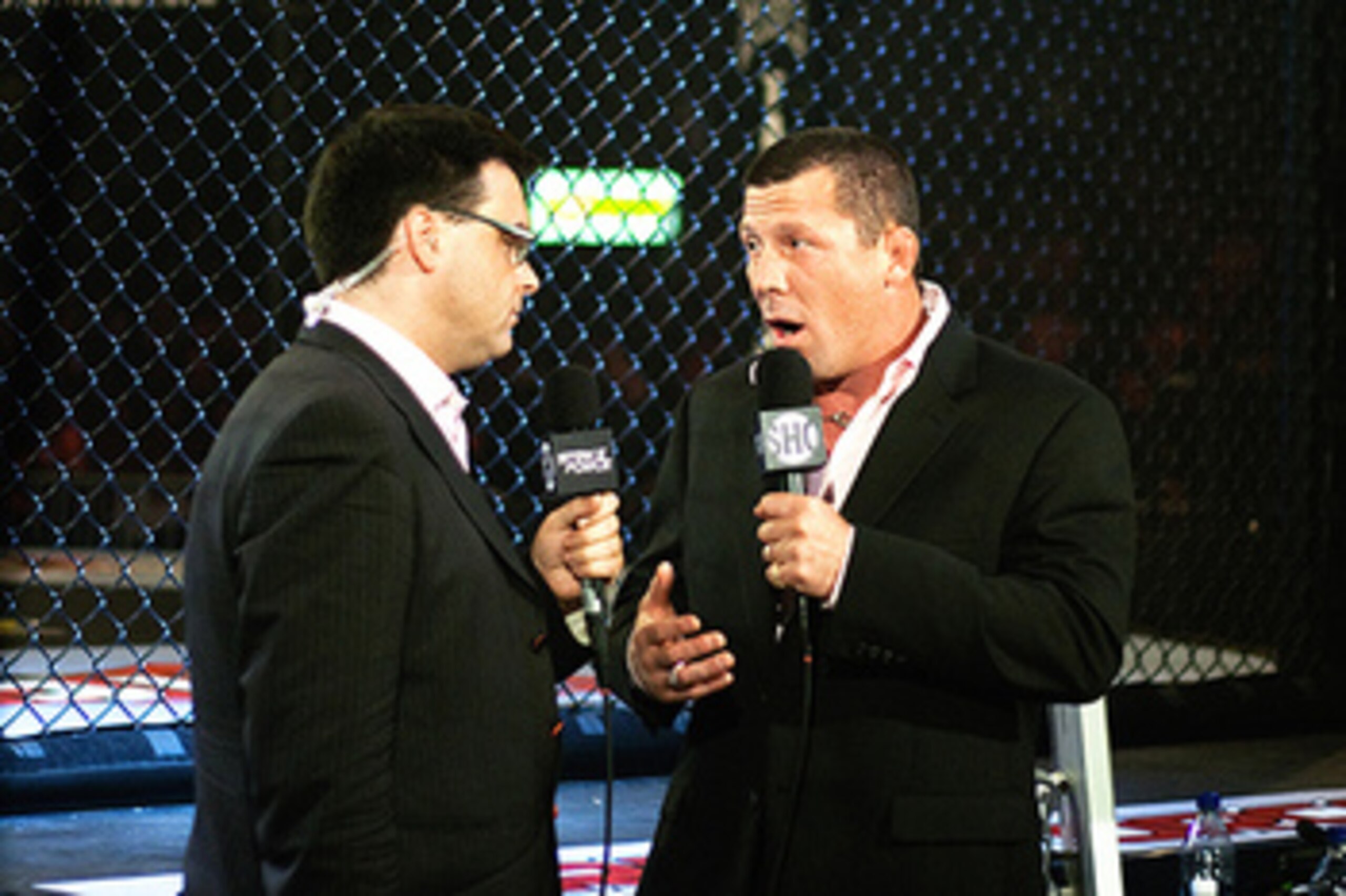
For the immediate future, Strikeforce's broadcast team may remain unchanged because Showtime still has some control in that regard.
I personally won't miss the Strikeforce broadcast team once they're gone, though.
I didn't really care that much about the "these things happen in MMA" incident, but the level of Strikeforce's commentary is consistently subpar.
Although Mauro Ranallo is a good commentator and has good MMA knowledge for the most part, his over-selling of Nick Diaz's striking technique as he was getting pounded by Cyborg leg kicks was especially grating to my ears.
Frank Shamrock is just generally bad, but more specifically, he can't say something about another fighter without referring to himself by saying things like "As a champion myself," or "I know the feeling when...," as if such self-referencing once every 10 seconds adds to the viewer experience.
As an experienced MMA watcher myself... I can say that it does not.
Pat Miletich is a different story. Although Miletich has been chastised in the media for shilling the Strikeforce product, he's generally quite insightful with his commentary and unlike Shamrock, who can only reference his experience, Miletich conveys his experience in the intelligent commentary that he usually delivers.
Hopefully, his soured relationship with the UFC doesn't keep him from continuing to provide his insight into the sport.
Will Fedor Emelianenko Come to the UFC Now?
9 of 14
There has been some confusion over the status of Fedor Emelianenko's contract.
While Kevin Iole's article suggested that Emelianenko was now owned by Zuffa, M-1 Global's Evgeni Kogan has responded by saying that Emelianenko's contract was with Showtime, not with Strikeforce itself.
Either way, Emelianenko is now one step closer to signing with the UFC, but still quite far away.
On the one hand, Emelianenko is closer because there is now one less promotion who can bid for Emelianenko's services. Is there another promotion out there that can offer even a tenth of what Zuffa could reasonably offer? In the current MMA landscape, I doubt it.
On the other hand, the issue of co-promotion with M-1 Global would still be a problem for the UFC.
Emelianenko's recent losses may have made M-1 Global reconsider their bargaining position, but if they're still insisting on co-promotion, he's going to remain outside of the UFC.
How Will UFC Dominance Affect Fighter Salaries?
10 of 14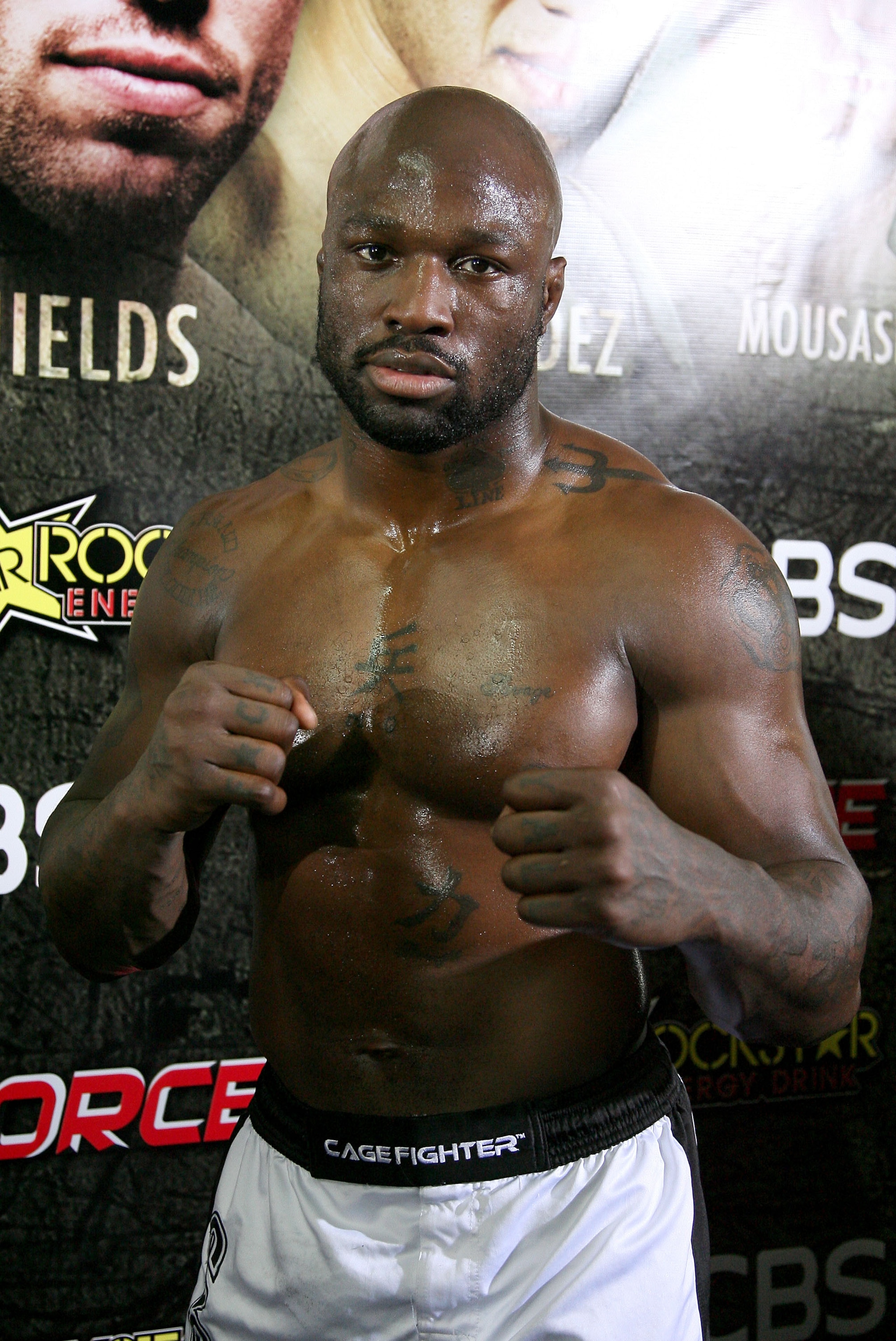
In a prizefighting sport, much of the talk is about "Gettin Dat Paper." So how will fighter salaries change now that the UFC no longer has a legitimate competitor for major contracts?
In some cases, there will be a big difference. In other cases, maybe no difference at all.
There are certain fighters like Dan Henderson, Robbie Lawler, Nick Diaz, Gilbert Melendez, etc, who have benefited from the existence of Strikeforce, as Strikeforce was willing to pay above market value for certain qualities.
Other fighters on the fringes of the UFC also benefited.
But that's only one side of the story.
Even the worst fighters who have ever fought in the UFC have benefited from their association with the UFC. TUF veterans simply can command higher salaries than comparably skilled fighters who have not gotten that TUF push.
At the top of the sport, guys like Georges St-Pierre and BJ Penn were never getting paid "market value" anyway, first, because of champions clauses, and second, because nobody else could possibly match what they're getting offered from the UFC.
Think about it: Is Georges St-Pierre's salary really going to drop now that Strikeforce isn't there to bid against the UFC anymore? Not in the slightest.
Now that the UFC dominates the MMA landscape even more than before, increases in fighter pay may depend more on the growth of the UFC rather than upon the growth of competing MMA promotions.
I Thought the UFC Already Had Too Many Fighters
11 of 14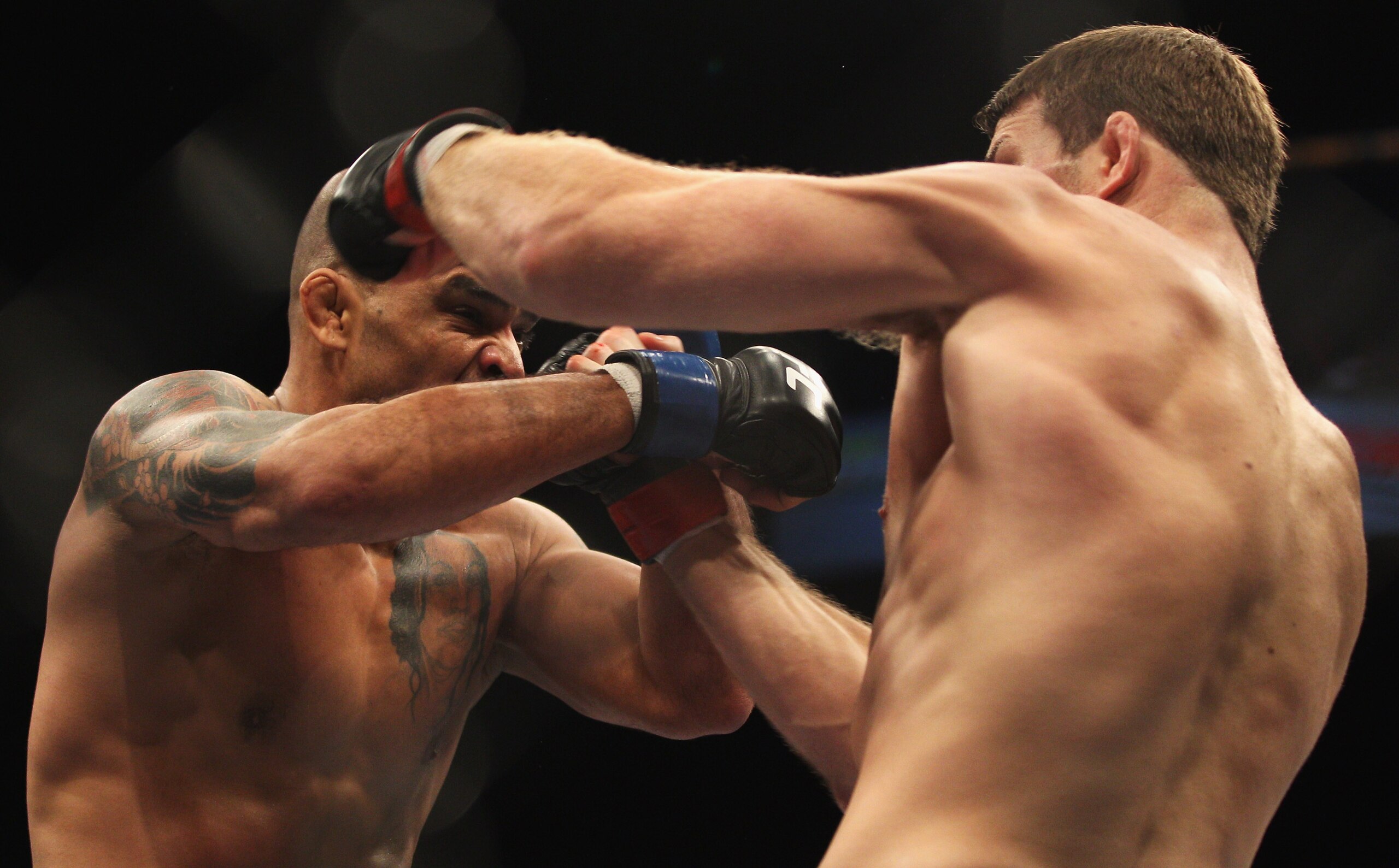
After adding tons of fighters from the WEC, it seemed as if the UFC already had too many fighters.
So why did Dana White say they need more?
The difference here is the difference between having more fighters and having more elite marketable fighters.
The reality is that most fighters in the UFC are replaceable and expendable. While the UFC needs fighters who put on exciting fights, gatekeepers, contenders, etc, warm bodies willing to strap on 5-ounce gloves are still a dime a dozen.
What the UFC needed wasn't just more bodies. The UFC needs guys who can headline PPVs, provide interesting foils for UFC champions, and generally move the needle when it comes to sales and revenue.
There are fighters in Strikeforce who can do that. The UFC didn't buy Strikeforce to get Scott Smith, Jorge Gurgel and Evangelista Santos. They did it to get Overeem, Diaz, Souza and Melendez.
Ariel Helwani Is the UFC's Unofficial News Breaker
12 of 14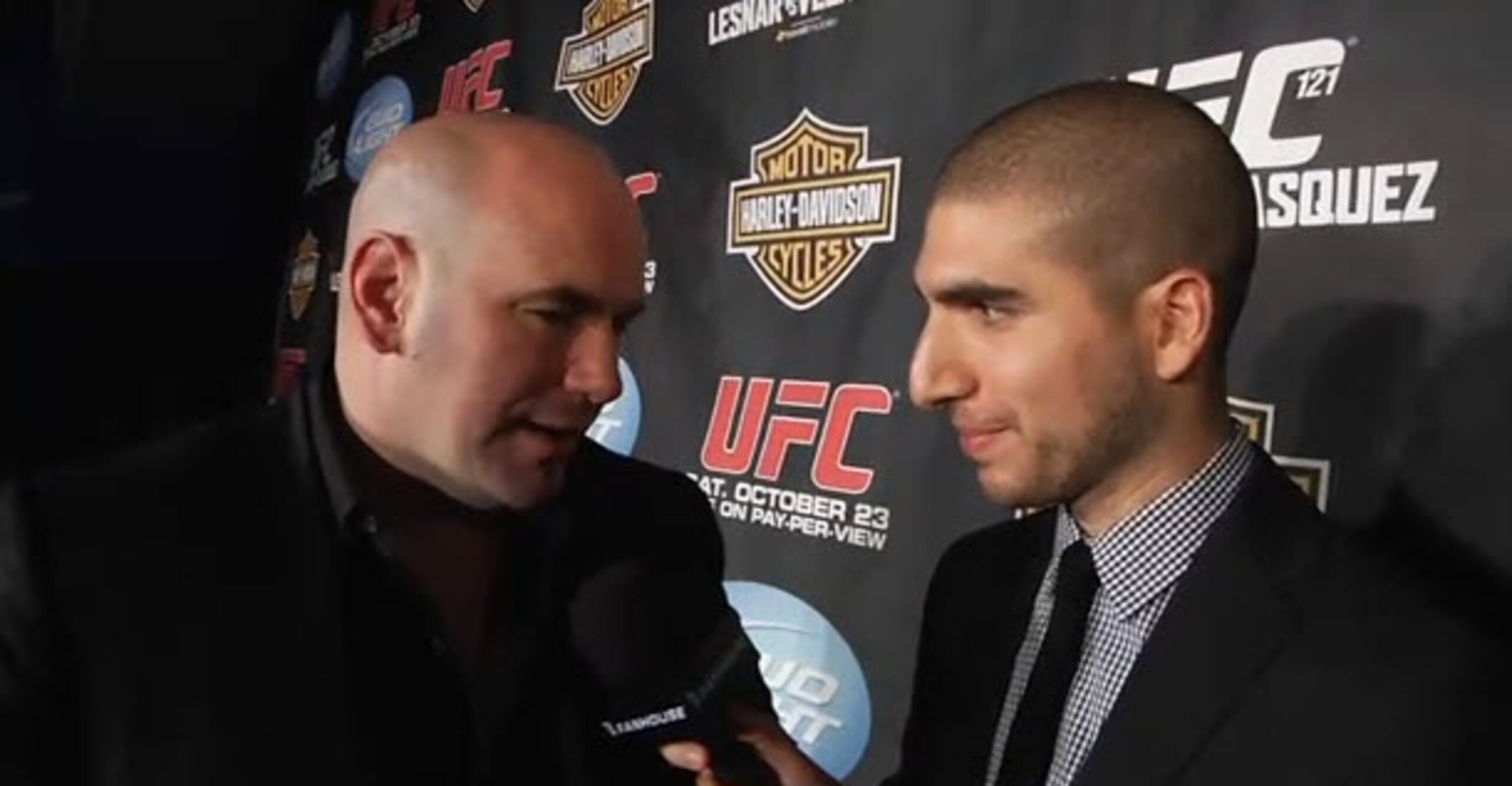
People in the MMA media were caught completely by surprise by this announcement.
Quite simply, nobody knew.
And for the second time in a row, the UFC has used Ariel Helwani to break the news.
Helwani's interviews are consistently some of the best in MMA journalism, and his interviewer relationship with Dana White has become beneficial for all parties involved.
At this point, the UFC is so comfortable with the way Helwani handles these interviews that they seem to have appointed him as their unofficial news-breaker.
Given how in-the-dark the rest of the MMA media were on this as well as the WEC merger, it seems clear that hunting down leads in search of the next big UFC announcement isn't the best approach.
It'd be smarter to try to put some tracking devices on Helwani and White and when they meet, get ready to jot down notes.
"Business as Usual" Is "In the Mix"
13 of 14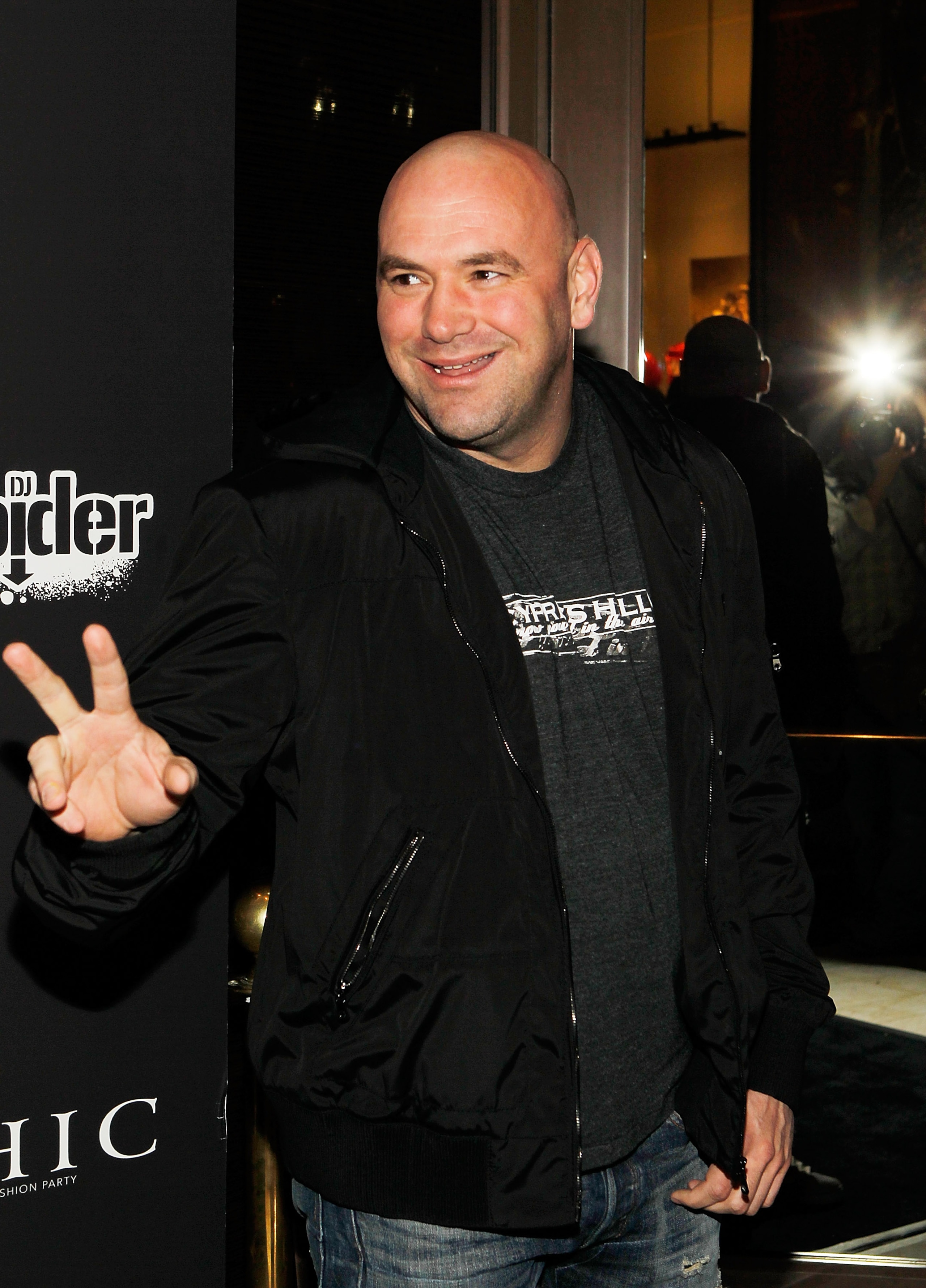
Is "business as usual" the most uninformative phrase Dana White now uses to cover all bases without actually saying anything meaningful?
It's in the mix.
Game Changer or Game Over?
14 of 14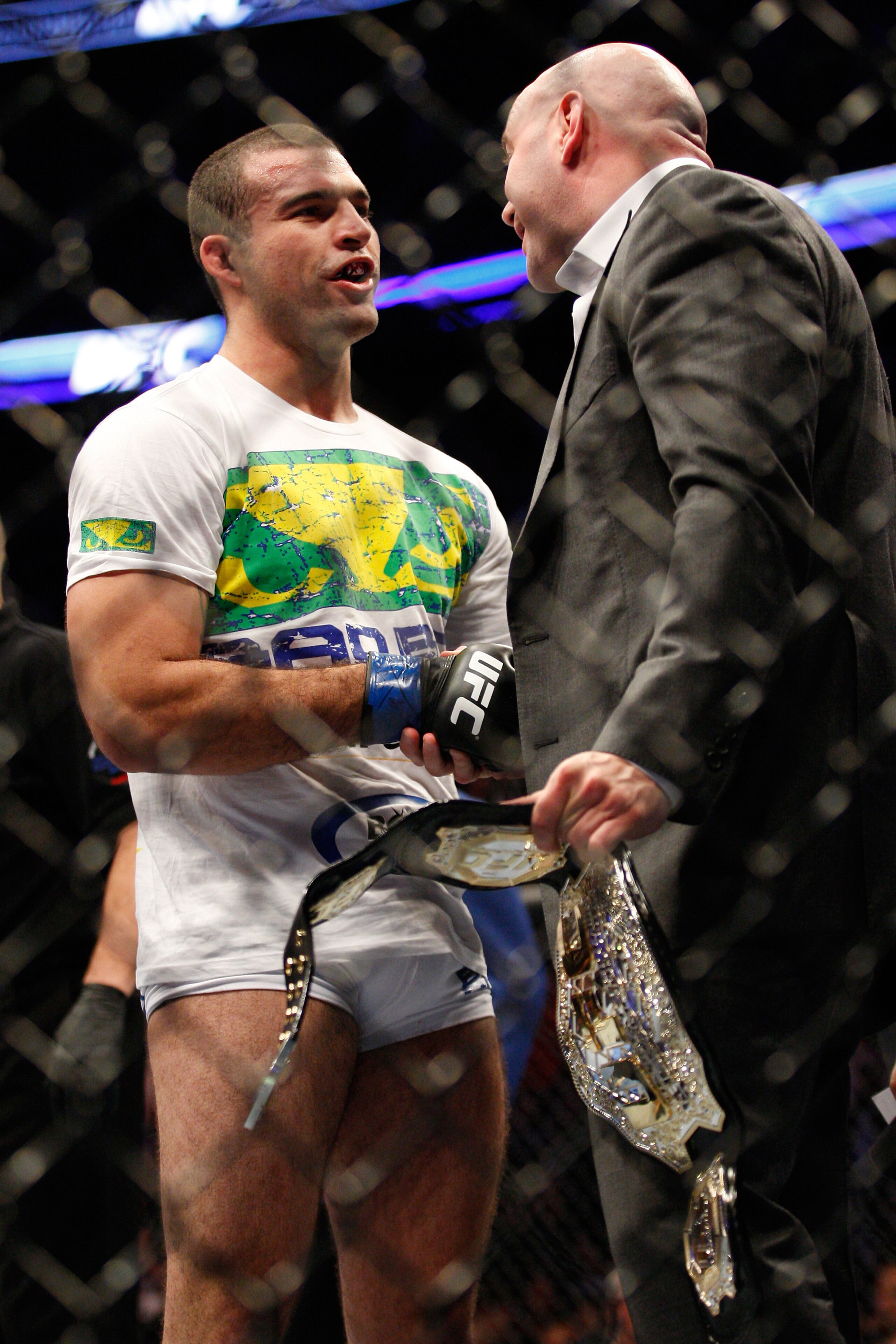
Initial headlines called the deal a game-changer.
They're wrong.
For now at least, it's not a game changer, it's game over.

.jpg?w=2560 "LA Premiere of \"Chad Powers\"")