
Sidney Crosby Latest Victim of Concussion in the NHL
 The NHL has supposedly been searching for answers regarding concussions in the NHL for the past couple of decades. Yet, the issue continues to worsen.
In October, Mayo Clinic held a conference regarding concussions in hockey and their effects. One of the main presentations was from a study conducted by Dr. Paul Comper and a graduate student Michael Hutchinson. From a New York Times article by Jeff Klein, in the NHL alone between October 2006 and January 2010, there were a reported 260 concussions, an average of 75 per season.
Of those players sustaining concussions, 31 percent had not touched the puck before sustaining the injury; in fact only 25 percent of those players had control of the puck at the time of the injuring hit. Logically, some concussions would stem from fights, meaning the players wouldn't be touching the puck.
But fighting only accounts for 6 percent of those concussions. Also from Klein's article, 60 percent of those 260 concussions came from shoulder to head contact; 16 percent from elbow to head contact; 13 percent from glove to head contact, and the rest from other various body parts to head contact.
Prior to the start of the 2010 season, the NHL instituted a new rule regarding head shots: referees could assess a minor or major penalty for any blindside hit to the head, at their discretion. The NHL hoped that this action would help the NHL finally decrease the number of headshots.
Statistically though, it hasn't been successful. The NHL's neuropsychologist Dr. Ruban Echemendia reported that as of December 1, 33 concussions had been reported by teams, the same as the previous season.
The latest NHL concussion victim is Pittsburgh Penguins' captain, Sidney Crosby.
Crosby will be out of action for at least a week with the injury. Many focus on the effect that this injury will have on the Penguins and their offense. But the bigger concern with his injury, and all concussions sustained by any player, is the after-effects of the injury. Players might not be out as long with a concussion as they would be with a broken bone or fracture, which is why this injury is often underestimated.
It shouldn't be underestimated, though, because it is an injury to the brain: from Mayo Clinic, its effects can include impaired memory, judgment, reflexes, speech, balance, and coordination. Often concussions are not diagnosed and treated.
This is simply because people often don't understand the warning signs of the concussion. They assume that a concussion comes from a hit to the head that causes a loss of consciousness. However, a concussion can occur from any harsh contact to the head.
-(1).jpg?w=2560 "Bleacher Report")
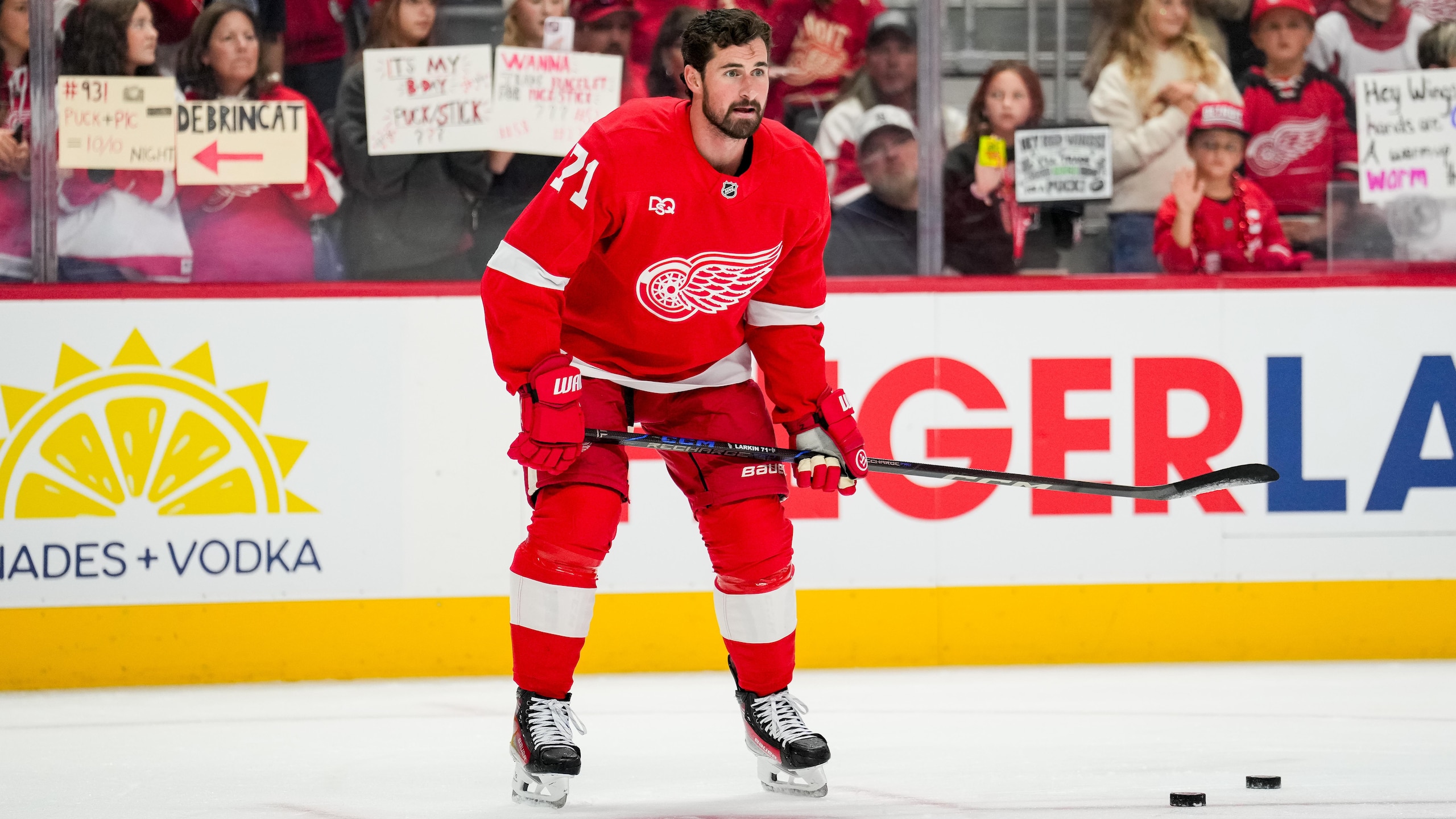
Bringing the discussion back to hockey, there could actually be an under-diagnosis of concussions. This is possibly the case with the supposed increase in concussions over the years. It might actually just be an increase in diagnoses of concussions. With the increase in medical technology and treatments, concussions will likely be detected better, causing little post-concussion effects.
A remaining question, though, is regarding Crosby's concussion: When did he sustain it? The most probable cause was that hard hit he took right before the second intermission of the Winter Classic. Yet, Crosby continued to play and even played in Wednesday night's game versus the Lightning.
The Penguins medical and coaching staff maintain that Crosby showed no signs of concussion following the Winter Classic, thus clearing him to play and then sustaining the injury in the game versus Tampa.
I'm no medical expert, but watching the finale of HBO 24/7 (not to mention the actual game and post-game press conferences), it's obvious that Crosby was not right after that hit. As I'm sure many other viewers felt, I thought immediately that there was something more serious going on with Crosby.
Since it's his first diagnosed concussion in the NHL, Crosby will likely be just fine after a short recovery period. But for other players, it's when the concussions start to pile up that they become a worry. Since hockey is such a physical game, it's hard to formulate a plan to reduce incidental head contact.
Some studies show that the bigger, Olympic-sized rink reduces the number of concussions and that the NHL should alter their rink size to correspond with international guidelines. Clearly something must be done about this rapidly increasing epidemic.
If Sidney Crosby truly is the NHL's golden boy that Gary Bettman will do anything to protect, perhaps this will be the final straw before some more drastic changes happen. For the sake of players' health, I hope so.

.jpg?w=2560)

.jpg?w=2560 "McCarthy 'Not Surprised' to Be QB1")

.jpg?w=2560 "Breaking News")


.jpg?w=2560 "Porziņģis Trade Packages 📦")