
NASCAR: 25 Historical Figures Responsible For The Sport's Success
In the late 1940s there was a man with the foresight to birth a sport—NASCAR, currently recognized world-wide and loved by those who are fascinated with the somewhat stock appearing cars which race at high speeds, driven by warriors who go into battle 10 months out every year.
Bill France Sr. moved to the Daytona Beach area in 1935 knowing that the beach had been used since the 1920s to set land speed records.
After the end of World War II, France thought there just might be a future in having people gather to watch cars go fast under the guidelines of a professional organization. The repeal of prohibition had left the souped up cars of the moonshiners with little purpose and many of their drivers still yearning to drive fast.
The famous gathering of France and some 20 plus other people at the Streamline Hotel in Daytona Beach during December, 1947 resulted in the organization of the great sport of NASCAR.
France and his family certainly formed the backbone of NASCAR, but there were many significant people besides the drivers and car owners from ancillary professions that played a major role in promoting the growth of the sport that went from the beach at Daytona to the grandiose venues we see today in the high dollar racing experience.
Racing was no longer a hobby or low budget activity that took place at random circles of dirt scattered around the south. With the organization of NASCAR, a business was born and it took people from the business world to work alongside the racers to build the sport.
In this slideshow you will find names you may or may not be familiar with and others you know well. All of those chosen for this article in some way had a major impact on the success of NASCAR. Certainly there are so many more who affected the growth of the sport and in no way is there an intent to slight their importance.
So here we go with 25 people who in some way have contributed significantly to making NASCAR the great racing series we enjoy. See what you think of the choices and enjoy reading about some names you may not know much about.
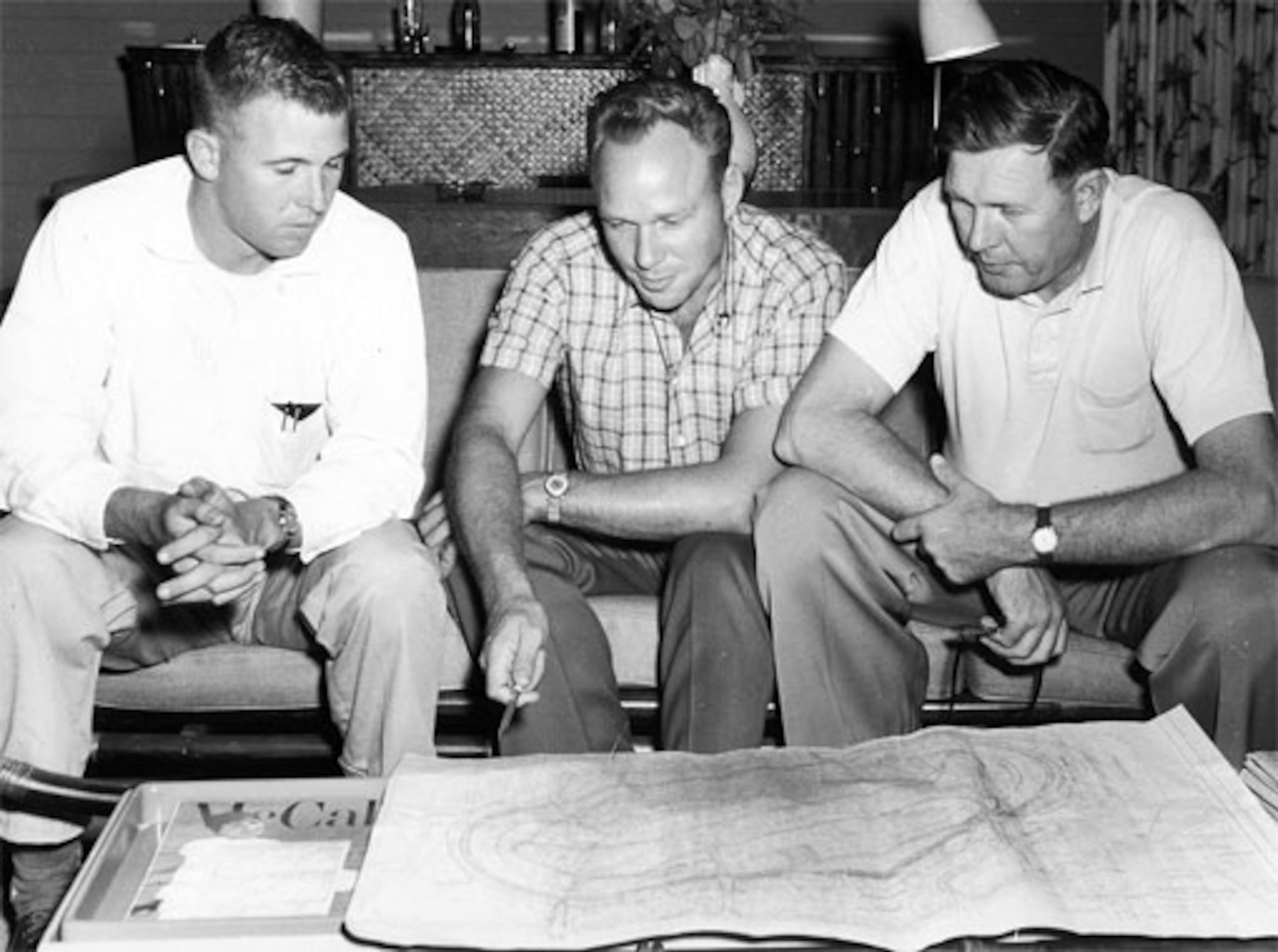
Note: Caption photo is Bil France Jr (left), contractor, Don Smith and Bill France Sr.(right) reviewing plans in 1957 for Daytona International Speedway.
This compilation is not a ranking.
No. 1 Bill France
1 of 25
Bill France was not only considered the father of NASCAR, but the patriarch of a family that would continue to carry out his efforts to maintain the sport and continue to expand it.
The first sanctioned race by the American Automobile Association on the Daytona Beach sand course in 1936 consisted of family sedans. The city of Daytona Beach put up cash for the rewards, but the chaos of the race resulted in a substantial loss, despite the thousands of fans that showed up.
In 1938, France assumed the duties of running the course, but only a few races were run each year until World War II broke out. He worked at Daytona Boat Works and his wife, Anne, maintained their filling station.
Racing was still on "Big Bill's" mind in 1944 when he hooked up with Jim Johnstone, Jr., an auto mechanic stationed at the Naval base (now Embry-Riddle Aeronautical University). Working out of the filling station, France began racing at small tracks around Florida.
After the end of the war, France thought he would best serve racing as a promoter, rather than a driver though he did run several races sporadically through the years.
In 1947, the famous meeting took place at the Streamline Motel in Daytona Beach and with the organization of NASCAR, the rest is history as they say.
No. 2 Raymond Parks
2 of 25
Raymond Parks came from the hills of north Georgia where he learned all about the moonshine business. He of course got in a little trouble and moved to Atlanta where he went to work for his uncle at the Hemphill Service Station and still continued bootlegging to supplement his legitimate job.
Parks made enough money to buy out his uncle's gas station and eventually became a respected businessman in the Atlanta area.
Though Bill France tried to distance himself from the moonshine runners, it was those men who originated stock car racing even in the fields of local farms. After Parks returned from his service during WWII, he resumed racing with his cars built by one of the best mechanics in the area, Red Vogt. Reportedly Vogt came up with the name "NASCAR."
In 1949 Parks won the first NASCAR championship with his driver, Red Byron. He also was there to help financially with payout purses, building cars and helping other drivers. The southern gentlemen played a major part in keeping the sport afloat in the early days. Others who drove for him include Bob Flock, Frank Mundy and Curtis Turner.
Parks died June 20, 2010 at the age of 96. He didn't make it into the first class of the NASCAR Hall of Fame, but his place is awaiting him.
No. 3 Lee Petty
3 of 25
Lee Petty was not only the patriarch of a great racing family, but a three time NASCAR champion in 1954, 1958 and 1959.
He began Petty Enterprises, a major team for decades in NASCAR with his son, Richard Petty. The father and racing legend won the first Daytona 500 in 1959. Though he didn't begin racing until age 35, he finished in the top-five of the points during his first 11 seasons.
His son, Richard, was inducted into the first class of the NASCAR Hall of Fame, but he will be in the second class inducted in 2011.
.jpg?w=2560 "Vikings Football")
No. 4 Smokey Yunick
4 of 25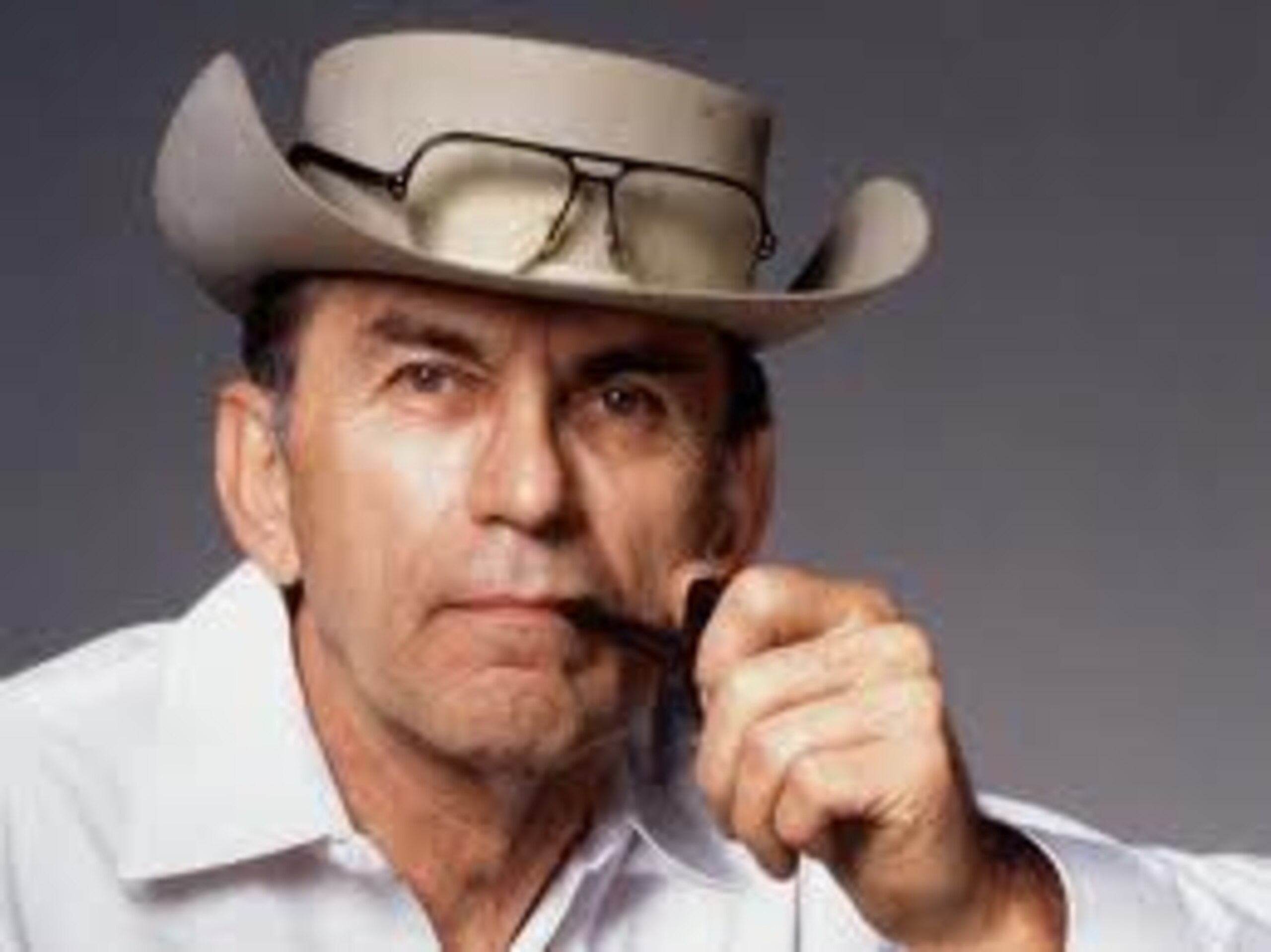
The Pennsylvania native moved to Daytona Beach, Florida after serving in World War II. He operated "Smokey's Best Damned Garage in Town" from 1947 to 1987.
Smokey Yunick was twice named NASCAR's Mechanic of the Year, his teams included 50 of the most famous drivers in the sport with 57 wins and two Grand National (Sprint Cup) championships.
Officials of the automotive industry sought him out and he was Chevrolet's unofficial factory race team. He also spearheaded factory involvement of Ford and Pontiac in racing.
The small block Chevy engine was a result of design and testing input from Yunick.
Fireball Roberts was a good friend of Yunick and also drove for him. Roberts death in a fiery crash at Charlotte in 1964 led Yunick to campaign for safety modifications to prevent such a disastrous crash in the future. After being consistently overruled by Bill France Sr., he left NASCAR in 1970.
Yunick had mastered the art of enhancing the grey area of the rules. His innovations included the offset chassis, raised floors, roof spoilers and much more.
NASCAR and Yunick often butted heads. They failed to adopt his air jacks for stock cars and the first "safe wall" made of sheets of plywood with old tires in between.
The legendary Daytona Beach mechanic held at least nine U.S. patents related to engines and racing.
No. 5 Erwin "Cannonball" Baker
5 of 25
Erwin "Cannonball" Baker was the first Commissioner of Racing for NASCAR after it was incorporated Feb. 21, 1948.
Baker organized motorcycle and auto racing events during the first half of the 20th century. He was best known for his record setting point-to-point drives for which motorcycle and automotive manufacturers paid him to promote their products.
The man known as "Bake", made some 143 cross-country speed runs on his motorcycles which totaled in excess of five million miles. He also ran in the 1922 Indy 500 and finished 11th.
No. 6 Marshall Teague
6 of 25
Marshall Teague lived in Daytona Beach and was an early NASCAR star winning seven races in 23 events in his "Fabulous" Hudson Hornet.
The Hornet dominated racing for its solid construction, good handling, low center of gravity and factory support. It was powered by the 7X racing engine developed by Teague and a Hudson engineer.
In 1952 the Hudson Hornet had a whopping 27 wins out of 34 major stock car races. Teague is credited with bringing the Pure Oil Company (Unocal) and Hudson Motor Car Company together as his sponsor. They were the first sponsors in NASCAR history.
While making an attempt at a closed-course record at Daytona International Speedway with a closed-fendered Indy Car in 1959, he crashed violently and died at the age of 36. Bill France took Teague's death very hard and never allowed IndyCar racing at the speedway.
No. 7 Junior Johnson
7 of 25
Junior Johnson was a legendary moonshine runner in the rural south, where he honed skills that later made him a great talent behind the wheel of a race car.
In 1955, his first full season as a NASCAR driver, he won five races and finished sixth in the Grand National (Sprint Cup) point standings.
Johnson won 50 races with 148 top-10 finishes in 313 races over a 14 year period. In 1966 he retired as the winningest driver to have never won a championship.
Johnson then focused on becoming an owner and his drivers included many of the best in the sport including Cale Yarborough, Lee Roy Yarbrough, Darrell Waltrip, Bobby Allison and many others. Overall his drivers won 139 races in NASCAR's top series which is third to Petty Enterprises and Hendrick Motorsports.
The North Carolina native was inducted in the first class of NASCAR's Hall of Fame.
No. 8 Bud Moore
8 of 25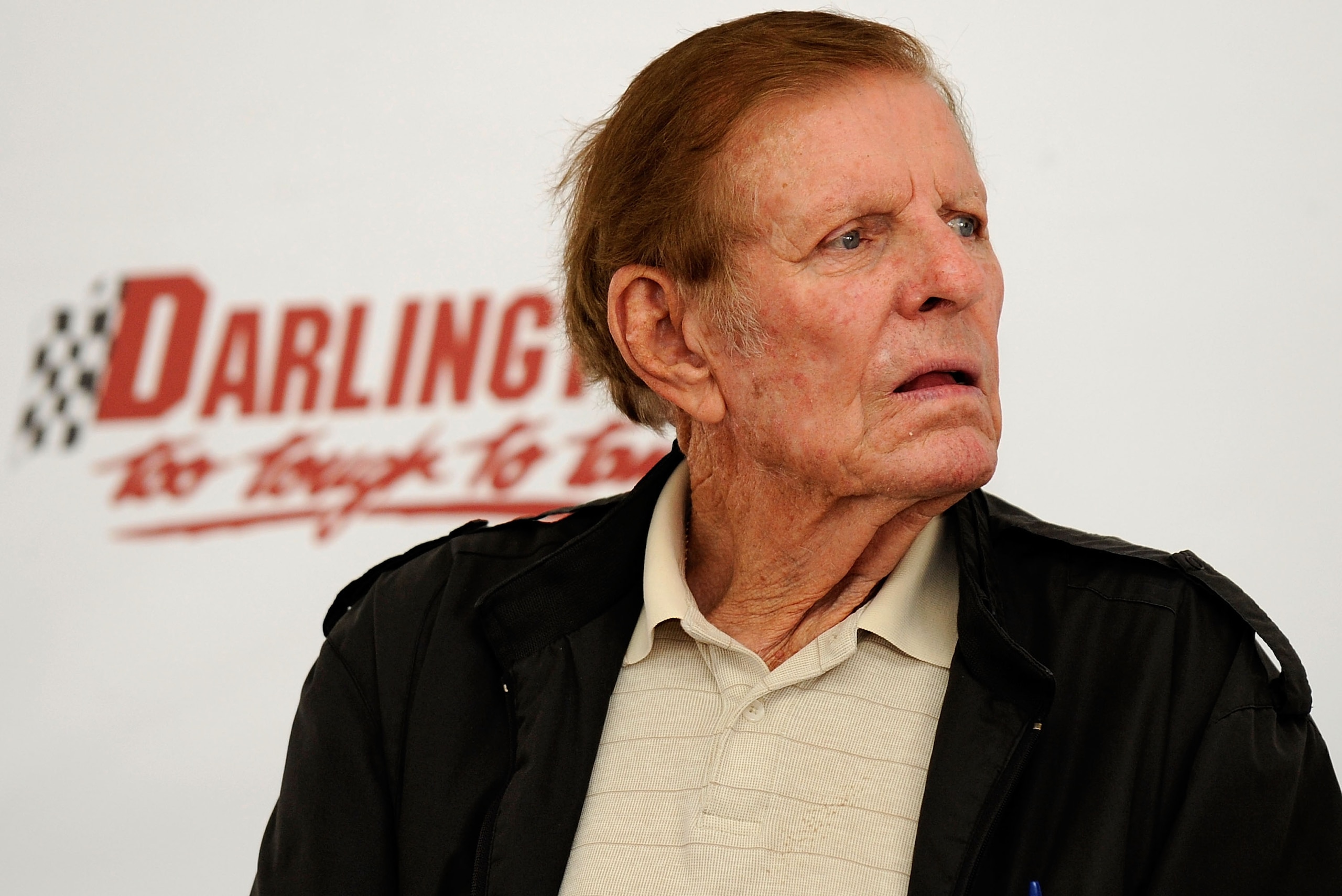
Walter M. "Bud" Moore was a legendary car owner and decorated war veteran from South Carolina. During his 37 years as a car owner he had 63 wins, 43 poles and two NASCAR Grand National (Sprint Cup) championships.
Moore's cars were red and white with the No. 15 and usually Motorcraft sponsorship was displayed. He had some of the sports best drivers including David Pearson, Cale Yarborough, Dale Earnhardt, Darrell Waltrip and Fireball Roberts to name but a few.
Moore was innovative and highly respected in the world of NASCAR. He is a humble man, but made a big impact on the sport. He will be inducted into the second class at the NASCAR Hall of Fame in 2011.
No. 9 Richard Petty
9 of 25
Richard Petty was a second generation racing legend, the son of Lee Petty. The man known as the "King" won seven NASCAR Grand National and Winston Cup (Sprint Cup) championships and is the only driver to have won 200 races in NASCAR's top series.
The North Carolina native was known for driving the famous No. 43 under the Petty Enterprise banner. His last race was the 1992 Hooters 500 at Atlanta Motor Speedway. His record shows he ran 1,184 races over 35 years.
Petty has been a great public relations person for NASCAR in addition to being a great driver and team owner. He was one of the most fan friendly drivers in the sport, despite his fame.
Petty was inducted into the first class of NASCAR's Hall of Fame.
No. 10 Bill Gazaway
10 of 25
Bill Gazaway was a NASCAR car owner in 1960, but his cars only made seven starts. By 1963 he had moved to NASCAR's front office as a technical inspector.
He then became assistant technical director in 1967 and remained in that capacity until 1979 when he took over as Director of Racing Operations and Competition Director for NASCAR. He was made V.P. of competition and held that position until he retired in 1987.
Gazaway, a former Marine, was a tough taskmaster. He is credited with developing the original template that outlined the stockcar. It is that same style template currently being used by NASCAR.
Gazaway passed away June 29, 2006 at the age of 76.
No. 11 Glen Wood
11 of 25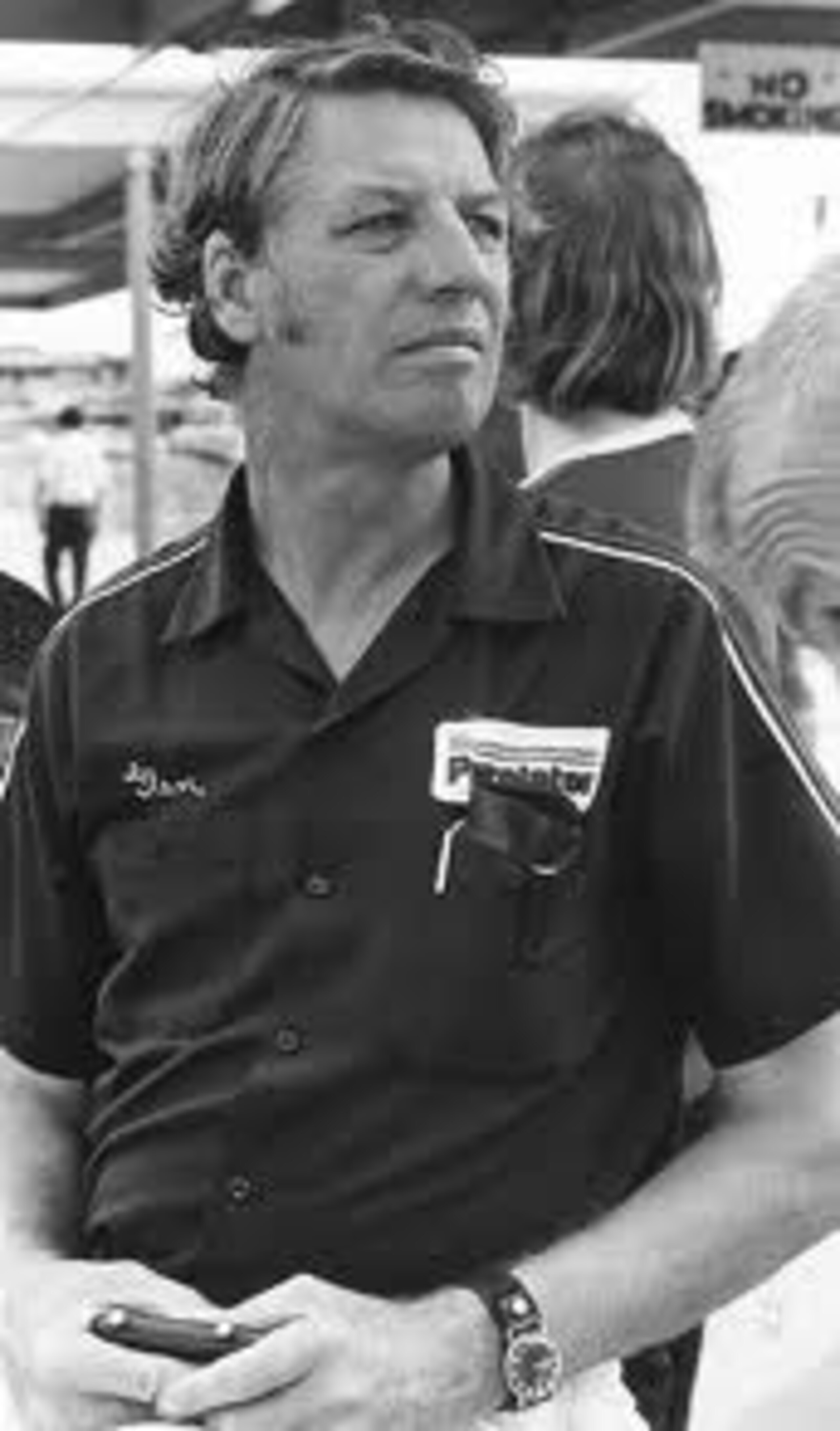
Glen Wood was the driving force behind Wood Brothers Racing. He began driving dirt modifieds in 1950 then moved to the sportsman class where he won a championship and on to NASCAR's convertible division.
By 1960, Wood drove a few races and then retired as a driver. His brother, Leonard, had worked as his crew chief during his driving days.
Wood then became an owner along with his brother. Together they became one of the most recognized teams in NASCAR with drivers like Cale Yarborough, David Pearson, Fireball Roberts, Curtis Turner and many others.
The 50 year legacy begun by Glen Wood had a great impact on the evolution of NASCAR.
No. 12 Linda Vaughn
12 of 25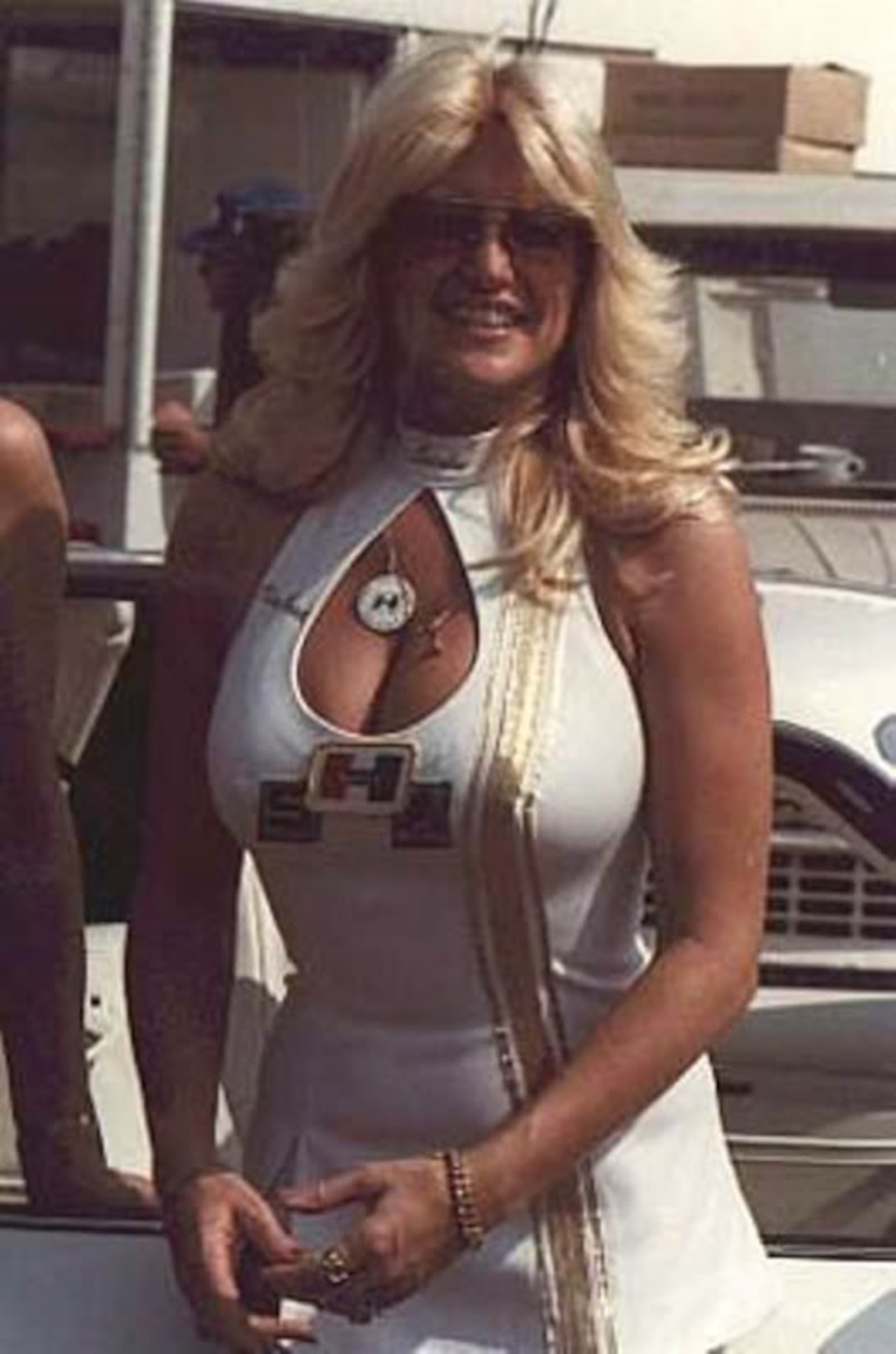
Linda Vaughn was the sweetheart of auto racing and could always be seen at NASCAR races, NHRA events and the Indianapolis 500.
She was best known as Miss Hurst Shifter, though she began in 1961 as a spokesperson for Atlanta Raceway wearing the title of Miss Atlanta Raceway.
Vaughn's personality overshadowed her stunning looks. She was easy to talk to and gracious with fans who sought autographs and pictures.
There was such demand for her that in the late '60s the Hurstettes were added to help fulfill public appearance obligations.
Vaughn was very much the face of NASCAR for many years and a great spokesperson for the sport. In the '80s she cut back on appearances, but Vaughn still has a passion for cars and racing. You just may see her at a race track, car auction or automotive venue.
No. 13 Ken Squier
13 of 25
Ken Squier, a Vermont native, is the owner of the well known short track, "Thunder Road" which he built during 1961 in Barre, Vt.
As a teenager, he was a racetrack public address announcer. In 1965 he was hired as the announcer for Daytona International Speedway.
Squier is responsible for naming the Daytona 500, "The Great American Race." During that time he worked with ABC sports and their NASCAR telecasts. He joined CBS sports in 1973.
Squier was one of the founders of the Motor Racing Network (MRN) and was their primary voice from 1969 to 1978.
The man with vast knowledge of racing and great ability to tell a story with his mellow voice is an award winning broadcast journalist. Squier is and for decades past been a great spokesperson for NASCAR.
One of Squier's favorite comments described NASCAR drivers as, "common men doing uncommon things."
No. 14 Bruton Smith
14 of 25
Bruton Smith is the wealthy owner/promoter of Speedway Motorsports Inc. As a child, Smith watched his first car race and became a promoter at a small North Carolina track when he was 18.
Smith and legendary NASCAR driver, Curtis Turner, built Charlotte Motor Speedway in 1959 only to lose it in bankruptcy. In the early '70s he regained control of the track. Soon after, he founded Speedway Motorsports Inc. which rivals the France family in the ownership of tracks used on the NASCAR racing circuit.
Smith always wanted to build his tracks as grand as possible while trying to do things bigger and better than the tracks owned by the France's International Speedway Corporation.
The fans can thank Smith for the great racing experiences they may have had at Bristol Motor Speedway, Las Vegas Motor Speedway, Charlotte Motor Speedway, Atlanta Motor Speedway, Texas Motor Speedway, Infineon Raceway, New Hampshire Motor Speedway or Kentucky Speedway.
Smith is always a promoter and remains a great ambassador for the sport of NASCAR.
No. 15 Jim Hunter
15 of 25
South Carolina native, Jim Hunter, was an athlete at the University of South Carolina. After his college years, he began as a reporter for the Columbia Record newspaper and then moved on to the Atlanta-Journal Constitution covering stock car racing.
In 1983 he accepted a job as NASCAR vice president of administration where he remained until 1993 when he took over as president of Darlington Raceway. In 2001 he returned to NASCAR and became vice president of corporate communications where he remained until his battle with cancer got the best of him.
He was the consummate race promoter and ambassador for NASCAR. He was a genuine personality who never sought the spotlight, but was always there with a straight-forward comment, kind words and wisdom. Hunter never hesitated to state NASCAR's position on any given topic.
The southern gentlemen was an avid golfer. He authored several books including the biography of David Pearson, "21 Forever."
Hunter passed away Oct. 29, 2010 and his loss will be deeply felt for a long time to come.
No. 16 Chris Economaki
16 of 25
Brooklyn born Chris Economaki started selling copies of National Speed Sport News and became the editor in 1950. Eventually he went on to become the owner and publisher as well.
He was a track announcer for many major races during the 1940s and 1950s. In 1961 he covered the Firecracker 250 at Daytona International Speedway for ABC Sports.
After just over two decades at ABC he moved to CBS Sports where he continued to cover NASCAR and other auto racing events.
Economaki was the recipient of countless awards for journalism. He was an enthusiastic, knowledgeable proponent of stock car racing and a great fan of NASCAR. He was devoted to reporting on a sport he loved.
No. 17 Bill France Jr.
17 of 25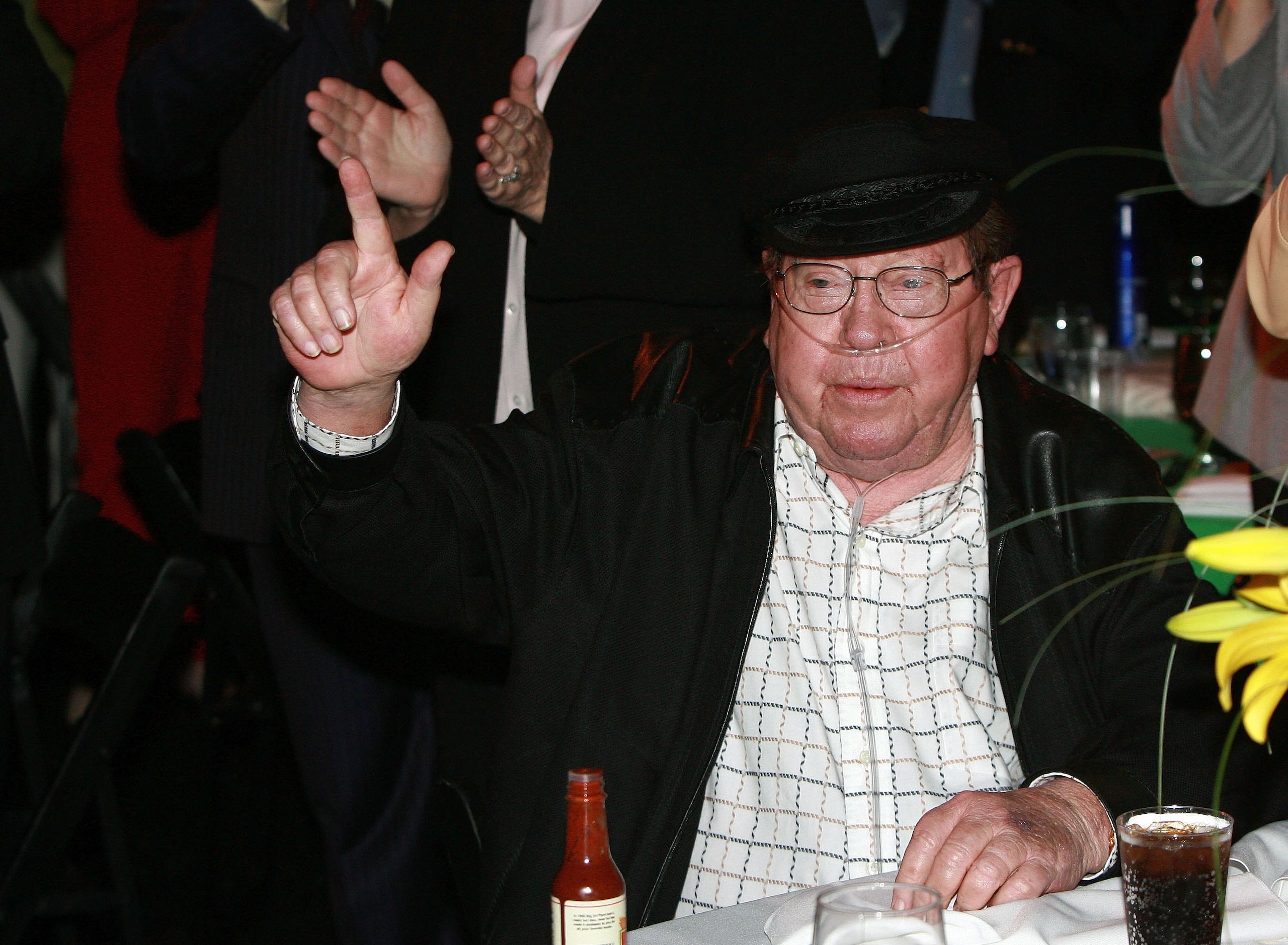
Bill France Jr. was the son who succeeded his father, the founder of NASCAR, Bill France Sr. He was the head man at NASCAR from 1972 until 2000 when Mike Helton was named president after France was diagnosed with cancer.
France Jr. moved to Daytona Beach with his family in 1935. He grew up working around race tracks, sold concessions and did whatever needed to be done.
Bill Jr.'s appointment as the head of NASCAR was the most significant event within the sanctioning body since it was founded by his father.
He continued what his father did so well and expanded NASCAR. He implemented the "Winston Million" from R.J. Reynolds, renamed the Grand National series to Winston Cup and increased purses to name but a few of the changes he made.
France signed the deal with CBS Sports to televise the 1979 Daytona 500 and launched NASCAR.com in 1996.
France was diagnosed with lung cancer in 1999 and went into remission, but continued to have difficulty breathing. In 2007 the cancer took his life. Ironically the Autism Speaks 400 NASCAR race was being televised at the time of his death. His passing was reported during the live broadcast.
France Jr. was inducted into the first class of the NASCAR Hall of Fame along with his father in 2010.
No. 18 T. Wayne Robertson
18 of 25
T. Wayne Robertson joined the R.J. Reynolds organization in 1971 as an administrative trainee and show car driver.
Robertson took over for his former boss, Ralph Seagraves, as the main conduit with NASCAR. He was the driving force behind the creation of the Sprint All Star Race originally known as "The Winston."
It was Robertson who took NASCAR's top-tier series to a much higher level of success with the sponsorship of R.J. Reynolds.
The North Carolina native spent 27 years in sports marketing and was a senior vice president at RJR and president of their Sports Marketing Enterprises which managed sponsorships with NASCAR, NHRA and other sports.
Robertson died in a 1998 boating accident at the age of 48. He was a nominee for the NASCAR Hall of Fame.
No. 19 Rick Hendrick
19 of 25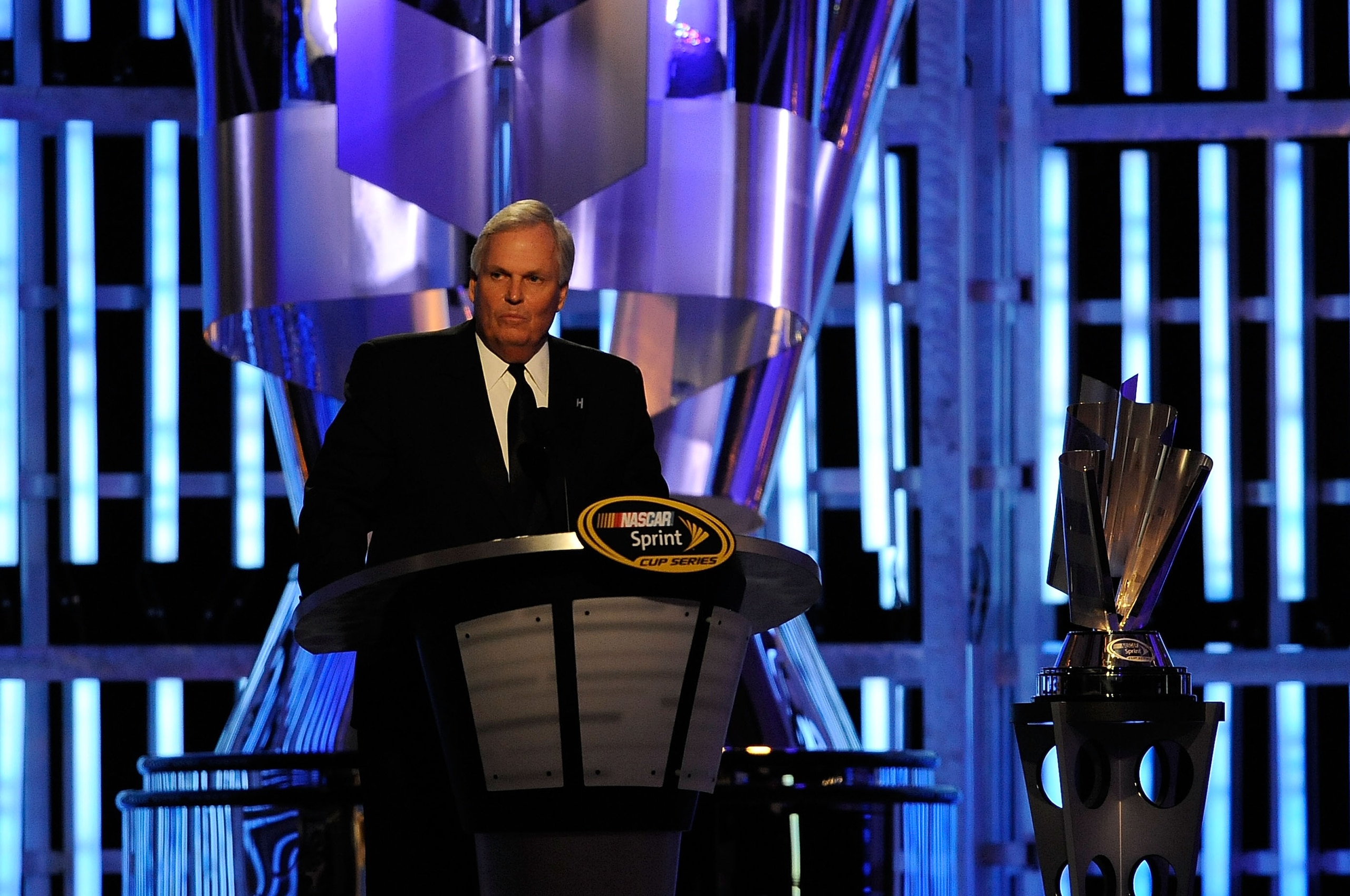
Rick Hendrick started with a small used car lot to become the youngest Chevrolet dealer in the United States. Now the Hendrick Automotive Group has some 80 franchises with in excess of 5,000 employees.
In the 1970s, Hendrick founded a drag boat team and won three championships. He then moved to the NASCAR Sportsman Series now known as the Nationwide Series.
In 1984 he organized All-Star Racing which is now known as one of NASCAR's premier teams, Hendrick Motorsports.
Hendrick has amassed 10 Winston Cup (Sprint Cup) championships with some of the sports best known drivers. His Lowe's No. 48 team with driver, Jimmie Johnson, won his fifth consecutive Cup title in 2010.
No other team owner has won as many Cup championships as Hendrick. He is, without a doubt, a major player in NASCAR who not only has four teams at HMS, but supplies engines and chassis to several other teams.
Hendrick is well respected in the NASCAR community and will most likely continue his role of dominance in the sport. He is a great spokesperson for NASCAR as well.
No. 20 Tom Higgins
20 of 25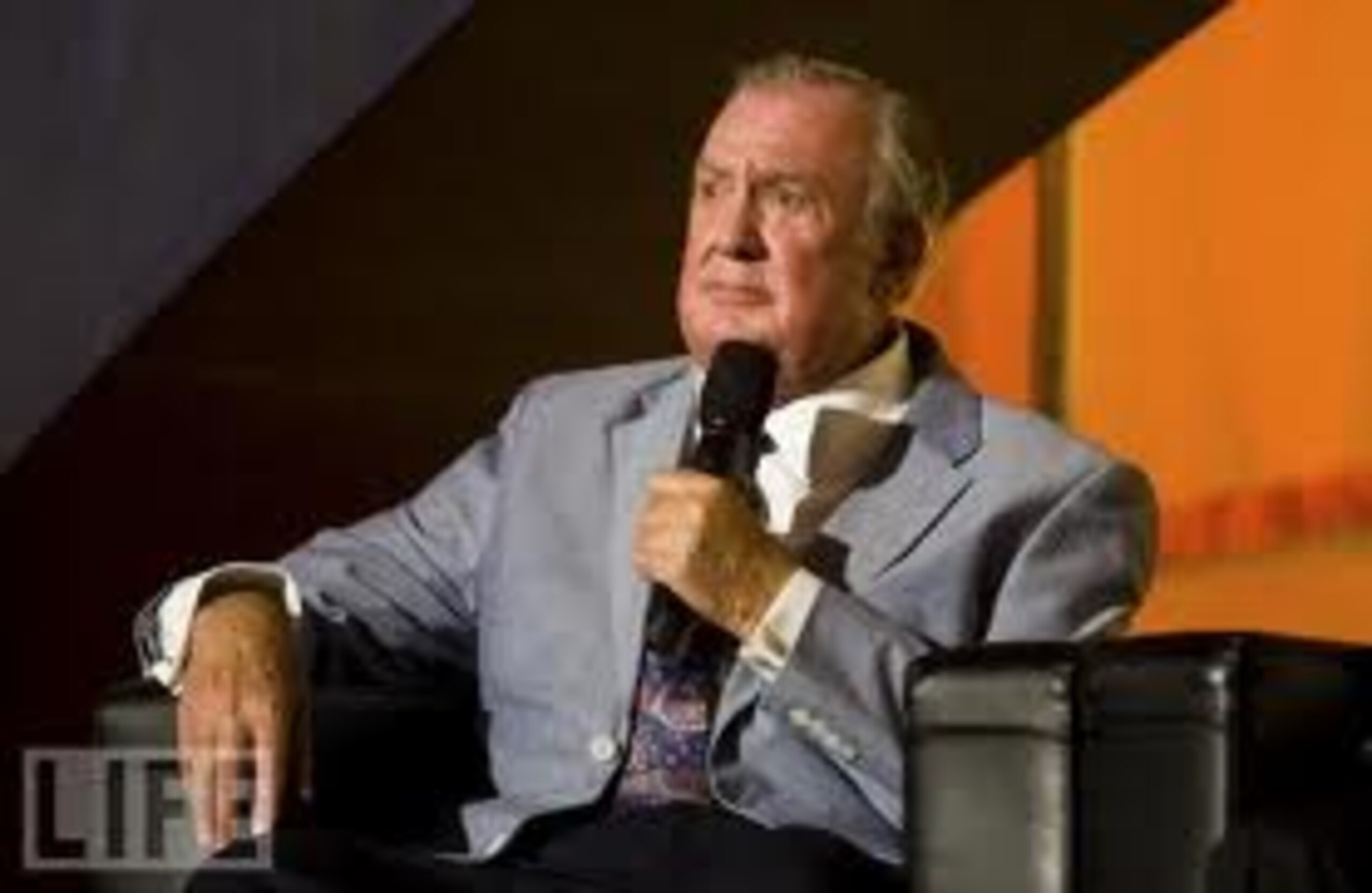
Tom Higgins covered NASCAR for 35 years starting in 1958 for the Charlotte Observer. He knows NASCAR and can tell some great stories from the days when the sport was more "colorful" as he would say based on the racing back in the '50s, '60s, '70s and '80s.
Drivers trusted Higgins and he had the ability to extract great information for his journalistic ventures. He could convey conversations he's had with drivers from the past for hours on end.
Higgins reported the highs and lows of the sport with integrity. The hardest moments came when drivers were killed. He had retired from the Charlotte Observer before his friend, Dale Earnhardt, was killed.
Higgins was highly respected and set a standard for NASCAR reporting. You can still find him writing columns about the sport that was such a great part of his life.
No. 21 Darrell Waltrip
21 of 25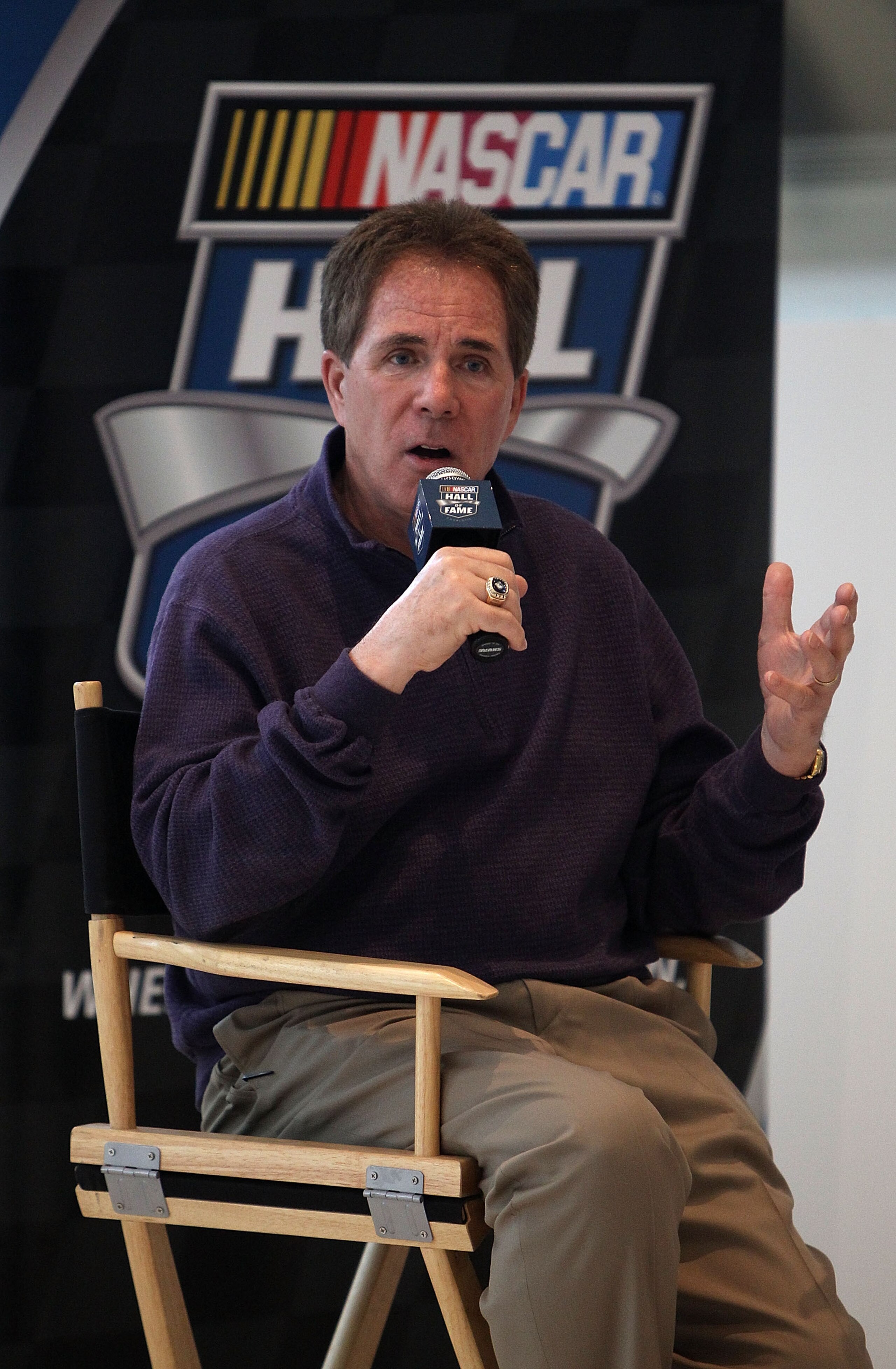
Darrell Waltrip ran local dirt and asphalt tracks around Kentucky, but he didn't have much success until he went to the Music City Motorplex at the state fairgrounds in Nashville.
He won many races there and the track championship in 1970 and 1973. He would then appear on local television promoting the race and doing some trash-talking about other drivers.
Waltrip's first NASCAR Winston Cup (Sprint Cup) race was the 1972 Winston 500 at Talladega, but he failed to win a race until 1975.
The Kentucky native drove for some great owners like Bud Moore, Junior Johnson and Rick Hendrick. The three-time Winston Cup (Sprint Cup) champion had 84 wins, 390 top-10's and 59 poles during the 809 races he ran in a 29 year span.
Waltrip came into NASCAR's top-tier series when competition was tough with drivers like Richard Petty, David Pearson, Cale Yarborough and Bobby Allison.
Waltrip was a brash, outspoken hot shoe that had no problem offending fans and other drivers with his remarks. He had outstanding ability as a driver, but during his peak years in the 80's, fans booed him because he was beating popular established drivers.
As the talented driver continued his winning ways in the Cup series and other series as well, he was able to win over fans and received NASCARs "Most Popular Driver" award twice.
Waltrip was a new breed of driver who was able to back up his talk with his ability behind the wheel. He was not afraid to critcize NASCAR when he felt the need to do so. His accomplishments are too many to list for this future NASCAR Hall of Fame inductee.
The driver nicknamed "Jaws," was never short on words, so it is no wonder he became a television commentator for NASCAR when he retired as a driver in 2000.
Waltrip was the first "total package" driver with his good looks, articulate speech, ability to handle media well and all the attributes sponsor's looked for in a driver. He set the stage for all that happens between the drivers we see today.
Waltrip's opinions are respected by NASCAR and garner the attention of owners, drivers and fans.
No. 22 Richard Childress
22 of 25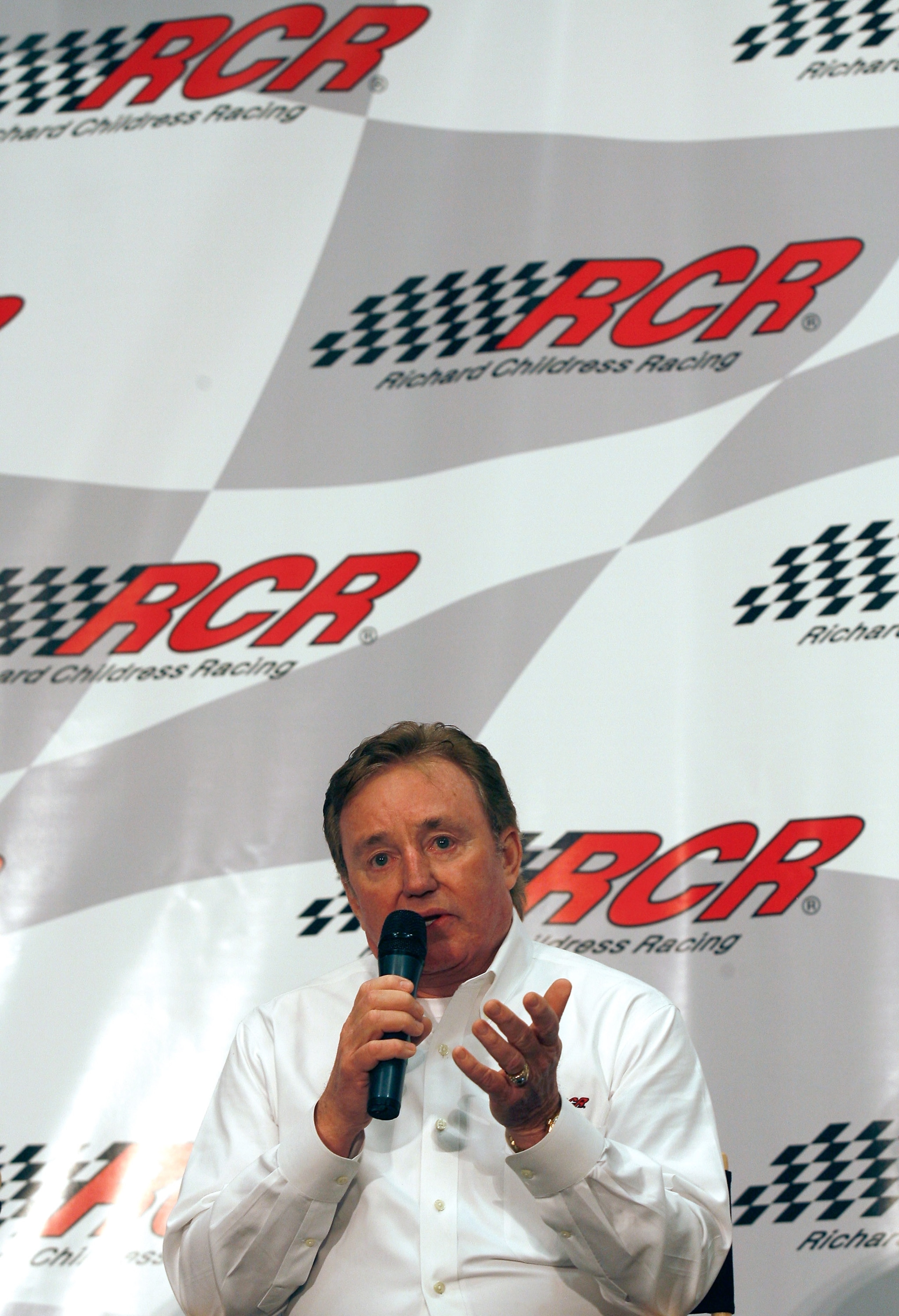
Richard Childress was a replacement driver at the inaugural race of the Talladega 500 when the top drivers who belonged to the Professional Drivers Association left the track because they believed the high speeds and tire combination would be unsafe.
His Winston Cup (Sprint Cup) career never included a win, but he did have 76 top-10 finishes in 285 races over 12 years. He piloted the No. 3 in honor of Junior Johnson with a best finish of third.
Childress made his mark as a NASCAR owner. His union with driver, Dale Earnhardt, lasted one season in 1981, then Ricky Rudd was his driver for two years.
Earnhardt returned to Richard Childress Racing in 1984 and together they won NASCAR Winston Cup(Sprint Cup) Championships in 1986, 1987, 1990, 1991, 1993 and 1994.
Childress did all the right things in a sport that gave him so much, but killed his best friend and driver, Earnhardt, at Daytona in 2001. He thought of closing up after the tragic loss, but used it to motivate him on to becoming a potent team owner in NASCAR.
It was the chemistry he had with Earnhardt, the sponsorship, his quality equipment and team operation that set RCR apart during his championship years with the "Intimidator."
Childress set the bar high and remains a class act within the sport of NASCAR. He rivals Hendrick Motorsports as a championship owner, engine and chassis builder for other teams and ability to attract quality drivers.
Though Hendrick Motorsports is considered the premier team owner in NASCAR, Childress is a driving force in NASCAR and a model businessman who is well-respected.
No. 23 Mike Joy
23 of 25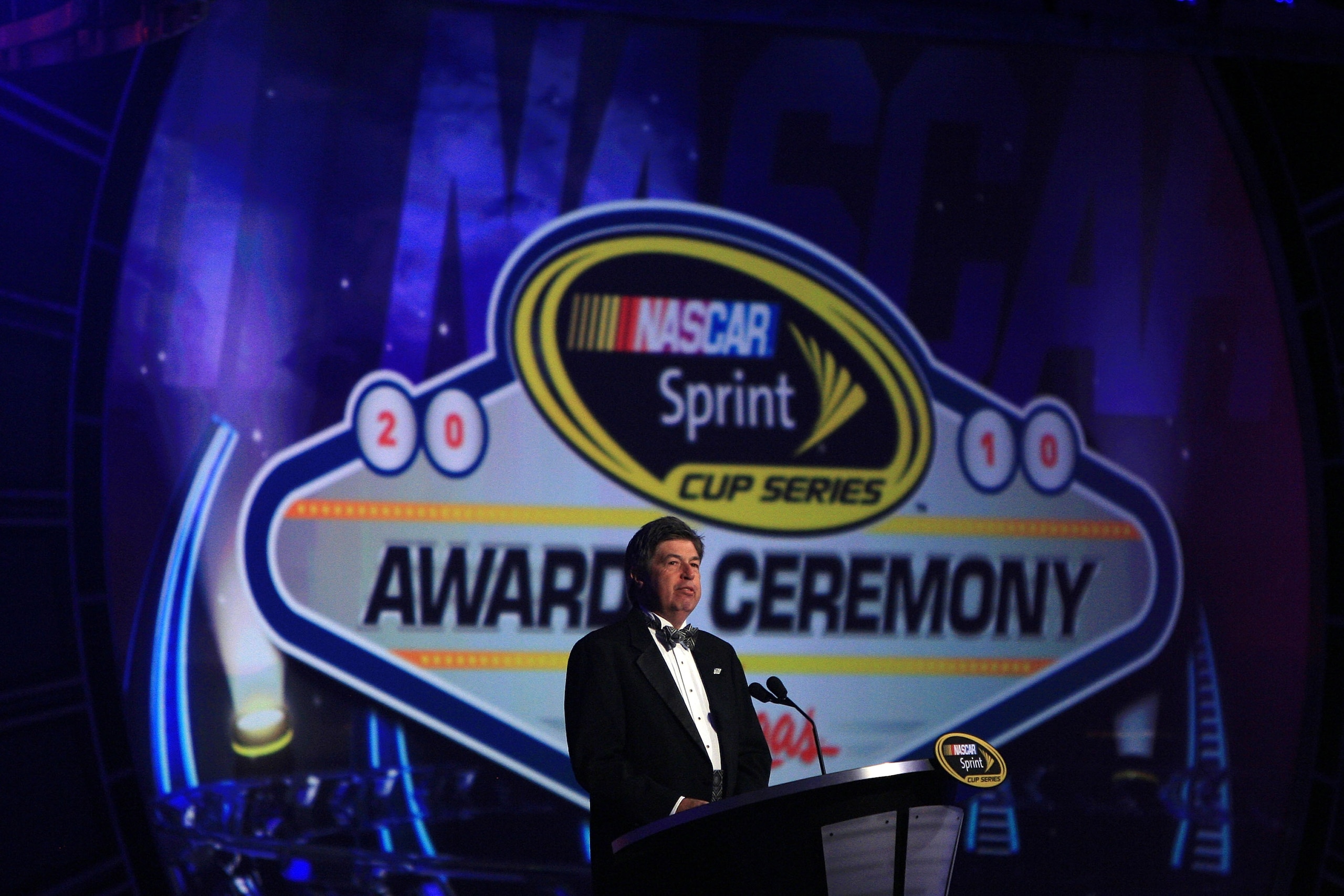
Mike Joy is the television announcer of the modern era who takes the lead in coverage of NASCAR racing. Joy has broadcast at least 30 Daytona 500's and gives lap-by-lap coverage for Fox Sports NASCAR Sprint Cup coverage.
He followed in the steps of Ken Squier and Ned Jarrett at CBS sports. Joy has covered other NASCAR and motorsports events along with the Winter Olympics, NCAA championships, World Cup Skiing and more.
Joy is not only a fan of NASCAR and spokesperson for the sport, but a true "car guy." He is Speed TV's expert analyst for car collector auctions and other vintage car events.
One of Joy's most notable calls in NASCAR came in 1998. From the booth, he said, "Earnhardt uses the lap car of Rick Mast to them .... as a pick. Twenty years of trying. Twenty years of frustration, Dale Earnhardt will come to the caution flag to win the Daytona 500! Finally! The most anticipated moment in racing! Checkered flag! Dale Earnhardt is finally the champion of the Daytona 500."
Joy is perhaps the most respected commentator in the sport of NASCAR today. He has notched his place in history with his ability to humanize the racing experience during a broadcast and explain situations with his knowledge of the sport and Joy garners respect from NASCAR, fans, owners, drivers and all who know him.
No. 24 Dale Earnhardt Sr.
24 of 25
Dale Earnhardt, the sun-glassed, mustached NASCAR legend who was a seven-time NASCAR Winston Cup (Sprint Cup) Champion was the sports most popular driver running right up there with Richard Petty.
He came from the mills in North Carolina determined to follow his father in becoming a race car driver despite his father trying to dissuade him. He dropped out of high school to pursue his dream.
He ran on short tracks and didn't run his first NASCAR Cup race until 1975 where he drove the Ed Negre Dodge to 23rd place, one place ahead of Richard Childress. By 1979 he was the NASCAR Rookie of the Year and the following year he backed it up with a NASCAR Winston Cup (Sprint Cup) championship for Rod Osterlund.
Earnhardt remains the only NASCAR Cup driver to follow up the Rookie of the Year title with a championship.
Osterlund sold the team in 1981 and Earnhardt ran one season with Richard Childress Racing before going to drive for Bud Moore in 1982 and 1983. In 1984, he returned to the position as driver for Richard Childress and the rest is history.
The potent owner/driver team won six NASCAR Winston Cup (Sprint Cup) Championships in 1986, 1987, 1990, 1991, 1993 and 1994.
The wild, young driver who stormed into the sport like a tornado, tearing up equipment and making moves on the track that thrilled fans and annoyed his fellow drivers always had a swagger about him. He became a racing icon because those who watched him race felt he was one of them.
The driver of the black No. 3 became known as the "Intimidator." Drivers felt the pressure when the black hood of his car filled their mirror and hit their bumper on the track.
Earnhardt brought more emotion to the sport of NASCAR than any other driver in history. NASCAR fans loved him or hated him as a driver. You would see the stands filled with people wearing the No. 3 and vehicles everywhere sported decals with the famous number. He was an America hero in the sport of NASCAR.
When Earnhardt lost his life in a violent crash at Daytona International Speedway during the final lap in 2001, the racing world mourned the loss. His death left a hole in the sport that has yet to be filled.
His son, Dale Earnhardt, Jr., bears the burden of carrying on the Earnhardt tradition. It is a tough role, and one the son does not relish as he tries to be his own man. He can never match the stature of his father, but then again, it is doubtful any other driver will either.
Earnhardt was inducted in the first class of the NASCAR Hall of Fame.
No. 25 Brian France
25 of 25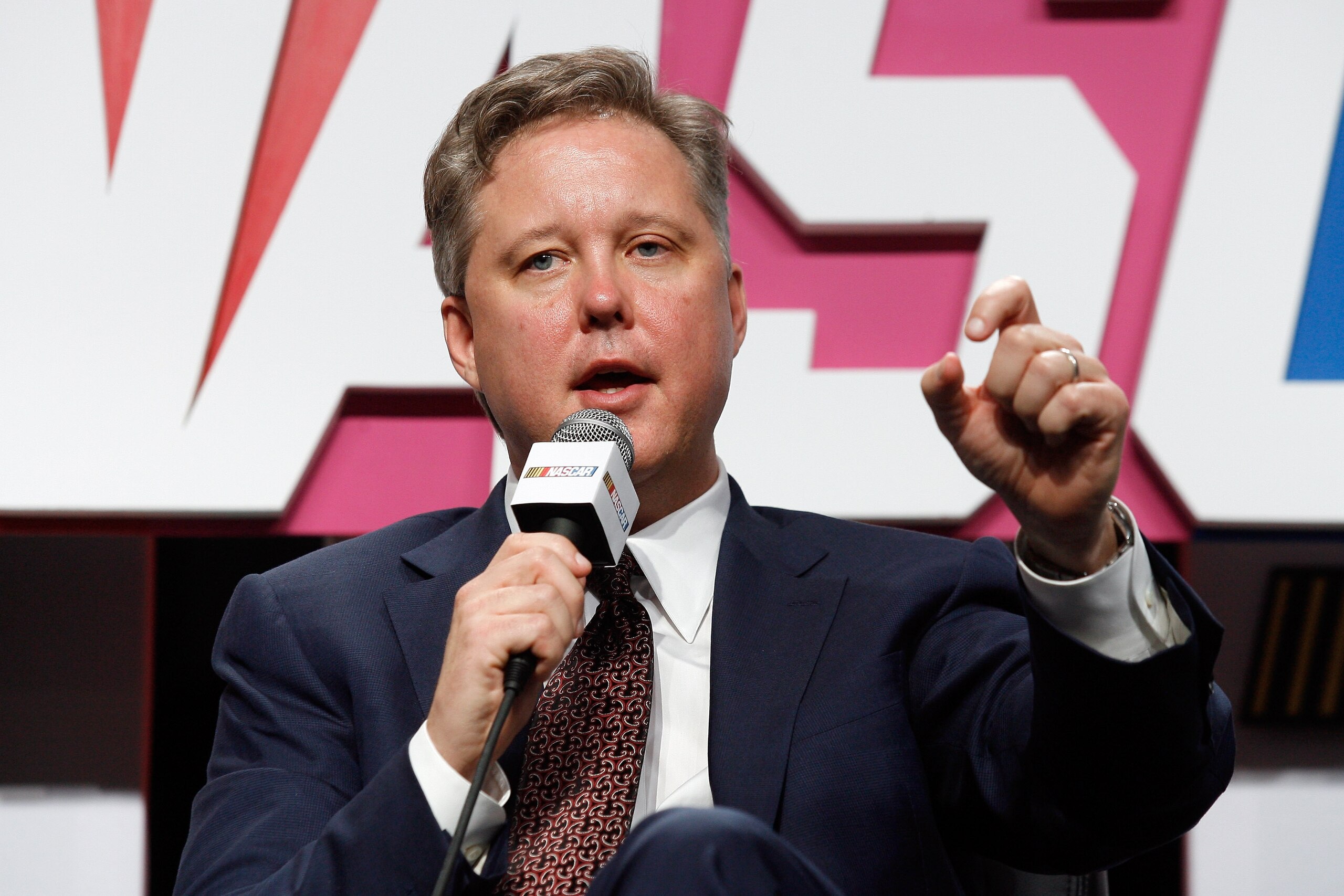
Brian France is the grandson of Bill France Sr. and son of Bill France Jr. He was appointed CEO and Chairman of NASCAR in 2003.
In contrast to his father and grandfather's hands-on approach to managing NASCAR, many think this France is more insulated from the reality of the sport.
Brian France expanded NASCAR until the past few years where there has been a decline in attendance at races and viewership on television. The economy has been blamed, but many feel some of France's changes or tinkering with the sport are to blame.
France wanted a playoff system so he implemented the NASCAR Chase in 2004. Other changes he mandated included the COT and policy changes, some of which were popular and others debated like "have at it," double-file restarts and green-white-checker finishes. His schedule of races at cookie cutter tracks and not switching up tracks in the Chase are topics of discussion.
France is making his mark in NASCAR, but it is much unlike that of France Sr. and France Jr. He faces the challenge of bringing the sport to a level of parity with other major sports.
Time will tell us one day what kind of mark this head of NASCAR will make in the history books. We can only hope it will be one to be admired.