
NASCAR Cup Series: The 15 Most Overrated Drivers of All Time
NASCAR's top-tier series of racing is replete with drivers who failed to meet expectations or lacked the expertise to perform optimally given the quality of their equipment and teams.
Some NASCAR drivers are considered overrated simply because they were thrust into teams classified as premier in the sport, though they may not have been a reasonable choice.
A driver can become overrated simply by association. Some drivers fall into that category because they bounce around from one prominent team to another. Just the fact they were associated with certain owners like Rick Hendrick, Jack Roush or Joe Gibbs amps up their value regardless of performance.
The word overrate is defined as assessing or estimating too highly. The fact that drivers are included in this list does not automatically berate or demean their skills as a NASCAR driver. Many of these drivers are talented, proven drivers, capable of winning.
They are considered overrated simply because of varying reasons that affect their driving records when viewed against that of their peers.
You may or may not agree with the list. Keep in mind the reasons given and remember that overrated does not reflect an actual analysis of their ability, only factors that create a perception.
In no particular order, let's take a look at 15 of NASCAR's most overrated drivers of all time.
No.1 David Ragan
1 of 15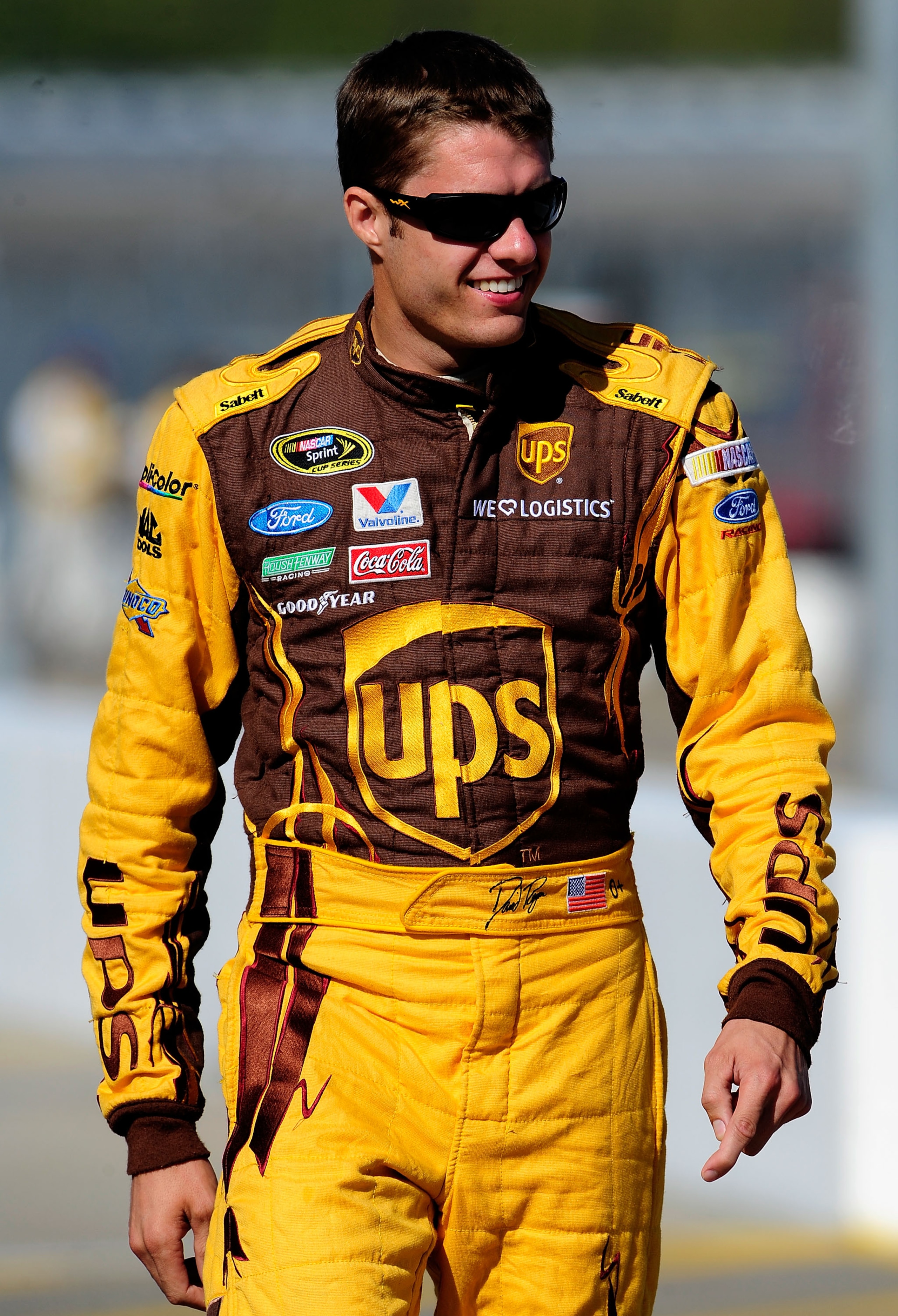
During the 2010 NASCAR Sprint Cup season, David Ragan finished 24th in points. The driver of the No. 6 Roush Fenway UPS Ford has never won in the series, has 22 top-10 finishes with an average of 21.6.
Ragan came through the ARCA series, NASCAR's truck series and the Busch (Nationwide) series. His first full season in the Cup ranks was 2007 when he finished fifth in the Daytona 500, but 23rd in points for the season.
The 2008 season was his most impressive when he moved to 13th in the final points standings. Though he finished sixth in the 2009 Daytona 500, it took him 29 races before he got another top-10 finish and he ended up 27th in points.
Ragan moved into the ride vacated by Dale Jarrett and is sporting the UPS logo. He has a potent sponsor, strong team ownership and first class equipment, but his inconsistency may indicate that he is not able to live up to expectations.
Perhaps he needs to race "the truck."
No. 2 Juan Pablo Montoya
2 of 15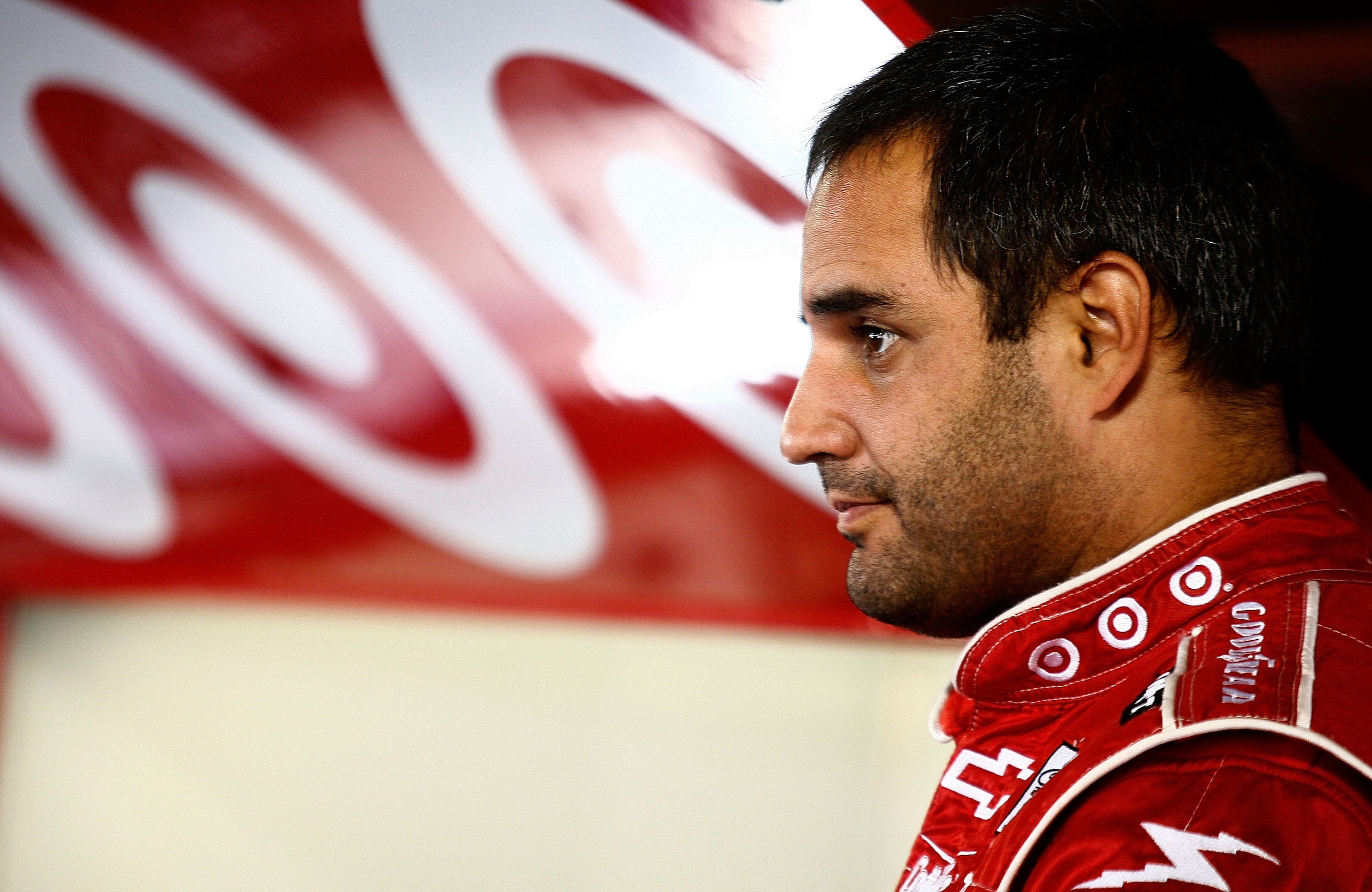
Juan Pablo Montoya was the first Formula One driver to compete in NASCAR. The Colombian born driver raced in Formula One from 2001-2006 with 30 podium finishes. He won the Grand Prix of Monaco, the premier event of the series.
Montoya ventured into Indy style racing and won 10 races in two years in the CART series. He was the 1999 CART Champion with seven wins that season.
The 2007 NASCAR season was Montoya's first full year and he finished 20th in the point standings. In 2008 he finished 25th in points, but turned the corner the following year with more consistent finishes that earned him eighth place in the points.
During the 2010 season, the driver of the No. 42 for Earnhardt Ganassi Racing finished worse than 25th place 13 times, yet managed to finish 17th in points. He did have one win this past season and has a total of two career wins and 41 top-10 finishes.
He has expectations placed upon him based on his open-wheel performance that he has failed to carryover consistently in stock cars.
No. 3 Elliott Sadler
3 of 15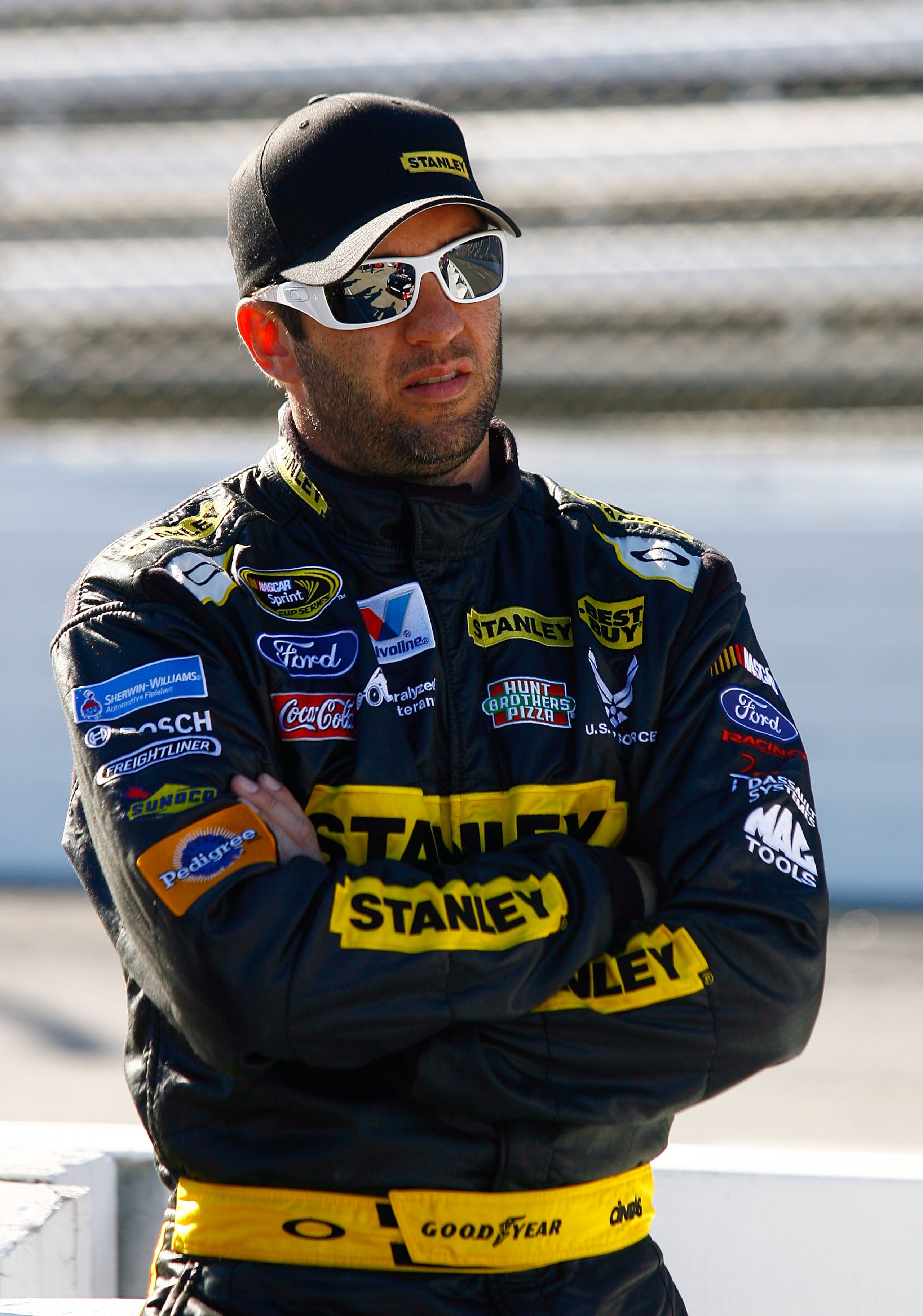
Elliott Sadler raced for Petty Motorsports in 2010, but is out of the Cup series in 2011. This season found him ending up 27th in points with only one top-10 finish. His career statistics show three wins and 69 top-10's with an average of 22.8.
Sadler found success in the Busch (Nationwide) series before moving full-time to NASCAR's top-tier of racing in 1999. He made the inaugural Chase in 2004, his only time. The 2005 season was his second best season when he finished 13th in the point standings.
In 2006, he moved from Robert Yates Racing to Evernham Motorsports which later became Richard Petty Motorsports through a series of mergers.
Despite having quality equipment and strong sponsorship he finished 22nd or worse in points after he left RYR.
For the upcoming 2011 season, Sadler will return to the NASCAR Nationwide series driving for Kevin Harvick. It should be the best place for him to optimize his performance behind the wheel, but don't bet he won't attempt a return to Cup at some point for better or worse.
.jpg?w=2560 "Raiders Camp Football")
No. 4 Morgan Shepherd
4 of 15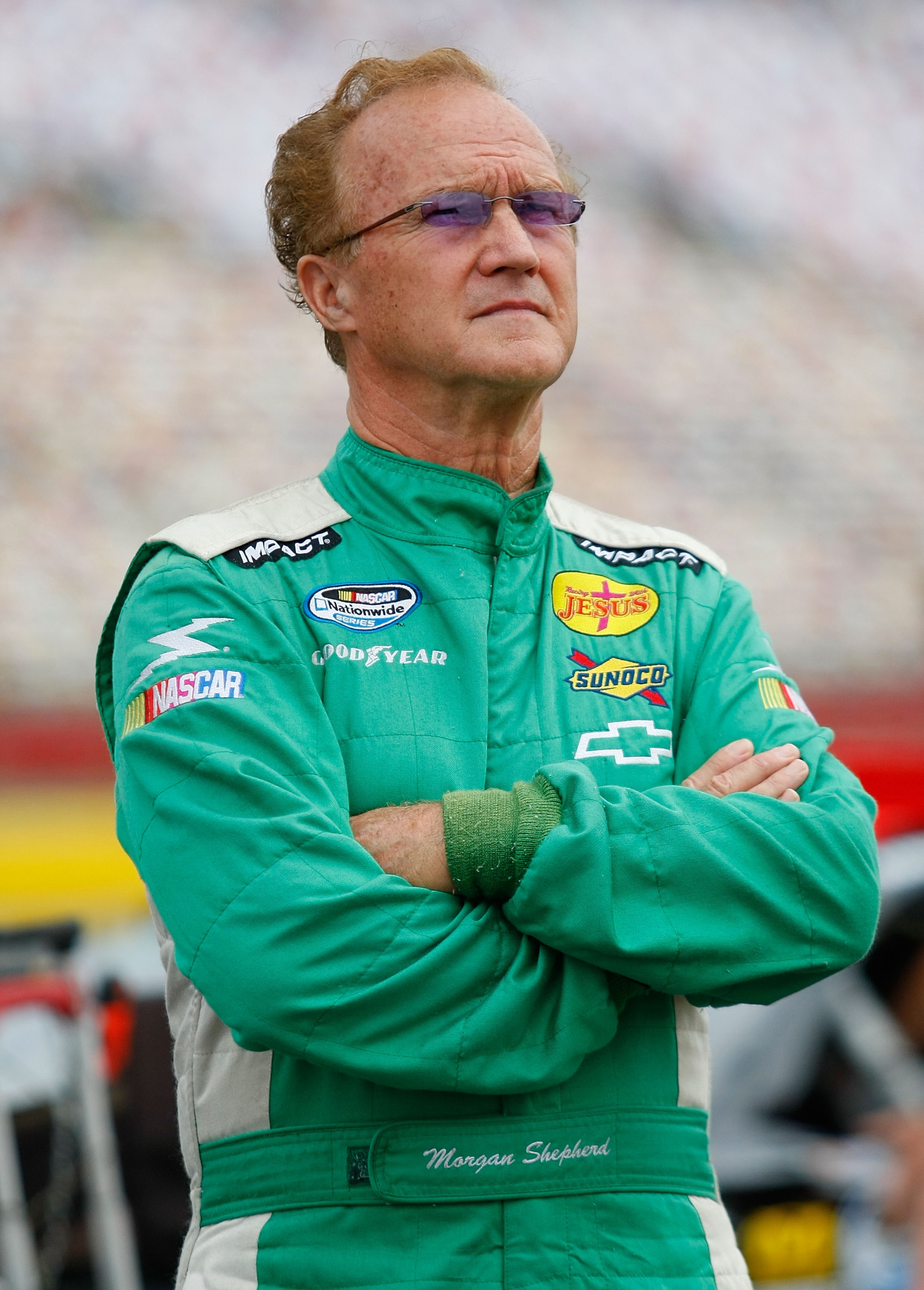
Morgan Shepherd debuted in the Cup series in 1970 at Hickory Motor Speedway, but failed to perform and didn't return to the series until 1977.
He drove for lower budget teams until 1990 when he drove the Motorcraft Ford to fifth in the point standings for owner, Bud Moore. The following year he failed to win and moved to Wood Brothers Racing to pilot the famous No. 21.
His performance was relatively good, but he parted ways with WBR in 1995 to return to underfunded teams including his own in 1998.
Shepherd is well-liked and well-respected in NASCAR. He formed his Victory in Jesus team and raced with the help of fellow team owners and Christian investors. He has run teams as Victory Motorsports and Faith Motorsports.
Shepherd has four career wins and 168 top-10's in NASCAR's top-tier. It appears the only reason he is able to continue racing his own car and secure periodic rides for top teams at the age of 69, is based on friendship, charity and his ability to keep the cars out of trouble for the most part.
Shepherd's name is well known, but his performance has always been lackluster except for a fluke win at Martinsville in 1981 and the opportunity he had behind the wheel of the Wood Brothers machine for three years.
No. 5 Sterling Marlin
5 of 15
Sterling Marlin began racing in NASCAR's top series in 1976, but did not win a race until his 279th start at the 1994 Daytona 500.
Driving the Morgan-McClure Motorsports No. 4 Kodak car, he backed up that win by winning the Daytona 500 the following year. Only Richard Petty and Cale Yarborough have accomplished that feat.
Despite driving for recognized owners like Junior Johnson and Felix Sabates, Marlin won only 10 Cup events with 216 top-10 finishes from 1976 to 2009.
Controversy surrounded Marlin in 2001 when his car appeared to make contact with Dale Earnhardt resulting in the fatal crash for the driver of the famous No. 3. Marlin was cleared of any wrongdoing after NASCAR's investigation.
His record was better than his father's, Coo Coo Marlin, who had 165 Cup starts, no wins and 51 top-10 finishes between 1966 and 1980.
No. 6 Casey Mears
6 of 15
Casey Mears is from a family of racers and came out of the open-wheel series including CART, IRL and Indy Lights. He debuted in the NASCAR Busch (Nationwide) series in 2001 with mediocre performance.
In a surprise move, Chip Ganassi chose him to drive the No. 41 Target car in the Cup series. In 2005 he was moved to the No. 42 Texaco/Havoline car replacing Jamie McMurray. Mears career best finish was second and in 2006 it was announced he would drive for Hendrick Motorsports replacing Brian Vickers.
In 2007, he assumed the position as driver of the No. 25 for HMS. Mears got his first and only win at the Coca Cola 600 by managing to outperform with fuel management. In 2008, he took over the No. 5 with crew chief, Alan Gustafson, at Hendrick Motorsports.
Mark Martin departed Dale Earnhardt Inc. to replace Mears in the No. 5 for the 2009 season at HMS. Mears then moved to Richard Childress Racing. After going through three crew chiefs, he was released after the 2009 season.
Mears then found himself trying to get a ride with lower budget teams in 2010. Despite all the opportunities he had been given with top notch NASCAR teams he was and is incapable of success in the Cup series.
No. 7 Kyle Petty
7 of 15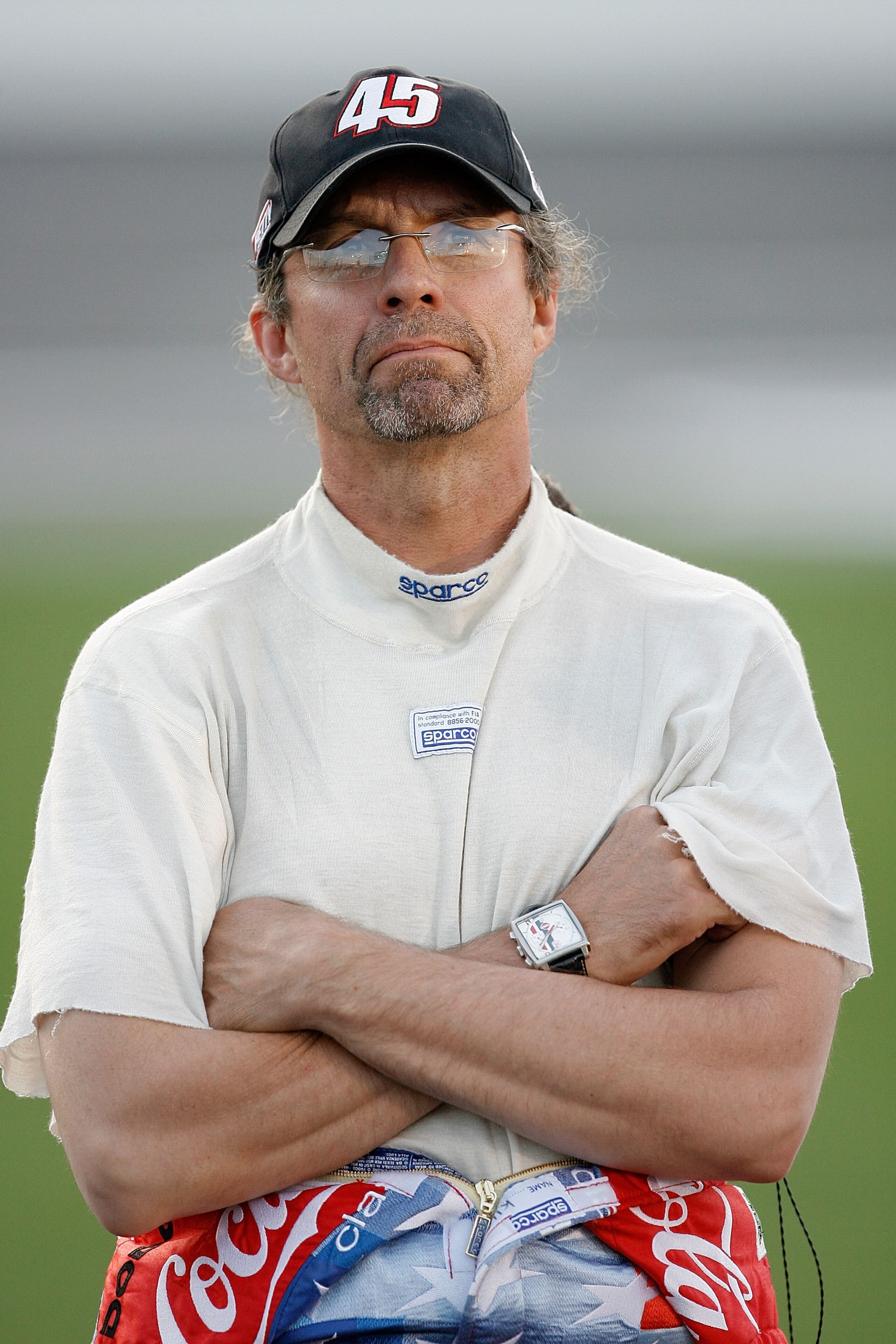
Kyle Petty is an example of a driver born to a family of legendary racers. His father is Richard Petty and his grandfather was the late Lee Petty.
This Petty drove 829 Cup races over 30 years with only eight wins and 173 top-10 finishes. He drove the No. 42 Dodge for his family until 1983 when he switched to the No. 7. With new sponsorship, his performance picked up a bit with Petty Enterprises.
In 1985, he moved to Wood Brothers Racing taking his car number with him along with his sponsor. In 1987 he secured Citgo sponsorship and switched to the legendary No. 21 Ford. By 1988 he had failed to win and was released.
Petty went to SABCO Racing where he raced the Mello Yello No. 42. His best year was 1992 where he finished fifth in points. In 1996 he left SABCO and formed his own team. Petty finished pretty well for a new team coming in at 15th in points. The following year was a poor season and he returned to Petty Enterprises.
His performance was plagued with problems and his son, Adam Petty, was killed in a racing accident in 2000. The struggle at Petty Enterprises continued and Petty became a color commentator to replace the late Benny Parsons.
Kyle Petty had lots of opportunities, but heritage forced expectations that were beyond his grasp as a driver.
No. 8 Michael Waltrip
8 of 15
Michael Waltrip, the younger brother of racing legend, Darrell Waltrip, debuted in the NASCAR Winston Cup (Sprint Cup) Series in 1985 at the Coca Cola 600.
His driving career sputtered until 1989 when he got his first top-five finish. In 1991, he gained sponsorship from Pennzoil, but it was 10 years before he won a race which was hardly a festive win with it being the 2001 Daytona 500 where Dale Earnhardt lost his life.
At the time of his first win, oddly, his boss was Dale Earnhardt. Waltrip then won the 2002 Pepsi 400 and 2003 Daytona 500. His final win was at Talladega in 2003.
In 2007, Michael Waltrip Racing was formed and he ran some random races, but now finds more success as an owner and his multiple television gigs. He was involved in several controversies on and off the track.
Being the brother of Darrell Waltrip may have opened the door to some opportunities for Michael, but he never had what it took to match his achievements.
No. 9 Kasey Kahne
9 of 15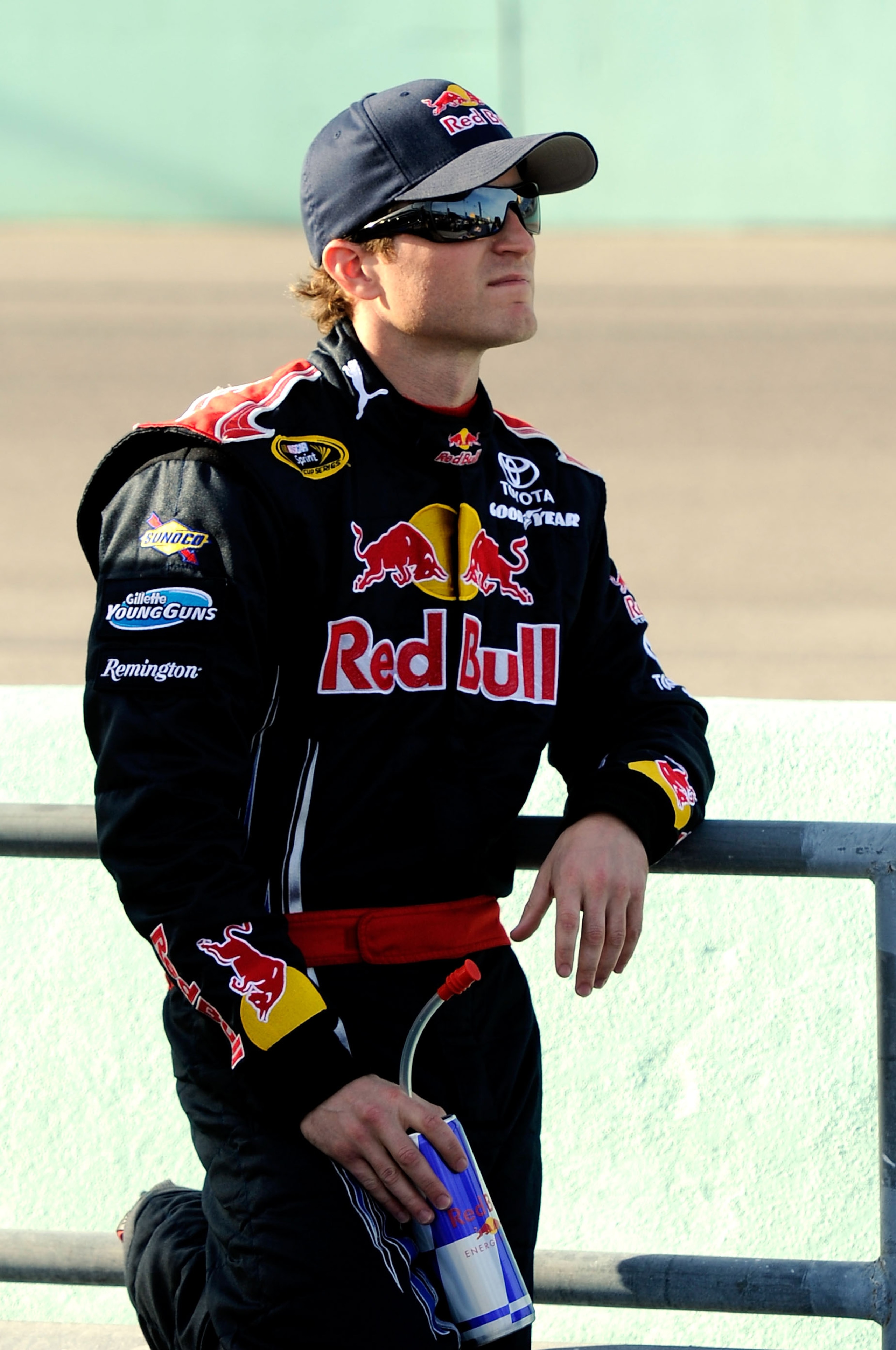
Kasey Kahne came out of the open-wheel racing environment and currently owns Kasey Kahne Racing which fields cars for the World of Outlaws, USAC Sprint Car Series and midgets.
Kahne moved up from the Nationwide Series in 2004 to drive the No. 9 Dodge when Bill Elliott decided to run a part-time schedule. He had been under contract to drive a Ford and was forced to settle with them before he could begin driving the Dodge for Ray Evernham. He finished 13th in the point standings his Rookie year.
Kahne's first win came in 2005 at Richmond, and he ended the season 23rd in points. He made the Chase in 2006, 2009 and 2010. He has 11 career wins and 87 top-10 finishes with an average of 18.4.
The 30-year-old got caught up with the merger of Evernham Racing and Petty Enterprises. He had to switch back to Ford at Richard Petty Motorsports which struggled financially this past season.
The tumultuous year found him under contract to Hendrick Motorsports in April with no known place for him to drive until 2012 due to the four team maximum already being exercised through 2011 at HMS. Later in the year it was announced he would be driving a Toyota at Red Bull Racing for the 2011 season. Drama at Petty Motorsports in the final weeks of the season caused Kahne to depart early for RBR.
Kahne being considered overrated may astound some. The reasoning for including him in this group is based on the fact that with his boyish, clean-cut looks he is highly marketable to sponsors and is popular with fans which may overshadow his talent as a driver.
His commercial and fan appeal makes him the big draw as a driver for Hendrick Motorsports. He also fits in well with his 2012 teammates, Jimmie Johnson, Dale Earnhardt Jr. and Jeff Gordon.
Though he has good potential to make the Chase, his performance can be erratic. Popularity, looks, fan appeal and scattered wins make him a marketing magnet. Given the intense level of competition, he may eventually win a NASCAR Sprint Cup title, but it is doubtful he will be a future legend.
No. 10 Brian Vickers
10 of 15
Brian Vickers is a North Carolina native who got his start in karting. Vickers moved through lower series including a NASCAR Nationwide ride funded by his father.
In 2003, Vickers replaced the late Ricky Hendrick in the No. 5 GMAC Chevrolet at Hendrick Motorsports in NASCAR's second-tier. The same year he made his Cup debut in the HMS No. 25 UAW/Delphi Chevy. In 2006, he got his first win for Hendrick at Talladega in the UAW Ford 500.
Controversy erupted at the race when Jimmie Johnson was running second, Vickers was running third and he bumped Johnson, taking him out along with leader Dale Earnhardt Jr. Johnson's crew chief, Chad Knaus, said Vickers had "run out of talent" and questioned his motives. Later he announced he would be leaving HMS for Red Bull Racing in the 2007 season.
Vickers had an erratic run at Red Bull Racing with multiple crew chief changes. Finally in 2009 he made the Chase finishing 12th in the point standings with his No. 83 car.
The 2010 season brought a career threatening health scare related to blood clots. In May it was announced he would not compete the remainder of the year
Vickers has been cleared to race in the 2011 season and will return to Red Bull Racing.
Vickers had more than his share of conflicts with other drivers on the track. His record shows 56 top-10 finishes, but his overall consistency is problematic.
No. 11 Robby Gordon
11 of 15
Robby Gordon is an excellent off-road racer who has also run CART, IROC, IMSA, SCCA and other series where he has many wins and top finishes.
Gordon debuted in the premier level of NASCAR racing back in 1991. His racing was sporadic with a plethora of teams.
In 2002, he ran his first full Cup season with Richard Childress Racing having replaced an injured Mike Skinner. He ran the Coca Cola 600 finishing eighth and the Indy 500 the same day where he finished 16th. He continued double duty for the next two years, but the results were not as good.
In 2004 he left Richard Childress Racing to form his own team. Since then his best finish in the point standings has been 26th.
Gordon has proven he is an excellent driver in other series, but at the NASCAR Sprint Cup level it remains a mystery why he continues to throw money at a series that clearly has not been kind to him, despite his three career wins and 38 top-10 finishes.
No. 12 Johnny Beauchamp
12 of 15
Johnny Beauchamp was the best known temporary winner of the Daytona 500. Driving the Holman-Moody Ford in the 1959 inaugural race, he drove to Victory Lane.
Lee Petty, who crossed the finish line with him, protested the win. Bill France Sr. spent three days reviewing films and photos before declaring Lee Petty the winner and Beauchamp second.
The Midwestern racer became a NASCAR regular in 1957 and had a second place finish on the Daytona Beach Road Course.
His statistics show 23 starts with 10 top-10 finishes and two wins. Beauchamp's name is tossed around in NASCAR history. His two career highlights were the Daytona 500 controversy and a wreck in the 1961 Daytona 500 in which he and Lee Petty were launched out of turn four, landing outside the track in a spectacular crash.
The wreck not only was life threatening to Petty, but devastated his career as a driver. Beauchamp suffered minor head injuries.
No. 13 Jimmy Spencer
13 of 15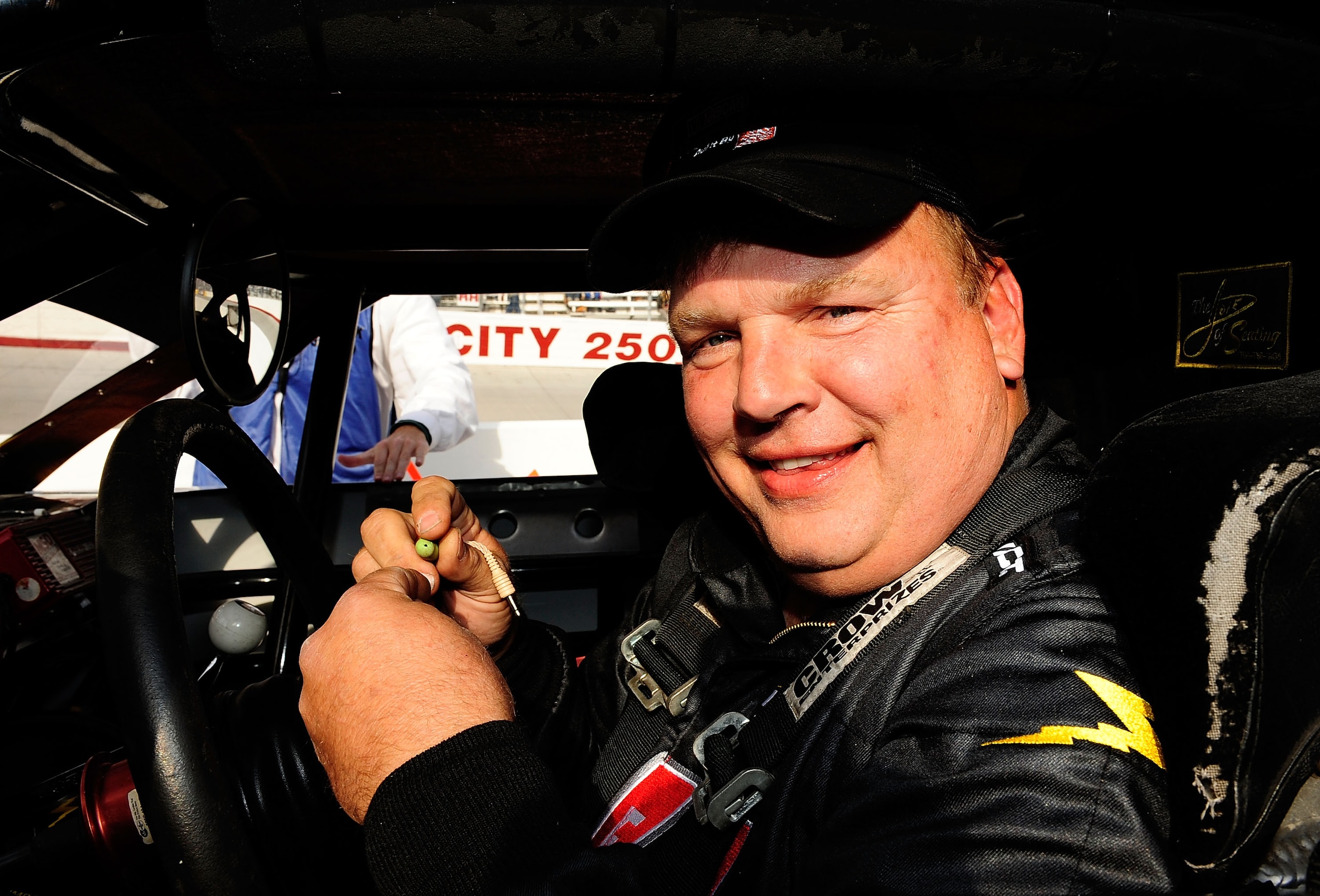
Jimmy Spencer was an outstanding NASCAR Modified driver who won championships in 1986 and 1987. He briefly passed through the NASCAR Busch (Nationwide) series and moved to Winston Cup (Sprint Cup) in 1989.
Spencer, who is a television commentator for NASCAR racing, would lead you to believe he is a NASCAR legend, but it is apparently in his own mind.
The driver known for being brash and a bit of a bull in a china shop, had only two Cup wins with 80 top-10 finishes.
He drove for a multitude of teams with a buffet of car numbers. In 2004 he lost sponsorship and moved to Morgan-McClure Racing. Spencer interfered with police who had an arrest warrant for his son. The incident caused him to lose his ride with Morgan-McClure.
He drove a few more times, but retired from racing to work full-time for Speed TV. Probably most would consider him overrated, but certainly Spencer would dispute that fact.
No. 14 Paul Menard
14 of 15
Paul Menard won an ARCA race in his first trip to Talladega in 2003. He won the only Grand Am race he entered, has finished well in Trans Am racing and competes in ice racing back home in his native Wisconsin.
Menard moved to the NASCAR Nationwide series where he had two top-10 finishes in the point standings. He ran a few Cup races, but didn't compete full-time until 2007.
His best finish was this year when he ended 23rd in points at the disheveled Richard Petty Motorsports.
Driving for Dale Earnhardt Inc. in 2007 he failed to qualify for six races, but the merger with Ginn Racing gave him owner's points that locked him into races.
Menard's father is a wealthy businessman who owns a chain of home improvement stores.
Driving in the 2007 fall race at Charlotte, Menard made contact with Tony Stewart on pit road. Stewart voiced what many people really think about Menard. He said, "You can have your father buy your ride and write DEI a big check, but you can't buy talent. And that is what John Menard's been good at his whole life, is just buying success. He bought his son a Nextel Cup (Sprint Cup) ride and he's just got enough talent to just be in the way most of the time."
Menard had a few decent runs in 2010, but shows inconsistent performance. With Richard Petty Motorsports downsizing to two teams, Menard negotiated a contract with Richard Childress Racing for 2011.
With the caliber of teams at RCR, you have to wonder if John Menard's money was the driving force behind Childress making the decision to return to four teams because the decision would not have been made based solely on Menard's driving ability.
No. 15 Dale Earnhardt Jr.
15 of 15
Dale Earnhardt Jr. was a child born to a simple, hard-working man who would one day become a NASCAR seven-time Winston Cup (Sprint Cup) Champion. The man known as the "Intimidator", Dale Earnhardt, may be considered the most popular and most respected driver in the history of the sport.
Little did the son, who was named after his dad, know of the expectations that would be placed upon him.
Dale Earnhardt Jr. has evolved as a brand with a legion of fans that remain loyal to him despite his lack of wins and top finishes. In 2010, he was voted the sports "Most Popular Driver" for the eighth consecutive time.
Junior Nation will resoundingly argue the attributes of the driver who inherited his father's legacy. They will denounce any comment that would indicate he came into the sport with Dale Earnhardt Inc. backing him with premier equipment that gave him an advantage, though it apparently did.
Make no mistake, Junior has talent as a driver with 18 career wins, 150 top-10 finishes and an average of 17.0. He has championships in the NASCAR Nationwide series.
In 2003, he finished third in the point standings. He was fifth in the points during the 2004 and 2006 seasons, having six wins in 2004 which was second to Jimmie Johnson's eight wins. But what has he done lately?
As Junior's stint at DEI deteriorated, he made the move to what many consider NASCAR's premier owner, Rick Hendrick.
At Hendrick Motorsports, there seemed to be reason for optimism in 2008, but since then his performance has been mediocre with a few bursts of hope.
Earnhardt Jr. claims his drive to win is as strong as ever and maybe it is. The 2011 season will give him yet another crew chief, Steve Letarte, who was Jeff Gordon's crew chief. He will live in the same house as Jimmie Johnson at Hendrick Motorsports.
Next season the experiment to get Dale Jr. wins, hopefully in the Chase and maybe even in contention for a title run will unfold.
Dale Jr. will never be a four-time NASCAR champion and he certainly has no chance of matching the accomplishments of his father. He may win one or two championships before he retires if all plays out as expected at the reorganized Hendrick Motorsports.
Earnhardt Jr. is good for NASCAR and if he wins, the sport wins and his fans go wild. He is a marketing dream and his popularity will flourish regardless of performance because like his father, fans can relate more to him than many of the other drivers in NASCAR's top teams.
If Junior's last name was something other than Earnhardt, he would just be another fairly good NASCAR driver.
.jpg?w=2560 "49ers Chargers Football")
.png?w=2560 "MLB Playoff Picture Shaping Up")
.jpg?w=2560 "Bucs Rookie's 'Bane' Face Mask 😈")