

Roy Halladay Playoff No-Hitter: Five Reasons It's More Impressive Than Larsen's
Baseball traditionalists never cede the high ground. From the supremacy of Babe Ruth to the joy of day baseball, there are many who just refuse to acknowledge the times when the modern game evolves far beyond the reaches of "Baseball's Golden Age."
Such entrenchment is nearly always myopic, and nowhere more so than in the recent insistence that Don Larsen, who threw a perfect game in the 1956 World Series, performed a greater feat than Roy Halladay, who threw the second-ever no-hitter in playoff history Wednesday.
Sure, Larsen managed to avoid walking anyone and, therefore, has claim to the only perfect game ever in October. But Halladay had to overcome much more to reach this summit, and given the different contexts in which the two attained their triumphs, Halladay did better. Here are five reasons why Doc reigns supreme in the comparison of playoff no-no's.
5. There's No Time Like the First Time
1 of 5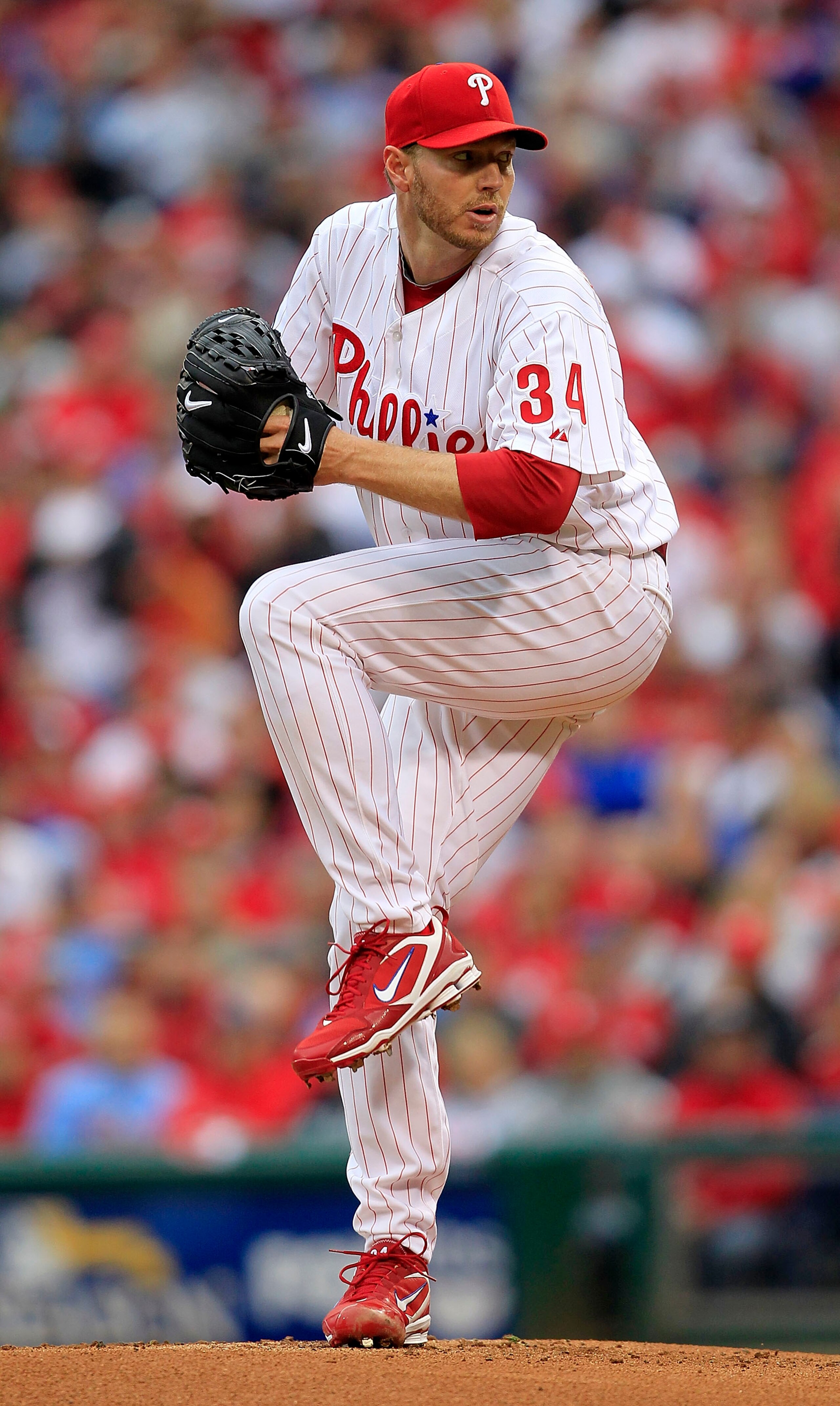
When Halladay toed the rubber Wednesday against the Cincinnati Reds, it was his first playoff appearance—ever.
Despite 12 years of stellar pitching with the Toronto Blue Jays in which he won 148 games and posted a 3.43 ERA, Halladay had never reached the playoffs because of the simultaneous New York Yankee and Boston Red Sox dynasties.
Therefore, he had to wait until he was 33-years-old to see his first postseason action. The nerves that might have accompanied a lesser man to the mound, however, were hardly in evidence. Halladay never looked hesitant, and that cool poise under the heat of his first-ever October spotlight makes his a more impressive feat.
Larsen's perfect game came in his third World Series start.
4. Larsen Was Due
2 of 5
By the time Don Larsen made his second start of the 1956 World Series, he had an awful lot for which to make up.
Larsen had taken the loss in Game Four of the 1955 Series between the Brooklyn Dodgers and his New York Yankees—and Brooklyn had gone on to win the Classic in seven games. Now New York was facing its crosstown rival again, and Larsen had gotten knocked around again in Game Two of the '56 Series: He allowed one hit, four walks, and four (unearned) runs in 1 2/3 innings that day.
Having seen Brooklyn twice already and needing to win to keep his job, Larsen performed admirably, but it ought not to be forgotten that it was the third time, and not the first, that worked as his charm.
3. Helping His Own Cause
3 of 5
Understandably, Larsen went oh-for-two with a strikeout on the day of his glorious feat. He did manage a sacrifice bunt but not much else.
Halladay, on the other hand, laced a top-spun line drive into left field in his first postseason at-bat, driving in a run and keeping alive what became a three-run rally for Philadelphia. If two-out RBI are gold, then RBI from pitchers are silver, and when Halladay delivered a two-out ribbie in the playoffs, the metallurgic scale for baseball value became somehow insufficient.
.jpg?w=2560)

2. Beating the Best
4 of 5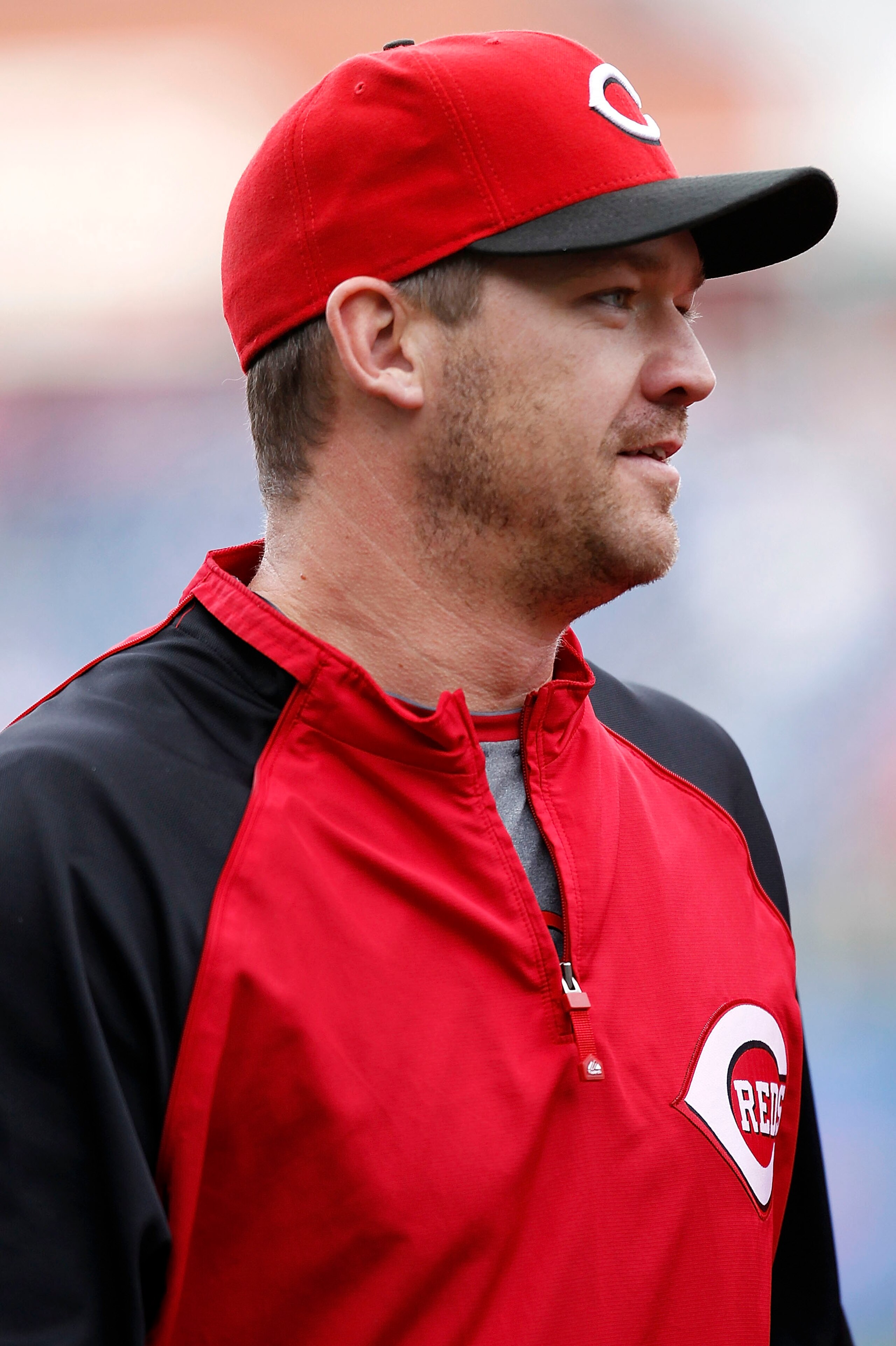
Technically speaking, the Brooklyn Dodgers lineup against which Larsen tossed his perfecto had many better players than the Reds' order Wednesday: Future Hall of Fame sluggers Roy Campanella, Jackie Robinson, Duke Snider, and Pee Wee Reese highlighted the Dodger attack.
By 1956, though, that core was depleted by age and injury. Robinson would not play again after '56, and Campanella and Reese came quickly to the end of the road. The average age of the Fearsome Foursome was 32 in '56, and that included the 37-year-olds Robinson and Reese.
By contrast, Halladay faced a Reds team armed with the consensus favorite for National League MVP (Joey Votto), a future Hall of Fame third baseman (Scott Rolen), and the best offensive outfield in the National League. The Reds led the league in runs this season, but Halladay made them look like a bottom-of-the-barrel offense.
1. Measure Of the Men
5 of 5
To understand the immense difference between Halladay and Larsen as moundsmen, one need only look at their records two years before their playoff magic. Halladay went 20-11 in 2008 with Toronto, placing second in Cy Young balloting and leading the American League in WHIP. Larsen went 3-12 with Baltimore, walking 89 batters and striking out just 80 in over 200 innings of work.
Halladay is a surefire future Hall of Fame hurler, especially given this latest accolade. Larsen, who was a tinge below average for his career and never had a single season to compare with his modestly valuable 1956, got 12.9 percent on a Cooperstown ballot in the late 1970s, and even that was probably too generous. Halladay deserves more credit for being someone whom we can remember for more than one day of fluky glory.

.jpg?w=2560 "Bijan Accepts Godfather Offer ✅")

.jpg?w=2560 "Jets RB Taken To Hospital")