2010 World Cup: Meet the 32 Captains Leading Their Teams Into Battle

By (Correspondent) on June 8, 2010

8,687 reads

15Icon_comment

Previous
1 of 34
Next
101739977_crop_650x440

Although many sports choose a team captain, given the free-flowing nature of the game, the role is particularly vital in football.

Unlike basketball coaches, football managers do not have the luxury of calling a timeout when their teams need to stop and regroup.

American football coaches can send a sub into the huddle, armed with a new play, but football managers are limited to just three substitutions for the entire match—even if it goes into extra time.

So they put their faith in the team captain, also known as a "skipper."

To borrow a term from its American counterpart, a football captain is a lot like a quarterback.

Although the coach is ultimately calling the shots from the sidelines, it's up to the captain to inspire the other players on the field and make any necessary on-the-fly adjustments (since the manager cannot call a timeout).

A good captain is level-headed and leads by example. Not surprisingly, he's often the team's best player. Captains are usually defenders (goalkeepers and centre backs are the most common choice) since their vantage point allows them to see the entire game unfold—although many central midfielders fill the role as well. Captaining a striker is rare, but it does happen (Didier Drogba, for example).

Captains in international football may even be more important than they are at the club level, since national sides only train together a handful of times per year (whereas a club managers continually develop their squads throughout the year).

Needless to say, World Cup captains have a lot riding on their shoulders.

Here are the 32 men who will lead their teams in battle in South Africa at the 2010 World Cup:

Aaron Mokoena (South Africa—Group A)

88615394_display_image

POSITION: Holding Midfielder or Central Defense
CLUB: Portsmouth (England)

His tough tackling earned our first captain the nickname "Mbazo" (The Axe). Mokoena is the youngest player to ever represent South Africa and won his 100th cap against Guatemala on May 31, 2010.

Rafael Márquez (Mexico—Group A)

97415922_display_image

POSITION: Centre Back
CLUB: Barcelona (Spain)

Despite being only 23 years-old, Márquez captained his national side in all four of Mexico's 2002 World Cup matches.

He was the first-choice centre back at Barcelona for 2008–09, but an injury to his left knee in April 2009 ended his season. Márquez's knee required surgery, and as a result, he only featured in 15 of Barcelona's league matches in 2009-10.

Patrice Evra (France—Group A)

100984181_display_image

POSITION: Left Back
CLUB: Manchester United (England)

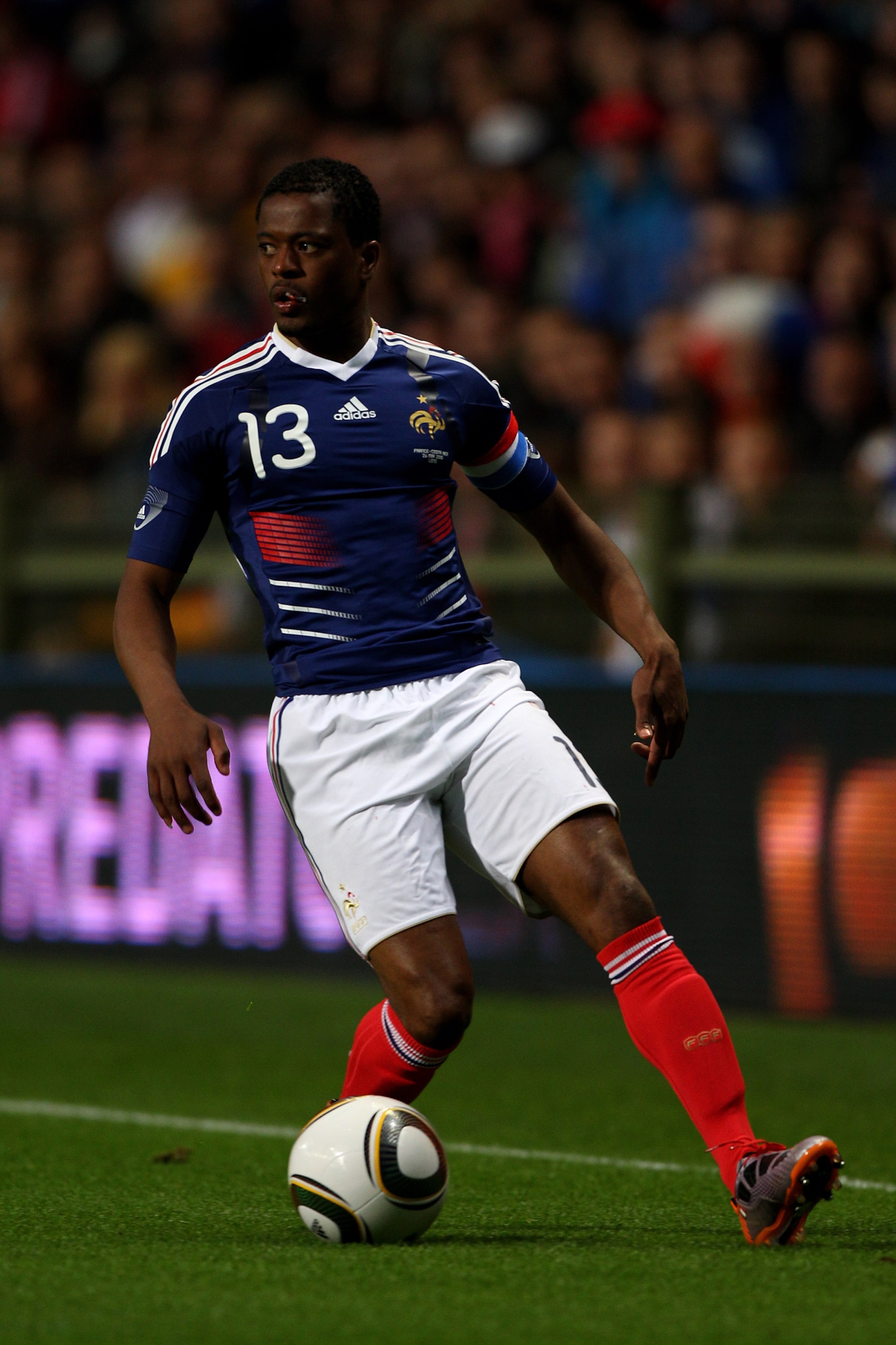
Evra captained Man U for the better part of last year as well. In a season riddled with injuries, Evra was the only consistent defender in the Red Devils' back line.

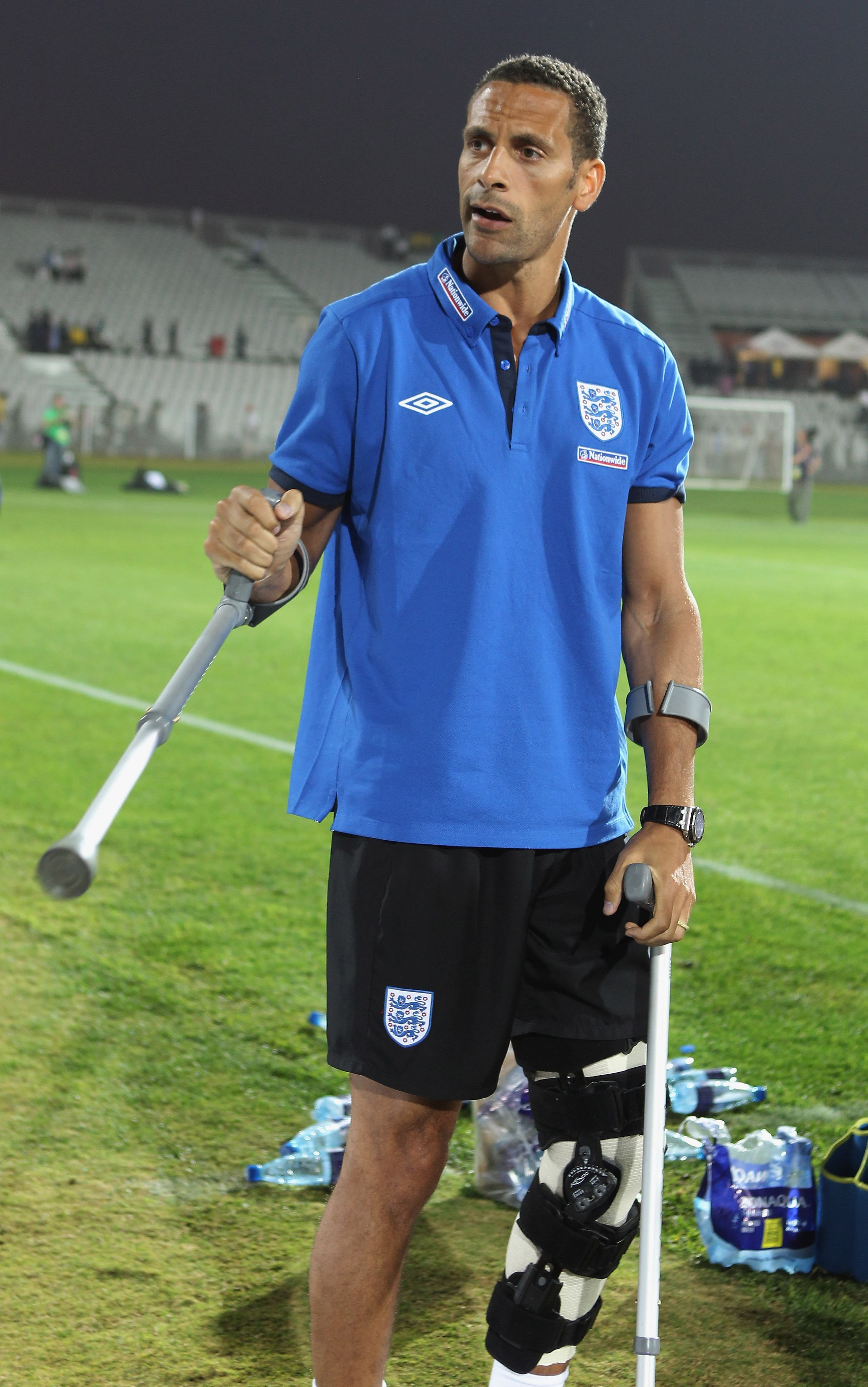
Rio Ferdinand, Man U's usual captain, only made 13 league appearances, but Evra did a fine job filling in. He inherited the armband for France following a recent run of bad form by Thierry Henry for both club and country.

Diego Lugano (Uruguay—Group A)

83764691_display_image

POSITION: Centre Back
CLUB: Fenerbahçe SK (Turkey)

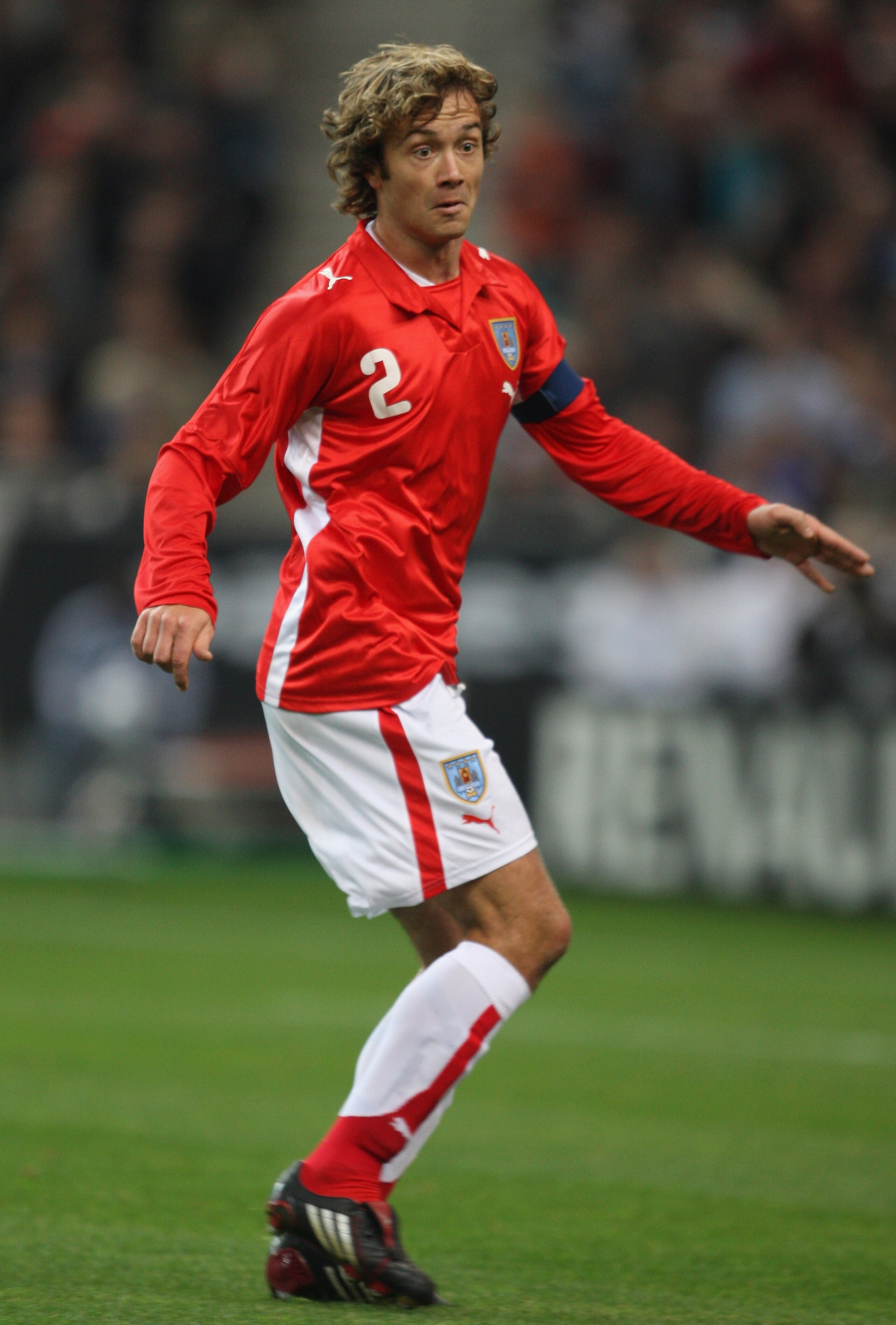
Lugano was suspended for five weeks during the 2008–2009 season after receiving a red card in the Turkish derby.

Uruguay fans will be hoping he learned how to keep his cool, lest they be forced to play without their skipper and starting centre back in South Africa.

Javier Mascherano (Argentina—Group B)

101345382_display_image

POSITION: Defensive Midfielder
CLUB: Liverpool (England)

Head coach and Argentina legend Diego Maradona considers Mascherano a key aspect of their national side, and former Argentine footballers Jorge Valdano and Jorge Solari regard him as possibly the best holding midfielder in the world. One of Mascherano nicknames is "El Jefecito" (The Little Chief).

Nwankwo Kanu (Nigeria—Group B)

97897809_display_image

POSITION: Striker
CLUB: Portsmouth (England)

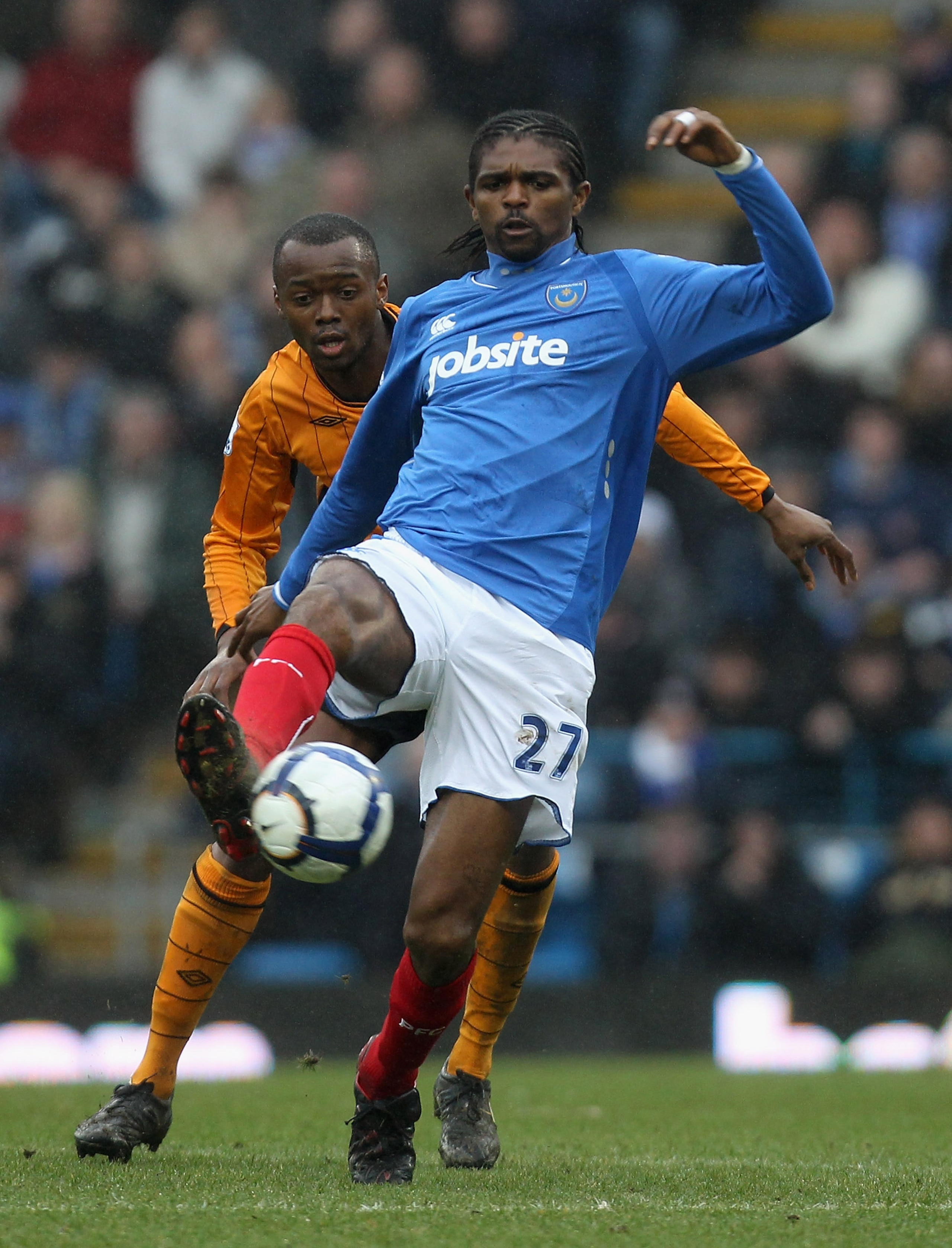
His name, Nwankwo, means, "Baby boy born on Nkwo market day," in his native language of Igbo.

He is the most decorated African footballer in history, having won a UEFA Champions League medal, a UEFA Cup medal, three FA Cups and two African Player of the Year awards, amongst others.

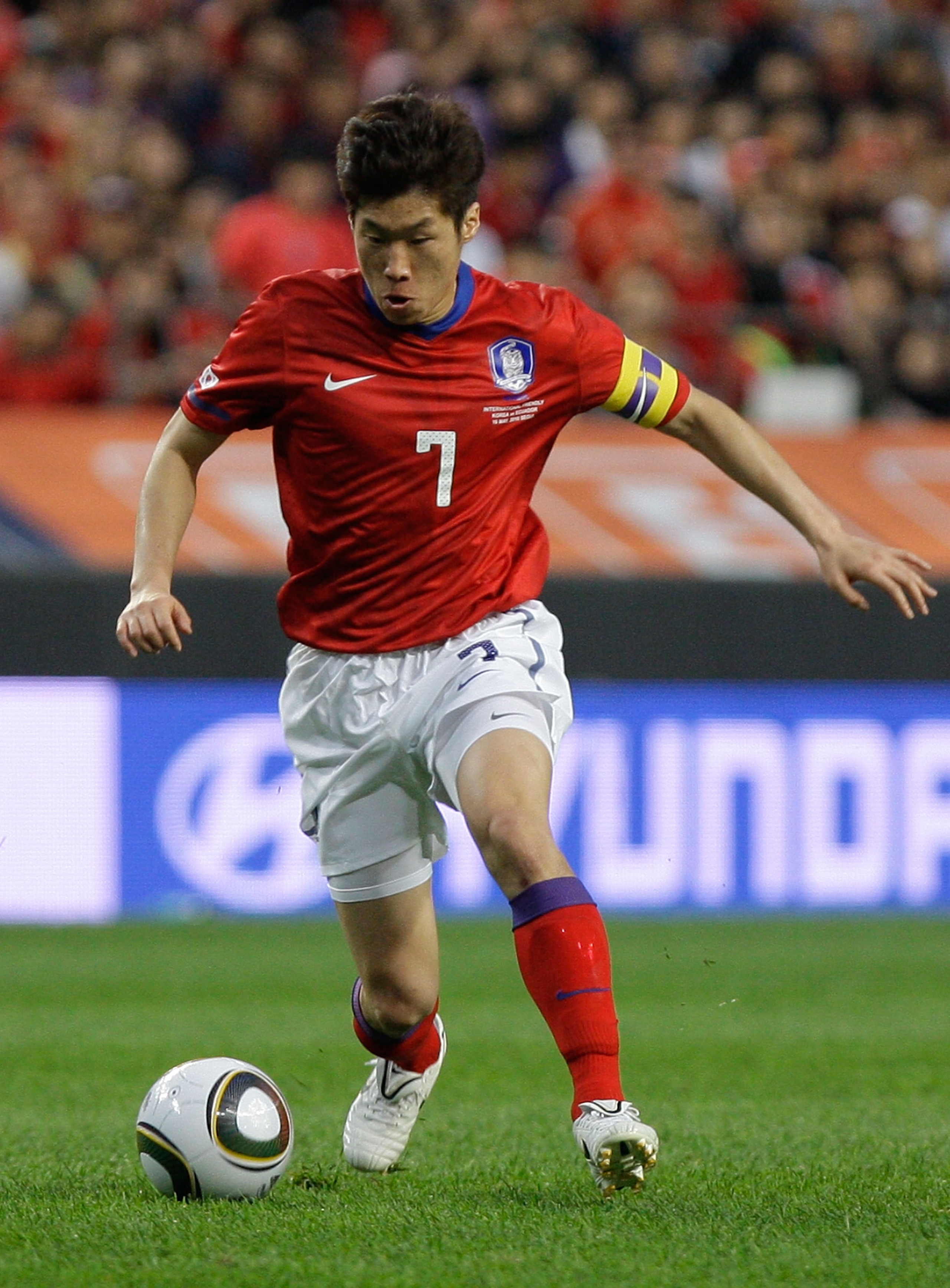
Park Ji-Sung (South Korea—Group B)

99596487_display_image

POSITION: Midfielder
CLUB: Manchester United (England)

Although he's not what most pundits would consider a world-class player, there is something to be said for the fact that Park Ji-Sung is a regular member of Sir Alex Ferguson's starting eleven at one of the world's top clubs, which also makes him the best footballer South Korea has to offer.

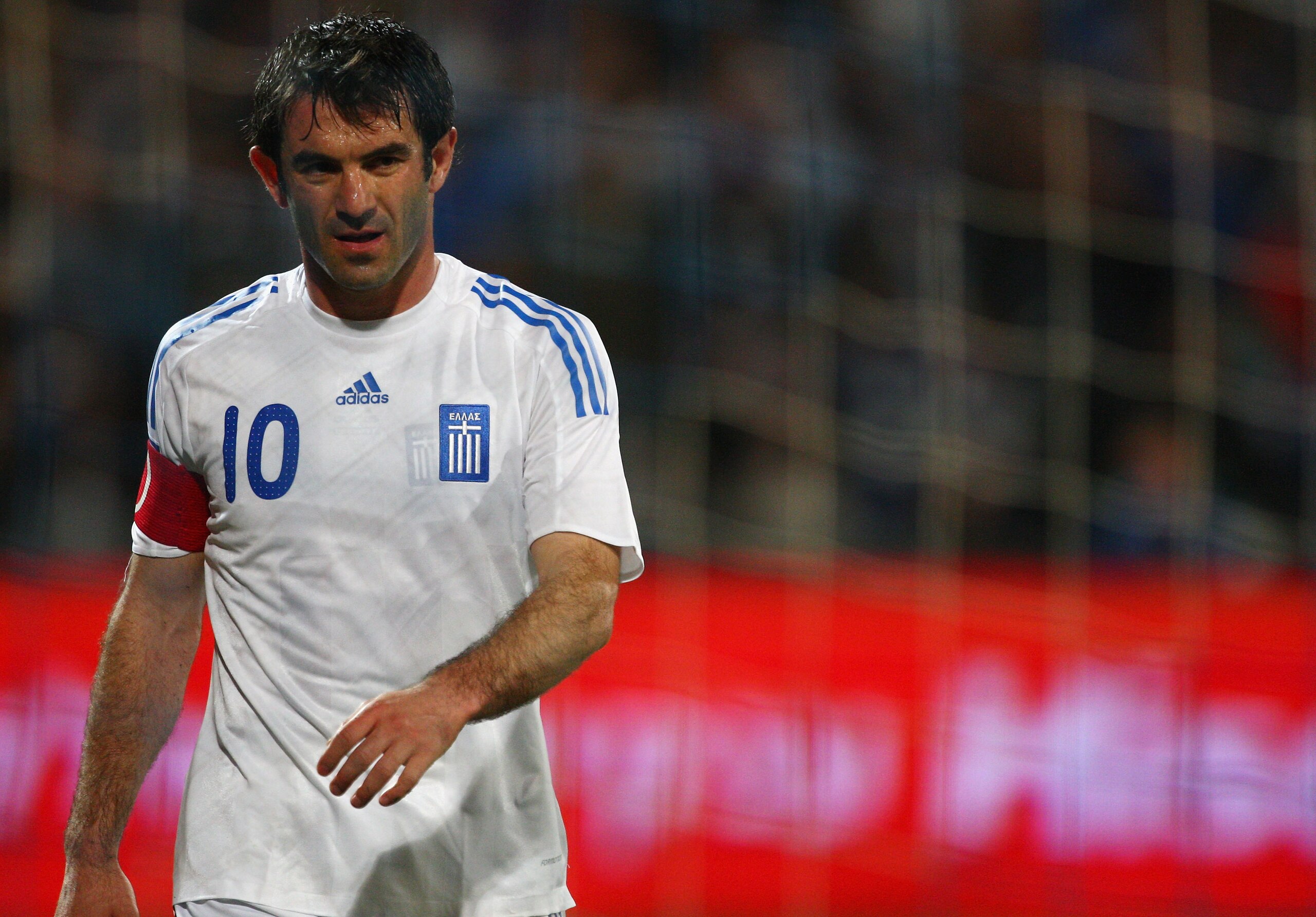
Giorgos Karagounis (Greece—Group B)

85699255_display_image

POSITION: Attacking Midfielder
CLUB: Panathinaikos FC (Greece)

ESPN's football analyst George James called Karagounis "one of the most underrated players in the world."

The highlight of his international career was a stunning long-range goal against Portugal in Euro 2004, which he helped his country win. Karagounis has also represent Greece in the 2006 World Cup qualifying campaign, the 2005 FIFA Confederations Cup, and the Euro 2008 finals.

Steven Gerrard (England—Group C)

101741329_display_image

POSITION: Central Midfielder
CLUB: Liverpool (England)

He's been Liverpool's skipper for several years now, but he's only wearing the armband for the Three Lions due to circumstances.

England coach Fabio Capello stripped John Terry of the captaincy due to his affair with Wayne Bridge's girlfriend, who is also the mother of his child. Bridge, Terry's Chelsea teammate at the time of the affair, also retired from England due to the scandal.

Rio Ferdinand inherited after that, but Capello was forced to make Gerrard the skipper when Ferdinand injured his knee last week.

I like Gerrard, but personally, I would have given the armband to Frank Lampard, who had a much better club season at Chelsea (where he is also the vice-captain behind John Terry).

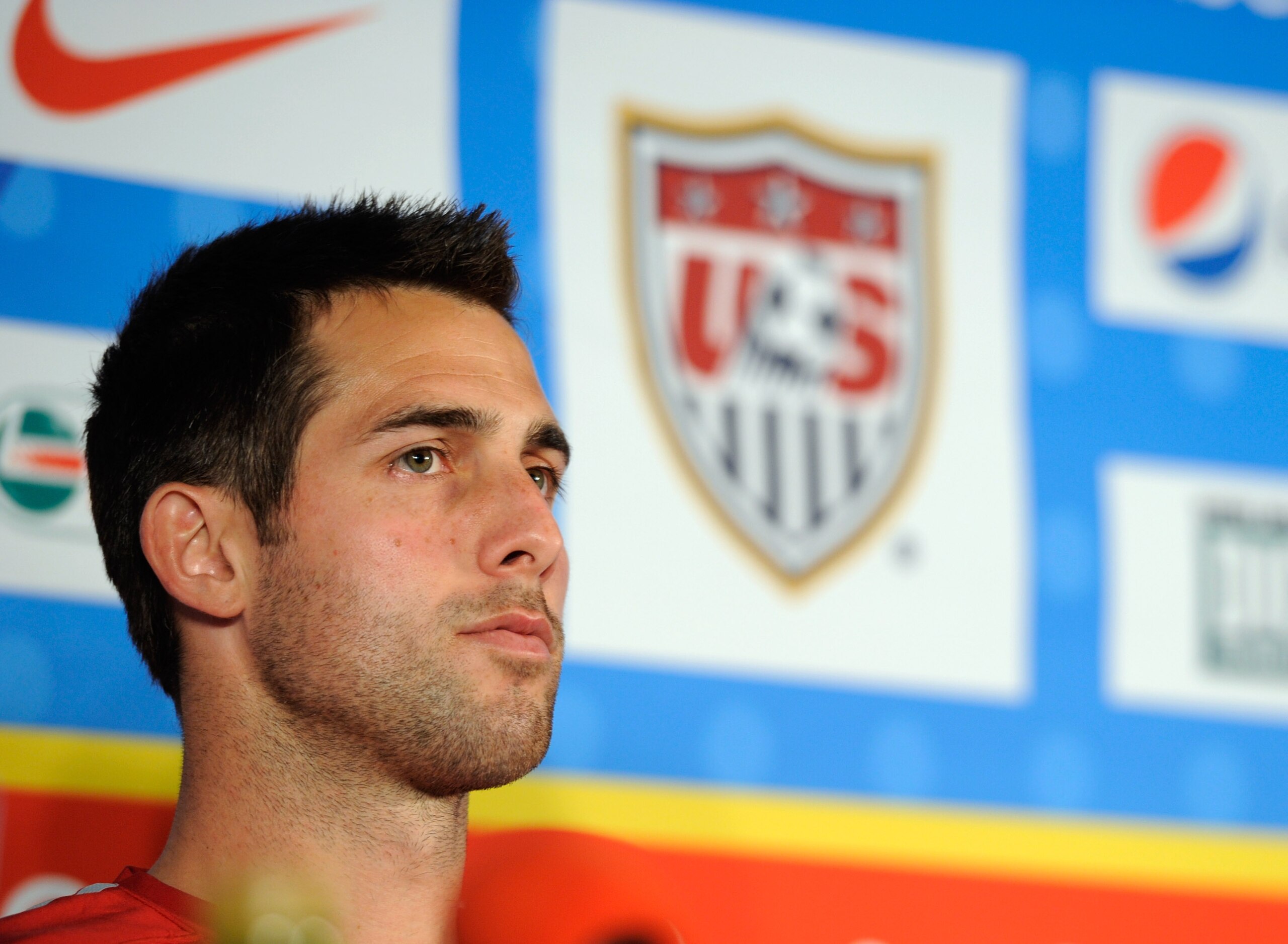
Carlos Bocanegra (USA—Group C)

101321682_display_image

POSITION: Defender
CLUB: Rennes (France)

Bocanegra captained USA for the first time on June 2, 2007 in a friendly with China, and has been Bob Bradley's first-choice ever since.

Bocanegra is a versatile defender capable of playing virtually anywhere on the back line, but Bradley has preferred to deploy him at left back ever since the 2009 Confederations Cup in which USA finished second following a heartbreaking 3-2 loss to Brazil.

Yazid Mansouri (Algeria—Group C)

93082118_display_image

POSITION: Defensive Midfielder
CLUB: FC Lorient (France)

Mansouri is a French-born Algerian footballer and the most-capped player on Algeria's national team with sixty-five.

He's also 32 years-old, which means this will probably be his last opportunity to play in a World Cup. South Africa marks Algeria's first appearance at the World Cup Finals in 24 years, and only the second time in history that they've qualified for the tournament.

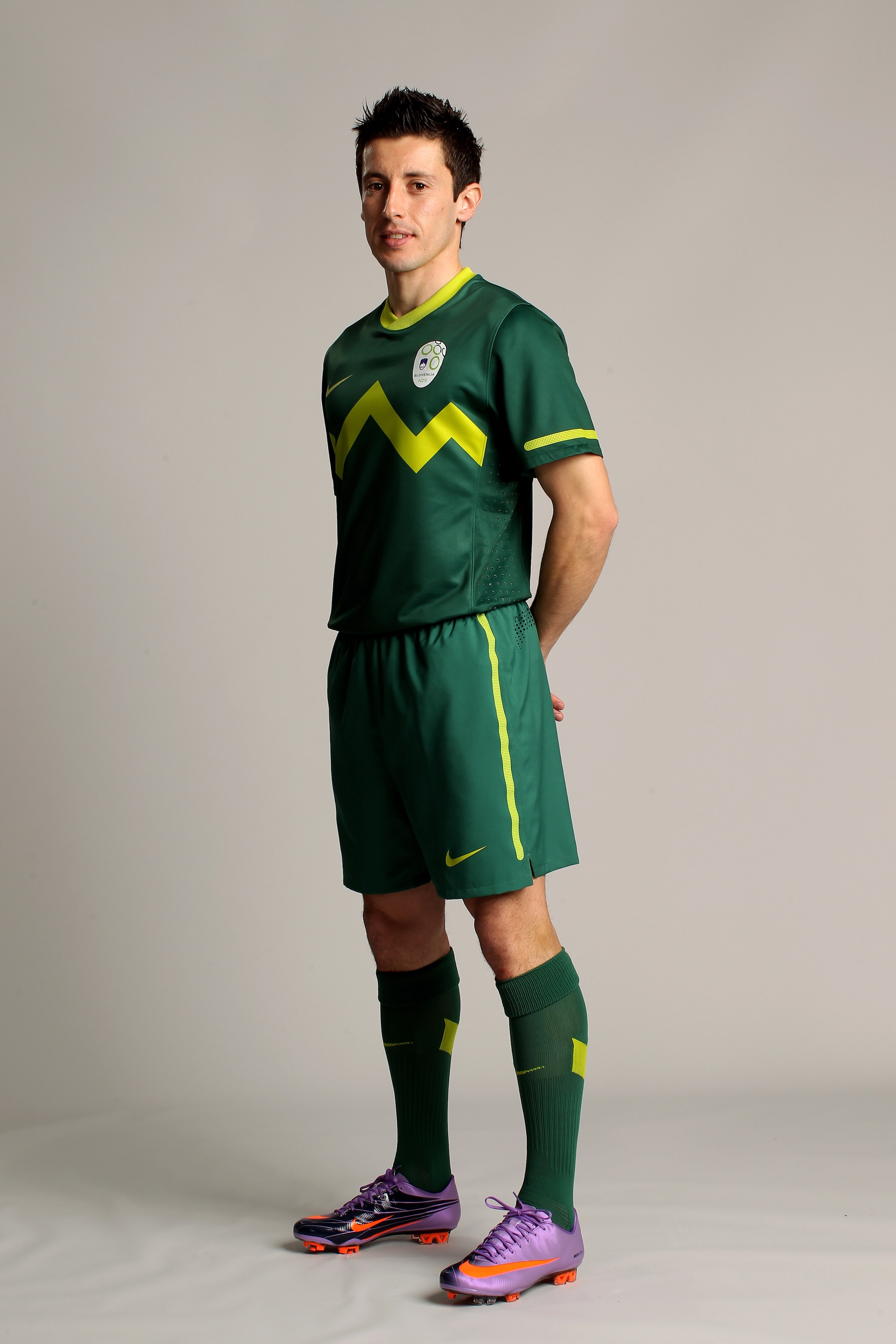
Robert Koren (Slovenia—Group C)

97055135_display_image

POSITION: Midfielder
CLUB: West Bromwich Albion (England)

Koren joined West Brom in 2007, which means he's seen them relegated from the England's first division twice during his three year tenure, but he's also aided them in their promotion just as many times, including this past season.

He assumed the captaincy for his national side prior to their 2010 World Cup qualifying campaign in which they finished second in Group 3 behind Slovakia. However, a play-off victory over Russia sealed their place in South Africa.

Philipp Lahm (Germany—Group D)

85788146_display_image

POSITION: Right Wingback/Winger
CLUB: Bayern Munich (Germany)

Philipp Lahm is another example of a player who inherited the armband due to injury. Germany's usual captain, Michael Ballack, sustained an ankle injury during Chelsea's FA Cup Final match with Portsmouth in May that ruled him out of this year's competition.

Lucas Neill (Australia—Group D)

101640697_display_image

POSITION: Right Back
CLUB: Galatasaray (Turkey)

Neill is a right back who is also capable of playing in central defense.

After almost 15 years in England (experience that will serve him well should the "Socceroos" find themselves pitted against Three Lions in the round of 16), he transferred to Galatasaray in 2010, where he linked up with Australian teammate Harry Kewell.

Nemanja Vidic (Serbia—Group D)

101262807_display_image

POSITION: Centre Back
CLUB: Manchester United (England)

With a reputation for no-nonsense defending, Vidic is the injured Rio Ferdinand's usual partner in central defense at Manchester United.

Widely regarded as one of the finest centre backs in all of Europe, his countrymen will be looking for him to lead them out of a highly competitive Group D in which all four teams have a very realistic chance of progressing to the round of 16.

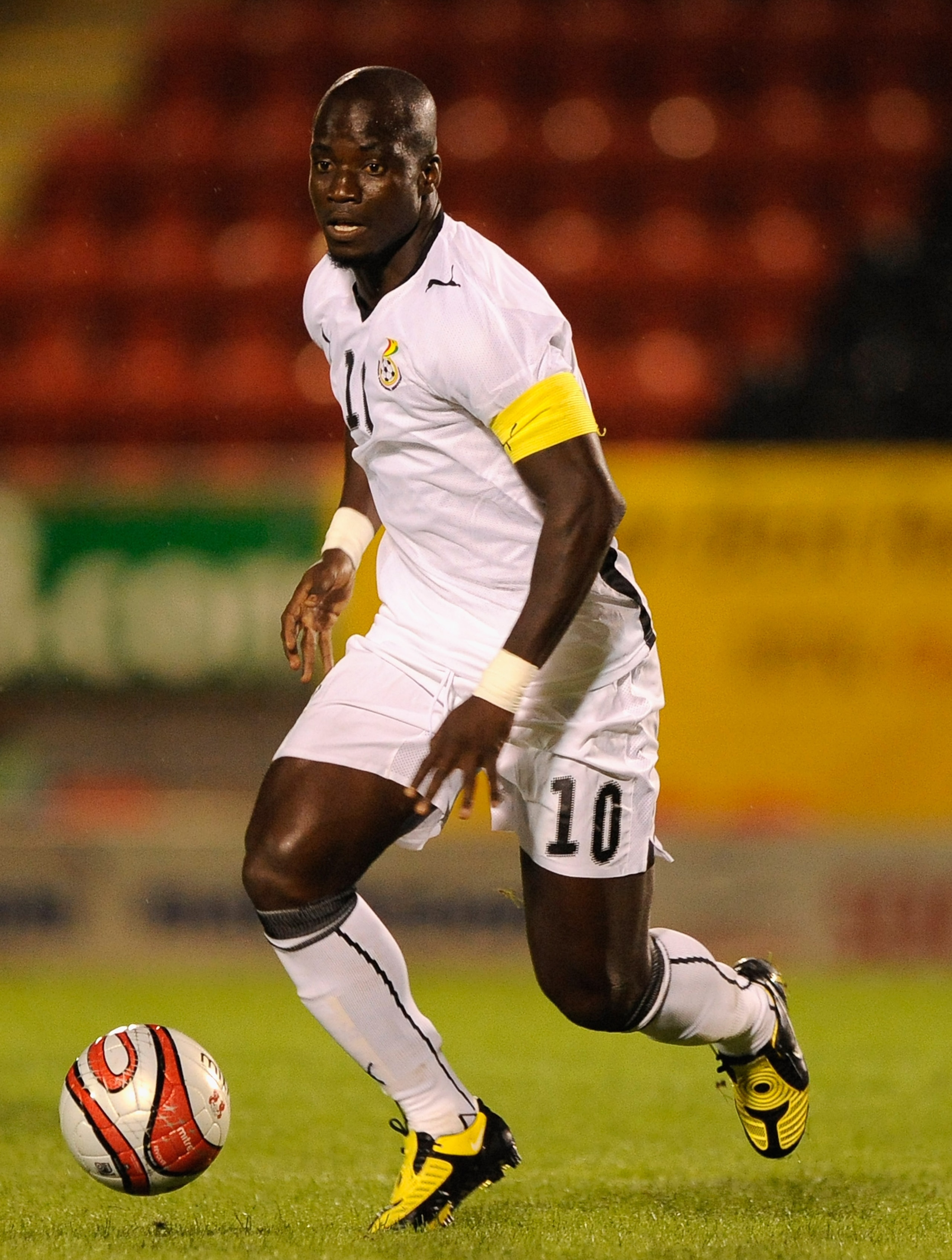
Stephen Appiah (Ghana—Group D)

89767375_display_image

POSITION: Midfielder
CLUB: Bologna (Italy)

Nicknamed "Tornado" due to his combative nature, Appiah has a strong engine and good tactical awareness.

A lingering knee injury has disrupted his professional career the past couple of seasons, but he finally settled at Serie A side Bologna in 2009. Despite making only two club appearances since then, he remains a vital part of the Black Stars' World Cup hopes in South Africa.

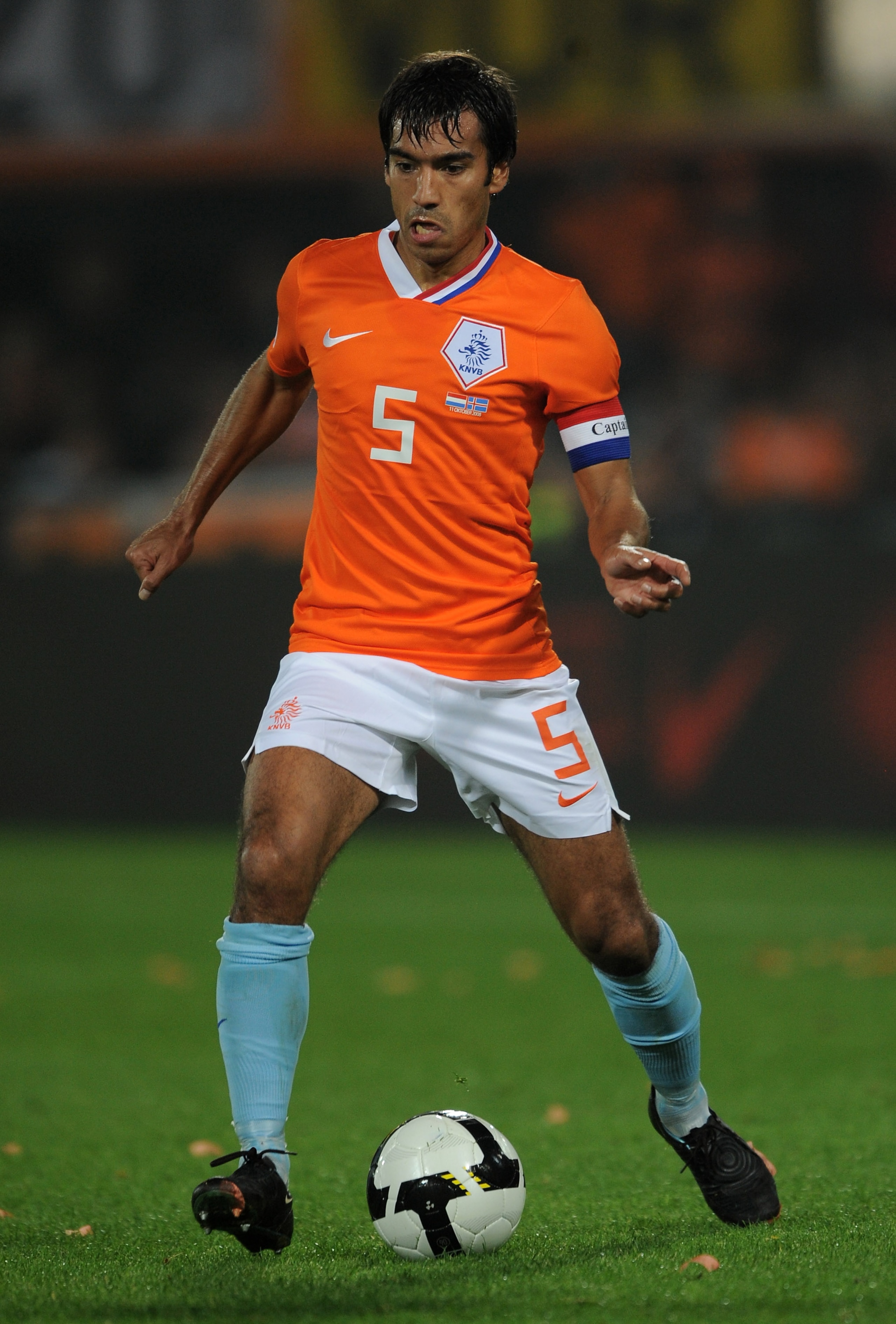
Giovanni van Bronckhorst (Holland—Group E)

83243786_display_image

POSITION: Left Back / Defensive Midfielder
CLUB: Feyenoord (Holland)

Also known as Gio for short, van Bronckhorst has earned over 90 caps for Clockwork Orange, representing his country in two World Cups (1998 and 2006) as well as three European Championships (2000, 2004, and 2008).

At 35 years-old, this is surely his last opportunity to hoist the World Cup trophy for Holland, who have a history of choking at the competition despite the strength of their squads heading in.

Jon Dahl Tomasson (Denmark—Group E)

91900374_display_image

POSITION: Second Striker
CLUB: Feyenoord (Holland)

Jon Dahl Tomasson finds himself in the same group as fellow Feyenoord teammate, Giovanni van Bronckhorst, in South Africa.

He has earned 110 caps for Denmark and with 51 goals, he is their all-time second highest scorer. He netted four goals in the 2002 FIFA World Cup, but the Danish Dynamite failed to qualify for the 2006 competition.

Samuel Eto'o (Cameroon—Group E)

97606102_display_image

POSITION: Striker
CLUB: Inter Milan (Italy)

Fresh off of a Serie A and Champions League double, Eto'o is no doubt hoping to add to this year's trophy haul, but this time around for his country.

In addition to being part of the Cameroon squad that won the Olympic tournament in 2000, he has participated in two World Cups (1998 and 2002) and five African Nations Cups (including two championships).

He has scored 44 goals in 96 appearances for the Indomitable Lions.

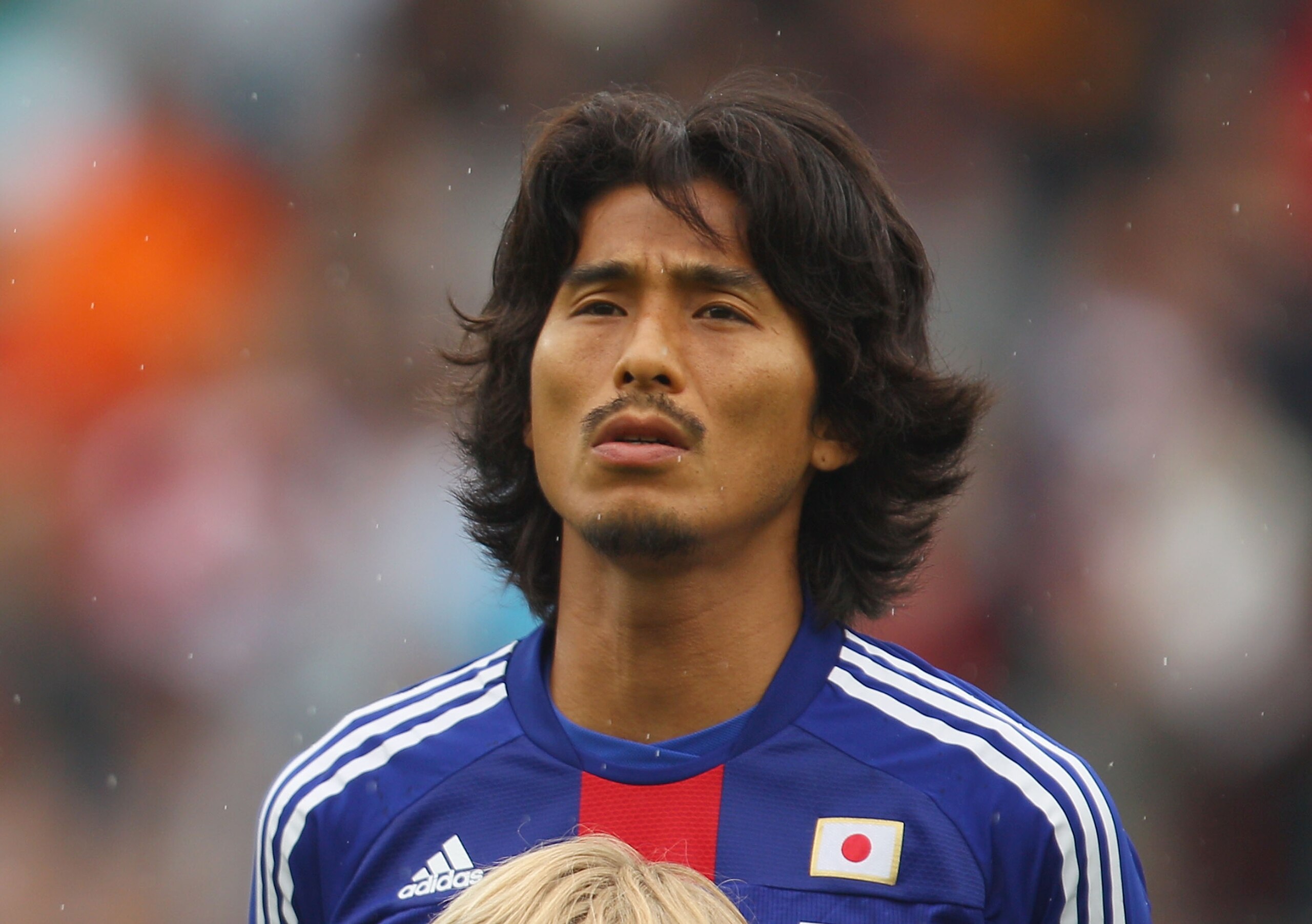
Yuji Nakazawa (Japan—Group E)

101283373_display_image

POSITION: Centre Back
CLUB: Yokohama F. Marinos (Japan)

Nicknamed the "Bomber" due to his trademark hairstyle, Nakazawa is one of only three Japanese players to ever receive 100 caps.

He announced his retirement from international football after Japan failed to progress at the 2006 FIFA World Cup, but changed his mind six months later.

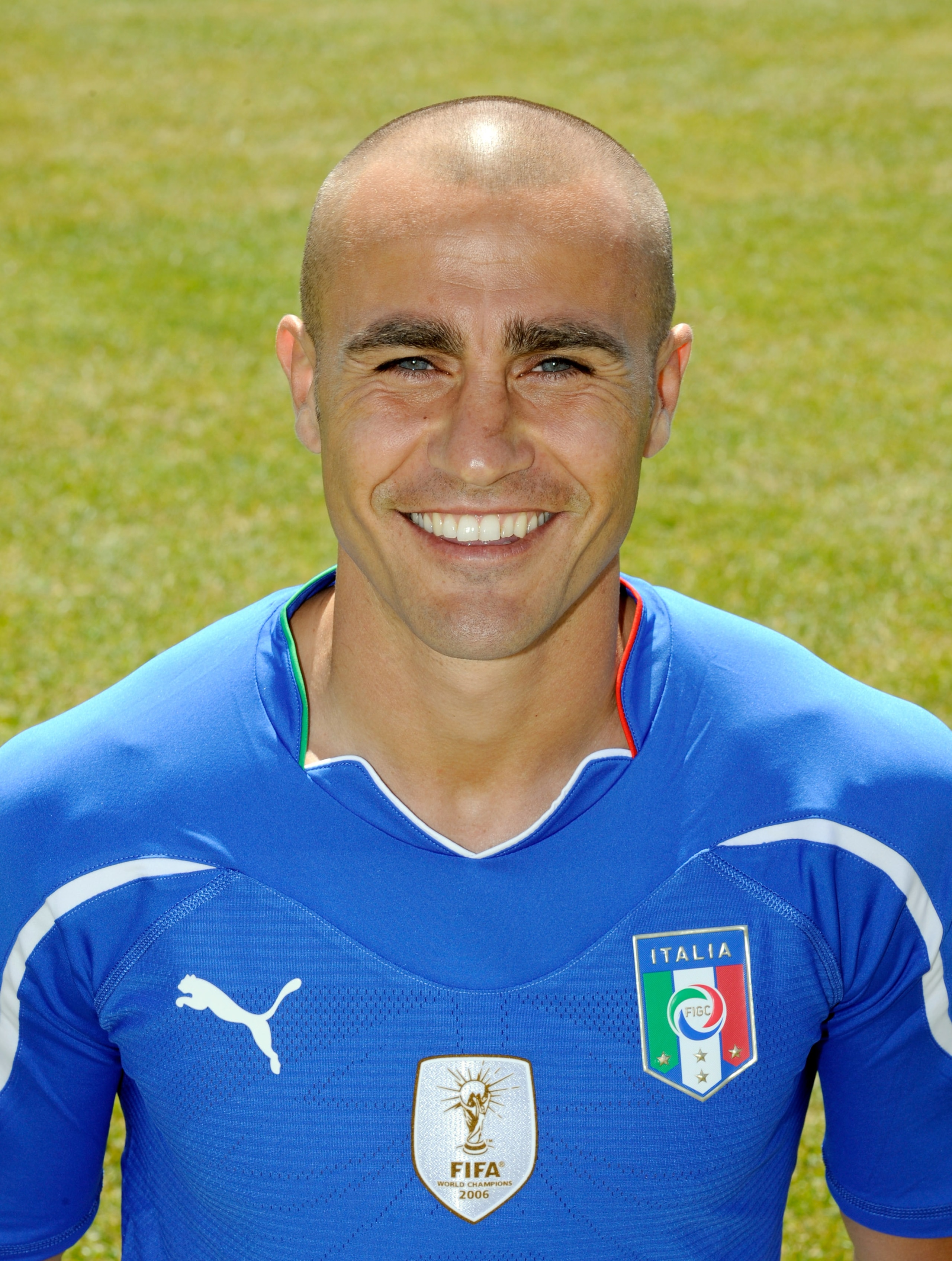
Fabio Cannavaro (Italy—Group E)

100964194_display_image

POSITION: Centre Back
CLUB: Al-Ahli Dubai (United Arab Emirates)

After eighteen years with some of the world's biggest clubs—including Real Madrid, Juventus, and Inter Milan—Cannavaro announced his transfer to UAE club Al-Ahli Dubai at the conclusion of the 2009-10 Serie A season.

He represented his country in the 1998, 2002, and 2006 World Cups, as well as Euro 2000 and Euro 2004. He took over the captaincy following the 2002 World Cup, quickly winning his teammates over with his constant smile, inspiring performances, and championship finish at the 2006 World Cup in Germany.

Justo Villar (Paragueay—Group F)

56986715_display_image

POSITION: Goalkeeper
CLUB: Real Valladolid (Spain)

Selected as the back up to the legendary José Luis Chilavert in the 2002 World Cup, Villar returned in as a starter in the 2006 edition, but suffered an injury just seven minutes into Paraguay's opening match against England.

The injury sidelined Villar for the rest of the tournament, in which Paraguay failed to advance beyond the group stage.

Ryan Nelsen (New Zealand—Group F)

100024319_display_image

POSITION: Defender
CLUB: Blackburn Rovers (England)

Interestingly enough, Nelsen began his professional career in MLS with D.C. United, where he assumed the captaincy in 2003 during his third season with the club. He then transferred to Blackburn on a free transfer in 2005.

He was absent from his national side from 2004 to 2008 due to a lingering hamstring injury. However, he returned to the squad for the 2010 World Cup qualifying campaign, where he captained the All Whites in their intercontinental playoff victory over Bahrain, earning them a spot in the World Cup Finals for only the second time in New Zealand's history.

Marek Hamšík (Slovakia—Group F)

101267244_display_image

POSITION: Midfielder
CLUB: Napoli (Italy)

Hamšík began his international career at the junior level, playing in the UEFA Under-17 European Championships qualifiers, the UEFA Under-19 European Championships, and the Slovakian Under-21 squad.

He made his debut for the senior team on February 7, 2007 in a friendly match with Poland and has since become a key member of the attack at central attacking midfielder or left wing.

Didier Drogba (Ivory Coast—Group G)

101616641_display_image

POSITION: Striker
CLUB: Chelsea (England)

It looked as though Drogba would be yet another entry on a long list of players ruled out of South Africa due to injury when he fractured his right ulna (forearm) during a World Cup warm-up with Japan. But following emergency surgery, it looks as though Drogba will be able to play after all.

One can't help but wonder how effective a footballer with a broken arm can be. However, this much is certain: as one of the word's premiere strikers and captain of the Ivory Coast, his mere presence on the pitch is sure to boost the Elephants' morale.

Cristiano Ronaldo (Portugal—Group G)

97424294_display_image

POSITION: Winger
CLUB: Real Madrid (Spain)

A pleasure to watch regardless of your opinion towards him, the former FIFA World Player of the Year and Ballon d'Or winner in 2008 is currently the highest paid footballer in terms of pure salary (he earns approximately $240,000 per week).

Ronaldo also set the record for the most expensive player in history when he moved to Real Madrid from Manchester United on an 80 million pound transfer ($115 million) in 2009. Despite a disappointing first season at Bernabéu that yielded no silverware, there are still those who think he was worth every penny.

Lucio (Brazil—Group G)

97376565_display_image

POSITION: Centre Back
CLUB: Inter Milan (Italy)

Born Lucimar Ferreira da Silva, Lúcio was member of the Brazilian squad that won the World Cup in 2002.

He set a FIFA record in the 2006 competition by playing 386 consecutive minutes without committing a foul, a remarkable achievement for a defender.

USA fans will forever remember him as the guy who scored the match winning goal in the 2009 Confederations Cup final in their heartbreaking 3-2 loss to Canarinho (Little Canary).

Hong Yong-Jo (North Korea—Group G)

85758804_display_image

POSITION: Striker
CLUB: FC Rostov (Russia)

Hong Yong-Jo is the only member of the North Korean squad who plays professionally in Europe.

He will have to repeat the form that saw him score 4 goals during AFC qualifying, if his side has any hope of competing with Group G powerhouses Brazil, Portugal, and Ivory Coast in what many consider this year's group of death.

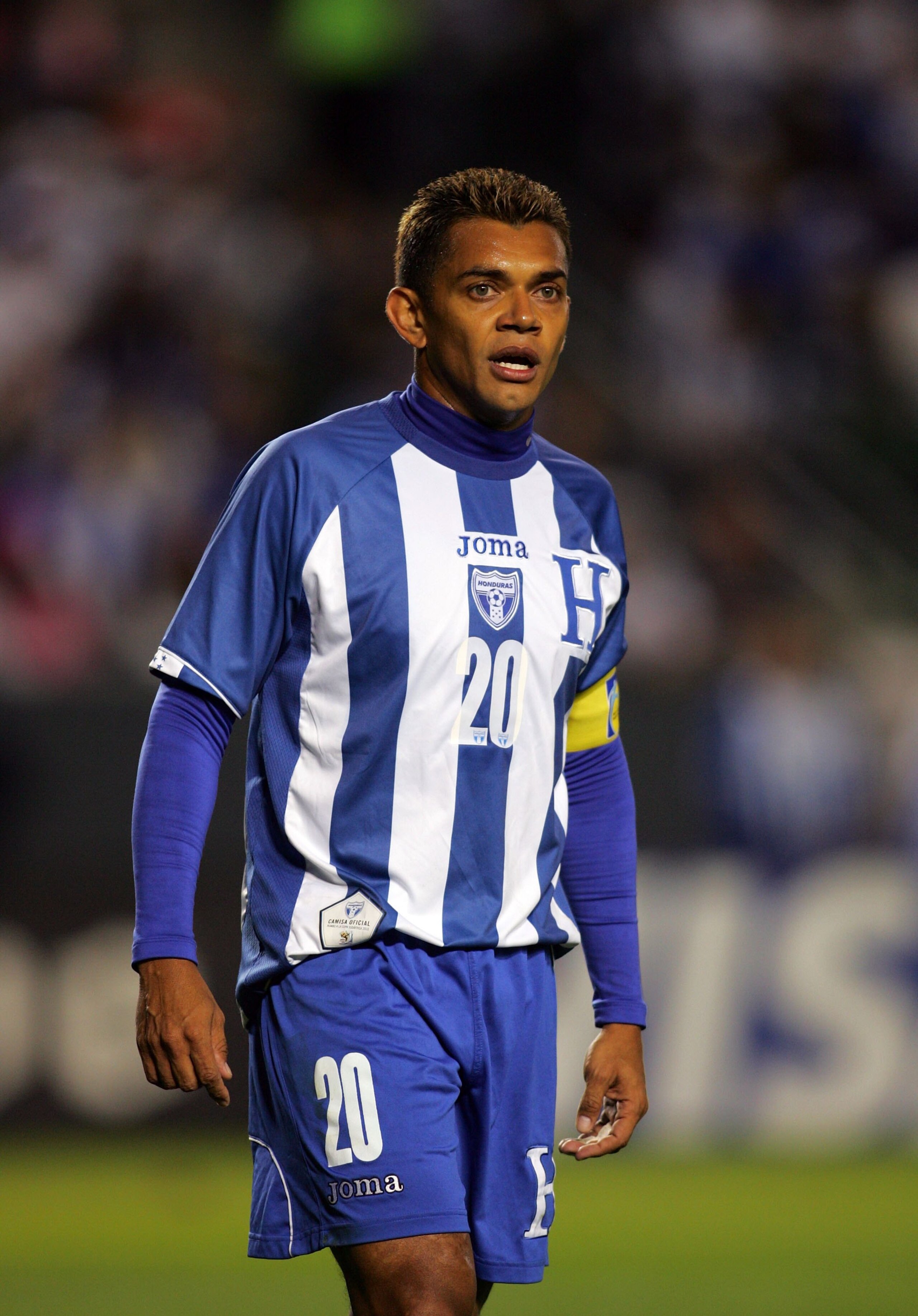
Amado Guevara (Honduras—Group H)

96188936_display_image

POSITION: Attacking Midfielder
CLUB: C.D. Motagua (Honduras)

Guevara returned to his old club Motagua following stints in Spain, Mexico, and MLS. As Honduras' all-time leading cap-winner (135), he's scored 29 goals.

He was named MVP in the 2001 Copa America tournament after leading Honduras to a surprising third place finish that included a 2-0 upset over Brazil in the quarter-finals.

His fellow countrymen will be looking for a repeat of that form in South Africa, where Honduras will face 2010 favorites Spain in the group stage.

Claudio Bravo (Chile—Group H)

83775106_display_image

POSITION: Goalkeeper
CLUB: Real Sociedad (Spain)

Bravo made his senior team debut against Paraguay in the 2004 Copa América after representing Chile at the U-17, U-20 and U-23 levels.

He inherited the captain's armband for Chile when Marcelo Salas announced his international retirement in 2007.

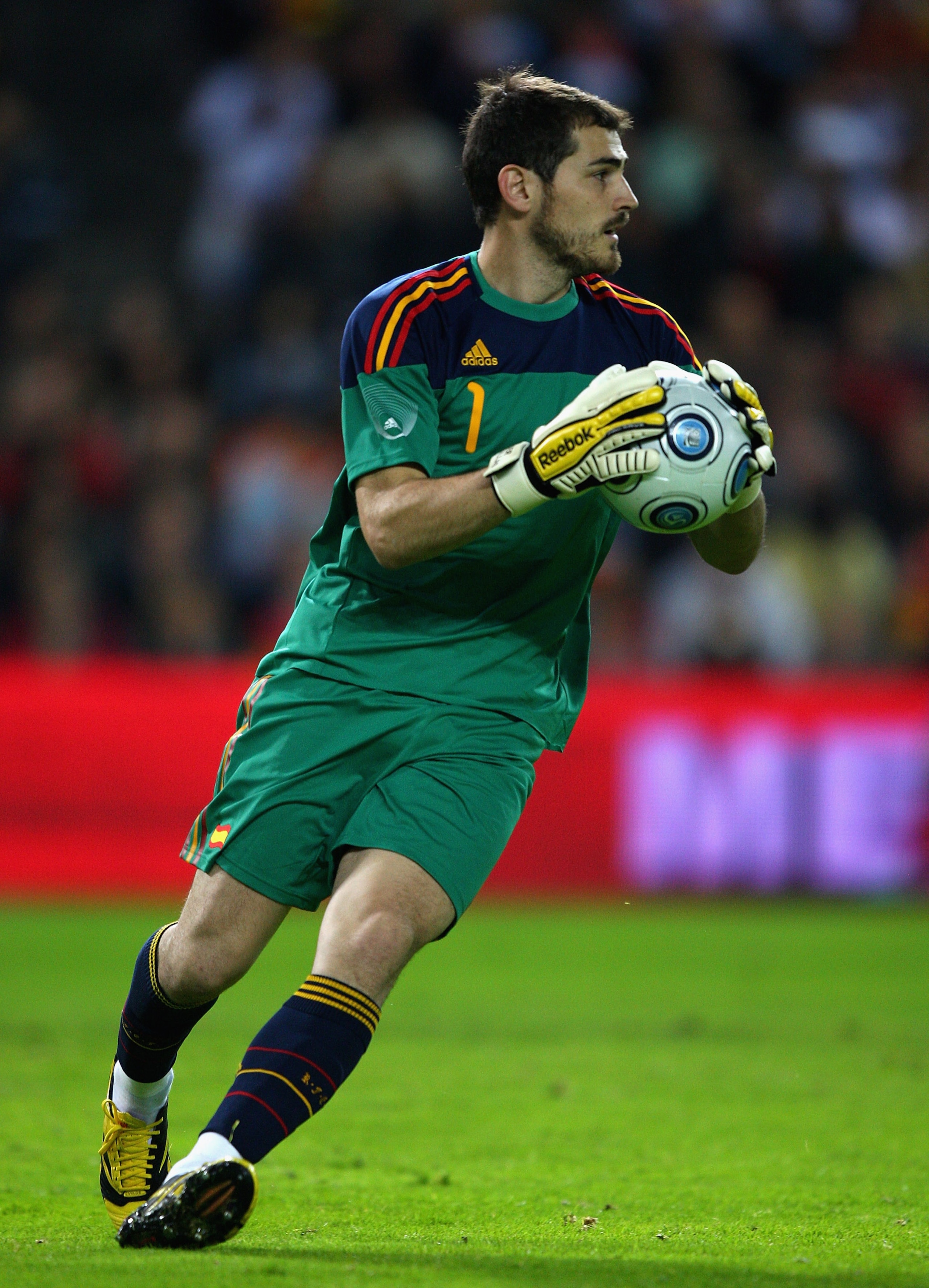
Iker Casillas (Spain—Group H)

93081764_display_image

POSITION: Goalkeeper
CLUB: Real Madrid (Spain)

Unlike outfield players, goalies are said to get better with age, which means Iker Casillas (29) still has his best years ahead of him.

Without a doubt one of the world's best keepers, Casillas has been a staple member of the Spanish squad for almost ten years, assuming the captaincy for the first time during the last World Cup.

Following their 2006 loss to France in the round of 16, they head into this year's competition as tournament favorites. This time around, La Furia Roja (the Red Fury) will be looking to improve upon that finish and for Casillas to lead them to their first ever World Cup championship.

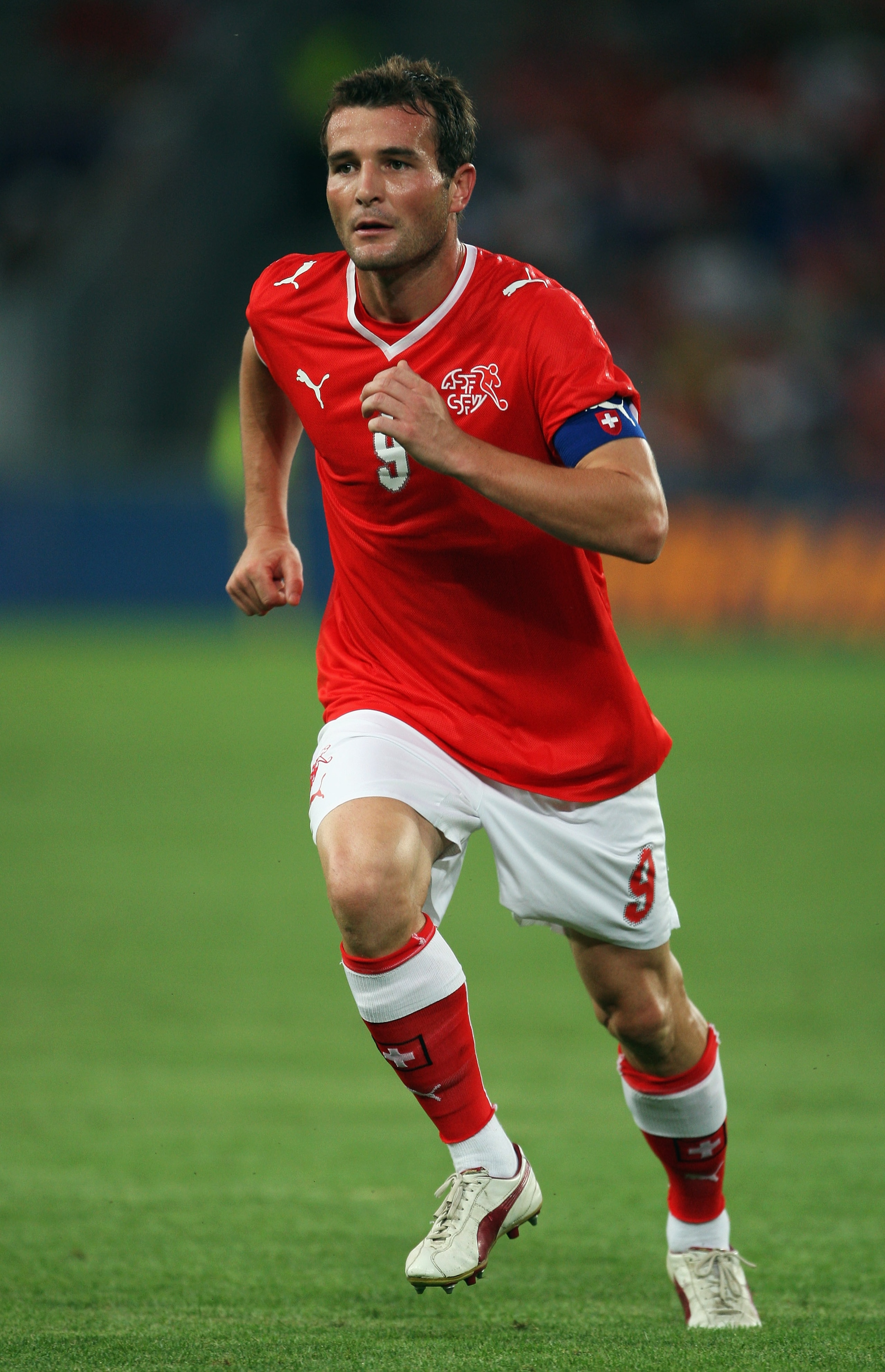
Alexander Frei (Switzerland—Group H)

89769614_display_image

POSITION: Striker
CLUB: FC Basel (Switzerland)

Frei is a veteran of Switzerland's national team. He represented his country in Euro 2004, the 2006 FIFA World Cup, and Euro 2008—although he tore a knee ligament in the opening match against Czech Republic, forcing him to sit out the rest of the tournament.

At the time of this publication, he has 73 caps for Switzerland and is also their all-time leading scorer with 40 goals.

Begin Slideshow
Keep Reading
Flag
Props (0)
This article is

What is the duplicate article?

Why is this article offensive?

Where is this article plagiarized from?

Why is this article poorly edited?

Flag This Article
Default-user-icon-comment
or to post a comment

15 Comments

There are no comments yet. Get the conversation started by leaving the first comment
Big
Loading comments...
just now posted just now
  • Loading...
  • Nobody has liked this comment yet
Cancel

This comment and all replies have been deleted This comment has been deleted Undo delete

Follow B/R on Facebook

World Football

Subscribe Now

We will never share your email address

Thanks for signing up.

Updated EPL Summer Window Rankings Hint: you can use arrow keys to navigate through this channel.