The 10 Worst Cases of the Yips In Sports
Like a bad disease, a case of the yips can come out of nowhere for unexplainable reasons. If left uncured, they can destroy an athlete's career or set an athlete on a long path of self-discovery.
Sports fans got another glimpse of the yips this week when Brewers catcher Gregg Zaun, a 15-year big league veteran, had a brief spell of inability to throw the ball back to the mound.
Zaun's temporary case of the yips brought back memories of other past baseball players and other athletes who could not handle the seemingly regular task of their craft.
The yips have happened in different sports, but appear to attack baseball players and basketball players the worst. However, a few other athletes had the unfortunate experience to join the list of the ten worst yips in sports.
Steve Sax
Steve Sax was a 13-year big league veteran who, in his third season in 1983 with the Los Angeles Dodgers, endured a case of the yips that eventually became named after him.
Later called "Steve Sax Syndrome", the then-Dodgers second baseman all of a sudden could not accurately throw the ball from his position to first base. His overthrows, wide throws, and throws in the dirt led to 30 errors that season.
It was only a temporary lapse for Sax who later became one of the best fielding second baseman in baseball in 1989.
Chuck Knoblauch
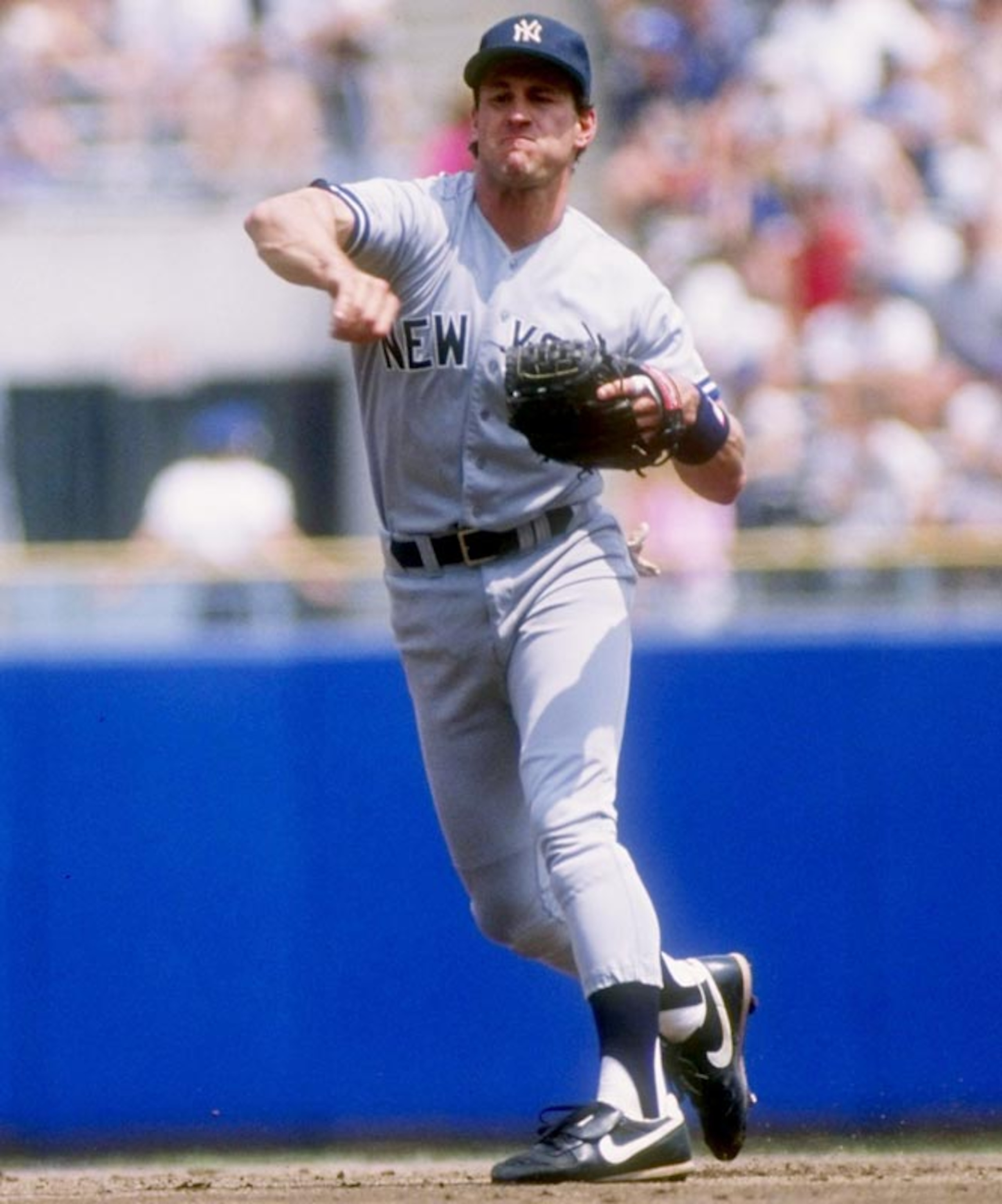
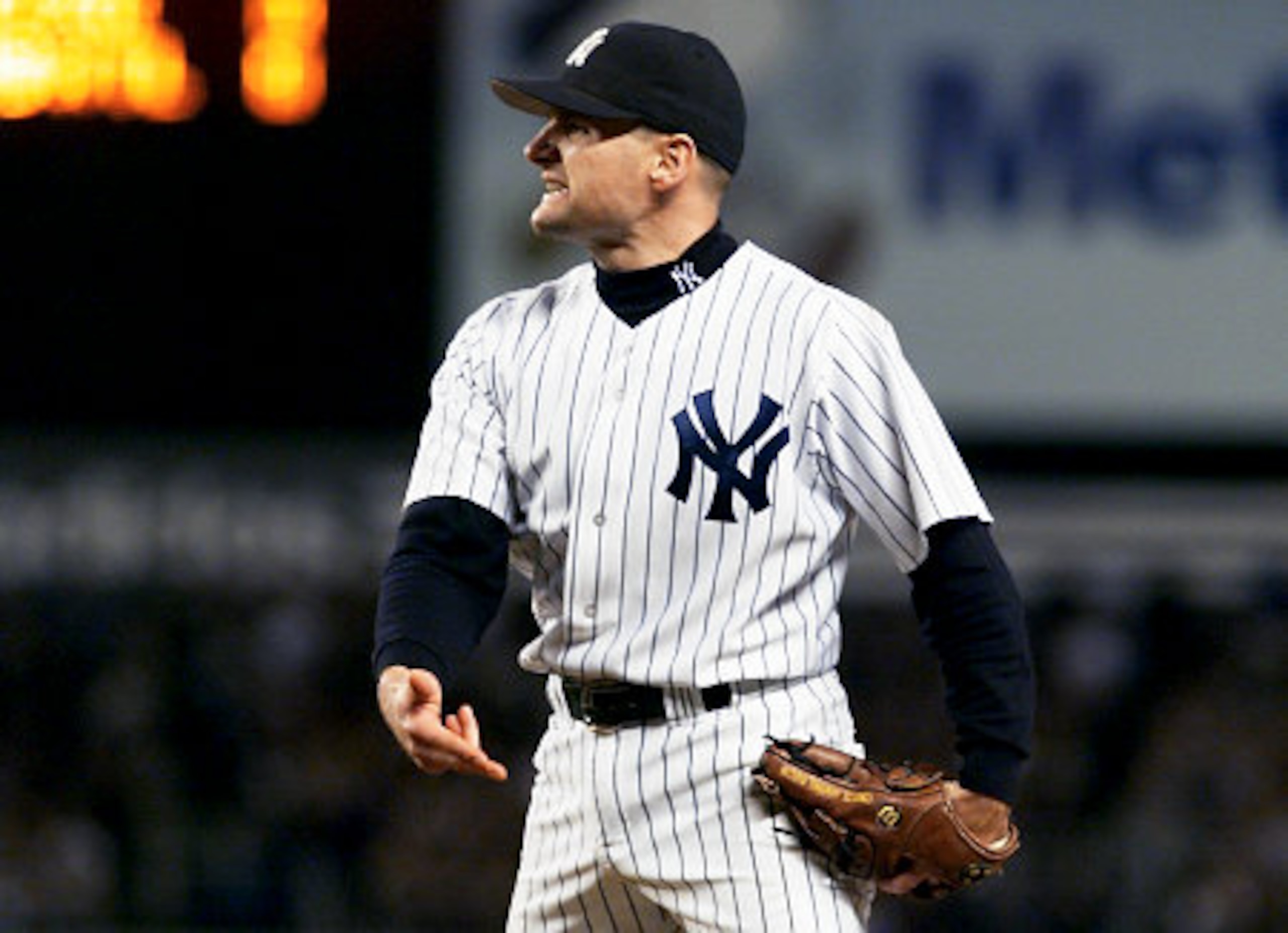
Chuck Knoblauch was an All-Star second baseman and the vital lead-off hitter for the latter years of the Yankee Dynasty. However, starting in late 1999 the 4-time All-Star simply could not hit the first baseman's mitt 45 feet away.
It seems appropriate that his yips and bout of "Steve Sax Disease" came as a Yankee, seeing as Sax was wore pinstripes for six seasons. It was believed that the offseason would cure Knoblauch of his yips, but the problem remained at the start of the 2000 season.
That prompted former manager Joe Torre to move Knoblauch to left field or use him as a designated hitter where he remained for the rest of his career.
Steve Blass
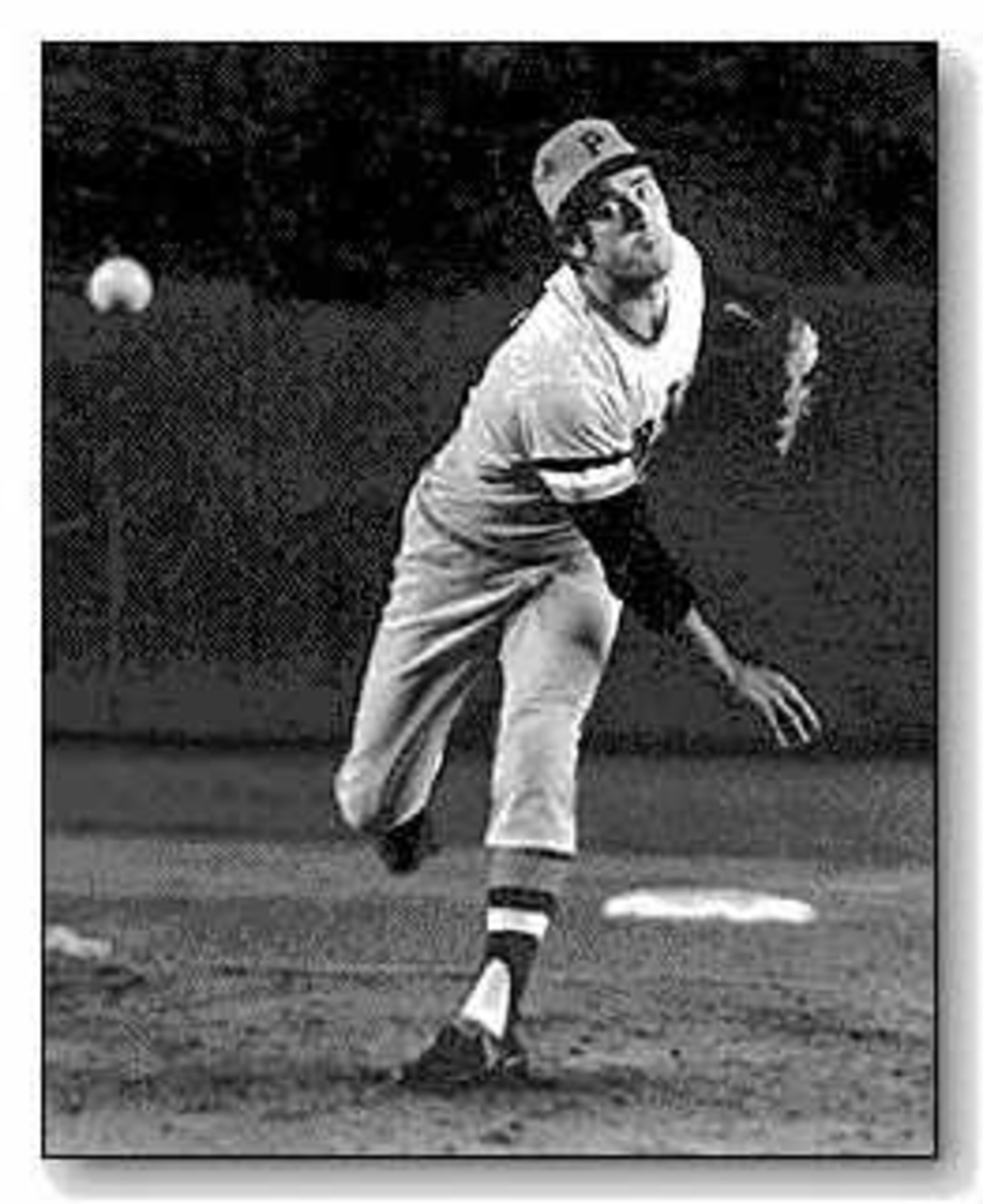
The throwing issues later happened with infielders, but the case of the yips in baseball first became famous when former Pirates pitcher Steve Blass inexplicably lost command of all of his pitches.
Bliss was a major force in the Pirates' 1971 World Series victory. However, in 1973 Blass lost all ability to command the strike zone. His ERA climbed over 9.00 and he walked three times as many batters as he struck out.
Blass spent the 1974 season in the minors where he could not cure his issues. He returned to baseball one last time in 1975, but never regained the command of his pitches. Following his exit from baseball, a pitcher's inability to find the strike zone became known as "Steve Blass Disease".
Rick Ankiel
In the 2000 season, Ankiel was arguably the most impressive young pitcher in the big leagues. That year, Ankiel went 11-7 with a 3.50 ERA and the second highest strikeout ratio in baseball only behind Randy Johnson.
Ankiel was given the ball in Game 1 of the NLDS that year and threw five wild pitches, walked the bases full and generally, couldn't even find the batter's box let alone the strike out. He returned in Game 5 of the series with similar failure, immediately recalling the memories of Steve Blass.
He went to the minors the following year and was again all over the map. He walked over 30 batters in 25 innings with over 20 wild pitches. Thankfully, Ankiel recovered and revamped his career as an outfielder.
John Starks
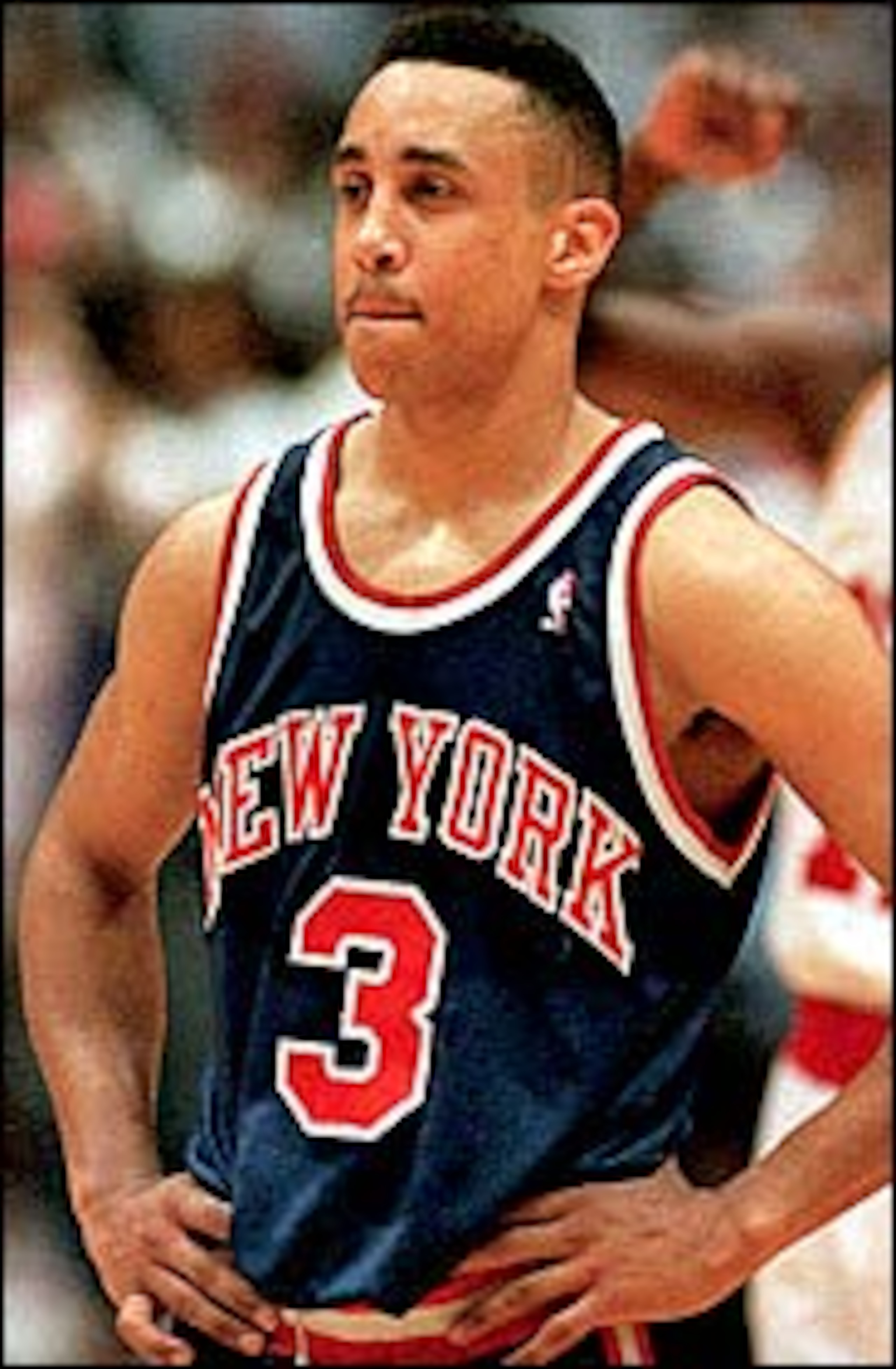
John Starks was one of the best free throw shooters in the NBA during the 1995 season. However, Starks was struck with a case of the yips at the absolute worst time.
In the midst of Reggie Miller's infamous eight points in 8.9 seconds in Game 1 of the Eastern Conferece Semifinals, Starks had the opportunity to deny the Pacers and Miller's last-second greatness. He was fouled with the chance to hit two free throws to ice the game. Starks clanked both and made Miller a legend.
Nick Anderson
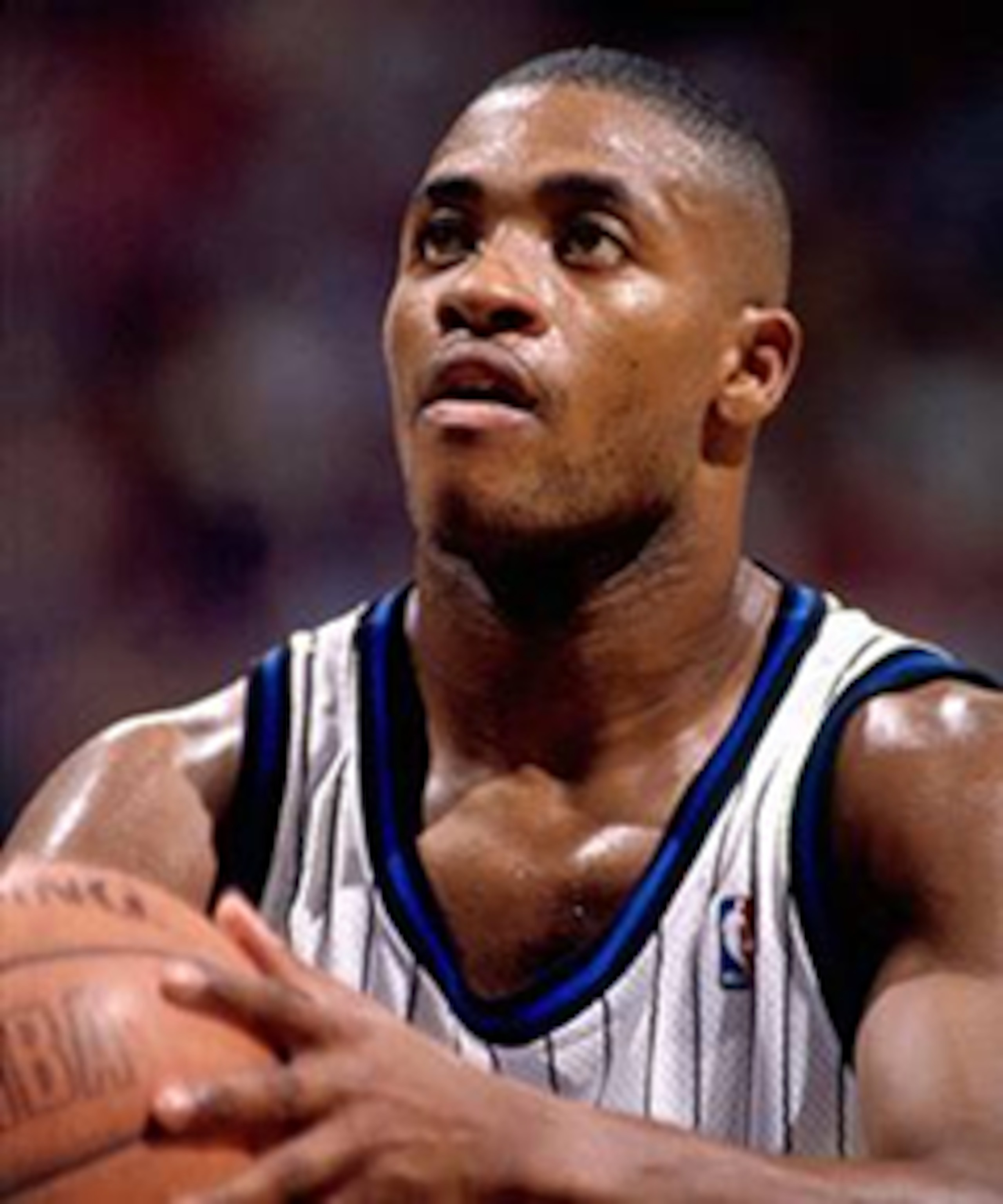
In the 1995 NBA Finals, Nick Anderson twice stepped to the foul line with an opportunity to ice Game One. Anderson was not a great foul shooter, but at 70 percent he had enough tools to give the Magic the win.
Unfortunately, the yips popped up at the worst time and Anderson missed four straight foul shots. Moments later, Kenny Smith hit a game-winning three point. The Rockets won Game One and went on for the sweep.
Braylon Edwards
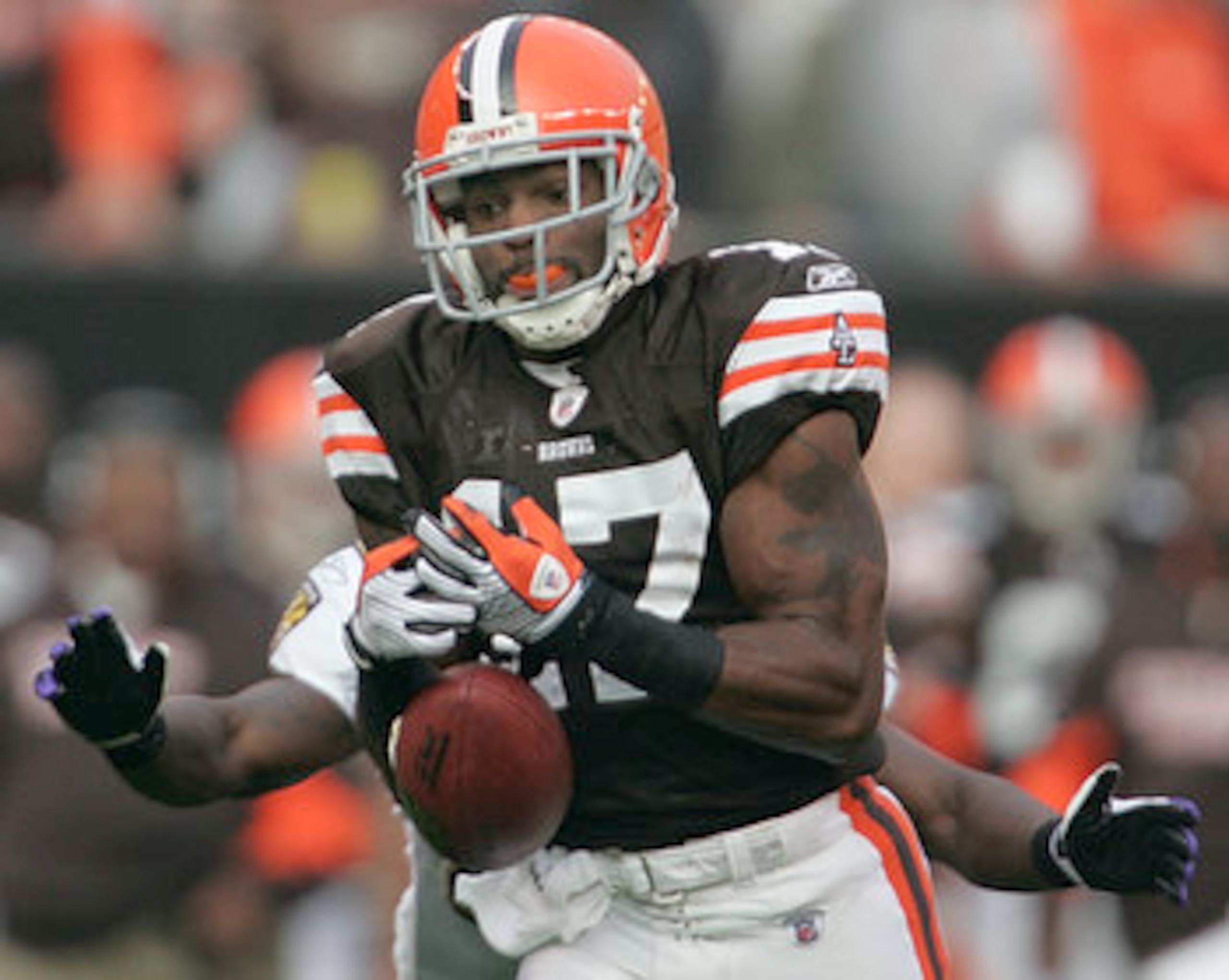
In 2007, Braylon Edwards was one of the most productive receivers in the NFL. He caught 80 passes for 1,289 yards with 16 touchdowns and made the Pro Bowl.
The following season, however, Edwards production dropped nearly in half. Most notably, he led the NFL with 16 dropped passes including numerous wide open passes. He had a funny way of making tough catches in traffic, but could not reel in passes while wide open in stride.
Mackey Sasser
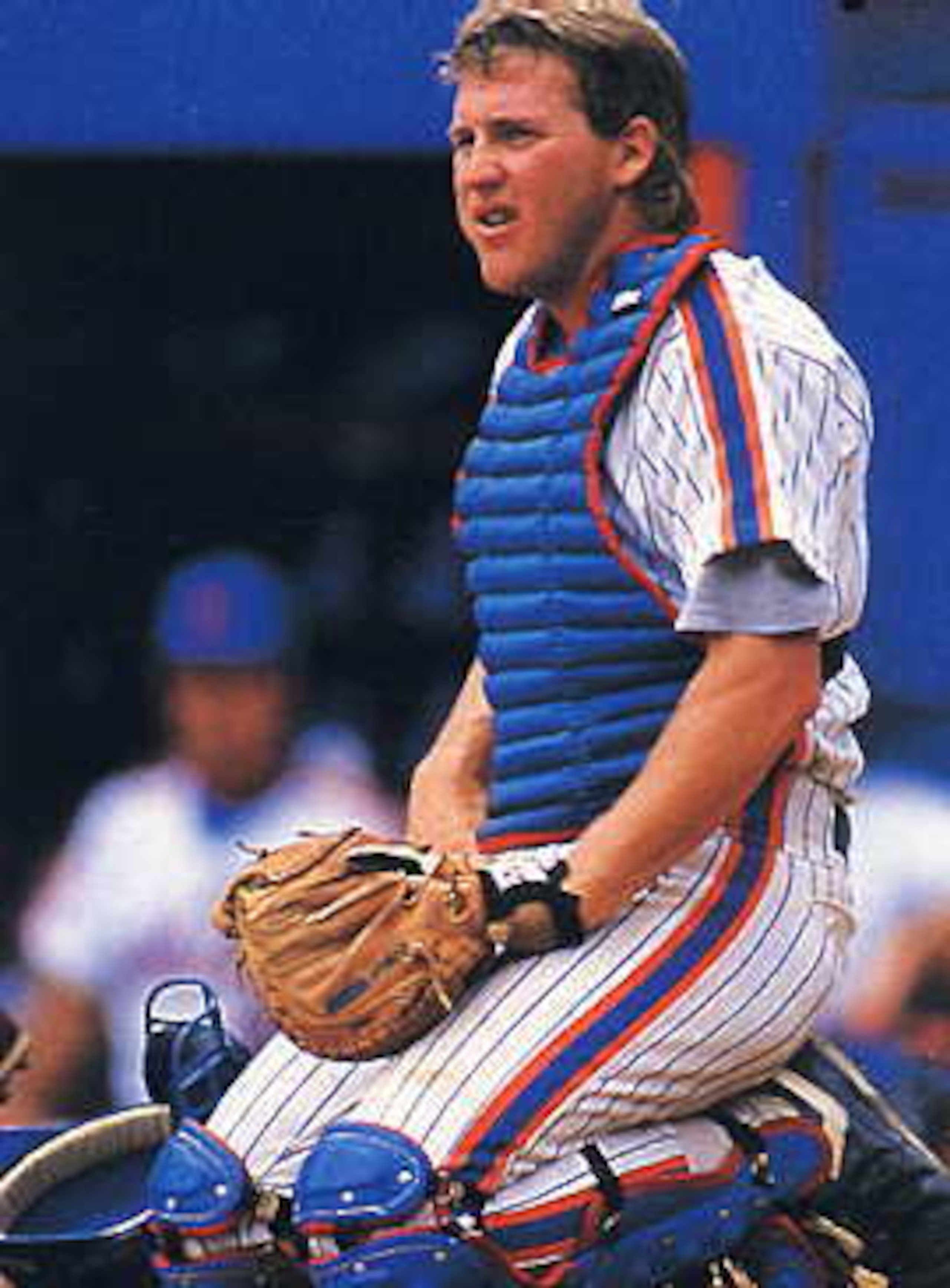
Gregg Zaun's recent ills evoke memories of former Mets catcher Mackey Sasser. It is believed a collision at home plate during the 1990 season somehow made Sasser incapable of accurately throwing the ball back to the pitcher. The issues stalked him for much of his career before leaving baseball in 1995.
Chuck Hayes
Chuck Hayes contends that his unorthodox motion at the free throw line is a natural hitch in shot. But, watching enough of these shots, it appears this is a case of a player who simply had no confidence. Hayes went on a notorious cold streak in 2007 that led to laughs from the play-by-play announcers.
Nick Folk
Nick Folk was one of the best kickers in the NFL during his rookie year of 2007. He had a rocket for a foot on kickoffs, he could hit from over 50 yards out, and he set the all-time points record for a kicker with 131.
However, it all came crashing down in 2009. The formerly lethal Folk because a complete enigma when he began missing field goals from within 25 yards and even extra points became unsure things. The Cowboys eventually cut Folk in 2009 after he became too unreliable.
What is the duplicate article?
Why is this article offensive?
Where is this article plagiarized from?
Why is this article poorly edited?
Flag This Article


0 Comments
Loading comments...
This comment and all replies have been deleted This comment has been deleted Undo delete