Consussions: Too Much Of a "Good" Thing
I have noted over the past few seasons my passion for pro football has diminished a bit. No doubt much has to do with the juvenile behavior of some players like Chad Ochocinco. And then there are the outrageous sums of money tossed around, like the $41.7 million guaranteed to untested Matt Stafford last year by the Detroit Lions.
Of late I think more has to do with the fact that the game we love so much because of the superb athletes that play it seems to be gravitating toward a style that threatens the long-term health those same men. In the pursuit of bigger/stronger/faster there has been precious little regard for the consequences.
TOP NEWS
.jpg?w=2560 "Raiders Camp Football")
Jeanty Avoids Major Injury
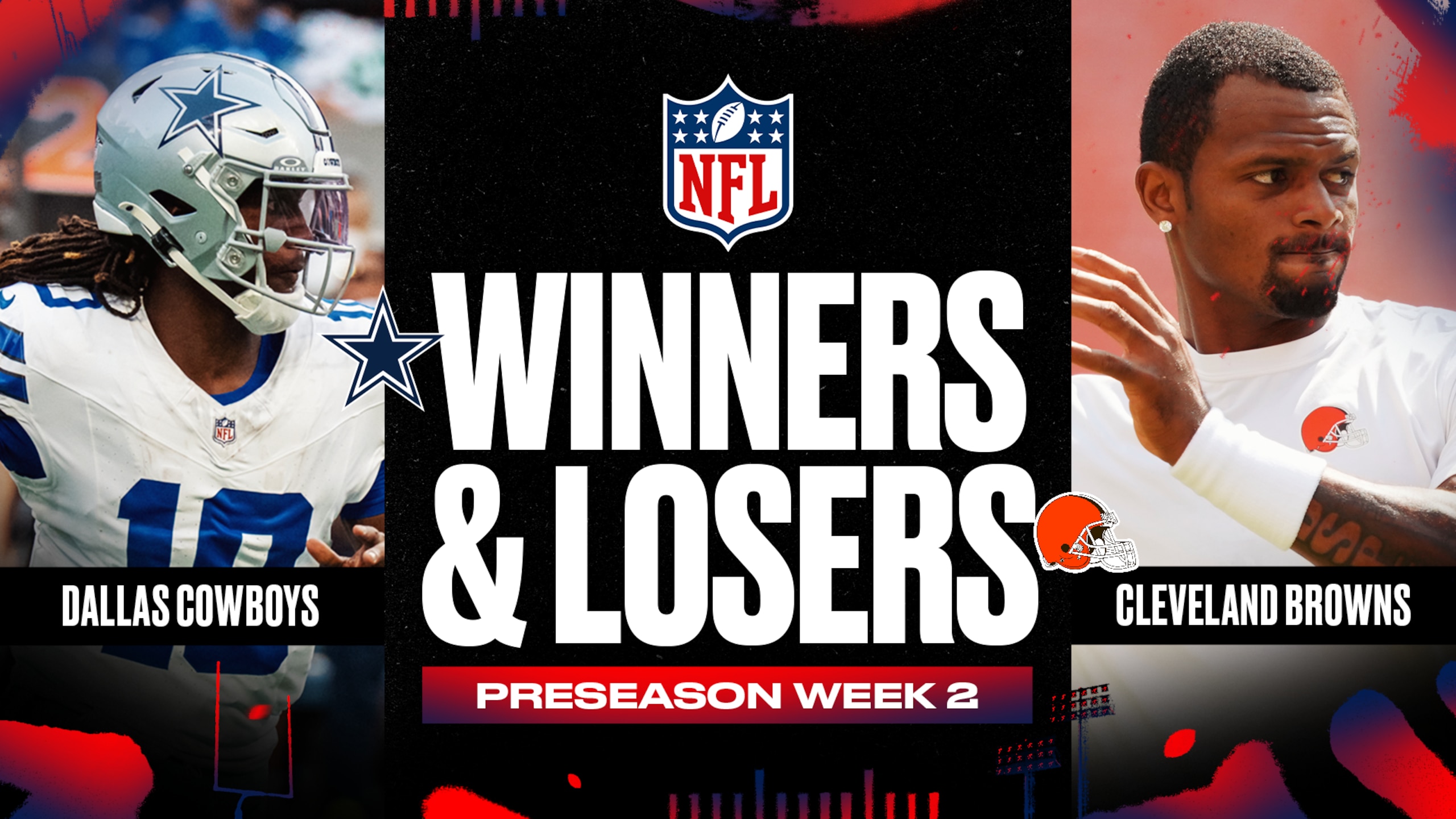
Preseason Week 2 Winners & Losers 📊
.jpg?w=2560 "49ers Chargers Football")
Report: Saints Trade For 49ers RB
It is now routine for 300-lb. linemen to run a 4.5 and be almost pure muscle. One person has likened the impact players take during a game equal to being in 100 automobile crashes over a three-hour period. And one group that knows this all too well is the men who play the game.
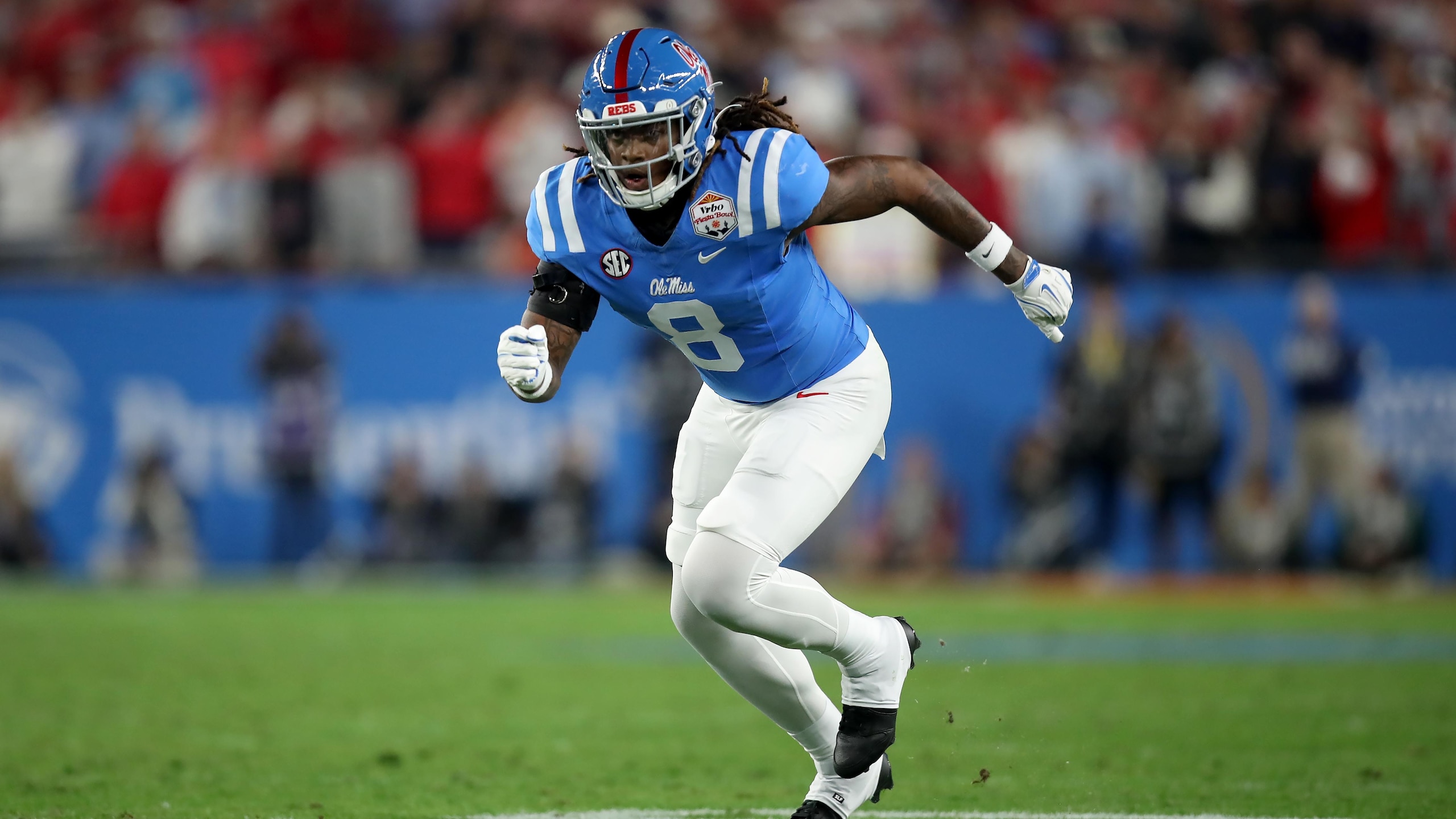
"Guys are getting so big, so fast, so explosive,'' Cincinnati Bengels quarterback Carson Palmer said to Sports Illustrated’s Peter King last fall. "The game's so violent. Now that they're cutting out the wedge deal on kickoff returns, those guys [are] coming free, and at some point somebody is going to die in football. And I hope it's not anyone at this table, and I hope it doesn't happen, obviously. Everyone talks about the good old days, when guys were tough and quarterbacks got crushed all the time, but back in the day, there weren't defensive ends that were Mario Williams -- 6-7, 300 pounds, 10 percent body fat, running a 4.7 40." [Note – The boldface portion was mine]
One way a player makes the highlight reels and increases their earning potential is to garner a reputation as a hitter who does their job with reckless abandon. We applaud when they sacrifice their bodies, and we applaud more loudly when they get off the ground to so they can do it again. And years later when the applause has gone silent too many of those players find they suffer from depression, memory loss and relentless headaches. Sacrifice may be too tame a word.
While this comes too late for former players, the NFL is taking steps to make the game safer but can the league do so at the same pace as the evolution of the modern-day player? And can the league change the mindset of coaches and players?
Much of what makes a successful pro football player is the ability and willingness to play through the pain. They are praised and paid to be tough. What makes a successful coach in part is one who gets the most out of his players, which can mean urging them to continue in spite of an injury that cannot be fully diagnosed during a game. This is a battle that will have to be won on several fronts, but the offensive must begin now.
And finally there is this – if there are not substantive solutions from the league and the players’ association that bring about real safety for future players, and addresses the aftershocks on current and past players, where is our culpability as fans?
This is not a call for boycotting games, whether we turn off our television sets or stop buying tickets. But if we continue to rabidly follow these games, knowing that the game is drifting in a dangerous direction, what does it say about us? We decry mixed-martial arts and ultimate fighting as barbaric, but it is any less so to watch a contest where some day soon one of the participants might not live? Knowing what we now know, do we still cheer when we see the hard hit on the field?
This is not a call to action so much as a wake-up call. For now let us own up to this -- we can’t say we never saw this coming.
.jpg?w=2560 "Buccaneers Rookies Football")
.jpg?w=2560 "Chiefs Giants Football")
.png?w=2560 "MLB Playoff Picture Shaping Up")