NFL's Overtime Rules: If It Ain't Broke, Don't Fix It
Until recently, I thought the NFL's overtime rules were crap.
How fair is it that one team may not even get to touch the ball? We saw a good example of this on Sunday in the Saints—Vikings showdown shootout overtime thriller.
Then, on Monday morning, Boomer Esiason forever enlightened me with a very simple thought: the guys on defense get paid, too.
TOP NEWS
.jpg?w=2560 "Raiders Camp Football")
Jeanty Avoids Major Injury
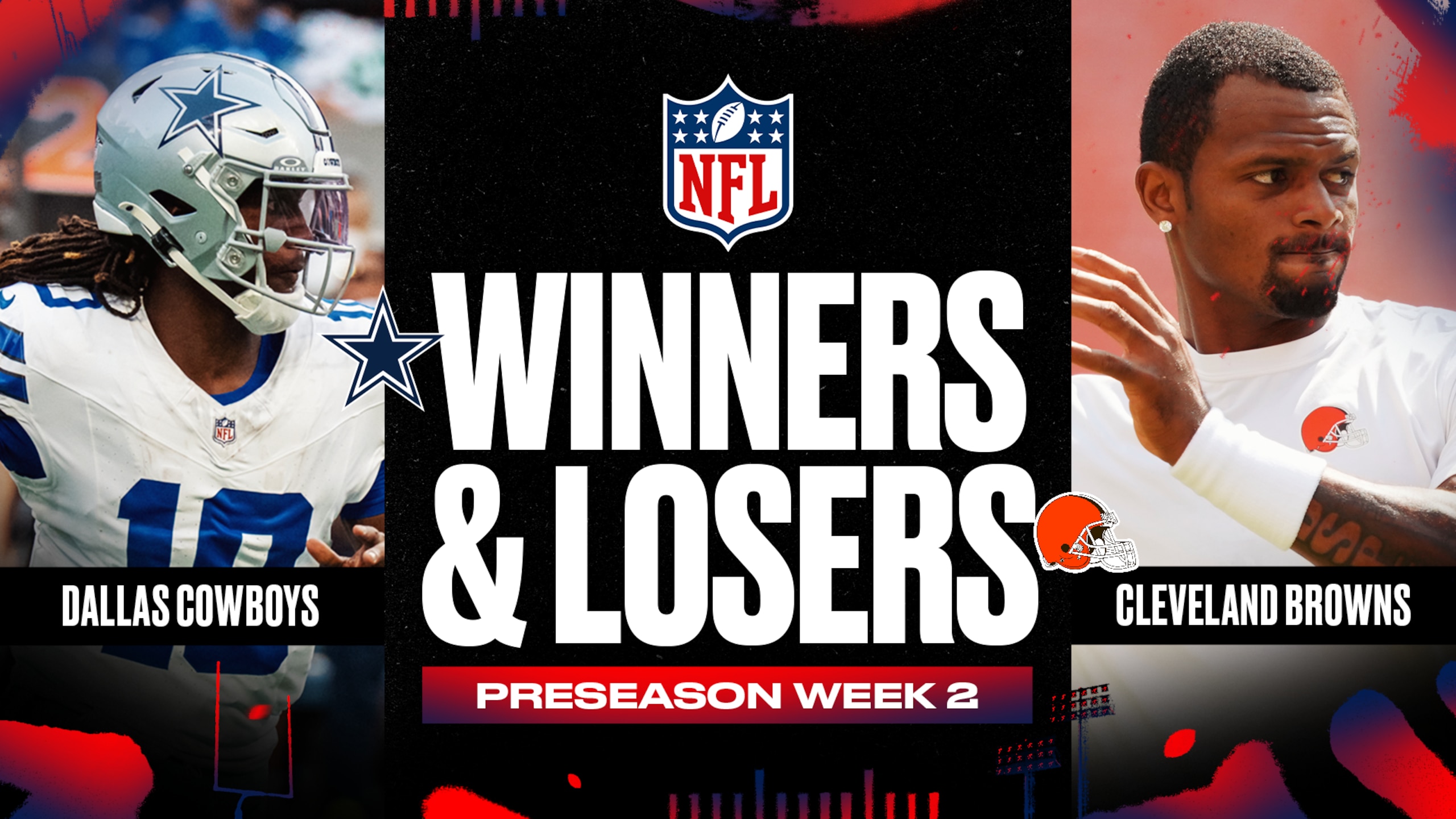
Preseason Week 2 Winners & Losers 📊
.jpg?w=2560 "49ers Chargers Football")
Report: Saints Trade For 49ers RB
Coaches preach accountability in all three phases of the game: offense, defense, and special teams. How come two-thirds of the team is let off the hook in overtime, where the blame falls more on the rules than on the players playing the game?
It's not like any team doesn't know the rules going in.
Be it an interception, forced fumble, or even a stop-on-downs, the defense has its chance to make a big play in overtime, just like the offense does. The defense can provide good field position for an easy score for the offense.
There are also some situations in which a defense's presence in overtime may be welcome. Ask the Ravens, Steelers, Jets, or any other defensively-sound team if they'd be comfortable putting the defense on the field first in OT.
Their answers might surprise you.
Certainly they wouldn't if they had the choice, but if forced to put the defense on the field, those teams wouldn't be bummed out about it.
I was reading an article in ESPN Magazine by Peter Keating, which had a picture of the Giants' overtime game-winner over the Falcons with a caption reading: "The NFL's OT rules often leave one team jumping for joy and the other never having touched the football."
That's the prevailing theory in most circles, but what if I told you it wasn't true?
This collection of data from the 2007 and 2008 seasons proves that the NFL’s overtime rules aren’t that flawed after all; in fact, less than 50 percent of overtime games in 2007 were won by the winner of the coin toss on the first possession.
Some people have theories on how to change overtime to make it more fair. Many people petition playing by some form of NCAA rules, where both teams are given a chance to score until the other team doesn’t, or until one team is out-scored by the other.
Peter Keating’s ideas range from a divide-and-choose method (one team chooses field position and the other team chooses whether to take that field position on offense or on defense) to an auction for field position, and even to an Arena Football style approach (where both teams get one possession, then the game is played to sudden death).
But the saying goes, "if it ain't broke, don't fix it". In the current rules, the defense has just as many opportunities to make a big play as the opposing offense does.
The question is, can they?
.jpg?w=2560 "Buccaneers Rookies Football")
.jpg?w=2560 "Chiefs Giants Football")
.png?w=2560 "MLB Playoff Picture Shaping Up")