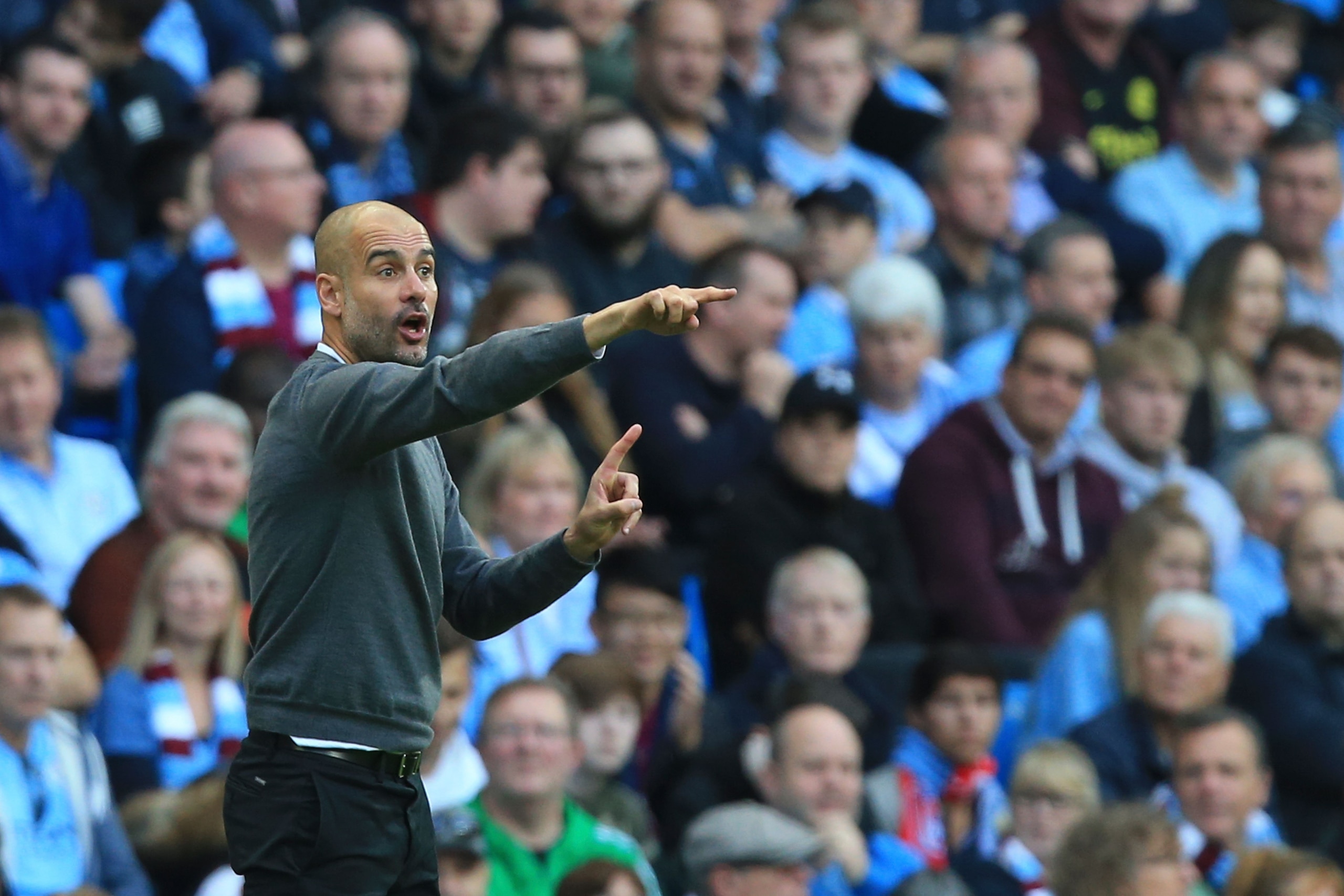

Analysing Manchester City's Tactical Development This Season
Manchester City look an entirely different animal this season.
Sixteen games (including Napoli) in, they're yet to lose, and their current winning streak in all competitions stands at 13 (without Napoli). Having defeated Liverpool and Crystal Palace 5-0, Watford 6-0 and Stoke City 7-2 already, they've become a team not just to be wary of, but to truly fear.
You might feel as though you've been here before. After all, they began 2016-17 in a similar vein, winning 10 straight, then drawing, before finally losing to Tottenham Hotspur in their 12th outing. That defeat was a turning point for City, who rarely re-found that "ominous" level over the course of the rest of the season.
But this time around, don't expect a similar drop-off; don't presume the clock is ticking on City as it was last term. It's unlikely they'll go the season unbeaten, but this team have evolved tactically and look this good because they're a year further on in grasping the ideas and mantras of manager Pep Guardiola.
But what precisely has changed? What developments have there been from year one to year two?
1. Pep's Initial Imprint Attempt
The first season under his tutelage represented a steep, steep learning curve. Most of the players had their scripts ripped up; they were asked to do things they'd never done before—even players well into their 30s, like Bacary Sagna and Pablo Zabaleta.
Attacks were built from the back but in specific ways. "Juego de posicion" (positional play) was fully implemented at the club, with Guardiola's famous gridded training pitches coming into effect at The Etihad Campus in order to refine on-the-ball movements of players.

The first game of the season against Sunderland left pundits marvelling as City's full-backs drifted inside on the ball—a tactic Guardiola used repetitively at Bayern Munich in order to bring Philipp Lahm and David Alaba's passing talents into the central zones of the pitch.
Wing play changed dramatically, with the focus on gifting the wide men as many one-on-ones in advantageous positions as possible. Kevin De Bruyne and David Silva were drawn deeper and wider, away from the No. 10 space and toward the left and right half-spaces.
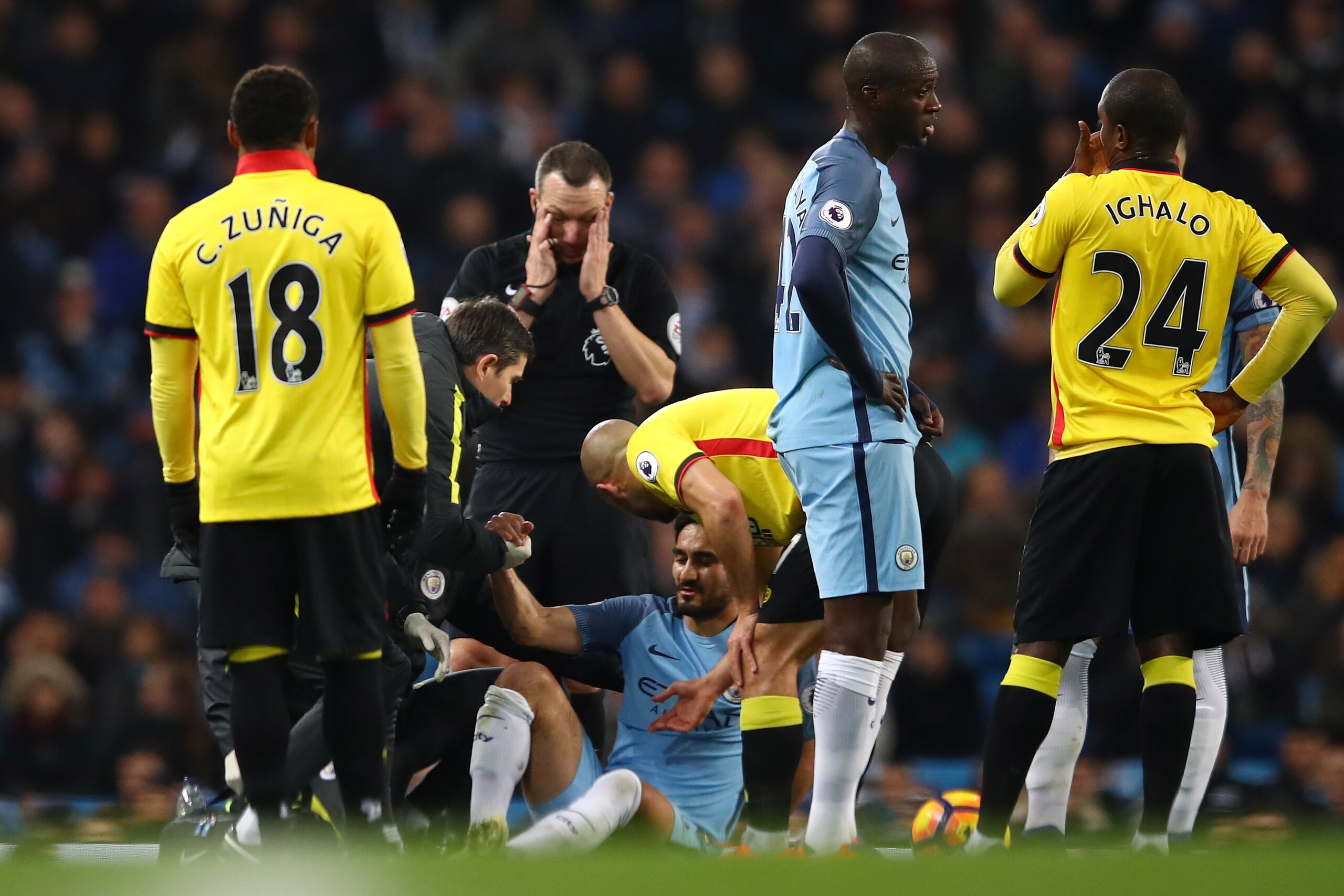
All the fantastical, intriguing tricks Pep had utilised with Barca and Bayern were installed at City...except the crop of players he arrived to—even with some heavy summer recruitment bolstering the squad—were largely unable to comprehend and carry them out (Ilkay Gundogan's ACL injury was a big setback here).
After a bright start, Pep became cautious—particularly away from home, to protect against the counter-attack. They finished the Premier League season with the highest average possession statistics (61 percent per game) and pass completion (86 percent), but the penetration was lacking.
The ideas didn't fully imprint—so much so, that there were suggestions the players ignored his instructions during the Champions League Round of 16 second-leg defeat to Monaco. In May, Pep admitted he'd have lost his job by then had he been managing a Barca or a Bayern, per The Independent.
Something had to be done.
2. Summer Moves
The key starting point to City's tactical development and overall improvement in 2017-18 is the summer overhaul.
Guardiola released every full-back in the squad, unconvinced by any of their capacities to carry out his (admittedly complex) instructions. Three new ones (Kyle Walker, Benjamin Mendy and Danilo) were brought in, as well as a goalkeeper who could carry out a difficult role (Ederson Moraes) and a winger/attacking midfielder (Bernardo Silva) who was stylistically different to everyone else in the squad.
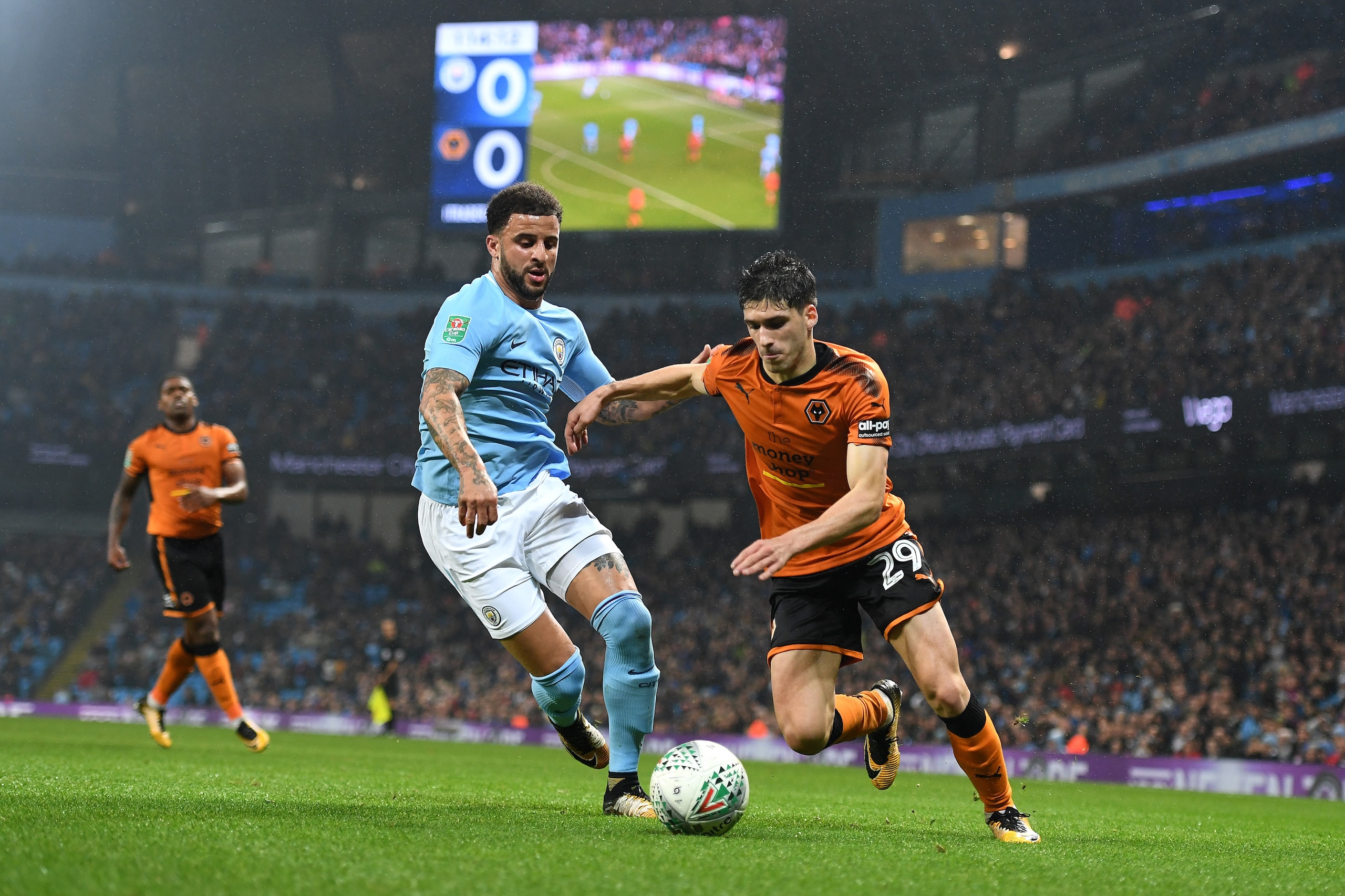
Crucially, City did not add any centre-backs—despite loud calls for them to do so. While there's no doubt 2016-17's performances suggested a need for one, it's arguable leaving that area alone has led to one of the biggest improvements.
3. The Impact of Ederson Moraes
Pep builds from the back, always. When he arrived in Manchester, he bought goalkeeper Claudio Bravo from Barcelona, hoping the Chilean be the first building block in possession play, but he started poorly and only got worse.
Too many of his attempted passes sailed out of play, and he consistently placed technically suspect players like Sagna, Gael Clichy and Nicolas Otamendi in rough positions with off-deliveries. He could also barely save a shot, even if it went straight at him.
Ederson Moraes replaced him this summer, and not only has he been far superior in terms of goalkeeping basics, but his passing has been superb. Ahead of Manchester City's second tussle with Napoli this weekend, Maurizio Sarri dealt him the highest of praise.
"City’s most dangerous player? Ederson," Sarri told journalists (h/t Football Italia). "I’m being serious, because their goalkeeper didn’t miss a single ball out from the back [during their first tussle]; he played 50 balls with the defence and got them all right, playing well through our pressing."
| Ederson Moraes | 83.7% |
| Petr Cech | 64.7% |
| David De Gea | 58% |
| Ben Foster | 43.6% |
| Jack Butland | 40.6% |
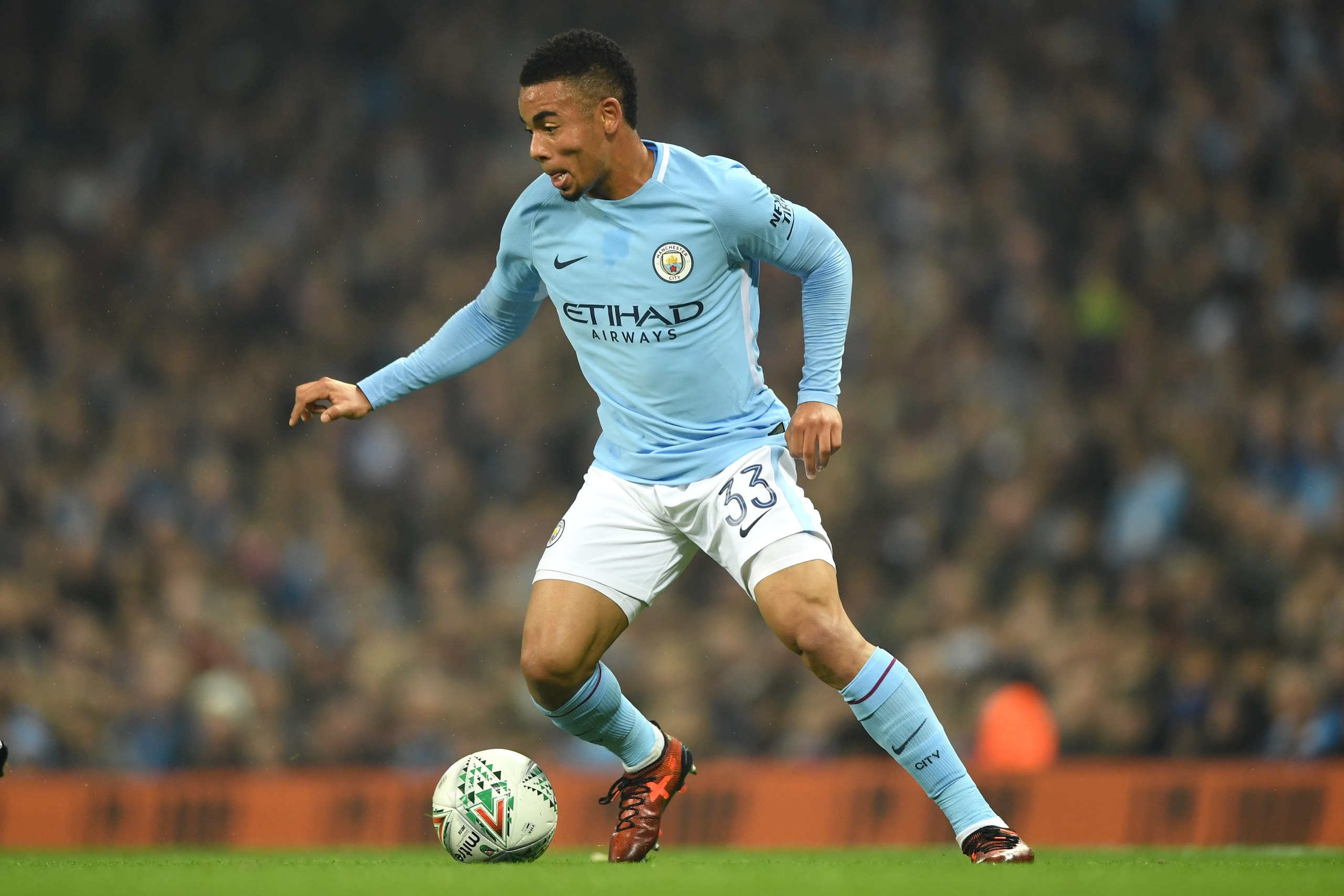
In Premier League play, Ederson has averaged the same number of passes as Gabriel Jesus (23.3 per game) and boasts a higher completion percentage. He consistently delivers balls into the paths of team-mates, onto their correct foot, and starts the team's moves with precision. He's the very involved piece Bravo was supposed to be.
4. Full-Backs Who Fit The Brief, Then Tweak The Brief
Pep's ruthless dumping of Sagna, Zabaleta and Clichy illustrated how far below par City were in this area in 2016-17, and it pointed to a hefty spend to get it right. In came better, more athletic, more technical, younger players in Mendy, Walker and Danilo.
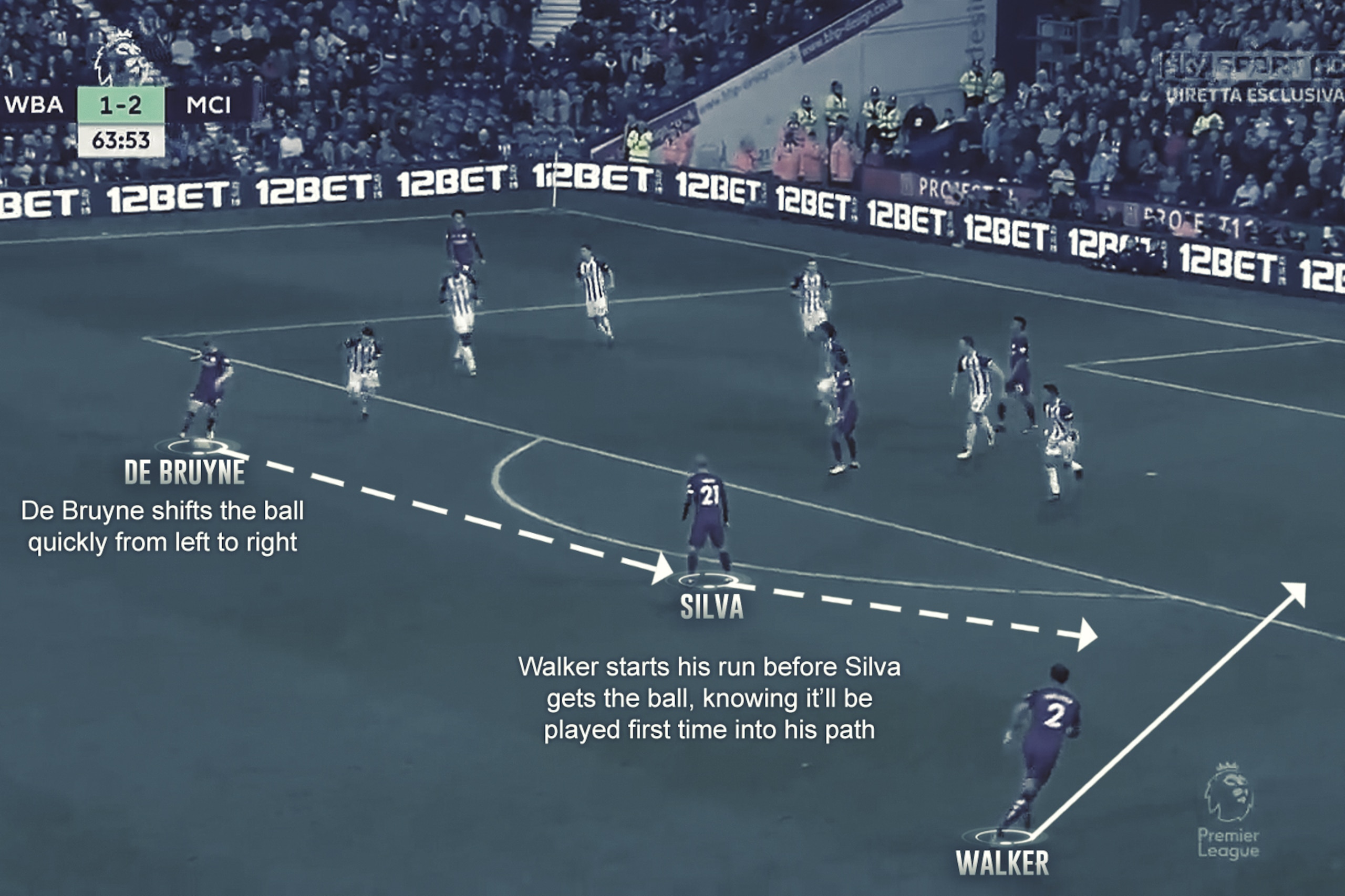
Walker's been a standout acquisition so far, tallying up four assists in just nine Premier League appearances already. His aggression has been vital; he's able to push forward with the ball at his feet but also sear forward off the ball at the right time, collect it, and use it quickly.
City have been rotating the ball around midfield, waiting to spring Walker forward into space, so he can deliver a slammed low cross having bent the edge of the opposing defence. All these tapped finishes from City are not coincidental; they find the positional advantage and use it, and Walker's given them another outlet.
Mendy was on the way giving them the same threat from the other side until he ruptured his ACL. His powerful showing in the 5-0 win over Liverpool hinted at something special developing, but he's now likely gone for the season.
Surprisingly, it's been Fabian Delph who has stepped into the void, but not in the same role. Pep has reintroduced the narrow full-back role on the left to suit his strengths (he's originally a No. 8) and allowed him to step inside and play as Alaba did for Bayern, but keep Walker wide and moving up the flank (the exception being against Chelsea at Stamford Bridge).
It gives City a nice balance. Delph splits wide to receive the ball from the centre-backs in the first phase, but once it reaches the second level, he drifts inside to help overload the left half-space. He's far from their most important player, but he's already scored one and assisted one in four league starts.
5. Improved Build-Up Structure
City's build-up structure throughout last season (and through the very, very early stages of this one) was flawed. It's the reason they struggled to control games at times, with the tempo being raised without their say-so.
At the beginning of 2016-17, with Pep instructing both his full-backs to come inside and assume central midfield mantles, the formation more or less represented a 3-2-5. The holding midfielder would naturally drop between the centre-backs, often appearing the deepest.
With the wingers pushed right up, in a line of five attackers, it gave the centre-backs few options on the ball—particularly if the full-back-cum-central-midfielders were man-marked, and were as limited on the ball as Clichy and Sagna were. With no out-ball to the full-back to recycle possession, forced, longer, inaccurate passes plagued their play because there were no progression options for the ball.
That's changed this season. Delph, a natural central midfielder, drifts inside to help build play, and Walker largely stays wide to give them an out-ball on the right, but critically, the centre-backs understand their roles far better—particularly John Stones.
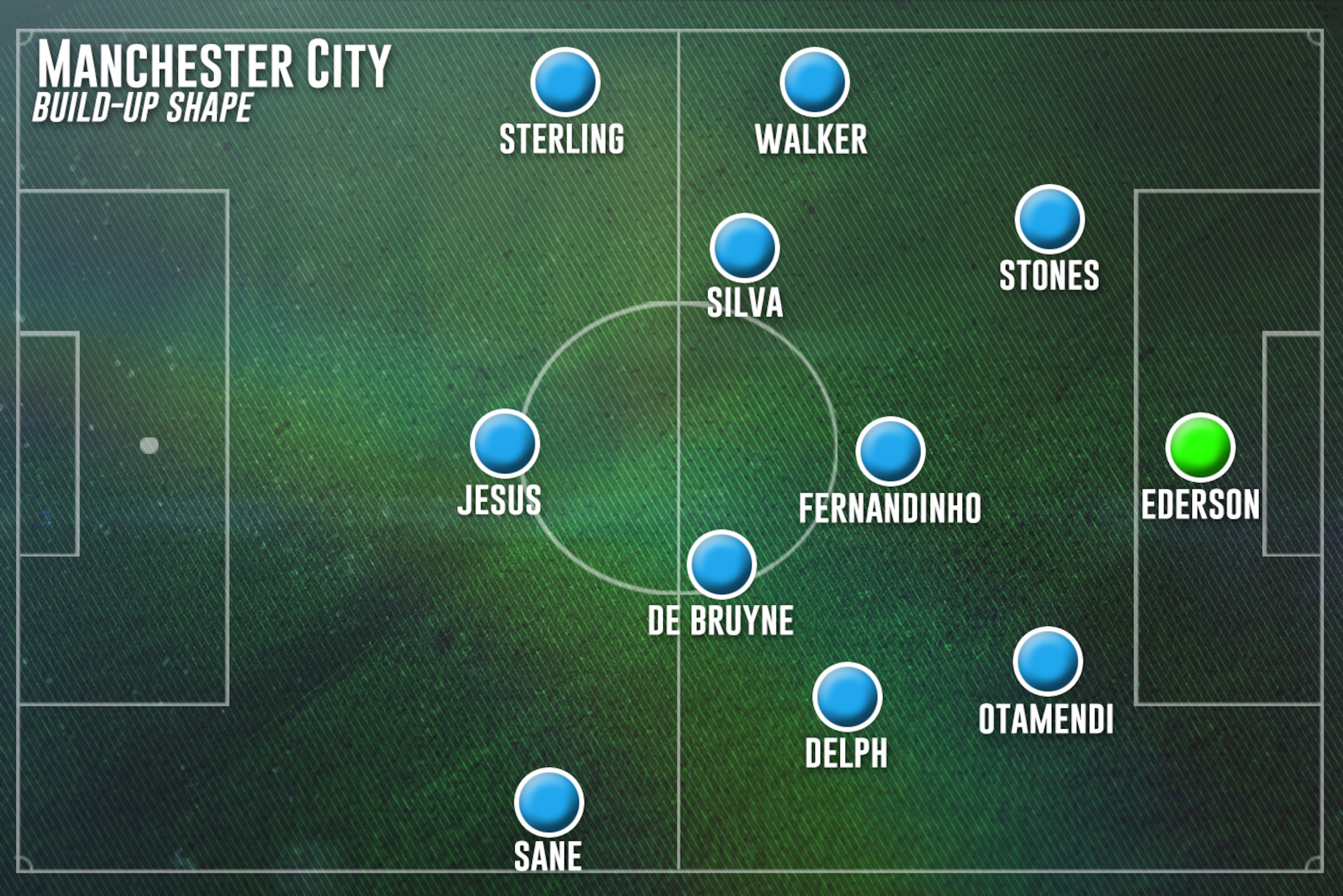
The systematic changes have opened up Stones' options, and he's threading slick passes forward between the lines, into the half-space, beginning attacks. Otamendi has improved in this area, too, and he is even firing long diagonals out to Raheem Sterling when the opportunity arises.
Switching to a back four has refined the process. On the opening day at Brighton, they used a back three (with Vincent Kompany), and that, added to the fact Danilo was used on the wrong flank, created a lot of passive recycling without much penetration.
But steadily, very steadily, Stones and Co. have grasped what's required. Had City added a new body here, it would likely have taken them just as long to take everything on board, so the decision to give the current crop a second year, although risky, looks to be paying dividends.
6. Improved Build-Up Under Pressure
Guardiola's post-match interview following Manchester City's defeat of Napoli in October was quite something. He was positively gushing, beaming with pride over his team's performance, and told reporters after the game (h/t BBC Sport):
"Today we won against an incredible team and to do that you have to make an incredible performance. If we hadn't played at a very high level, we wouldn't have won that game.
"They are one of the best teams I have ever faced, which is why I am so proud. It was perfect. It is impossible to beat them if you don't make a good performance, and we did it, which is why I am so happy."
It's not just that Napoli are top of Serie A and boast one of the finest striking trios in the world. It's that their style, although different in some ways, is closely associated with City's, as it is based on pressing and possession play.

Arguably City's biggest hindrance last season was their inability to deal with pressure when trying to build out from the back. The first team who opted to push and press them, get in their faces, was Celtic in the Champions League, and they exploited uncertainties at the back to grab a 3-3 draw. Four days later Tottenham did the same, winning 2-0.
That set the tone for the season. Sit back and try to stay compact? You'll probably lose. But be bold and positive, place them under pressure? You might still lose, but you might just unsettle City's build-up to the point where you can hurt them.
Napoli could easily have been one of these games. Dries Mertens and Co. pressed high, the midfield followed, and the challenge was set...but City didn't buckle; they rose to it, played their way through an incredibly energetic side and won the game 2-1.
That's why Pep was gushing. It wasn't just a win, it was, in his view, a genuine progression point for his team, evidence of them overcoming the thing that hindered them the most in year one.
Ederson's distribution helps, the build-up tweaks played a part, Stones' natural progression was important, and Silva and De Bruyne's growing abilities deep in the half-spaces contributed. But altogether, City have become experts in moving the ball through the first two thirds, gifting more chances to their talented attack, and allowing them to play the risky brand of football Pep adores.
All statistics via WhoScored.com

.jpg?w=2560 "Myles Garrett Got Warning 👀")
.jpg?w=2560 "Every Team's Biggest Surprise So Far 😲")