Leicester's European Adventure Shows the Exotic Still Exists in the Modern Game
PARKEN, COPENHAGEN—It was a goalless draw that probably suited both sides. Leicester City are just a point away from reaching the last 16 of the Champions League. If they beat Club Brugge at home in three weeks, they will guarantee going through as group winners, with all the benefits that entails in terms of seeding. FC Copenhagen, meanwhile, remain two points behind Porto in second and, with Porto at home and Brugge away to come, still have a reasonable chance of overhauling them to take second spot.
Nobody would say that the point was pre-arranged, and it took an excellent late save from Kasper Schmeichel to keep it at 0-0, but equally nobody was particularly surprised by that outcome.
TOP NEWS
Live World Football Goals and Highlights 🍿
Ronaldo Suspended by Portugal ❌

Every EPL Team's Top Flaw 😬
But the score was only part of it. There were just over 34,000 at Parken, the highest attendance at the ground since last season’s Danish Cup final. That figure doesn’t include those packed into the offices that back the stand where the Leicester fans were gathered, behind the goal they were attacking in the second half.
“We’re all going on a European tour,” they chanted, and the sense was that, like last season, this was all still a great adventure for them. Chatting to fans at the airport, on the Metro and in the hotel, the same theme kept being repeated: “We don’t know if we’ll ever get the chance again.”
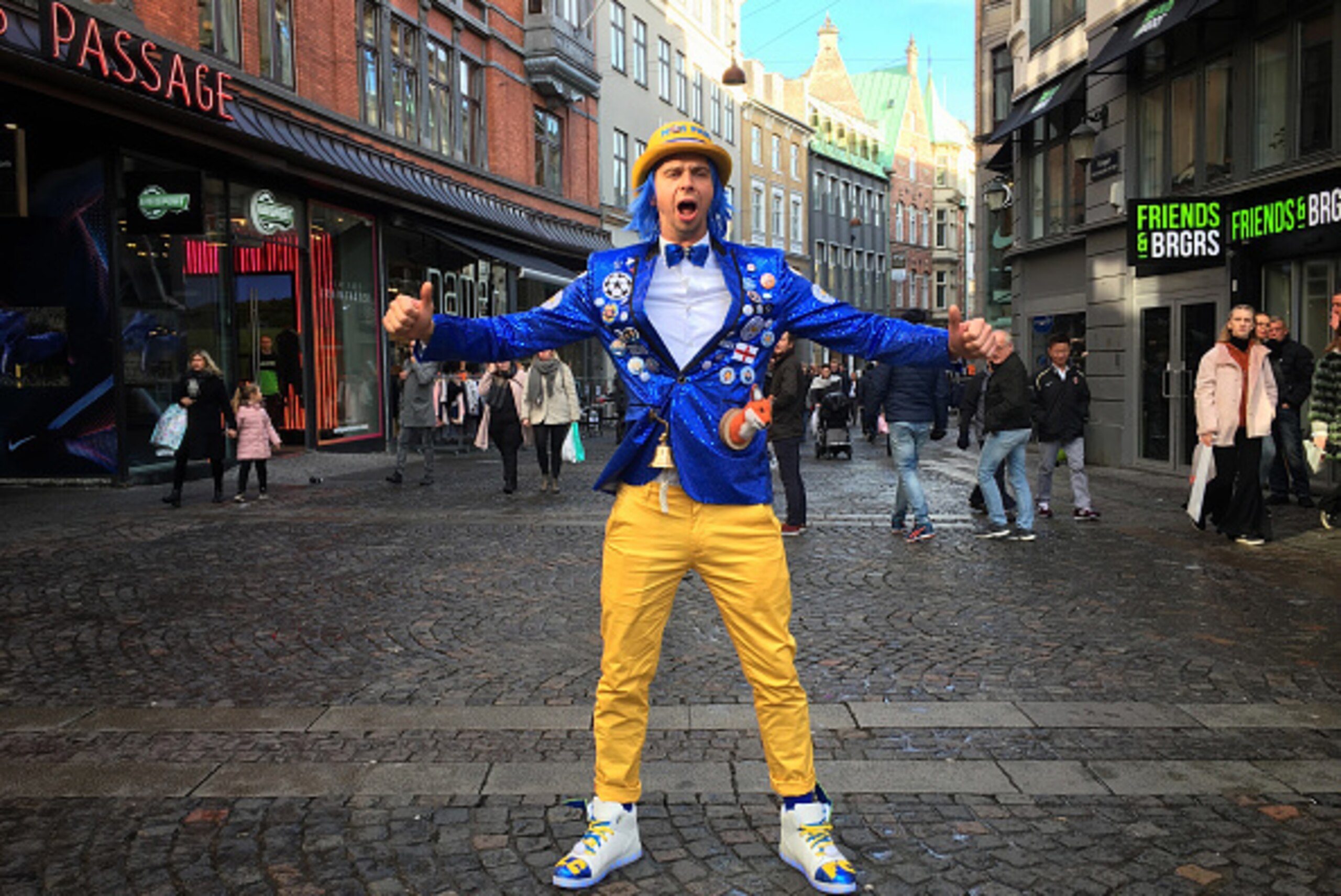
In a sense, the draw was kind: Porto, Copenhagen and Brugge were not just opponents they had a chance of beating, but readily accessible destinations with developed tourist infrastructures. They’re places you might go for a weekend break, serviced by low-cost airlines. But still, Leicester have embraced the opportunity. It’s estimated there were 7,000 of their fans at Parken on Wednesday.
Seeing the fans' delight just at being there and experiencing another football environment highlights just how jaded fans who are used to their side reaching the group stage of the Champions League have become.
You can’t blame those fans. Familiarity necessarily breeds contempt. If you’re a Southampton fan with a chance to see your side play in San Siro, you will seize the opportunity. If you’re an Arsenal fan faced with an away day in Sofia when you know that the chances are there’ll be another, prettier eastern European capital to visit next season, you may be tempted to give it a miss.
That’s symptomatic of wider problems. European competition used to be an adventure, a trip into the unknown. When Gabriel Hanot established European competition in 1955, its aims were not only to determine the best side in Europe, it was also about an exchange of knowledge and ideas, about testing players in new environments (money barely featured; most clubs in the early competitions paid out more for transport and hotels than they recouped in gate receipts, while the notion of television-rights deals was a long way in the future).
As transport has improved, stadiums have become more homogenised, foreign players and coaches have become more common, and television means we’re now far more familiar with football overseas—that sense of the exotic has necessarily paled. But the Leicester experience proves that it can still exist.
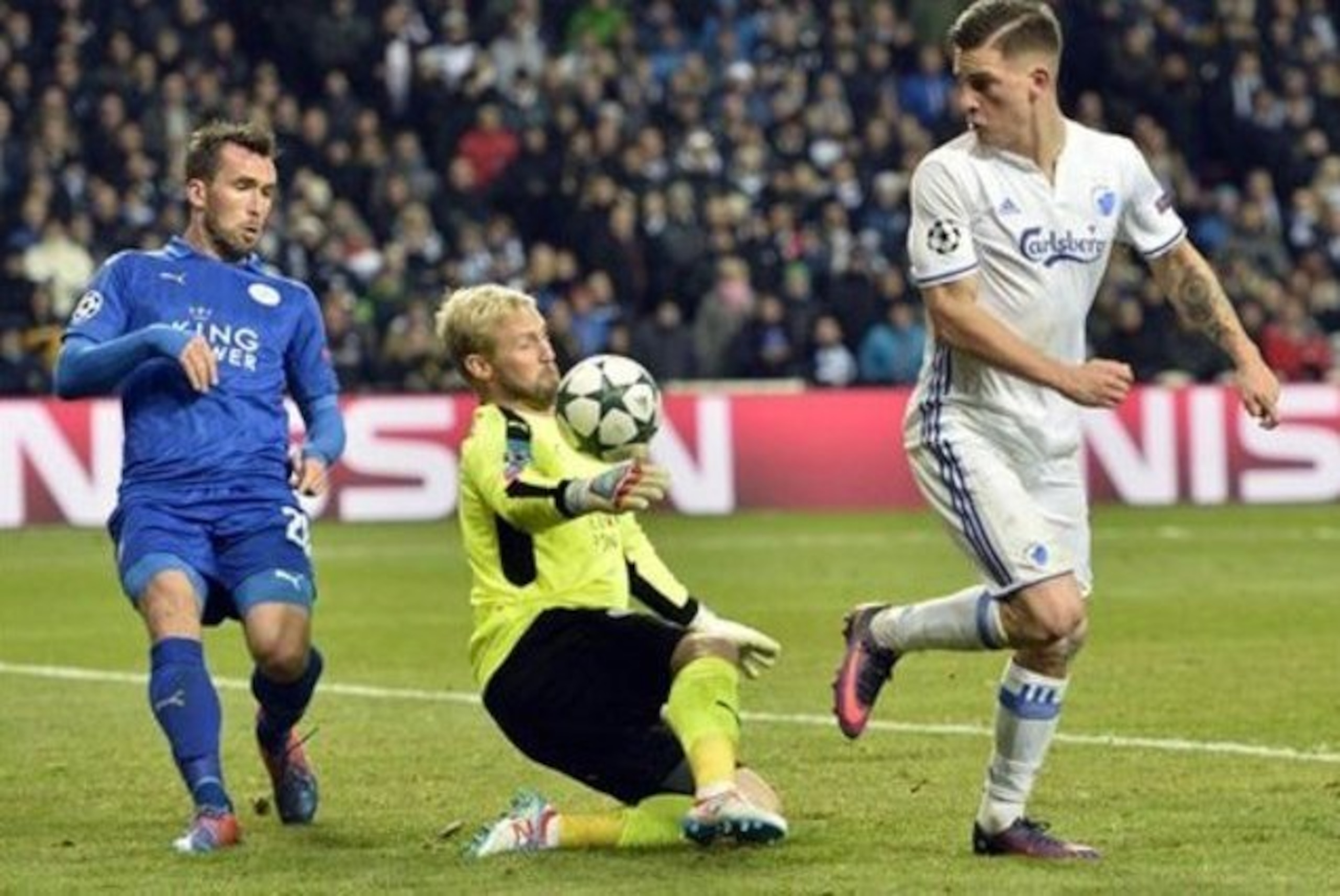
There are two separate strands to this. One is that Leicester have never played in Brugge, Copenhagen or Porto before. It is new. Fans get to experience a new city, drink in different bars, add another stadium to their list. There’s a novelty factor you don’t get going to West Bromwich Albion or Stoke City or Watford.
But there’s also the sense that nobody knew how they were going to do. As it turns out, they’ve been excellent: three wins and a calm, well-planned draw.
However, there were no guarantees. There was a sense of jeopardy. The games mattered. It wasn’t, as it so often seems to be for Arsenal and others, the feeling that the only question was whether they’d finish first or second in the group—and that, even if they didn’t, there were almost two decades of memories to draw upon and a promise of many more to come in the future.
There are many problems with the economic structure that has led to the rise of the super-clubs, but this perhaps is the most invidious. For fans of the super-clubs, the fun has been taken out of the game. There is a sense of routine about success, with little joy when it is achieved and fury when it is not.
Being at Parken, with the distinctive steep double-decker stand behind one of the goals, was a reminder of Arsenal’s victory over Parma in the final of the Cup Winners' Cup in the same stadium in 1994. It seems extraordinary how long ago that feels.
Arsenal were underdogs for that final against a team that included Tomas Brolin, Gianfranco Zola and Faustino Asprilla and won by defending resolutely and nicking a goal through a brilliant finish from Alan Smith, slamming an awkwardly dropping ball into the top corner from just outside the box.
Player for player, there’s no doubt that Arsenal were inferior to the present one. They’d scraped through a quarter-final against Torino and a semi-final against Paris Saint-Germain with draws away and 1-0 wins at home. From a purely aesthetic point of view, the football was poorer. Given the remarkable game away to Ludogorets Razgrad on Tuesday, this probably isn’t the best week to make the claim, but it’s hard to avoid the thought that, in general, Gunners fans had more fun back then, before European competition became just another part of the season’s grind.
That, surely, is the lesson of Leicester’s ongoing European adventure, that by creating a financial system in which only a tiny handful can hope for success, football has not only made itself predictable, not only made the group stages a drab slog, not only reduced the number of fans who can enjoy the adventure, but has made football less fun even for those who are involved.
Leicester are on a European tour and are enjoying it while they still can. If only more others were able to experience that.
*All quotes and information obtained firsthand unless otherwise indicated.
.jpg?w=2560 "Cards Finalizing MHJ Trade")
.jpg?w=2560 "Cowboys Open to More Trades")
.jpg?w=2560 "JJ Watt Confused by MHJ Buzz🤨")
.jpg?w=2560 "Bears May Trade for Mack")
.jpg?w=2560 "Hurricane May Affect NFL Games")
.jpg?w=2560 "Ward Likely Staying Titans QB1")