

Sauber's 2016-Spec Ferrari Engine Deal Will Leave Them at Back of 2017 F1 Grid
After managing to live from race weekend to race weekend in the first half of 2016, Sauber's Formula One future has looked much brighter in recent months.
Longbow Finance's rescue act ahead of July's Hungarian Grand Prix, which supposedly secured Sauber's place on the grid for the long term, provided a cushion for a team who had been stuck in survival mode for several years.
Simply without the funds to improve the underperforming C35 chassis in the opening phase of the year, a range of aerodynamic updates—from new front and rear wings to a revised floor—finally found their way onto the car at the halfway stage as the team joined the development race.
TOP NEWS
.jpg?w=2560 "Titans Giants Football")
OBJ Calls Out Giants After Release

Pic of LeBron's Helicopter Commute 🚁

🚨 Week 5 AP Top 25 Poll
Having lost a number of high-profile staff members along the way, Sauber embarked upon an aggressive recruitment drive. They appointed former Toro Rosso race engineer Xevi Pujolar, former Ferrari and Haas strategist Ruth Buscombe and one-time Lotus head of aerodynamics Nicolas Hennel de Beaupreau to key positions.
And after spending much of the year trying to find any way they could to flee the sinking ship, the drivers admitted they saw themselves playing a part in Sauber's resurgence.
Having dared to dream of a future with Williams—or Renault, or Force India, or any other team who might take him, per Autosport (h/t Eurosport)—Marcus Ericsson told F1i.com's Chris Medland how Sauber are "definitely a lot more attractive now," with Longbow bringing a "completely different" atmosphere.
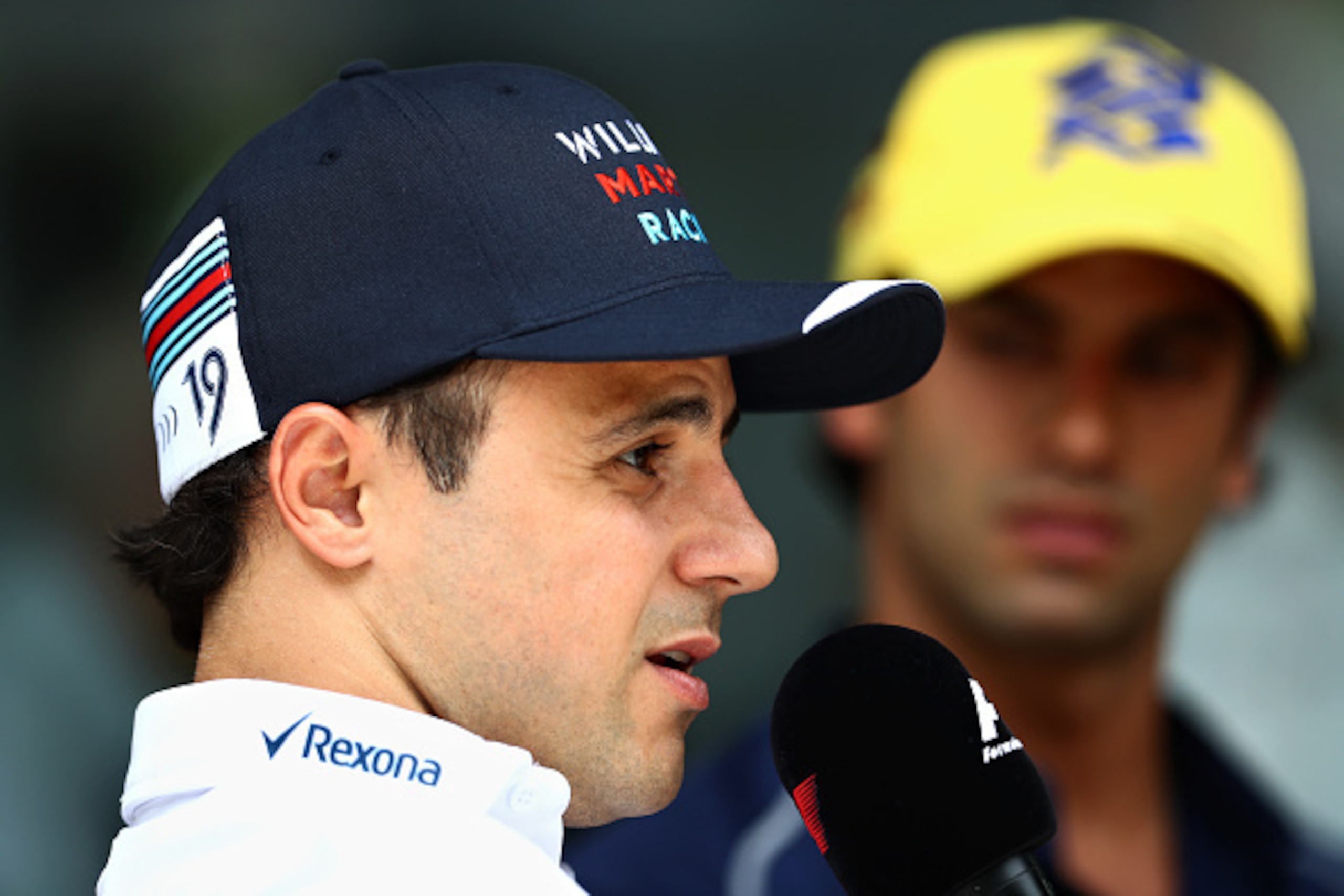
His thoughts were echoed by team-mate Felipe Nasr, the leading candidate to replace Felipe Massa at Williams at one stage, who outlined why Sauber are "going in the right direction" thanks to a solid base and structure, per Crash.net.
Although they remain without a point this season, the changes behind the scenes had led to hope that the team could return to the typical Sauber position after a fresh start in 2017. The aim will be to achieve the kind of results Force India, a similarly sized independent outfit, have achieved since mid-2015.
Yet all that optimism, all that confidence and all that hope generated over the last three months drained away in the space of a single announcement at the recent Japanese GP, where team principal Monisha Kaltenborn told Motorsport.com's Jonathan Noble how Sauber will compete with 2016-specification Ferrari power units next season.
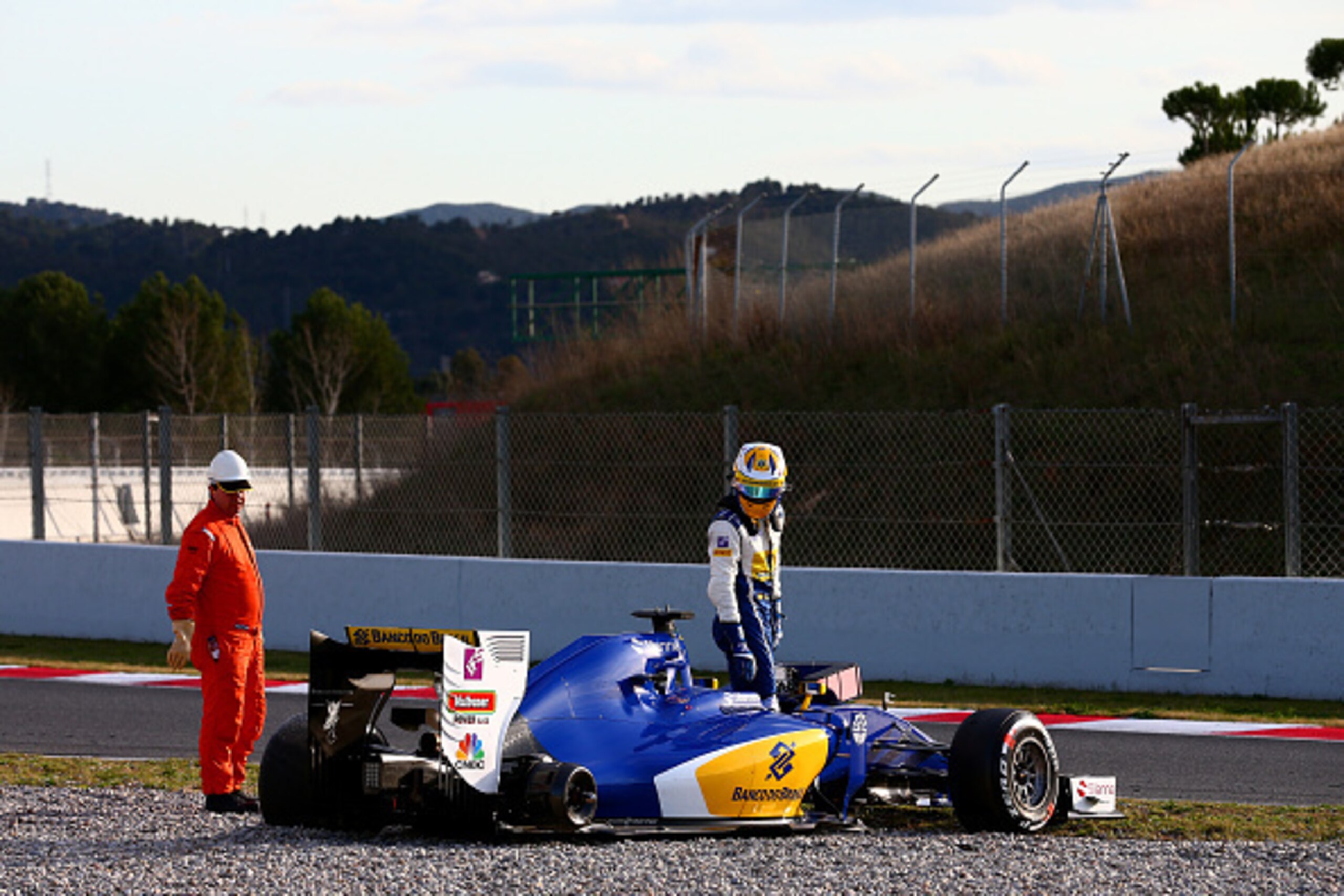
The "strategic decision," as she calls it, has been made with the intention of allowing them to focus solely on the development of their 2017 chassis. But it will almost certainly signal the end of Sauber as a semi-serious F1 team.
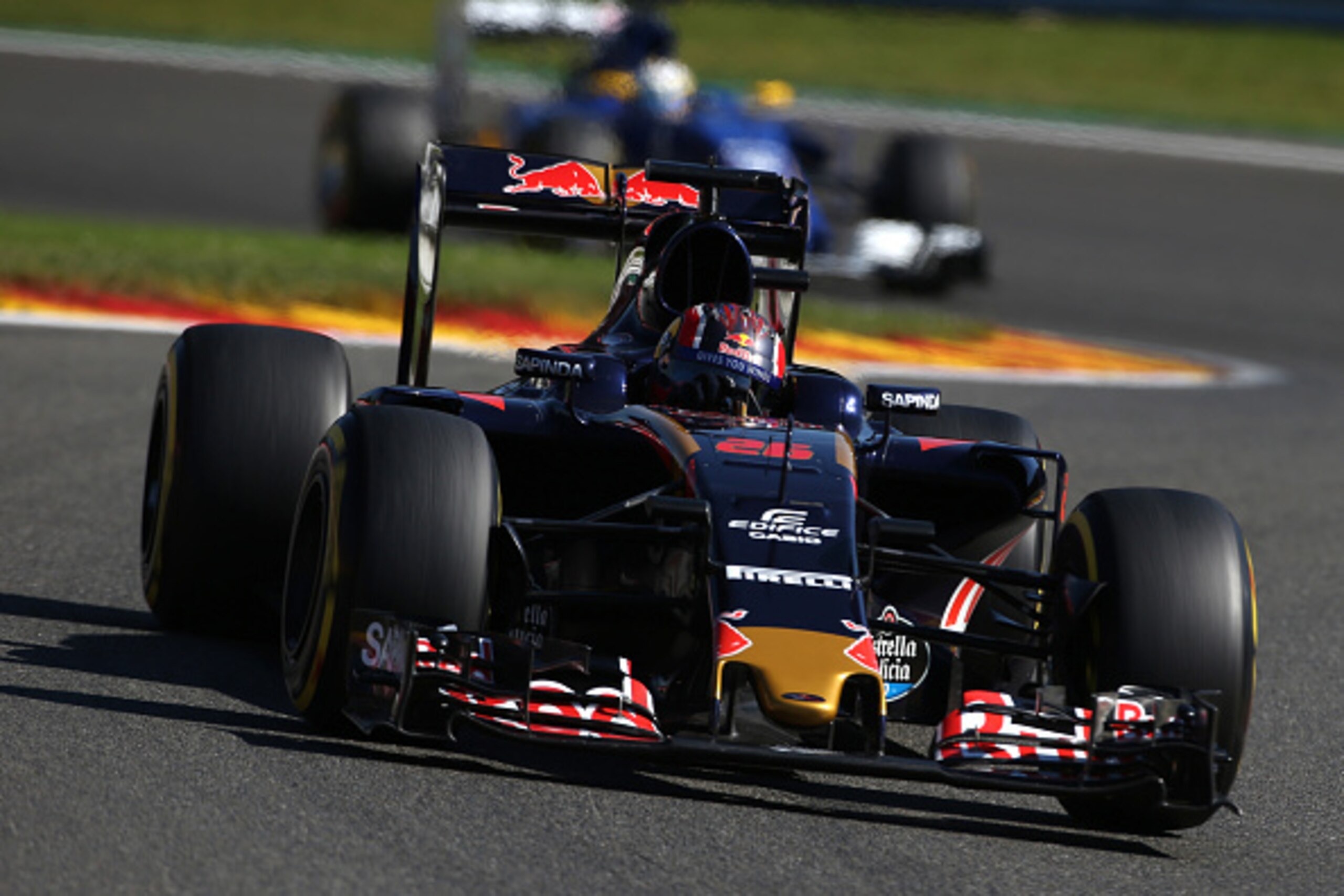
After all, you only need to examine the decline of Toro Rosso to know how debilitating an ageing engine can be. They scored points in all but two of the first 11 races of 2016 but have been restricted to just one top-10 finish in the last six.
And the troubles encountered by the Red Bull B-team—who wasted little time in securing a return to Renault power for 2017 and '18—as this season has progressed will only be magnified for a team in transition.
A team who will be nailed, good and proper, to the very rear of the grid.
It seems Sauber's target is to repeat their start to 2015, when, with a tried-and-tested package, they conducted significant mileage in winter testing while their rivals were left to carry out the formalities of systems checks and suchlike on their new cars.
The result? Nasr and Ericsson scored a combined total of 19 points—more than half the team's final tally—in the opening three grands prix alone, establishing the foundations for an eighth-place finish in the constructors' championship a year after the worst season in Sauber's history.
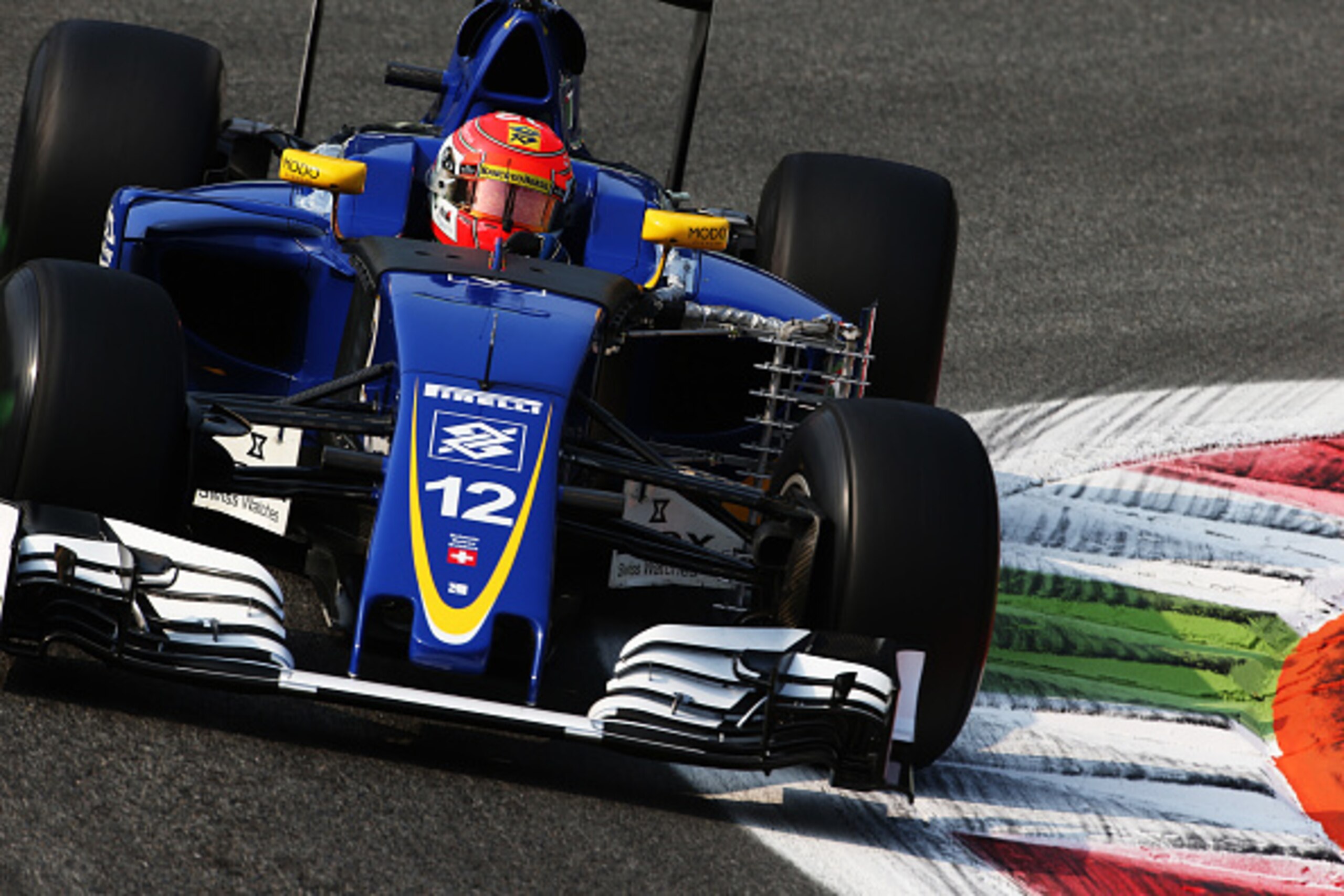
While it was possible to achieve that continuity with stable regulations between 2014 and '15, the major rule changes in 2017—which, through alterations to the bodywork and the introduction of wider tyres, will make the cars considerably faster—will present a very different challenge.
And, in any case, Sauber's 2017 car—the development of which slowed when the team's financial worries were at their peak, as Nasr told Crash.net—is unlikely to be as beautifully crafted as the James Key-designed STR11, which has made up for Toro Rosso's lack of straight-line speed in the corners in 2016.
By far the biggest concern for Sauber, however, is the significant tweak to the engine regulations for next season.
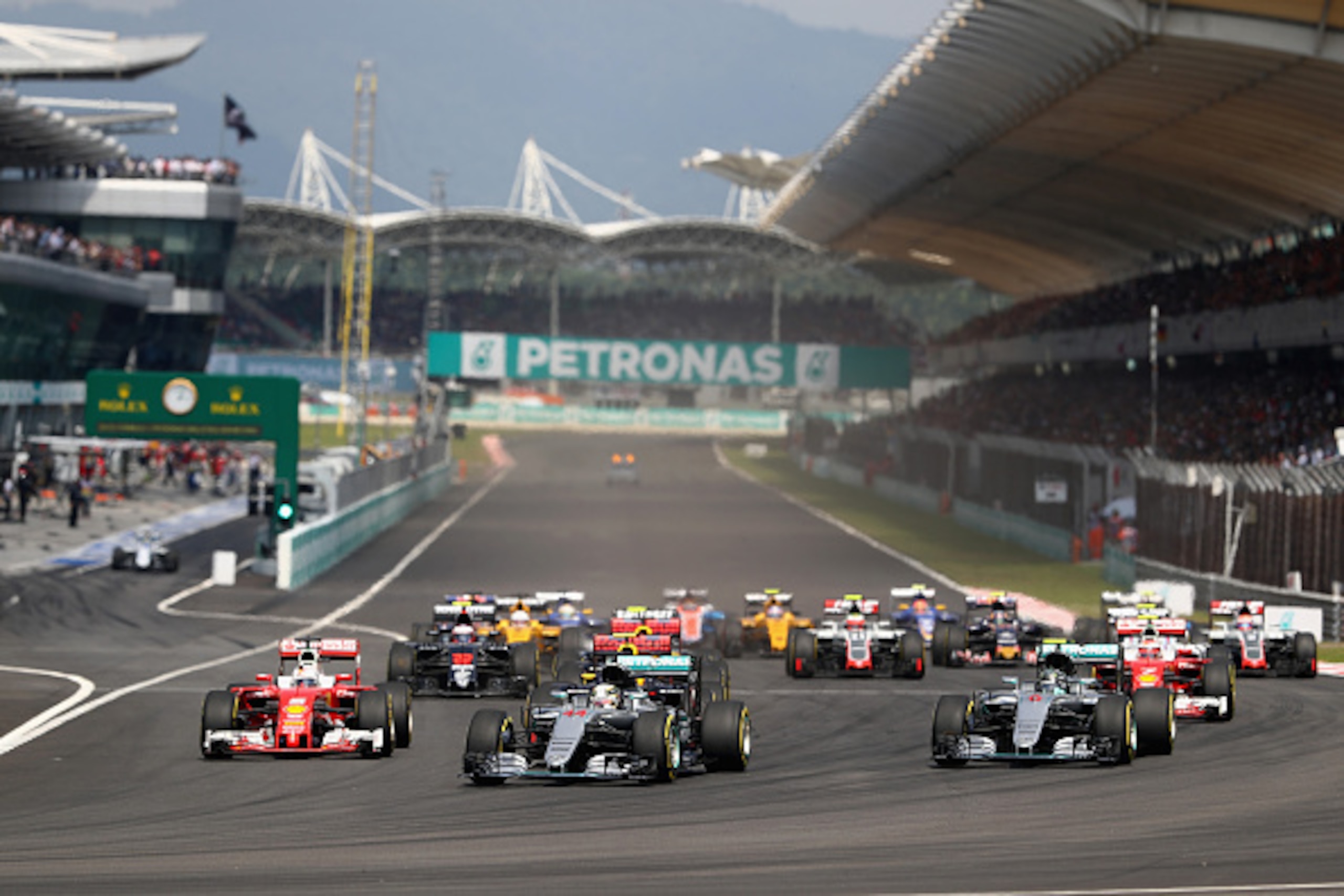
As reported by Motorsport.com's Adam Cooper, F1's determination to ensure performance equality between the four engine manufacturers will see the controversial token system abandoned for 2017, offering Mercedes, Ferrari, Renault and Honda greater freedom to develop their power units.
With almost no restrictions, engine development could accelerate even more rapidly than this season, when Toro Rosso—whose engine was exposed as the weakest on the grid after just two races—first began to feel the pain of their 2015-spec units around the time of July's German GP.
And there is a real danger that Sauber's year-old engine may resemble a relic as early as June's Canadian GP—the first truly power-sensitive venue of a given season—or even the fifth round of the campaign in Spain, where teams traditionally introduce major upgrades.
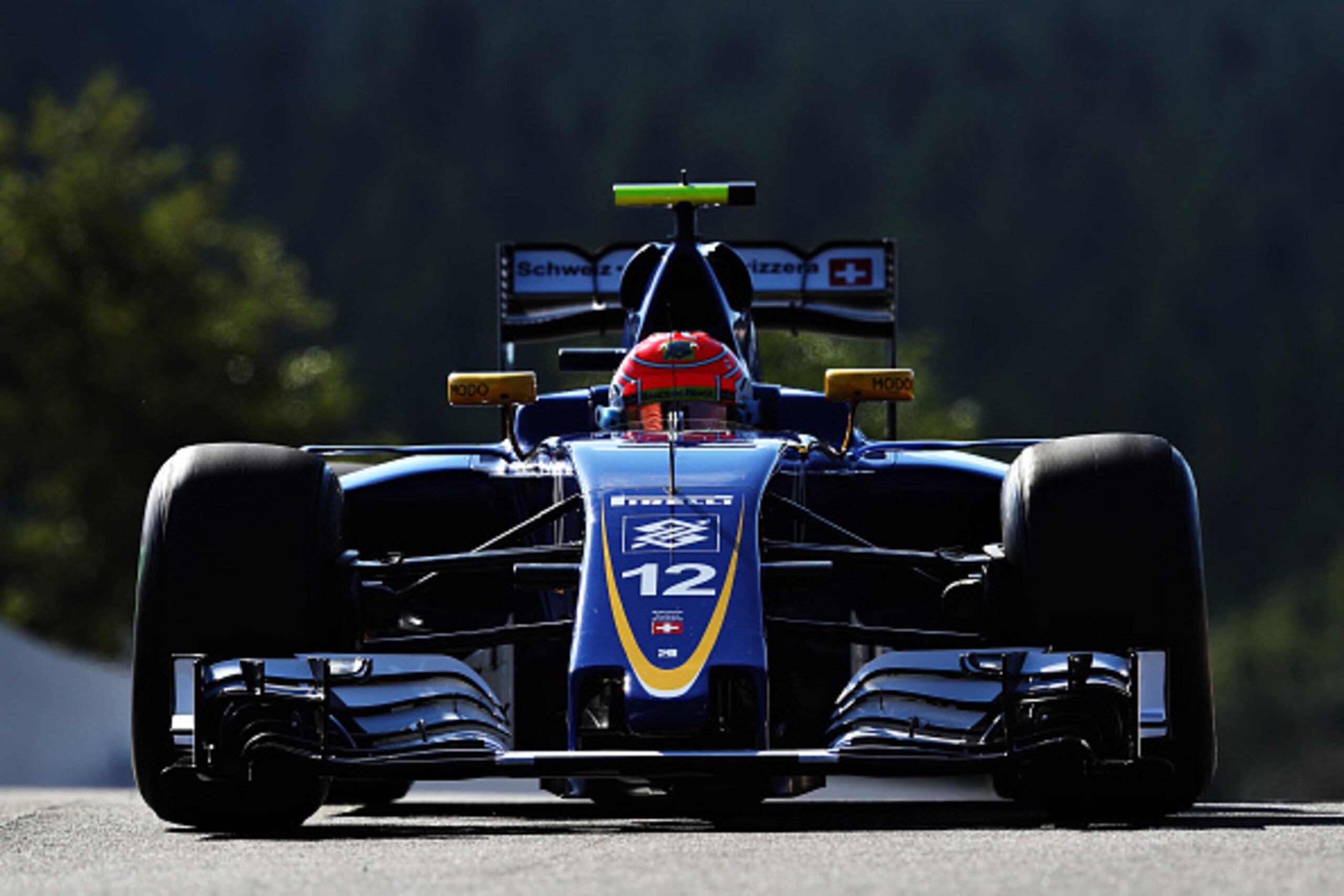
This weekend's United States GP will mark a year since Sauber's last points finish, with Nasr evading the chaos of the wet-to-damp-to-dry race to cross the finish line in eighth position.
If they are to avoid a second scoreless season in three, they will need identical conditions to affect one of the remaining four races of 2016 and several similarly lucky breaks if they are to avoid a similar fate next season, when they will be cut adrift from the rest of the field.
When they will "end up being two steps behind" their closest competitors, as Toro Rosso's Carlos Sainz warned, per Motorsport.com's Valentin Khorounzhiy and Noble.
When they will be pointless in every sense of the word.
.jpg?w=2560 "Saints Lions Football")

.jpg?w=2560 "Report: Baker May Miss Up to 6 Weeks")