
Remaining F1 Constructors' Championship Battles Have Big Financial Implications
Mercedes may have locked up their third straight Formula One constructors' title with four races remaining, but there are still several important battles raging lower down in the standings.
The casual fan may not get too excited about whether Williams can catch Force India for fourth place or if Sauber can steal a point to pass Manor for 10th place, but it matters to the teams. As we will see, constructors' championship prize money makes up approximately half of the budget of some of F1's smaller teams.
Realistically, there are three places left undecided in the constructors' standings: second, fourth and 10th. And while Ferrari could still catch Red Bull for second, it is looking increasingly unlikely.
TOP NEWS
.jpg?w=2560 "Titans Giants Football")
OBJ Calls Out Giants After Release

🚨 Week 5 AP Top 25 Poll

Pic of LeBron's Helicopter Commute 🚁
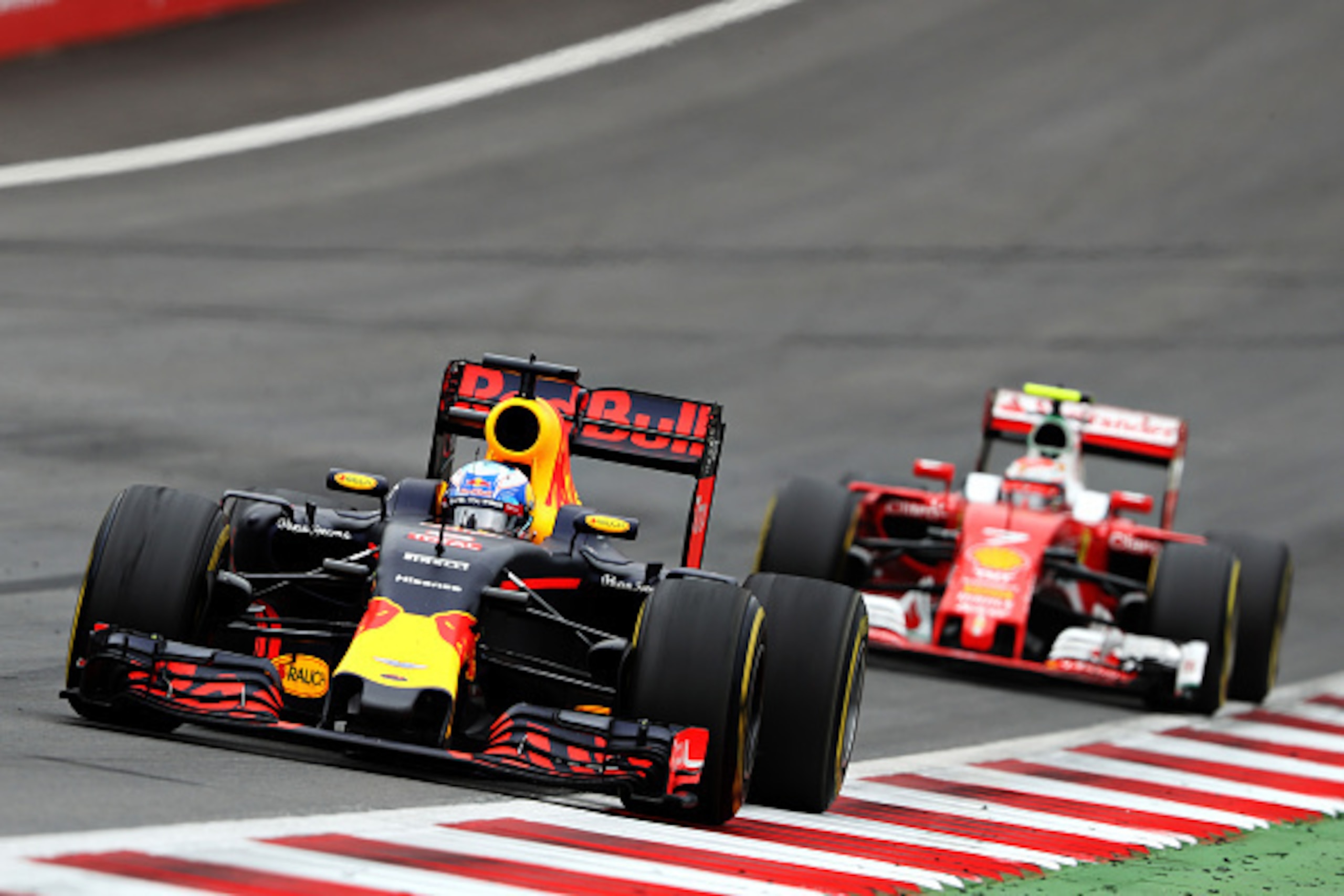
The Scuderia had at least one driver on the podium at eight of the first nine races this year. Since the British Grand Prix, though, they have just one top-three result. Red Bull have nine podium finishes since the Silverstone race and have outscored Ferrari 217 to 143 since then.
Either way, it will not make a huge difference to either of those big teams. The difference in prize money paid to the second- and third-place teams for the 2015 season, according to Autosport's Dieter Rencken and Lawrence Barretto, was $10 million (refer to the Column 2 amounts for Ferrari and Williams).
For us mortals, $10 million is a fortune, but when you are talking about F1 teams with budgets in the hundreds of millions, it is not a big deal (Note: This article uses 2015 budget estimates and prize-money figures for illustrative purposes; assume similar figures for this year).
Among the smaller teams, though, an increase or decrease of a few million in their budgets can affect their competitiveness.
For that reason, the battle for fourth place is more interesting.
Williams' 2015 budget, according to Business Book GP (h/t City A.M.'s Joe Hall), was €186.4 million, or approximately $204.5 million. Force India's budget, meanwhile, was €129.7 million, or $142.3 million.
Yet Force India are 10 points ahead of higher-spending Williams. The difference between fourth and fifth place last year was just $3 million, per Autosport's numbers, but that money will have more of an impact for Force India than Williams—and certainly Ferrari or Red Bull.
There is even more at stake in the battle for 10th place.
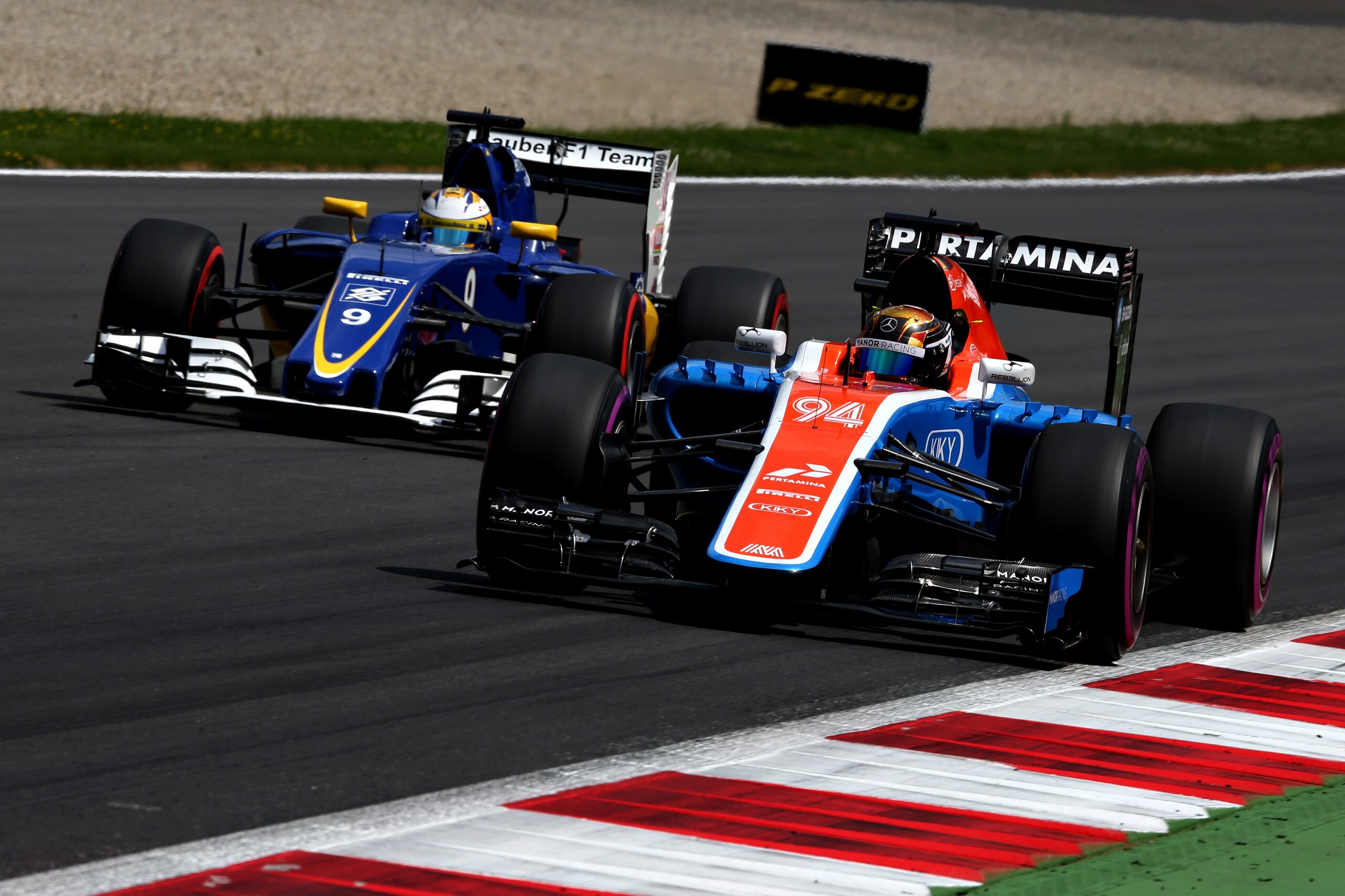
Pascal Wehrlein had a brilliant weekend at the Austrian Grand Prix, putting him in position to take advantage of some late-race chaos to grab a single point for Manor. Coupled with Sauber's ongoing struggles, that lone point has kept Manor in 10th place since that July afternoon.
The top 10 teams in the constructors' championship receive descending shares of the so-called Column 2 payments, while they earn equal Column 1 payments by finishing in the top 10 for two of the previous three years.
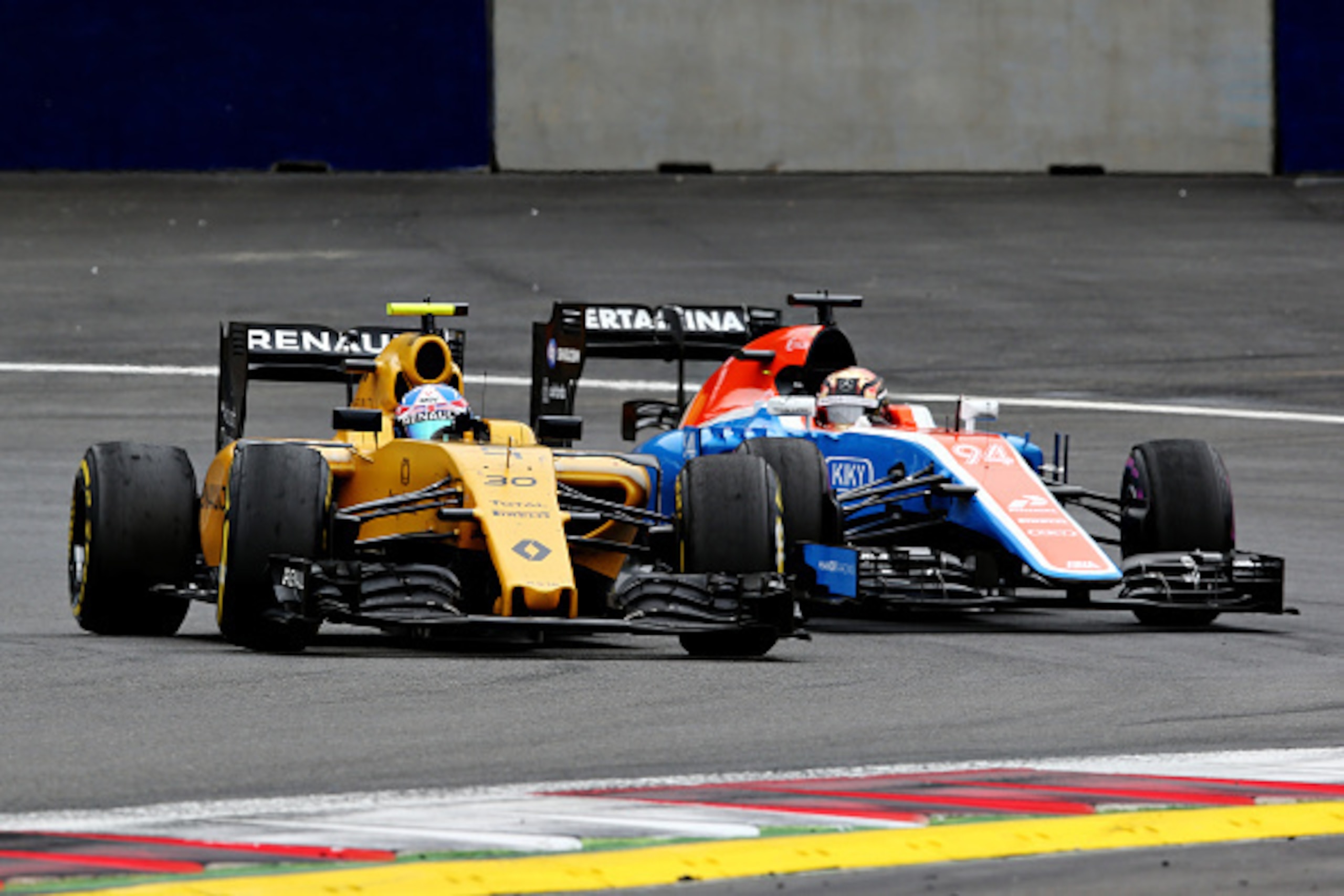
Therefore, both Manor and Sauber are assured their Column 1 payments for next year. There were only 10 teams in 2015, and this year's new team, Haas, will need at least two seasons to start earning Column 1 money.
Based on last year's figures, though, 10th place is worth $13.5 million in Column 2 payouts, while the 11th-place team this year will receive nothing.
Sauber's 2015 budget was €103.2 million ($113.2 million), so if the Swiss team are unable to catch Manor, it could cost them more than 10 per cent of their budget. Likewise, Manor's budget was €83 million ($91.1 million), so losing their hold on 10th place would put a 15 per cent dent in their budget.
Earlier this year, Sauber team principal Monisha Kaltenborn complained about the financial inequalities in F1, telling Crash.net: "If you try to explain to people out there the kind of income the sport generates—and it has, year by year, gone up if you look at the last few years—yet so many teams are having issues, this can't be right. Something is fundamentally wrong in the sport."
Sauber have since received an injection of cash from their new owners, Longbow Finance, but Kaltenborn's point stands. F1 needs to reduce the inequality in prize-money distribution to give the smaller teams a fighting chance.
Until that happens, though, all those smaller battles in the constructors' standings will continue to have a significant impact on the ability of the small teams to fund their operations.
Matthew Walthert is an F1 columnist for Bleacher Report UK. He has also written for VICE, FourFourTwo and the Globe and Mail. Follow him on Twitter:



.jpg?w=2560 "Rap: Lions, LaPorta End Contract Talks")