
Nothing Like Kentucky Blue Grass, But My Home Is Alabama: The Tide Must Roll
Living in Kentucky from '92 to '96 allowed me the opportunity to develop an appreciation for life in the Bluegrass State. We lived in Louisville, stayed in a quaint little neighborhood in a Cape Cod style home on Hoock Avenue.
We enjoyed the Derby and Octoberfest annually and became bigger fans of the game of basketball living amongst the brethren when Denny Crum and Rick Pitino were at opposition from west to east.
It's no joke that basketball is king throughout the state. Indiana fans, Louisville, fans and UK fans bicker all year until their teams lace 'em up and duke it out on the hardwood. The basketball rivalries are fun and intense. Louisville is a nice town, gateway to the Midwest.
TOP NEWS
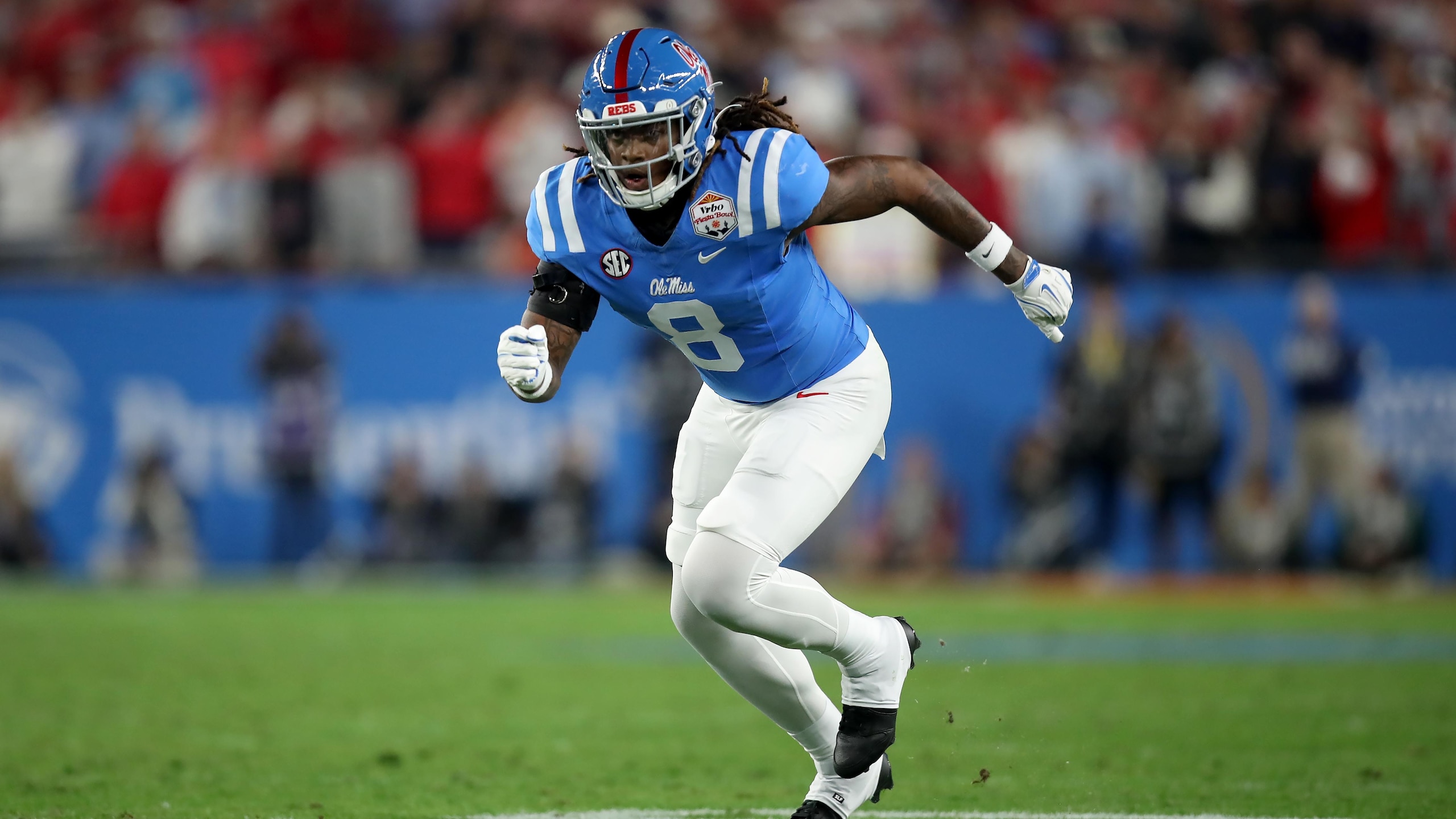
Browns TE Making Historic CFB Return
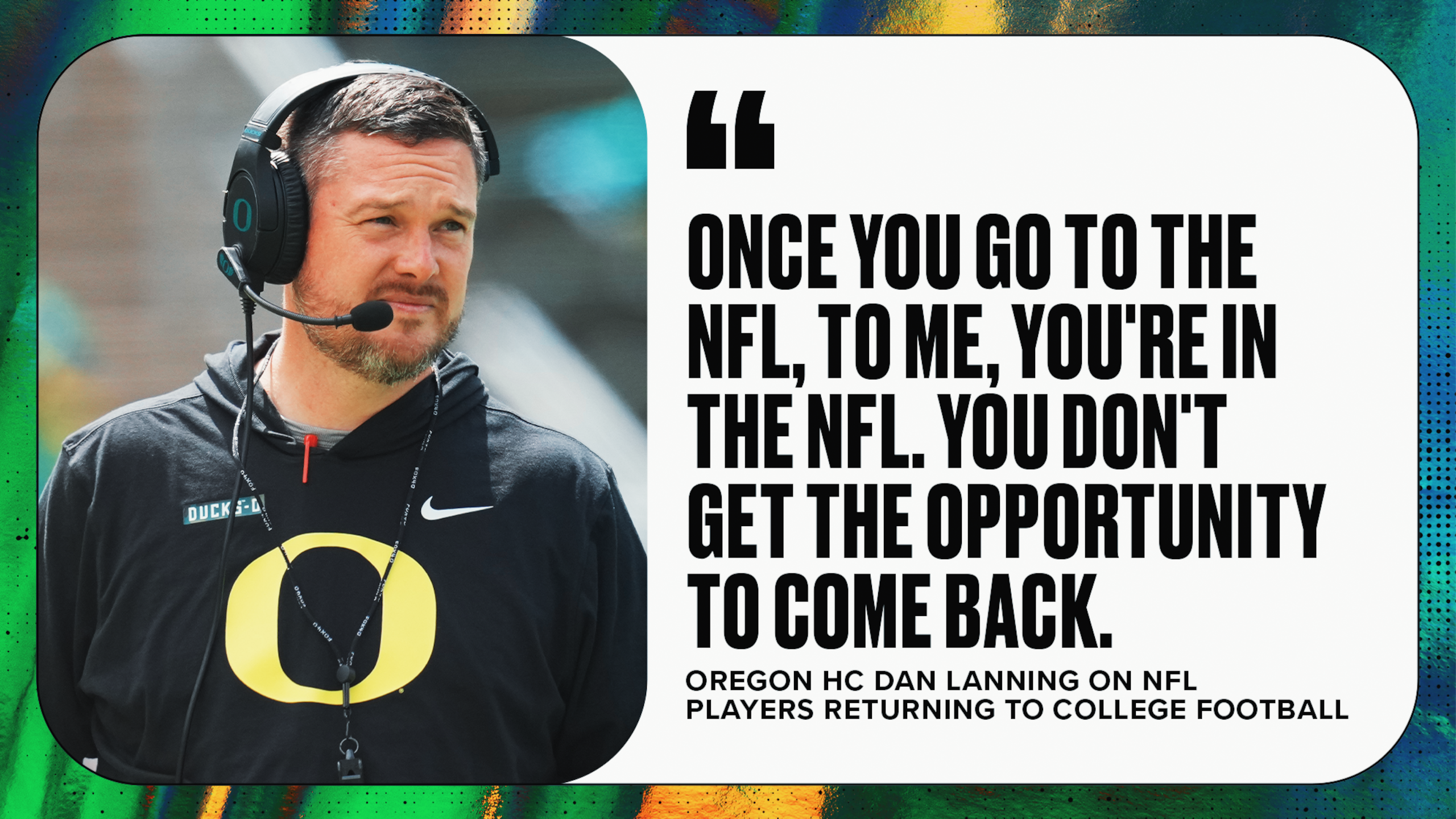
Oregon HC Blasts CFB Returns 😡
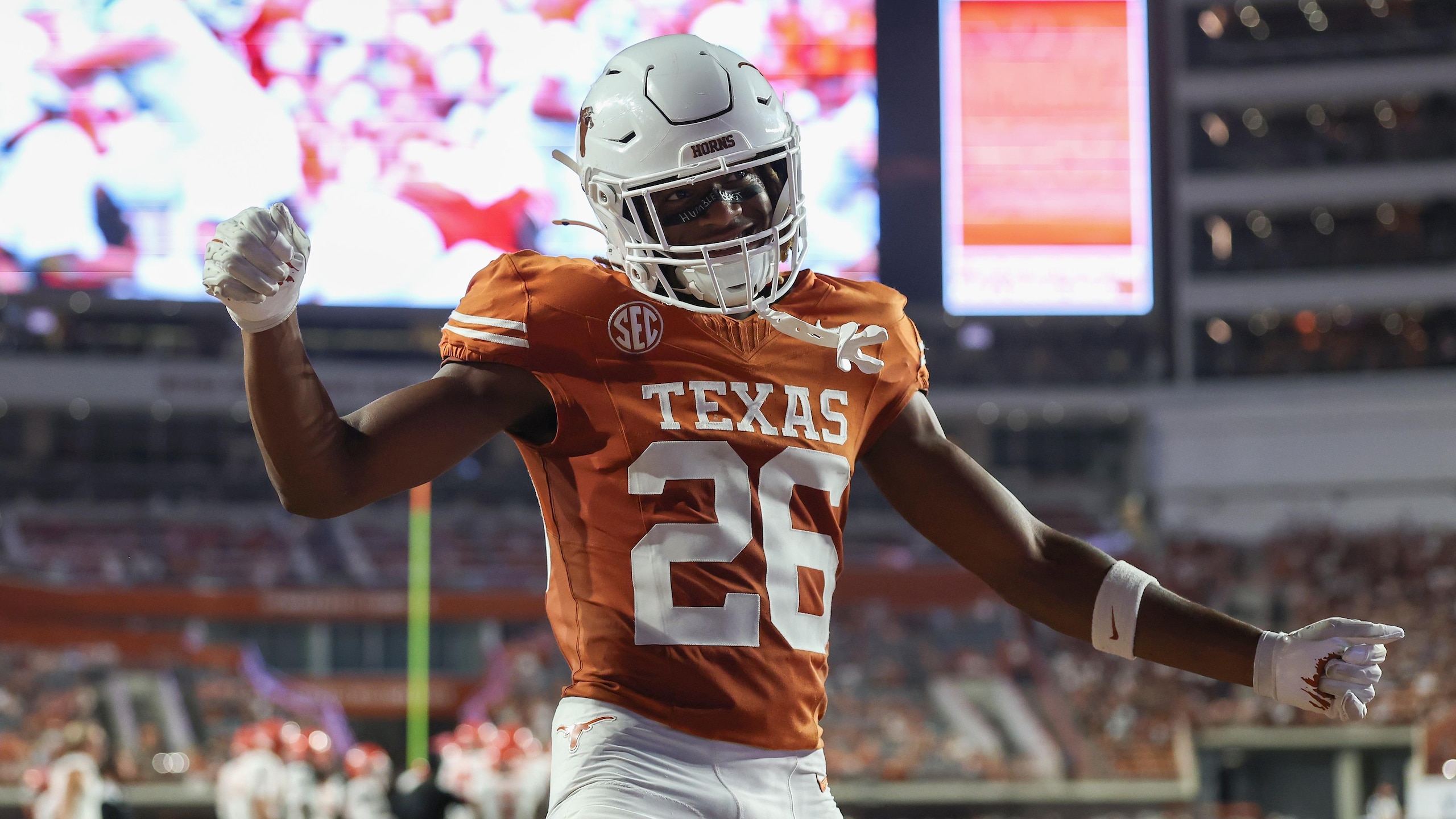
Texas LB Dismissed From Team
But when football season came, Ginny and I would trek to Lexington to watch SEC style football. Lexington is a great southern town. There is a sharp contrast between Lexington and Louisville. Louisville is the big city, Lexington one of the best kept secrets in the Southeast.
The charm of the southern town is enhanced by the rolling hills and long white wooden fences on the outskirts of the city, guarding the thoroughbreds on the peaceful grounds. The beautiful college campus and the youthful student body livens the atmosphere of the city square.
During our stay, football was making a comeback in the state. Howard Schnellenberger and Bill Curry were leading the rival instate teams and getting into the postseason with respectable bowl offers, but not quite on a regular basis.
We had the great pleasure of seeing one of the better running backs in SEC history don the Kentucky Blue, the great Moe Williams. Moe was from my home town of Columbus, Georgia.
In 1995, Williams put together a monumental season that placed him in the Wildcat record books, and his efforts will last in UK lore for generations to come. He had a memorable style of running that combined speed, power, and finesse.
In that season, running behind an offensive line with average talent, Moe rushed for 1,600 yards (seven 100 yard games), led the SEC in rushing yards per game (145.5), all purpose yards (1,826 yards), and scoring (102 points).
Williams left for the NFL after his junior year. In three seasons, his flair and career total of 3,333 rushing yards (an average of 5.4 yards per carry on 618 attempts), 38 receptions for 313 yards (8.2 per catch) and 27 touchdowns re-whetted the appetite for football in the state like blood reminds a vampire of his thirst.
Ex-Alabama head coach Bill Curry coached the wildcats from 1990 to 1996. He arrived in Kentucky after rejection by the Alabama fan base, an intolerable scolding by the Athletic Director (Hootie Ingram) and one-sided contract changes wrestling power from the head coach of the Men in Crimson—a trio of circumstances that led to Curry's resignation at the Capstone.
One over-the-top Alabama fan heaved a brick into the head coaches athletic office.
It was not a bright period for the Capstone. Curry had coached the Tide respectfully to a 10-2 record just one season before, but the rub was that the in-state rival had bested his teams repeatedly, and he was loosing the in-state recruiting battle.
The Kentucky athletic program headed by C.M. Newton took the opportunity to hire a man of great character and better than average coaching skills. Over the next few years, Curry breathed life into the dormant Kentucky football program.
At his pinnacle, he reached a season high total of six wins in 1993 resulting in an invitation to play in the Peach Bowl, pitted against Clemson. A loss in the Peach Bowl contest and his lack of winning in subsequent years, despite the production on the field by Moe Williams, set the wheels in motion for change.
In came Hal Mumme. Fresh off a national championship campaign at Valdosta State, Mumme and his unconventional, but highly successful "Air Raid" passing game excited the fan base beyond all expectations by anyone outside of the Commonwealth State.
That particular hire, along with the signing of in state high school QB phenom Tim Couch gave Wildcats fans hope of competing for a title in the Southeastern Conference.
In three seasons, Mumme led the Wildcats to 20 wins against 26 losses but recruiting violations eventually led to his demise as head coach in Lexington.
Mumme resigned as head coach in 2001, leaving the promising program in turmoil and banned from postseason play. The football program lost 19 scholarships over the next three seasons.
Guy Morriss stepped in to keep the ship on course, and, in fact, led them to a 7-5 record in 2002. Despite their on field success, the Wildcats could not participate in postseason play due to imposed sanctions.
Unfortunately, the most memorable game in the 2002 season was an unfortunate loss to LSU in what has become know as the "Bluegrass Miracle"—more memorable for the LSU tiger fans.
Rich Brooks took over the Wildcat program after the bitter successes of the 2002 season, just before the period that the football program was to suffer the effect of the NCAA sanctions imposed from the Mumme Era.
Brooks had been a successful head coach in the college ranks and an assistant in the pros, but had been away from coaching for two years when Kentucky came calling. In his first three seasons at the helm, his teams recorded only nine victories in 34 games.
In year four, Brooks had a winning season, reaching the regular season record of 7-5, and then defeated the Clemson Tigers in the Music City Bowl. Brooks received a contract extension for his success on the gridiron.
As a gesture of his appreciation, Brooks followed up in 2007 with an eight-win season. Wins included victories over the intrastate rival Louisville Cardinals and a payback win over the LSU Tigers. Moreover, he took the Wildcats to the Music City Bowl and defeated perennial winner Florida State 35-28.
In 2008, the Kentucky Wildcats finished 7-6, beginning the season 5-0. The third consecutive winning season ended with a victory over the Conference USA champion East Carolina Pirates.
The 2009 season is still young. They have already defeated their intrastate rival, likely leaving Kragthorpe's head on the chopping block. The season opener showed offensive power over a Mid-American Conference opponent and shut them down with defensive dominance, 41-0.
The task of defeating the Alabama Crimson Tide is as tough as it gets. Alabama sports a 34-2-1 record against the Wildcats. In addition, this Alabama team is as good as any that has taken the field in years past, sporting a 4-0 record in this early season.
Mike Hartline is a steady leader. He has a QB passer rating of 120.7 (51-for-82, three interceptions). He has four touchdowns and receivers have accumulated 485 yards passing in the first three games.
Randall Cobb, the all purpose sophomore WR, is Hartline's favorite target. They have connected for 18 completions, 191 yards and two touchdowns. Chris Matthews is not far behind with 13 completions, 119 yards and one touchdown.
Eleven other Wildcats have completed passes hurled their way by the savvy Hartline.
The running backs are led by Derrick Locke and Alphonzo Smith. But nine other players have left the backfield with the ball for positive gains. The Kentucky offense has combined for five rushing touchdowns and four receiving touchdowns, establishing balance in this early season.
The offensive line has depth and senior leadership. The defense has shown toughness and the ability to adjust at the half. In the second half of the Florida game, the Kentucky defense showed the ability to take control and close down opportunities that were available to the opposition in the first half of play.
I suspect Alabama will continue to show balance on the offensive front. Their intentions are to dominate the offensive line even if the defense attempts to load the box. The Razorbacks tried that approach and though they had some success, ultimately, the plan failed.
McElroy will stretch the field with occasional throws down field to capable receivers. The passing game will likely overwhelm the Kentucky secondary. They do have play makers on the defensive side of the ball but the constant pounding will tax their energy, and the lack of real power beyond the starting line will be exposed.
Alabama will be ready for the Wildcats, of that we can be sure. A win is expected by the coaches, players, and fans of this Alabama team. Just don't be surprised if the Wildcats claw their way into contention in the first and second quarters of the game.
In the end, the Crimson Tide should prove to be an over-match, once again, for the pride of the Bluegrass State.
ROLL TIDE
.jpg?w=2560 "Jeanty Avoids Major Injury")
.jpg?w=2560 "Report: Saints Trade For 49ers RB")
.png?w=2560 "MLB Playoff Picture Shaping Up")
.jpg?w=2560 "Bucs Rookie's 'Bane' Face Mask 😈")