2016 NBA Draft Prospects: Breaking Down the Pro Future of Sheldon McClellan
Sheldon McClellan was an alternate invite to the NBA Draft Combine, but it's hard to figure out why since he was more than deserving to be on the initial list.
He's a bouncy, athletic shooting guard with a jump shot, and was one of the most efficient scorers in college basketball.
The combine invite list is compiled by surveying NBA teams and identifying which players they want to watch. McClellan was a fifth-year senior—he started his career at Texas and had to sit out a year as a transfer to Miami—so maybe the fact he's one of the oldest players in the draft tempered interest.
TOP NEWS
Predicting Next Big-Money Extensions 🔮
JB Reacts to Tacko Fall Deal 😏
Oladipo Writes Letter to GMs
But there's enough to like about McClellan to take a shot on him in the second round. He has prototypical shooting-guard size, athleticism and skill, and he projects as a player who should be able to survive in the league.
Relevant Stats
| 2015-16 | 16.3 | 3.2 | 1.6 | 50.4 | 40.6 | 83.8 | 126.7 |
| 2014-15 | 14.5 | 4.7 | 1.9 | 48.4 | 35.8 | 82.4 | 118.2 |
| 2012-13 | 13.5 | 3.9 | 0.9 | 38.2 | 27.3 | 83.3 | 104.1 |
| 2011-12 | 11.3 | 3.3 | 0.6 | 44.8 | 31.0 | 75.6 | 116.5 |
McClellan's offensive rating as a senior was higher than both Oklahoma's Buddy Hield and Michigan State's Denzel Valentine—two of the most respected guards in the country. Granted, McClellan's usage was much lower: 21.3 percent of Miami's possessions, compared to a 28.4 percent usage rate for Hield and 28.9 for Valentine, per KenPom.com.
Since McClellan doesn't figure to be a high-usage player in the NBA either, it's encouraging that he doesn't need a lot of shots to get his points.
Strengths
McClellan extended his range throughout his college career and should have no issue with the NBA line. In two scrimmages at the combine, he shot 4-of-6 from beyond the arc. He also made 19-of-25 spot-up threes, which was tied for the second-best mark at the Combine.
| Age | 23 (Born Dec. 21, 1992) |
| Team | Miami |
| Height | 6'5" |
| Weight | 198 |
McClellan is comfortable shooting off the catch or the dribble. His mid-range game has always been a strength and is where he got most of his buckets during his first two years at Texas. He handles the ball well for a shooting guard and can shake defenders off the bounce. He's effective creating space off a ball screen and has the quickness to turn the corner.
McClellan had the third-highest max vertical at the combine (41.5 inches), and that comes in handy around the rim. He was a strong finisher throughout his four years of eligibility (see chart), and the Hurricanes often targeted him on alley-oops.
The way McClellan performed in big contests was also encouraging. He averaged 21.3 points in three NCAA tournament games, and his average went up a tick (16.4 PPG) during 14 games against NCAA tourney teams this past year.
Weaknesses

There aren't a lot of holes in McClellan's offensive game. He has a tendency to over-dribble sometimes, but he's confident when he gets his opportunities and understands his strengths. He would go stretches where he'd disappear, but that should be less of an issue in the NBA when he's not a primary scorer.
McClellan needs to make most improvements on the defensive end, however. He's not always aware away from the play and can get lost ball-watching. His on-the-ball defense also needs work.
His defensive posture isn't great, as he bends too much at the waist. He also gets screened too easily and doesn't show a lot of fight in pick-and-roll coverage.
At 23 years old (24 in December), you would hope he'd be a better defender. But he's a good enough athlete to get by if he improves his technique and awareness.
NBA Player Comparison
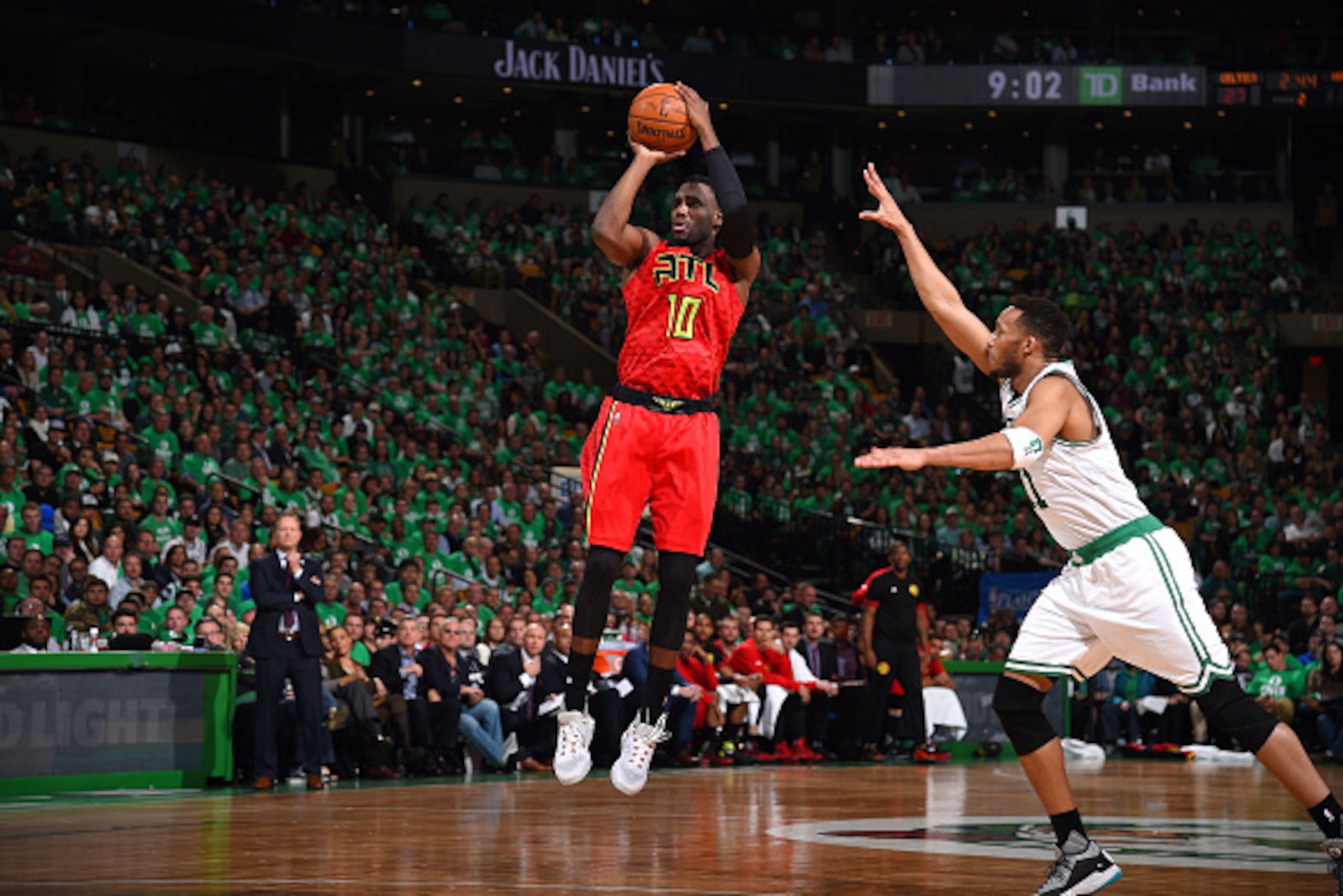
McClellan's size and physical tools are nearly identical to Tim Hardaway Jr.'s, and they also had similar numbers in college. The only noticeable differences were that Hardaway looked to make plays for others more than McClellan, while McClellan is a slightly more explosive athlete and got to the rim more often.
Hardaway has had a solid first three years in the league and averaged double figures each of his first two seasons in New York. That bodes well for McClellan.
Best-Case Scenario
The best-case scenario is that McClellan lands on a roster needing depth at the 2 and has immediate playing time available, similar to the scenario for Hardaway in New York.
McClellan is not an upside pick, so his success early will be a big factor as to whether he hangs on in the league or not.
Worst-Case Scenario
It was a surprise to see McClellan transfer from Texas because he was the team's second-leading scorer his final year in Austin. It wasn't as if he wasn't getting minutes or shots. That was a time, however, when the UT roster had a mass exodus. Four of the six players in his class ended up transferring during their careers, and a fifth, Myck Kabongo, left to go pro after just two seasons.
Then-Texas head coach Rick Barnes made it clear to me the next season that he was happy to see his roster turn over. McClellan's success at Miami makes some of this forgettable, but NBA teams do their homework, and it's possible his reputation at UT could come back to bite him when it comes to the draft.
Add in McClellan's age, and he could end up going undrafted.
Prediction
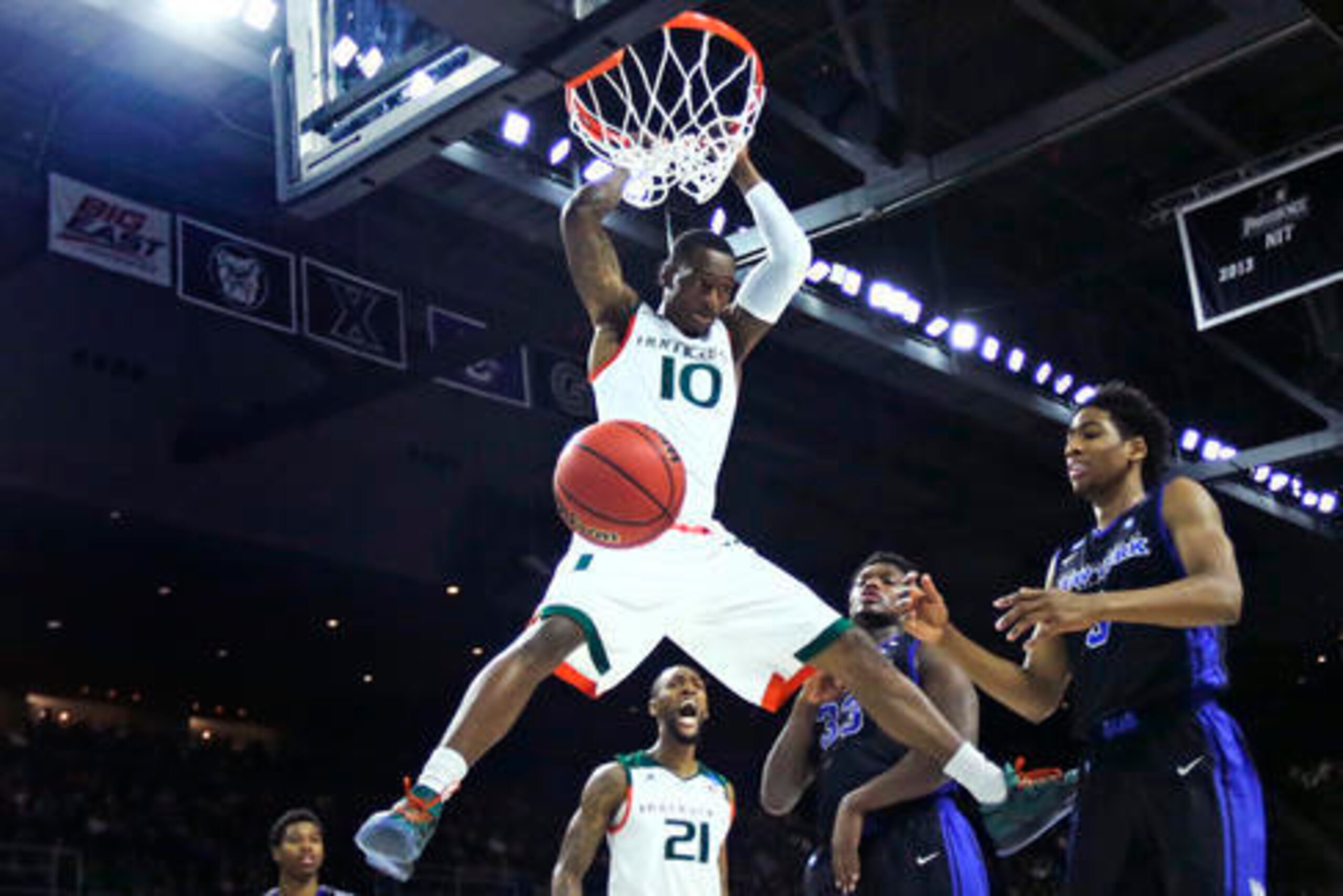
The draft is deep with shooting guards, but McClellan should still hear his name called. It's rare to see a player with his physical tools who had a senior season like he had go unselected.
He's a candidate to be this draft's Josh Richardson or Norman Powell. Those players were better defenders in college, but like those two, McClellan is a plus athlete who could go later in the draft than he should because of his age.
The teams that passed on Richardson and Powell are kicking themselves now, and if all goes right for McClellan, he'll land in a situation, as they did, where he can prove himself as a rookie.
C.J. Moore covers college basketball for Bleacher Report. You can follow him on Twitter @CJMooreBR.



.jpg?w=2560 "Court Documents: Tiger Plans to Change Plea in DUI Case (AP)")
.jpg?w=2560 "Top fantasy football seasons, ranked")