

Why Williams Will Be the Team to Watch in 2016 European Grand Prix at Baku
For the third year in succession, the same old questions were being asked of same old Williams in the aftermath of the Monaco Grand Prix.
Their car had performed competently in the early weeks of the season, good enough for the team to be regarded as the best of the rest behind the usual suspects after Valtteri Bottas and Felipe Massa both scored points in each of the first five races.
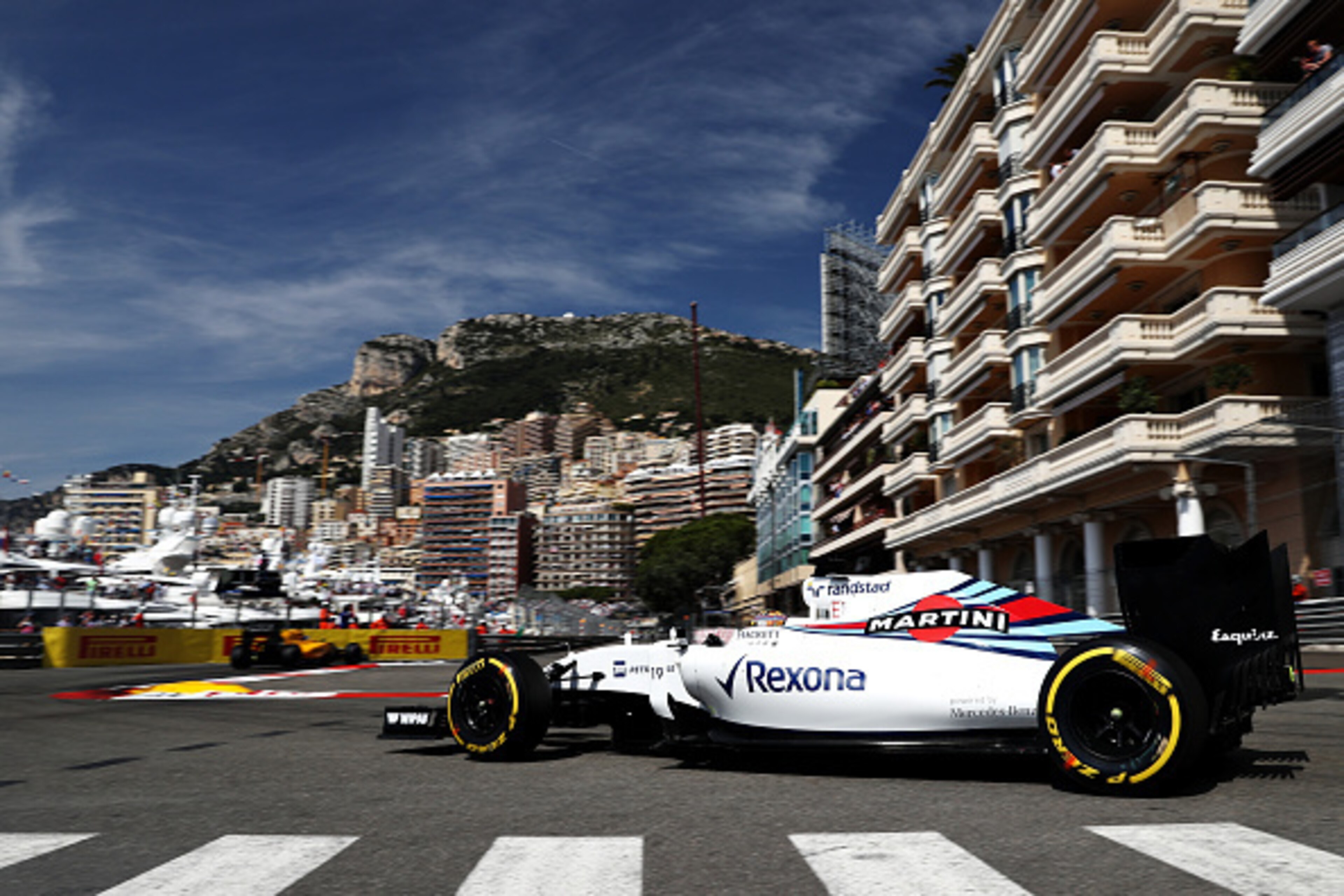
But when Formula One returned to the tight and twisty streets of Monte Carlo—the first truly slow-speed, maximum-downforce venue of the season—they were nowhere.

Again.
Having qualified as high as third just two races earlier, Bottas was classified a pitiful 12th—penalised for hitting another car little more than 24 hours after his FW38 threatened to spit him into the walls of the tunnel (above)—while Massa also finished a lap down in 10th.
Although the Brazilian's points finish after being eliminated from the second segment of qualifying represented a recovery of sorts, the team's worst performance of 2016 meant Williams—despite having one of the fastest cars on the grid—had extracted just seven points from the last three Monaco Grands Prix.
And the piranha club wanted answers.
Was it acceptable that Williams were still suffering from the same fundamental problems in the third year of the existing regulations?
How could it be that an engineering team led by the likes of Pat Symonds and Rob Smedley were still unable to produce a chassis with semi-respectable slow-speed performance?

Had Williams—who launched the FW38 with the intention of maintaining everything good about its predecessor while addressing its main weaknesses, as Symonds told the team's official website in February—failed to meet one of their pre-season targets?
Thankfully, Smedley had those answers, and they may have surprised a number of people within the paddock.
Rather than being a persistent symptom of Williams' restraints and limitations, both financially and mechanically, their struggles at high-downforce tracks were simply a matter of choice, a carefully judged compromise.
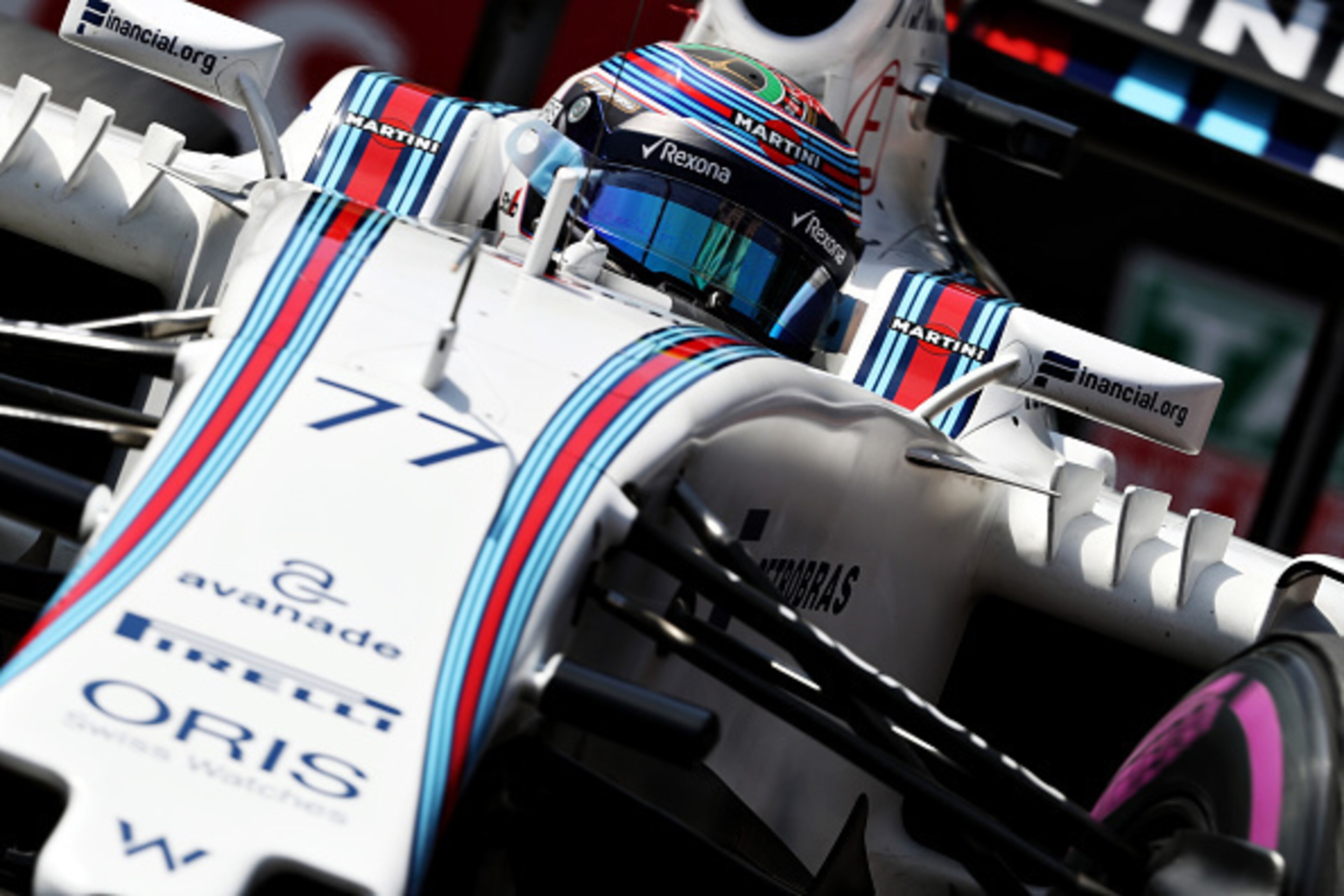
Per Autosport (h/t Eurosport), Smedley explained the high-speed traits of the recent Williams cars has encouraged them to "continue to develop" in that direction.
He revealed the team, having claimed two consecutive third-place finishes in the constructors' championship in 2014 and '15, see no reason to alter that design philosophy and admitted they are prepared to simply "accept" slower circuits "are not going to be the prettiest places for Williams."
His logic, of course, is that the pain of Monaco, Hungary and Singapore will ultimately be outweighed by the pleasure of races in Canada, Austria—where Massa and Bottas locked out the front row in 2014—and Britain, where they challenged Lewis Hamilton and Nico Rosberg for victory last year.
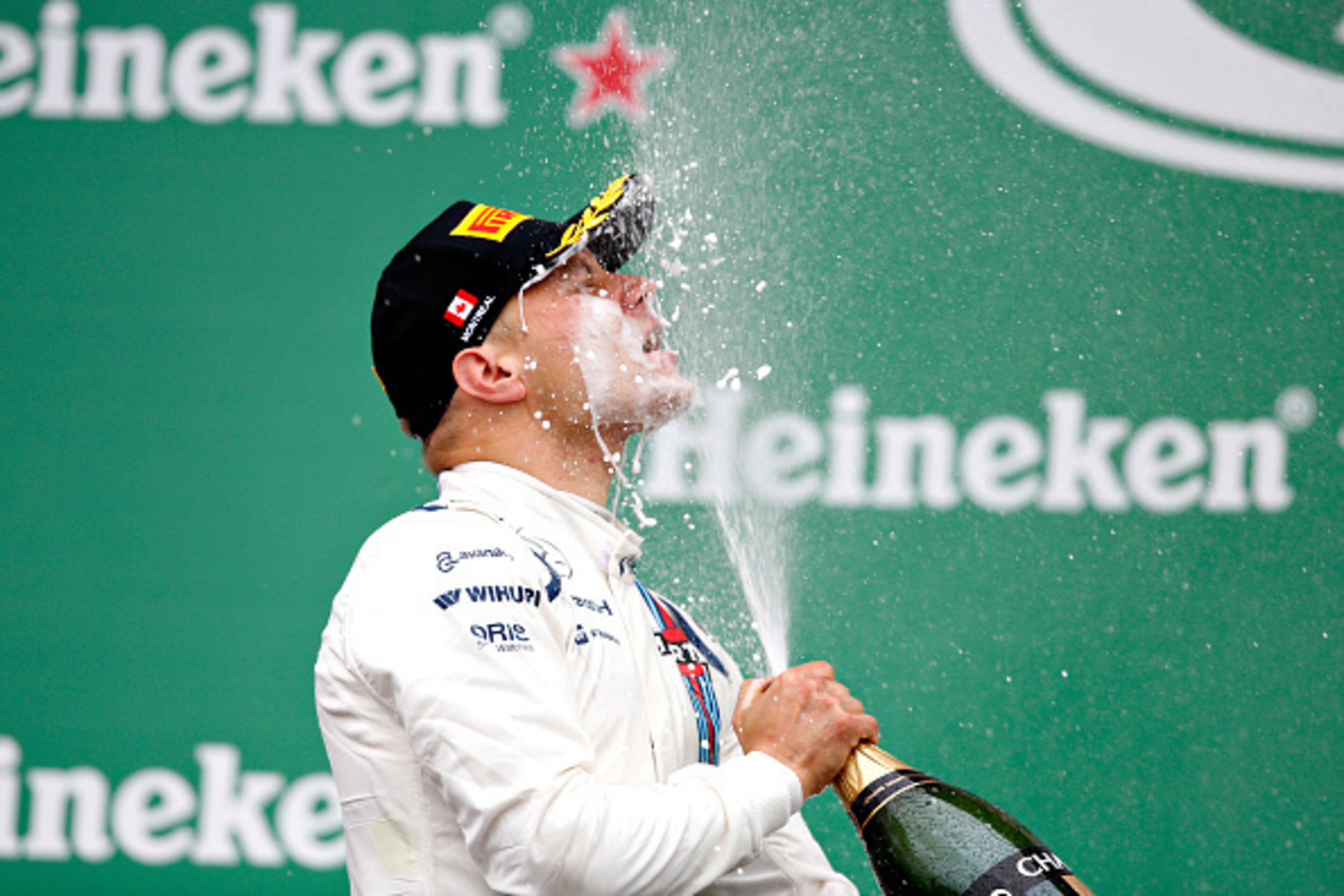
And on the evidence of Bottas' showing in Friday practice, when the Finn was the most consistent challenger to Mercedes just five days after claiming his first podium of 2016 in Canada, Williams can add the European Grand Prix to the list of races that will play to the strengths—or disguise the vices—of the FW38.
Despite its status as a street track, the Baku City Circuit—which features the longest straight in F1, where drivers spend more than 20 seconds on full throttle, and several other high-speed sections—may allow Williams to produce their most complete performance since late 2014, with Ferrari and Red Bull both struggling in practice.
Although Massa was also nowhere to be seen on Friday—finishing no higher than eighth in the two sessions—and has struggled at street circuits throughout his career, Bottas has proved to be among the fastest learners on the grid in recent years, quickly adapting to the demands of brand-new and unfamiliar tracks.
His maiden F1 points finish, after all, was achieved at the Circuit of the Americas in his first appearance at the venue, with Bottas claiming podiums in the first grands prix held at the returning Red Bull Ring, the Sochi Autodrom and Mexico's refurbished Autodromo Hermanos Rodriguez since mid-2014.
Located in the middle of a five-race streak between Montreal and Hockenheim that should theoretically be Williams' most competitive period of the year, the European GP has also come at an ideal time in the context of the constructors' championship.
Currently nursing a 39-point lead over fellow Mercedes customers Force India, a number of champagne-drenched races over the coming weeks would effectively secure fourth place for Williams in time for the summer break, when most teams are likely to end the development of their 2016 cars with a view to next season's rule changes.
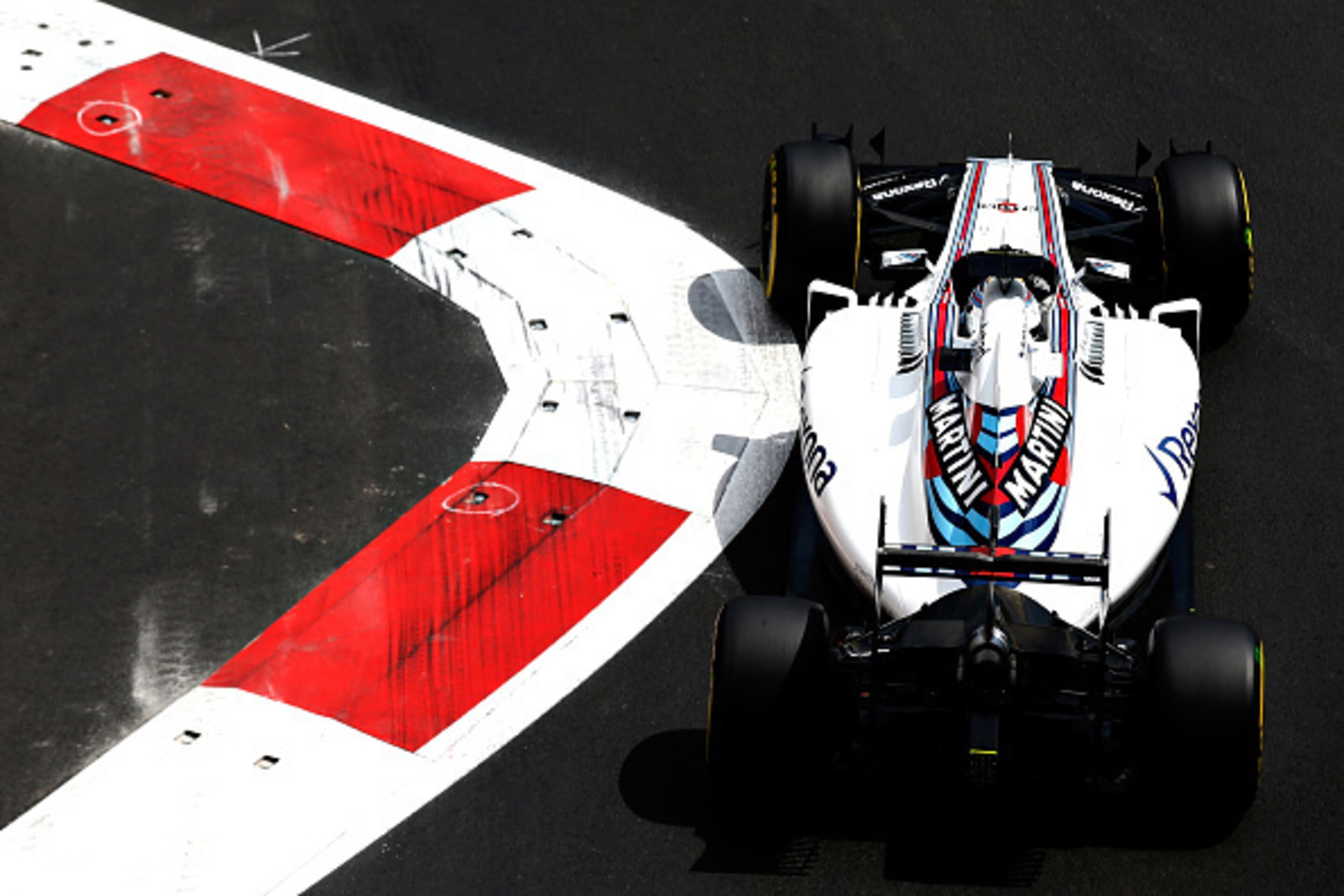
With substantial alterations set to be made to the bodywork of the cars ahead of the 2017 campaign, a significant increase in downforce will be forced upon Williams under the new regulations.
But the relatively little they currently have, coupled with the standard-setting Mercedes power unit, should be more than enough for a second consecutive podium on the long, fast streets of Baku this weekend.

.jpg?w=3840 "Cardinals Rams Football")




.png?w=3840 "Ranking the Best Shooters of All Time 🎯")
.jpg?w=3840 "Jeudy Calls Out Browns Media 👀")