

Why Ryan Giggs Is the Perfect Successor to Louis van Gaal at Manchester United
Appointing Ryan Giggs as manager of Manchester United would be a tremendous gamble, but his personal qualities and history with the club make it a risk worth taking. Between Louis van Gaal and Sir Alex Ferguson, Giggs has had the best possible teachers, and when the time comes, he should be ready to step up.
It is inherently clear why it is a gamble. Handing the keys to Old Trafford to Giggs—a man who has a four-game long CV as a manager—is arguably the equivalent of handing the keys of a Ferrari to someone who has just passed their driving test.
TOP NEWS

$55 Stadium Nachos in LA 🤨
FIFA to Change Red Card Rule
Yankees higher ups annoyed with Aaron Judge
However, there are several factors that make it a decision that, for all its risk, is the one United should take.
Sentiment
The first of these is sentiment. Sentiment might seem like an awfully wishy-washy basis for a decision of this magnitude, but it is important to remember that running Manchester United is not the same as running a country.
The perception of its importance is relentlessly magnified by round-the-clock coverage and endless column inches.
It is true that, as Alex Ferguson said long before he was a knight, on his first day in charge of United: "So many people all over Britain have a care for Manchester United, a tremendous care, a concern for them and want to know how they're doing and want to know and hope they're doing well."
If he was giving that interview now, he would surely have said "the world" rather than "Britain."
However, it is also true that at its most basic, fundamental level, football is a game. Professional sport exists in a realm somewhere between real life and drama, where real actions are given hyperreal significance by those who care so deeply about the outcome.
The point being, essentially, if you can't be sentimental about football, what can you be sentimental about? The appointment of Giggs would be dripping with sentiment. He played for the club a full 205 times more than anyone else, per the Website of Dreams.
That number, incidentally, would be enough to put him among the top 100 appearance-makers in United history—the same number of times Park Ji-Sung and John Grimwood ran out in the red shirt.
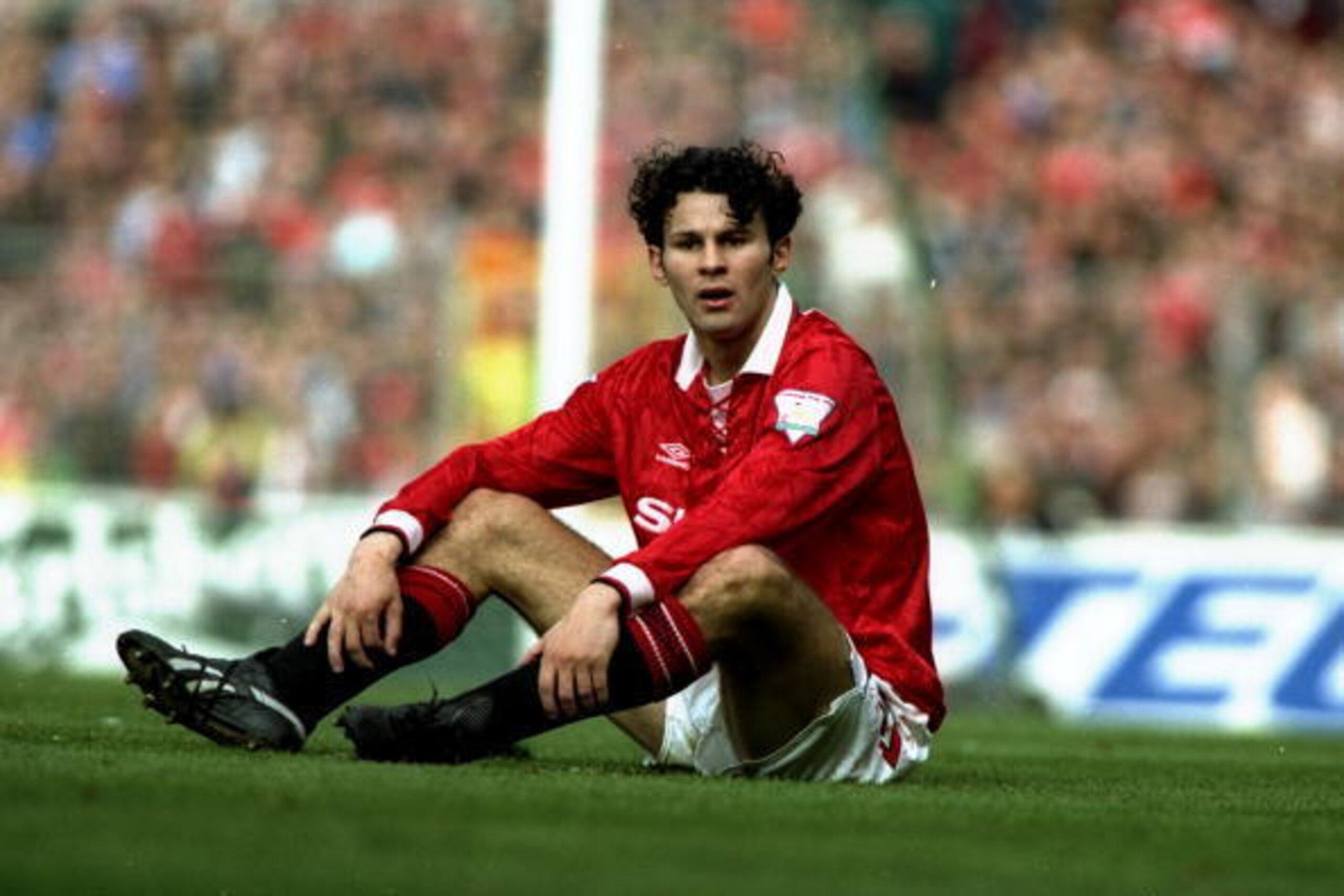
His remarkable personal history with the club ran the entire length of his career. He broke all manner of records for personal achievement and is the only member of the Class of '92 who transitioned straight from playing for United to the coaching staff. There is a perfect sentimental logic to his next step being to take over as manager.
The feeling around Old Trafford when Giggs stepped out of the tunnel in a club suit to manage the side against Norwich City at the back end of the 2013/14 season was remarkable. There was a collective outpouring of love—and indeed of hope and relief given David Moyes' time in charge had come to an end.
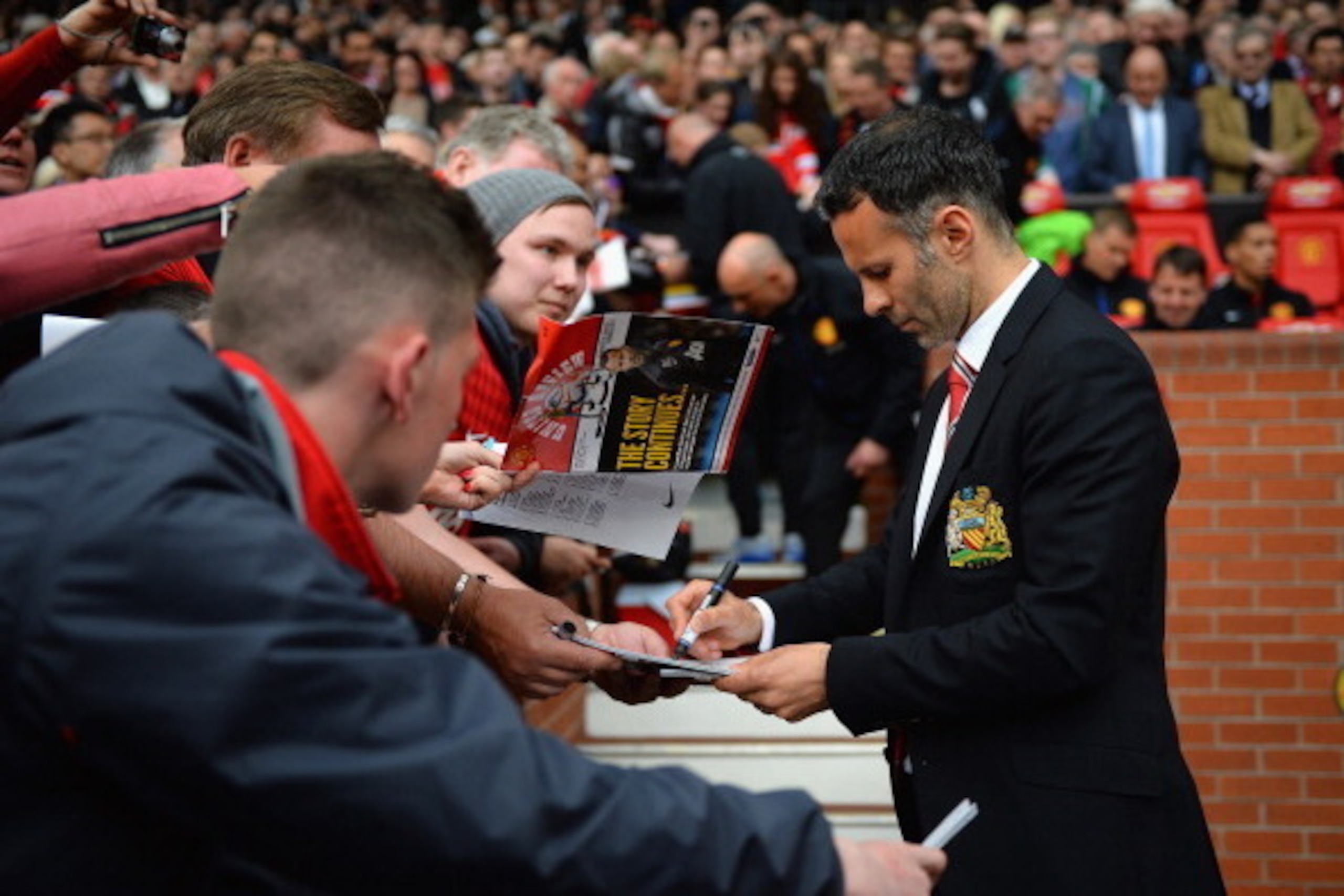
Few arenas in life can provide that kind of moment of pure sentiment. Sport has a duty not to be too logical about its decision-making, given that caring about it is hardly logical at all.
Personal Characteristics
Having said that, there is actually some pretty sound logic to appointing Giggs based on the man himself. Speaking about his longest-serving player, Sir Alex said, "I think Ryan has all the qualities to be a fantastic manager," per Simon Mullock of the Mirror.
In September 2014, when Van Gaal had not long since taken charge, he told MUTV (h/t the club's website):
"First of all, we have my assistant manager Ryan Giggs and I’m very pleased with him. I talked with him before I signed. Your first impression is always important and that was very good, and now the impression is still improving because I know him better.
Also, he’s working very hard, as are all my assistants. It’s important that they don’t have a job that’s 9-5. You have to work very hard when you’re my assistant—it’s not always a pleasant job. But he’s doing very well and I’m happy he’s on my staff.
"
That positive first impression has clearly not diminished given that he recently publicly repeated his view that Giggs should succeed him, per Manchester Evening News.
Those who have worked with him closest clearly see something in him. From afar, it is easy to guess at what. There is a coldness, a steel-eyed, determined and driven quality to Giggs.

As a young player, he was a jazz musician of a footballer, all instinct and devastating improvisation. In order to wring every drop out of his career, though, he changed. He seemed to look after himself just about as well as any human being ever has.
He adapted on the pitch too, becoming ever more cerebral, learning to become an important figure in the centre of the park rather than the mercurial winger he was born to be. He survived two decades under Ferguson, that most demanding of taskmasters, and he thrived all the way to the end.
When he took over from Moyes, his easy charm and force of personality were a breath of fresh air. His first press conference saw him crack a joke about giving himself a five-year contract, via David McDonnell of the Mirror.
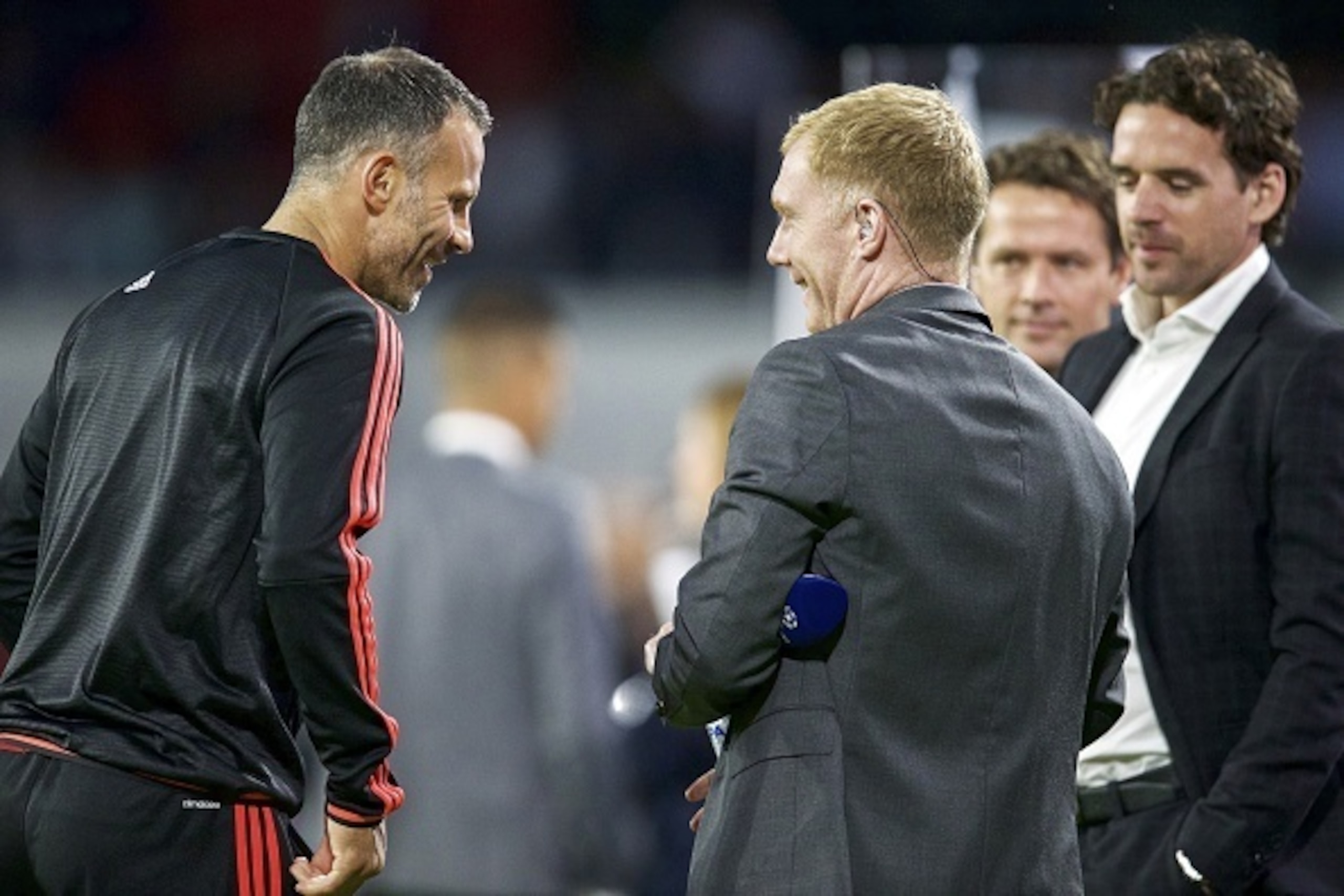
That he was relaxed enough to tell that joke spoke volumes, as did the simple message of hope he offered when he said "I want to bring back some smiles on the faces of the fans."
In spite of that easy charm, there is the suspicion he could be ruthless if he needed to be given the coolness of his exterior.
That suspicion, though, is slightly at odds with what he said toward the end of his time in charge, when he admitted, via Manchester Evening News, "The hardest thing is telling players they are not playing. That will never change. It is tough. Sometimes you haven’t got an excuse."
He was still a player when he said that, though, and perhaps time and distance from the playing squad will make him reconsider his assertion his feelings around the subject "will never change."
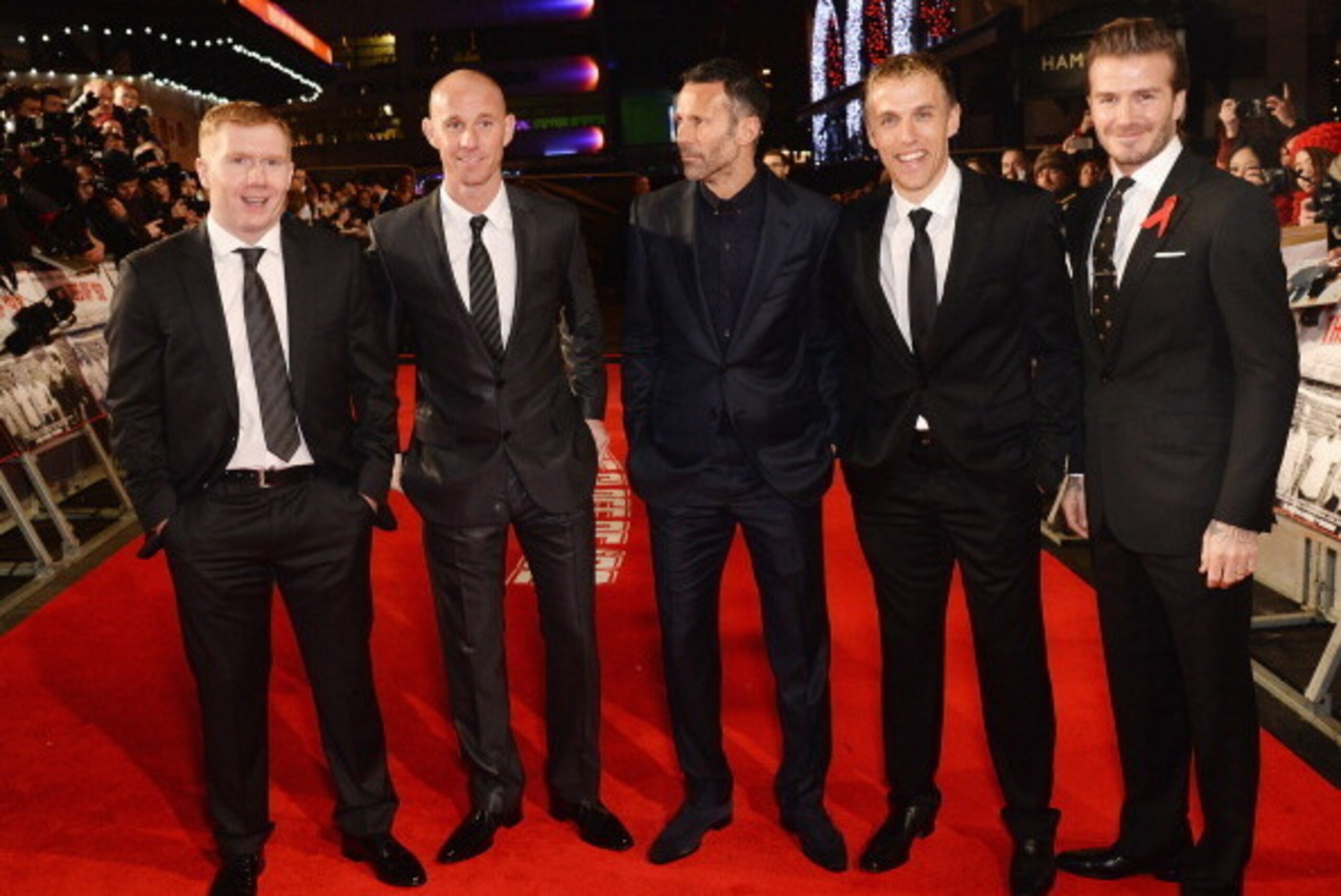
In the documentary The Class of '92, among a group of footballing superstars, which include one of the world's most famous men, it is Giggs who appears to be the alpha male. Ultra-relaxed with a dry, cutting sense of humour, his natural leadership qualities are evident throughout.
The Life of Ryan documentary that followed his brief time in charge of United showed him coping with the pressure of management. He seemed surprised by the scope of the role, by the relentless decision-making it required, though. That would not come as a surprise next time around.
He will have had three years to prepare, to fill the gaps in his knowledge and experience by the time Van Gaal's contract comes to an end. He will also have had three years working under one of the game's best teachers.
That is the third reason why he should be given the job.
Teachers
None of Sir Alex Ferguson's players have ever gone on to be managers of the very top calibre. There have been those who have succeeded in sticking around at a decent level—no mean feat in itself—but there is a paucity of top-division titles in Europe's major leagues to their names.
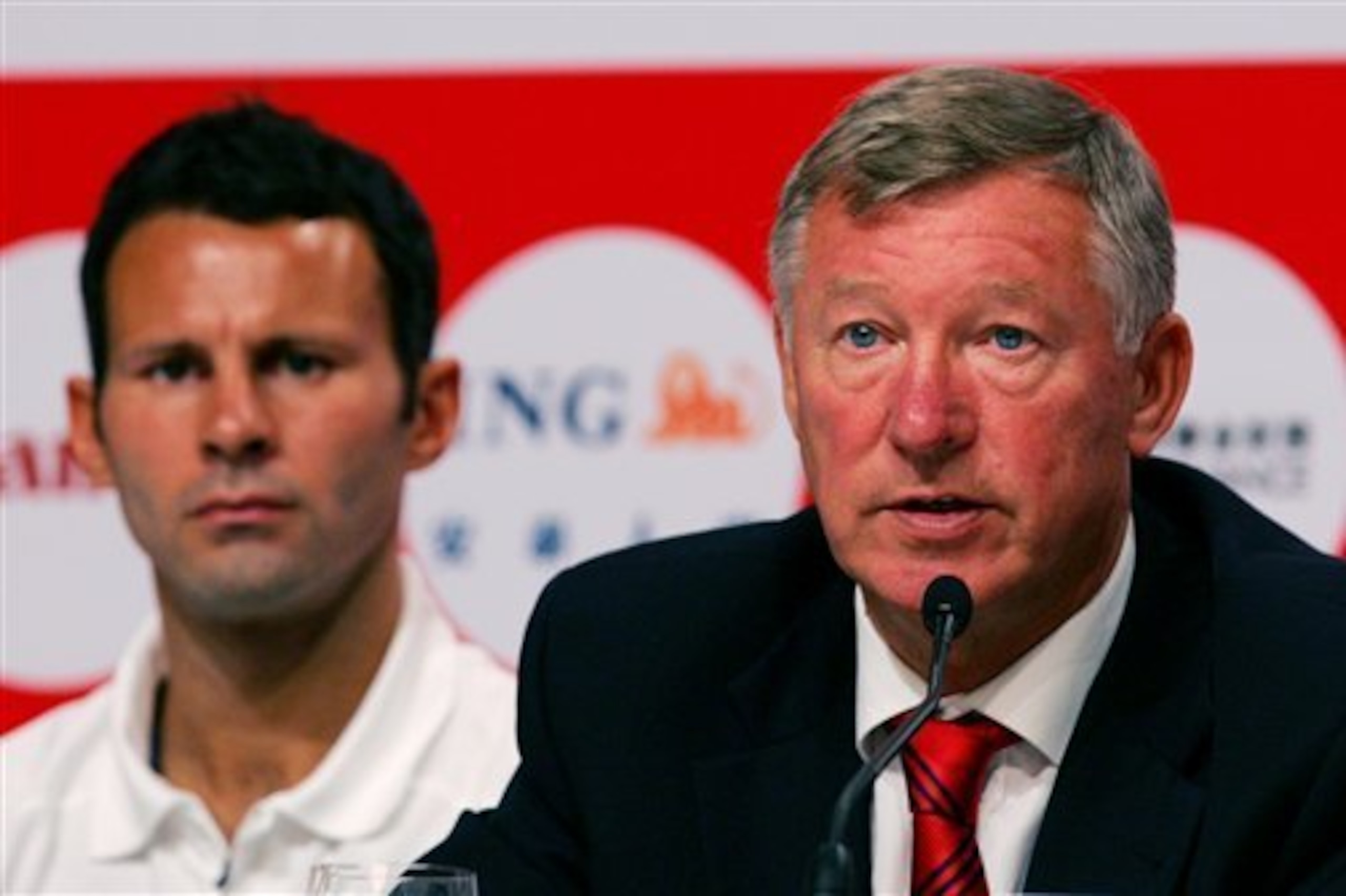
This is an interesting quirk of history. Perhaps it is because Sir Alex's greatness is simply the kind you cannot teach. Perhaps his greatness is somehow innate rather than acquired, and thus it does not transfer well to those without that rare quality.
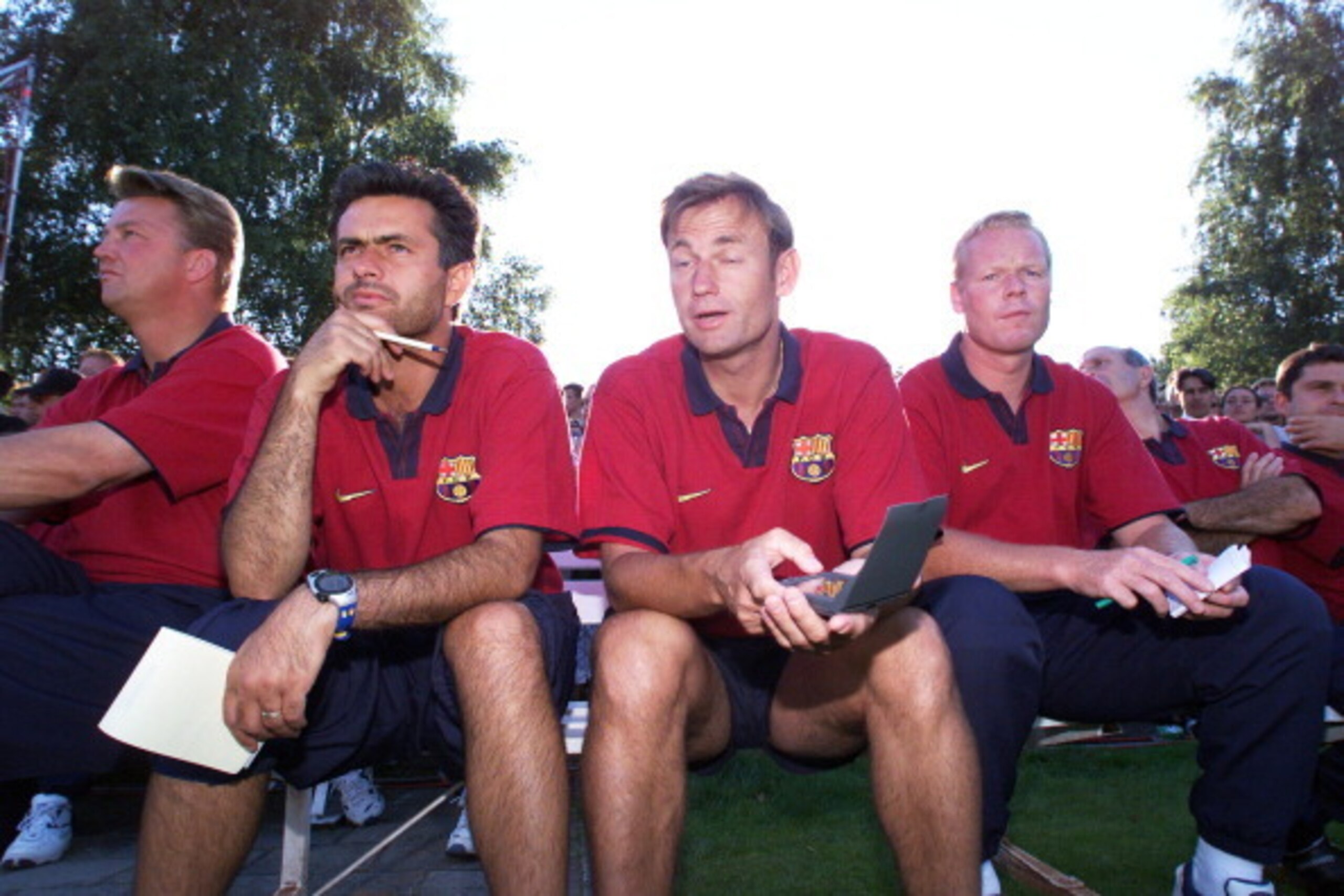
Van Gaal, though, is a different story. The Dutchman is fundamentally a teacher. As Jonathan Wilson wrote for the Guardian in August 2014, his first spell at Barcelona was "perhaps the greatest seminar in the history of coaching."
Jose Mourinho and Pep Guardiola were coach and player under him. Ronald Koeman and Luis Enrique were coach and player under him respectively. Frank de Boer and Phillip Cocu have both guided teams to the Eredivisie title as coaches, having played for Van Gaal.

Perhaps there is some mitigation in that it is probably easier for a Dutch player to get the job at PSV Eindhoven or Ajax than for one of Sir Alex's players to get a gig at a team with a realistic chance of winning the Premier League title.
However, Chelsea, Barcelona and Bayern Munich are all currently managed by former Van Gaal charges.
There is surely something in that. It makes sense too, given Van Gaal's approach is so focused on coaching players to think about the game. In United's first pre-season tour of the United States under Van Gaal in 2014, he said, per Mark Ogden of the Telegraph, "I train the players in their brains, not their legs. It is about brainpower."
Assuming the player is of the mindset to learn, then that kind of cerebral approach is transferable. When combined with the right personal traits, it would appear that great managers can be moulded under Van Gaal.
And this is not just about becoming a great manager. Rather, it is about becoming a great Manchester United manager. As Moyes found out to his cost, those are not necessarily the same thing.
Guardiola is the closest thing that exists to a model for Giggs. Of course, he had time away from Barcelona, but he spent the vast majority of his playing career there and came back to manage them to tremendous success.
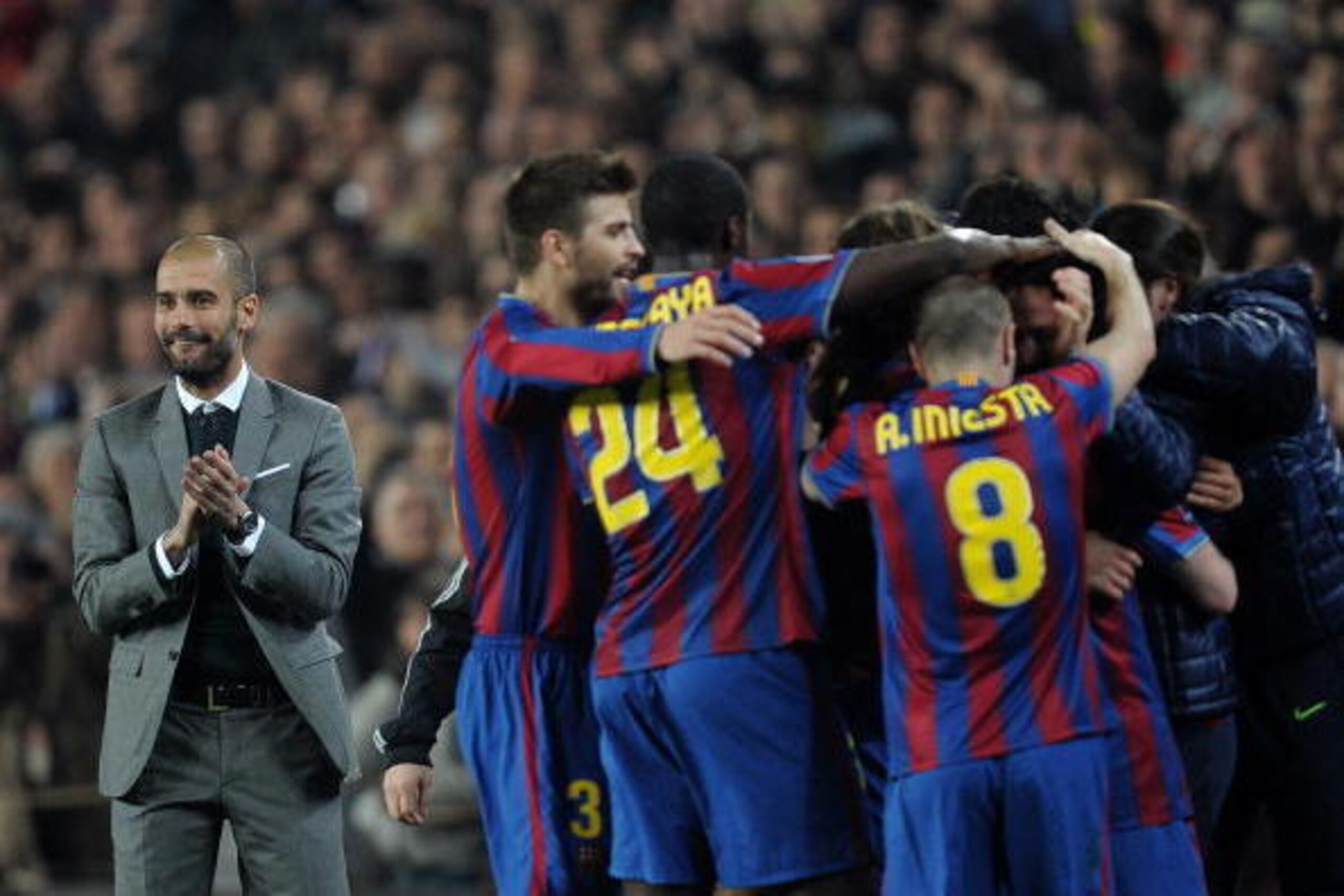
He had the benefit of being in charge of their B team, but Giggs' spell as assistant to Van Gaal is probably the closest parallel possible in English football given that managing United's under-21s would be a much lesser task.
Van Gaal's arrival at Old Trafford is the metaphorical equivalent of Giggs travelling to work elsewhere. He is practically the founding father of contemporary European football if you take into account the coaches who have worked under him. His approach is vastly different from Sir Alex's and will have given Giggs an insight into a totally different way of working.
What Giggs now has the opportunity to do is combine the best of both worlds. Given his peerless playing career, he clearly has the character required for sporting greatness.
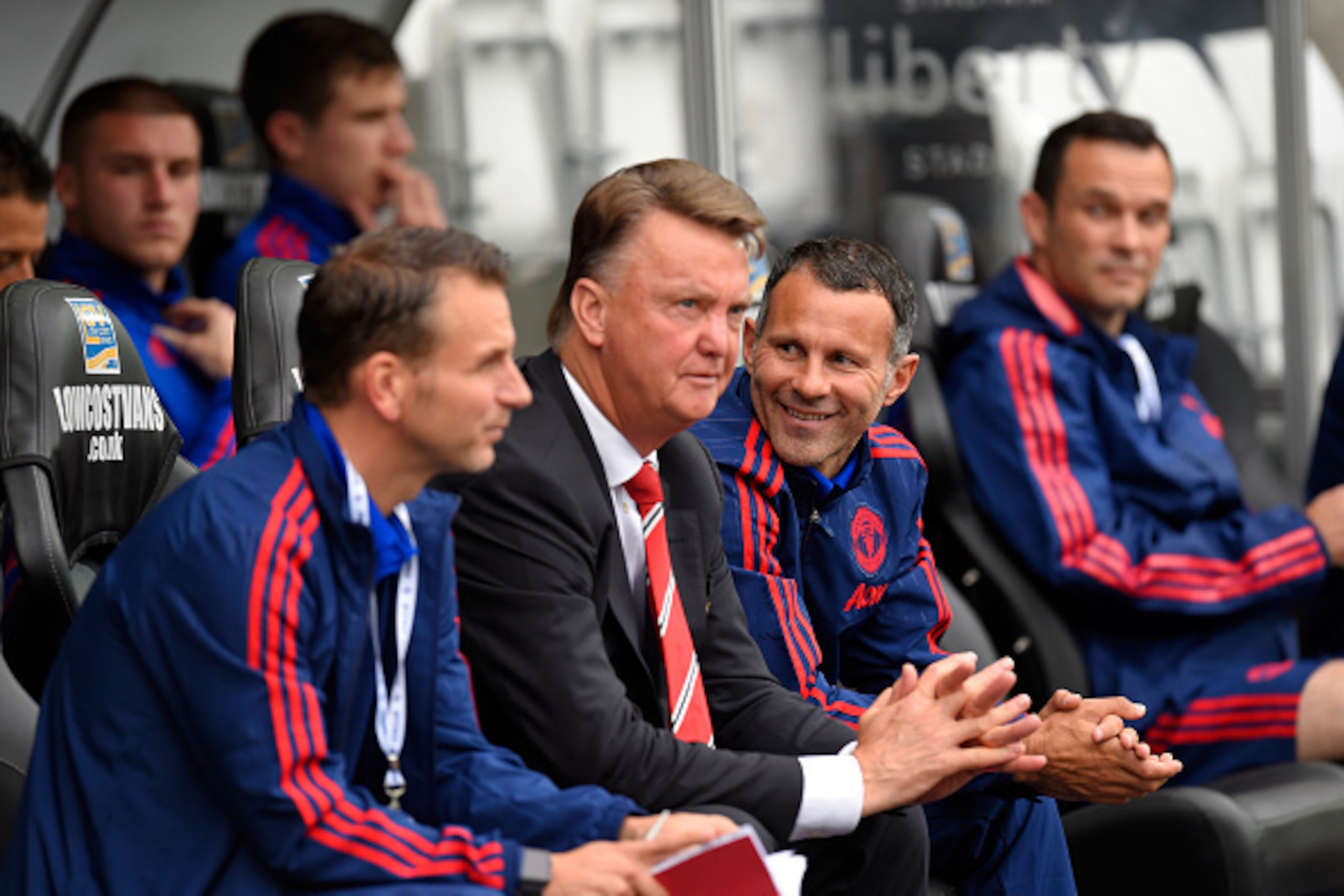
Van Gaal and Ferguson have both said he has what it takes to transition into management—and Van Gaal has explicitly said he should be the club's next manager.
He has worked under the most successful manager in British football history and the manager under whom most of the game's current big hitters learned at least part of their trade.
His appointment would also be a chance for United to build a stable and consistent through line. Rather than moving from Sir Alex into a cycle of short spells from managers, they could build a lineage through Giggs—after all, we know he has plenty of stamina, and if he is a success, he could have a long career ahead of him.
He also knows Manchester United better than anyone else currently at the club, bringing valuable awareness of organisational history to the role.
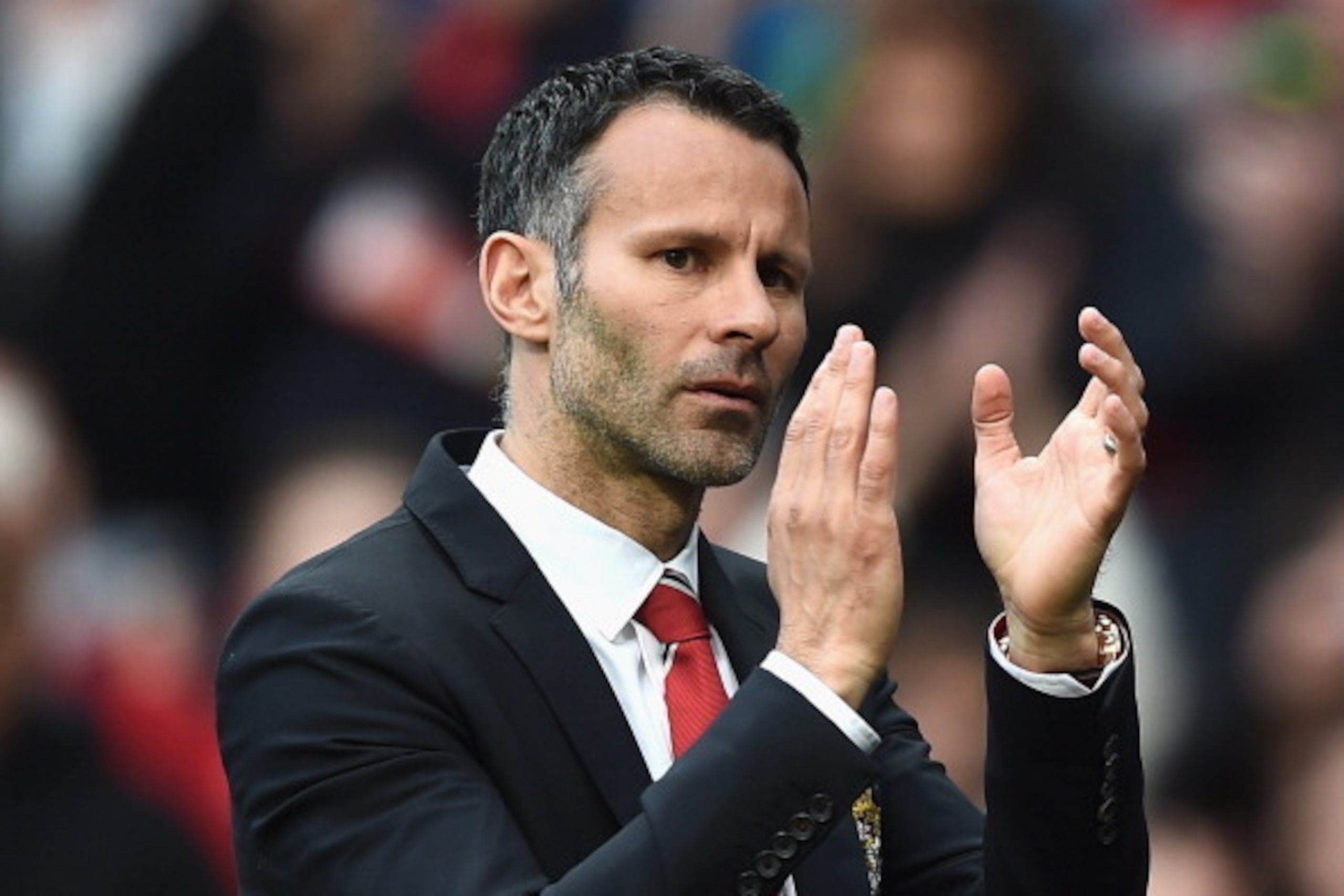
Those are all sound reasons for giving him a shot. Given the potential downside is just that he will have had a go and not made it and will still be beloved for all he achieved as a player, it is surely worth a crack. Any managerial appointment is a risk.
The final, most compelling reason is that if it works out, if Giggs takes over the club and, say, wins the Champions League, it would give sport one of its most romantic and most memorable stories.
Old Trafford is known as the Theatre of Dreams, and seeing this play acted out under those floodlights would be a most remarkable dream come true.
.jpg?w=2560)
.jpg?w=2560 "Rams Eagles Football")

.jpg?w=2560 "Tennis Player Gets 24-Year Ban for Match Fixing (AP)")

.jpg?w=2560 "Troy Aikman teases ESPN departure")