Alexander Rossi Must Use Manor as a Springboard After Finally Earning F1 Chance
Minutes ahead of the first free-practice session at the Singapore Grand Prix, Alexander Rossi was hauled into the pit lane of the Marina Bay circuit.
As his fellow competitors were completing some last-minute stretches and, in some cases, already being strapped into their cars, Rossi, suited and booted in his white and red Manor Marussia overalls, was the subject of an impromptu photocall.
Cradling his crash helmet as a herd of photographers knelt before him, it would have been at that point—following the confirmation on Wednesday that he will replace Roberto Merhi in five of the remaining seven races of 2015—the realisation would have hit him.
He was, at long last, a Formula One driver.
The American's first appearance as a fully fledged grand prix racer is a victory for someone who, for several seasons, has been in F1 without ever being truly inside the pinnacle of motorsport.
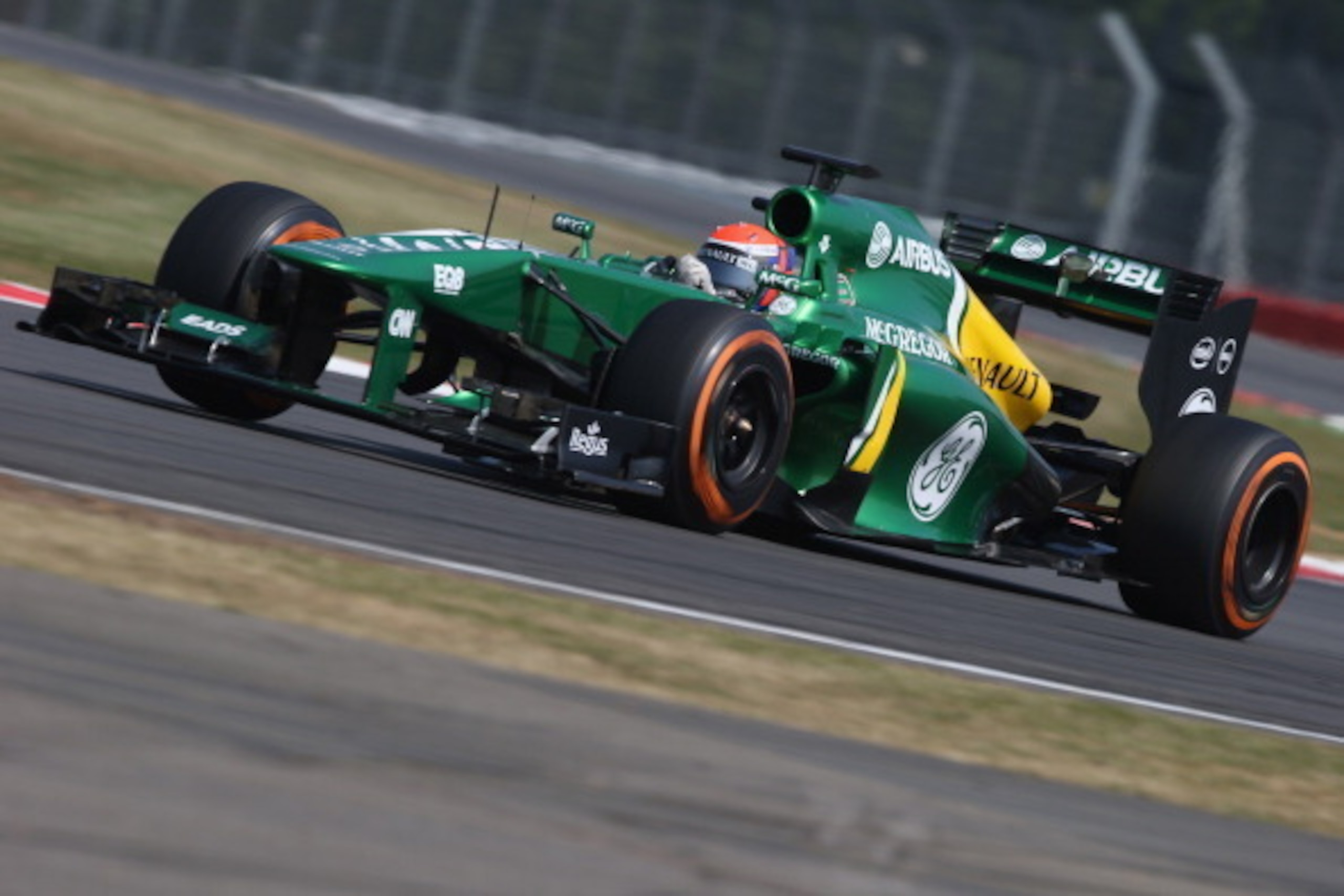
Having held reserve-driver roles at the now-defunct Caterham outfit and Marussia—with whom he participated in five practice sessions since the beginning of 2012—and competed in GP2, the F1 feeder series, since 2013, Rossi had become a recognisable member of the paddock.
Yet until now, the door to the promised land—a race seat—had at best remained ajar for Rossi, who was not offered the opportunities provided to other "Friday drivers" and saw several chances to make his F1 debut pass him by.
Indeed, in the second half of 2014 alone, Rossi had three separate opportunities to compete in an F1 race, making the entry list twice, only to be left disappointed by Marussia on each and every occasion.
The first, of course, came at the Belgian Grand Prix, where Rossi was announced as a replacement for Max Chilton after the British driver encountered "contractual issues," per BBC Sport's Andrew Benson.
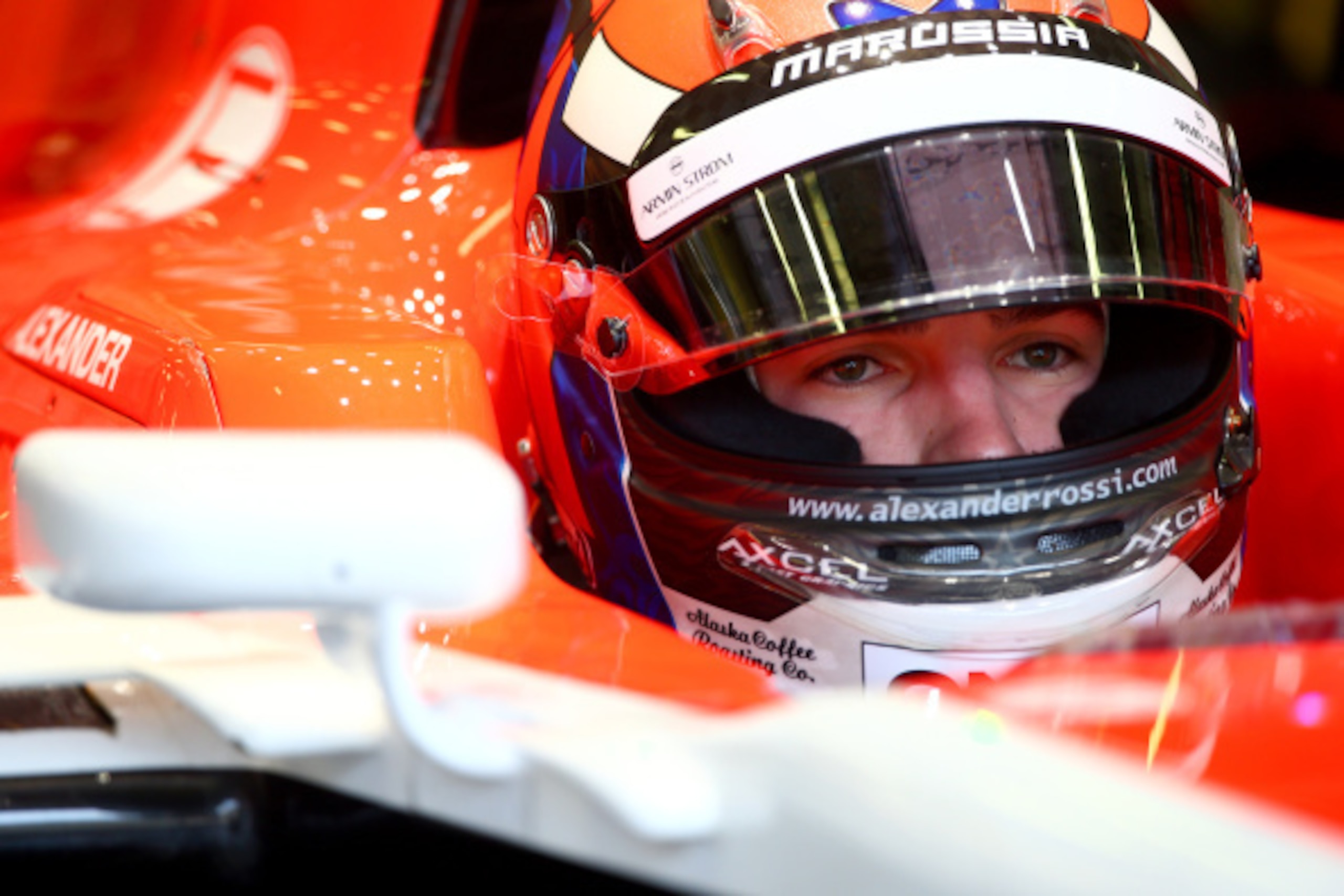
But despite appearing in FP1 at Spa-Francorchamps, Rossi returned to the substitutes' bench after Chilton's complications with the team were resolved.
The team's dark end to the year also prevented the Californian from becoming the first American driver to race in F1 since 2007, with Marussia deciding to run a single car in Russia following Jules Bianchi's ultimately fatal accident at Suzuka before entering administration and missing the final three grands prix.
Since Manor's resurrection, Rossi had appeared to prioritise a seat with the new Haas outfit, who will arrive on the grid in 2016. He recently told Autosport's Aaron Rook and Ian Parkes how he had held discussions with the team and of his desire to "get the stars and stripes on the top step (of the podium) as much as possible before they make their decision."
Although he returned to winning ways for the first time since 2013 in the GP2 races at Spa and Monza, his hopes of landing an F1 break seemed to take yet another blow when Gunther Steiner, the Haas team principal, told the official F1 website how signing a rookie would be "difficult for both" driver and team.
Rossi's deal with Manor, though, has come at the ideal time, allowing the 23-year-old to challenge Steiner's view that there is "nobody out there at the moment" as far as young, American talent is concerned and providing him with F1 experience—the one quality Haas value more than any other as they look to finalise their driver lineup.
The fragmented nature of Rossi's agreement—he will drive in Singapore and Japan before handing the car to Merhi for the Russian GP, returning the cockpit for a three-race streak between the United States and Brazil—should make it difficult for him to establish a sense of rhythm and momentum during his time with Manor.
Yet the very fact the team's car is, to all intents and purposes, the same machine Rossi drove at Spa last year should ease his adjustment to F1. The team's financial issues led to them starting this season with a modified 2014 chassis and an old-spec Ferrari power unit.
And he seemed to make a near-seamless adjustment in practice at Marina Bay, one of the most difficult, physically demanding circuits of the year for drivers.
In FP1, Rossi's fastest lap time, per the official F1 website, was only 0.015 seconds adrift of his new team-mate, Will Stevens, who has started 10 of the 12 races for Manor this season.
The American's session was marred by a late crash at the seafront section, which destroyed the right-hand side of his car, forced him to partially miss FP2 and will lead to a post-qualifying grid penalty due to a gearbox change.
That he carried too much speed into the corner, however, was indicative of how much confidence he gained at an early stage and his eagerness to make a meaningful impression in unfavourable, unflattering circumstances.
From the use of the pit lane as a makeshift studio to an ill-fitting cockpit—per the FIA television feed, he complained over team radio that the clutch paddle was touching his leg as he drove—the American's debut weekend carries a distinct "make-do" feel.
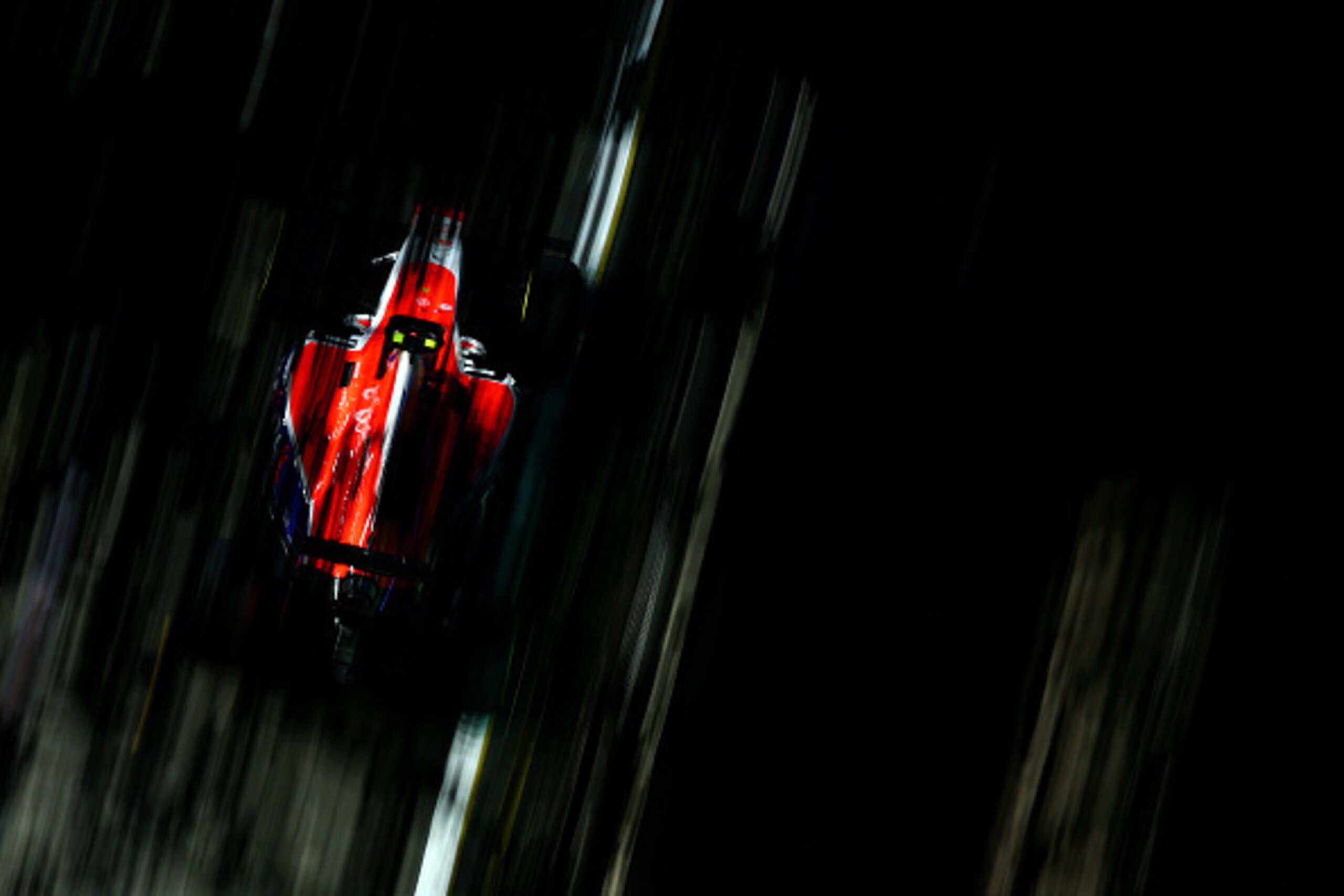
Yet having knocked on the door for several years, Rossi—owed a favour by Manor—has finally forced his way into the heart of F1.
Now he must ensure he stays there and that the teams who overlooked and denied him for so long run out of reasons to do so again.
.jpg?w=2560 "Bills Rams Football")