

Formula 1 Prize Money Distribution Highlights Inequalities in the Sport
Imagine if Manchester United received a special payment each year from the Football Association, just so they would show up for their Premier League matches. Or if the Dallas Cowboys took a cut off the top of the NFL's television revenues in exchange for them not dropping out and forming a rival league with the NFL's most popular teams.
That, essentially, is what happens with the distribution of Formula One's prize money—and it has to change.
Last month, Autosport's Dieter Rencken and Lawrence Barretto published a breakdown of the prize fund payouts that each team will receive in 2015, based (partially) on their recent results.


.jpg?w=2560)
That qualifier is necessary because, as you can see below, the top teams in the 2014 constructors' championship are not necessarily receiving the most money.
| Ferrari | $67 million | $97 million | $164 million | 4 |
| Red Bull | $82 million | $74 million | $156 million | 2 |
| Mercedes | $92 million | $34 million | $126 million | 1 |
| McLaren | $63 million | $34 million | $98 million | 5 |
| Williams | $73 million | $10 million | $83 million | 3 |
| Force India | $60 million | – | $60 million | 6 |
| Toro Rosso | $54 million | – | $54 million | 7 |
| Lotus | $51 million | – | $51 million | 8 |
| Manor-Marussia | $48 million | – | $48 million | 9 |
| Sauber | $44 million | – | $44 million | 10 |
Most egregiously, Ferrari—who finished fourth last year and as high as second only once since their last constructors' title in 2008—are getting nearly twice as much as Williams, who came third in 2014.
Mercedes, meanwhile, who won 16 of 19 races on their way to the 2014 title, will receive $38 million less than Ferrari's $164 million windfall. The gap between Ferrari's payment and Sauber's is $120 million—more than the Swiss team's entire budget!
Some of the discrepancies are due to the complicated system used to determine the money paid out for on-track performance (you can read more here), but the bigger problems are the bonus payments made to five teams: Ferrari, Red Bull, Mercedes, McLaren and Williams.
Those bonus payments (agreed between F1 chief Bernie Ecclestone and the teams in 2012, when the previous financial agreement expired) represent everything that is wrong with the sport today, from bankrupt teams to the ridiculous situation where the biggest teams have a hand in developing the regulations.
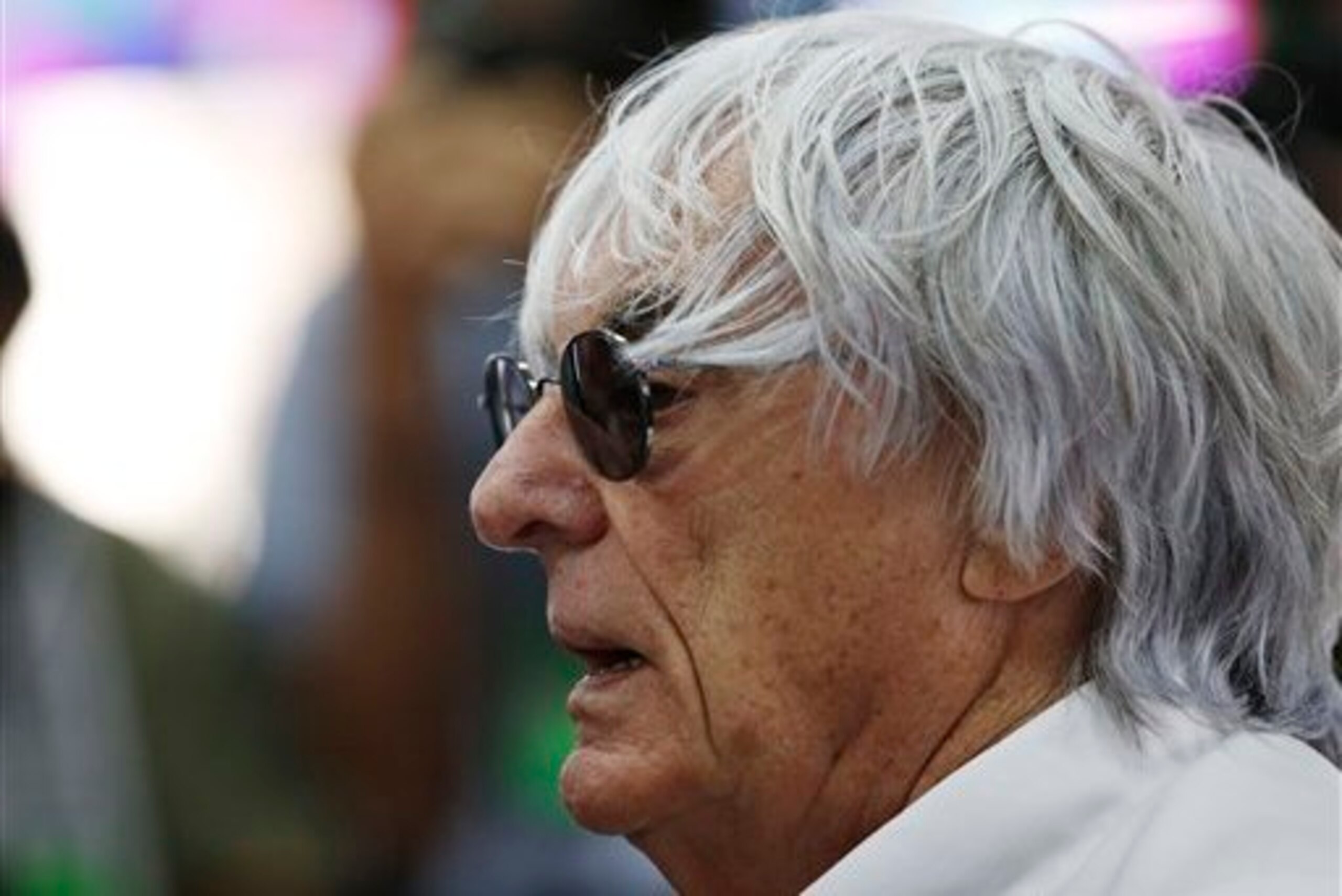
Instead of promoting healthy competition by setting a budget cap and closing the revenue distribution gap, the current system promotes—even demands—inequality. Meanwhile, everyone sits around wondering how to "improve the show" and create closer on-track battles.
There will always be teams with more money than others. Even if the prize money were distributed equally, a prestige brand like Ferrari would bring in more sponsorship revenue than smaller independent teams like Force India or Manor. That is where a budget cap would also help.
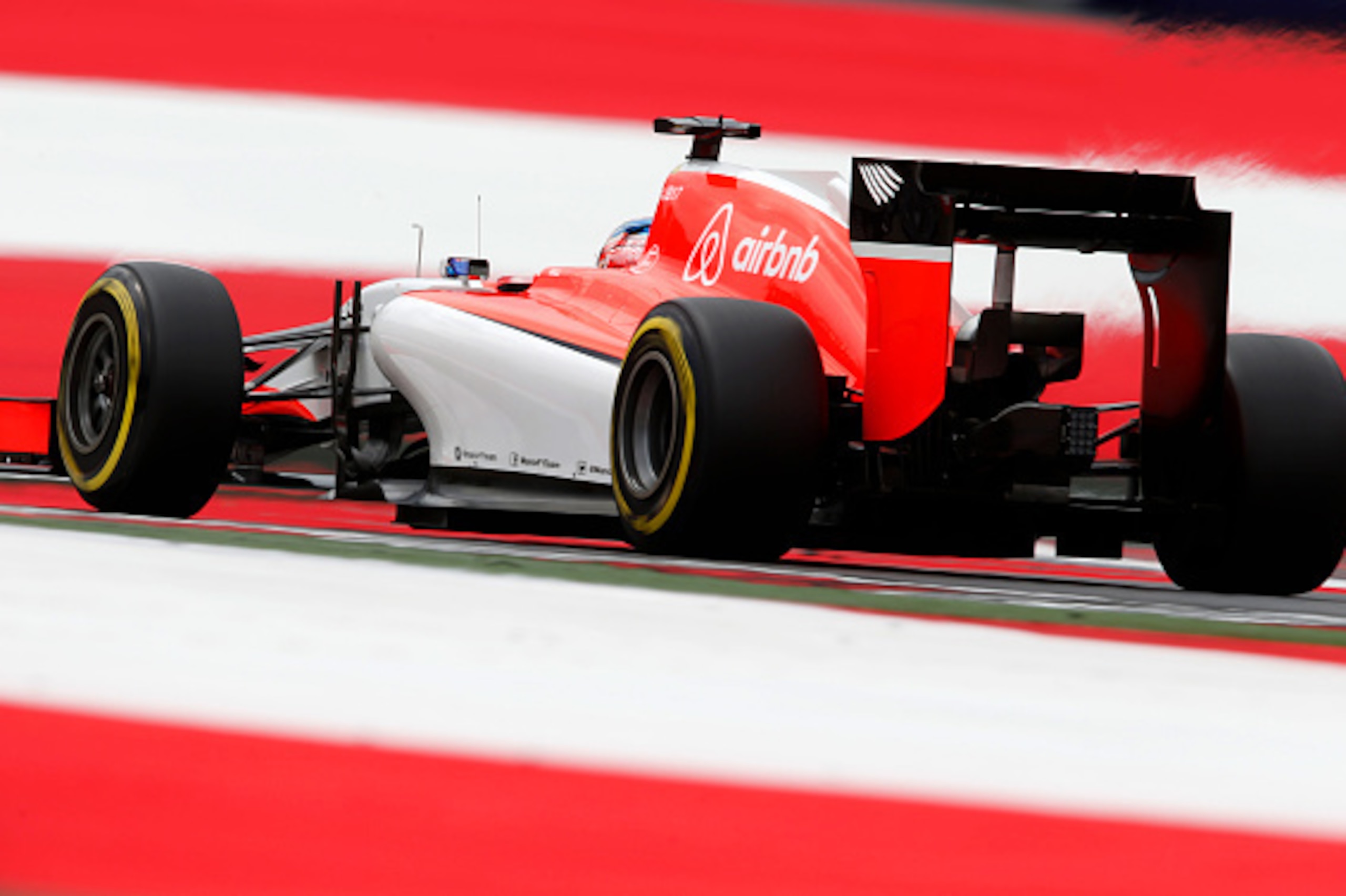
Since 2012, three teams have gone bankrupt—HRT, Caterham and Marussia (Marussia were saved at the last minute and are competing this year as Manor). Those three teams joined in 2010 with the promise of a spending cap.
But when no cap materialized, the new teams realized they could not compete. Of the three, only Manor-Marussia have ever finished a race in the top 10. In the 104 grands prix since those teams joined, they have scored two points.
Last season, Sauber, Force India and Lotus appeared to be near the brink of collapse, with rumours swirling in the Austin paddock that they would boycott the U.S. Grand Prix. It didn't happen, but that it was even discussed illustrates how desperate the situation was.
The problem is not a lack of money. According to the Autosport piece, F1's 2014 revenues were approximately $1.65 billion. That should be plenty to support 10 or 11 teams (and still leave a profit for the sport's investors).
But when $250 million disappears into the pockets of the big teams before anyone else even starts getting paid, well, how can a system like that ever come close to being fair?
Unfortunately, it is difficult enough to get the teams to agree that the sky is blue, let alone having them voluntarily cut their revenues. That would be like politicians voting to lower their salaries.
When the agreements come up for renewal, though, Ecclestone or the sport's governing body, the FIA, or someone else needs to step in and derail the gravy train. Without the bonus payments, all the teams' revenues would rise, the gaps between them would close and they would be rewarded for what they accomplish in the races, rather than for how prestigious or powerful their brands are.
That is the way to ensure the survival and health of the sport. Someone just needs to convince the teams to look beyond their own noses to see it.
.jpg?w=2560 "Rams Eagles Football")
.jpg?w=2560 "Texans-Mixon Released Football")

.jpg?w=2560 "2 NFL Officials Suspended")

.jpg?w=2560 "Mahomes' Wife Trolls Kubiak 💀")
