

Germany's 10-0 Victory Doesn't Show Expansion to 24 Teams Is Negative Move
On Sunday evening, Germany kicked off their 2015 World Cup campaign with a 10-0 win over African debutants Ivory Coast. The huge margin of victory led to claims that having 24 teams in Canada was detrimental to the women’s game and would lead to the tournament being uncompetitive.
At this stage of the sport's development, without bringing the smaller countries onto the world stage, they will not be able to grow and learn and ultimately improve their abilities and give hope for other nations at a similar level.
TOP NEWS

Way-Too-Early Transfer Picks 🔮

World Football Goals and Highlights 🍿

Ranking Europe Transfers 📊
There have been some calls to already move up to a 32-team tournament—just like the men’s equivalent—but that would be too much, too soon. It was only in 1998—the 16th edition of the tournament—that the men's World Cup was expanded to 32 teams.
This is only the seventh women's World Cup, showing that they are already ahead of the curve in terms of expansion of the game and the tournament. The women's game is growing rapidly but needs to be allowed to develop naturally.
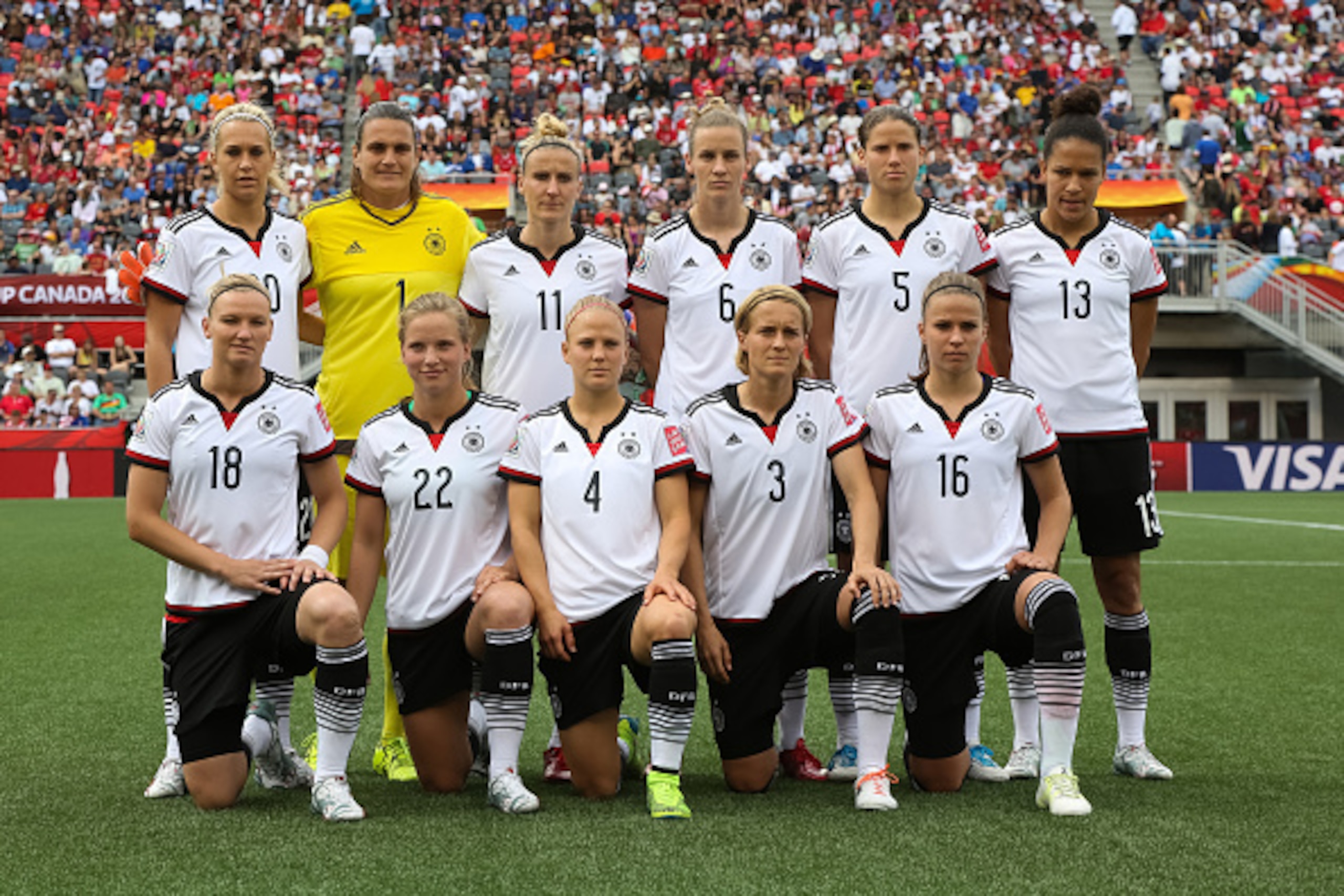
As to the relative strengths of the two teams last night, Germany are No. 1 in the FIFA World rankings and they played their first-ever international match in 1982. For the Ivory Coast, ranked 67th in the world and sixth in Africa, not only was Sunday their first match at a World Cup, but it was the toughest match they have faced at any level.
They are the lowest-ranked team in the competition, facing the favourites; you have to give the CAF side respect for how they approached the game.
In 2007, Argentina lost 11-0 to Germany in their opening group game. That was part of a 16-team tournament and the South American side laid down to their European opponents. On Sunday, Ivory Coast, when the opportunity presented itself, pushed forward and tried to hit on the break.
On a few occasions, with an extra touch of quality, the African side could have nicked a goal and made World Cup history. They left the game with their heads held high and will have learnt so much from the experience.
Without being placed against teams like Germany and Norway, they will never have the opportunity to improve. In their second group game, they have a chance to face Thailand, another debutant at this tournament, and both sides will be looking to score their first goals and win their first points.
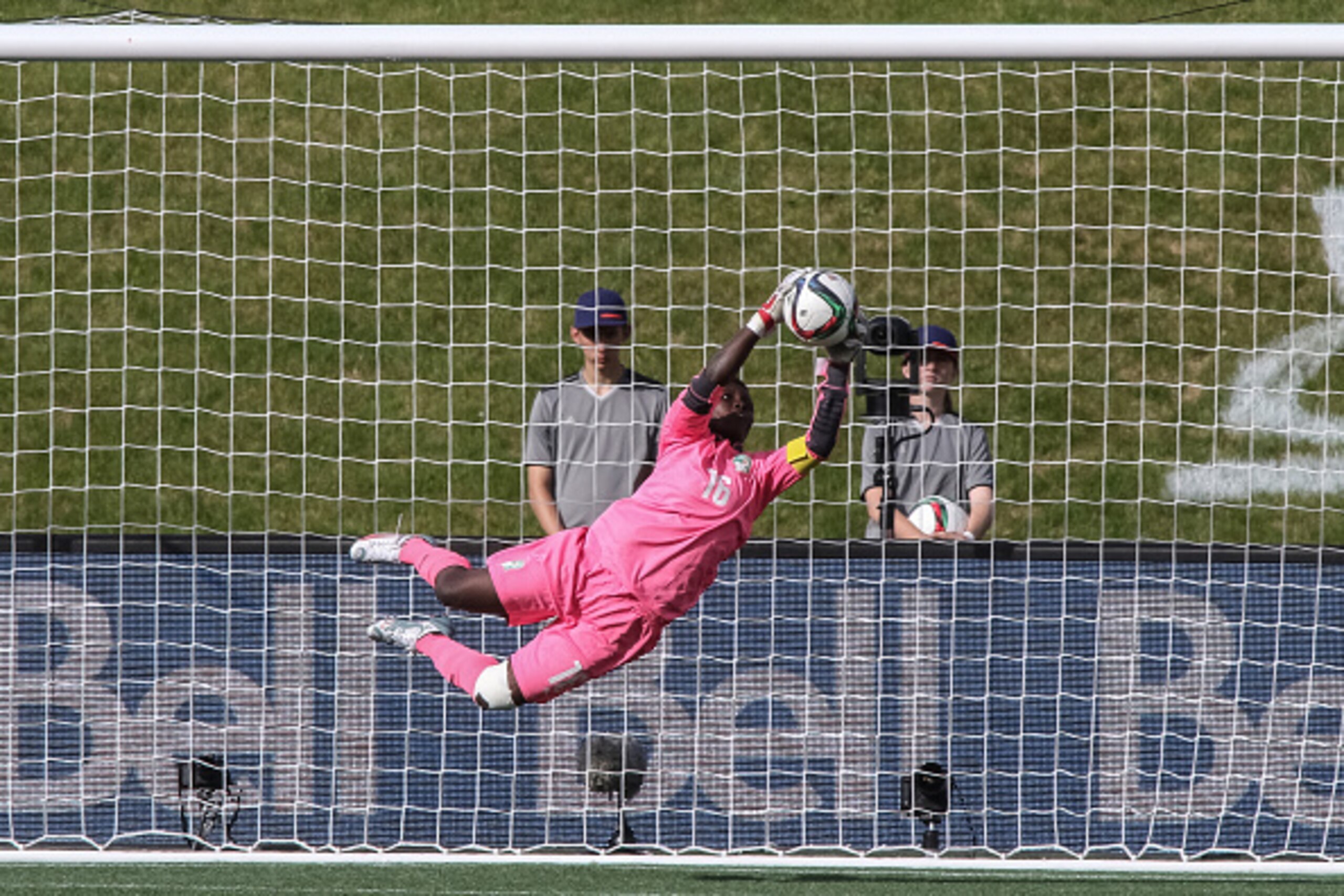
Moving to 24 teams this year hasn’t just given Ivory Coast and Thailand the chance to pit themselves against the best, but it has also brought the Netherlands and Spain into the tournament. Bayern Munich stars Vivianne Miedema and Veronica Boquete are set to be stars of the summer and without the expansion they might not have made it through.
During the 1999 World Cup—the first time the tournament expanded to 16 teams—there were a number of results that showed the gulf in class.
Mexico conceded 13 goals in two group games against Brazil and Germany, Norway beat the now-hosts Canada 7-1, Japan conceded nine goals in two games and Nigeria lost 7-1 to the United States.
Japan are now the World Champions, Nigeria finished runners-up at the Under-20 World Cup in 2014 and Mexico are taking part in their third tournament.
Asisat Oshoala is set to star for the Super Falcons at this World Cup, she may have only been five years old when Nigeria played that tournament in the United States, but there is little doubt it would have given her something to aspire too.
That is the hope for the smaller international teams. Not only can the associations learn and grow from the funds they receive and the experience of taking on different teams from all over the world, but they can also inspire a new generation of young players.
If Japan can go from minnows to World Champions in 12 years, there is nothing to say any of the debutants from this edition can’t do the same.
Losing 4-0 or 10-0 doesn’t make the tournament any more or less competitive. The top teams will still advance and face tougher tests, and the smaller teams will have a chance of redemption against the lower ranked teams.
There is little doubt that the Women’s World Cup will eventually expand to 32 teams in the future, but perhaps it should wait until 2023 or 2027—gradual and intelligent building was the best way to build the men’s World Cup.
If by the 10th edition, a 32-team World Cup on the women’s side can be competitive and beneficial to all involved, it would still be way ahead of how quickly the men’s version developed.
In Matchday 2, Germany will face a much tougher test against Norway, and both Ivory Coast and Thailand will do battle in Ottawa. Both will have a chance to go for the victory, and with the four-best third-placed teams advancing, who knows, three points could be enough to reach the last 16.
The Ivory Coast fans were still jubilant after being beaten 10-0 on Sunday, just imagine the scenes if they could reach the knockout stage.

.png?w=2560)

.jpg?w=2560 "Jayden Daniels Left Off LSU Montage")

.jpg?w=2560 "Projecting NFL Win Totals 🔮")



.jpg?w=2560 "Gonzo Talks Trade Rumors 🗣️")