Imagining a Formula 1 Future Without Red Bull
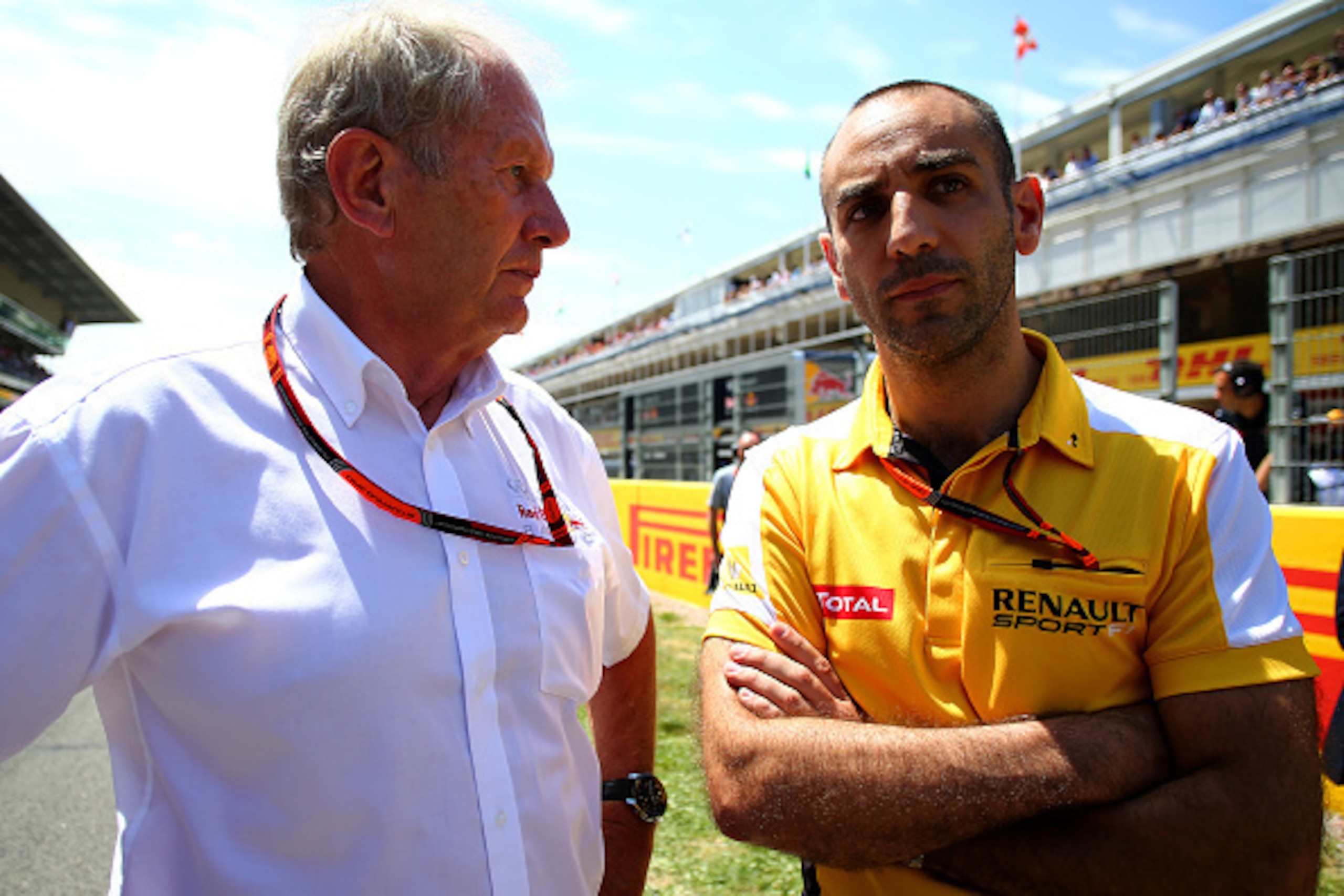
It seems we can no longer go a week without some new threat from Red Bull to pull out of Formula One. The latest, at last weekend's Spanish Grand Prix, was vocalized by Helmut Marko, team adviser and talent-spotter extraordinaire.
"If we don't have a competitive engine in the near future, then either Audi is coming or we are out," said the Austrian former F1 driver, per the BBC's Andrew Benson.
How quickly some people forget!
TOP NEWS
Raiders want $158M stadium upgrade
Punch thrown in NFL training camp scuffle
.png?w=2560 "Cleveland Cavaliers v New York Knicks - Game One")
🚨 CAVS TO PAY HARDEN $97M
A mere 18 months ago, Red Bull and Renault were celebrating their fourth straight championship season. Now, Renault are hopelessly lost and only the Volkswagen Group can ensure Red Bull's future participation in the sport?
The frustration at Red Bull is understandable. They won three races in 2014 but were not really competitive when the Mercedes cars were healthy. This year they have regressed—and the blame for that regression, fairly or not, has been laid at the feet of their French engine partner.
But what if Audi is not a knight on a white horse (bull?) coming to save the Red Bull team? After all, Honda are demonstrating right now, via Ian Parkes of Autosport, how difficult it is for a new engine manufacturer with no experience under the new F1 hybrid power unit regulations to join the sport.
So if Audi's involvement is not the panacea Marko imagines, let's imagine an F1 future without Red Bull.
The first thing we should say is that F1 would not be completely without Red Bull. Red Bull founder Dietrich Mateschitz owns two F1 teams—Red Bull and Toro Rosso—but he also owns the Red Bull Ring, which is under contract to host the reborn Austrian Grand Prix until 2020, per Autosport's Gerhard Kuntschik and Jonathan Noble. Even if Mateschitz sold or folded his teams, Red Bull would still play a role in the sport as a race promoter.
Also remember that Red Bull were involved in F1 long before the company owned a team. Red Bull sponsored Sauber from 1995 to 2004 and held a large share of the team before buying Ford's Jaguar team to form Red Bull Racing.
Between that sponsorship, owning its two current teams and the Austrian circuit, Red Bull have invested billions of dollars into F1. That level of commitment is something the sport will miss.
Throughout F1 history, though, many high-profile and successful constructors have come and gone. Sometimes, teams have folded, like the original Lotus team in 1994. Other times, teams are sold to new owners, such as Jaguar or Toleman, which became Benetton, Renault and, finally, the current Lotus team.
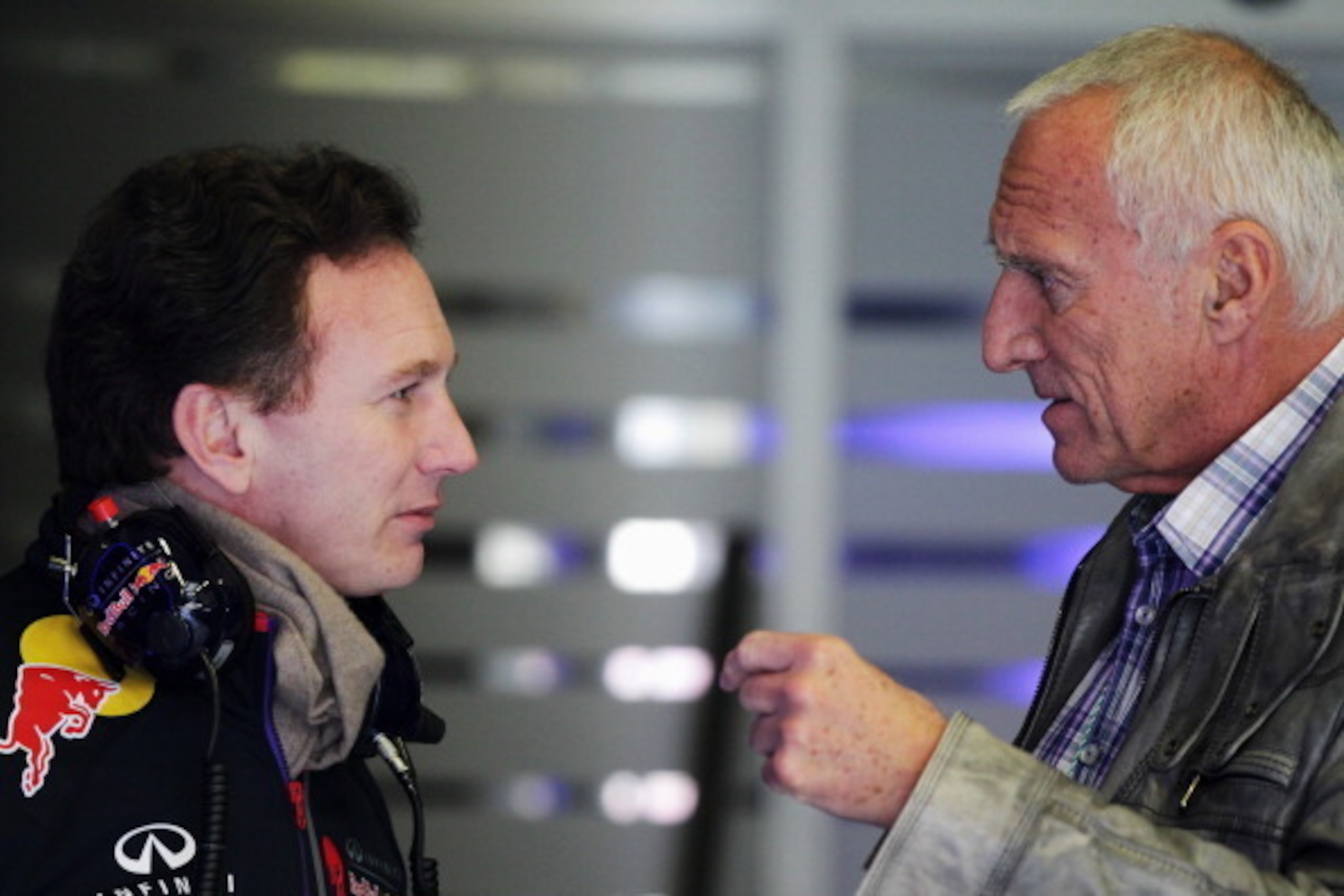
In the case of Red Bull, at least, the team would be attractive to anyone looking to buy their way into the sport. There are even rumours, per F1 journalist Adam Cooper, that Volkswagen could buy out Red Bull and take over the team's Milton Keynes factory.
As much as Red Bull has put into the sport, Volkswagen/Audi could offer even more. With the addition of Honda this season, there are now four car manufacturers in F1. Volkswagen—the second-largest auto company in the world, per Forbes' Vanna Le—would be the fifth.
The German company's recent success in the World Endurance Championship demonstrates their racing prowess, and whether a Volkswagen team was entered under the VW brand, Porsche or Audi, they would provide a natural rival for Mercedes.
If Volkswagen are not interested, someone else would likely step in to buy the team. There never seems to be a shortage of interested parties when new F1 entries are offered, and the chance to buy a successful team, rather than starting from scratch, is an attractive one.
Canadian billionaire Lawrence Stroll, for example, was rumoured to be interested in buying part of the Sauber team (among others) last year, according to the Globe and Mail's Jeff Pappone. That did not happen, so Stroll, whose son Lance is part of the Ferrari Driver Academy, might still be in the market for a team.
If Red Bull does decide to pull out of F1, its flagship team will almost certainly live on in some other guise. Toro Rosso might not be so lucky.
The team, which began life in 1985 as the loveable underdog Minardi, does not have the pedigree of Red Bull. They also have the disadvantage of being based in Faenza, Italy, nowhere near the heart of the sport in England and just down the road from Ferrari's headquarters in Maranello.
Red Bull's desire for a second team in F1 has kept Toro Rosso alive for now, but if Red Bull goes, it is much more difficult to imagine someone buying the Italian team.
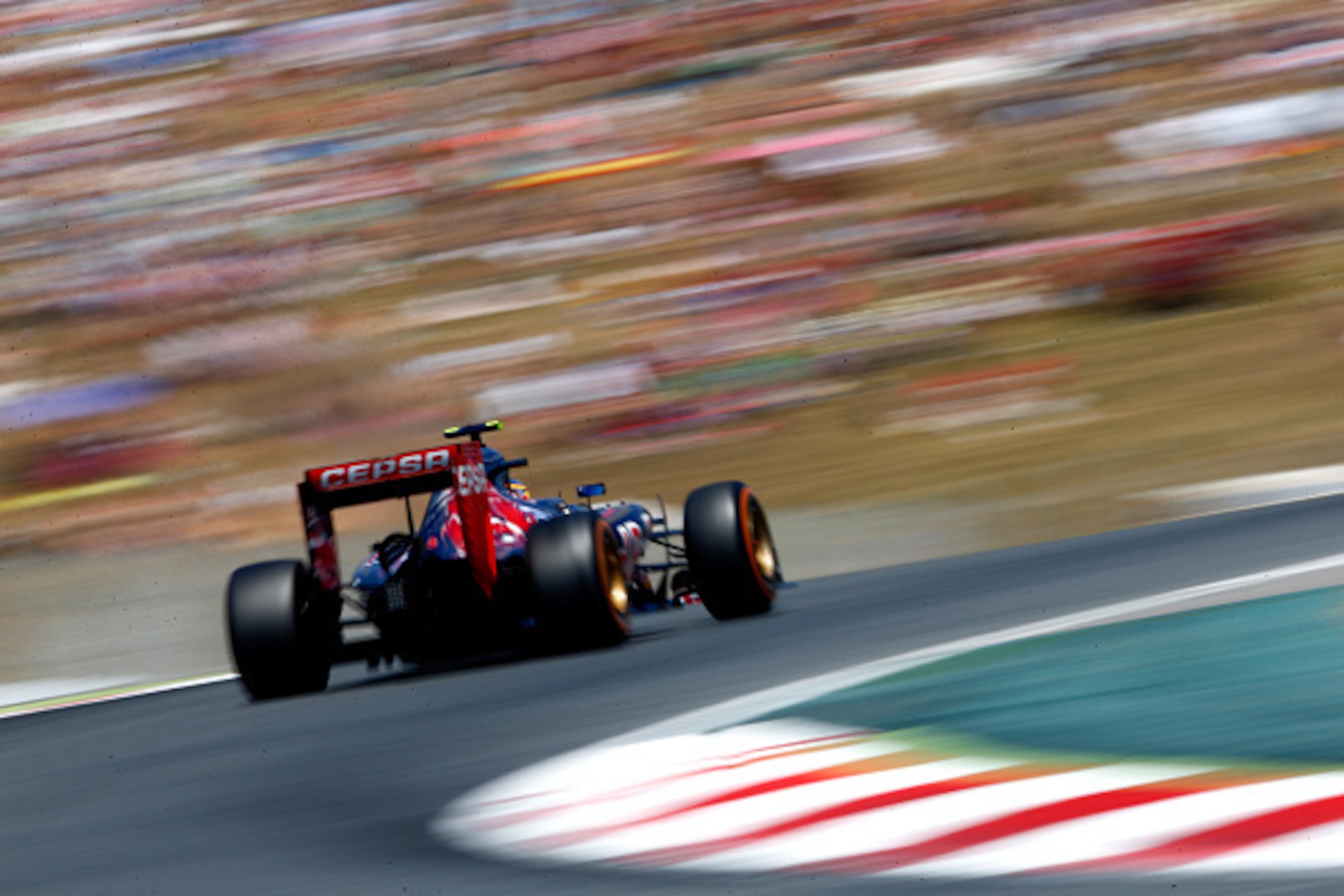
In the end, the potential loss of Toro Rosso and sale of Red Bull would not necessarily be good for F1, but neither would it cause major problems in the sport. The energy drink company would just be another name in the revolving list of investors that have had their name on the side of a grand prix car for a little while.
Even more likely, though, is that Red Bull are just bluffing, the same way Ferrari often do when things aren't going their way.
There is a reason Mateschitz has invested a lot of money into F1—it is because the sport still offers some of the best exposure available for his brand. Air races and ice slides and guys jumping out of spaceships are fun and all, but F1 boasts a combined audience of nearly half a billion people for 19 or 20 events each year, every year.
Granted, those Red Bull-guzzling masses are now watching the Bulls stumble around in the mid-field, but it is also just nine months since Daniel Ricciardo won the Belgian Grand Prix.
Don't count Red Bull out just yet.
Follow me on Twitter for updates when I publish new articles and for other (mostly) F1-related news and banter:
.jpg?w=2560 "Falcons Cowboys Football")
.jpg?w=2560 "Jalen Hurts, A.J. Brown finally speak after trade")

.jpg?w=2560 "Watson's Take on Fan Reaction: 'I Don't Care'")