Joe Mauer vs. Mark Prior: Drafting the Position Player, Not the Pitcher
In 10 years, if his name happens to come up, your kids might ask, "Who's Mark Prior?" That's because recent further setbacks have it looking like Mr. Prior won't ever contribute much to the Major Leagues.
On the other hand, they won't have to ask, "Who's Joe Mauer?" because they'll know. Mauer is putting together a career that will have many talking about him for years after he hangs up his gear.
At one time, these two were part of a torrid debate. The Minnesota Twins held the first pick of the 2001 draft, and it was apparent one of the two would be chosen with it.
.png?w=2560)
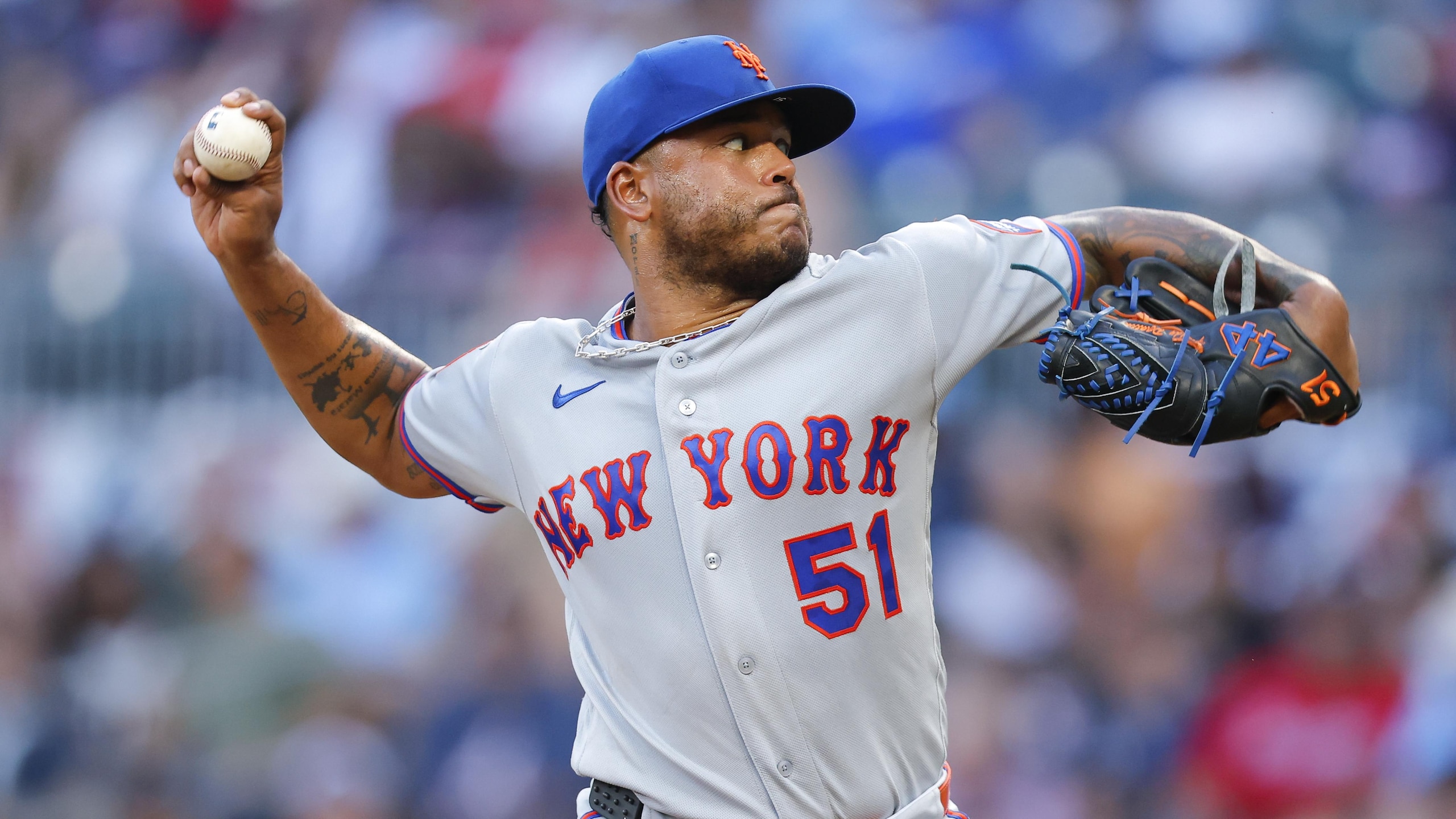

Should the small-market club take the 6'5" California pitcher with a chance to win immediately in the majors, or should it select the 6'5" high school catcher with a flawless swing? There was a catch with each of them.
Mauer was a local kid from St. Paul whom Twins fans would have no problem rooting for. That wouldn't hurt making him what many considered a signability pick. However, Prior was known to have huge bonus demands, and signing him would certainly be a circus. In the end, the Twins went with the local product.
Mauer received the highest bonus given out that year—a $5.15 million deal—six weeks after the draft. He went to rookie ball and hit .400 in 32 games.
Prior went to the Cubs with the second pick, receiving a $4 million dollar bonus. However, Prior commanded and received a five-year major league contract worth $10.5 million dollars. He signed five weeks after Mauer but missed out pitching in the 2001 season.
Prior was in the Cubs rotation the next year, though, winning six games and showing unbelievable stuff. Mauer was moving up the minor league ladder, hitting .302 at Low-A ball.
The next year, Prior had his only dominant season, as he went 18-6 with a 2.43 ERA and helped the Cubs make a serious run at the World Series. He was looking like a true ace, but had made his second trip to the disabled list. Meanwhile, Mauer was climbing another rung and showing off his hitting prowess with a .340 average between High-A and AA.
Prior showed more fragility in 2004 and his numbers, though solid, were showing effects of his recurring injuries. Mauer made the Twins out of spring training but also suffered a serious injury. He spent most of the season on the DL with a torn meniscus in his knee, playing in just 35 games.
It's here we can use the cliche, "Injuries are a part of the game." Both Mauer and Prior sustained serious injuries to parts of their bodies that could seriously affect how they played their respective positions.
A pitcher with a torn ligament in his elbow or a tear in his rotator cuff can't throw a baseball very effectively. Yet a catcher with a tear in the cartilage of his knee can't squat three hours a night.
Mauer was back in 2005, hitting .294 and playing in 131 games, catching 116. Prior also came back and made 27 starts, posting a solid 11-7 record with a 3.67 ERA. Despite his injury, Mauer was making an impact in nearly five times as many games at a key position.
As Mauer was winning a batting title in 2006 and playing in 140 games, Prior was struggling with a 1-6 record in 9 games. He hasn't thrown a major league pitch since.
Injuries are a part of the game. But these players show that an arm injury to a pitcher can be much more devastating to his career than a knee injury to a catcher.
These guys also illustrate that this game isn't just about money. It's mostly about money. And teams that use their money wisely, whether they have a little or lot of it, will be successful.
The Twins made a sound baseball decision in 2001 and they've fielded a competitive team since then; selecting Joe Mauer has been one of the main reasons why.
_1.png?w=2560)
.jpg?w=2560 "Report: Saints Trade For 49ers RB")
.jpg?w=2560 "Jeanty Avoids Major Injury")