

Max Verstappen Announces Formula 1 Arrival in Wet Malaysian GP Qualifying
For all the problems facing Formula One at the moment—and there are, as we're so often reminded, plenty—there is nothing a drop of rain cannot solve.
Despite the introduction of several gimmicks in recent years such as DRS and fast-degrading tyres—introduced to provide close competition and create a worthwhile, satisfying spectacle—wet conditions remain F1's ultimate equaliser.
The formation of dark clouds over a circuit—the one variable in this sport of unrelenting diligence and rigorous analysis—can flip sessions, either qualifying or racing, upside down.
TOP NEWS
New NFL Power Rankings 📊
.jpg?w=2560 "Jaguars Broncos Football")
Broncos OL Drug Tested After Viral Clip 🎥
NFL head coach regrets reaction to dirty hit

For front-runners, the prospect of losing their advantage to something outside of their control is almost unbearable.
A tyre strategy, carved in stone during the previous evening's debrief, suddenly becomes subject to change.
As it emerges as the decisive factor of the race, engineers and drivers alike are forced to live on their instincts, endlessly adapting to the altering conditions and making prompt, pressurised decisions that could result in a weekend's work turning to nothing.

With the threat of a poorly timed safety car period, a dodgy pit stop and an off-track excursion always lingering in the air, there is nothing to be gained for leading teams and drivers when the rain comes down.
A storm, for them, is something to be weathered.
The big teams' hazard, though, is the minnows' opportunity. Unlikely to achieve meaningful success on dry tyres in bright sunshine, the fitting of intermediate or full-wet rubber only serves to widen their eyes.

Small teams smell the blood that could be spilled by the works manufacturers and make it their mission to taste at least some of it before the chequered flag falls.
Suddenly it is their drivers taking the gambles, taking the initiative and taking their chances with aplomb.
Given the contrasting approaches and reversed roles of the large and small teams in wet conditions, it is unsurprising that rainy race weekends tend to produce the most memorable, unpredictable on-track action and quite often herald the rise of remarkable talents.
Take a look through the history of Formula One and you realise that many of the most successful drivers to ever grace the sport first came to prominence on days when the track was greasy and the skies gloomy.
Four-time world champion Alain Prost, for example, claimed his first race victory in the wet at Dijon in 1981, while Ayrton Senna, driving for Toleman in just his sixth grand prix, harried the Frenchman's McLaren for the win at Monaco three years later.
Seven-time title winner Michael Schumacher, meanwhile, took the first of his 91 victories for a Benetton team who hadn't triumphed for over a year at Spa in 1992 and, most recently, Sebastian Vettel took pole position en route to winning the 2008 Italian Grand Prix for Scuderia Toro Rosso.
Each of these forces of nature, all within two years of making their F1 debuts, sensed their opportunities and snatched them with both hands, disregarding the vices of their cars to announce their arrivals in the sport and ensure their names wouldn't be forgotten anytime soon.
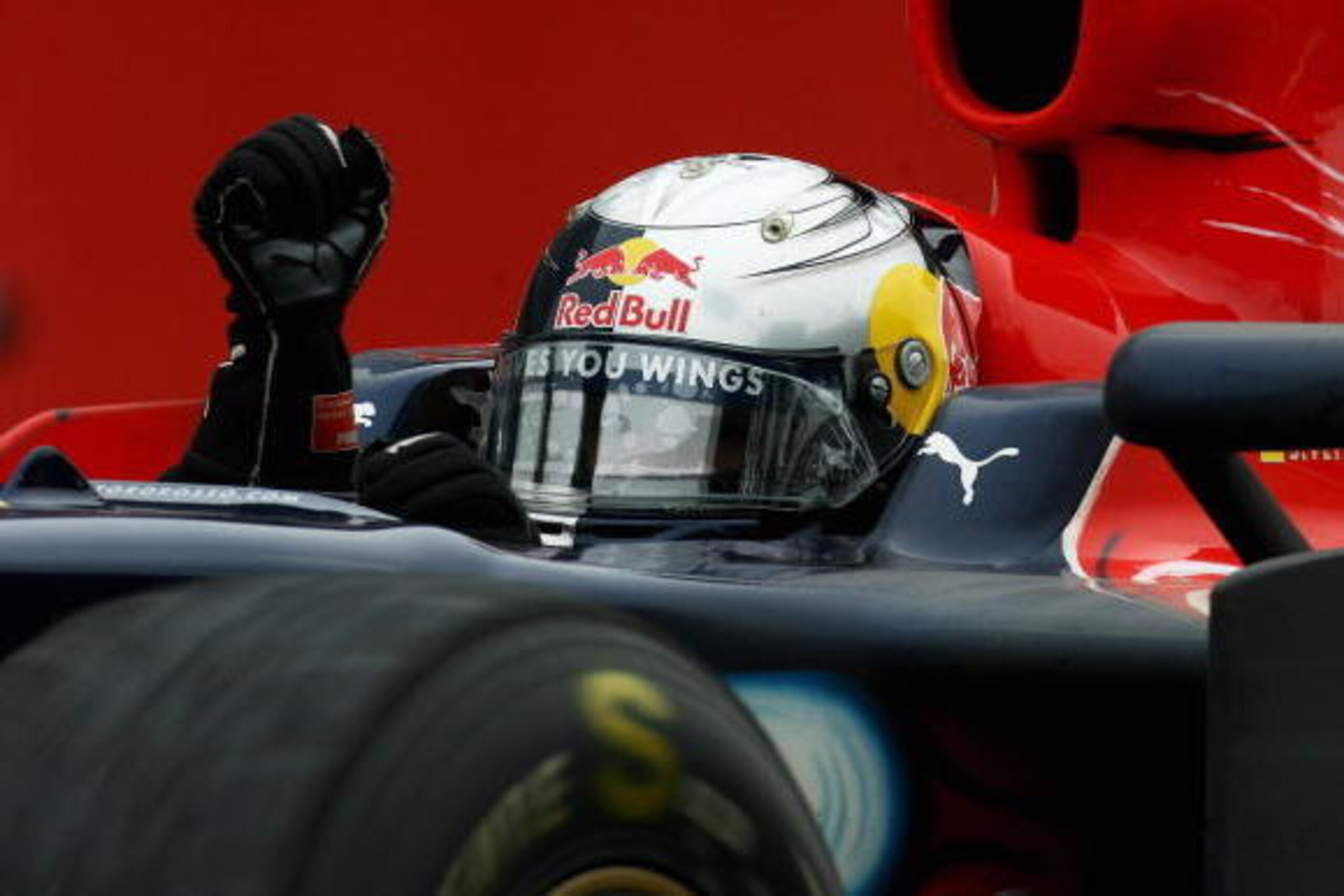
And it was for Vettel's former Toro Rosso colleagues that Max Verstappen lived up to the hype and emulated some of the most famous names in F1 in just his second race weekend at the Malaysian Grand Prix at Sepang, a circuit the Dutchman had never driven before.
Likened to Senna—arguably the greatest driver F1 has ever seen—by Red Bull advisor Helmut Marko in an official F1 website interview last year, Verstappen showed impressive levels of calm for a 17-year-old during the rush that was Q2.

As a torrential downpour just started to hit the track, there was an intense burden on the drivers to post a fast lap at the beginning of the session, with the intensity of the rain making it impossible for them to improve their initial times.
Despite his tender age and lack of experience, Verstappen was immediately on the pace when it mattered.
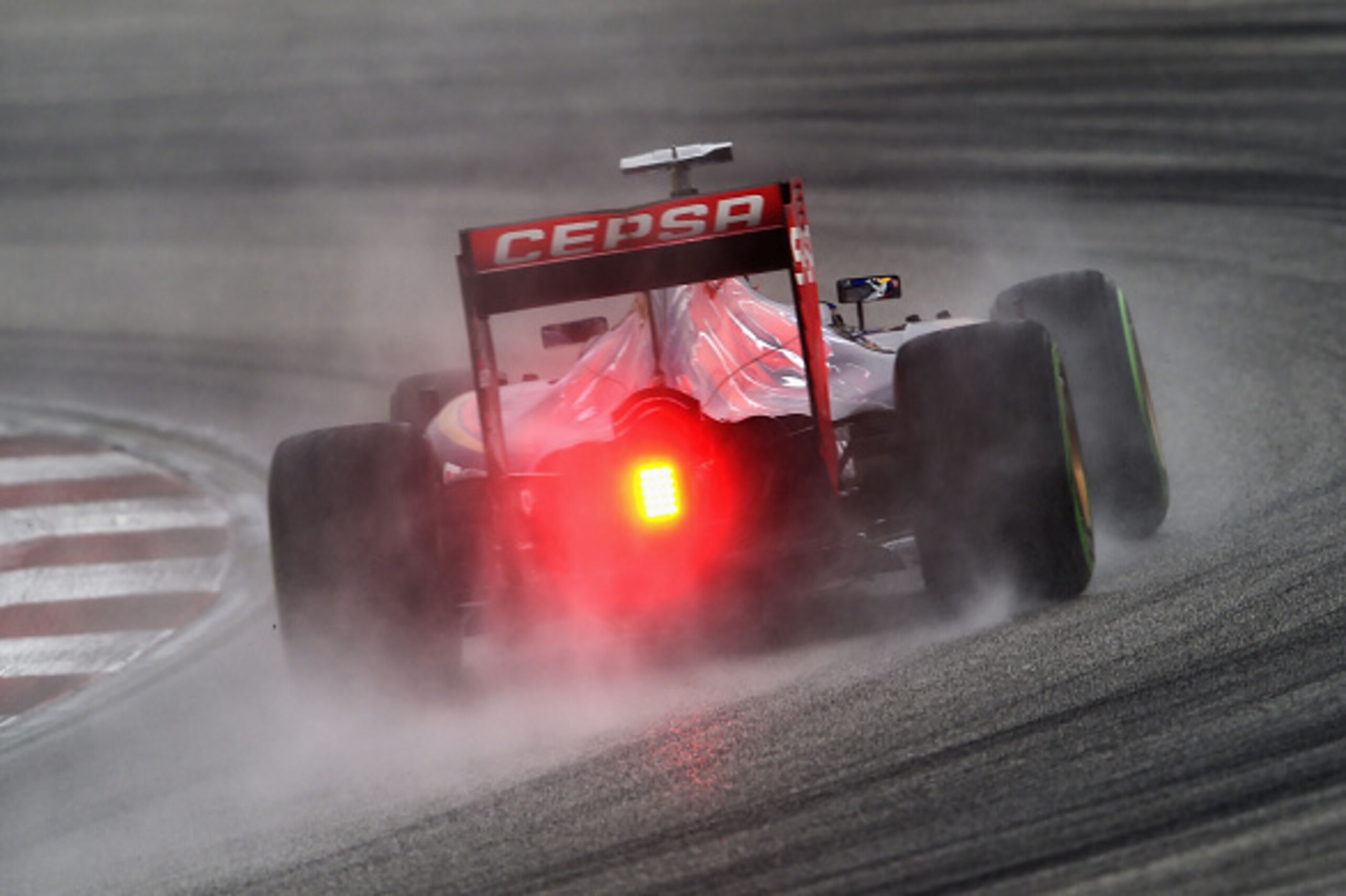
He set a time of one minute, 41.430 seconds, which was good enough for seventh and, as per the official F1 website, 0.7 seconds quicker than 11th-placed Kimi Raikkonen, the 2007 world champion who despite driving the second-fastest car on the current grid couldn't make it into Q3 for Ferrari.
Verstappen's pace and confidence in the wet was reinforced in the first runs of Q3 when he went third-fastest behind the Mercedes' of Lewis Hamilton and Nico Rosberg with a time of 1:52.896, a lap that was 0.3 seconds quicker than Vettel according to the FIA television feed.
Admittedly, though, the youngster did have the benefit of being the last of a number of cars to cross the line, meaning he would have had the advantage of a slightly drier track in comparison to his peers.
As the track continued to dry in the latter stages of Q3, the inevitably of quicker cars setting quicker times ultimately demoted Verstappen down to sixth.
Yet the fact he still ended the session, as per Formula1.com, just 0.030 seconds down on his Toro Rosso predecessor, Daniil Kvyat—driving the similarly powered but aerodynamically superior Red Bull RB11—and 0.5 seconds clear of the Mercedes-powered Williams of Felipe Massa confirmed the quality of the Dutchman's performance.
How Verstappen handles the Malaysian race, the most challenging on the calendar in terms of fitness—the drivers, as per F1 journalist James Allen, can lose "around three litres of body fluid in sweat"—will offer further clues over just how refined a performer the boy wonder is.

But having not only rode but attacked Saturday's storm at Sepang, reveling in the underdog role, it is now clear that Verstappen is on course for great things.
And should he fulfill his vast potential, Malaysia 2015 could soon come to be remembered as fondly as Monaco '84 and Monza '08. He really is that good.

-(2).jpg?w=2560 "Power Rankings for Opening Night 📊")
.jpg?w=2560 "🚨Giants to Release OBJ")
.jpg?w=2560 "Giants name starting QB after trade")