The State of the States: What Does the Future Hold For U.S. Soccer?
The future of U.S. soccer is in a state of confusion. Throughout the summer of 2009, the U.S. men’s national team has been roughed up in World Cup qualifying, climbed to the top of the mountain at the Confederations Cup in South Africa, and then taken down a few notches with its most recent performance against Mexico.
As the U.S. team prepares for their next qualifier (Sept. 5 in Sandy, Utah) against El Salvador, many questions about the consistency of this team are still prevalent among on lookers.
The U.S. currently sits in third place in their qualifying group, and winning the next four games would guarantee the team a place in the World Cup finals next summer in South Africa.
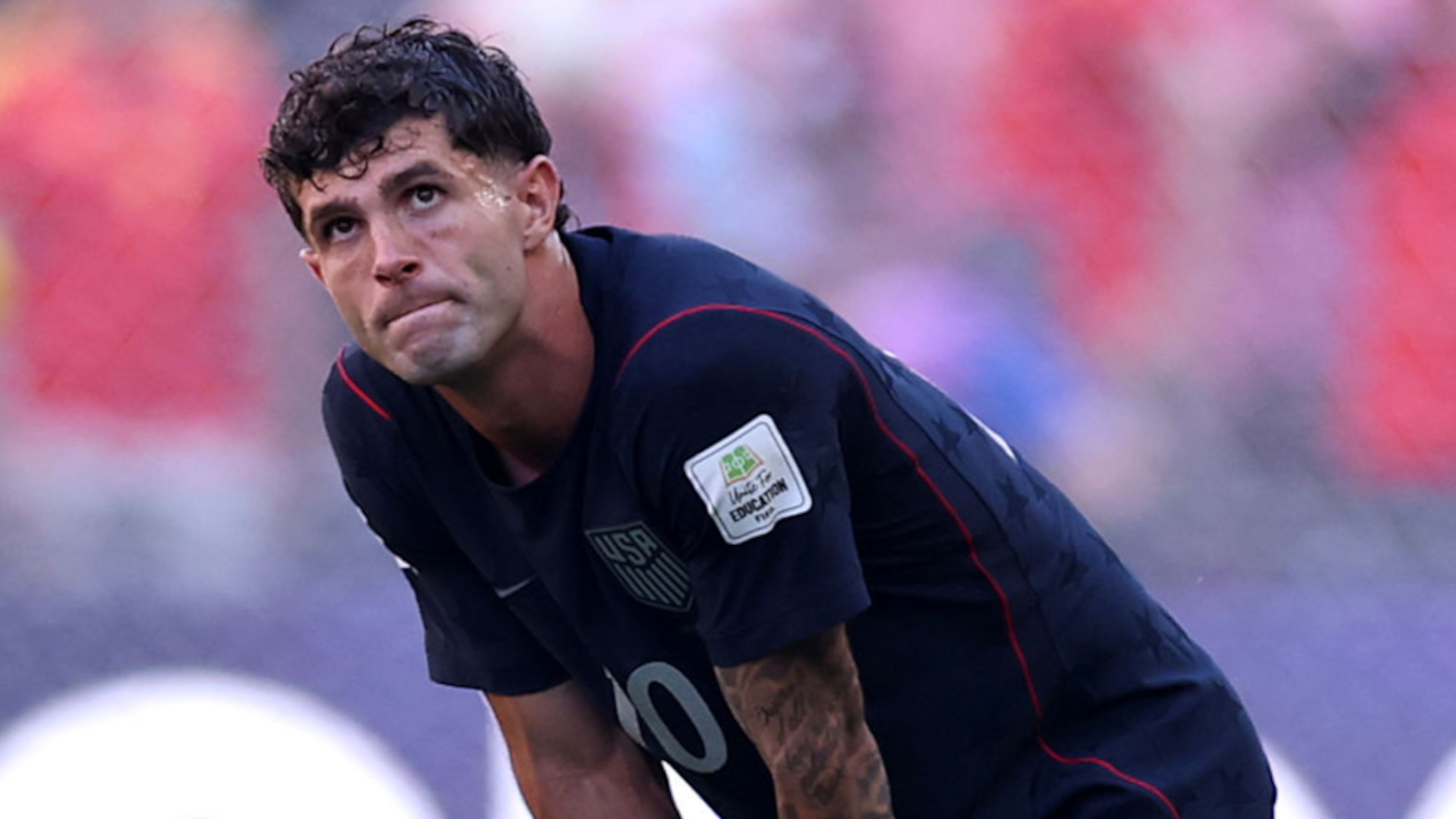
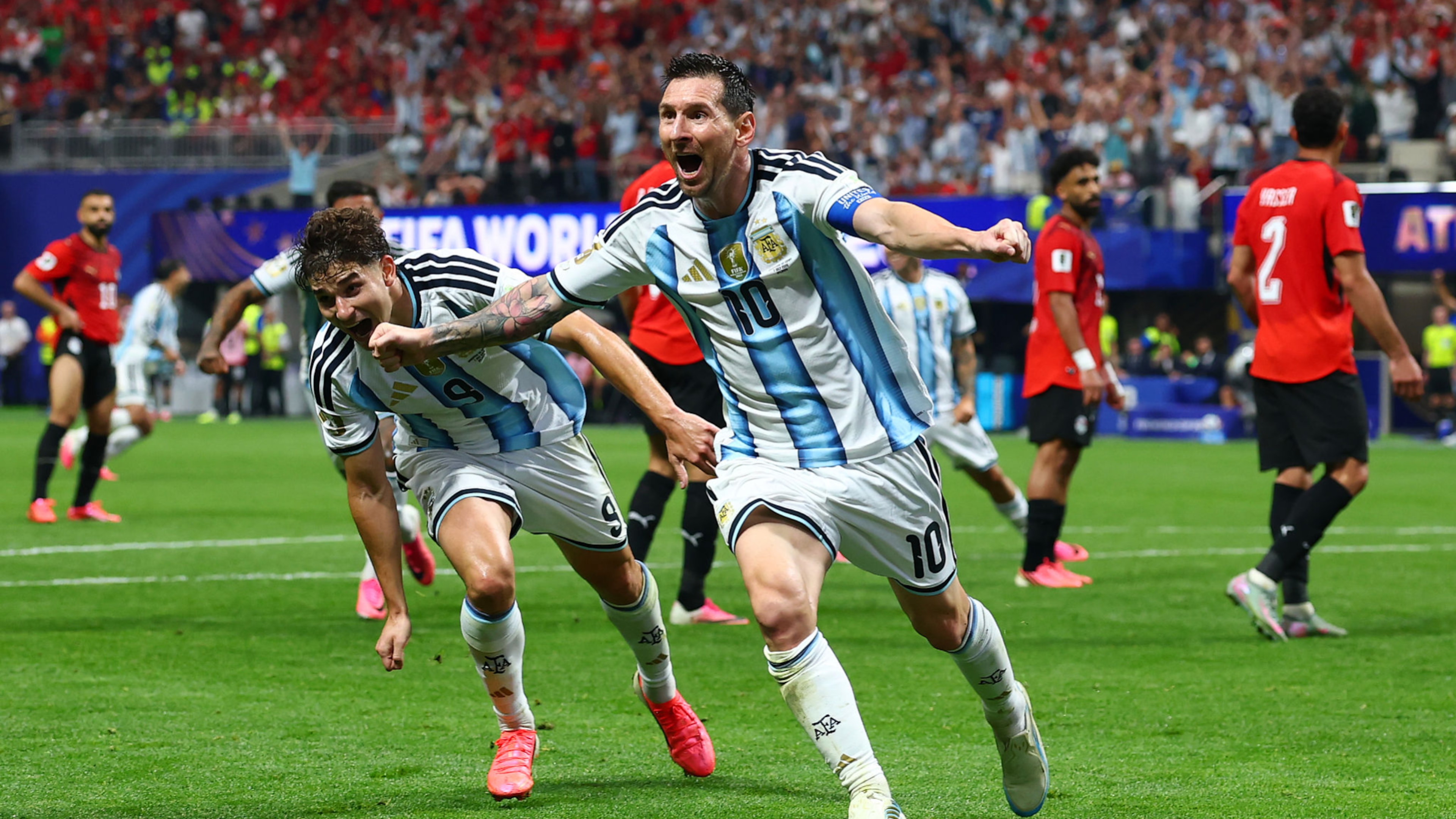
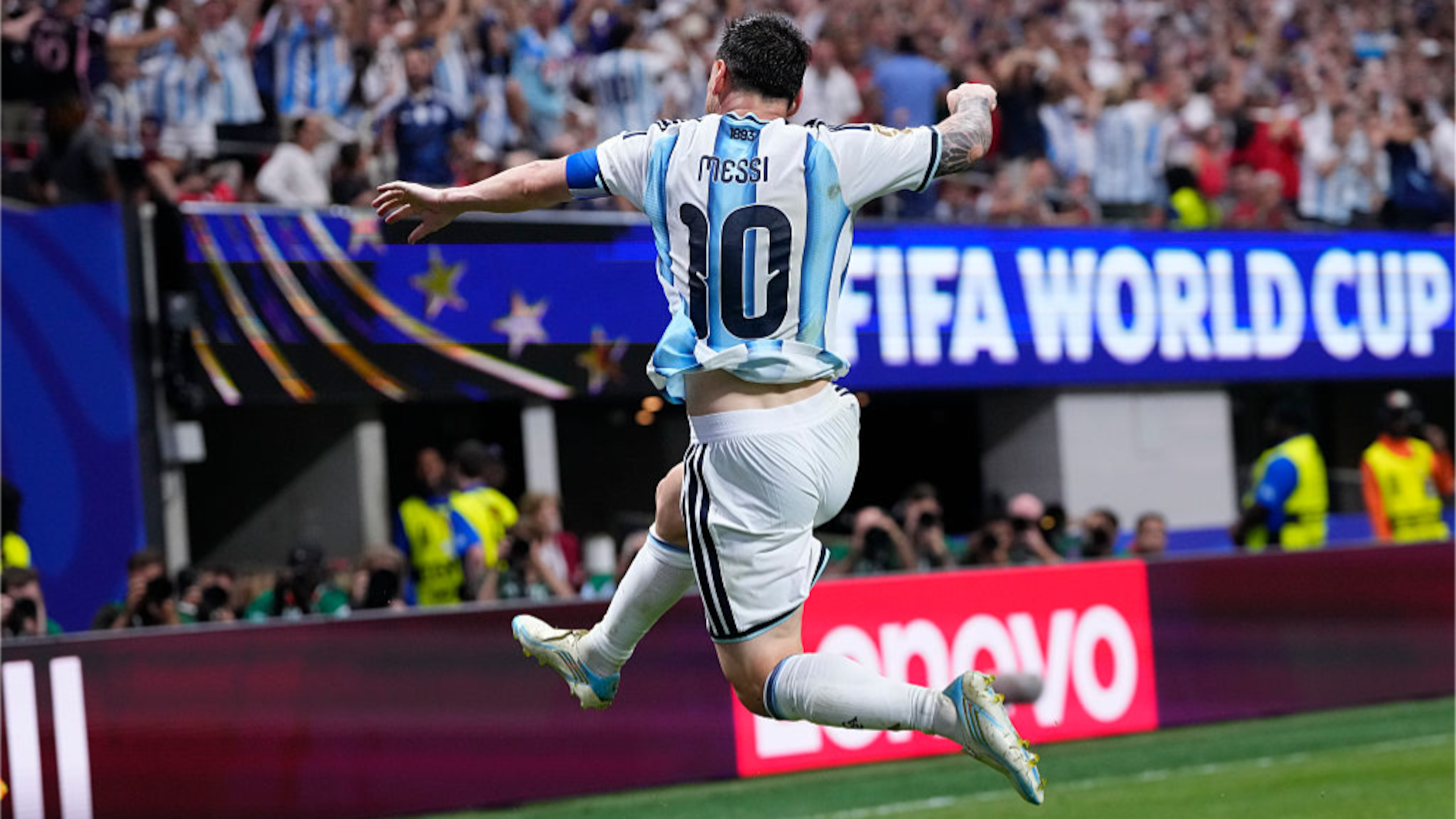
But, if the U.S. can qualify for their sixth consecutive finals, can it be a legitimate threat to not only make it out of the group stage, but also secure an appearance in the quarter or semifinals? That is a goal that has been accomplished only one time (2002 quarterfinals appearance) in the modern day tournament.
In 1998, the U.S. Soccer Federation established a plan called Project 2010; the purpose was to develop a national team that would be a legitimate threat to win the World Cup by 2010 and the cost was an estimated $50 million.
After closely watching the U.S. in South Korea and Japan four years later, this project did not seem too far-fetched.
To start the tournament the men knocked off a Portugal side that was heavily favored to win the cup, played very well in a 1-1 draw with host South Korea and squeaked through the back door and into the round of 16 after a loss to Poland in the final group stage match.
In the round of 16, the States drew their CONCACAF rival, Mexico, the winner of group C. The game turned out to be one of the most thrilling in U.S. soccer history up until that point, with the states beating a stunned Mexican team and keeping a clean sheet in the process of a 2-0 victory.
The team would eventually be eliminated by world power Germany (runner-up in 2002) 1-0 in the quarterfinal, but the effort in 2002 gave the players, coaches, followers and the U.S. soccer federation a ton of confidence going forward.
That summer, Bruce Arena built a team around the strengths of his players. He used players who were fit and had been getting a lot of minutes with their club teams.
Goalkeepers Brad Friedel and Kasey Keller had previous World Cup experience as well as experience in some of the most competitive European club leagues.
The central defenders Eddie Pope, Carlos Llamosa and Greg Berhalter were big and athletic with the ability to win balls in the air. The outside fullbacks, Frankie Hejduk, Steve Cherundolo and Jeff Agoos, were sure-footed and could get forward to serve balls into the opponent’s box.
The midfield was comprised of the skilled players on the roster. Claudio Renya, Ernie Stewart and John O’Brien, all who played the majority of their careers with European clubs, gave the U.S. possession and composure in the middle of the park and had the ability to attack defenses.
While Tony Sannah, Demarcus Beasley, Eddie Lewis and Cobi Jones gave the U.S. the speed on the outside, they needed to get behind defenders.
Brian McBride, one of the top forwards in the world at winning balls in the air, was the target forward with the speedy young legs Landon Donovan, Josh Wolf or Clint Mathis running off of him.
Unlike most countries, the U.S. has never had a style of play to call its own. South American powers such as Brazil and Argentina break down defenses with quick passes, speed on and off the ball and the skill to take on opposing defenders one-on-one.
England plays long balls to its forwards and outside midfielders and relies on its players to get behind defenders to cross balls into the box. Italy and Germany like to sit back and defend with as many guys as possible and punish teams with a counter attack when they see the chance.
These are the styles these countries have used for years, and because soccer has not been as prevalent for as long in the U.S., the team never developed a unique style of their own.
Arena was able to create a style of play that his players bought into. He defended with seven and eight guys, used his central midfielders to run at defenses and spread the ball wide to the players with speed.
Opposing teams were forced to defend the middle of the field, giving the outside midfielders time to get their services into the box and it showed.
Of the seven goals the U.S. scored in the tournament, five came from crosses into the box from wide midfielders or outside fullbacks—three against Portugal and two against Mexico, the two games the U.S. won. Arena had a plan and accomplished it with the players he selected.
However, what has become common in U.S. national team recent history is that it takes some time before the team can secure its place at that next level.
At USA ’94, the team advanced out of the first round for the first time in 70 years, only to finish in last place at France ’98. The success at South Korea/Japan in 2002 led most to believe the team would improve on their finish and excel further in Germany in 2006.
This was not the case once again, with the U.S. tumbling back down a few notches. The team drew the group of death and first round matches against the Czech Republic, Italy (eventual champions) and Ghana gave the U.S. a 0-2-1 record and a trip home without making it out of the group stage once again.
Of the many questions that surround the team, the big ones are: after taking two giant steps forward why does the team take a step back before it can maintain itself at the next level? Was the Confederations Cup a fluke or is that what U.S. soccer fans can expect next summer?
After the team fell flat in a qualifier in Costa Rica’s famed Saprissa stadium, a notoriously difficult place to play for visitors, the team rebounded with a gritty victory against Honduras in Chicago, giving all hope and confidence that the confederations cup could be successful for what the players and coaches were looking at as a warm up to South Africa 2010.
However, after an early red card to Ricardo Clark in the opener against Italy, the Americans saw their 1-0 lead vanish against the world champs after three second-half goals (two from Italian-American forward Giuseppe Rossi).
That demoralization carried over to the next game where the U.S. looked just as bad if not worse against Brazil, giving up two early goals and a third in the second half.
One huge problem in the qualifier with Costa Rica and the first two matches of the Confederations Cup was the lack of significant minutes with their club teams for half of the starting 11.
This left some players extremely out of game shape and the unpolished form definitely showed.
But after beating up on Egypt 3-0 and getting some help with Brazil smashing Italy 3-0 as well, the Americans once again found themselves advancing with a semifinal berth against the FIFA team ranked number one, Spain.
The U.S. took the momentum gained in the win over Egypt and took advantage of its opportunities against Spain, upsetting the holders of the European Cup 2-0 and setting them up with a rematch in the final against Brazil.
What made the U.S. successful against Egypt and Spain is the simple style that was played—something many recent U.S. teams have lacked. As the U.S. did in the 2002 World Cup, it put its best 11 players on the field, keeping Jay DeMerit in the center of the defense with Oguchi Onyewu.
The Americans were not going to be able to take control of the game by passing the ball around like their Spanish counterparts did to them, but instead would have to beat them with their athleticism, toughness and speed.
They played a traditional formation, a simple 4-4-2, something they had been getting away from leading up to qualifying and the Confederations Cup.
Another key factor was that they used players who were getting fit and now had games under their belt. They used their speed on the outsides from Landon Donovan and Clint Dempsey, the two most experienced players to put pressure on defenders and exploit the Spanish by playing dangerous balls into the box.
They finally got a physical game out of 19-year-old Jozy Altidore, to go along with Charlie Davies’ work effort and runs off the ball up top to spread the field—exactly what they needed from their two young forwards.
And when called upon, Ricardo Clark and Michael Bradley were sitting in the middle of the field to disrupt as many Spanish attacks as possible and spray the ball out wide for the counter attack. This was a victory that could change the way people look at U.S. soccer leading up to the 2010 World Cup.
But once again after going up early 2-0 on Brazil in the final in hopes of their first FIFA trophy the U.S. took another step backwards, eventually bowing out 3-2 to the most successful country in history by giving up three second-half goals.
The U.S. came with a plan, they came playing the style they had been playing in the previous two matches, but the “Canarihno” (little canary) had too much in the tank for the Americans to handle.
There are a number of reasons the US has not had the success of some South American and European teams. However, some reasons are more glaring than others.
What the Americans are lacking that makes other countries tick are four things. First, the U.S. needs a No. 10 who plays the attacking midfielder role. Since Claudio Renya retired from international play, this position has not been filled.
Currently the U.S. uses two holding midfielders because there is not a guy who is skillful and creative enough on the ball to put pressure on opposing defenses with runs through the middle of the field.
Second, with the height and athleticism of players on the roster, the team needs a free kick specialist who can play dangerous bending balls into the box to cause other teams to acknowledge the Americans presence in the air.
Another plus for such a player would be to force other countries to think twice about fouling the U.S. around the edge of the box.
Now there is not anyone that can challenge opposing goalkeepers on a direct kick or set piece. The third need is a proven goal scorer.
Every team that has had success at the international level has had one. It is one of the hardest attributes to find in a player and until the U.S. has someone that can run at defenses with the ball at his feet, and finish against world-class goalkeepers, the U.S. will not succeed in the World Cup.
When a team has a player that is dangerous in the offensive third of the field it takes pressure off their own defense and creates it for the opposition.
The last need is depth. This obviously will take time as the national pool develops. But the U.S. does not have the luxury to hold their top players out when they are not 100 percent fit in lieu of players that are fit.
Other countries, such as England have a small army to fill the place of Steven Gerrard if he’s not fit. The Americans need their top guys on the field for each match.
With some of these additions the Men’s national team will continue to grow and bring a greater consistency to U.S. soccer.
As the program continues to develop talent though it’s youth systems, and players getting opportunities abroad, younger players will begin to step into the national side as experienced reserves, much like other successful countries.
While winning the 2010 World Cup is always the goal, the tournament will be considered a success if the U.S. takes another step further and maintains it.
.jpg?w=3840 "Biggest FA Mistakes of the Century 💸")