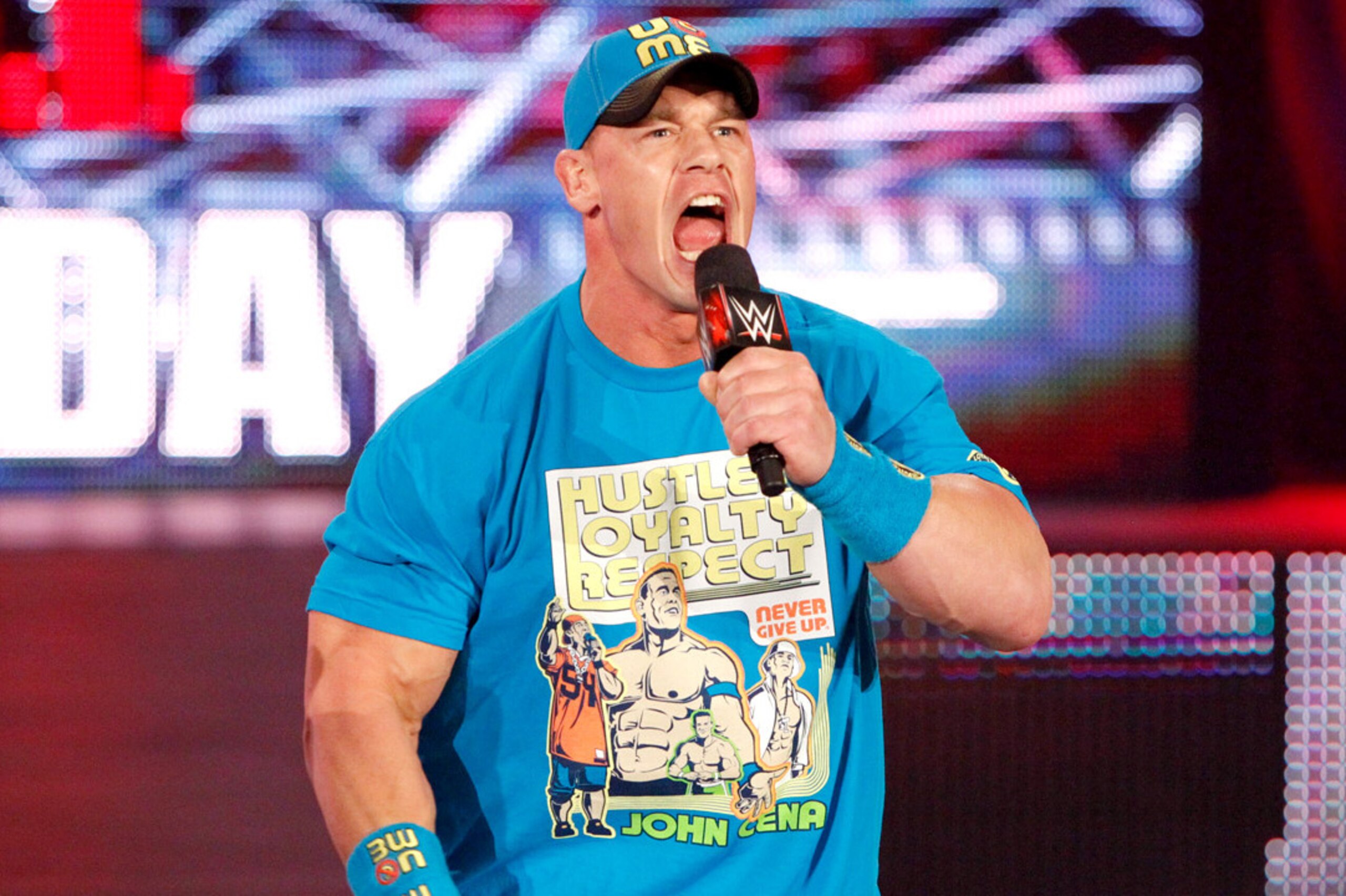

Remembering How WrestleMania XX Launched John Cena's Rise to Superstardom
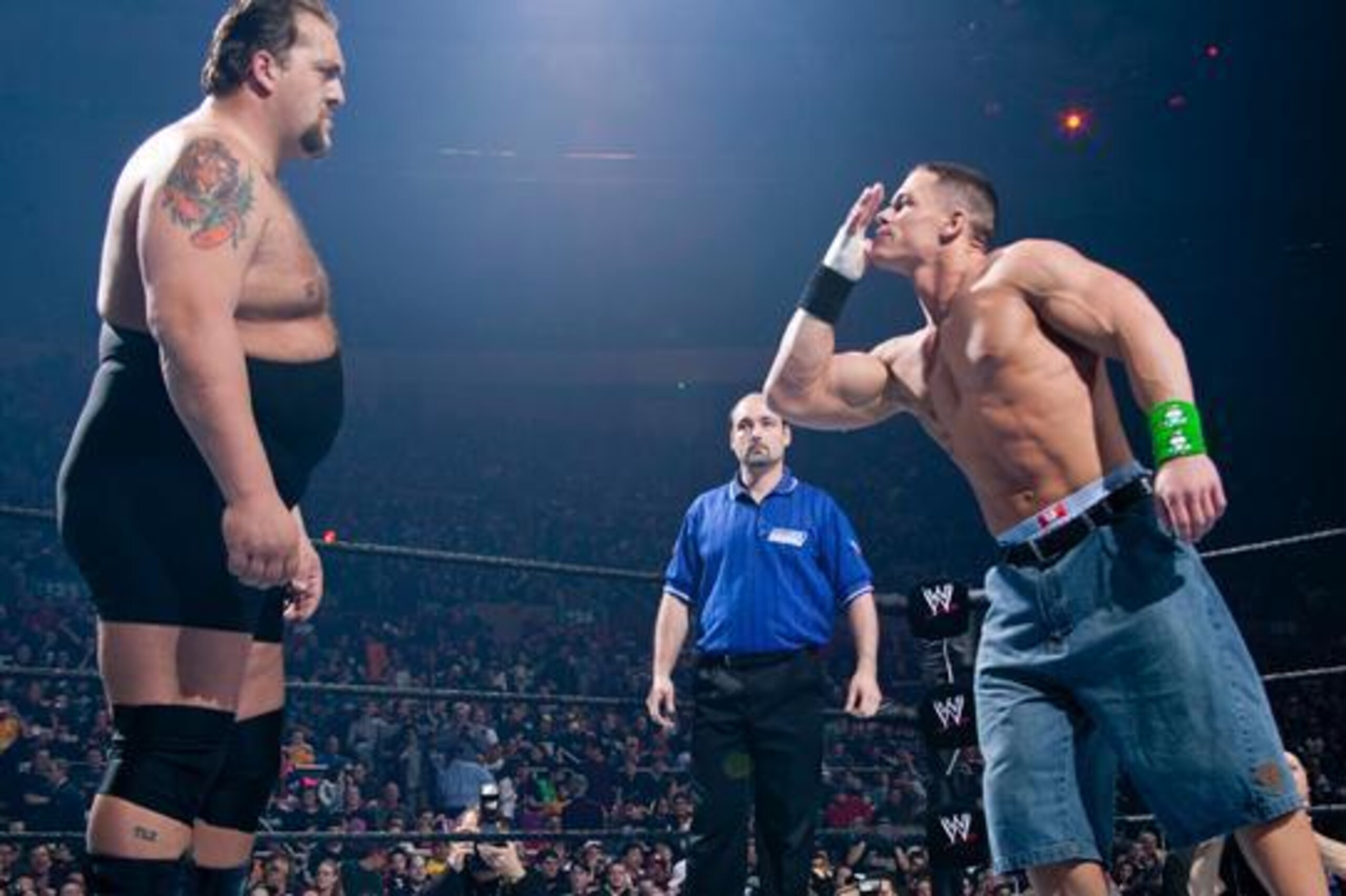
John Cena's transformation from wrestler to superhero began at WrestleMania XX, staring down a giant in a raucous Madison Square Garden.
There are moments when history unfolds in front of us, and even though we can't foresee their trajectory, we know that something significant is happening. When CM Punk sat on the entrance ramp and delivered his now-famous rant, when Steve Austin explained what the verse Austin 3:16 contained and when Bruno Sammartino steamrolled over Buddy Rodgers in 1963, electricity crackled in the air.
Fans knew that they had witnessed a major shift—in some cases the ushering in of a new era, in others the arrival of a star. At WrestleMania XX, Cena truly arrived.
.jpg?w=2560)
Capturing the United States Championship from Big Show shot him toward WWE's mountaintop, a place he has refused to climb down from since.
Flash back to March 14, 2004. Brock Lesnar and Goldberg each had one wrestling boot out the door. Chris Benoit and Eddie Guerrero were both still alive, set to end the night bathed in confetti, roosting atop the wrestling world.
Following departures and tragedies, WWE would soon be in need of a new franchise cornerstone.
WrestleMania XX kicked off with the man who would fill that role for the next decade. He donned a Patrick Ewing jersey and heavy chains across his sternum. Cena had yet to morph into his squeaky-clean squared-circle Superman. He was a brash Bostonian then, with a flick of blond in his hair.
At WrestleMania XIX, he rapped on the pre-show opposite a cardboard cutout of Jay-Z in an Austin Powers outfit. This time out, he did his rapping on the big stage.
He called Big Show a gorilla and promised to add a championship to his collection of gold.
The fan reaction was not divided as it is today. Chants of "Cena! Cena!" filled the arena. He played the cocky David to Big Show's brooding Goliath, filling his sling with audaciousness, and the crowd ate it up.
What was clear in that moment and during the slugfest that followed was how much presence Cena had. He stood on the biggest stage of his career, and he belonged.
While others wilt under the heat of the spotlight, Cena fed off it.
This would not be his greatest match, just the first of many examples of him being clutch. Opening the 20th WrestleMania? Winning over the fans despite using tactics normally reserved for heels? No problem.
The match was a descendant of Hulk Hogan vs. Andre the Giant at WrestleMania III. A powerhouse battled a mammoth. And just like Hogan did 17 years prior, he lifted his massive foe, inspiring awe from the audience.
Slamming Big Show was only the first half of his WrestleMania moment, though. He soon followed up by clocking The World's Largest Athlete with a pair of brass knuckles to complete his comeback.
It was a fun match and a good way to start the show. Little did fans know, they had just witnessed a superhero trouncing his first major villain. There would be far more to come.
WrestleMania XX set in motion Cena's journey from the U.S. champ to a regular contender for WWE's top title.
As United States champion, he faced Booker T in a best-of-five series. This was a showcase of Cena's ability, and it produced some of the best matches of his career. He unveiled a "spinner" version of the U.S. title, something that further distinguished him.
Had WWE chosen someone else to take on Big Show at Madison Square Garden that night, perhaps none of that would have happened for Cena. Perhaps he would have struggled to find his way out of the midcard.
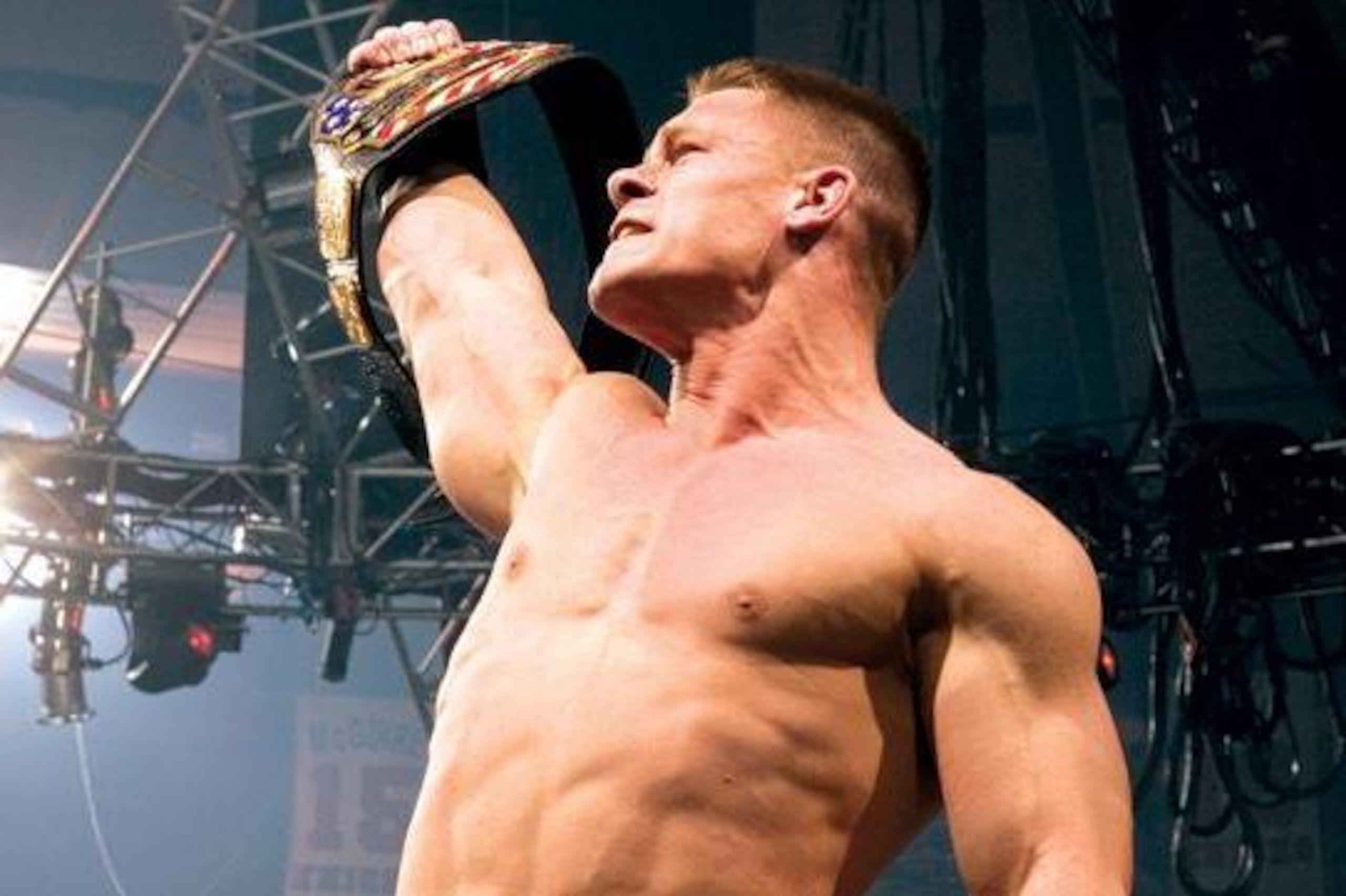
Instead, his momentum snowballed.
WWE's confidence in him grew. The company piled on the responsibility, expanded his ring time and allowed him to climb up the ladder at a hurried pace. Every year, he would be a bigger and bigger part of The Show of Shows.
Just one year after felling Big Show in New York, Cena battled for the WWE title at WrestleMania 21. The WrestleMania after that featured Cena's name on the marquee. He headlined opposite Triple H.
Cena would go on to appear in 10 more WrestleManias after his first. He would win 20 more titles after raising his first one in the air in 2004.
For some stars, it's hard to pinpoint where their ascent to the top tier began. Not for Cena. Beating Big Show with his brass knuckles curled around his fingers was the starting point of his rise.
Now, over a decade later, Cena is still the centerpiece of the company, and he is vying for the United States title again. Is he now what Big Show was in 2004? Is Rusev the old Cena's equivalent?
There will be a poetic symmetry should Rusev take off after crushing Cena and begin his own rise to WWE's top tier.
.jpg?w=2560 "Myles Garrett Got Warning 👀")
.jpg?w=2560 "Every Team's Biggest Surprise So Far 😲")