

How Reliable Are Early 'Headline' Formula 1 Testing Times?
It's always said that "headline" Formula One testing times—teams' quickest laps—are a poor indicator of the season ahead.
The teams run different fuel loads, programmes, drivers, tyres and engine modes, setting different targets and often facing different track conditions. Some teams try to hide their true pace, others go for glory to impress potential sponsors.
The general belief is the only reliable way to get a handle on the real running order is by waiting until the first race of the year. There, we get to see all the cars doing the same thing, on the same track, at the same time.
But how accurate is this belief?
As the first test of 2015 draws to a close, here we look at the five previous seasons—2010 to 2014—and see how their early testing times matched up to what really happened when the championships began.
2010: McLaren Lose out to the Stealth Bulls
1 of 6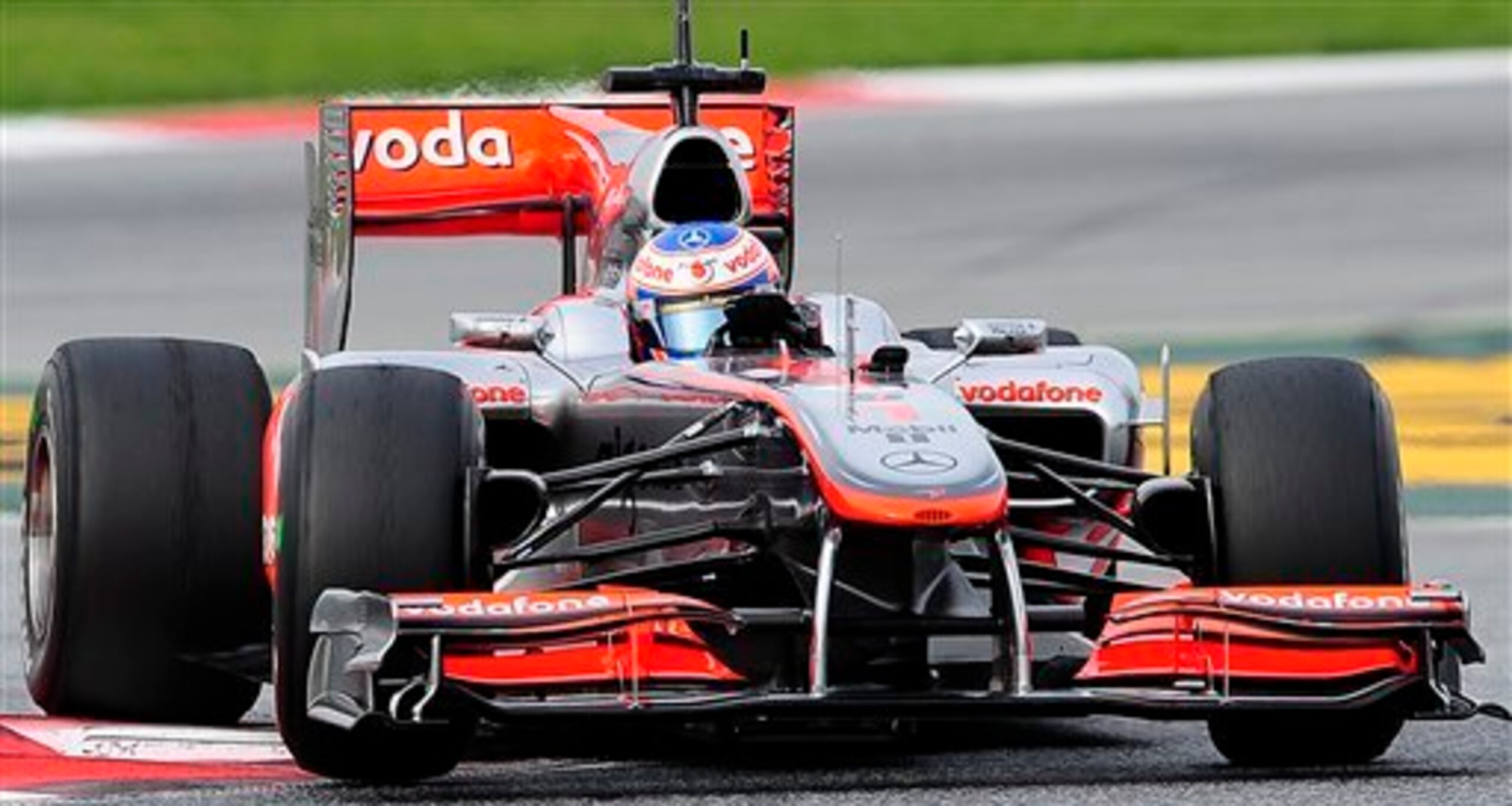
What Early Testing Suggested Would Happen
The 2010 season featured four pre-season tests. Many teams missed the opening three-day outing at Valencia, so times from the second test at Jerez, where all the significant teams took part, are used for this year.
At this stage, McLaren looked to be on top with Toro Rosso and Sauber close behind. Red Bull were not featuring strongly, while Ferrari appeared to have ignored raw speed in favour of a different programme.
Force India were toward the top of the timing screens, while the only new team present, Virgin, were slowest.
Autosport published combined times to give a "league table" of sorts, showing the quickest drivers over the four days. Using this data, each team's best time was:
| 1 | McLaren | 1:19.583 |
| 2 | Toro Rosso | 1:19.919 |
| 3 | Sauber | 1:19.950 |
| 4 | Force India | 1:20.180 |
| 5 | Williams | 1:20.341 |
| 6 | Renault | 1:20.358 |
| 7 | Mercedes | 1:20.613 |
| 8 | Red Bull | 1:21.203 |
| 9 | Ferrari | 1:21.424 |
| 10 | Virgin | 1:22.912 |
| 11 | Lotus | - |
| 12 | HRT | - |
What Really Happened
The 2010 season was marked by a close title fight involving four drivers from three different teams. The quickest car was usually Red Bull's RB6, especially in qualifying—it took 15 poles from 19 races.
However, McLaren and Ferrari also produced competitive machinery which held up better in race trim, and the gaps were small.
Further back, Mercedes and Renault occupied the front of the midfield, with Toro Rosso, Force India and Sauber—who had all looked good at the second test—only minor contenders.
The constructors' championship ended:
| 1 | Red Bull | 498 |
| 2 | McLaren | 454 |
| 3 | Ferrari | 396 |
| 4 | Mercedes | 214 |
| 5 | Renault | 163 |
| 6 | Williams | 69 |
| 7 | Force India | 68 |
| 8 | Sauber | 44 |
| 9 | Toro Rosso | 13 |
| 10 | Lotus | 0 |
| 11 | HRT | 0 |
| 12 | Virgin | 0 |
2011: False Dawn for Williams
2 of 6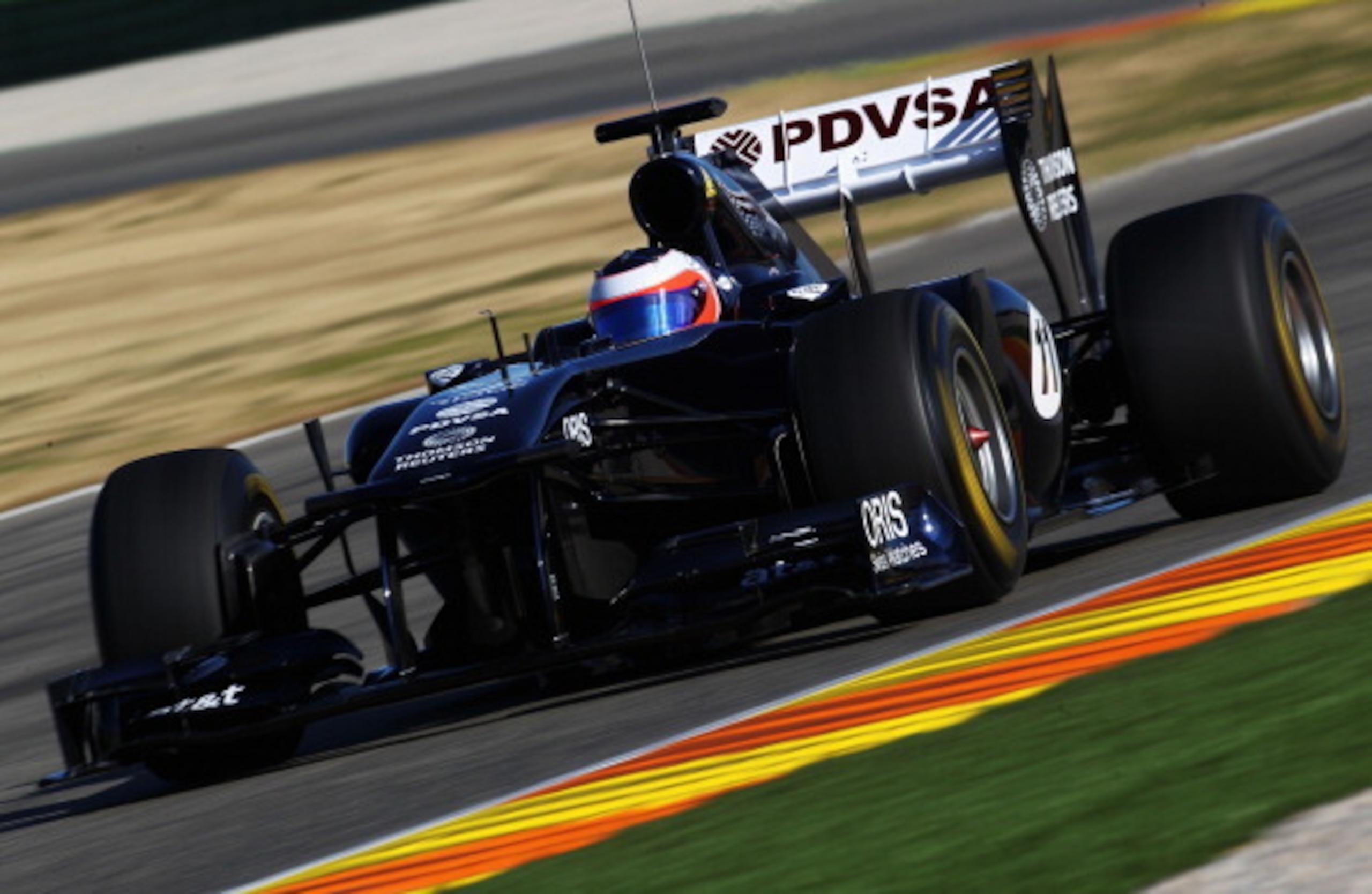
What Early Testing Suggested Would Happen
2011 began with a three-day test at Valencia. Most of the teams attended, but McLaren, Force India and HRT did not use their 2011 cars. The first time all the teams (except HRT) ran properly together was the second test at Jerez, so by necessity times from this are used.
Williams topped the timesheets, with Mercedes and Lotus also looking good. Ferrari were a little slower but still good enough for fourth.
Expected front-runners McLaren and Red Bull showed little, and Force India didn't look much quicker than the "new teams."
Toro Rosso were exactly where we'd expect them to be.
Crash.net published combined times:
| 1 | Williams | 1:19.832 |
| 2 | Mercedes | 1:20.352 |
| 3 | Lotus Renault | 1:20.361 |
| 4 | Ferrari | 1:20.413 |
| 5 | Sauber | 1:20.601 |
| 6 | McLaren | 1:21.009 |
| 7 | Toro Rosso | 1:21.213 |
| 8 | Red Bull | 1:21.522 |
| 9 | Team Lotus | 1:21.632 |
| 10 | Force India | 1:21.780 |
| 11 | Virgin | 1:22.208 |
| 12 | HRT | - |
What Really Happened
Armed with the awesome Red Bull RB7, Sebastian Vettel obliterated the field. He took 15 poles, won 11 races and clinched the title with four races to spare.
McLaren and Ferrari provided the main opposition, together with Red Bull taking all but two of the podium places.
Williams, despite their table-topping performance in the early test, were nowhere. They scored just five points to record the worst season in their history.
Force India recovered from a poor initial showing to claim their best-ever constructors' championship position, behind Renault and Mercedes.
The final constructors' championship table read:
| 1 | Red Bull | 650 |
| 2 | McLaren | 497 |
| 3 | Ferrari | 375 |
| 4 | Mercedes | 165 |
| 5 | Renault | 73 |
| 6 | Force India | 69 |
| 7 | Sauber | 44 |
| 8 | Toro Rosso | 41 |
| 9 | Williams | 5 |
| 10 | Lotus | 0 |
| 11 | HRT | 0 |
| 12 | Virgin | 0 |
2012: Mercedes Look on Top, Don't Stay There
3 of 6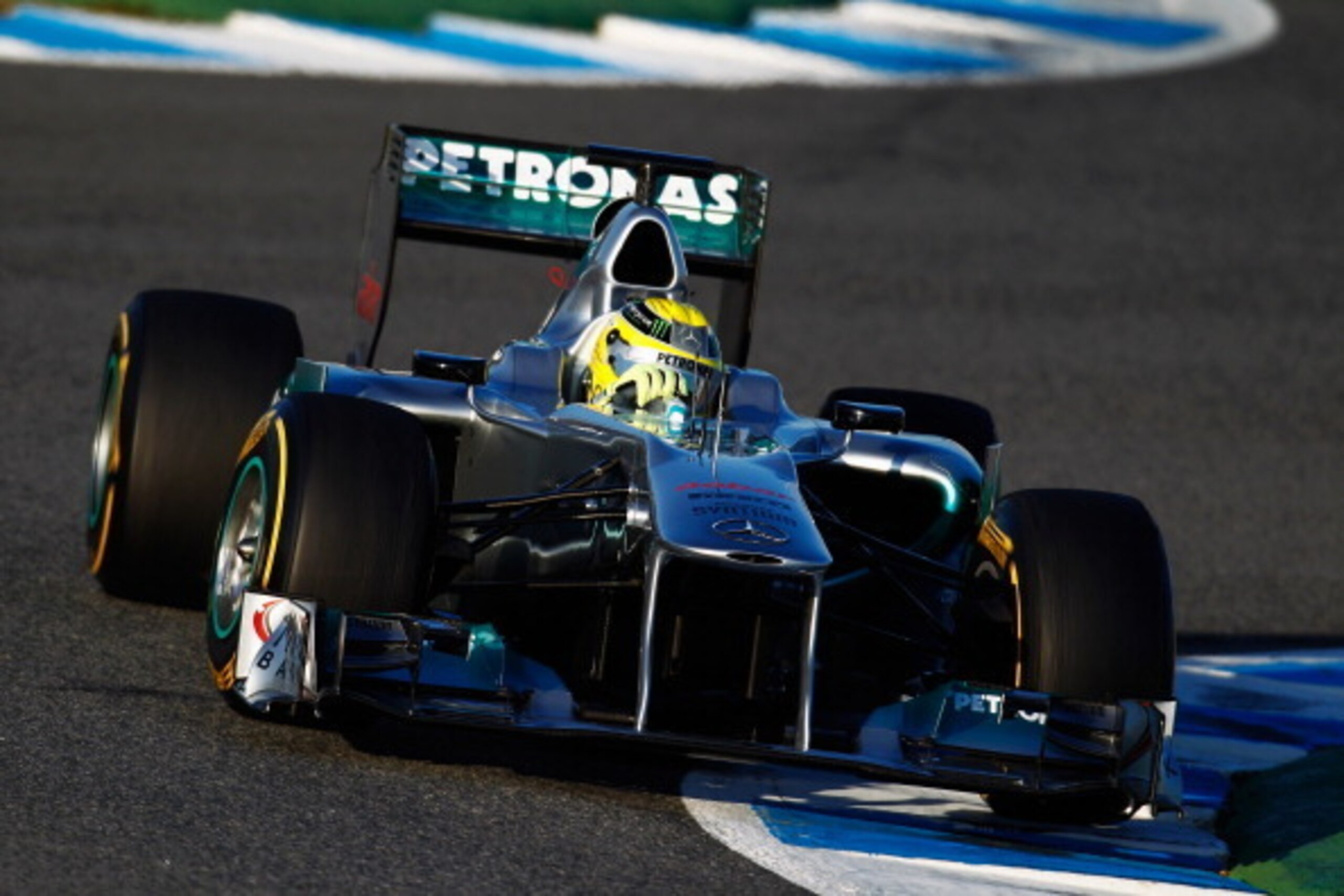
What Early Testing Suggested Would Happen
The 2012 campaign began with all the teams bar Marussia attending the first test at Jerez.
Mercedes looked highly impressive over a single lap, while Ferrari were the quickest of the traditional front-runners. Neither Red Bull nor McLaren looked brilliant, but both were near the front.
Lotus also put in a strong showing.
The usual midfield runners were where we might have expected them to be. Williams, on the back of a dreadful 2011, didn't make a very auspicious start to 2012.
Autosport published combined times.
| 1 | Mercedes | 1:17.613 |
| 2 | Lotus | 1:18.419 |
| 3 | Ferrari | 1:18.877 |
| 4 | Red Bull | 1:19.184 |
| 5 | McLaren | 1:19.464 |
| 6 | Toro Rosso | 1:19.587 |
| 7 | Sauber | 1:19.770 |
| 8 | Force India | 1:19.772 |
| 9 | Williams | 1:20.132 |
| 10 | Caterham | 1:21.518 |
| 11 | HRT | 1:22.198 |
| 12 | Marussia | - |
What Really Happened
The first seven races were won by seven different drivers, as everyone struggled to get to grips with the tyres. Things began to settle down toward the middle of the year, and the Red Bull again proved to be marginally the quickest car as Sebastian Vettel took a third title.
McLaren were very close behind and occasionally ahead of their Austrian rivals, with Ferrari further back in third. Lotus demonstrated their good showing at the opening test was no fluke with a race win, multiple podiums and good pace throughout.
Williams and Mercedes had curious years. Both won races and had a strong car over a single lap, but often—usually, in the case of Williams—failed to follow up on promising qualifying displays.
Sauber were quicker than testing suggested, especially when it came to race pace, while Toro Rosso were usually slower.
The final standings were:
| 1 | Red Bull | 460 |
| 2 | Ferrari | 400 |
| 3 | McLaren | 378 |
| 4 | Lotus | 303 |
| 5 | Mercedes | 142 |
| 6 | Sauber | 126 |
| 7 | Force India | 109 |
| 8 | Williams | 76 |
| 9 | Toro Rosso | 26 |
| 10 | Caterham | 0 |
| 11 | Marussia | 0 |
| 12 | HRT | 0 |

.jpg?w=2560 "Cardinals Giants Football")

2013: Flying Ferraris Fall Flat
4 of 6
What Early Testing Suggested Would Happen
The traditional Jerez start was retained for 2013. All the teams used their new cars except Williams, who ran their 2012 contender.
Ferrari led the way, ahead of Lotus and Force India. Red Bull were next up, while McLaren and Mercedes looked decidedly midfield at this stage.
Williams looked unusually slow. Sauber and Toro Rosso were a little bit ahead of where we might expect, with the two remaining "new teams" in their normal place at the rear of the field.
Formula1.com had the combined times.
| 1 | Ferrari | 1:17.879 |
| 2 | Lotus | 1:18.148 |
| 3 | Force India | 1:18.175 |
| 4 | Red Bull | 1:18.565 |
| 5 | Sauber | 1:18.669 |
| 6 | Toro Rosso | 1:18.760 |
| 7 | Mercedes | 1:18.766 |
| 8 | McLaren | 1:18.861 |
| 9 | Caterham | 1:21.105 |
| 10 | Marussia | 1:21.226 |
| 11 | Williams | Used 2012 car |
What Really Happened
It was evident from a very early stage that McLaren had taken a wrong turn and were, by their standards, very slow. Red Bull were the opposite. After early struggles, the Austrian team pulled way clear of everyone else and Sebastian Vettel won a fourth straight world title.
Mercedes were very quick over a single lap but often faded in the races, while Ferrari were frequently the opposite. Together they provided the main competition to Red Bull, and ended the year just six points apart.
Williams proved as poor as their early testing form suggested, as were the "new teams." Force India never looked likely to get close to the front; Sauber and Toro Rosso also did worse than their headline times indicated they would.
The year-end constructors' standings were:
| 1 | Red Bull | 596 |
| 2 | Mercedes | 360 |
| 3 | Ferrari | 354 |
| 4 | Lotus | 315 |
| 5 | McLaren | 122 |
| 6 | Force India | 77 |
| 7 | Sauber | 57 |
| 8 | Toro Rosso | 33 |
| 9 | Williams | 5 |
| 10 | Marussia | 0 |
| 11 | Caterham | 0 |
2014: McLaren Top the Test but Not the Podium
5 of 6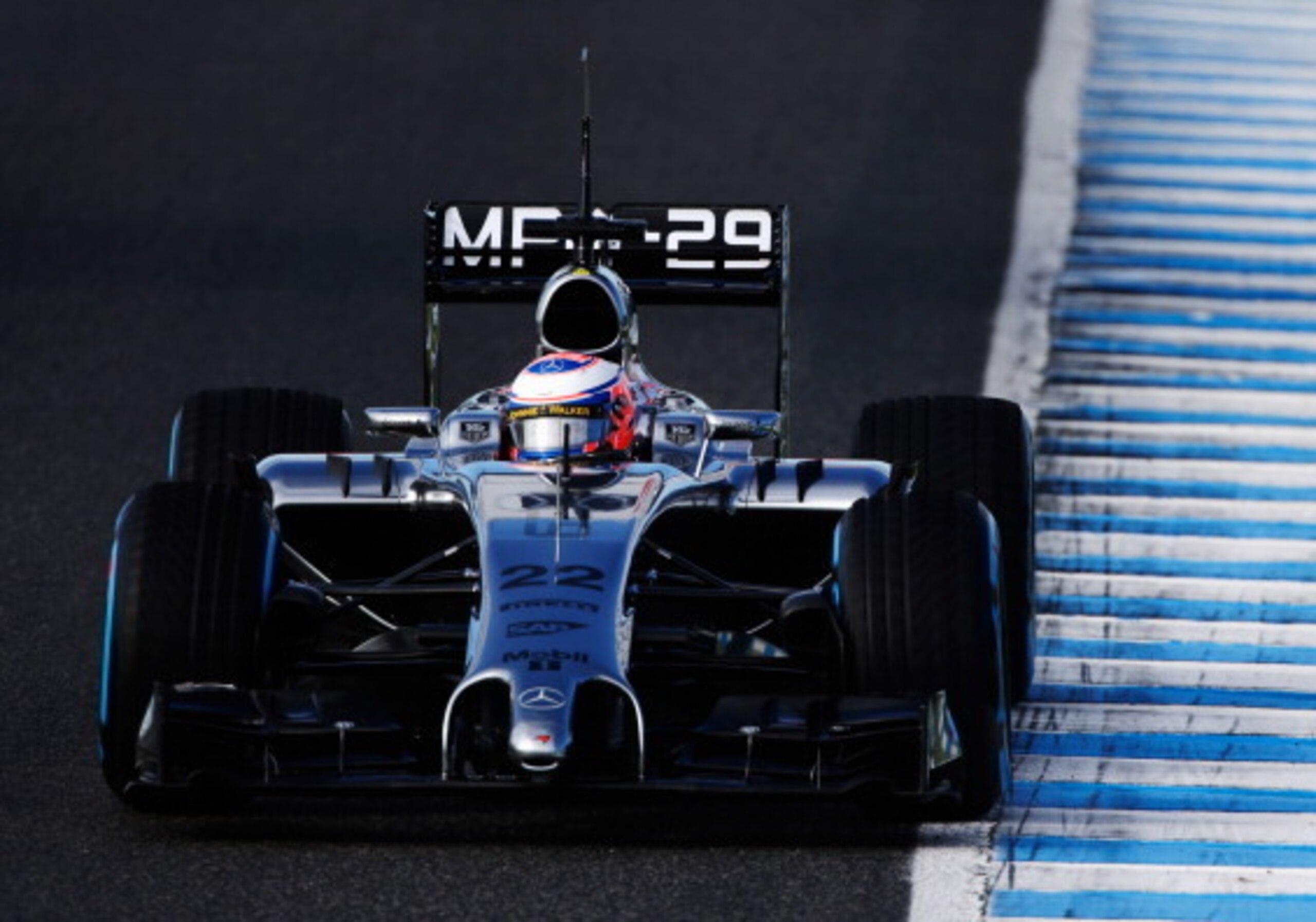
What Early Testing Suggested Would Happen
Jerez was again the venue for the start of 2014 testing. Only one team was officially missing—Lotus—but we could have been forgiven for thinking half the field was elsewhere. It was the start of a new engine era, and gremlins with the V6 turbo power units were common.
McLaren left Spain with the quickest lap, closely followed by Williams and Mercedes. Force India headed up the midfield, with only Ferrari in fourth preventing a Mercedes engine whitewash.
Defending champions Red Bull struggled to get their Renault engine working and set the slowest "fastest" lap of anyone—15 seconds down on McLaren. The other Renault teams did little better, while Ferrari-powered Marussia and Sauber also struggled.
Crash.net published combined times.
| 1 | McLaren | 1:23.276 |
| 2 | Williams | 1:23:700 |
| 3 | Mercedes | 1:23.952 |
| 4 | Ferrari | 1:24.812 |
| 5 | Force India | 1:26.096 |
| 6 | Toro Rosso | 1:29.915 |
| 7 | Sauber | 1:30.161 |
| 8 | Marussia | 1:32.222 |
| 9 | Caterham | 1:37.975 |
| 10 | Red Bull | 1:38.320 |
| 11 | Lotus | - |
What Really Happened
Mercedes dominated the season and would have won every single race at a canter had the car been reliable and Nico Rosberg more protective of his front wing.
Red Bull made a staggering (if unsurprising) recovery and usually had the second-best car; on the occasions they ceded this crown, Williams took over as the primary "competition" to the Silver Arrows. Ferrari drifted between being fourth, fifth and sixth-best.
McLaren failed to live up to their first test performance and were pushed all the way by Force India. Toro Rosso went a little better than the early times suggested they would, but Sauber, Caterham and Marussia remained uncompetitive.
The final standings were as follows:
| 1 | Mercedes | 701 |
| 2 | Red Bull | 405 |
| 3 | Williams | 320 |
| 4 | Ferrari | 216 |
| 5 | McLaren | 181 |
| 6 | Force India | 155 |
| 7 | Toro Rosso | 30 |
| 8 | Lotus | 10 |
| 9 | Marussia | 2 |
| 10 | Sauber | 0 |
| 11 | Caterham | 0 |
The Old Belief Is True
6 of 6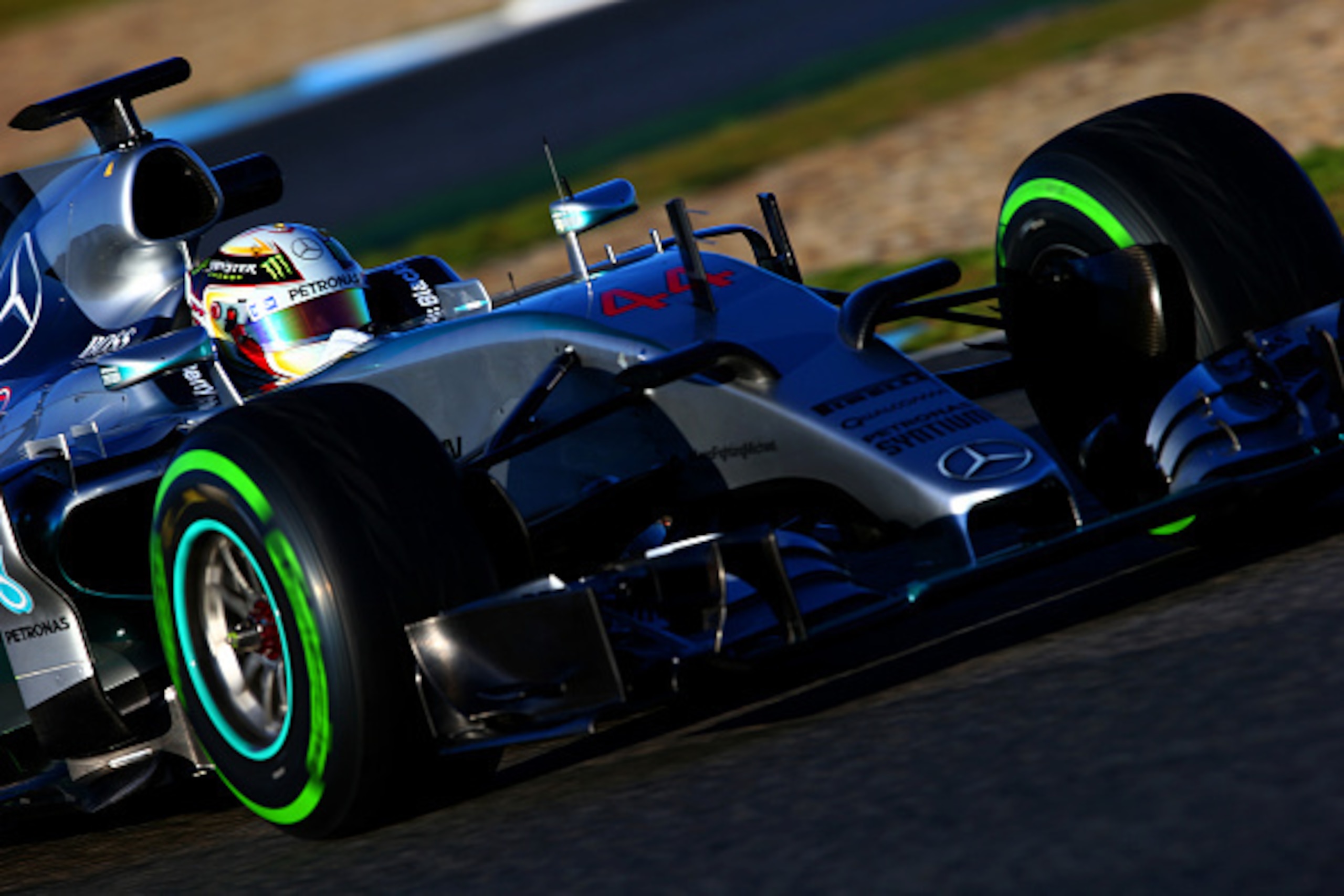
The data shows that none of the seasons featured could have been in any way accurately predicted by the testing times alone.
Only 2014 gave us a strong hint of the way things would go, indicating Mercedes-powered teams would do well. Observing the cars out on the track would have helped, but times alone give a grossly distorted picture.
So we can safely take the combined times from the end of 2015's opening test with a pinch of salt. Maybe later testing will give us more of a clue—or perhaps we'll need to wait until everyone arrives in Australia.
Final standing information used throughout from Formula1.com.
.jpg?w=2560 "Titans Giants Football")

.jpg?w=2560 "Love's Body Already 'Tired'")
.jpg?w=2560 "Ward Nearly Walks Out of Presser ▶️")
.jpg?w=2560 "Buzz: Tyreek Eyeing November Return")