EPL: Are the Cash Rich Monopolising the Transfer Market?
Since the millennium, the transfer fees of players have revolutionized. The basic units today are not thousands or hundred thousands but millions.
The minimum denomination of any transaction in the Premier League is one million. It is scary to think what kind of money may be changing hands during transfers.
The ways of collecting revenues are numerous: TV rights to official sportswear all play a part in the club's earning, but does the increase in revenue mean that the players earn a greater share?
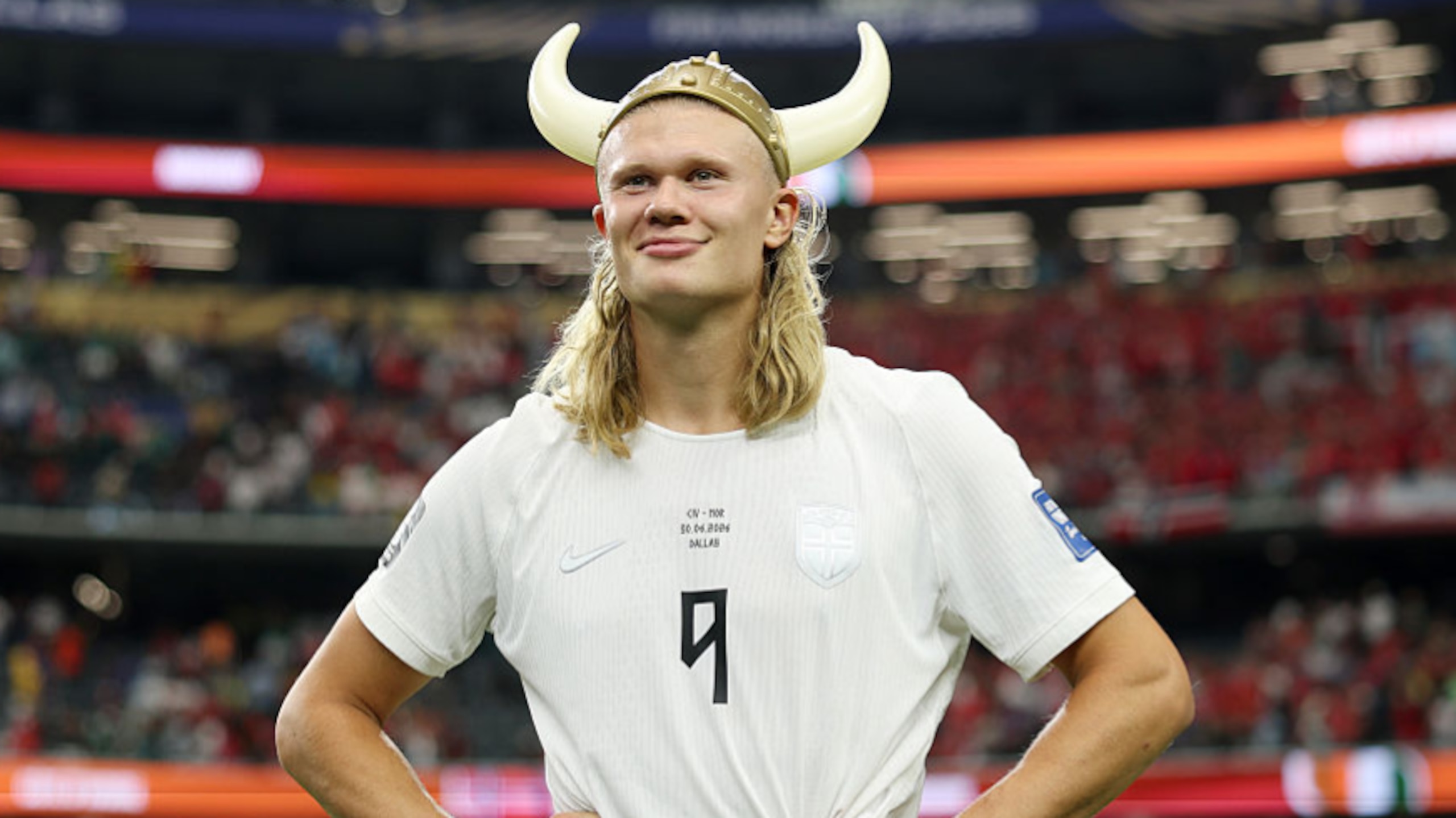

The world record for transfer fee was broken by Real Madrid to obtain Zinedine Zidane from Juventus at the tune of some 46 million pounds. Thankfully for Madrid, Zidane performed and was successful. So was Luis Figo who had held the previous record of 38.7 million pounds. Surely it was Madrid who started the trend of spending big with their galactico policy. An infectious trend that has seen the players demand exorbitant sums from clubs in return to their services.
| 1 |  Zinedine Zidane Zinedine Zidane |  Juventus Juventus |  Real Madrid Real Madrid | 46.0[1] | 76.0 | 2001 |
| 2 |  Luís Figo Luís Figo | Barcelona | Real Madrid | 38.7[2] | 58.5 | 2000 |
| 3 |  Hernán Crespo Hernán Crespo | Parma | Lazio | 35.5[3] | 53.6 | 2000 |
| 4 | Gianluigi Buffon | Parma | Juventus | 32.6[4] | 49.2 | 2001 |
| 5 | Christian Vieri | Lazio | Internazionale | 32.0[5] | 48.3 | 1999 |
| 6 |  Andriy Shevchenko Andriy Shevchenko | Milan |  Chelsea Chelsea | 30.8[6] | 46.5 | 2006 |
| 7 |  Pavel Nedvěd Pavel Nedvěd | Lazio | Juventus | 30.6[7] | 46.2 | 2001 |
| 8 | Wayne Rooney | Everton | Manchester Utd | 30.0[8] | 45.3 | 2004 |
| 9 | Rio Ferdinand | Leeds Utd | Manchester Utd | 29.5[9] | 43.9 | 2002 |
| 10 | Gaizka Mendieta | Valencia | Lazio | 29.0[10] | 43.8 | 2001 |
| 11 |  Ronaldo Ronaldo | Internazionale | Real Madrid | 28.49[11] | 43.0 | 2002 |
| 12 | Juan Sebastián Verón | Lazio | Manchester Utd | 28.1[12] | 42.4 | 2001 |
The table clearly shows that all of the top ten transfers made in footballing history were from the year 2000 onwards (barring the transfer of Vieri).
The big buying continued with Manchester United spending big for players such as Rio Ferdinand, Wayne Rooney and Juan Sebastien Veron. Although Rooney and Ferdinand are considered as successful buys, Veron proved to be a costly error to Sir Alex and was sold for half the price to Chelsea.
Clubs such as Parma and Juventus, who haven't had a history of spending exorbitant sums for players, also spent big. Truly, the price-rise was infectious. Certain players such as Nicolas Anelka moved from club to club in search of better paymasters.
Chelsea was the next team to spend lavish sums in return for glamorous transfers. Roman Abramovich's financial muscle was almost the size of a small country's economy and hence Mourinho made the most of this treasure.
Michael Essien came for a whopping 24 million pounds, although his transfer was a success and his performances justified the price tag, a certain Andrei Shevchenko flattered to deceive. The 31 million pounds spent on him were far from what he deserves.
What classifies as a big transfer fee depends on the player involved. John Obi Mikel, an African youngster who was with Manchester United, was paid 16 million pounds to leave United and join Chelsea. This was clearly a deal made in haste and the strategy to acquire-the-player-at-all-costs was used. A characteristic of transfers involving Roman Abramovich.
It is not impossible to transfer good players at a reasonable cost. Nemanja Vidic, a hot transfer target during his days at Spartak Moscow, was literally stolen by Manchester United at 7 million pounds. Today, he is one half of Europe's best defensive partnership and his deal is considered a bargain.
Another great buy was Thierry Henry, who joined Arsenal for only 10.5 million pounds, a bargain considering teams such as Real Madrid and AC Milan were after him.
Due to this rise in prices, the mediocre players are also getting an amount that just does not justify their level of football. Darren Bent, who was priced at around 10 million pounds, was purchased by Tottenham for 16.5 million pounds. He has been one of the flops of the season.
The effect of the price rise is felt by smaller clubs who cannot afford to dish out millions every transfer period, hence they overprice promising players from their squad, hoping that their sale will get them the cash to fund more transfers, hence the cycle continues.
FIFA and other football-governing bodies must keep a check on these rising prices and pompous wages paid to clubs and players respectively, or else it won't be long before a club's greatness will be judged by its financial strength.
In the long run, cash-strapped teams will dominate football as a result of having all the good players. The underdog teams will be completely outclassed.
Hence, for the good of the game, provisions must be made that benefit the smaller teams.
What do you think about this trend of spending carelessly? Please share your thoughts.


.jpg?w=2560 "KOC Contacted OBJ After Release ☎️")