Why Eriksen Is Under Most Pressure for Tottenham Following Loss to Stoke
Tottenham Hotspur's 2-1 loss to Stoke City on Sunday was marked by a number of poor performances from the home side.
Things arguably got worse in terms of quality, if not the actual scoreline, after Christian Eriksen's half-time withdrawal. Individually, his own struggle to impact the game stood out more than most.
On form, Eriksen influences Tottenham's play as much as, if not more than, anyone. That he was substituted at the interval for the second Premier League match in a row—head coach Mauricio Pochettino deciding others were better suited to shaping Tottenham's attempted comeback—will be a worry for the midfielder.


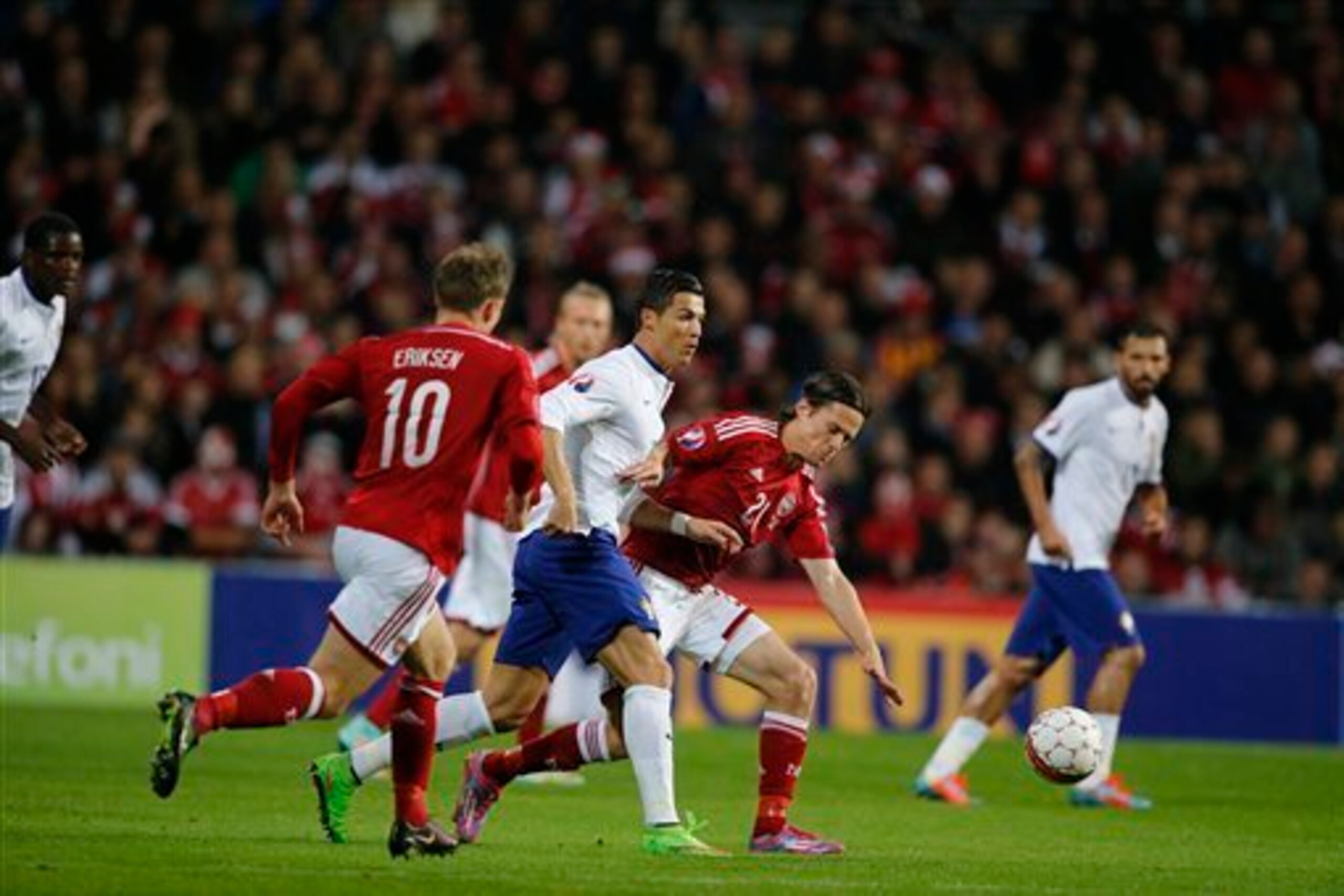
The decision did not pay off with a win like it eventually did against Aston Villa. Actually, Eriksen's presence probably would have helped given the frequency with which Spurs gave the ball away following his removal. Nonetheless, it does lead to the conclusion that Pochettino is unsatisfied with the player's contributions right now.
If that is the case, the Argentinian would not be alone in the belief that Eriksen could be doing more. Last month, Denmark manager Morten Olsen publicly stated the player should be performing at a higher level at this stage in his career.
Olsen said the following to reporters after his team's European Championship qualifying loss to Portugal:
"After so many matches he could pick up the ball and help to control the game. He has not been able to. Therefore, we blame him. He must stand up to the criticism, and he does too.
It is quite something when you have to criticize a player like Christian Eriksen. It should not take place.
If it was a player at a lower level, one could say that he had no class. But with Christian Eriksen do not make the mistake. I must be tough and say to him. And he knows it well.
"
Eriksen did appear to know it. "I am not getting the results in terms of goals and assists and that is not what I want," he said after the same match. "You can always hope to give your best but it was not one of those days."
Ironically, Olsen's criticisms came during a period in which Eriksen was performing well for Tottenham (if not quite as impressively as his 2013-14 highs).
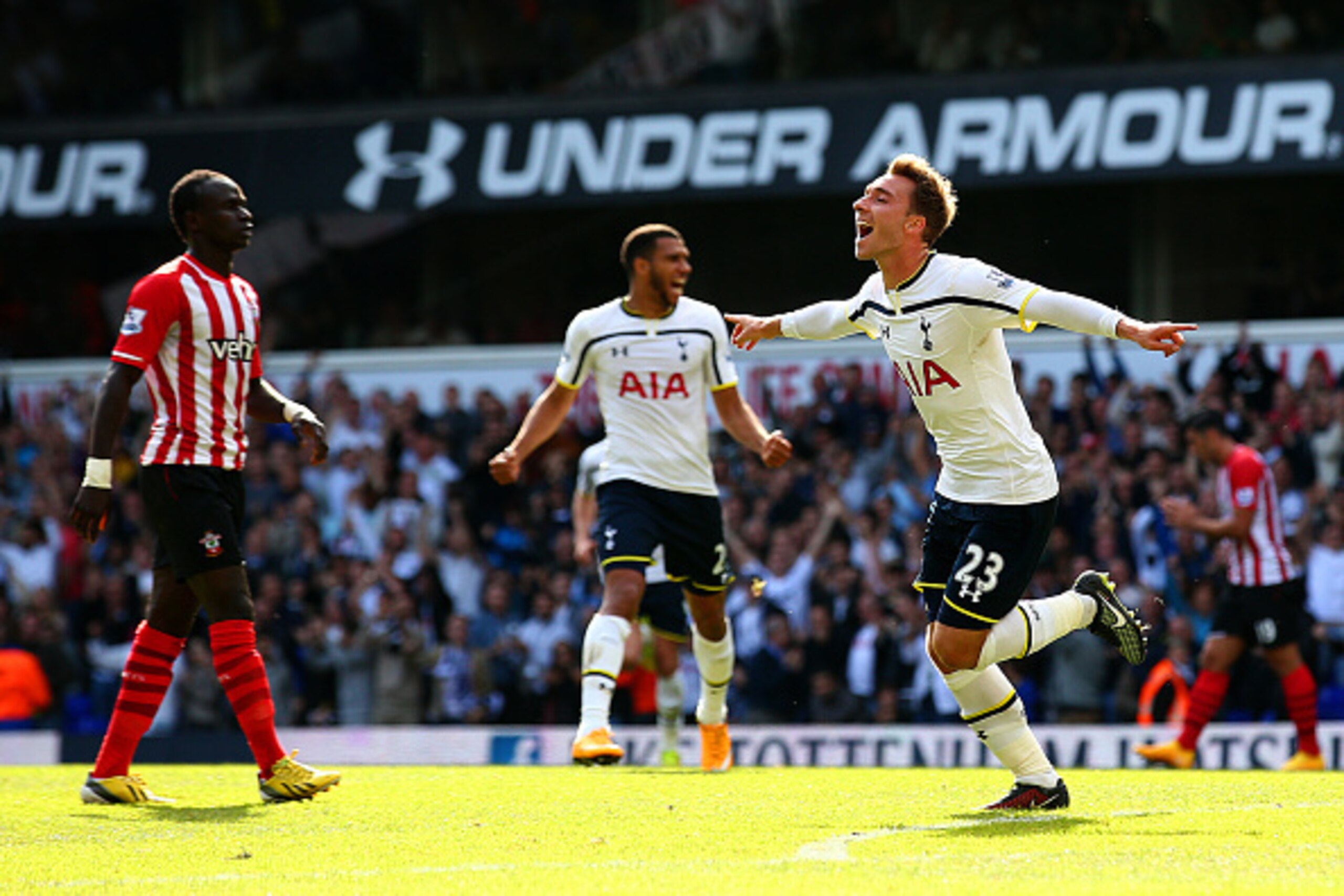
He scored and played a leading role in the club's 1-0 win over Southampton (their last league loss) prior to the international break and then returned with another goal and a performance that deserved more than a 4-1 loss to Manchester City. Prior to that, he was prominently involved in the draws with Sunderland and Arsenal.
Given that Eriksen played well against Man City, it is difficult to gauge whether Olsen's comments have had a negative effect on Eriksen's form. It is fair to say he has not been playing as well since then.
Despite any issues he might have with his player's form right now, Pochettino did back Eriksen in the wake of the Denmark boss's outbursts. "He is still young," the Spurs gaffer said, via The Guardian's Conrad Leach. "He knows he needs to improve but we are very happy with him.”
Spurs' issues with creativity and dominating matches are far from down to the former Ajax man. Pochettino has gone back and forth trying to figure out what works best for his team, Eriksen included. The flashes of quality from him are still evident too.
There was a pass around the corner that almost set Ryan Mason through on the Stoke defence. A week earlier at Aston Villa, some exquisite combinations with Roberto Soldado in particular deserved more than the end product that followed.
Like Denmark, Spurs probably do need Eriksen to start taking hold of games more than he has, not just in flashes (nobody else has looked quite as likely to do so if he does not). To be both his club and country's chief playmaker at the age of 22 is still a big ask, though, no matter how talented he is.
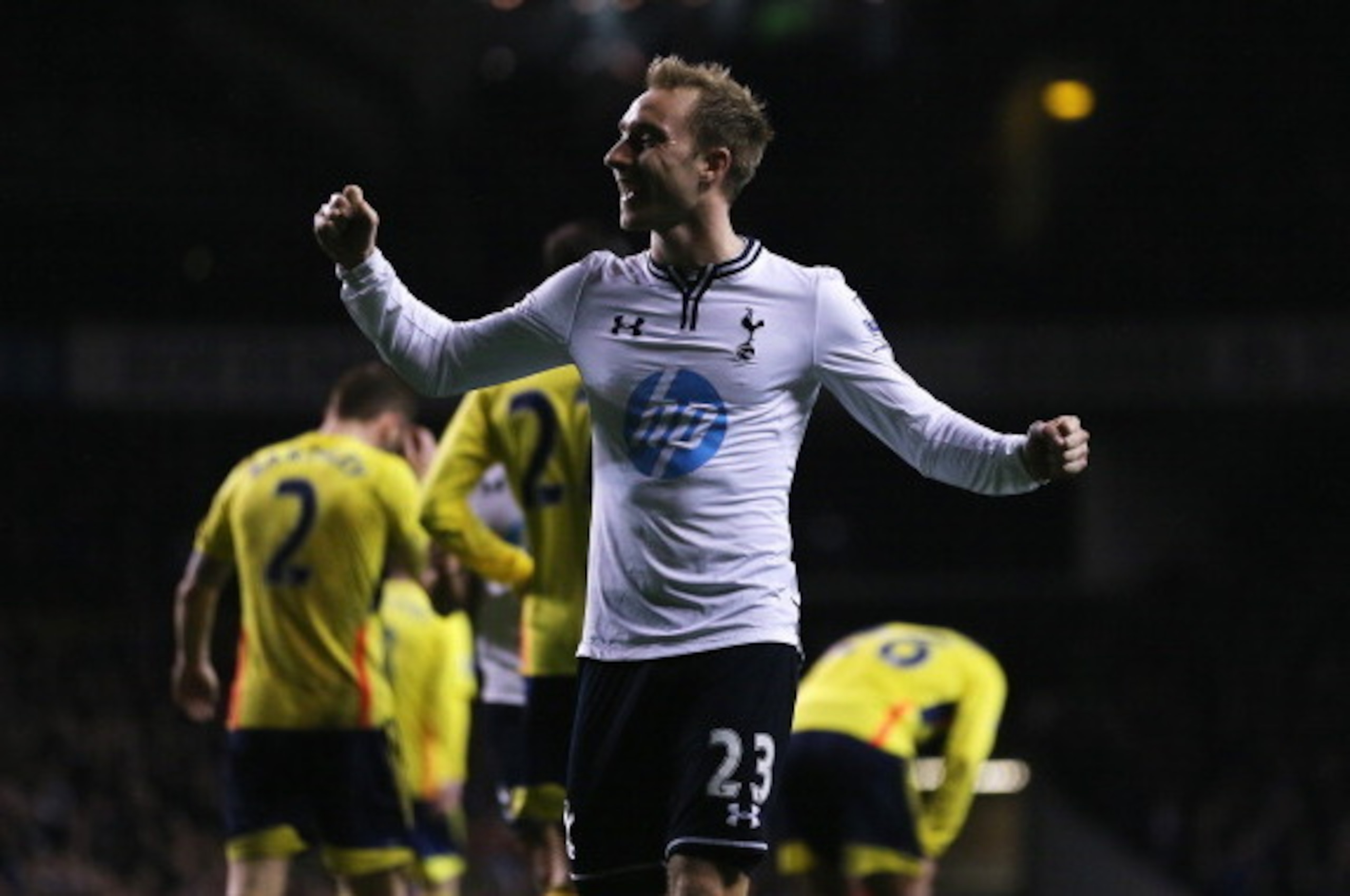
Few players are fully developed at that age to the point that they can consistently flourish in the role. It requires leadership and confidence not necessarily commensurate with the experience accrued by that point.
With 48 international caps and a number of European games under his belt, Eriksen has experienced more than most footballers in his fledgling years. But he is clearly still developing and learning.
As it relates to Tottenham, the way he grew last season—ending up with 10 goals and 10 assists to his name—suggests he will find himself again eventually.
Given the pressure on him to help get both the north London club and Denmark back on track, it will have been no small effort.



.jpg?w=2560 "Report: Saints Trade For 49ers RB")
.jpg?w=2560 "Jeanty Avoids Major Injury")
.png?w=2560 "MLB Playoff Picture Shaping Up")