College Basketball's Top 25 Programs of the Last Decade

By (Correspondent) on July 23, 2009

17,825 reads

33

Previous
1 of 28
Next
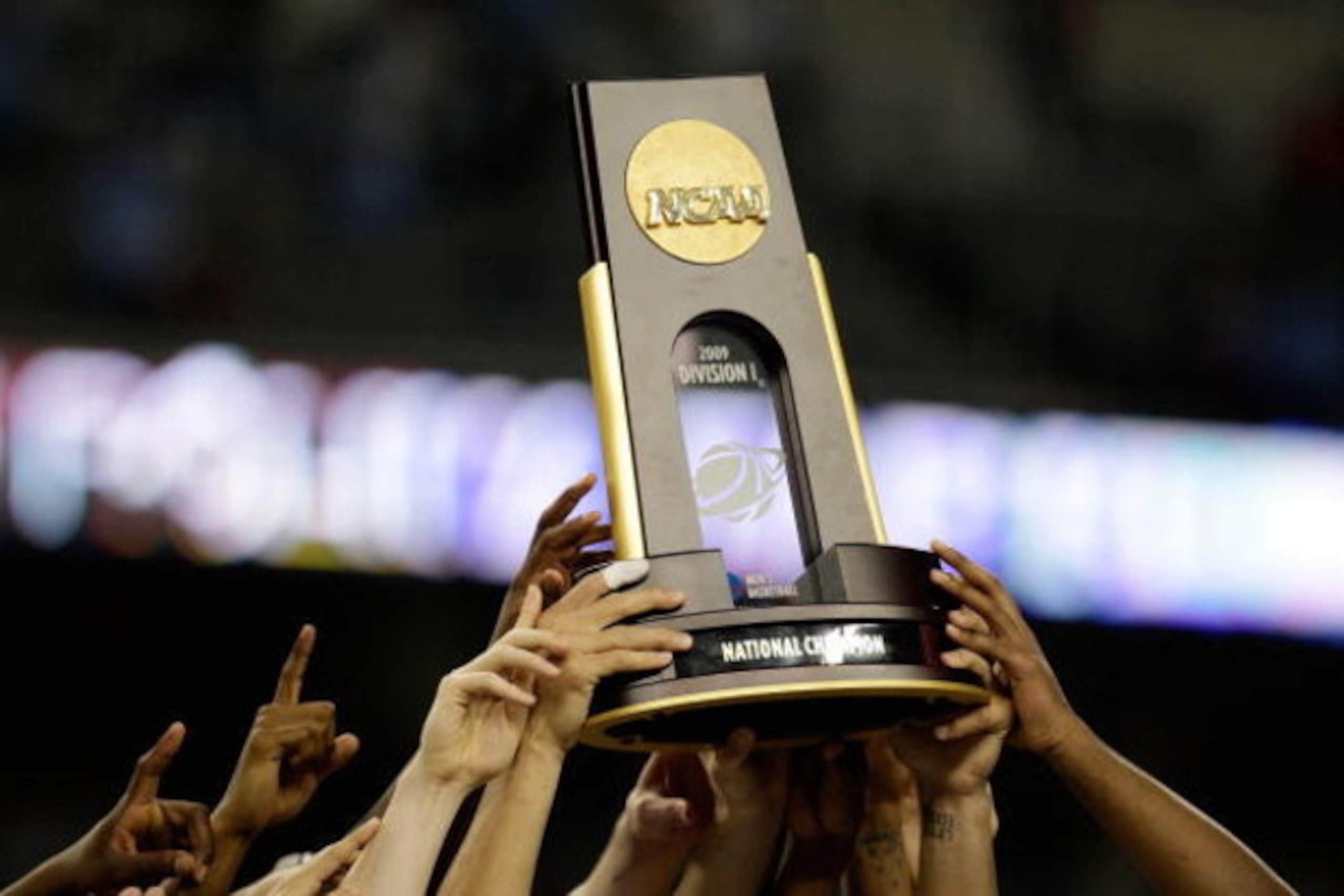
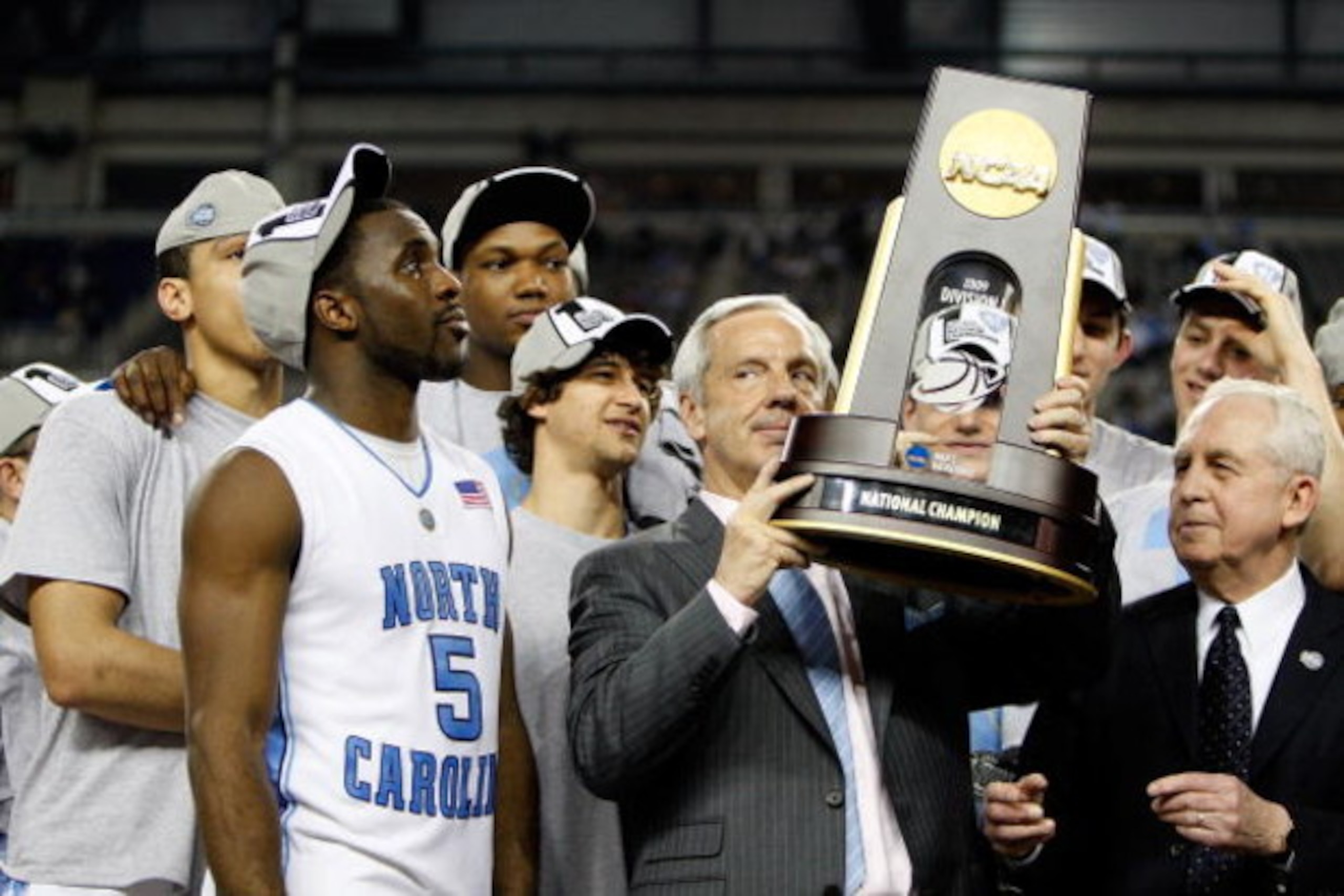
DETROIT - APRIL 06: The North Carolina Tar Heels celebrates with the championship trophy after defeating the Michigan State Spartans 89-72 during the 2009 NCAA Division I Men's Basketball National Championship game at Ford Field on April 6, 2009 in Detroi

With the completion of the 2008-2009 college basketball season, we have seen a champion of the sport crowned in every year this decade, a 10-year span that has now come to a close.

In each and every decade of the past, we have seen the grace and dominance from an array of players, coaches, teams, and elite programs, all of which serve as a sort of time capsule that works to define that period of time.

The new millennium (or do we call it the 2000s?) has proven to be no exception, as college basketball fans have been treated to some spectacular play from some excellent players, have seen some all-time great teams, and have witnessed fantastic coaches working to build their legends and to elevate their places in the game's history.

Keeping this in mind, what I have decided to do is do a Top 25 poll of sorts and rank college basketball programs based on their accomplishments this decade, beginning with the 1999-2000 season, and taking into account vital barometers of a program's success in order to determine which one really has been the best these past 10 years.

Note: All of the stats that appear in each slide for every team are just from this decade (winning percentage, NCAA Tournament appearances, etc.).

Honorable Mention: Nos. 30 - No. 26

Display_image

No. 30: Tennessee Volunteers

Bruce Pearl has done an extraordinary job as the Tennessee head coach, building the Vols into a respectable, top-tier SEC program that for the first time in the school's history has garnered widespread national attention for their merits.

Unfortunately, UT's mediocre run under Buzz Peterson holds them back from being higher up on this list.

No. 29: Butler Bulldogs

The Indianapolis school has been one of the top mid-major programs this decade and has become known for making noise in their NCAA Tournament appearances this decade, most notably with Sweet 16 trips in 2003 and 2007.

No. 28: Boston College Eagles

Al Skinner has taken BC from being a college hoops afterthought to one of the more consistently competitive programs in the country.

In this decade, the Eagles have made the move from the Big East to the ACC and have produced a slew of talented players, including Craig Smith, Sean Williams, and Jared Dudley.

No. 27: LSU Tigers

A participant in the 2006 Final Four, LSU has been one of the top teams in the SEC these past 10 years.

Although his last couple years with the team were disappointing, John Brady led the Tigers to multiple NCAA Tournament trips, giving them the kind of success the program had not seen since Shaquille O'Neal was in Baton Rouge.

No. 26: Ohio State Buckeyes

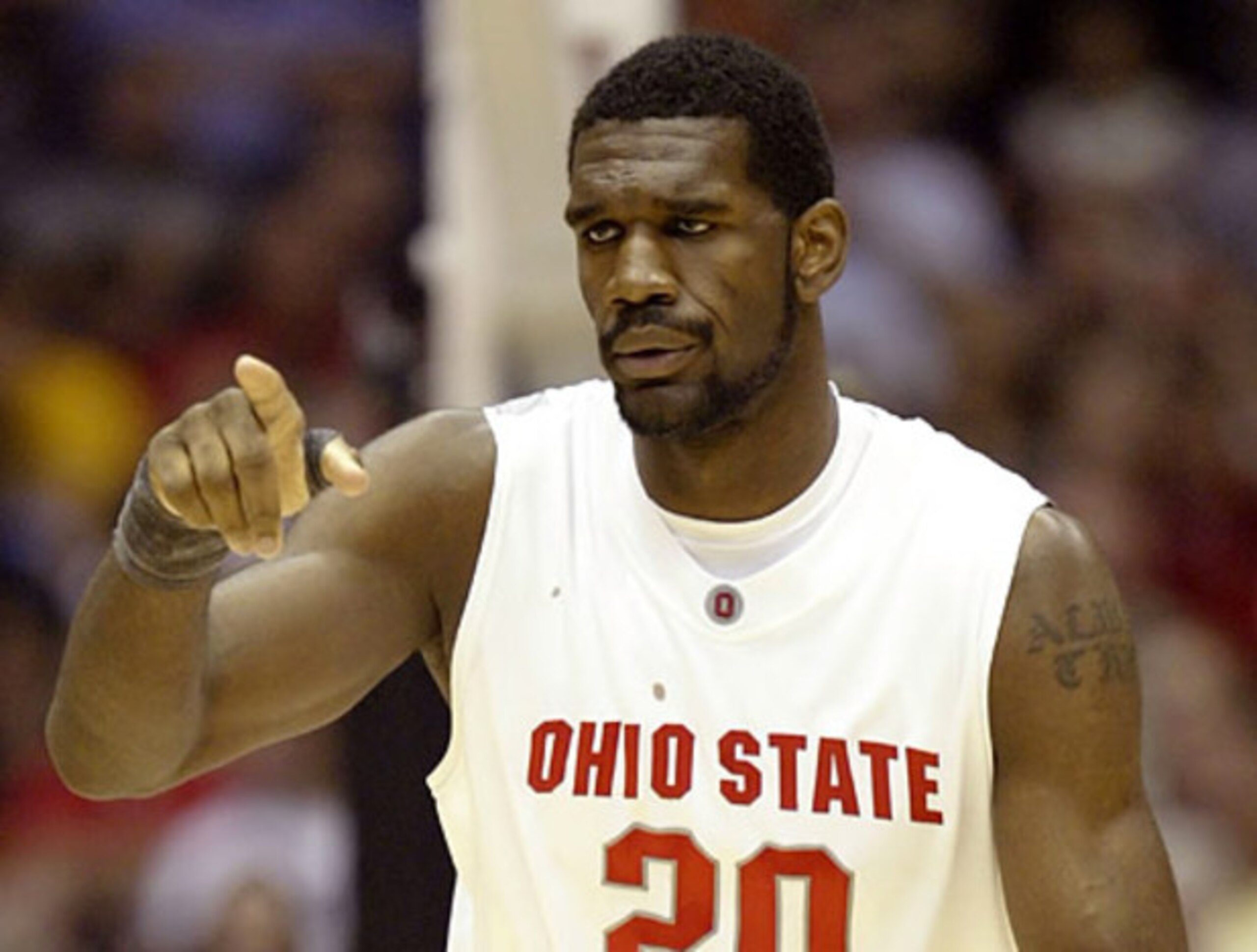
The highlight for this program undoubtedly came with the run the Buckeyes made to the NCAA Championship Game in 2007, led by dynamic freshmen Greg Oden and Mike Conley Jr.

Thad Matta has been a stellar recruiter for the program and has made Ohio State into a top-flight Big Ten team.

For the purposes of these rankings, however, the Buckeyes are held way back by the fact that 79 games were vacated by the NCAA for infractions that were committed under former coach Jim O'Brien.

25. Georgetown Hoyas

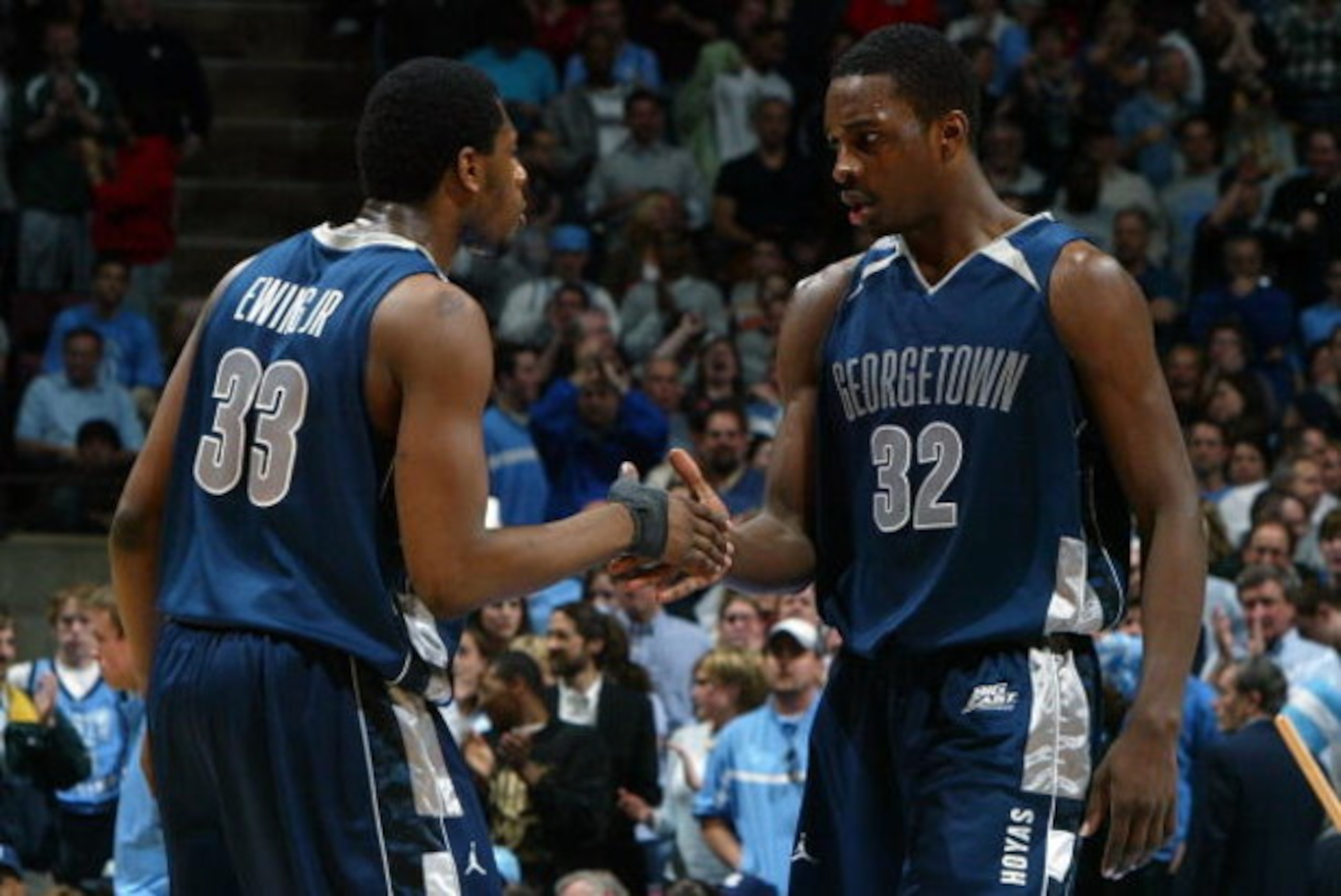
EAST RUTHERFORD, NJ - MARCH 25:  Patrick Ewing Jr. #33 and Jeff Green #32 of the Georgetown Hoyas slaps hands during a timeout against the University of North Carolina Tar Heels in the NCAA Men's East Regional Final at the Continental Airlines Arena in th

Winning Percentage: 64.7 percent

NCAA Tournament Appearances: 4

Losing Seasons: 1

Final Fours: 1

In his time as the Hoyas coach, John Thompson III has reestablished and resurrected the very program that his father built in the 1970s and 1980s.

Thompson III took over a Georgetown program that had suffered a series of lackluster (at times sub-.500) years under his father's successor, Craig Esherick.

Georgetown has advanced in the NCAA Tournament in three of the past four seasons, with the pinnacle of success coming in 2007, when a Hoyas squad led by Jeff Green and Roy Hibbert reached the Final Four.

24. Indiana Hoosiers

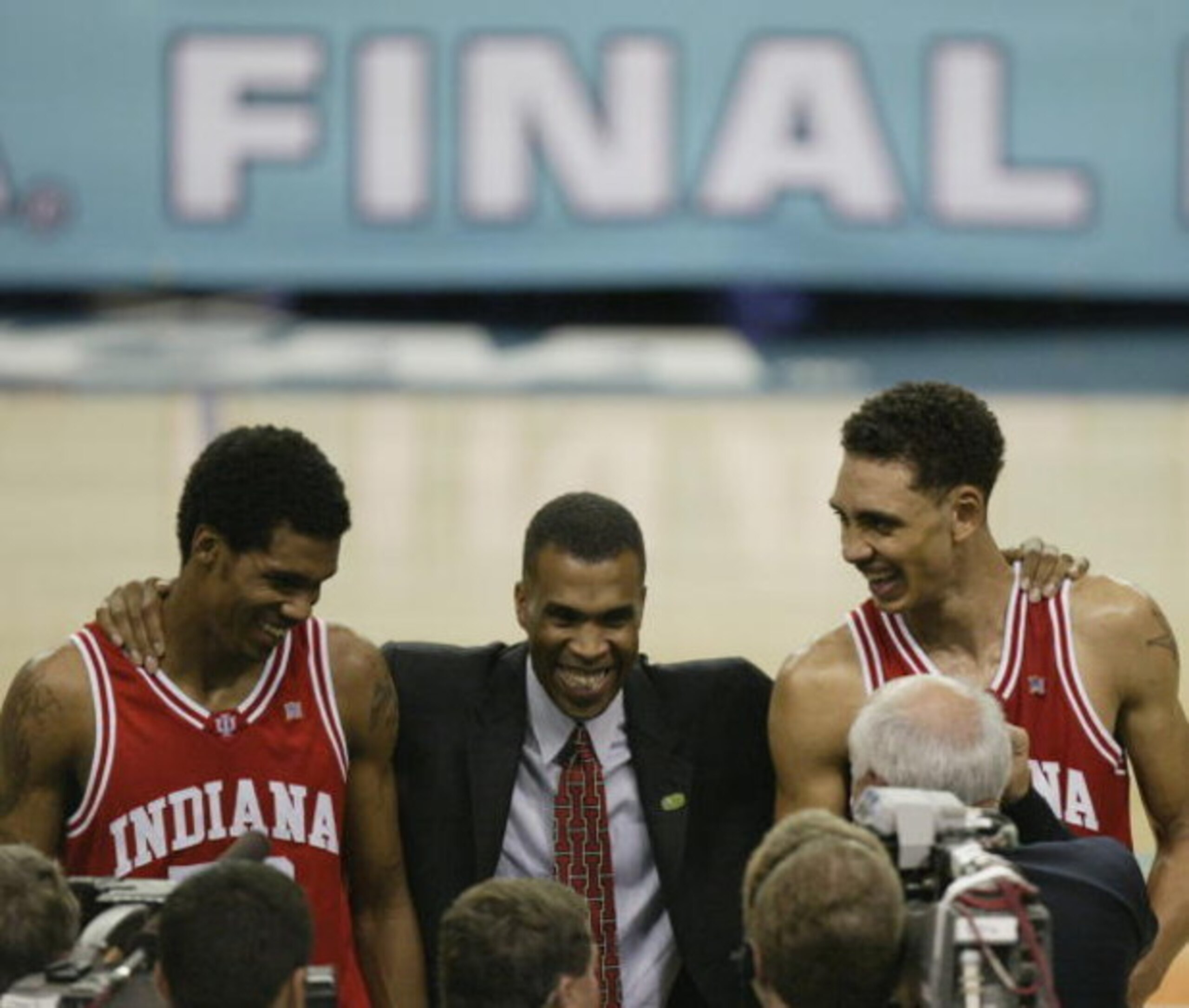
ATLANTA, GA - MARCH 30:  Head coach Mike Davis of Indiana University Hoosiers stands with two of his players Jeff Newton #50 (left) and Jared Jeffries #1 after the semifinal round of the NCAA Men's Final Four game against the Oklahoma University Sooners a

Winning Percentage: 58.6 percent

NCAA Tournament Appearances: 7

Losing Seasons: 2

Final Fours: 1

This decade has been one of transition for the storied Indiana basketball program.

The school's all-time wins leader and resident living legend, Bobby Knight, was fired in the fall of 2000, marking the end of a golden era at Indiana, one in which the Hoosiers won three NCAA Championships.

Top assistant Mike Davis took over the team and had considerable success early on in his tenure, leading Indiana to the NCAA Championship Game in 2002 in just his second season.

While Davis still took his teams to several NCAA Tournaments, fans grew tiresome of Davis and yearned for a change in leadership, which they got in 2006 with the hiring of Kelvin Sampson.

Sampson's time with the Hoosiers ended in disaster as the NCAA placed severe sanctions on Indiana for recruiting violations committed during his tenure.

The school now finds itself in retooling mode under new coach Tom Crean, whose 6-25 team last year lowered IU's winning percentage for the decade considerably. However, Crean sympathetically inherited very few scholarship players and essentially became the unfair victim of the NCAA sanctions.

23. Villanova Wildcats

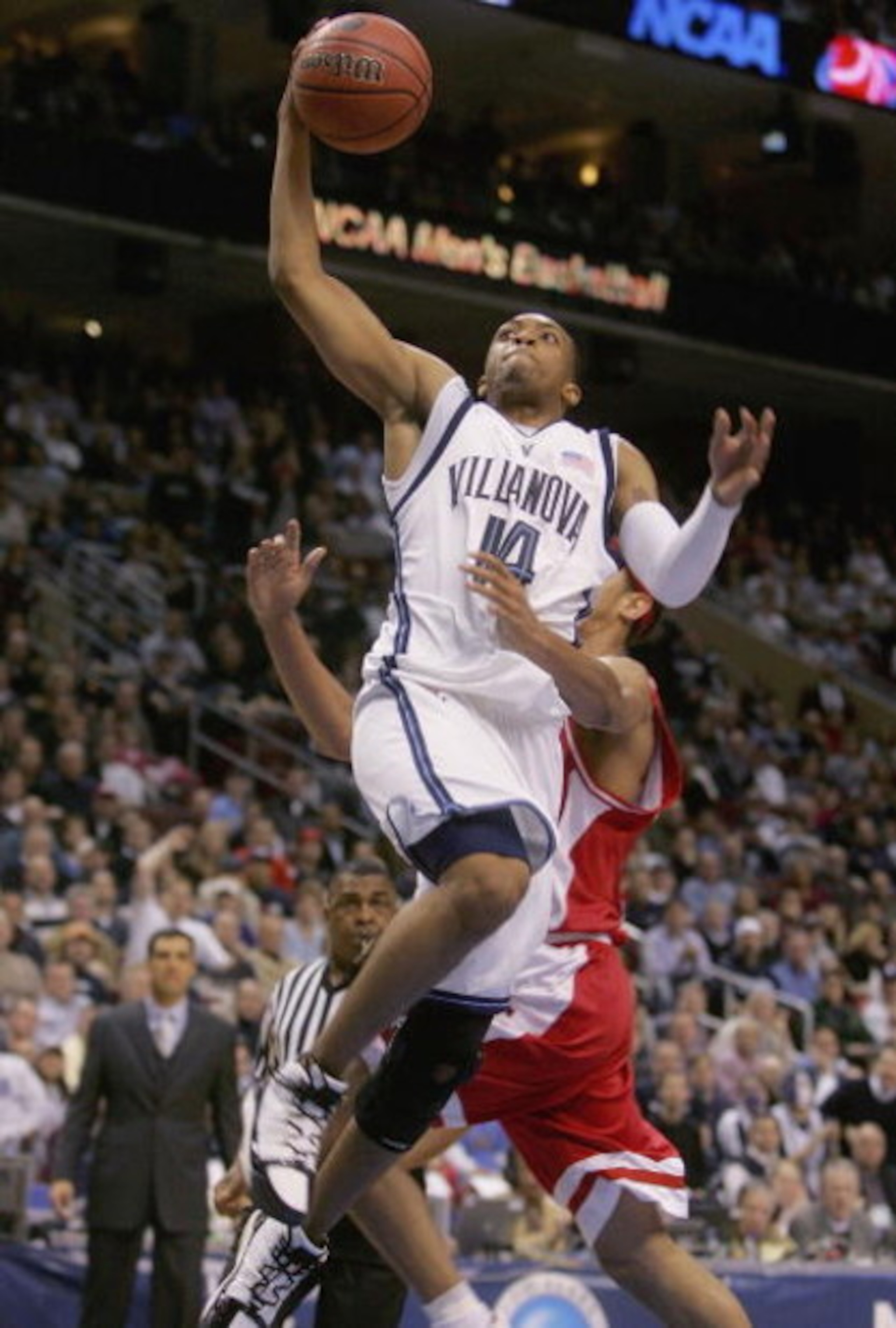
PHILADELPHIA - MARCH 19:  Allan Ray #14 of the Villanova Wildcats goes in for a layup against Mustafa Shakur #15 of the Arizona Wildcats during the Second Round of the 2006 NCAA Men's Basketball Tournament on March 19, 2006 at the Wachovia Center in Phila

Winning Percentage: 66.9 percent

NCAA Tournament Appearances: 5

Losing Seasons: 1

Final Fours: 1

The basketball program most famous for its stunning win in the 1985 NCAA Championship Game has flourished under the leadership of head coach Jay Wright and has become one of the Big East's top teams this decade.

Wright inherited a program that had underachieved in Steve Lappas' final years and progressively improved the Wildcats in each of his first few seasons.

The extremely successful use of the four-guard offense in 2006 helped Wright capture National Coach of the Year honors as he led Villanova to the Elite Eight.

The Wildcats have made the NCAA Tournament in each of the last five seasons, highlighted by Villanova's appearance in the 2009 Final Four, the school's first since the '85 championship season.

22. Stanford Cardinal

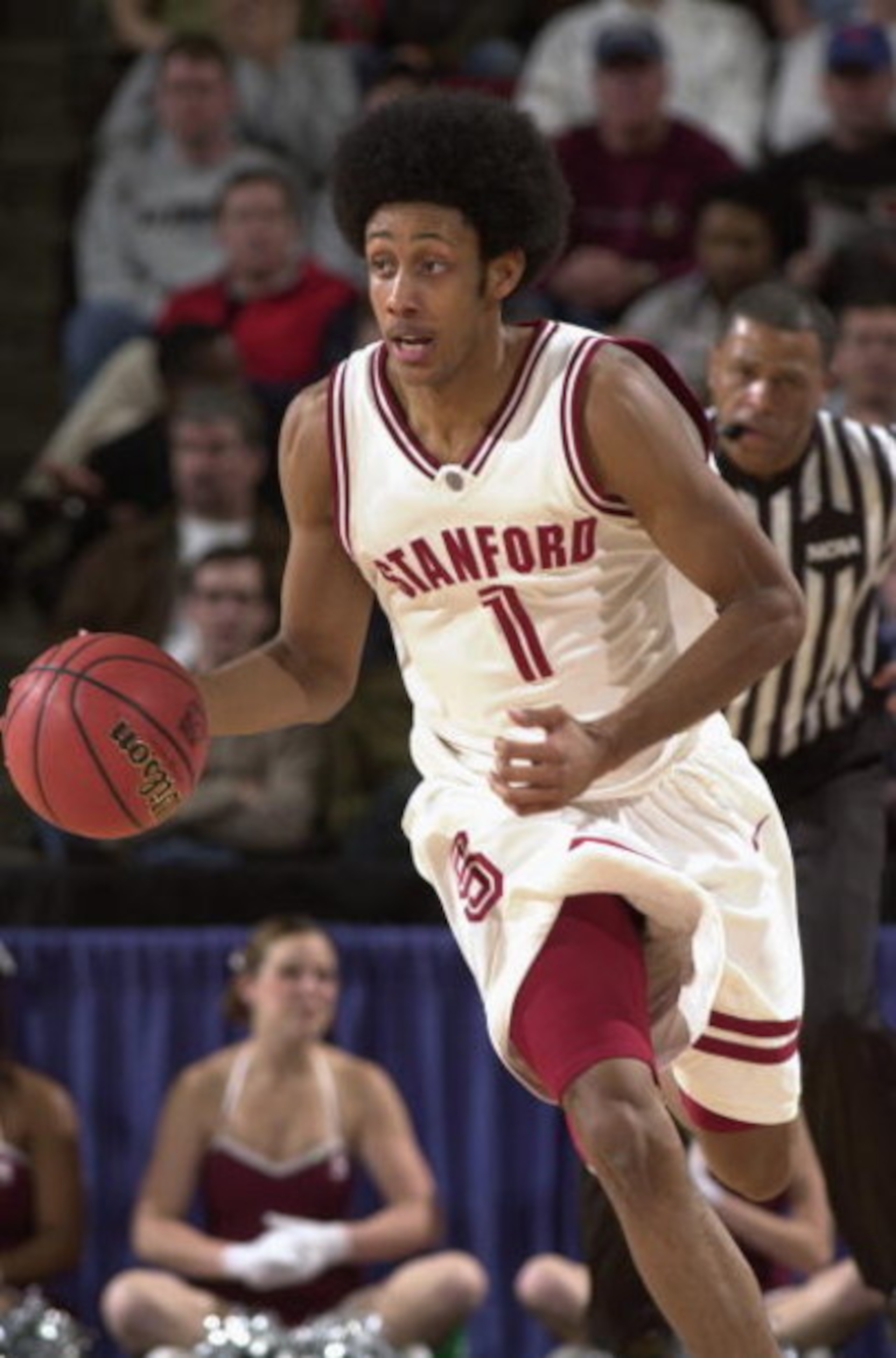
SEATTLE - MARCH 18:  Josh Childress #1 of the Stanford University Cardinal drives against the University of Texas at San Antonio Roadrunners during the 1st Round of the NCAA Division I Men's Basketball Tournament at Key Arena on March 18, 2004 in Seattle,

Winning Percentage: 72.0 percent

NCAA Tournament Appearances: 8

Losing Seasons: 0

For the first part of this decade, Stanford was continually one of the top programs in the country under the guidance of then-head coach Mike Montgomery.

The Cardinal reached the NCAA Tournament every year this decade under Montgomery and spent a fair portion of time in the top 10 in the polls.

Since Montgomery left Palo Alto to become the head coach of the Golden State Warriors in 2004, the Cardinal have been good, but not quite at the level that they reached during Montgomery's tenure.

Trent Johnson took Stanford to the Big Dance in three of his four seasons there, and the program is now looking to continue its success under second-year coach Johnny Dawkins.

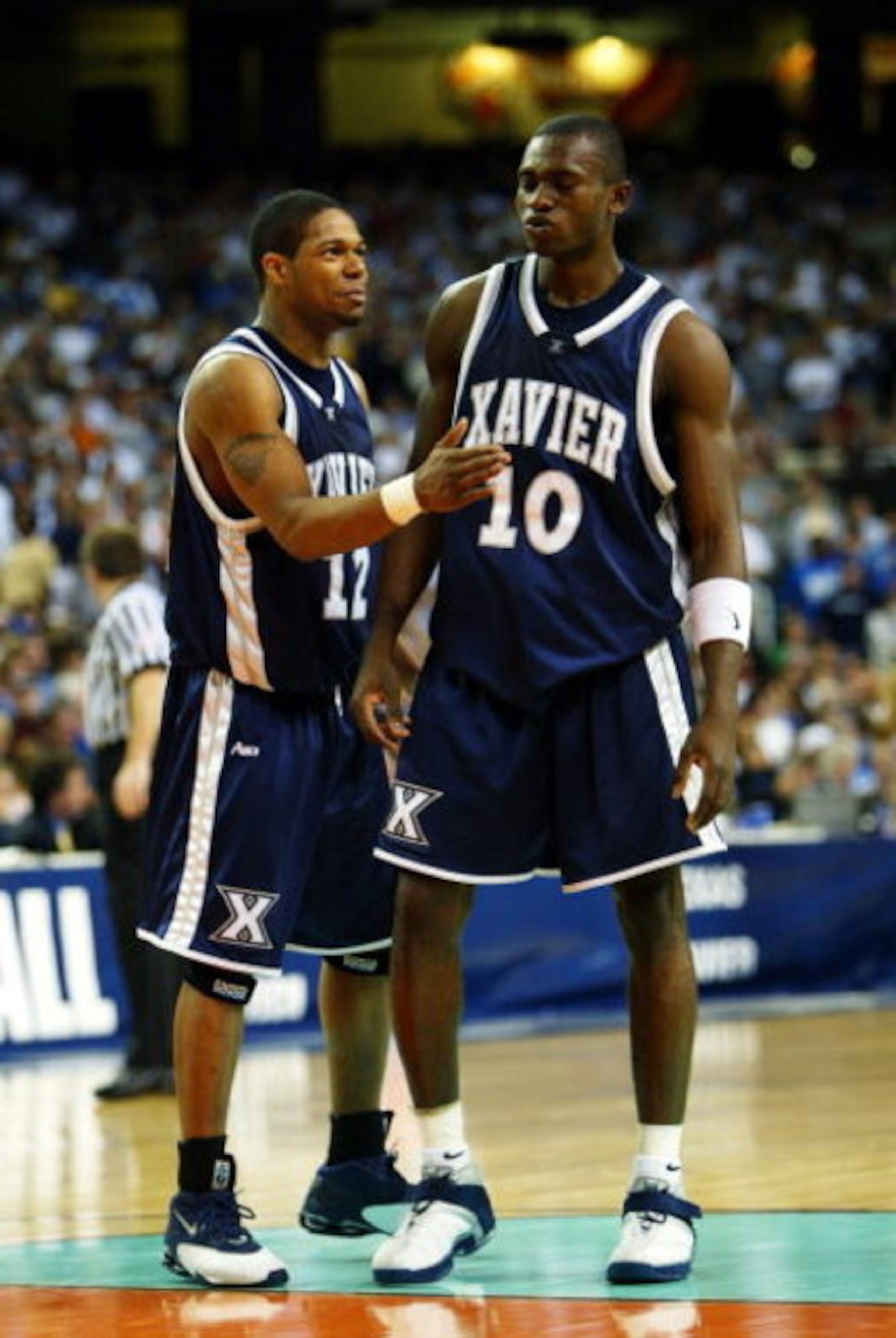
21: Xavier Musketeers

ATLANTA - MARCH 26:   Dedrick Finn #12 of the Xavier Muskateers congratulates Romain Sato #10 after Sato sinks a foul shot resulting from a technical foul against  the Texas Longhorns in the final seconds of the third round game of the NCAA Division I Men

Winning Percentage: 73.0 percent

NCAA Tournament Appearances: 8

Losing Seasons: 0

One of the best mid-majors this decade, Xavier has become one of the emerging powers of college basketball.

The Musketeers have been built up with the immense help of three very talented coaches (the late Skip Prosser, Thad Matta, and Sean Miller) whose success at the Cincinnati school led them to higher profile jobs, but somehow the program managed to maintain its successful formula despite all of the turnover.

Xavier's rise to prominence this decade has been highlighted by runs to the Elite Eight in 2004 and 2008, as well as producing 2003 AP Player of the Year David West, now an All-Star power forward with the New Orleans Hornets.

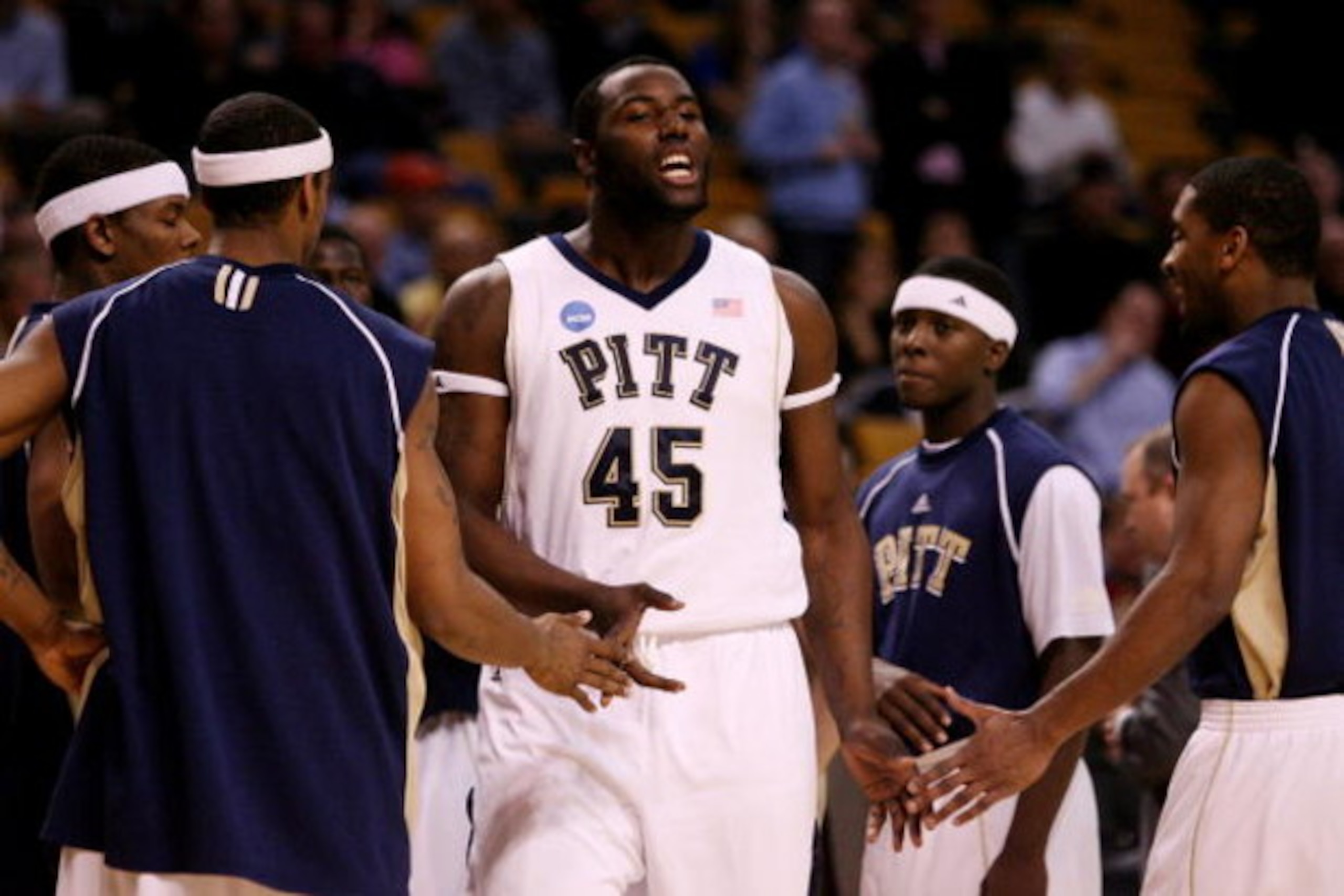
20. Pittsburgh Panthers

BOSTON - MARCH 26:  DeJuan Blair #45 of the Pittsburgh Panthers takes the floor before taking on the Xavier Musketeers during the NCAA Men's Basketball Tournament East Regionals at TD Banknorth Garden on March 26, 2009 in Boston, Massachusetts.  (Photo by

Winning Percentage: 74.8 percent

NCAA Tournament Appearances: 8

Losing Seasons: 1

A longtime also-ran in the Big East at the beginning of the decade, Pittsburgh has transformed itself into one of the elite teams in the conference and has been one of the most consistently successful programs in the nation.

Ben Howland took over as head coach in 1999, taking the Panthers to the NCAA Tournament in his final two seasons in the Steel City before departing to become the head coach at UCLA.

Assistant Jamie Dixon took over and has continued the success of Howland's final couple seasons to the tune of six consecutive NCAA Tournament appearances.

His best year came last season, when the Panthers spent a few weeks ranked No. 1 in the polls and advanced to the Elite Eight.

Despite the 2008-2009 team's run, the finish to their season is a microcosm of sorts as to why Pittsburgh isn't higher up on this list.

While Howland and Dixon have both built up this program, Pitt has only made it past the Sweet 16 once and has not reached the Final Four in this period of time.

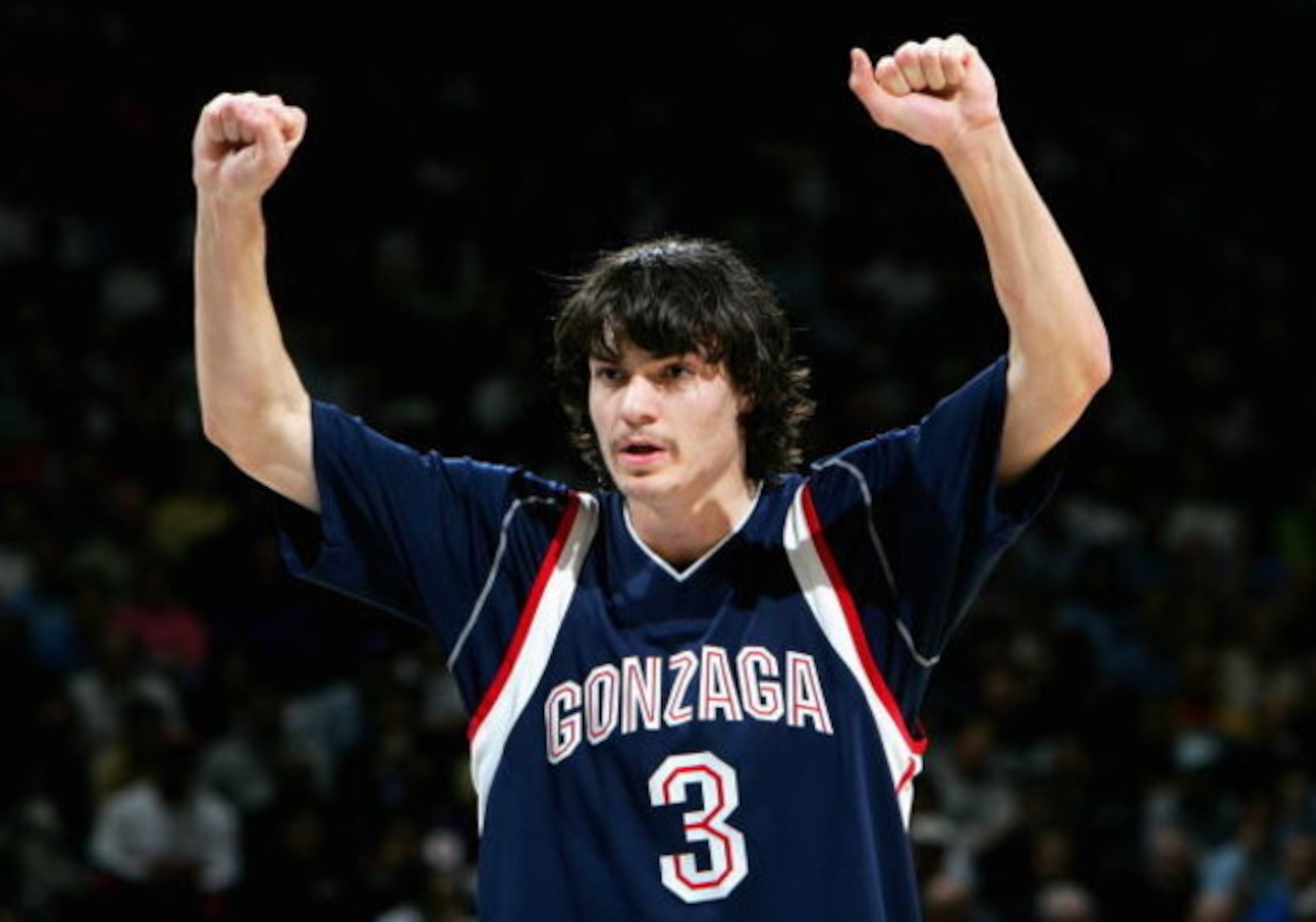
19. Gonzaga Bulldogs

OAKLAND, CA - MARCH 23:  Adam Morrison #3 of the Gonzaga Bulldogs calls a play against the UCLA Bruins during the third round game of the NCAA Division I Men's Basketball Tournament at the Arena in Oakland on March 23, 2006 in Oakland, California.  (Photo

Winning Percentage: 80.0 percent

NCAA Tournament Appearances: 10

Losing Seasons: 0

Originally college basketball's perpetual Cinderellla come tournament time, Gonzaga has become one of the better programs in the country over the last decade and is now a mainstay of top-tier college hoops.

The decade began with Mark Few taking over as the Bulldogs head coach, and ever since that year, Few has helped build Gonzaga into the juggernaut that it is today.

Under Few, Gonzaga has made the NCAA Tournament every season and advanced to the Sweet 16 four times, a very remarkable accomplishment for a small school in the mid-major West Coast Conference.

Gonzaga's best season this decade came in 2005-2006 with the help of Co-National Player of the Year Adam Morrison, as the Bulldogs went 29-4 and narrowly missed out on a trip to the Elite Eight with a heartbreaking, tear-jerking (sorry, Adam) 73-71 loss to UCLA.

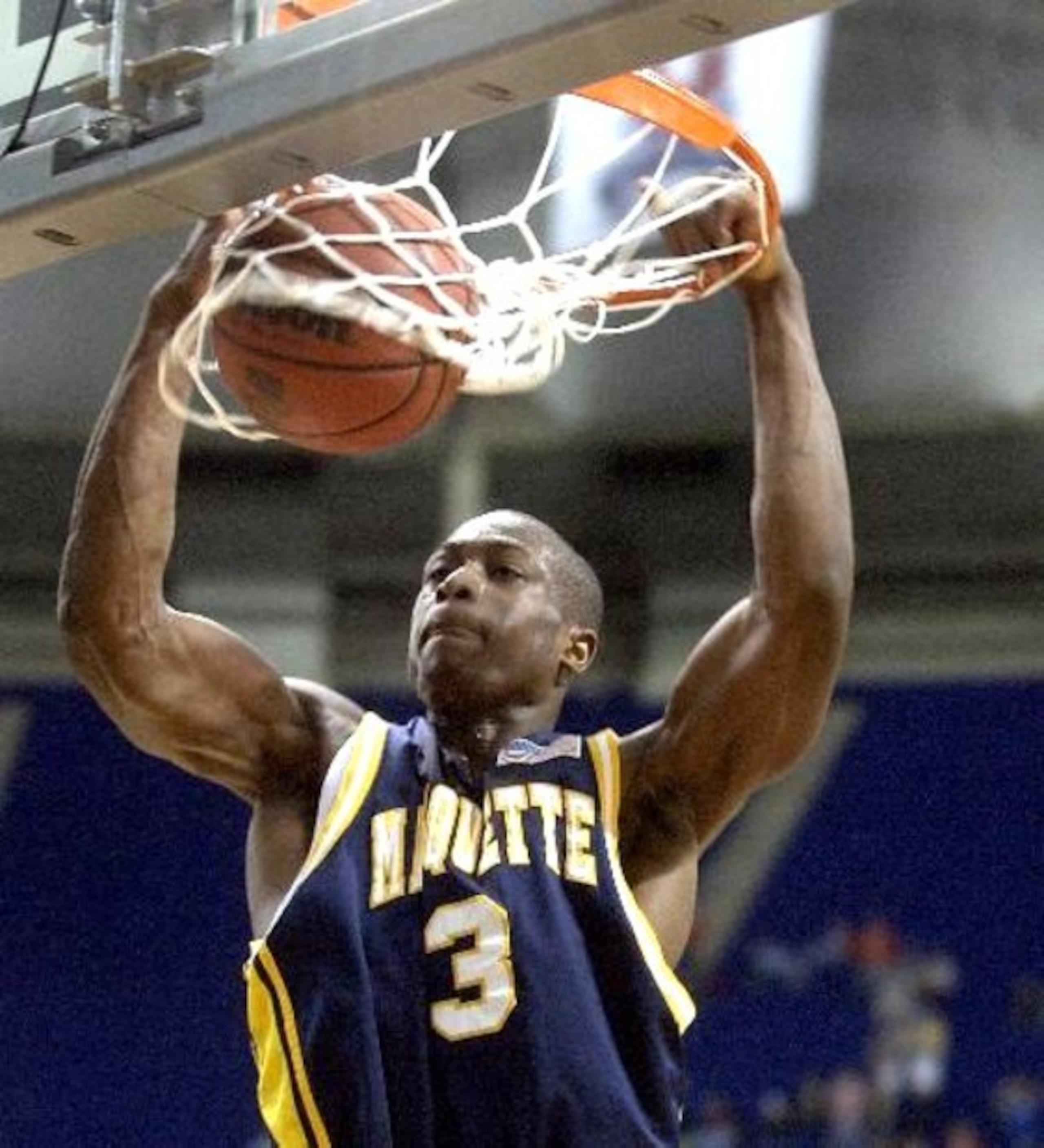
18. Marquette Golden Eagles

Display_image

Winning Percentage: 67.1 percent

NCAA Tournament Appearances: 6

Losing Seasons: 0

Final Fours: 1

Tom Crean was hired by the school at the beginning of the decade to try to help bring the Golden Eagles out of mediocrity in Conference USA and try to give the program the kind of success that hadn't been seen since Al McGuire's legendary tenure.

In his time at Marquette, a period that covered nine of the 10 seasons this decade, Crean resurrected the dormant program and brought the Golden Eagles (with the help of Dwyane Wade) to the 2003 Final Four, the school's first since McGuire's national championship squad of 1977.

The rapid improvement of Marquette basketball under Crean was a large contributing factor to the school being invited into the Big East in 2005, a conference move whose importance to that school and program extends far beyond the basketball court.

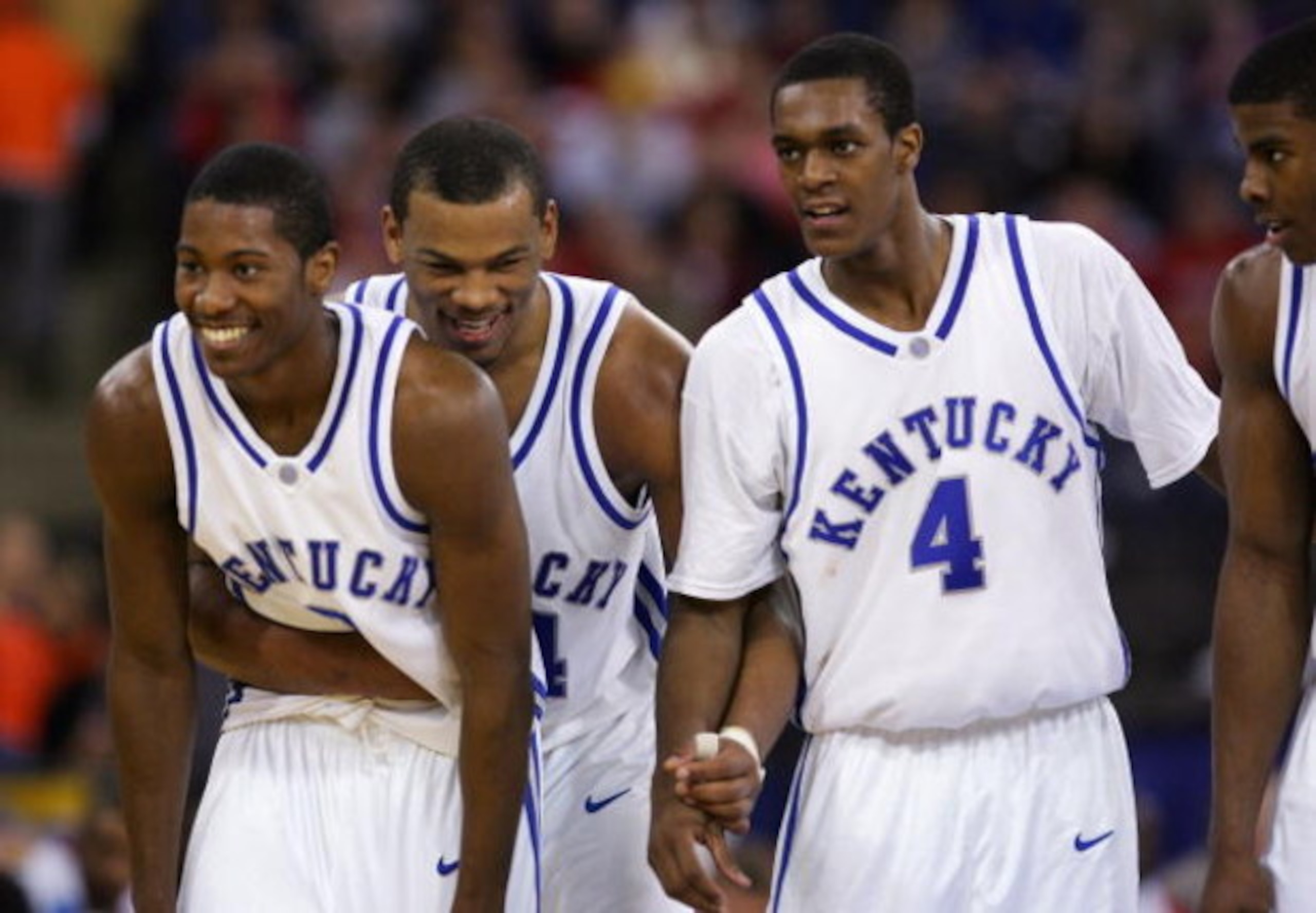
17. Kentucky Wildcats

INDIANAPOLIS - MARCH 19:  (L-R) Ravi Moss #2, Chuck Hayes #44 and Rajon Rondo #4 of the Kentucy Wildcats celebrate in the final seconds of their 69-60 win over the Cincinnati Bearcats in the second round game of the NCAA Division I Men's Basketball Tourna

Winning Percentage: 71.2 percent

NCAA Tournament Appearances: 9

Losing Seasons: 0

One of the most storied programs in college basketball history, Kentucky had what many would consider to be a relatively quiet decade, a period of time that was largely defined by the rabid Wildcat faithful's love-hate relationship with former head coach Tubby Smith.

Kentucky won the National Championship in Smith's first season in 1998 and continued to be a successful program this decade.

Smith led the Wildcats to the NCAA Tournament in each of his seasons at the helm, but he failed to lead them back to the Final Four after their national championship season, something that not only hurts Kentucky in these standings, but also put Smith at odds with the basketball program's fanatical following.

Amidst considerable pressure, Smith resigned in 2007 to become the head coach at Minnesota, and Kentucky hired Billy Gillispie to take over and presumably lead the Wildcats into a golden new age.

Gillispie's two seasons in Lexington proved to be disastrous, and after this past year, when Kentucky failed to make the NCAA Tournament, Gillispie was fired and was replaced by John Calipari, who UK fans are hoping will lead their Wildcats back to national prominence.

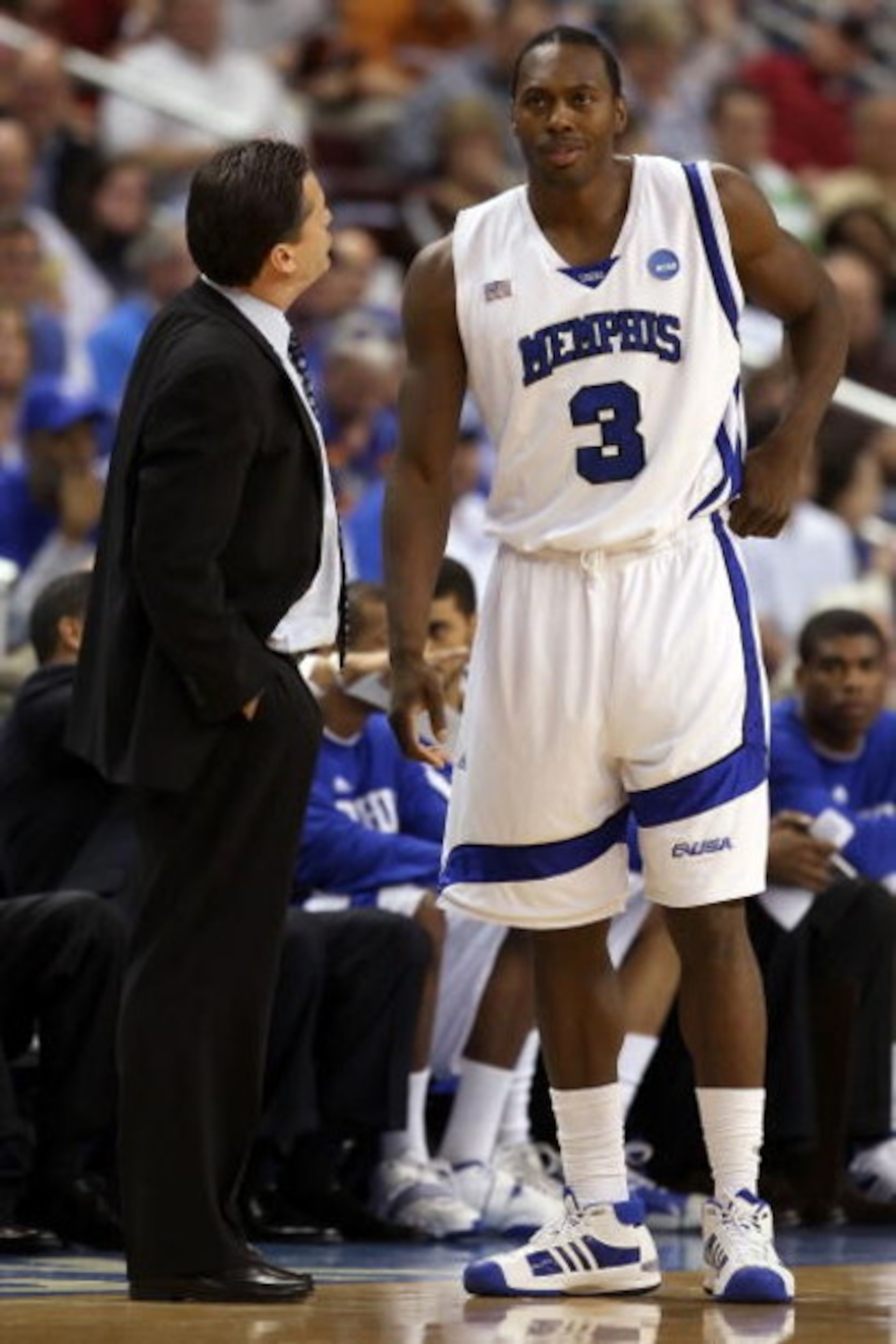
16. Memphis Tigers

NORTH LITTLE ROCK, AR - MARCH 23:  Head coach John Calipari of the Memphis Tigers talks with his player Joey Dorsey #3 in the first half against the Mississippi State Bulldogs during the second round of the South Regional as part of the 2008 NCAA Men's Ba

Winning Percentage: 75.9 percent

NCAA Tournament Appearances: 6

Losing Seasons: 1

Final Fours: 1

At first glance, ranking Memphis at No. 16 may seem a little low, and maybe a little unfair as well. After all, the Tigers have been not only one of the best teams over the past five years, but easily one of the elite programs in the country in this same period of time.

Memphis has now made the NCAA Tournament for four consecutive years, hasn't lost a conference game in what feels like forever, and were a few infamous free throws away from winning the 2008 National Championship.

Unfortunately for the Tigers, the first few years of former coach John Calipari's tenure earlier in the decade were less than stellar, and the Tigers have benefited tremendously from a watered-down Conference USA that has yet to recover from the departures of Louisville, Marquette, and Cincinnati a few years ago.

Oh, and there are those recent allegations of NCAA violations regarding the eligibility of Derrick Rose, infractions that may force Memphis to forfeit its entire 2007-2008 season and Final Four appearance.

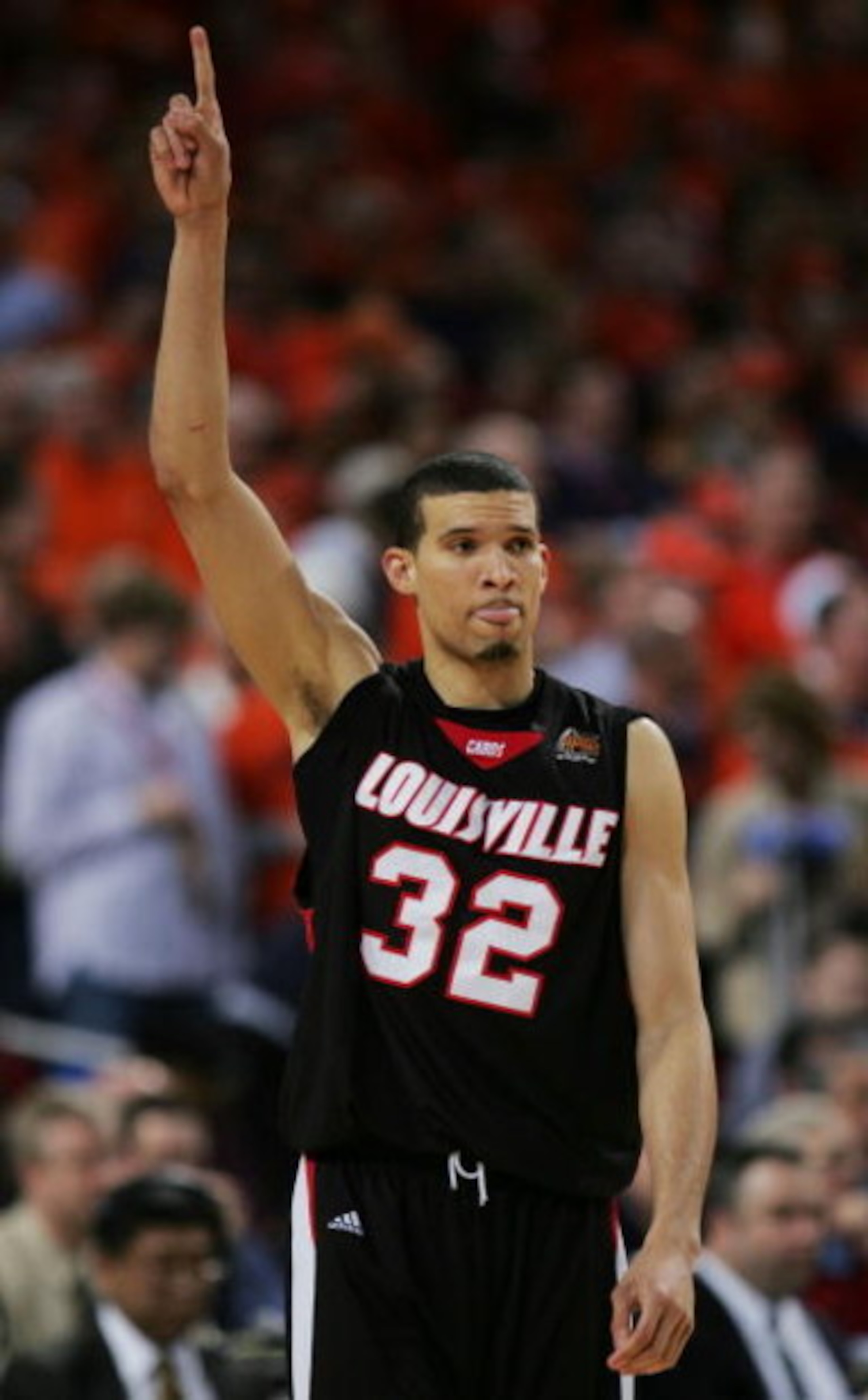
15. Louisville Cardinals

ST. LOUIS - APRIL 02:  Francisco Garcia #32 of the Louisville Cardinals gestures as he takes the court against the Illinois Fighting Illini during the NCAA Men's Final Four at the Edward Jones Dome on April 2, 2005 in St. Louis, Missouri.  (Photo by Ronal

Winning Percentage: 69.0 percent

NCAA Tournament Appearances: 7

Losing Seasons: 1

Final Fours: 1

Coming into the decade, Louisville looked like a program on the decline. Legendary coach Denny Crum and his program looked nothing like his national championship squads of the 1980s, as his last couple teams at Louisville struggled to reach .500 and slumped in the Conference USA standings.

Crum was ultimately forced to resign, and Louisville looked towards former adversary Rick Pitino to bring its program back to where it once was.

Pitino has made Louisville a consistent presence amongst the top 20 teams in the country this decade and oversaw the school's move to the Big East.

The greatest accomplishment for the Cardinals in the new millennium came when a talented, overlooked Louisville team reached the 2005 Final Four.

Despite the bitter end to this past season, Pitino managed to lead the Cardinals to the Big East regular season championship, the conference tournament title, and a No. 1 overall seed in the NCAA Tournament.

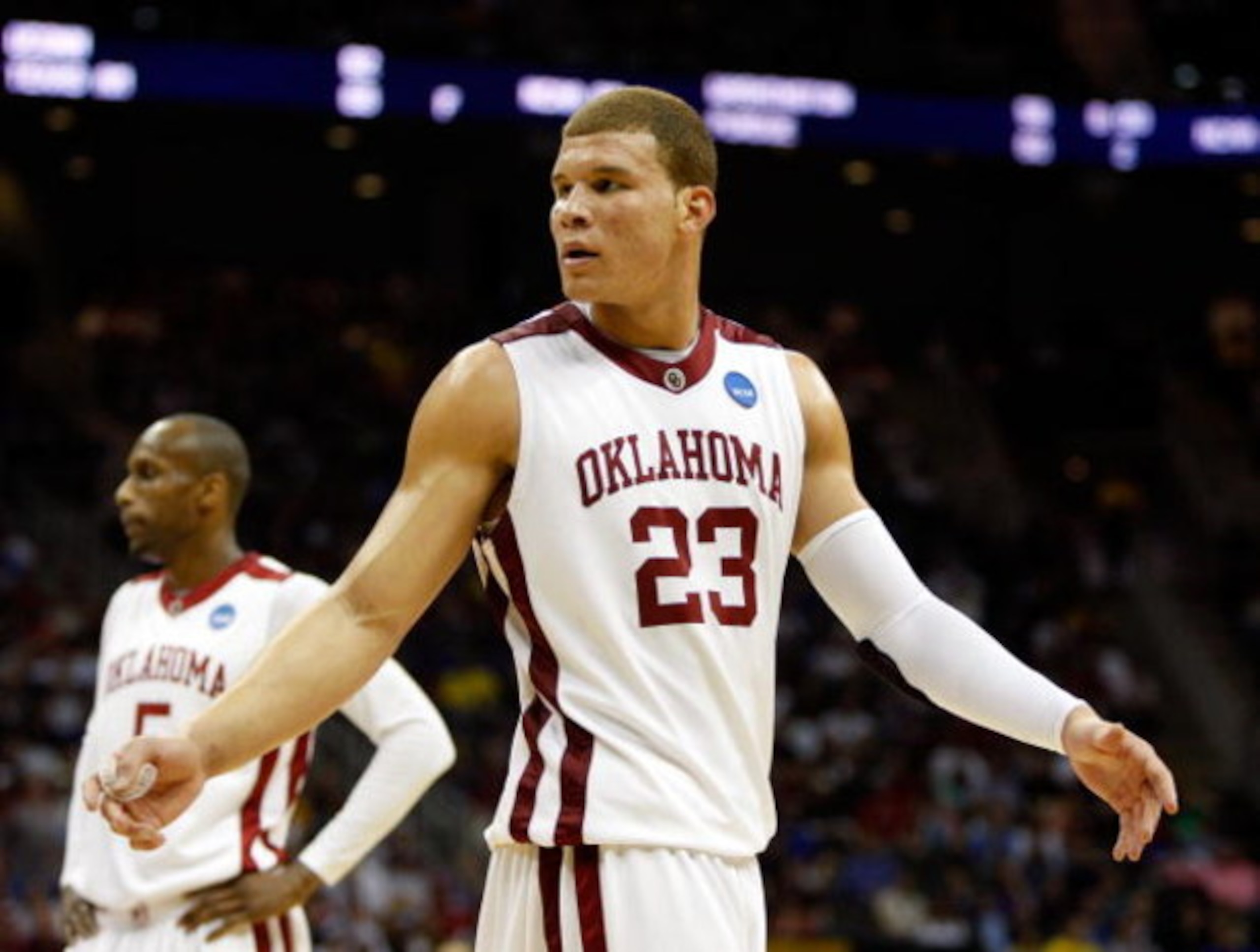
14. Oklahoma Sooners

KANSAS CITY, MO - MARCH 21:  Blake Griffin #23 of the Oklahoma Sooners looks on during their second round game against the Michigan Wolverines the NCAA Division I Men's Basketball Tournament at the Sprint Center on March 21, 2009 in Kansas City, Missouri.

Winning Percentage: 73.8 percent

NCAA Tournament Appearances: 8

Losing Seasons: 0

Final Fours: 1

In addition to producing the National Player of the Year and No. 1 overall pick in the NBA Draft in Blake Griffin this past season, Oklahoma has emerged as one of the dominant, premier programs in the Big 12 and the nation as a whole.

Although NCAA violations emerged after his departure, Kelvin Sampson put forth several top 10 teams, including a squad that reached the 2002 Final Four.

Jeff Capel has picked up where Sampson left off in his three seasons with the Sooners, taking them to the NCAA Tournament the past two seasons with the immense help of Griffin and talented young recruits that Capel has brought into the fold.

13. Illinois Fighting Illini

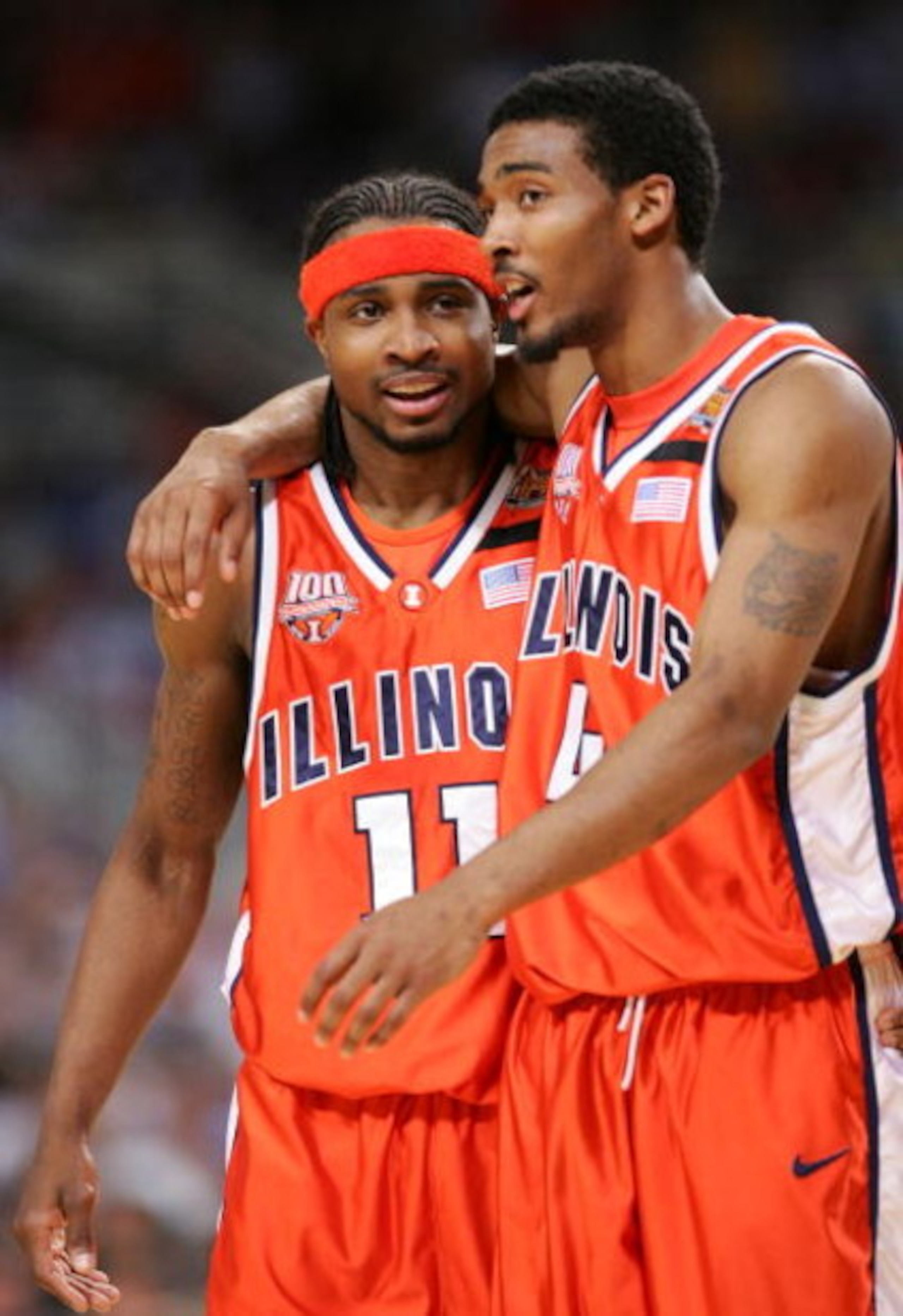
ST. LOUIS - APRIL 02:  Teammates Dee Brown #11 and Luther Head #4 of the Illinois Fighting Illini celebrate at a time-out against the Louisville Cardinals in the second half during the NCAA Men's Final Four at the Edward Jones Dome on April 2, 2005 in St.

Winning Percentage: 74.3 percent

NCAA Tournament Appearances: 9

Losing Seasons: 1

Final Fours: 1

Through the careful guidance of Bill Self and Bruce Weber, Illinois has become arguably the top team in the Big Ten this decade.

The Fighting Illini have made the NCAA Tournament nine of the 10 years this decade and have finished first in the Big Ten standings three times.

The highlight for Illinois basketball this decade came in the form of a team led by the star-studded trio of Deron Williams, Dee Brown, and Luther Head that was undefeated until the final regular season game and advanced all the way to the NCAA Championship Game in 2005.

12. Wisconsin Badgers

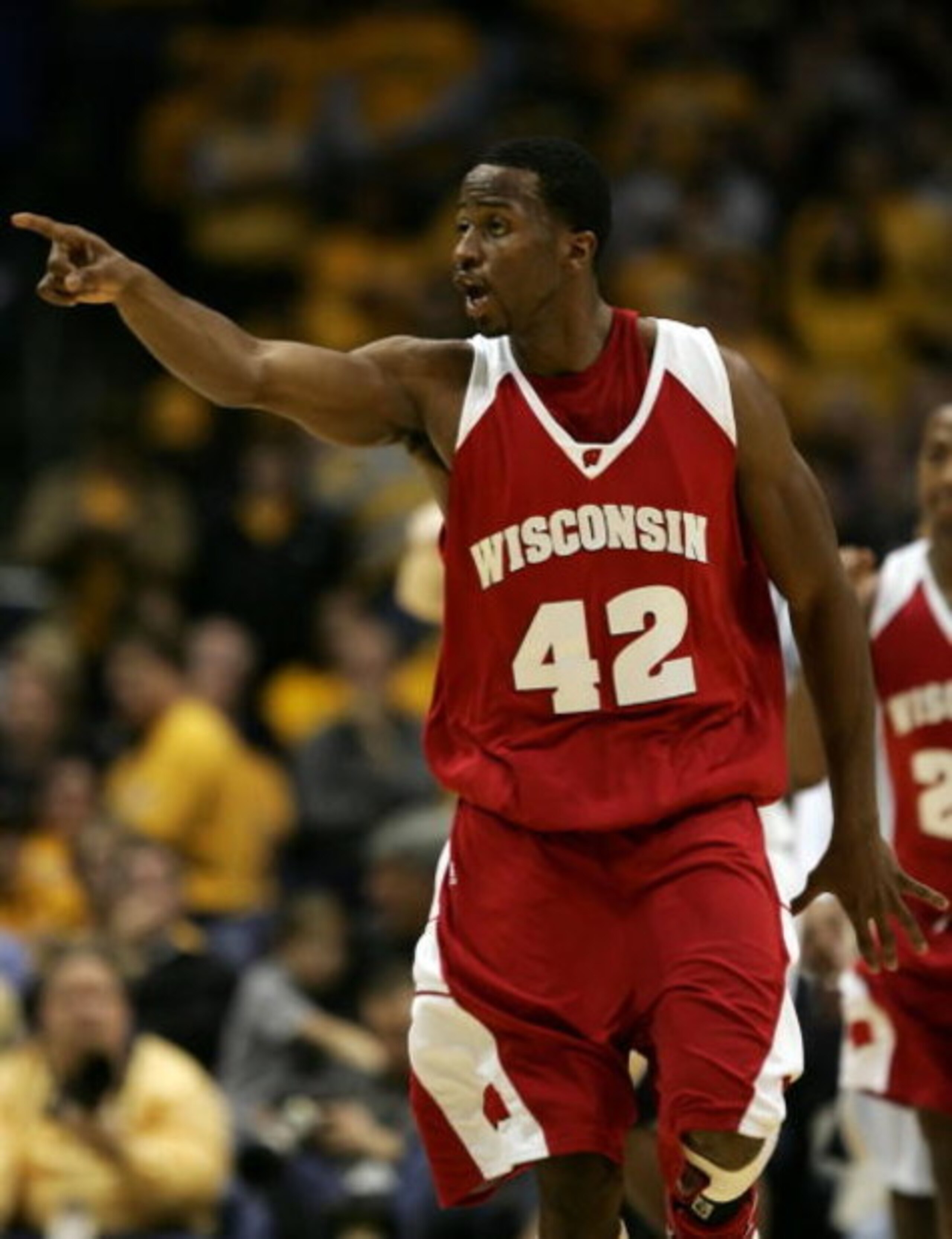
MILWAUKEE - DECEMBER 09:  Alando Tucker #42 of the Wisconsin Badgers celebrates in the final minute of Wisconsin's 70-66 win against the Marquette Golden Eagles December 9, 2006 at the Bradley Center in Milwaukee, Wisconsin.  (Photo by Jonathan Daniel/Get

Winning Percentage: 70.4 percent

NCAA Tournament Appearances: 10

Losing Seasons: 0

Final Fours: 1

It may come as a bit of a surprise to many people to find Wisconsin this high on the list, but that would be very understandable, seeing that the Badgers have quietly produced winning basketball and have thus asserted themselves as one of the top teams in the Big Ten.

Bo Ryan has been the Wisconsin head coach for a majority of the decade, and his teams have fully embodied his philosophy of hard-nosed, gritty, fundamentally sound basketball, regardless of whether skeptics and detractors find it boring.

In addition to qualifying for the NCAA Tournament every year this decade, the Badgers made a surprise run to the Final Four as a No. 8 seed back in 2000.

11. Arizona Wildcats

23 Mar 2001: Center Loren Woods #3 of the Arizona Wildcats looks for an open pass against the Ole Miss Rebels during the NCAA Tournament at the Alamodome in San Antonio, Texas. Arizona defeats Ole Miss 66-56.  DIGITAL IMAGE Mandatory Credit: Tom Hauck/ALL

Winning Percentage: 70.5 percent

NCAA Tournament Appearances: 10

Losing Seasons: 0

Final Fours: 1

Lute Olson continued his winning ways this decade, leading the program he built to some very successful years.

Fresh off of a National Championship in 1997, Olson took the Wildcats to the title game in 2001, where they lost to Duke.

Arizona had a winning season every year this decade and has not missed out on the tournament in over 20 years.

The program started a bit of a decline in the last few years, due in large part to Olson's retirement and his perceived mishandling of the situation.

Arizona has gone through a series of interim coaches and replacements and has now turned to Sean Miller to try to make the Wildcats the class of the Pac-10 once again.

10. Texas Longhorns

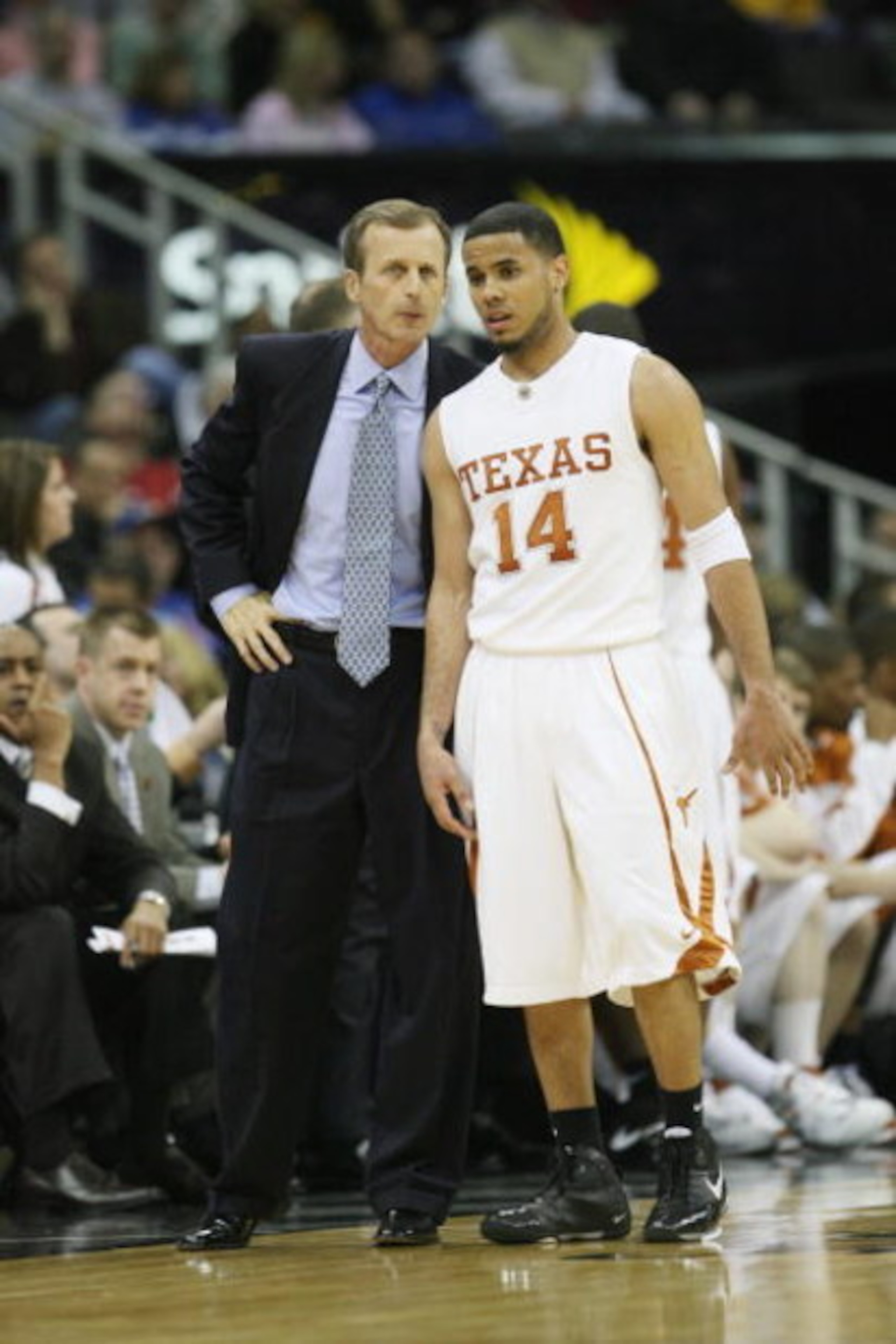
KANSAS CITY, MO - MARCH 14:  Head coach Rick Barnes speaks with D.J. Augustin #14 of the Texas Longhorns  against the Oklahoma State Cowboys during the Phillips 66 Big 12 Championship Quarterfinals at Sprint Center on March 14, 2008 in Kansas City, Missou

WInning Percentage: 73.2 percent

NCAA Tournament Appearances: 10

Losing Seasons: 0

Final Fours: 1

Known primarily as a football school, Texas under Rick Barnes has become one of the premier basketball programs in the country.

The Longhorns have yet to have a losing season this decade and even made a Final Four appearance in 2003.

Texas has also turned out a slew of NBA players, including T.J. Ford, Daniel Gibson, LaMarcus Aldridge, D.J. Augustin, and 2008 NBA Rookie of the Year and former National Player of the Year Kevin Durant.

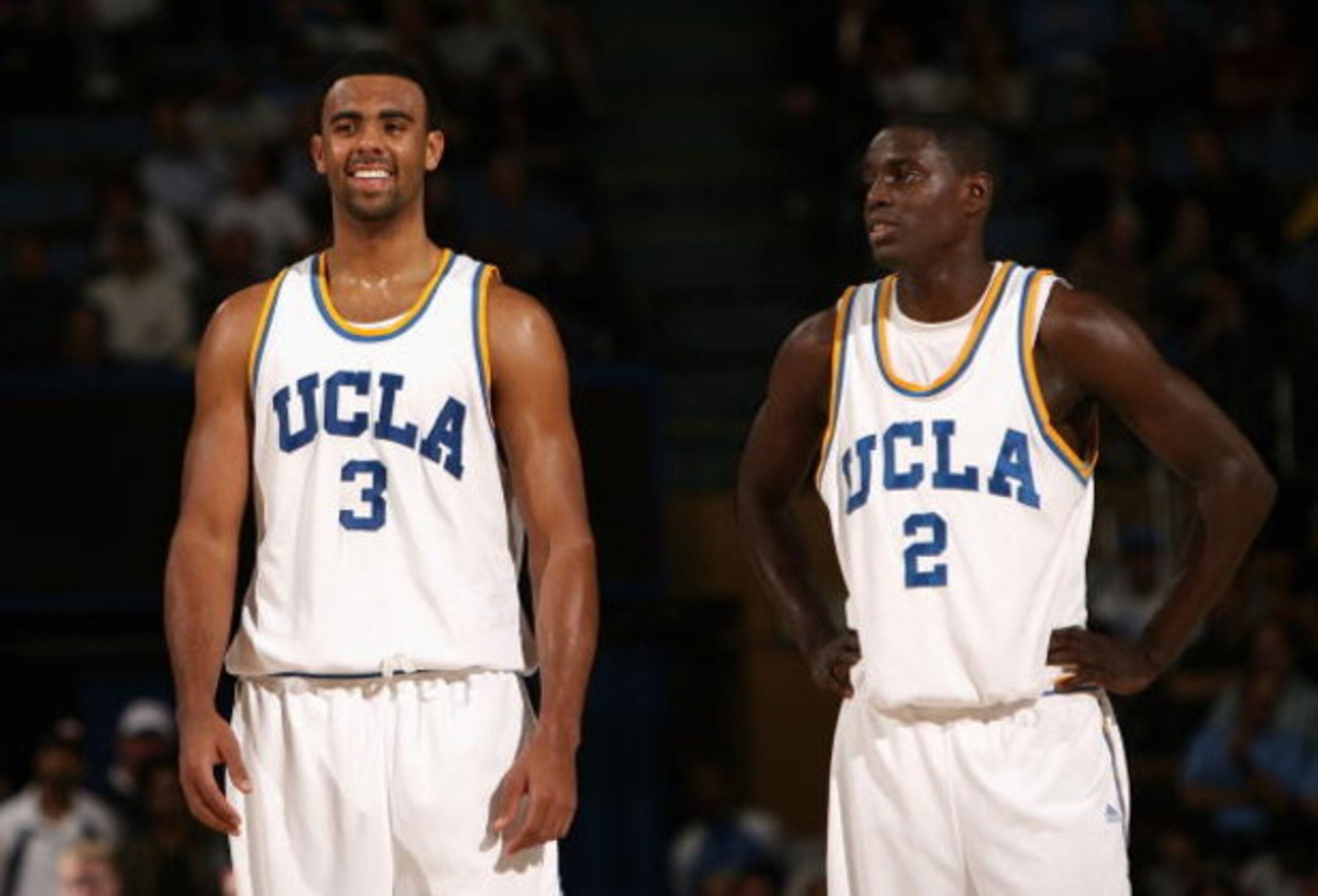
9. UCLA Bruins

WESTWOOD, CA - JANUARY 15:  Josh Shipp #3 and Darren Collison #2 of the UCLA Bruins talk on the court during the college basketball game against the Arizona Wildcats at Pauley Pavilion on January 15, 2009 in Westwood, California. The Bruins defeated the W

Winning Percentage: 68.2 percent

NCAA Tournament Appearances: 8

Losing Seasons: 2

Final Fours: 3

Although UCLA's recent string of Final Four appearances didn't produce a record 12th National Championship, it cannot be ignored that the Bruins were one of the dominant programs in the final part of the decade.

Ben Howland came to Westwood in 2003 and found success at his dream job fairly quickly, leading UCLA to three consecutive Final Fours, beginning with a trip to the national championship game in 2006.

Howland's work with the Bruins has largely negated Steve Lavin's disappointing final few years with the team, and it is fairly safe to say that UCLA has returned to its place amongst the titans of college basketball.

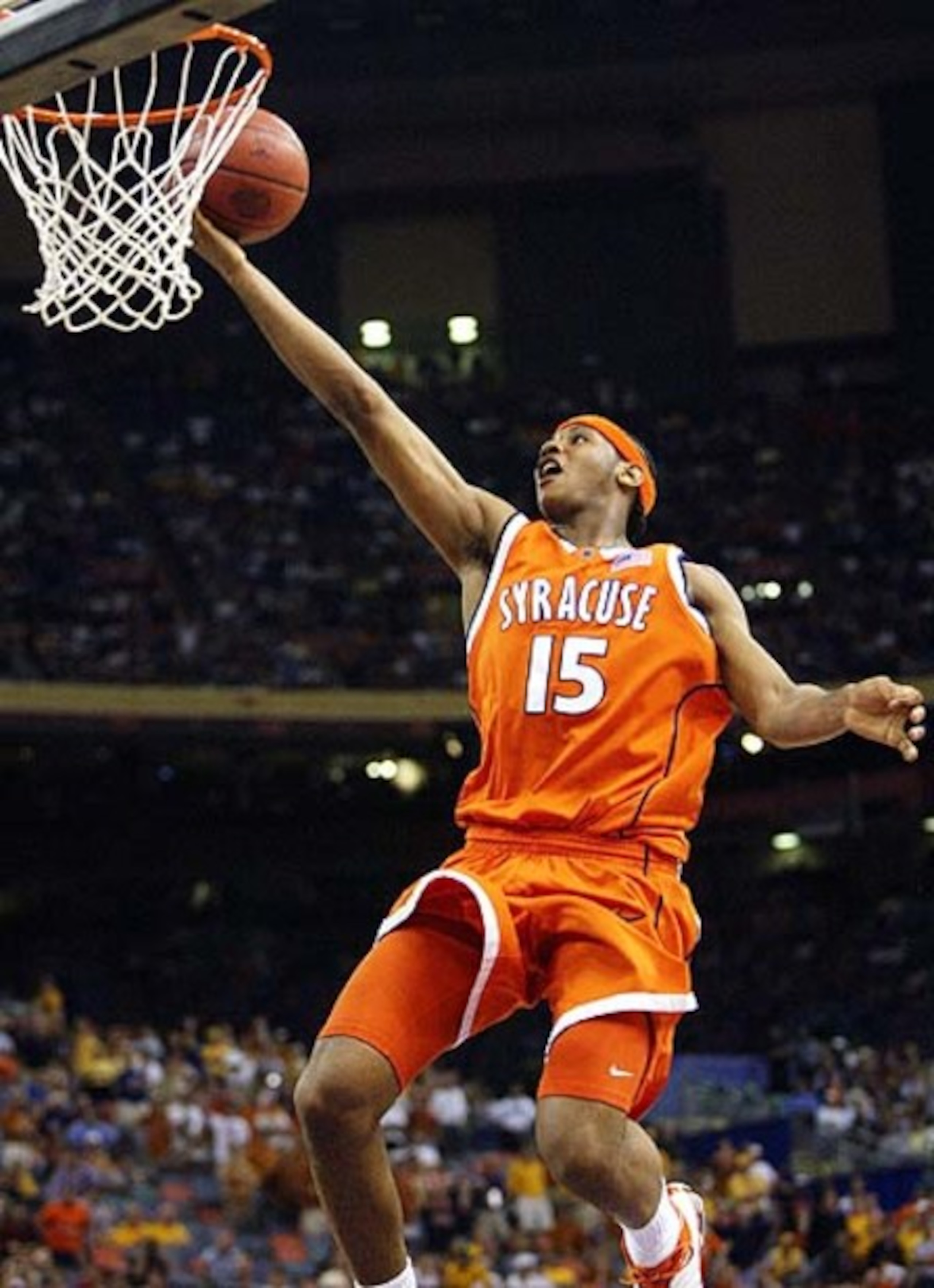
8. Syracuse Orange

Display_image

Winning Percentage: 72.5 percent

NCAA Tournament Appearances: 7

Losing Seasons: 0

Final Fours: 1

National Championships: 1

Carmelo Anthony and the freshman-laden Syracuse national championship squad brought Jim Boeheim his long-awaited title ring after countless heartbreaking losses and years of coming up just short.

While that run in 2003 was certainly the highlight for the Orange these past 10 years, there was much more than that national championship for Syracuse basketball this decade.

The Orange maintained its status as an upper-echelon program in the uber-competitive Big East and did not suffer a losing season in this period of time.

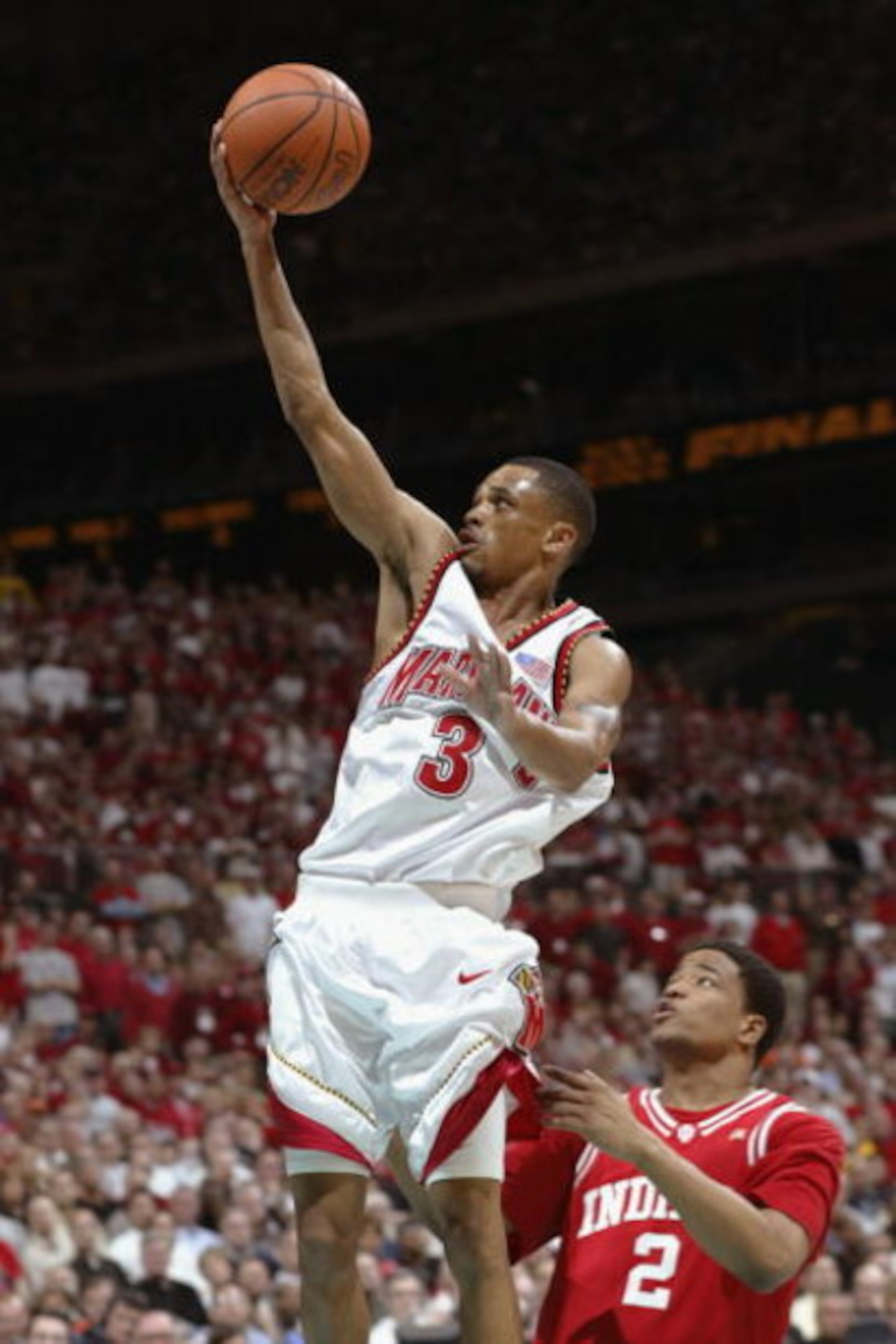
7. Maryland Terrapins

ATLANTA, GA - APRIL 1:  Juan Dixon #3 of the University of Maryland Terrapins drives past A.J. Moye #2 of the Indiana University Hoosiers during the men's NCAA National Championship game at the Georgia Dome in Atlanta, Georgia. Maryland won, 64-52. (Photo

Winning Percentage: 67.1 percent

NCAA Tournament Appearances: 7

Losing Seasons: 1

Final Fours: 2

National Championships: 1

It has been fairly well documented that Gary Williams and his Maryland program have struggled and put forth a few mediocre seasons recently, so the Terrapins' position this high in the rankings may come as a bit of a surprise.

However, it cannot be forgotten that throughout the first half of the decade, Maryland was one of the few dominant programs in all of college basketball.

The Terps made it to the Final Four in 2001, losing in disappointing fashion to Duke, but returned the next year with a squad led by Juan Dixon, Lonny Baxter, and Steve Blake that captured the national championship with a win over Indiana in the final.

Maryland basketball has declined a bit over the past few seasons but still remains one of the elite programs in the ACC.

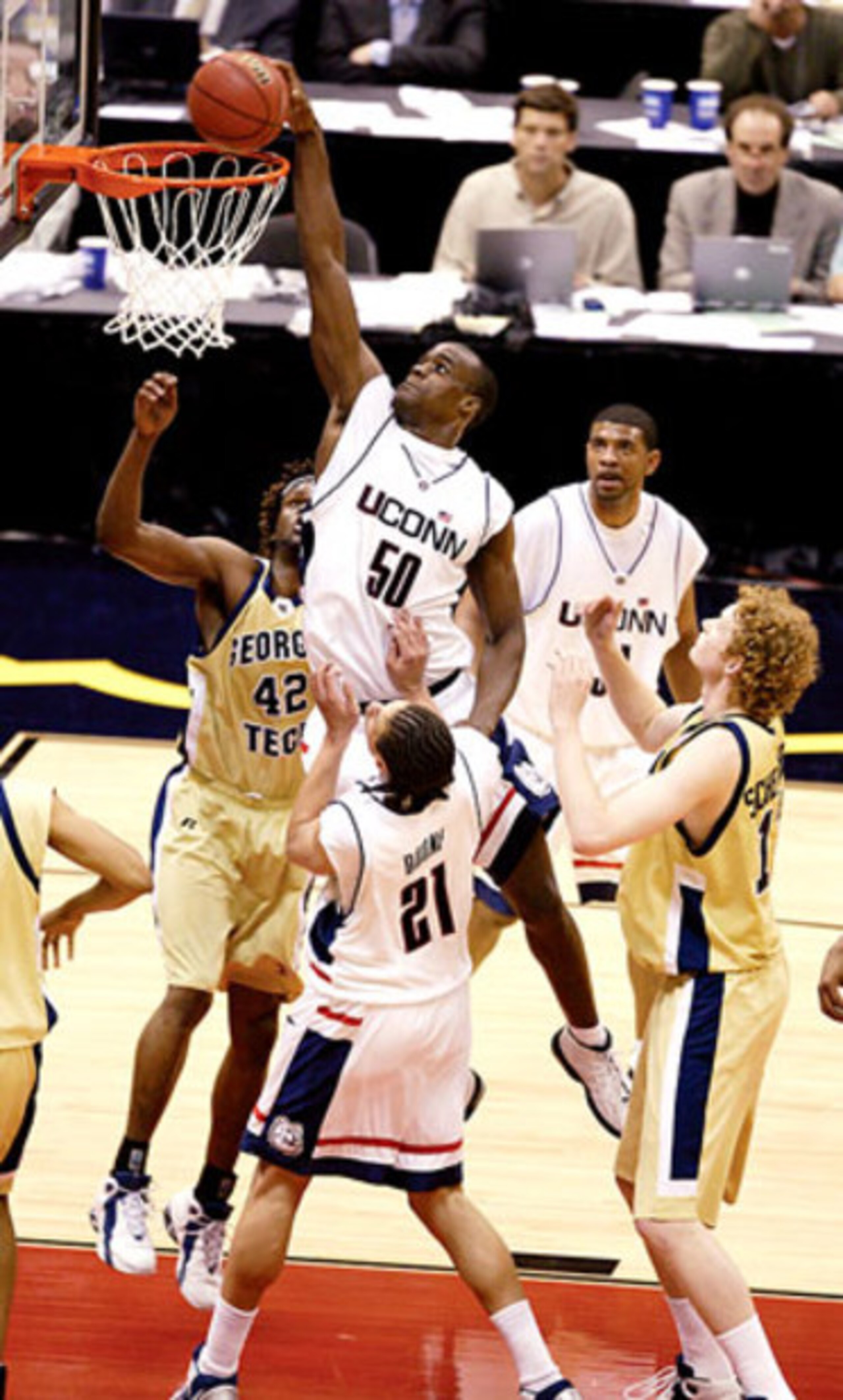
6. Connecticut Huskies

Display_image

Winning Percentage: 74.9 percent

NCAA Tournament Appearances: 8

Losing Seasons: 0

Final Fours: 2

National Championships: 1

Jim Calhoun's Connecticut program came into the decade a year removed from a National Championship in 1999 and has not faltered a bit in its status as an elite college basketball power.

The Huskies not only haven't endured a losing season in these 10 years, but also won a National Championship in 2004 on a team anchored by future NBA stars Ben Gordon and Emeka Okafor.

Calhoun and UConn were a game away from another Final Four in 2006 but were on the losing end of one of the greatest upsets in the history of college basketball, when they were defeated by a Cinderella George Mason team in overtime.

A couple of disappointing seasons led to last year's team, led by Hasheem Thabeet, that took the Huskies back to the Final Four, the program's second of the decade.

5. Duke Blue Devils

Display_image

Winning Percentage: 82.9 percent

NCAA Tournament Appearances: 10

Losing Seasons: 0

Final Fours: 2

National Championships: 1

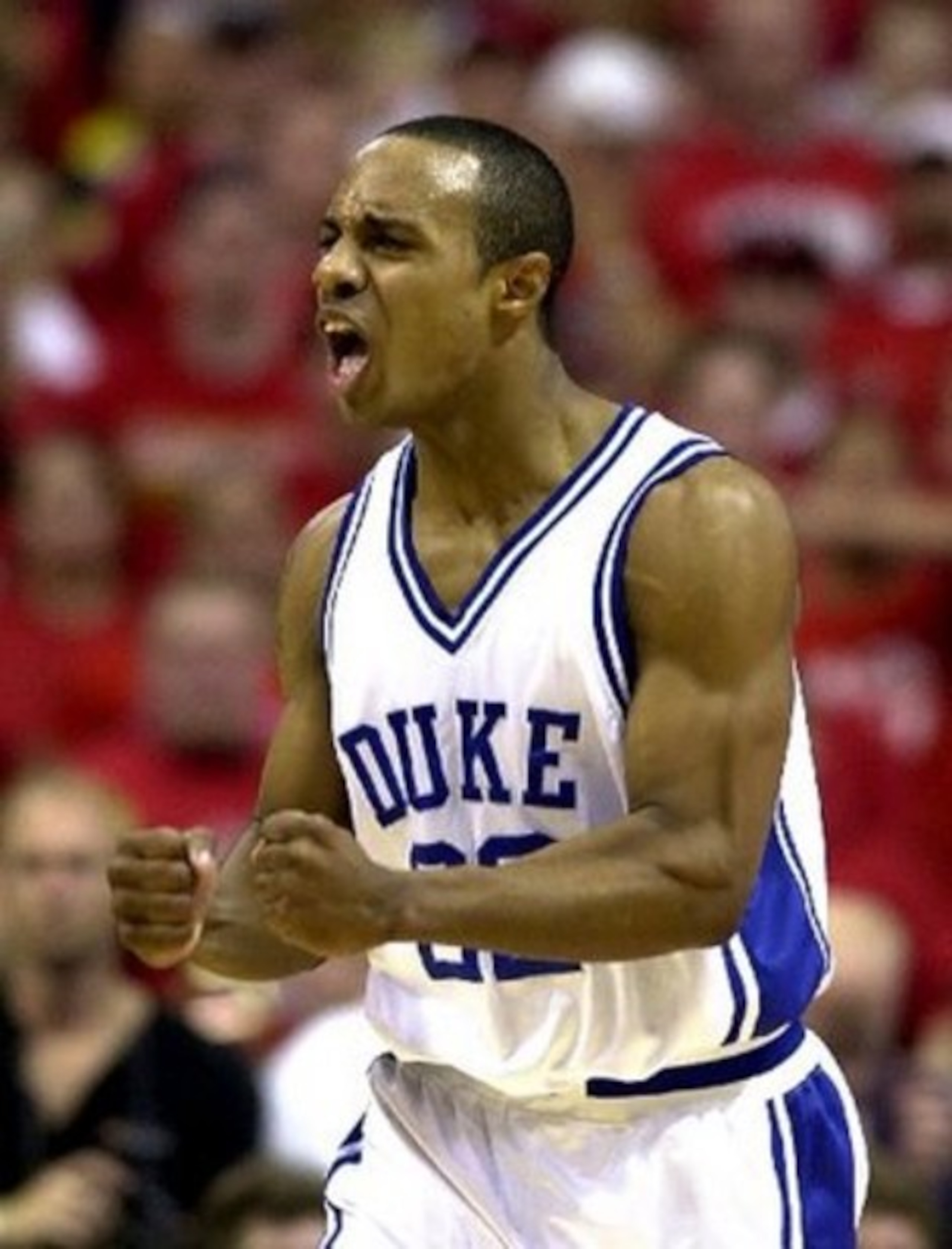
The legendary man known simply as Coach K entered the new millennium as the head of a top-tier college basketball program, and he and Duke itself have ended the decade in the same fashion.

Jason Williams, Shane Battier, Mike Dunleavy, Carlos Boozer, and Chris Duhon led a star-studded Blue Devils team to a national championship in 2001, Coach K's third in his remarkable career.

Duke has come close to matching that feat several times this decade, even reaching the 2004 Final Four, only to lose in a hotly contested game to the eventual champion, UConn.

Duke has posted the highest winning percentage of any program on this list and remains one of the storied programs in all of college basketball.

4. Kansas Jayhawks

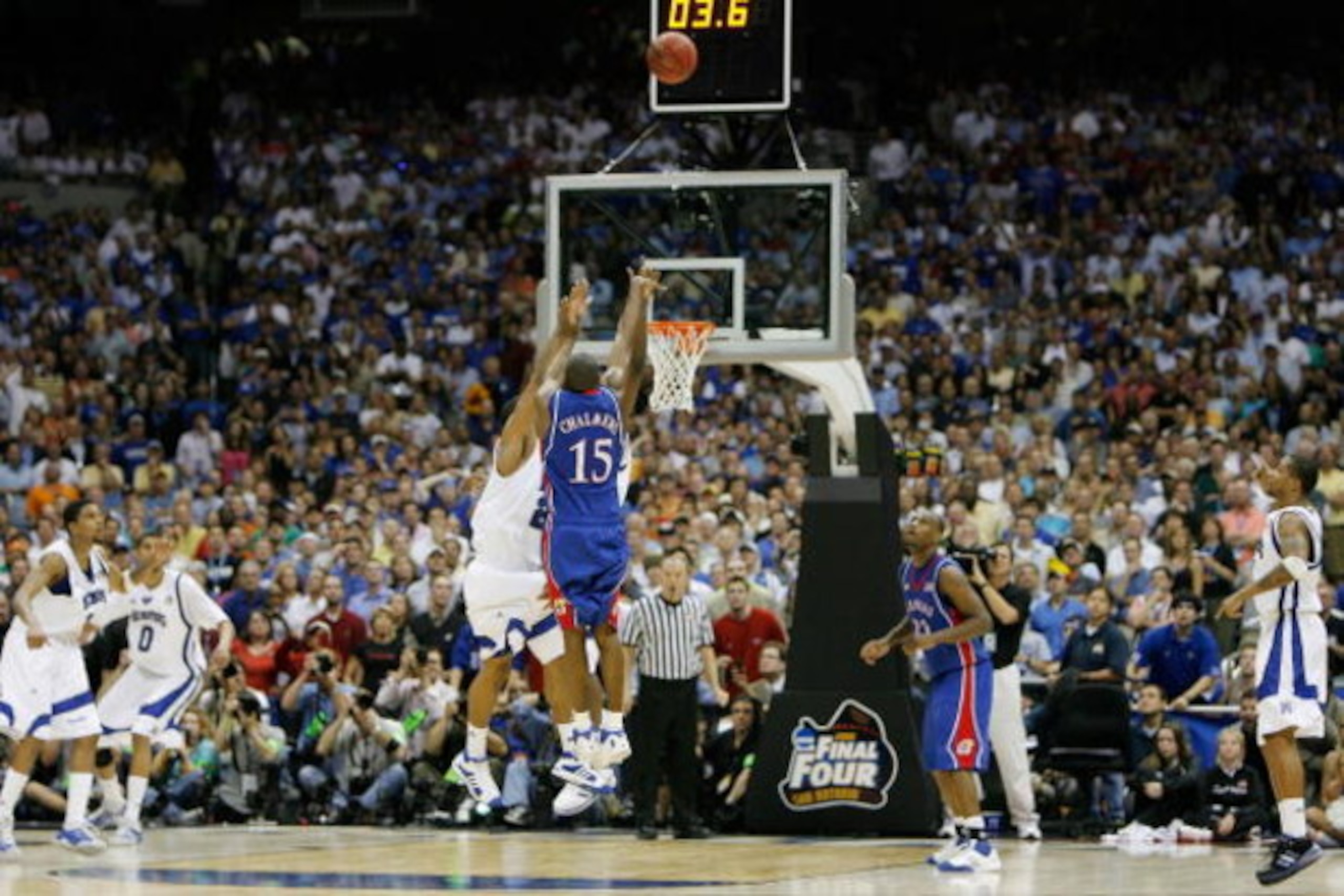
SAN ANTONIO - APRIL 07:  Mario Chalmers #15 of the Kansas Jayhawks shoots and makes a three-pointer to tie the game to send it into overtime against the Memphis Tigers during the 2008 NCAA Men's National Championship game at the Alamodome on April 7, 2008

Winning Percentage: 80.3 percent

NCAA Tournament Appearances: 10

Losing Seasons: 0

Final Fours: 3

National Championships: 1

Not only is Kansas one of the most widely respected college basketball programs historically, but the Jayhawks have also been a championship contender year in and year out this decade.

Roy Williams took Kansas to Final Fours in both 2001 and 2003, the latter of which led to a heartbreaking 81-78 loss to Syracuse in the National Championship Game.

After the 2003 season, Williams left Lawrence to become the head coach at North Carolina, and Bill Self came in as his replacement.

Self has picked up right where Williams left off, leading Kansas to 20-plus win seasons in each of his seasons as coach.

The high point of the decade for Jayhawk basketball came in 2008, when a talented Kansas team stormed back in the final minutes to beat Memphis and capture the national championship, the third in the school's history.

3. Michigan State Spartans

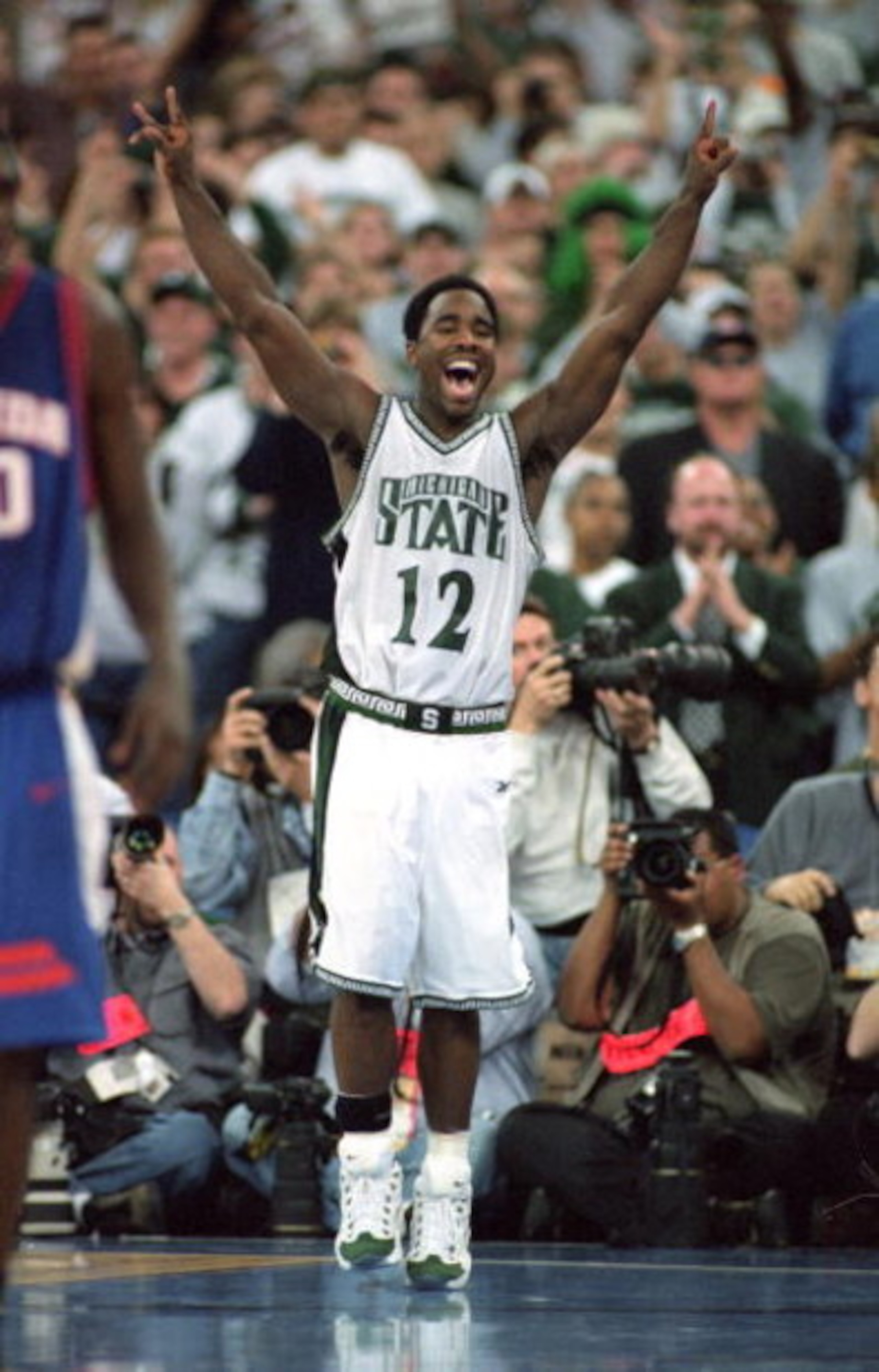
3 Apr 2000: Mateen Cleaves #12 of the Michigan State Spartans celebrates on the floor during the NCAA Men''s Finals Four Game against the Florida Gators at the RCA Dome  in Indianapolis, Indiana. The Spartans defeated the Gators 89-76. Mandatory Credit: J

Winning Percentage: 72.1 percent

NCAA Tournament Appearances: 10

Losing Seasons: 0

Final Fours: 4

National Championships: 1

In his many years on the job, Tom Izzo has helped mold and create a Michigan State program that has become the envy of many in college basketball.

The Spartans began the decade as one of the top teams in the country and became the new millennium's first national champion with a run spearheaded by Mateen Cleaves, Morris Peterson, and Charlie Bell, a group of players fondly known as the "Flint-stones."

Izzo and Michigan State continued this wave of success with a Final Four appearance the following year, as well as another one in 2005.

This past season, the Spartans surprised many by beating Louisville and UConn on their way to the national championship game, where they ultimately lost to a heavily favored North Carolina team.

2. Florida Gators

Display_image

Winning Percentage: 75.4 percent

NCAA Tournament Appearances: 8

Losing Seasons: 0

Final Fours: 3

National Championships: 2

Entering the 1999-2000 season, few probably would have anticipated the kind of success that the Florida basketball program would achieve over the next 10 years.

Beginning with an appearance in the National Championship game in 2000, Billy Donovan began to build his Gators program into a top team in the SEC and a national hoops power.

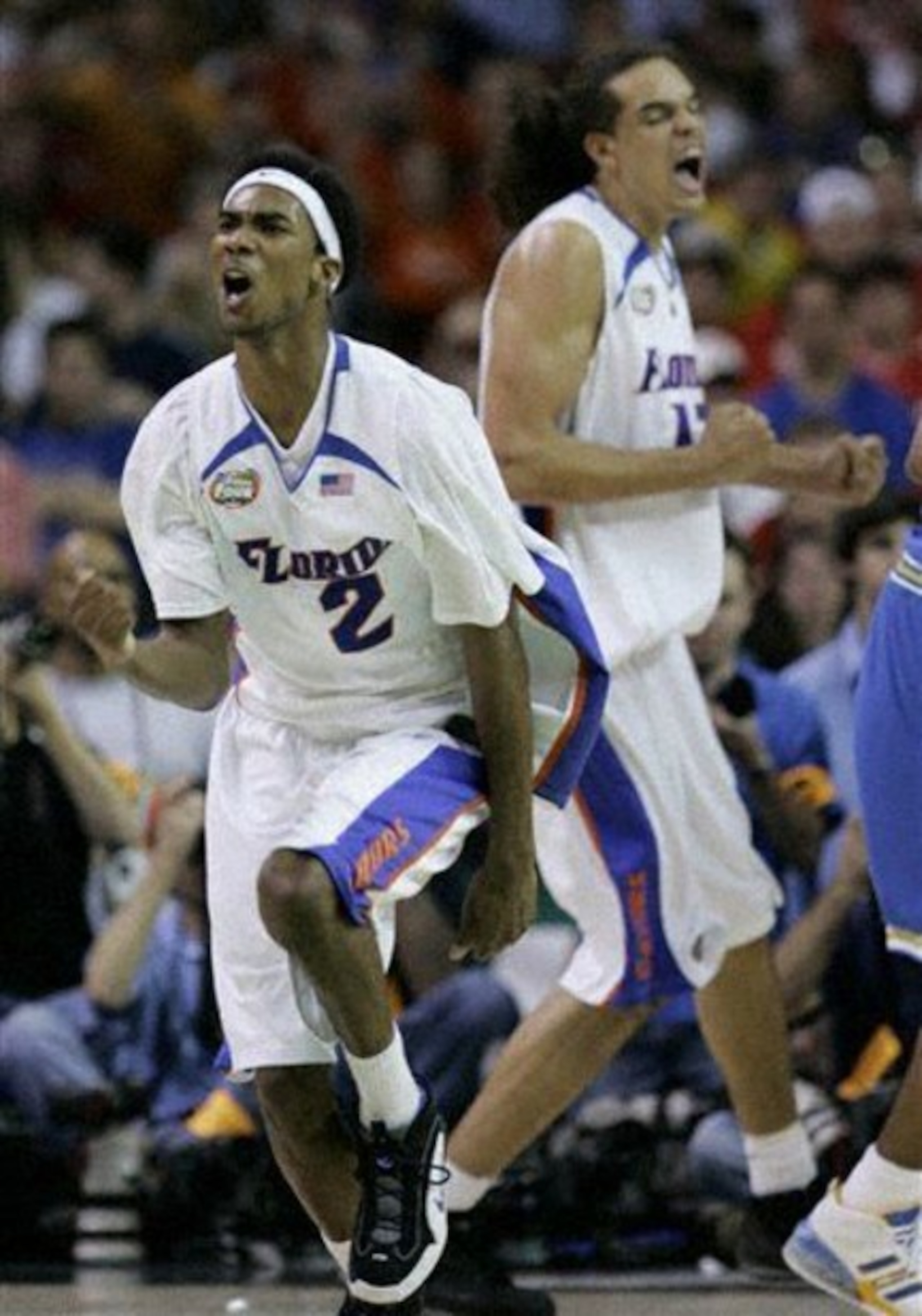
Donovan would put out excellent Florida teams on an annual basis, but any possible expectations for Gators basketball were exceeded when a dynamic nucleus of Joakim Noah, Al Horford, and Corey Brewer led Florida to consecutive National Championships in 2006 and 2007, making them the only program this decade to win back-to-back titles.

1. North Carolina Tar Heels

DETROIT - APRIL 06:  Head coach Roy Williams of the North Carolina Tar Heels celebrates with the championship trophy after defeating the Michigan State Spartans 89-72 during the 2009 NCAA Division I Men's Basketball National Championship game at Ford Fiel

Winning Percentage: 72.6 percent

NCAA Tournament Appearances: 8

Losing Seasons: 1

Final Fours: 4

National Championships: 2

In virtually every respect of the idea, North Carolina has been a dominant college basketball program over this past decade.

It all began as an age of transition, with Bill Guthridge seemingly being handed the undesirable task of being the man that replaced Dean Smith.

Only one of Guthridge's years as coach was in the new millennium, and he led his No. 8-seeded Tar Heel team on a spectacular run to the 2000 Final Four.

Guthridge retired following that Final Four season, and after a failed attempt to lure Roy Williams away from Kansas, North Carolina opted to hire former Tar Heel standout Matt Doherty to lead the school into a successful new era.

After a promising first season, everything went rapidly downhill for Doherty and the Tar Heels.

On the heels (no pun intended) of a two-year span in which Carolina went 8-20 and 19-16, respectively, Doherty was fired, and the program was left at an all-time low, with the Smith years of old seeming like nothing more than distant memories.

Again, North Carolina looked towards Williams, only this time it was not only to be the head coach, but also to be a savior of sorts for a struggling, underachieving program.

This time around, the temptation of taking the reins of his dream job proved to be too much, and Williams accepted the job.

Williams wasted no time in helping build Carolina back up, albeit with a talented crop of players brought in by Doherty. With a team featuring four NBA lottery picks, the Tar Heels won the National Championship in 2005 in just Williams' second year on the job.

The next wave of talent brought in to Chapel Hill proved to be just as capable, as Carolina was an overtime away from advancing past the Elite Eight in 2007 and then made it to the Final Four the following year.

The Carolina tradition of this decade was firmly established and fine-tuned this past season, as the Tar Heels won their second national championship of the decade, not with the same group of players from the first title run, but with a re-tooled team, making it perhaps the greatest accomplishment we've seen in college basketball over these past 10 years.

Begin Slideshow
Keep Reading
Flag
Props (8)
This article is

What is the duplicate article?

Why is this article offensive?

Where is this article plagiarized from?

Why is this article poorly edited?

Flag This Article
Crop_45x45
or to post a comment

33 Comments

There are no comments yet. Get the conversation started by leaving the first comment

Loading comments...
just now posted just now
  • Loading...
  • Nobody has liked this comment yet
Cancel

This comment and all replies have been deleted This comment has been deleted Undo delete

Advertising
College Basketball

Subscribe Now

We will never share your email address

Thanks for signing up.

How Are the Top 25 Teams Faring in February? Hint: you can use arrow keys to navigate through this channel.