

Boston Bruins Must Resist Moving Johnny Boychuk for Cap Flexibility
Johnny Boychuk has been a fixture in the NHL’s hyperactive rumour mill for a long time now. Even without parsing the myriad reports that a deal was possible or probable or pending, it’s obvious from the way he talks when he’s asked about the possibility.
In comments to the Boston Herald’s Stephen Harris in September, Boychuk displayed a fine command of the cliches that a player subject to constant trade speculation needs to get down:
"Just try to play your game. Don't try to do anything extraordinary. Just play solid. This [team] is my family and you always want to stay with them. It's such a great team and organization. It's tough to hear [trade rumours]. But at the end of the day it doesn't really matter what anybody says. If it happens, then you work on that part. Until it does you can't control it, so you've just got to keep playing. You always want to stay here. If something happens, it does. Every year somebody is going to leave off of a team. Even if you win a championship, somebody is going to leave. You're not going to see the exact same team every year. People come and go; that's part of the game. If you like a place, as a lot of people do here, you want to stay.
"
.jpg?w=2560)


Let’s recap the lines:
- Just play the game.
- This is a great team.
- It’s difficult to hear all the speculation.
- I can’t be worrying about things outside my control.
- Trades are part of hockey.
These comments are trite, and virtually every player in Boychuk’s position ends up saying similar things. But they’re also sensible and accurate, and there really isn’t any good reason for a player to get caught up in hypotheticals. This is particularly true when the hypothetical trade runs contrary to the interests of the team in question, which any trade of Boychuk for futures would be.
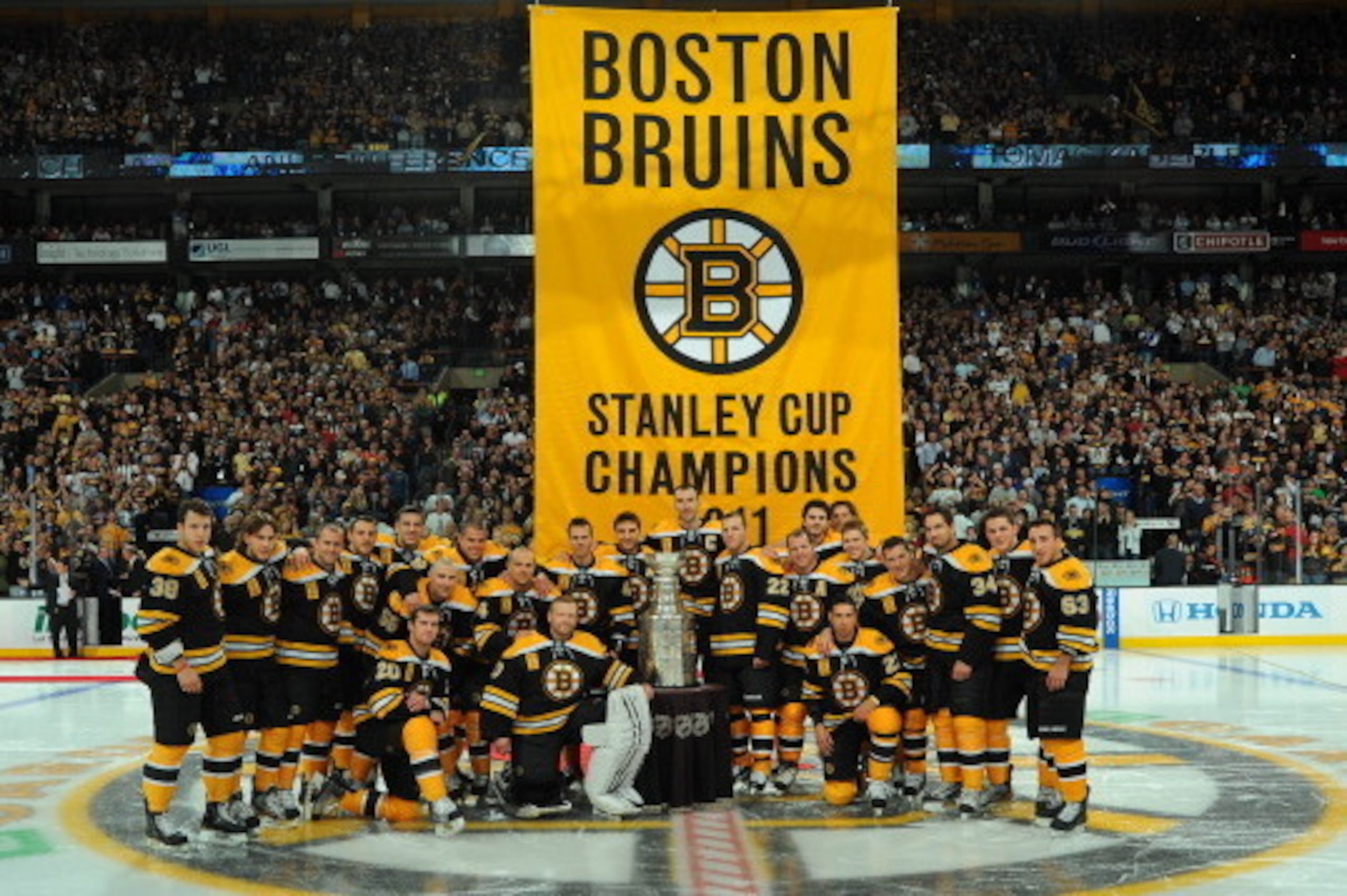
The simple explanation is this: Boston can win a championship right now, and winning a championship trumps all other concerns in sport.
It’s a 30-team league; winning the Stanley Cup is really hard, much, much harder than it was a generation ago. As the league continues to expand, it will get harder still. As in, a team can work for years to get into a position where all of the pieces are in place for a title run, and when those pieces are aligned, focusing on anything other than winning during that brief contending window is insanity.
The Bruins are one of a handful of teams in this league that have the pieces in place to put a championship season together. The forward corps is deep and talented and headlined by a guy (Patrice Bergeron) who is one of the top-five two-way pivots in the game of hockey. The defence corps is deep and talented and led by one of the handful of franchise defenceman in the game in Zdeno Chara. No. 1 goalie Tuukka Rask might be the best player in the world at his position.
That window won’t stay open forever. In fact, it could close at pretty much any point now.
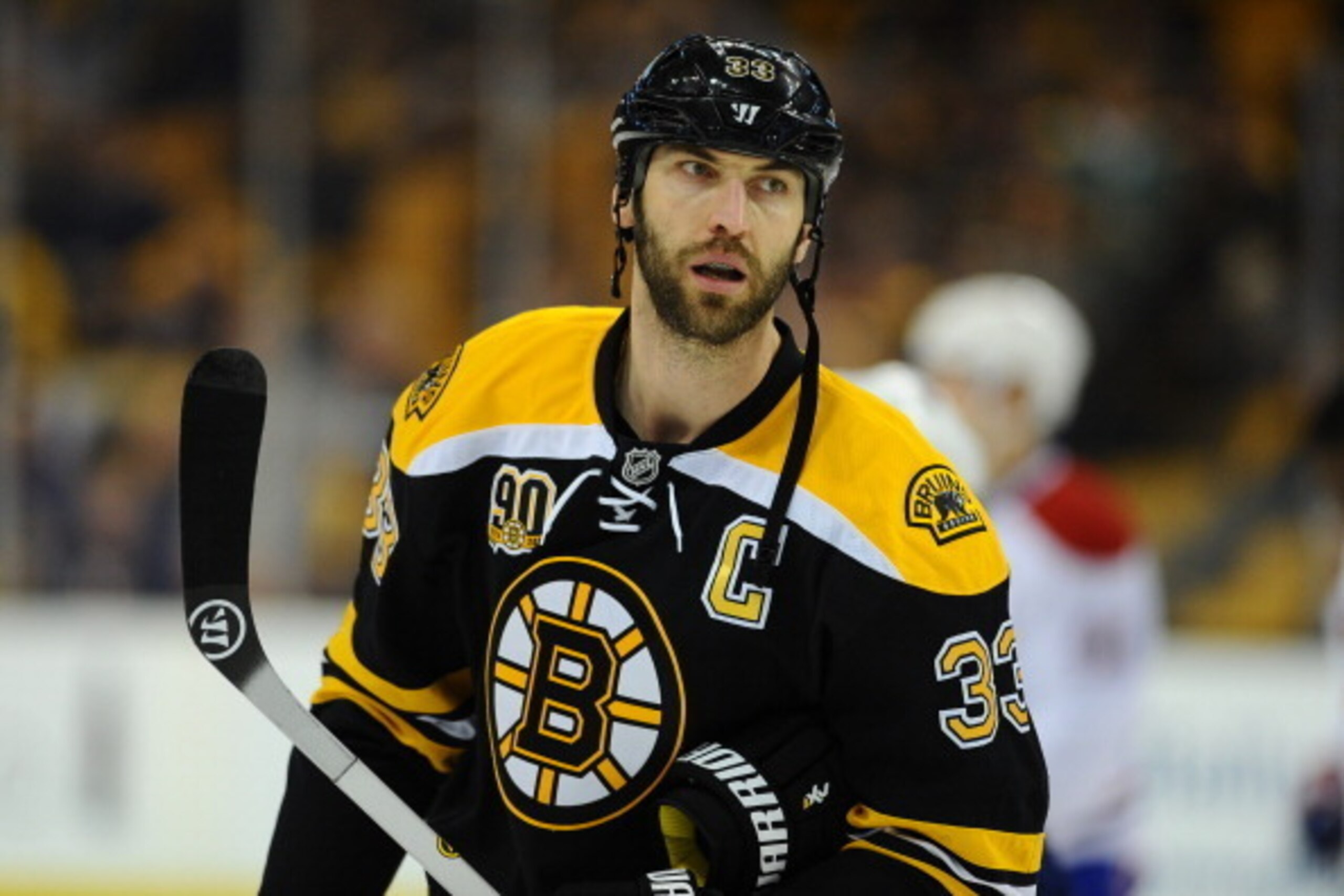
Chara will turn 38 before the playoffs start. The rules are different for players that good, but at some point, age really begins to become a factor. Even Nicklas Lidstrom had his last legitimately Lidstrom-esque season at age 39 (ignore the career achievement Norris he was awarded at 40). In the best-case scenario, the days of the Chara of old will only last a year or two before he turns into an old Chara. In the worst-case scenario, those days are already gone.
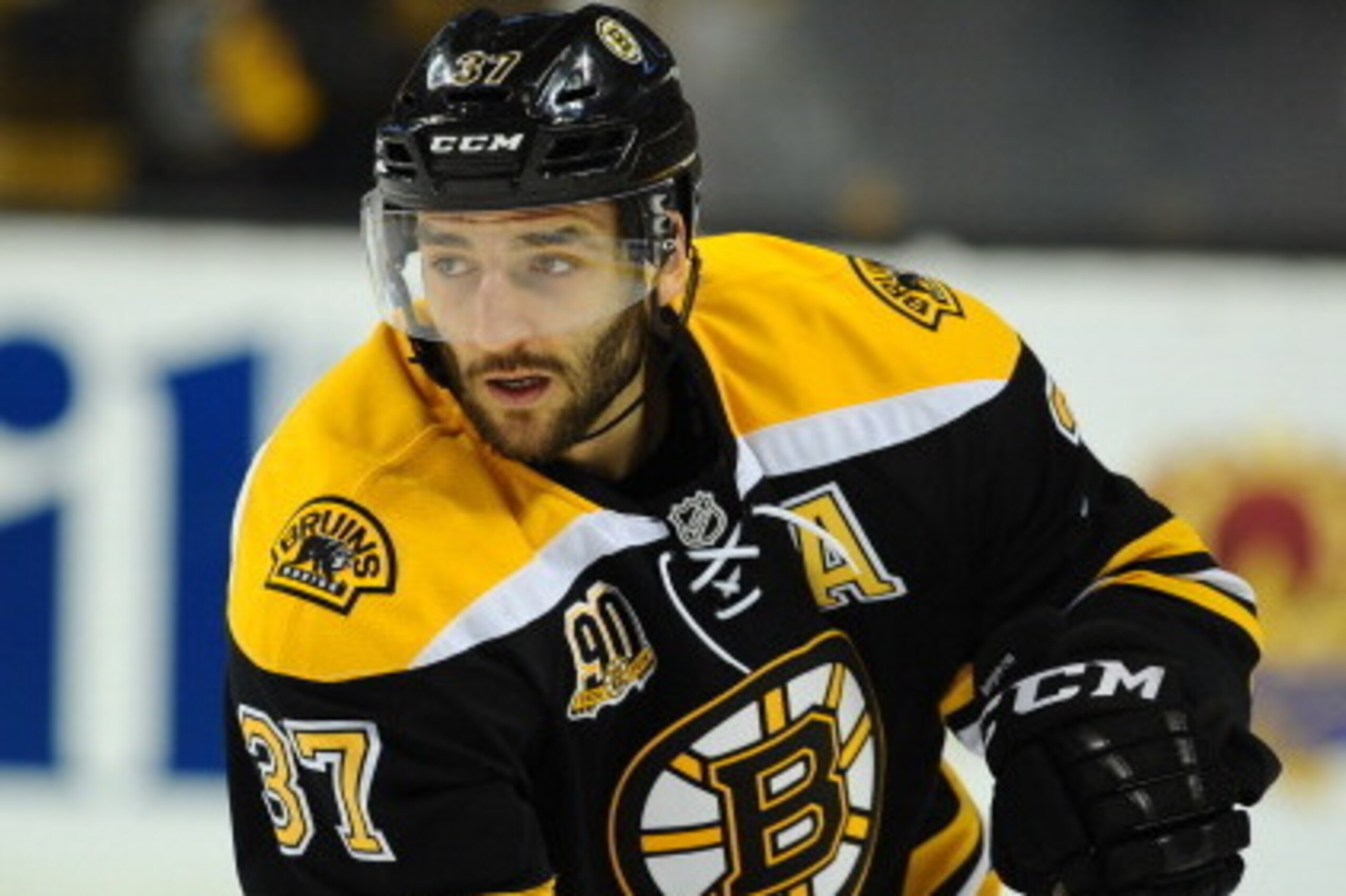
Bergeron’s time at the top—he’s a franchise centre, regardless of what his point totals say—could also end sooner rather than later. The 29-year-old is approaching the point in his career where scoring drops off, but the bigger concern is injury. He lost virtually all of 2007-08 to concussion, and then he lost more time in 2008-09, 2010-11 and 2012-13. Even for a man with a jaw-dropping ability to play through injuries (NHL.com, June 2013: “In addition to a broken rib, torn rib cartilage and a separated shoulder… the veteran center also [played with] a small hole in his lung”) there is a limit to the amount of abuse a body can take, and that goes triple for head injuries.
The Bruins may be able to soldier on even when those guys bow out (though their ability to carry on post-Bergeron was hammered badly by the Tyler Seguin trade), but it’s going to be much harder and its far less certain. Now is the time to win another Cup, because at some point the team is going to take a step back, and that point may not be too far in the future.
That brings us to Boychuk. He became Boston’s default No. 2 defenceman when Dennis Seidenberg was sidelined by injury; at worst, he’s the No. 3 guy on the depth chart by minutes, and on merit, he probably belongs behind only Chara. For a team that might only have a year or two left as a legitimate contender, it’s the height of insanity to drop a player that important unless there is no other alternative.

The thing is that the Bruins do have an alternative. CapGeek projects the club as being over the salary-cap ceiling by less than the amount owed to Marc Savard, which means that Boston can make no moves and use the NHL’s long-term injured reserve rules to keep its current roster together. If they really want to create some space and some room on defence, the option always exists to sacrifice a player like Adam McQuaid or Matt Bartkowski instead of Boychuk. The Bruins are a better team today if (in the worst-case scenario) they waive McQuaid for no return than if they deal Boychuk for futures, and as we’ve established, today is paramount.
The goals of cap flexibility and ensuring the best possible asset management are laudable, but they are means to an end rather than ends in and of themselves. In this case, the Bruins can do more to further their goal of winning another Cup by retaining Boychuk and sacrificing someone else.
Jonathan Willis covers the NHL for Bleacher Report. Follow him on Twitter for more of his work. Statistics via NHL.com.
.jpg?w=2560 "Deshaun slams Browns fans after blowout loss")
.jpg?w=2560 "Steelers To Keep Allar, Howard")


.jpg?w=2560 "Chiefs 69-YD Preseason FG 😱")
.png?w=2560 "Vrabel Calls Out Pats Defense 🤷♂️")
.jpg?w=2560 "Eagles RB Leaves in Ambulance")