
Definitive Guide to the 2014 FIFA World Cup
The 2014 FIFA World Cup is almost upon us, and we can barely handle the wait.
If you're like us, searching for any nugget of information and eagerly anticipating the big kick-off between Brazil and Croatia, this is just the primer you need.
Ahead, we look over every group, all the fixtures, the key players, the teams to watch and more.
What Is the FIFA World Cup?
1 of 18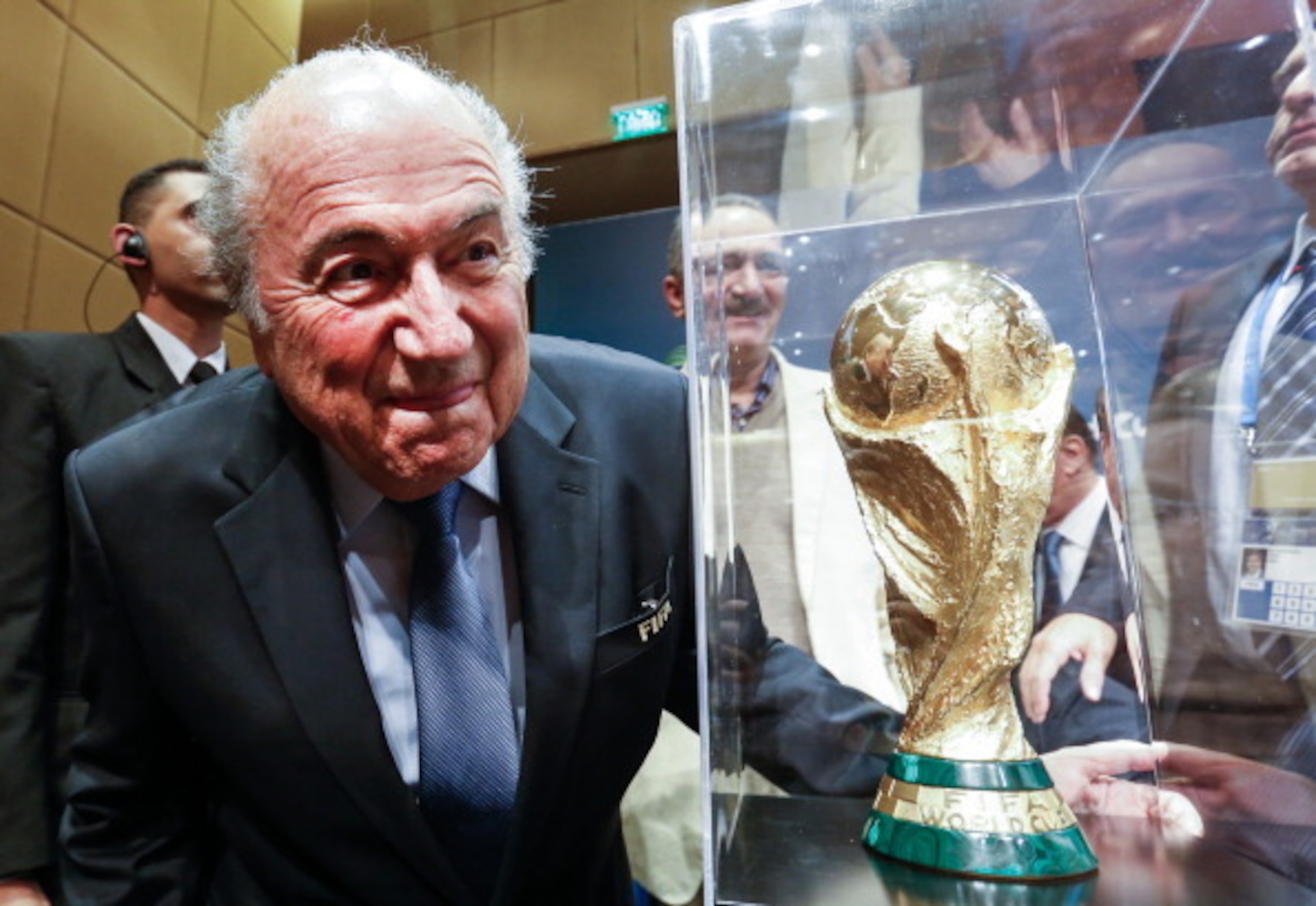
The FIFA World Cup is the biggest single-sport event on the planet, bringing every footballing continent together for one month of spectacular international play.
The first round of qualifiers start just over three years prior to the tournament's kick-off, with the likes of minnows Malaysia, Timor-Leste, Montserrat and Saint Lucia all given a fair shot at making it.
The list of teams attending is eventually whittled down to 32—the lucky teams who do perform well enough to qualify for the tournament proper.
They come from all over—Europe, North America, Asia, South America, Africa—and combine to give audiences a thrilling contrast of styles and approaches to the beautiful game of football.
Every four years the world stops and watches one event, and it's the FIFA World Cup.
Where Is the 2014 Edition?
2 of 18
Every four years the FIFA World Cup takes place, and every four years a new country receives the honour of hosting it.
The organising committee field a bidding process from all nations interested in hosting the tournament, and the winner—the country who commits to the best vision of hosting—receives permission.
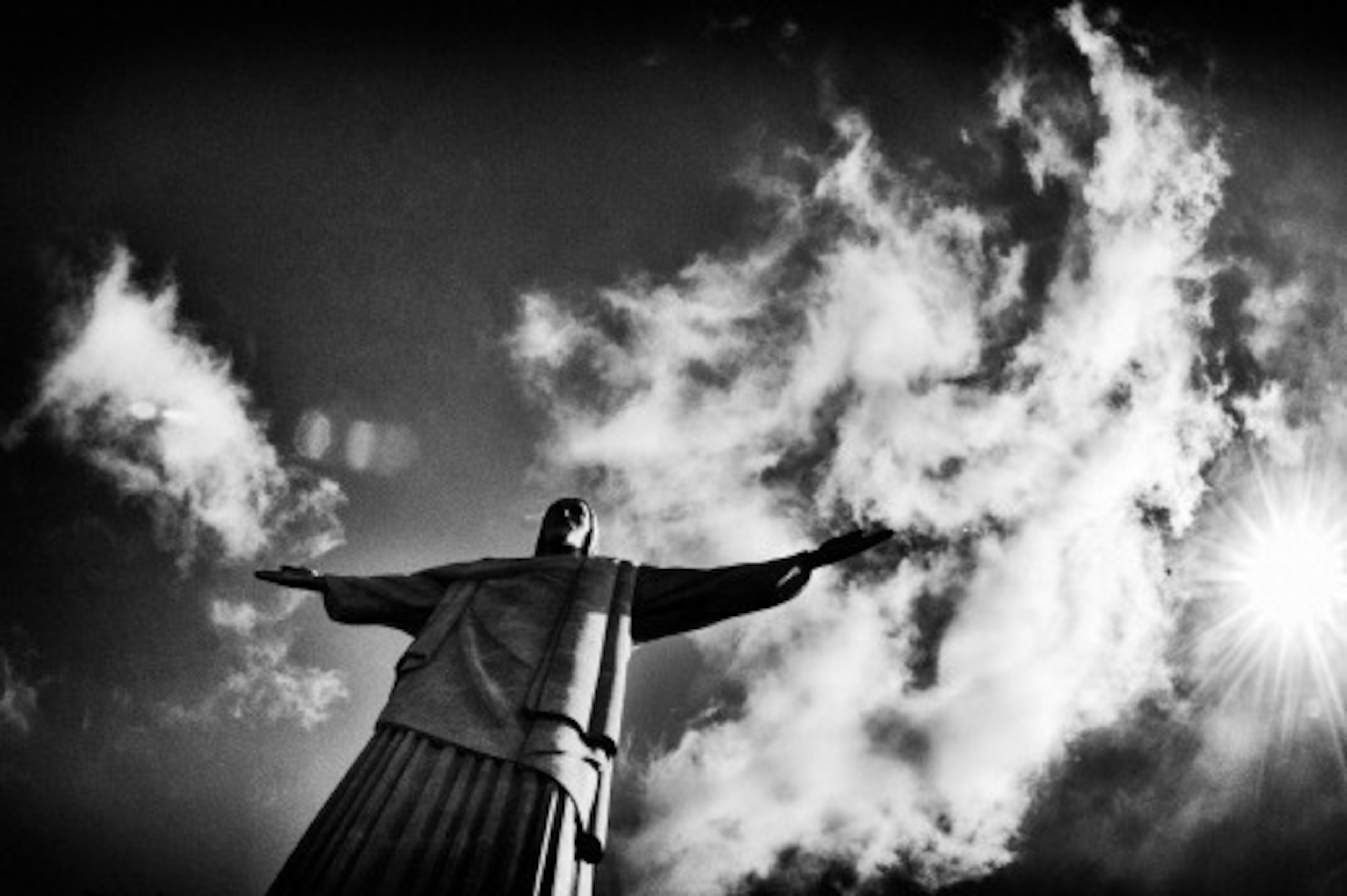
This year it's Brazil, a natural modern home for football and a country budding with enthusiasts for the game. New stadiums, new transport links and more are all constructed in the years prior to the event to help get ready.
Group A
3 of 18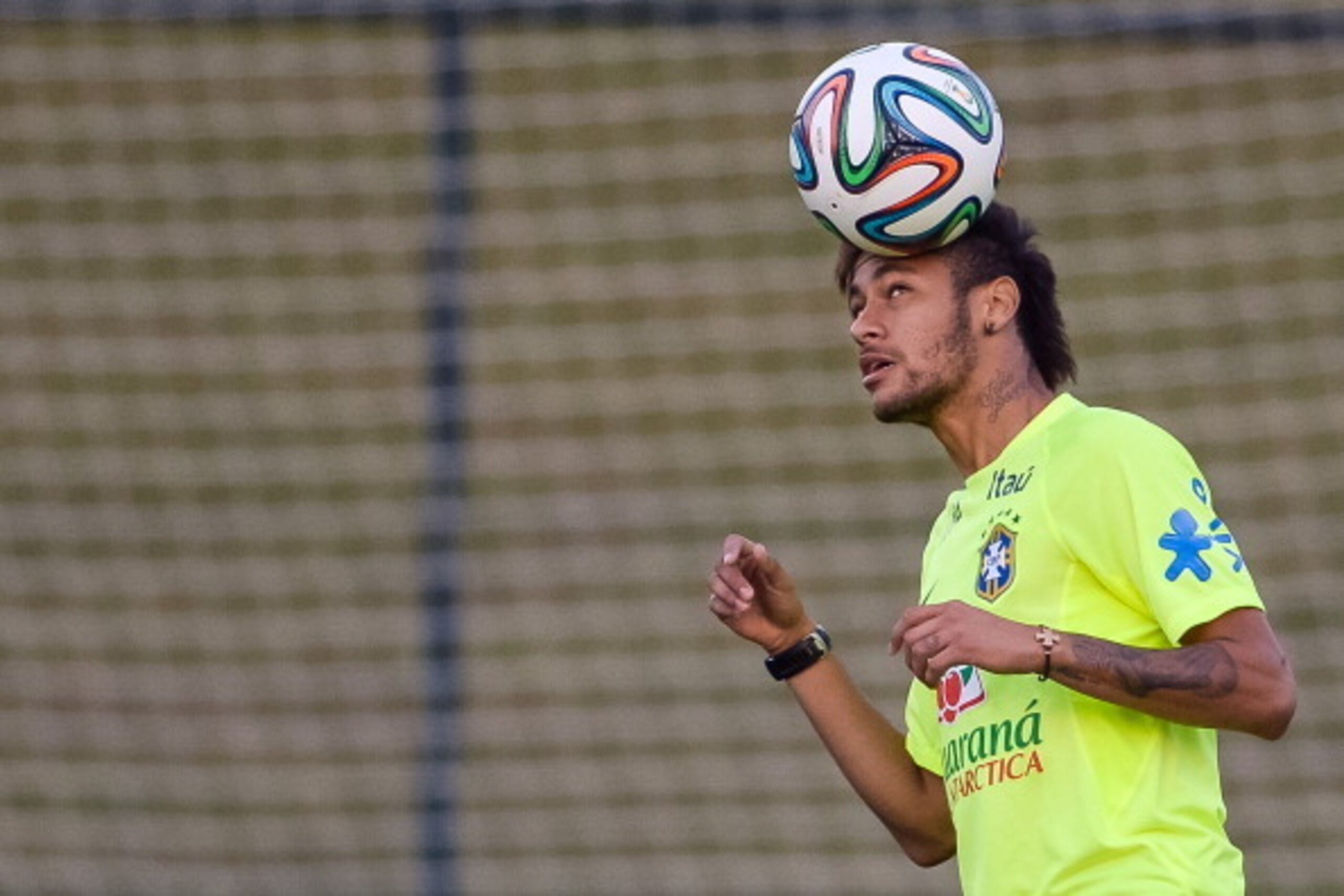
The 32 teams are broken up into eight groups of four, with a "seeded" (top) team in every group to encourage the better sides to reach the latter stages.
Group A always opens with the host nation.
| Brazil | Mexico |
| Croatia | Cameroon |
Fixtures:
Brazil vs. Croatia
June 12, 17:00 local time/4 p.m. ET
Mexico vs. Cameroon
June 13, 13:00 local time/noon ET
Brazil vs. Mexico
June 17, 16:00 local time/3 p.m. ET
Cameroon vs. Croatia
June 18, 19:00 local time/6 p.m. ET
Cameroon vs. Brazil
June 23, 17:00 local time/4 p.m. ET
Croatia vs. Mexico
June 23, 17:00 local time/4 p.m. ET
.jpg?w=2560 "WCup FIFA Investors Soccer")

Group B
4 of 18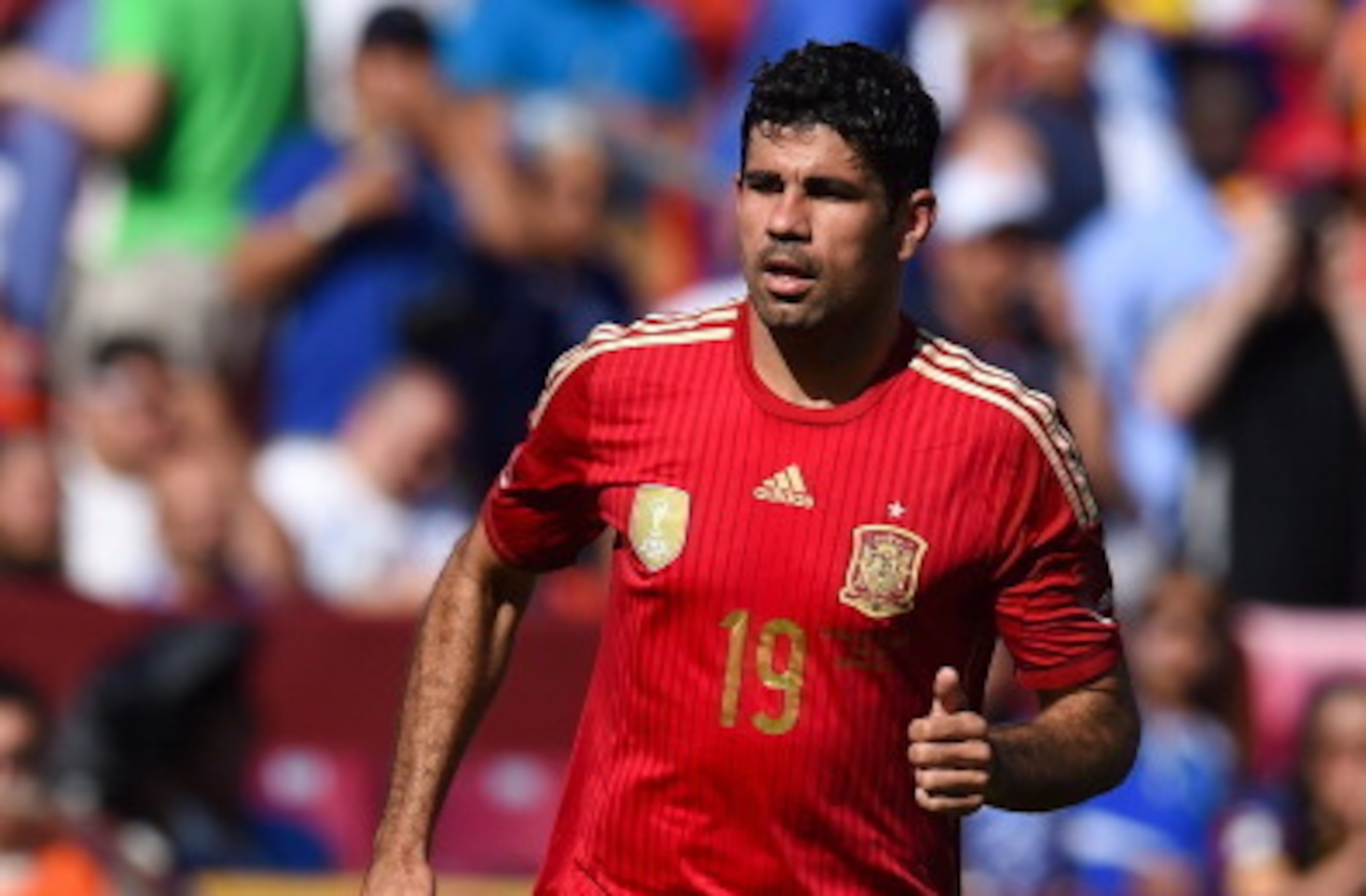
Group B pits the 2010 champions Spain against the runners-up Netherlands. Chile and Australia complete the set.
| Spain | Netherlands |
| Chile | Australia |
Fixtures:
Spain vs. Netherlands
June 13, 16:00 local time/3 p.m. ET
Chile vs. Australia
June 13, 19:00 local time/6 p.m. ET
Australia vs. Netherlands
June 18, 13:00 local time/noon ET
Spain vs. Chile
June 18, 16:00 local time/3 p.m. ET
Australia vs. Spain
June 23, 13:00 local time/noon ET
Netherlands vs. Chile
June 23, 13:00 local time/noon ET
Group C
5 of 18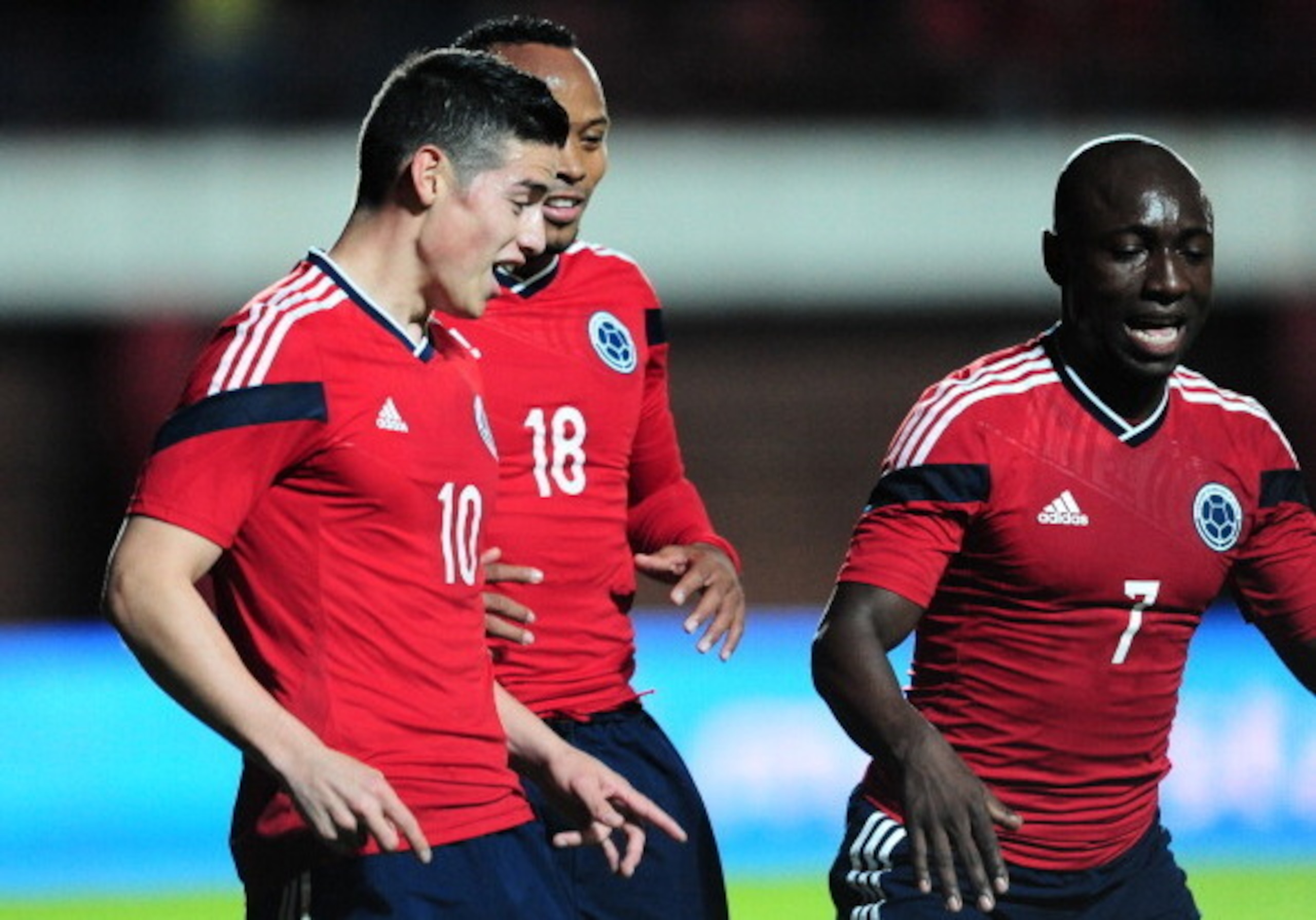
Group C sees home-continent powerhouse Colombia mix it with African, Asian and European styles.
| Colombia | Japan |
| Greece | Ivory Coast |
Fixtures:
Colombia vs. Greece
June 14, 13:00 local time/noon ET
Ivory Coast vs. Japan
June 14, 22:00 local time/9 p.m. ET
Colombia vs. Ivory Coast
June 19, 13:00 local time/noon ET
Japan vs. Greece
June 19, 19:00 local time/6 p.m. ET
Japan vs. Colombia
June 24, 17:00 local time/4 p.m. ET
Greece vs. Ivory Coast
June 24, 17:00 local time/4 p.m. ET
Group D
6 of 18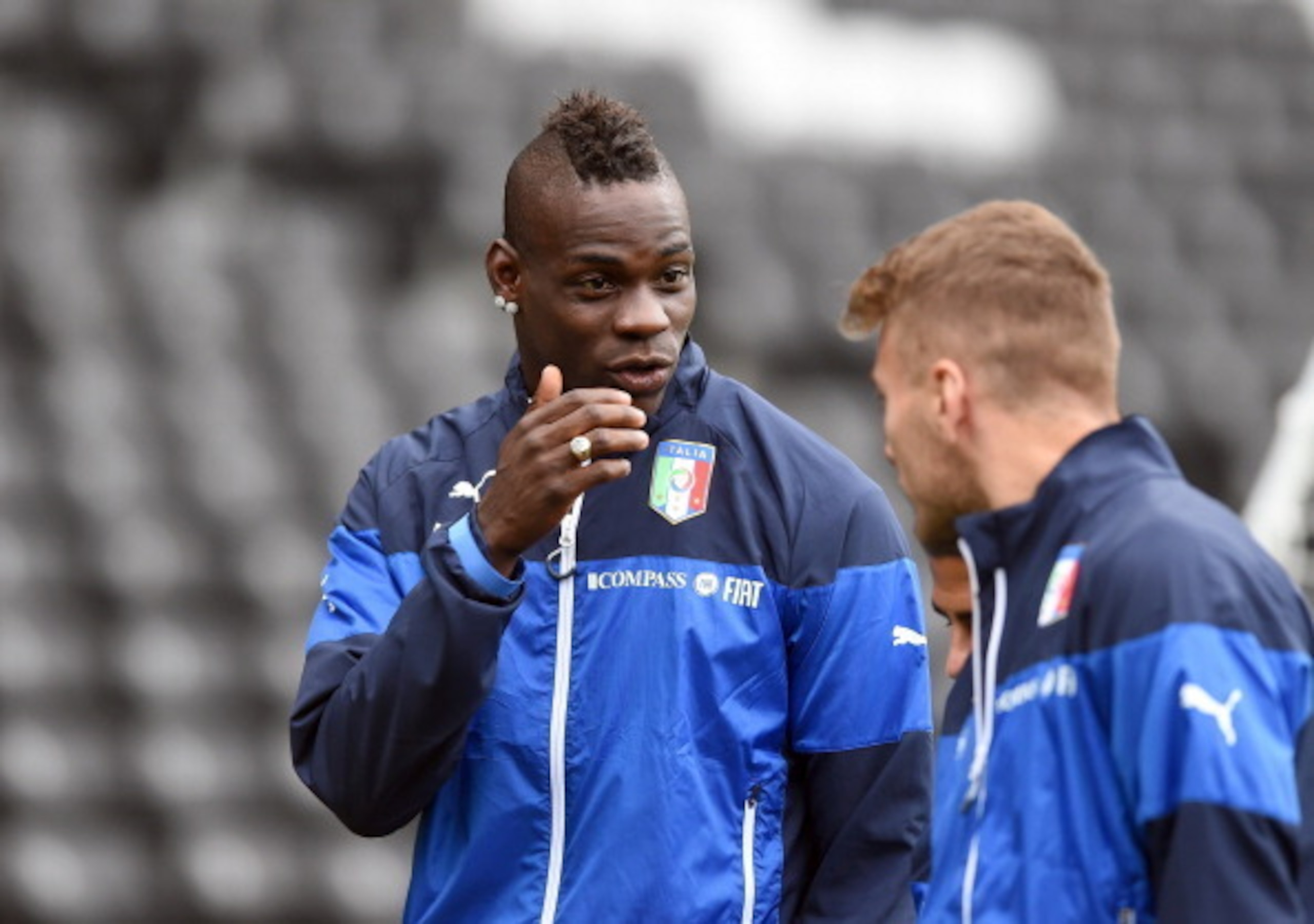
The Group of Death? Quite possibly. England, Italy and Uruguay—all former winners—land together alongside Costa Rica.
| Uruguay | England |
| Italy | Costa Rica |
Fixtures:
Uruguay vs. Costa Rica
June 14, 16:00 local time/3 p.m. ET
England vs. Italy
June 14, 19:00 local time/6 p.m. ET
Uruguay vs. England
June 19, 16:00 local time/3 p.m. ET
Italy vs. Costa Rica
June 20, 13:00 local time/noon ET
Italy vs. Uruguay
June 24, 13:00 local time/noon ET
Costa Rica vs. England
June 24, 13:00 local time/noon ET
Group E
7 of 18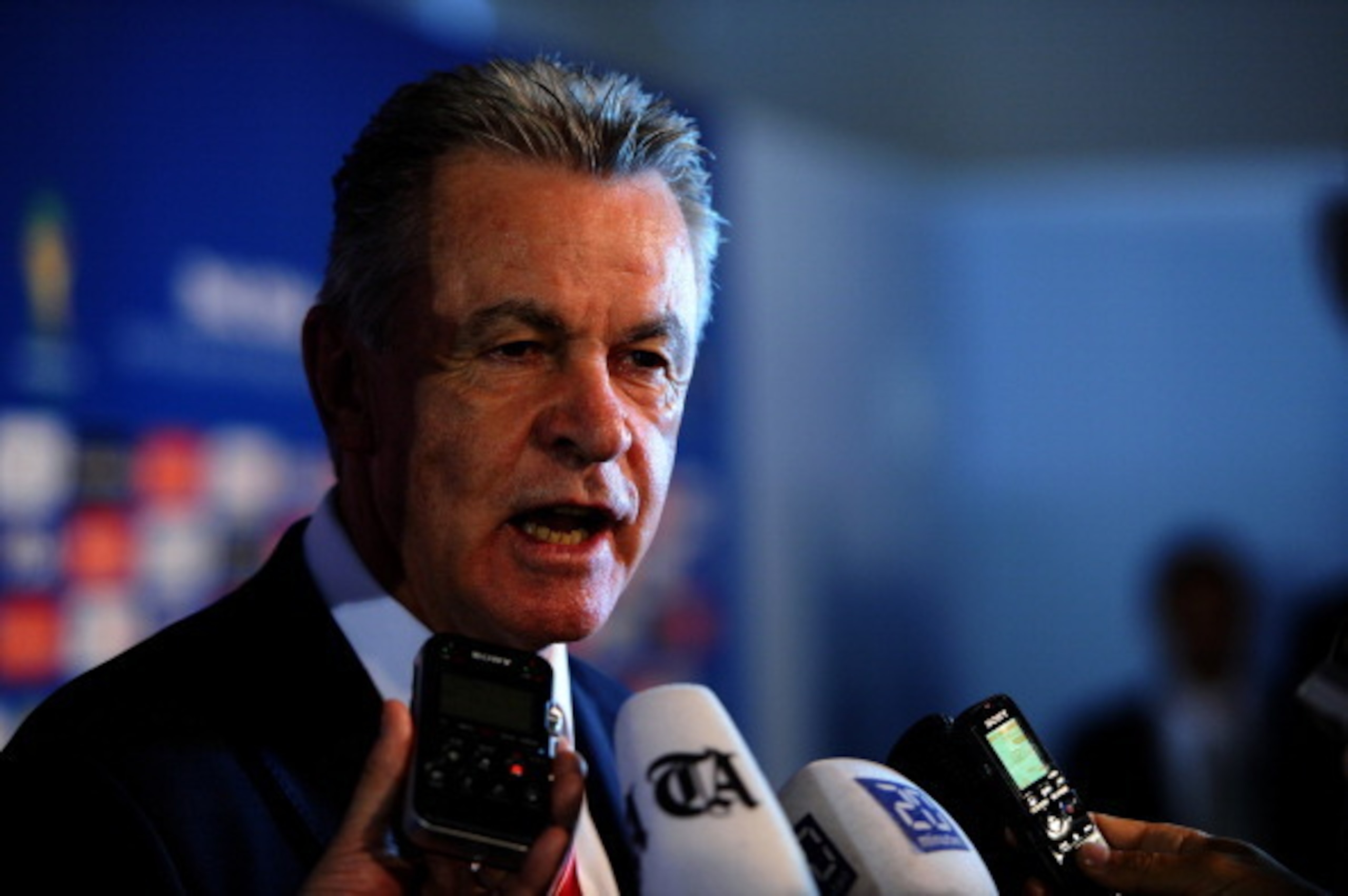
Top seeds Switzerland are rewarded with a nice draw, with a Franck Ribery-less France posing the only challenge.
| Switzerland | France |
| Ecuador | Honduras |
Fixtures:
Switzerland vs. Ecuador
June 15, 13:00 local time/noon ET
France vs. Honduras
June 15, 16:00 local time/3 p.m. ET
Switzerland vs. France
June 20, 16:00 local time/3 p.m. ET
Honduras vs. Ecuador
June 20, 19:00 local time/6 p.m. ET
Honduras vs. Switzerland
June 25, 17:00 local time/4 p.m. ET
Ecuador vs. France
June 25, 17:00 local time/4 p.m. ET
Group F
8 of 18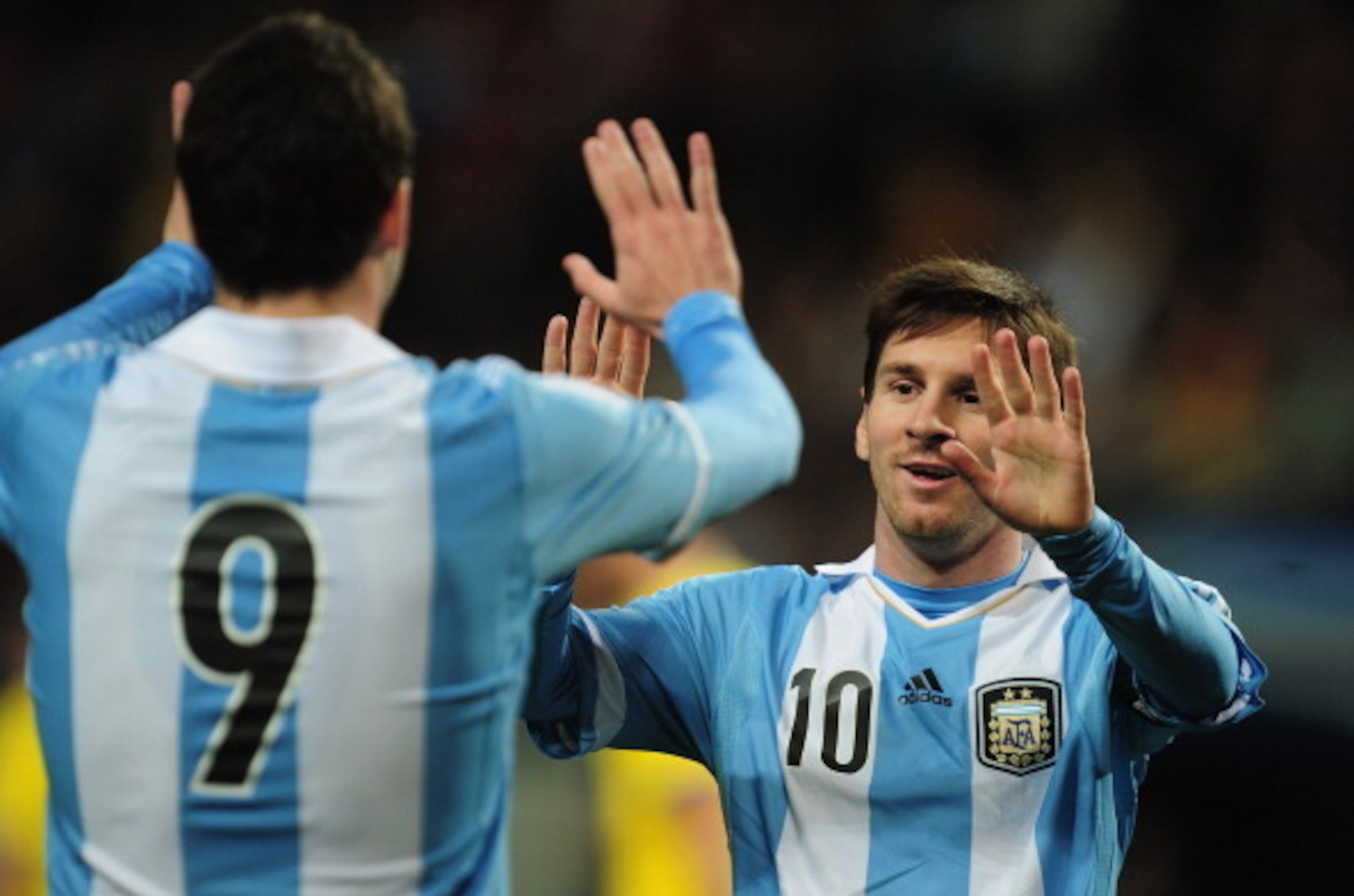
Argentina face debutants Bosnia & Herzegovina, stubborn Iran and a rising star in Nigeria in Group F.
| Argentina | Bosnia & Herzegovina |
| Iran | Nigeria |
Fixtures:
Argentina vs. Bosnia & Herzegovina
June 15, 19:00 local time/6 p.m. ET
Iran vs. Nigeria
June 16, 16:00 local time/3 p.m. ET
Argentina vs. Iran
June 21, 13:00 local time/noon ET
Nigeria vs. Bosnia & Herzegovina
June 21, 19:00 local time/6 p.m. ET
Nigeria vs. Argentina
June 25, 13:00 local time/noon ET
Bosnia & Herzegovina vs. Iran
June 25, 13:00 local time/noon ET
Group G
9 of 18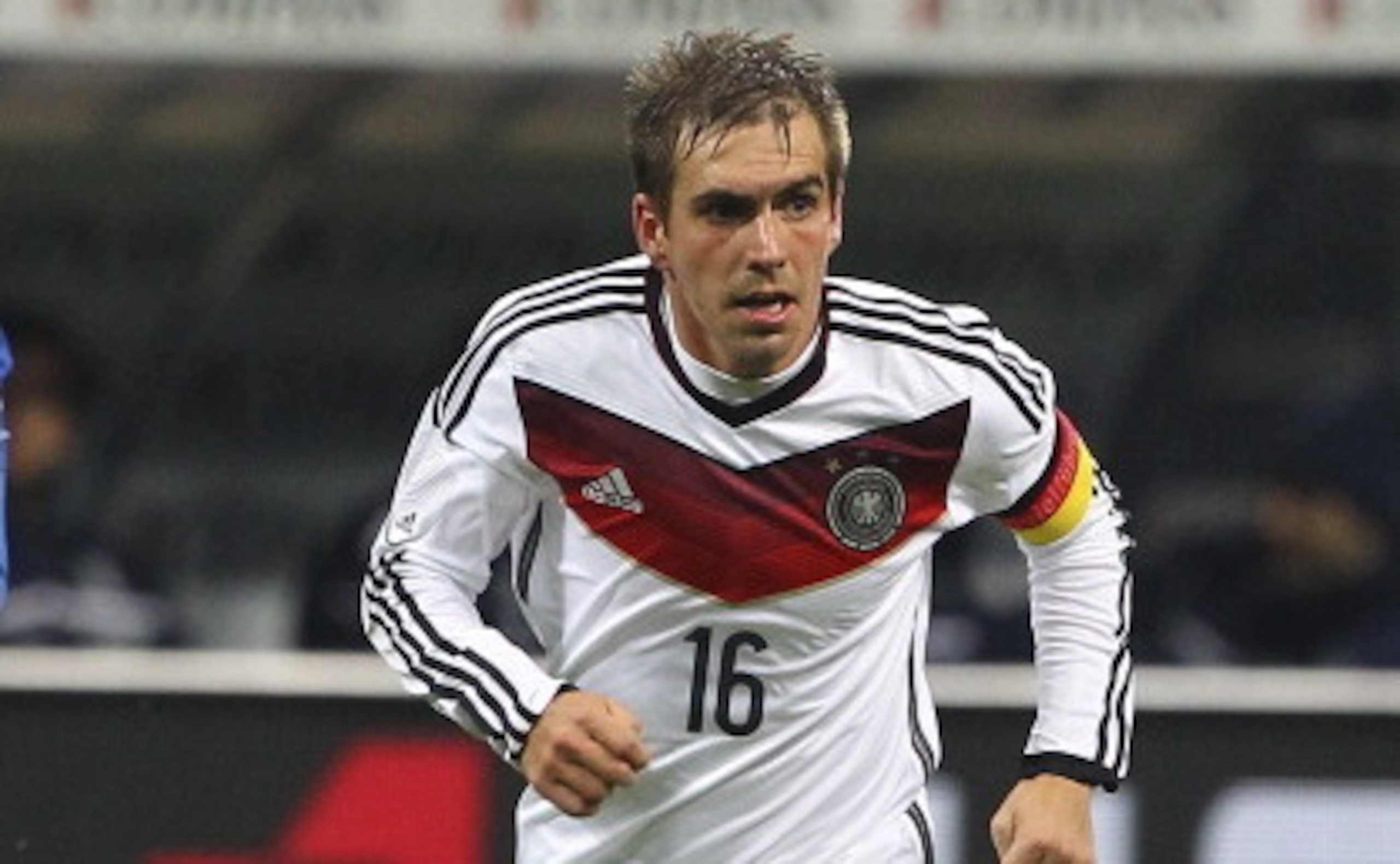
If Group D is the "Group of Death," then Group G runs it close. Four exceptionally capable outfits duel here.
| Germany | Portugal |
| Ghana | USA |
Fixtures:
Germany vs. Portugal
June 16, 13:00 local time/noon ET
Ghana vs. USA
June 16, 19:00 local time/6 p.m. ET
Germany vs. Ghana
June 21, 16:00 local time/3 p.m. ET
USA vs. Portugal
June 22, 19:00 local time/6 p.m. ET
USA vs. Germany
June 26, 13:00 local time/noon ET
Portugal vs. Ghana
June 26, 13:00 local time/noon ET
Group H
10 of 18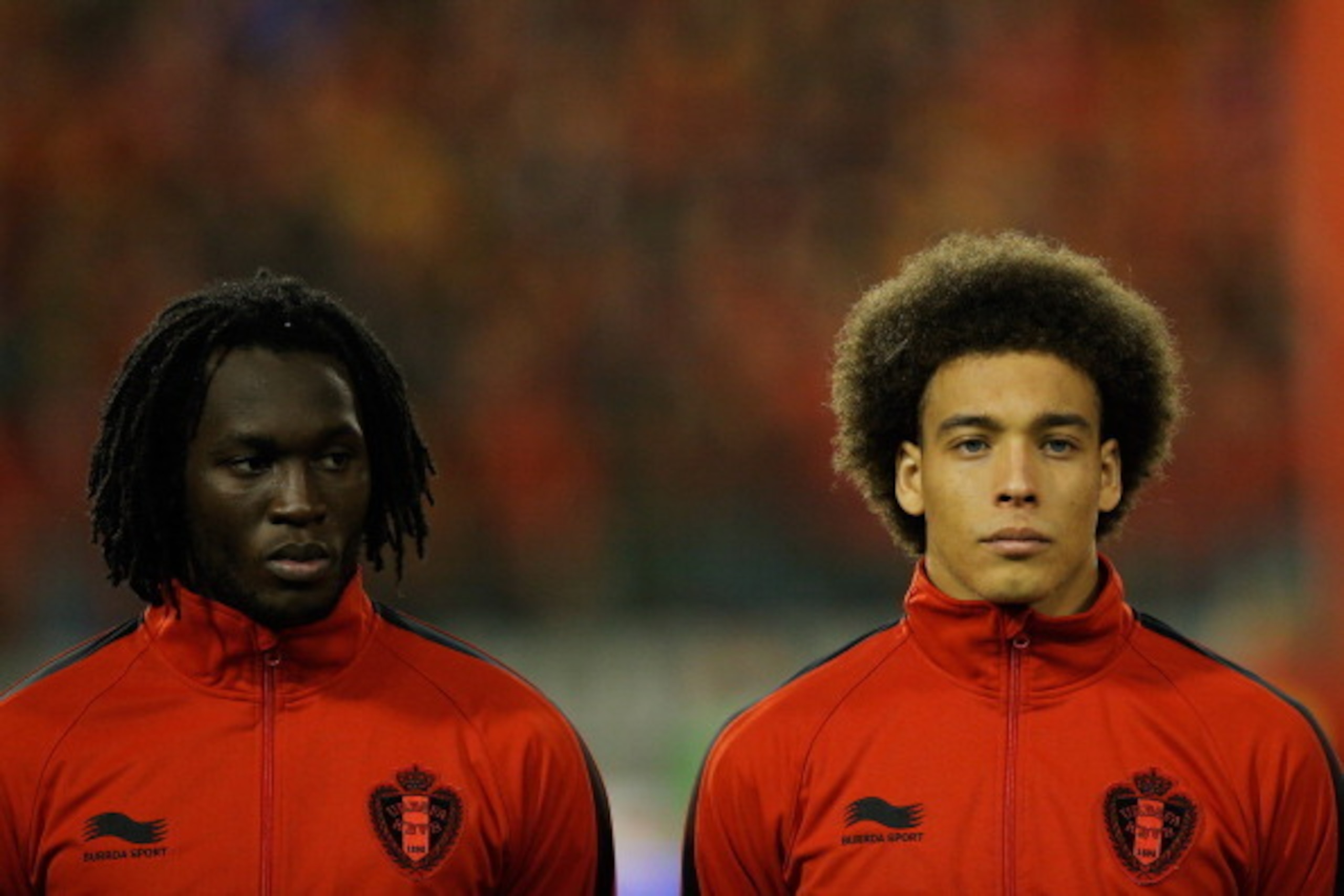
High-flying Belgium landed with domestic-strong Russia, a surprisingly impressive Algeria and the pass-happy South Koreans.
| Belgium | Algeria |
| Russia | South Korea |
Fixtures:
Belgium vs. Algeria
June 17, 13:00 local time/noon ET
Russia vs. South Korea
June 17, 19:00 local time/6 p.m. ET
Belgium vs. Russia
June 22, 13:00 local time/noon ET
South Korea vs. Algeria
June 22, 16:00 local time/3 p.m. ET
South Korea vs. Belgium
June 26, 17:00 local time/4 p.m. ET
Algeria vs. Russia
June 26, 17:00 local time/4 p.m. ET
The Stadiums
11 of 18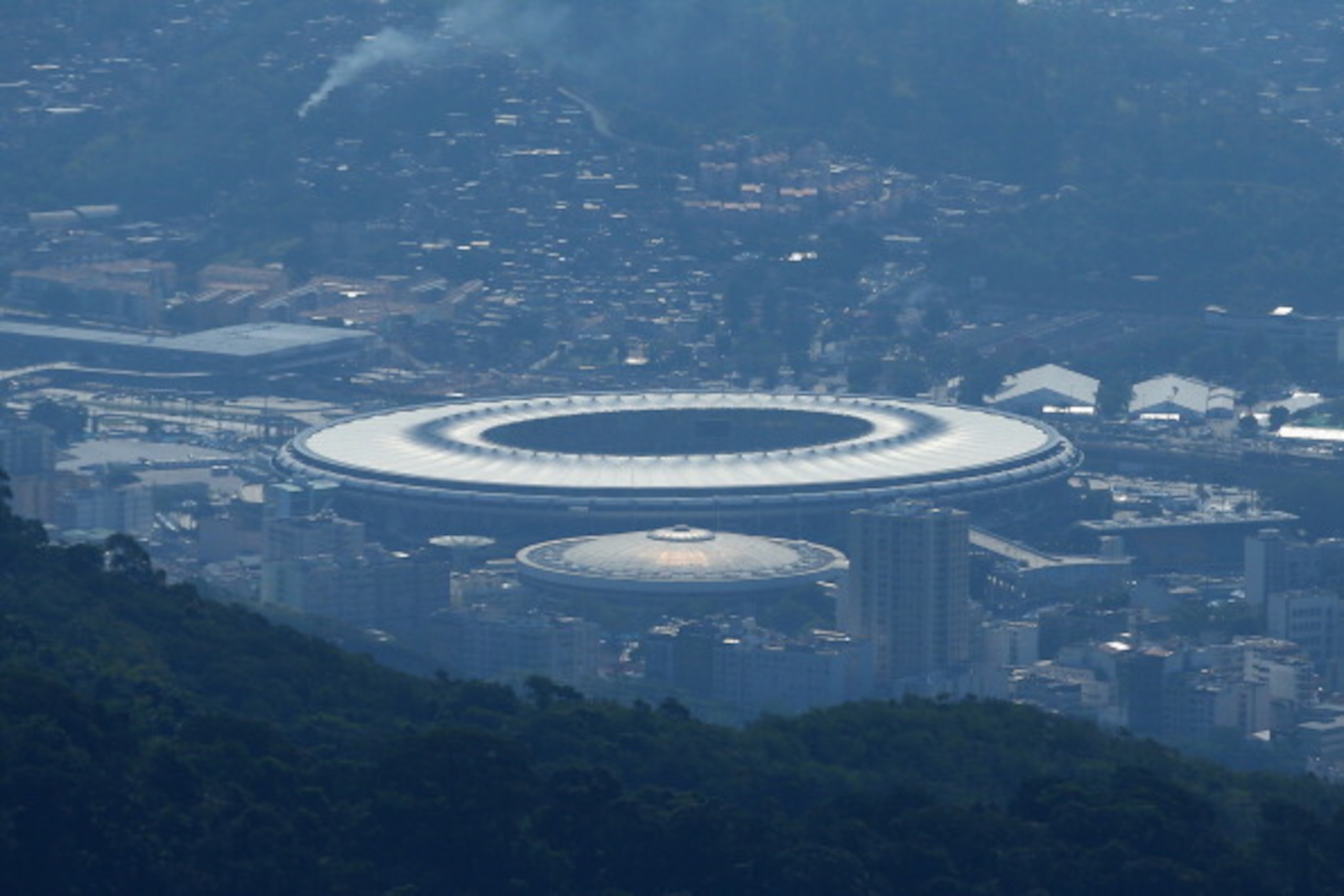
Brazil's FIFA World Cup Stadiums have been a bone of contention for many months, with the apparent lack of progress in building some becoming alarmingly clear during the Christmas check-up.
As we edge toward the tournament, some are still not finished, and while the others look glorious, the focus will fall on those with scaffolding, cranes and workers still nearby.
The mayor of Rio de Janeiro, Eduardo Paes, admitted this week that it was a "mistake" to host the World Cup over a colossal 12 different cities, per The Telegraph. The resources have run a little thin.
Here's an overview of all the tournaments set to stage games, with the capacity courtesy of FIFA.com.
| Stadium | City | Capacity |
| Maracana | Rio de Janeiro | 74,698 |
| Estadio Nacional de Brasilia | Brasilia | 69,432 |
| Arena de Sao Paulo | Sao Paulo | 61,606 |
| Arena Castelao | Fortaleza | 60,348 |
| Mineirao | Belo Horizonte | 58,259 |
| Arena Fonte Nova | Salvador | 51,708 |
| Estadio Beira-Rio | Porto Alegre | 42,991 |
| Arena Pernambuco | Recife | 42,583 |
| Arena Pantanal | Cuiaba | 39,859 |
| Arena da Amazonia | Manaus | 39,118 |
| Arena das Dunas | Natal | 38,958 |
| Arena da Baixada | Curitiba | 38,533 |
The Referees
12 of 18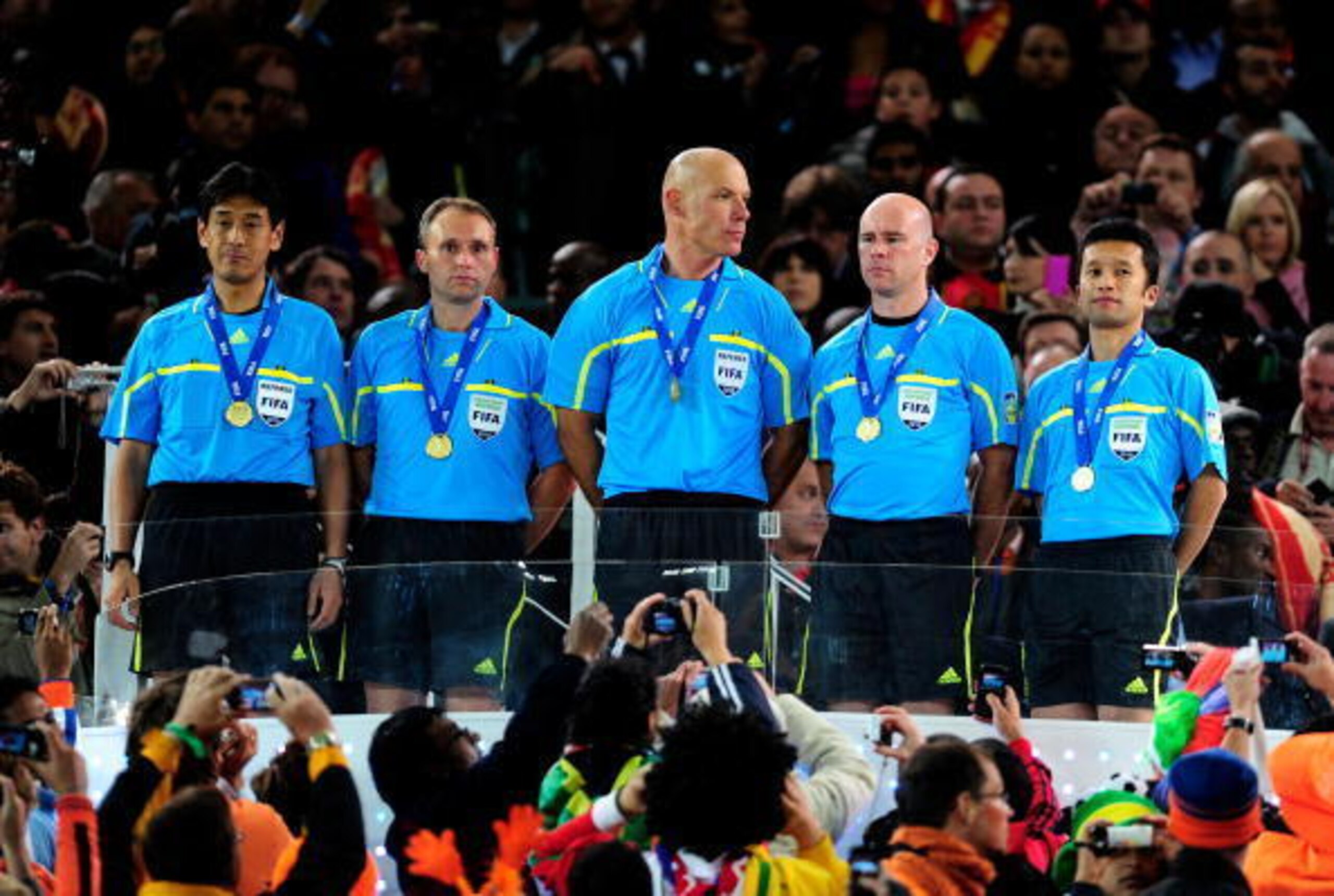
If your country didn't manage to qualify for the 2014 FIFA World Cup, there's still a chance you'll be represented by a referee from your nation.
The event is global in every sense of the word, and FIFA employs a wide range of referees from each continent during the tournament.
In total, 33 referees will be used to officiate matches, coming from Bahrain, Argentina, Germany, Sweden, Tahiti and every country in between.
The most experienced referee will be Roberto Moreno, of Panama, who turned international in 1996.
World Cup History: Past Winners
13 of 18
The first FIFA World Cup final was staged in 1930 in Uruguay, with 80,000 spectators watching the hosts beat Argentina 4-2 in Montevideo.
Two more editions ran in 1934 and 1938, both won by Italy, and then after a 12-year break due to the war, it resumed in 1950 for good.
Here's a rundown of all the past winners.
| Year | Winner | Host Nation |
| 1930 | Uruguay | Uruguay |
| 1934 | Italy | Italy |
| 1938 | Italy | France |
| 1950 | Uruguay | Brazil |
| 1954 | West Germany | Switzerland |
| 1958 | Brazil | Sweden |
| 1962 | Brazil | Chile |
| 1966 | England | England |
| 1970 | Brazil | Mexico |
| 1974 | West Germany | West Germany |
| 1978 | Argentina | Argentina |
| 1982 | Italy | Spain |
| 1986 | Argentina | Mexico |
| 1990 | West Germany | Italy |
| 1994 | Brazil | USA |
| 1998 | France | France |
| 2002 | Brazil | Japan/South Korea |
| 2006 | Italy | Germany |
| 2010 | Spain | South Africa |
6 Teams You HAVE to Watch
14 of 18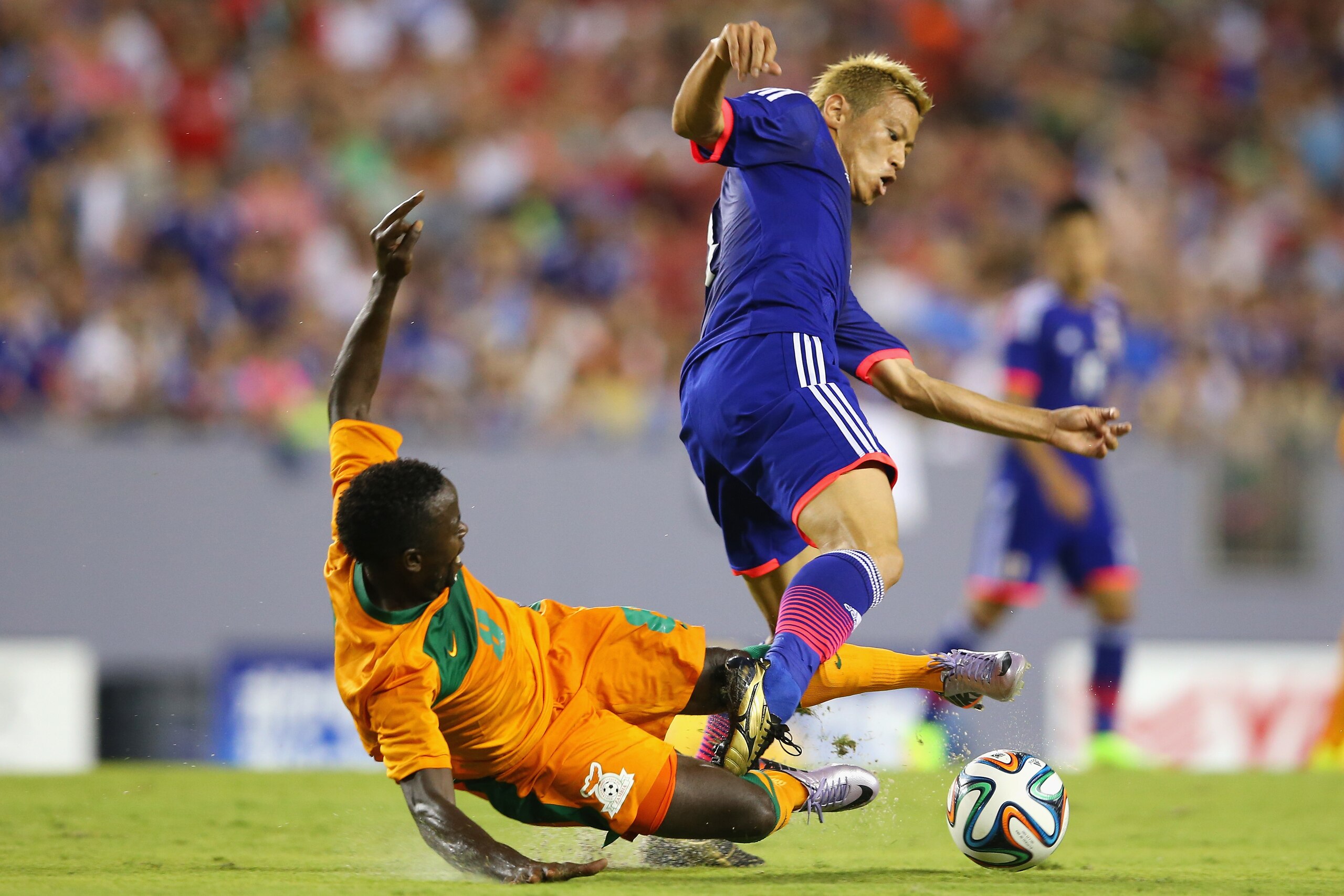
Of course you'll tune in to watch Brazil, Argentina, Spain and several other heavyweights in international football, but who else catches the eye?
Chile
Chile play fast, furious, entertaining football and never stray from their tactical blueprint. Regardless of whom Jorge Sampaoli fields, it's the same style, and that's a tough identity to mould.
Japan
Japan's inefficiencies in the first and final thirds is maddening, but they play some wonderfully entertaining football in the "right" way. They need to find a way to score and the manager knows it, so how he shapes his team will be an intriguing watch.
Uruguay
Oscar Tabarez has a close-knit squad—partly due to favoritism, partly due to a lack of depth—and that shows its strength when changing formation mid-game.
Switzerland
The Swiss play an entertaining game, but the heat and humidity may well take the zip from their passes and the sting out of their pressing game. How will Ottmar Hitzfeld react?
Nigeria
Nigeria have the potential to implode or explode, with Stephen Keshi's great work overshadowed by the Nigerian Football Association's tendency to tinker and corrupt things. It's a genuine case of sink or swim.
Belgium
Belgium cannot be considered dark horses—no top seed can—but they've fallen a little in some estimations. With Romelu Lukaku finally firing in an international shirt, they could be a great watch.
6 Players You HAVE to Watch
15 of 18
OK, back to the stars we go.
Cristiano Ronaldo, Portugal
The best player across the 2013-14 season was Ronaldo, who is as close to a one-man team as you can get at the international level. With poor strikers and unpredictable wingers, CR7 is the man Paulo Bento relies on.
Lionel Messi, Argentina
Messi had a rough 2013-14 season—by his standards—but is expected to hit the World Cup in peak fitness. If he fires like he has in the last two years, Argentina could win it.
Neymar, Brazil
The country of Brazil held its collective breath as Neymar went down in training on Monday, live on television. The worry that followed suggests just how much is riding on the Barcelona attacker, and he's expected to lead his nation to glory.
Andrea Pirlo, Italy
Everything in Italy's system, no matter the formation, runs through Andrea Pirlo. He's the master, the creator, the No. 1 target for the opposition to stop.
Mario Goetze, Germany
With Marco Reus out of the World Cup, Germany's suspect firepower took a big, big hit. Mario Goetze goes from important to key in the wake of it, and he'll play as the primary attacking outlet for Die Mannschaft.
Andres Iniesta, Spain
Iniesta is still Spain's best player, and the man who scored the winning goal at the 2010 edition will look to spark his side once more. A magician on the ball.
6 Things You Need to Know About Brazil 2014
16 of 18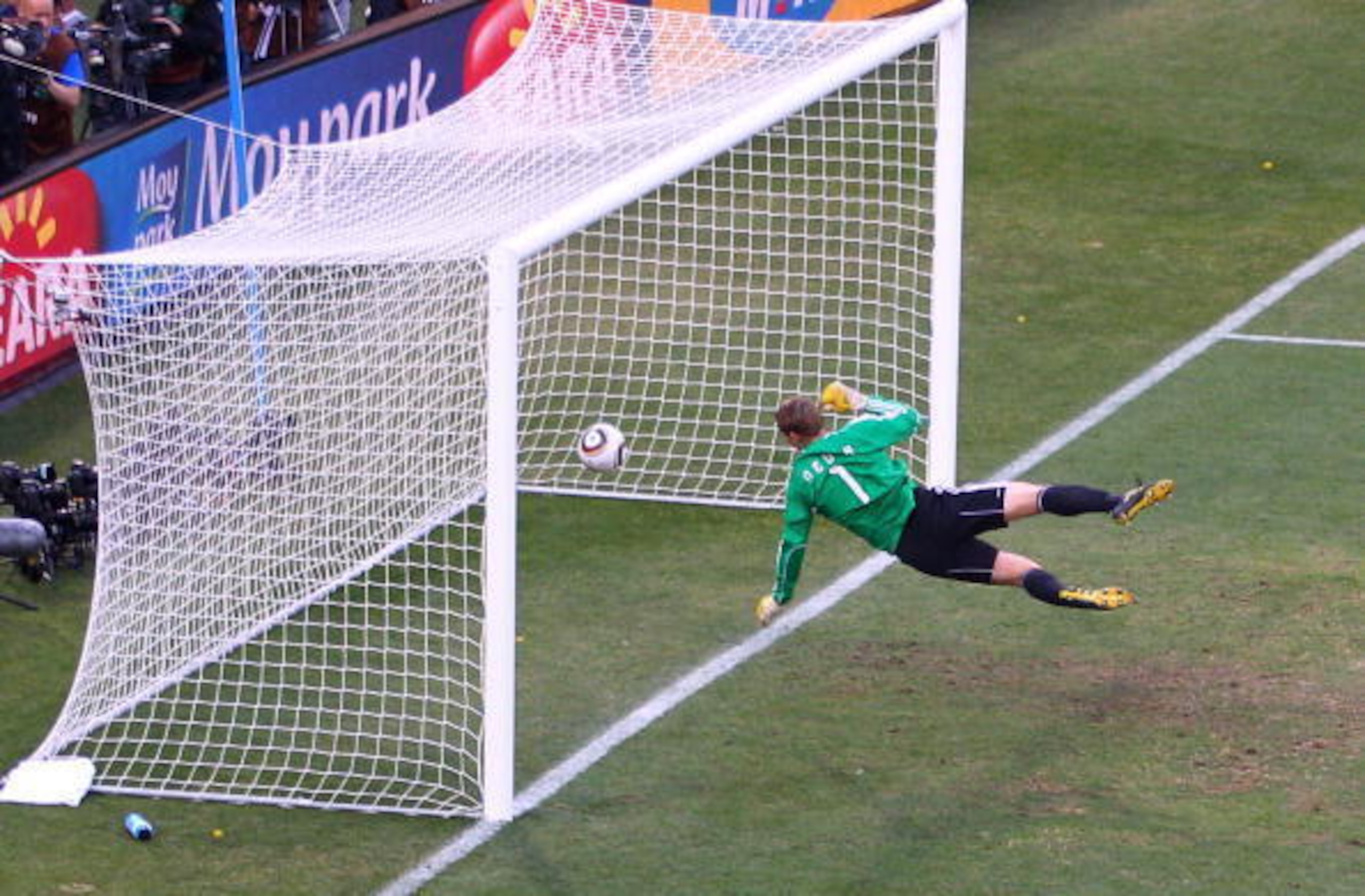
– This is the second time Brazil have hosted the FIFA World Cup. The first time was in 1950.
– Bosnia & Herzegovina are the only debut nation in this year's edition.
– Injuries have taken their toll on the squads. Franck Ribery, Marco Reus, Kevin Strootman, Christian Benteke, Victor Valdes, Radamel Falcao and more will miss the event.
– Pretty much every "big" nation qualified, making for optimal quality at the finals.
– Cristiano Ronaldo and Lionel Messi enter the biggest tournament of their lives in peak form.
– Goal-line technology is in use.
A Guide to the Hosts
17 of 18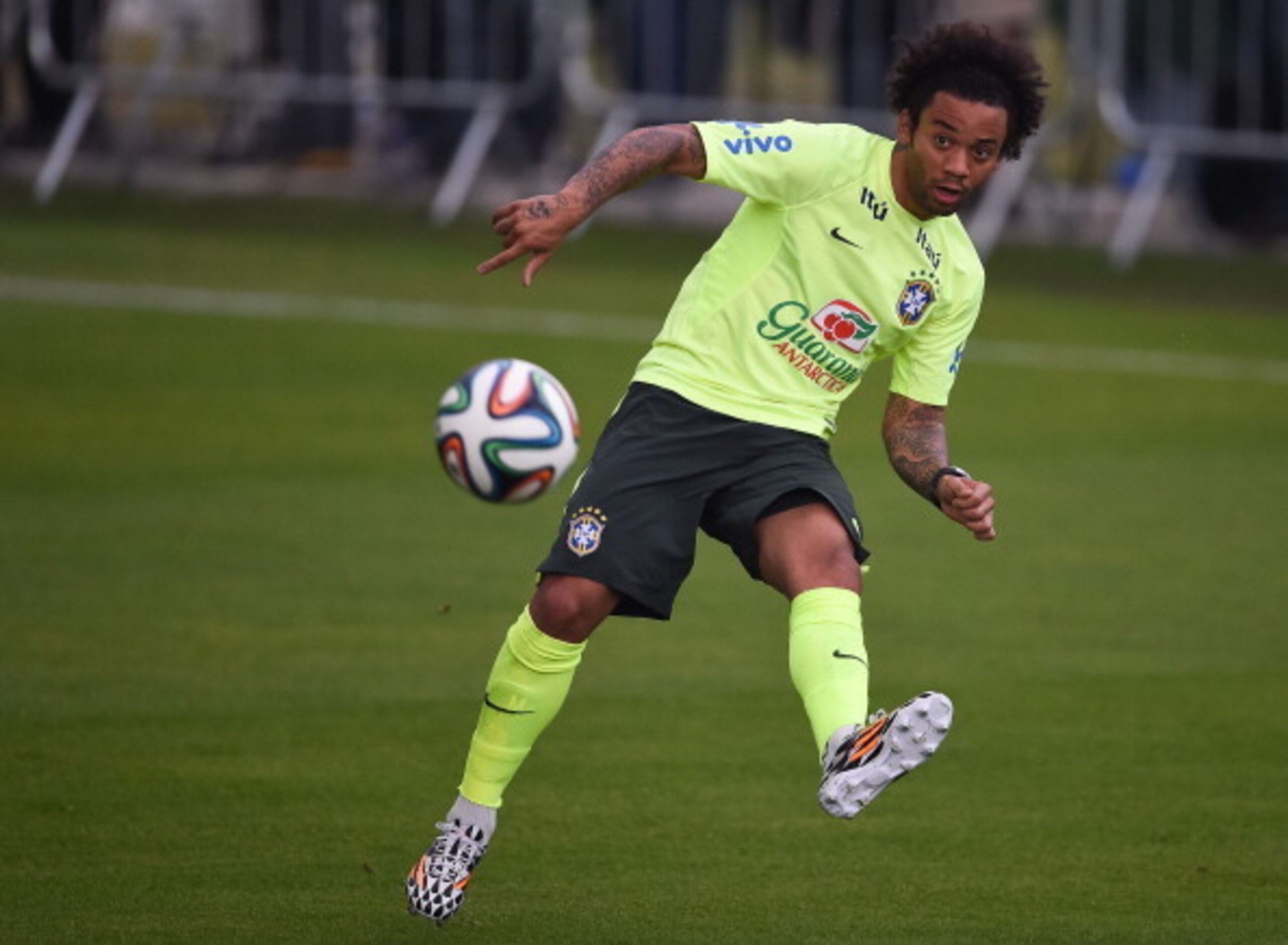
Brazil have all the expectancy and all the pressure on their shoulders.
The record five-time holders of the World Cup will host the tournament, and after winning the 2013 Confederations Cup—seen by some as a dry run for the competition—failure is not an option.
Luiz Felipe Scolari won the 2002 edition with the Selecao in South Korea and Japan, and after taking over just over a year ago, he's been nothing but successful.
He's got a close-knit set of players who trust each other; the atmosphere in the camp is one of determination, but also of calmness.
They'll play attacking football—by demand—down the left flank and utilise their world-class stars in Marcelo and Neymar. Striker Fred is not a household name, but he and Oscar do a lot of groundwork in opening up space for the duo.
David Luiz is epic for Brazil, Thiago Silva is the best central defender in football, Hulk can net a golazo from anywhere, and Dani Alves marauds like no other.
Who Are the Favourites?
18 of 18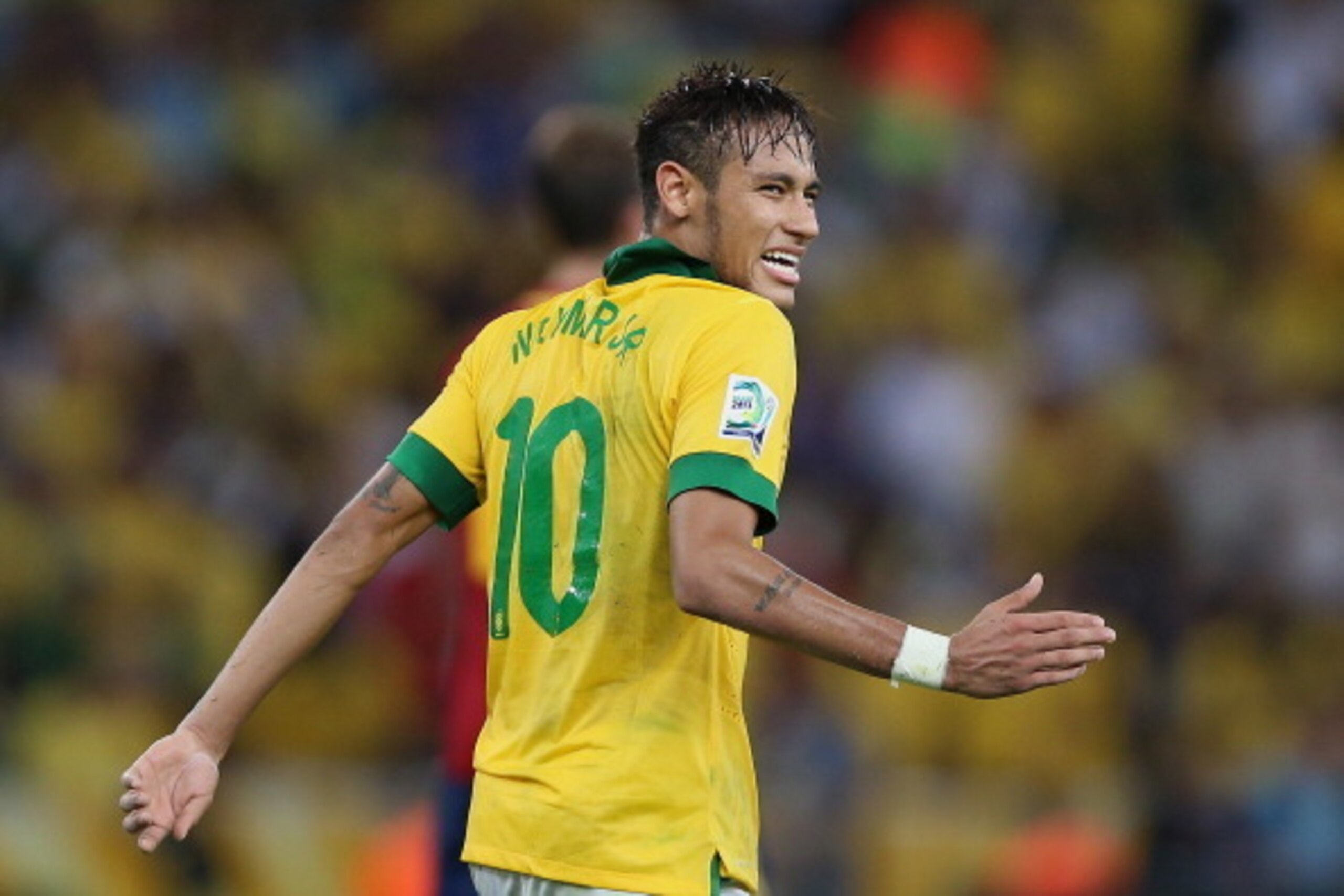
In every World Cup there are overwhelming favourites, and this edition is no different.
There are few who can see a winner emerging outside of these six names—all countries who possess experience, quality and tactical nous in abundance.
Hosts Brazil have star quality and home comforts; Argentina are localised and elite on the pitch; Italy are led by Andrea Pirlo; Uruguay are flexible and strong; Germany can be overwhelming; Spain are defending champions.
Who do you pick to win?


.jpg?w=2560 "Donald Works Out For Rams 🫨")

.jpg?w=2560 "Grading Dynamite From Mexico City 🔠")